REVIEW · URUBAMBA
Machu Picchu: Group Guided Tour
Book on GetYourGuide →Operated by Ericson · Bookable on GetYourGuide
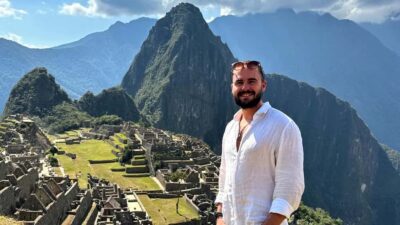
Machu Picchu hits different when someone has done the homework. This 3-hour group tour pairs hands-on Inca history (with didactic materials) with excellent photo guidance, so you see the site and walk out with real keepsakes.
I especially liked the way guides like Julio and Eric explain what you’re looking at, and then help you actually get good shots without feeling rushed. The one thing to plan for: Machu Picchu tickets and the bus up/down are not included, so your total cost depends on what you pay for those pieces.
In This Review
- Key things that make this tour worth your time
- Entering Machu Picchu the practical way: from Aguas Calientes to the front gate
- The bus ride and the first climb: why the “10 minutes” is a smart start
- Main platforms photo time: how the tour turns ruins into real portraits
- Your guided route in the citadel: temples, palaces, and the “why” behind the stones
- Guides from the Andes: what “professional” looks like on-site
- Price reality check: how $30 fits into the full Machu Picchu cost
- Timing, duration, and group pace: what 3 hours feels like at Machu Picchu
- What’s included and what to bring so you don’t get stuck at the gate
- Who this tour suits best (and who should think twice)
- Practical advice before you book: small things that matter a lot
- Should you book this Machu Picchu group tour?
- FAQ
- How long is the Machu Picchu group guided tour?
- Where do we meet for the tour?
- What’s included in the $30 per person price?
- Do I need to buy Machu Picchu tickets separately?
- What about the bus up and down?
- What do I need to bring to enter Machu Picchu?
Key things that make this tour worth your time
- Small group size (max 10) keeps the pace human and questions actually get answered.
- Photo help that feels pro, not awkward: you’ll get posed, shot, and you’ll leave with a photo album.
- History taught with visuals: guides use teaching materials (books/photos) to make the ruins easier to understand.
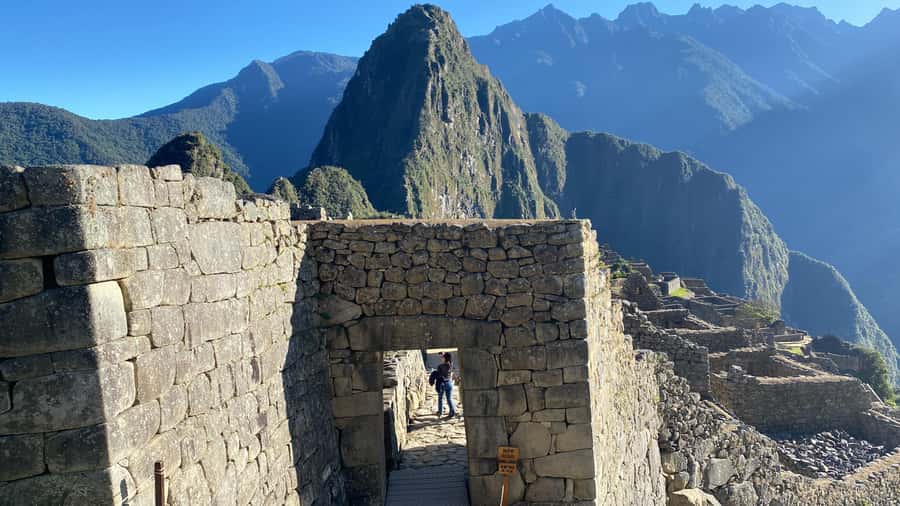
- You cover the must-sees like the Condor Temple, Sacred Rock, and Temple of the Three Windows.
- Pickup included from your hotel or train station, so you don’t waste energy figuring out where to go.
- Circuits affect your route: you’ll do a short climb to the highest point for your circuit before you start exploring.
Entering Machu Picchu the practical way: from Aguas Calientes to the front gate
Your day starts in Aguas Calientes, where your guide meets you in Plaza Manco Capac. You’ll know who to find because they’re there with a big tag that says ERIC. From there, you’ll head up by bus to Machu Picchu at a specific time—part of what makes this tour work well in real life is that you’re not left guessing logistics.
Once you’re at the entrance area, you’ll do the straightforward but important step: show your passport and your Machu Picchu ticket to get in. That can feel tedious if you’re trying to soak up views early, but it’s also why the group gets moving efficiently.
A small-group setup matters here. With fewer people, you spend less time herding, waiting, and repeating instructions. And if you’re the type who hates standing still while everyone scrambles for a selfie, this tour’s structure gives you a calmer rhythm.
You can also read our reviews of more guided tours in Urubamba
The bus ride and the first climb: why the “10 minutes” is a smart start
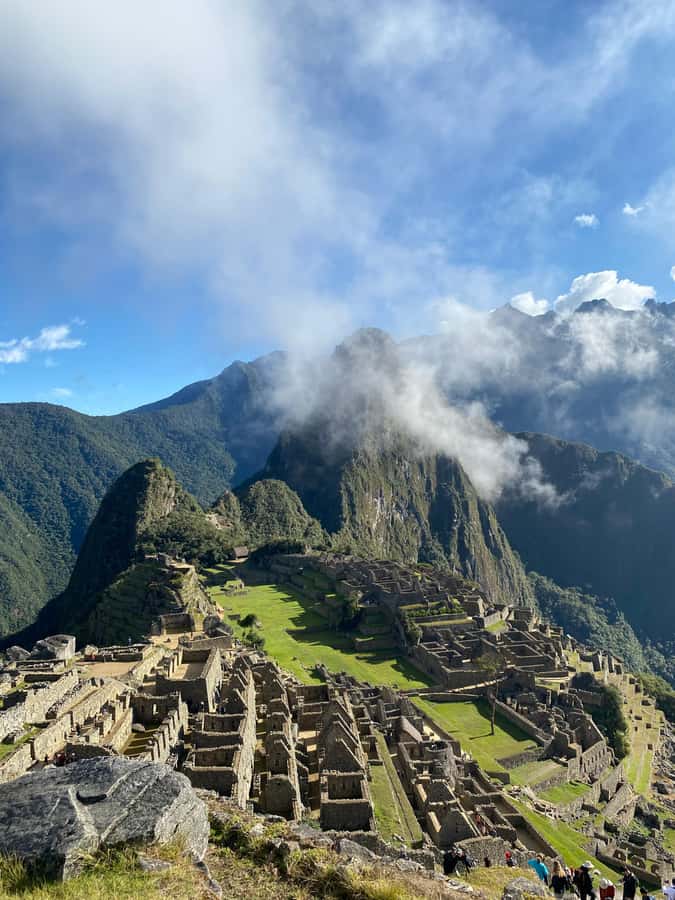
After the bus, you’ll start with a short hike—about 10 minutes—to the highest point connected to your chosen circuit. This is one of those tour details that sounds minor until you realize it’s how you get your bearings.
Your ticket circuit affects where you go first, and that changes the flow of your visit. For example, some travelers arrive with Circuit 3 and the Huayna Picchu hike included on their plan, so the “highest point” experience can be tied to that. The key idea stays the same: you hit the prime early viewpoints (relative to your circuit), then you settle into the ruins themselves.
If you’re short on energy, treat this as a “warm-up climb.” Don’t sprint. Just get steady breathing and keep moving. Then, once you’re on the main platforms, you’ll be ready for photos and walking.
Main platforms photo time: how the tour turns ruins into real portraits
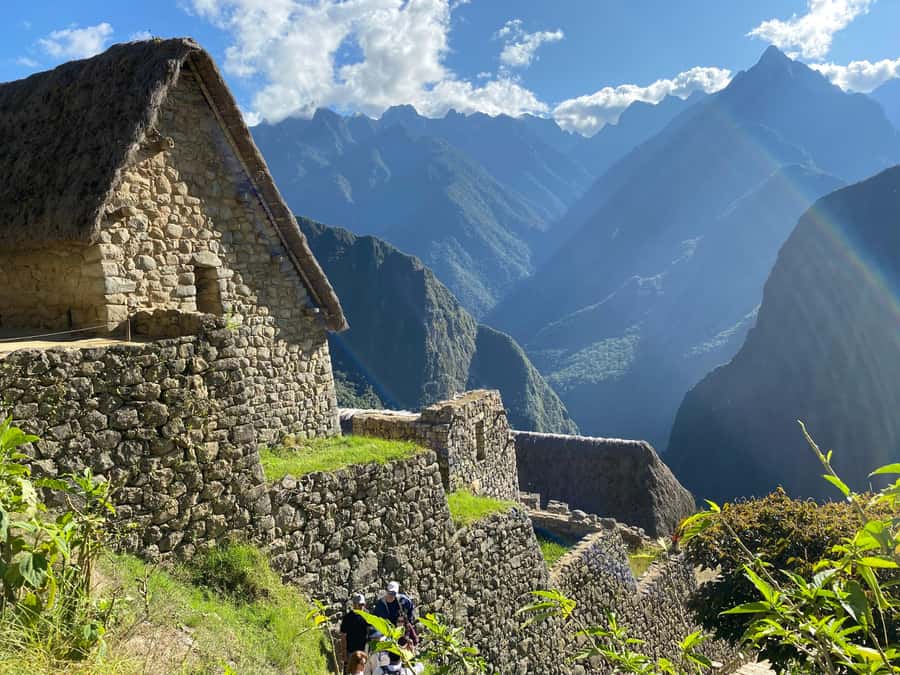
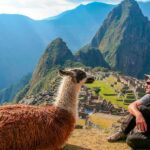
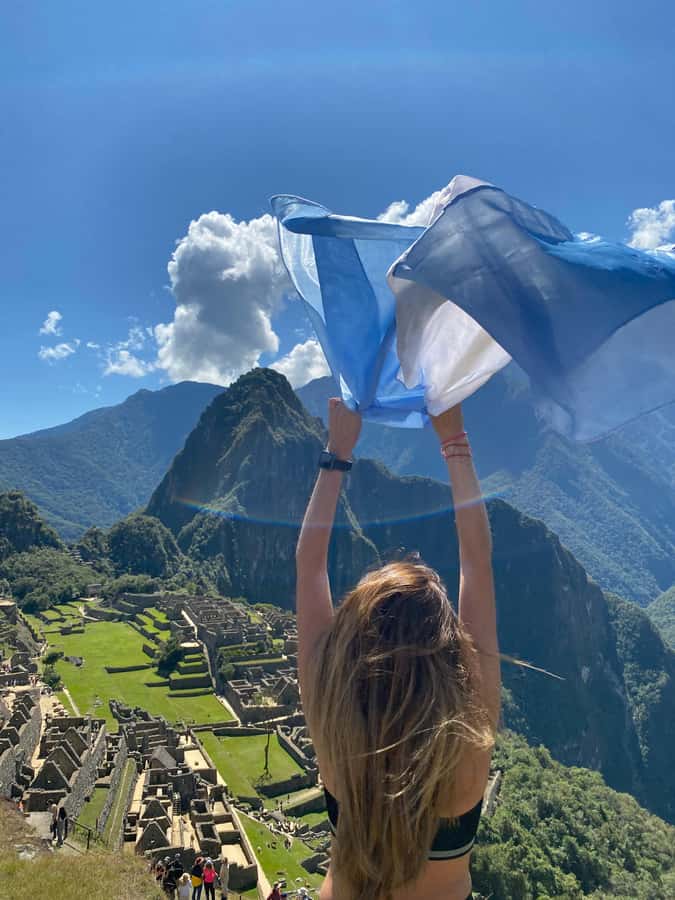
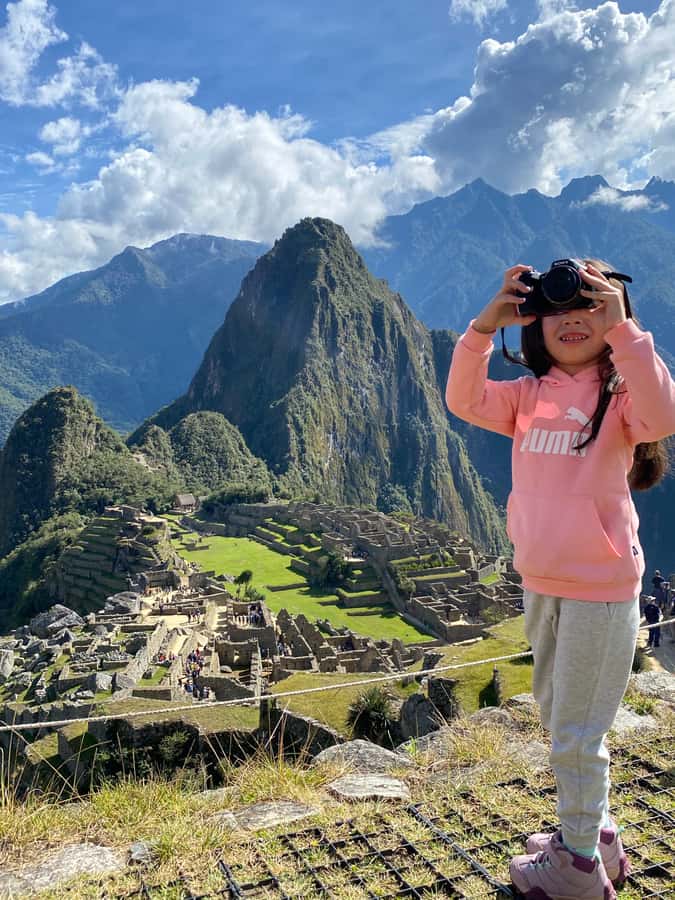
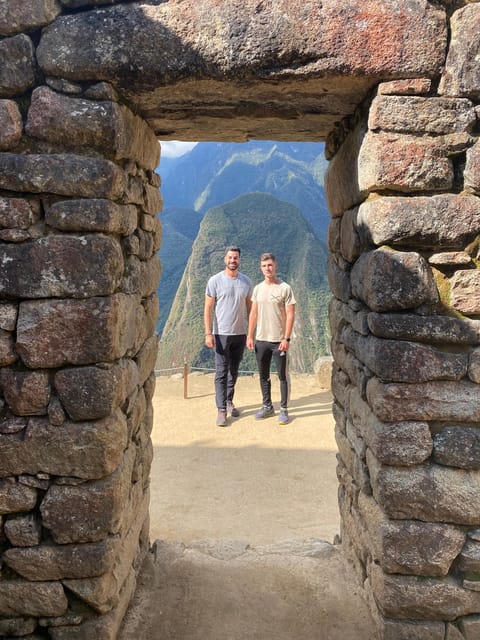
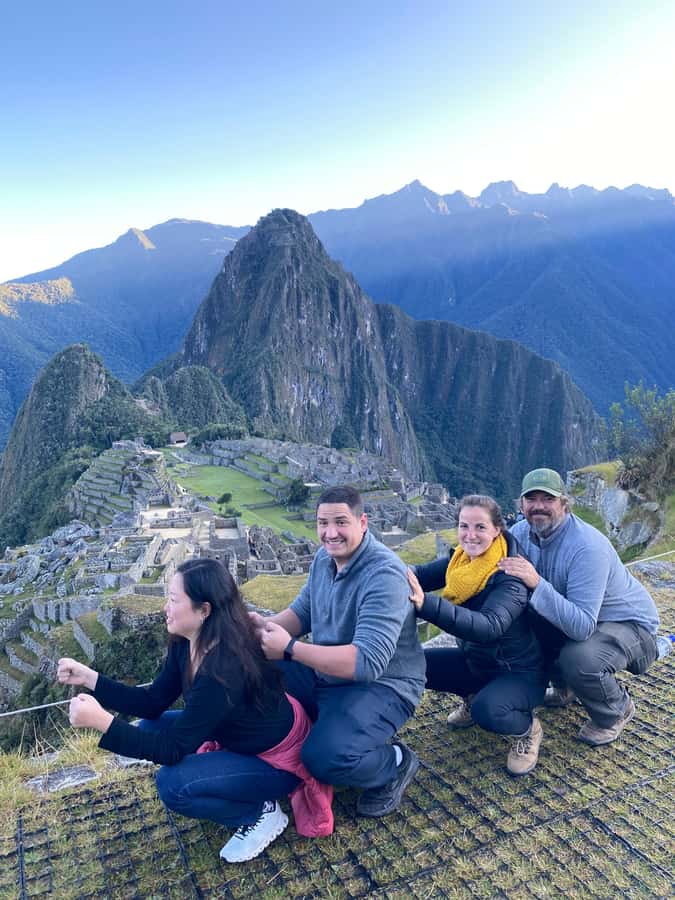
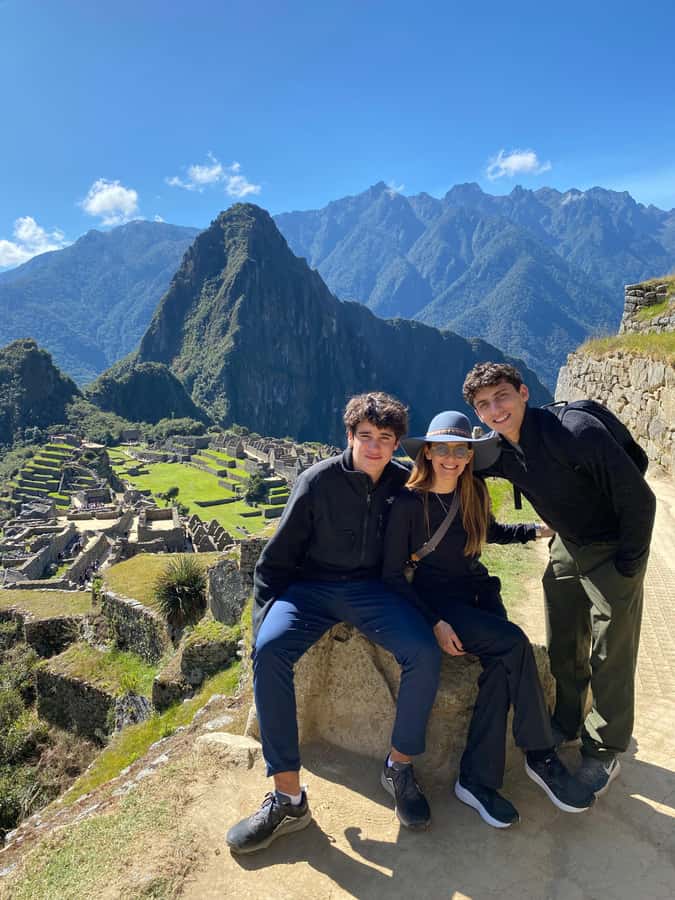
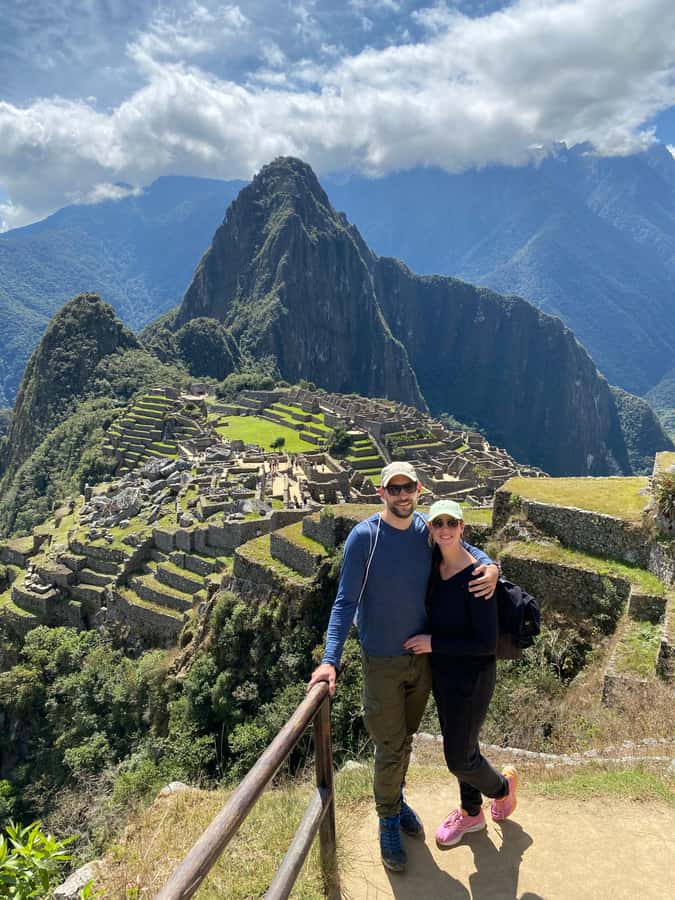
Here’s the part that most tours only promise. This one actually schedules it. After the initial climb, you reach the main platforms, and the guides help you with photos of you and your loved ones.
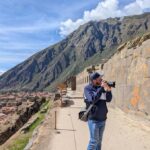
What makes it feel different is the hands-on approach. Guides aren’t just pointing and saying cheese. They position you, coach you on how to angle for the site, and take care of the technical side using their phones or other tourist phones. The goal is simple: postcards that don’t look like they were captured mid-sprint.
In the reviews, guides such as Eric and Julio get repeated praise for photo results. You’ll also see a theme: they don’t rush people through the photo moment. That matters because Machu Picchu can feel overwhelming. Having a calm moment to look up, frame the shot, and breathe helps your brain catch up with your eyes.
A practical tip: wear comfortable shoes, and if your hair gets wind-blown, expect a quick fix. Even the best photographer can only do so much with mountain weather.
Your guided route in the citadel: temples, palaces, and the “why” behind the stones
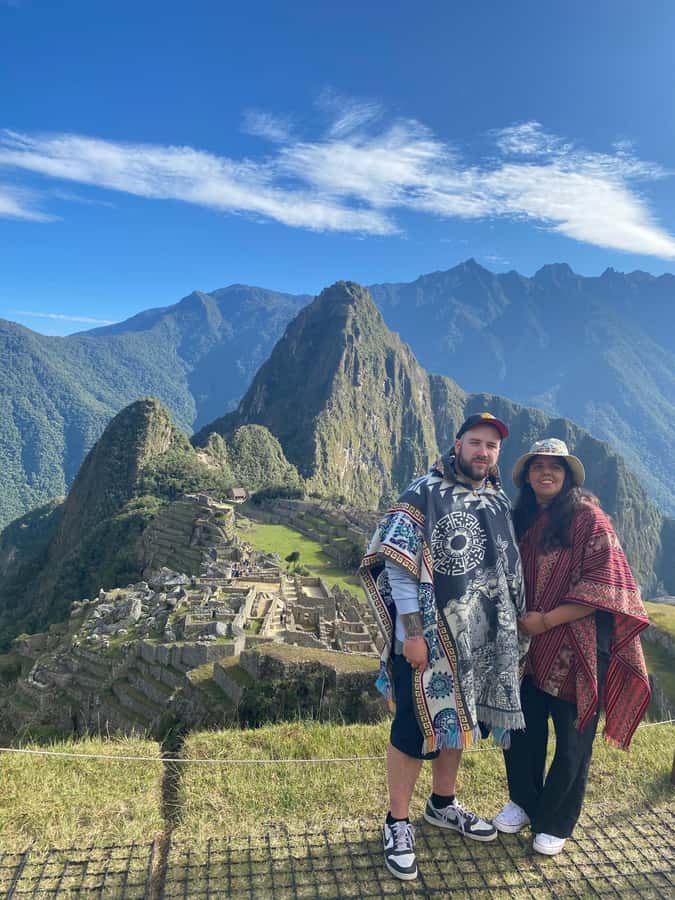
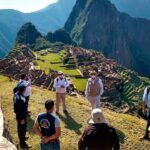
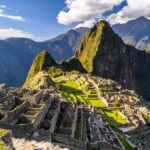
Once the photo time wraps, you move into the citadel itself. Expect around 2.5 to 3 hours exploring, depending on how your group moves and your circuit flow. The guide leads you through the site so you’re not just reading ruins as random architecture.
This is where the teaching materials and clear explanations pay off. Many guides in this program use didactic materials—books and photos—to connect what you see to what it meant. In plain terms: you start recognizing patterns, symbols, and functions instead of just admiring the view.
You’ll visit stops that cover a good cross-section of Machu Picchu’s sacred and residential spaces, including:
- Temples and palaces: the grand structures that show ceremonial importance and Inca engineering.
- The House of the Commoners: a reminder that this wasn’t only for elites and big rituals.
- Condor Temple: a signature stop that helps you understand how symbolism was built into sacred design.
- Sacred Rock: a key reference point for how the Inca used specific natural elements.
- Temple of the Three Windows: one of the most recognizable architectural features, especially for first-time visitors.
- Main Plaza of Machu Picchu: a central area that gives you a sense of movement through the complex.
The route isn’t just about checking boxes. Guides tend to explain the logic behind placement and structure—so when you look at a corner or doorway, you have a story attached instead of a blank stare.
Also, pace is built into the experience. The group format is structured, but your guide is there to slow down if needed and answer questions. That’s a big deal at Machu Picchu, where it’s easy to feel pressure to “do it all fast.”
Guides from the Andes: what “professional” looks like on-site
This tour is run with local guides from the Andes and Machu Picchu area, and that shows in how they communicate. Many visitors specifically highlight that the guides are patient, friendly, and good at keeping energy up—especially early.
You’ll hear strong praise for guides like Eric, including mention of his clarity in English and his ability to explain details without turning the day into a lecture. Other guides named in reviews include Julio, Andre, Carlos, Emerson, and Roberto—and the consistent thread is the mix of storytelling, cultural context, and photo competence.
If you care about understanding rather than just sightseeing, this is the type of tour that supports that goal. The best guides in this style don’t just hand you facts—they point out what you can see right now, then connect it to why it mattered.
It also helps that the group is small. With up to 10 participants, you’re more likely to get real answers and less likely to feel like part of a human line.

Price reality check: how $30 fits into the full Machu Picchu cost
The listed price is $30 per person for a 3-hour tour. That can be tempting because Machu Picchu can get expensive fast. But here’s the honest math: your Machu Picchu ticket (152 soles) and the bus ticket up and down (24 USD) are not included.
So what are you actually paying for with the $30?
You’re paying for:
- pickup help from your hotel or train station
- guided time through the citadel
- ongoing assistance
- professional photo support and a photo album
For many people, the photo piece alone can justify the price—especially if you’ve ever struggled to get decent shots at high-altitude sites while holding a phone that keeps losing focus. When a guide sets you up and takes the photos, you’re not relying on luck.
Still, you should treat this as a value add, not a full package. If you don’t already have tickets, you’ll need to budget for them before you commit.
Timing, duration, and group pace: what 3 hours feels like at Machu Picchu
The tour duration is 3 hours, and the visit inside Machu Picchu is typically 2.5 to 3 hours. That’s a tight but workable window for first-timers.
Here’s how it usually breaks down:
- pickup and bus ride
- entry check with passport and ticket
- short climb to the highest point for your circuit
- photo time on the main platforms
- guided exploration of the citadel stops
The biggest consideration is that Machu Picchu isn’t flat. Even when the climb is “only” about 10 minutes at the start, you’re walking on uneven stone. You’ll feel it more than you expect. Bring that in your planning: hydrate well before you meet your guide and pace yourself.
Also, since group tours keep a shared timing rhythm, you may not get the ultra-slow, wander-every-corner style some people prefer. If that’s you, consider whether a guided route matches your personality.
What’s included and what to bring so you don’t get stuck at the gate
This tour is built to reduce friction. Included:
- pickup from your hotel or train station
- guided tour in Machu Picchu
- professional photos in Machu Picchu (using phones)
- guided tour with a photo album
- assistance the whole time
Not included:
- Machu Picchu tickets (152 soles)
- bus ticket up and down (24 USD)
- meals and drinks
What to bring:
- Passport or ID card (you’ll show it at entry)
Not allowed:
- pets
- alcohol and drugs
If you want the day to feel smooth, keep your passport/ID easy to reach. Don’t bury it in a deep backpack where you’re juggling zippers while the group waits.
Who this tour suits best (and who should think twice)
This is a great match if you:
- want a first-time-friendly route through the key ruins
- enjoy understanding what you see, not just taking photos
- care about getting portraits that look good, not random
- prefer a small group (10 participants max)
- want help with timing and on-site direction
Think twice if:
- you plan to skip guided explanation and want full independence
- you’re extremely sensitive to schedule structure
- you’re trying to keep your total budget ultra-low once tickets and transport are added
Practical advice before you book: small things that matter a lot
- Choose comfortable walking shoes. Stone surfaces don’t care about your fashion choices.
- Decide in advance what you want most: photos, stories, or a slow personal pace. This tour does all three, but it’s still a guided flow.
- Plan your total budget using the add-ons: 152 soles for tickets plus $24 USD for the bus.
- Bring your passport/ID, because entry checks are part of the process.
Should you book this Machu Picchu group tour?
If you want Machu Picchu with less stress and more meaning, I think this tour is a strong choice. The combination of guided ruins coverage, helpful teaching style, and real photo support is what pushes it above a basic walk-through.
Book it if you like small groups, you want a guided route that hits major landmarks (Condor Temple, Sacred Rock, Three Windows, and the plaza), and you’d rather have someone set your shots than hope for luck. Just make sure you budget for the ticket and bus, and you’ll start the day with fewer surprises and better control.
FAQ
How long is the Machu Picchu group guided tour?
The duration is about 3 hours.
Where do we meet for the tour?
The meeting point is Plaza Manco Capac de Aguas Calientes, and your guide will be there with a big tag that says ERIC.
What’s included in the $30 per person price?
It includes pickup from your hotel or train station, a guided tour at Machu Picchu, professional photo help (using phones), a photo album, and assistance throughout the tour.
Do I need to buy Machu Picchu tickets separately?
Yes. Machu Picchu tickets are listed as 152 soles and are not included in the tour price.
What about the bus up and down?
The bus ticket up and down is not included and is listed as 24 USD.
What do I need to bring to enter Machu Picchu?
You should bring your passport or ID card, since you will show it during entry.