REVIEW · URUBAMBA
Guided tour of Cusco and its 4 ruins
Book on GetYourGuide →Operated by Exploor Trip E.R.L · Bookable on GetYourGuide
Cusco hits different when you see the layers up close. I love the Qoricancha walk-through and the fortress-level detail at Sacsayhuamán. It’s a smooth way to cover big sights without wasting half your day figuring out routes.
One heads-up: on Sundays, the stop order can shift, and the timing may feel tighter than the schedule suggests. If the Cathedral or Plaza de Armas matter most to you, plan with extra slack.
In This Review
- Key highlights you’ll feel the most
- Cusco in one guided pass: what this tour is really good at
- Cusco Cathedral and Plaza de Armas: the entry point into the city
- A practical note on timing
- Qoricancha Temple of the Sun: Inca gold meets Spanish-era change
- What you’ll take away here
- Sacsayhuamán: fortress walls with an engineer’s mindset
- How the guide makes this stop worth it
- The 4 ruins loop: Qenqo, Puca Pucara, and Tambomachay
- Qenqo shrine: a sanctuary with purpose
- Puca Pucara: the Red Fortress watchtower feel
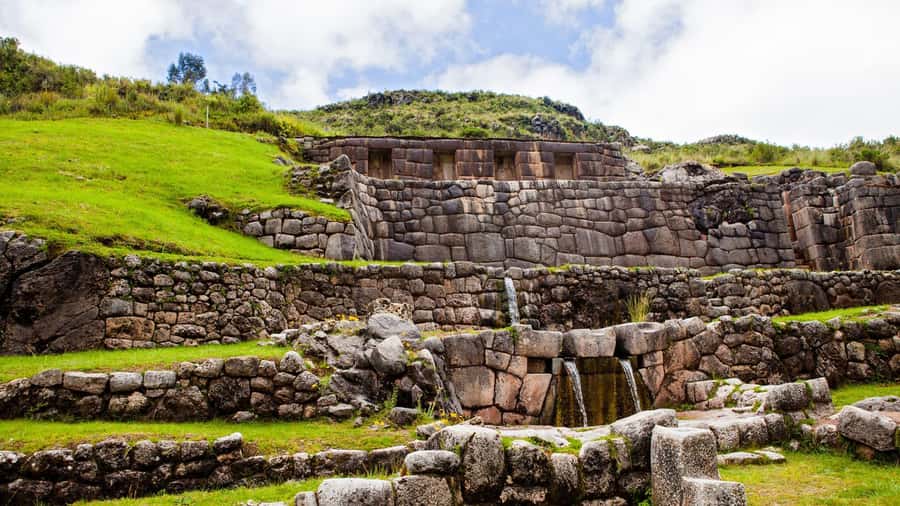
- Tambomachay: water worship made physical
- A practical reality check
- Price and value: what you pay vs. what you’ll still need
- Where the money makes sense
- Where it might not
- Timing tips: the Sunday order issue you should know about
- What to expect from the guide: make or break
- Who this tour suits best (and who should consider alternatives)
- FAQ
- Where do you get picked up and where do you get dropped off?
- How long is the tour?
- Which main sights are included?
- Are entrance tickets included in the price?
- How much are the entrance fees for foreign visitors?
- Does the tour include a live guide and what languages are offered?
- Do you travel by minibus?
- What is the cancellation policy and can I reserve without paying right away?
- Does the stop order always stay the same?
- Should you book this Cusco and 4 ruins guided tour?
Key highlights you’ll feel the most
- Qoricancha and Cusco Cathedral in the same loop, showing the Inca–Spanish blend
- Sacsayhuamán explained as a top architectural achievement of the Incas
- Qenqo, Puca Pucara, and Tambomachay as a compact “sacred landscape” day
- Minibus logistics that save you from slow backtracking around town
- A live guide with real passion, including at least one guide described as a Spanish university professor type
Cusco in one guided pass: what this tour is really good at
This is a half-day structure that’s made for people who want a fast, guided overview of Cusco and the surrounding ruins. You start in the historical center area and then head out by minibus for the out-of-town sites. The pacing works best if you’re happy trading a little free time for clear explanations and a checklist of major places.
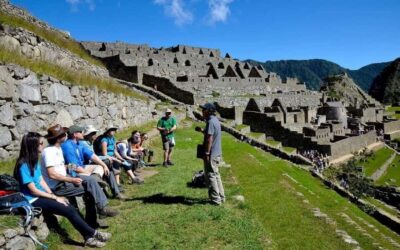
The guide is the main value-add. When the storytelling is on point, these sites stop being “pretty stone” and start being readable—religious spaces, defensive design, and planned movement through sacred areas. Even the route itself tells a story: Plaza de Armas first, then Inca religious power at Qoricancha, then the big engineering statement of Sacsayhuamán, and finally smaller but meaningful sanctuaries and water worship spaces.
You can also read our reviews of more guided tours in Urubamba
Cusco Cathedral and Plaza de Armas: the entry point into the city
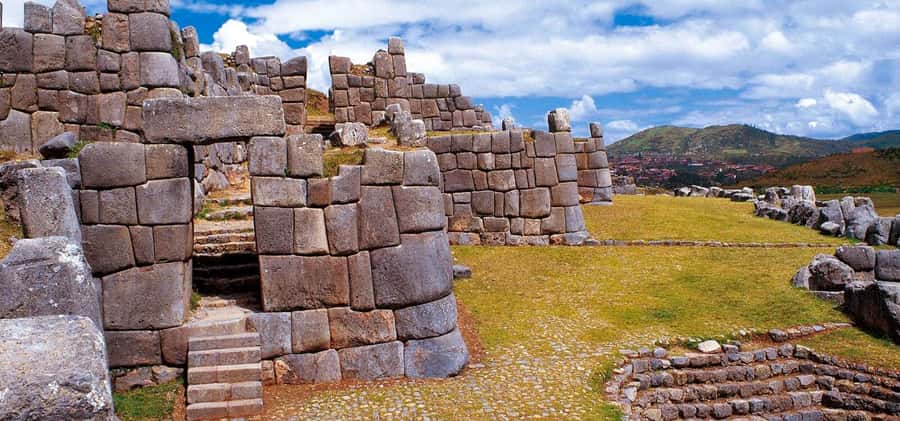
Your day begins with pickup and a move toward Plaza de Armas, home to the Cusco Cathedral. You’ll enter the Cathedral for a guided look at its architecture and artistic wealth. The tour’s angle here is the fusion theme: many decorative elements are made with Inca gold.
That detail matters because it explains why Cusco feels layered instead of simply “Spanish or Inca.” It also helps you look past the obvious exterior and notice design choices inside—how power, faith, and craftsmanship got remixed. If you’ve only seen Cusco as a postcard, this first stop helps you get your bearings fast.
A practical note on timing
One traveler described a Sunday schedule shift where the Cathedral and Plaza de Armas came later than expected. If you’re the type who hates rushing entrances, ask your guide ahead of time which order will happen that day and whether you have enough time for Cathedral + Plaza.
Qoricancha Temple of the Sun: Inca gold meets Spanish-era change
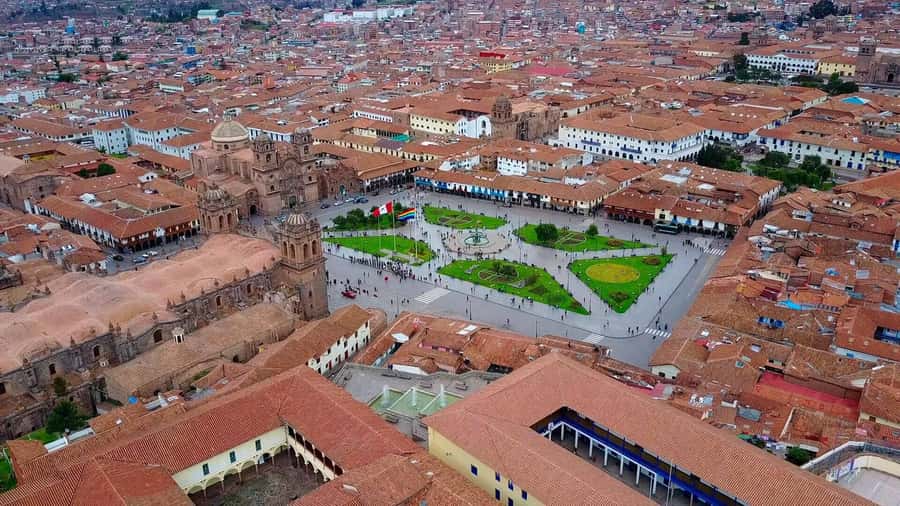
After the Cathedral area, the tour walks you to Qoricancha, also called the Temple of the Sun. You’re guided through a place that was one of the most important religious centers of the Inca Empire—then you’re shown how it later became a visible example of Inca and Spanish cultural fusion.
The tour information emphasizes that the exact construction date is still a mystery. That uncertainty is part of the appeal: you’re not just looking at a dated monument; you’re experiencing a religious site that evolved over time. Once you’re inside, the main value is understanding what made it special to the Incas, and how later builders changed what they inherited.
What you’ll take away here
You’re basically learning a “why.” Why this place mattered, why it was targeted and adapted, and why the architecture feels like it has multiple identities at once. If you’re an architecture person, this stop alone can justify the guided format because you’ll know what to look for instead of just snapping photos and moving on.


Sacsayhuamán: fortress walls with an engineer’s mindset
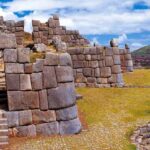
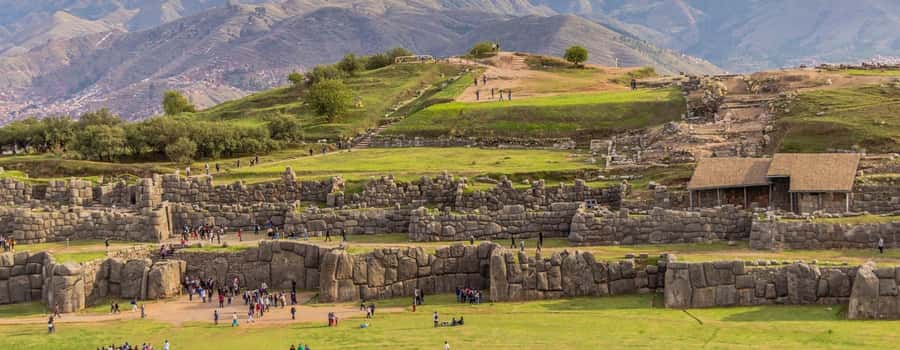
Next comes the big one: Sacsayhuamán fortress. You’ll travel there by minibus, then enjoy a guided tour focused on why it’s considered one of the greatest architectural works of the Incas.
This is where the day shifts from “religious center” to “power and planning.” Expect explanations that frame the site as an engineered landscape—built for defense, designed for visibility, and arranged with intention. Even if you’ve seen photos before, the guided approach helps you connect the stonework to function and status, not just aesthetics.
How the guide makes this stop worth it
You don’t just get a description of walls. The tour aims to explain significance, and that’s where guides can be game-changers. One recent review praised a guide described as a Spanish university professor type—passionate about history and clearly skilled at explaining it. That kind of guidance turns Sacsayhuamán into something you can actually understand while standing there.
The 4 ruins loop: Qenqo, Puca Pucara, and Tambomachay
After Sacsayhuamán, you continue by minibus to the remaining stops: Qenqo and Puca Pucara (the Red Fortress), then Tambomachay, also called the Inca Bath.
Qenqo shrine: a sanctuary with purpose
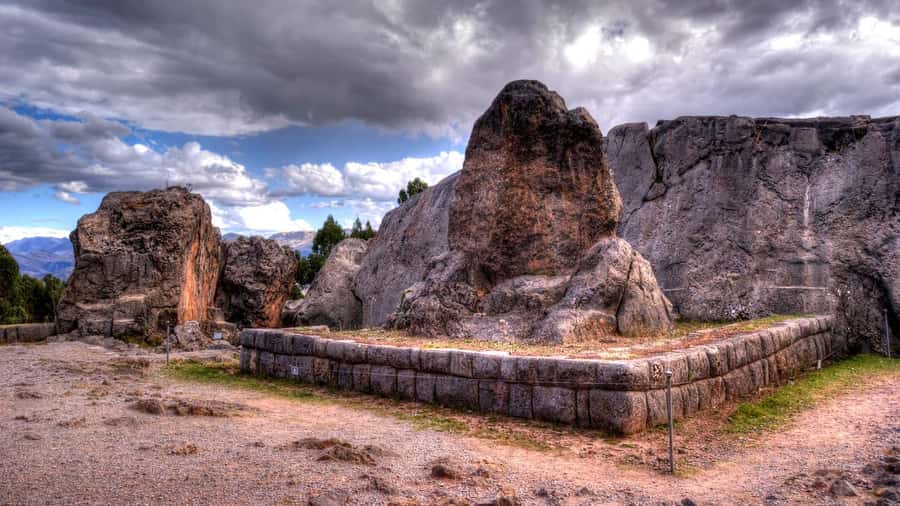
Qenqo is described as one of the most important sanctuaries of its time. The value here is not only that it’s a ruin, but that it was a designed spiritual space. The guided framing helps you read the layout as a ritual setting rather than random stone.
Puca Pucara: the Red Fortress watchtower feel
Next is Puca Pucara, referred to as the Red Fortress. This stop adds a different energy to the day. Instead of focusing purely on ceremony, the tour treats this as part of the broader system of sacred and strategic sites around Cusco—watch, control, and visibility.
Tambomachay: water worship made physical
Finally, you visit Tambomachay, called the Inca Bath because it was where the Incas worshiped water. That “worshiped water” detail changes how you see the structures. You start looking for how water features were part of belief and practice, not just decoration.
A practical reality check
Three ruin stops in a single loop can feel like a lot, especially if you’re the type who likes to linger. The upside is you’ll see the variety: sanctuary (Qenqo), watchtower identity (Puca Pucara), and water rituals (Tambomachay). If you want depth at only one site, you might prefer a dedicated visit later. If you want the big picture, this sequence works well.
Price and value: what you pay vs. what you’ll still need
The tour price is listed at $20 per person and includes pickup and return transfer to central Cusco, minibus transportation, and a guide. Entrance fees are not included, so your total cost depends on tickets.
For foreign visitors, the extra entrance costs listed are:
- Cusco Cathedral: 40 S/ (10.70 US$)
- Qoricancha: 15 S/ (4 US$)
- 4 ruins: 70 S/ (18.80 US$)
Using those figures, a foreign traveler should plan around $53.50 total (tour + entrances), before any optional extras. That sounds like more than the headline price, but it’s still reasonable for a guided, minibus-supported half-day covering multiple major sites.
Where the money makes sense
This tour tends to be good value if:
- you don’t want to coordinate transport between Cusco center and the ruins
- you want a guide to explain what you’re seeing (especially at Qoricancha and Sacsayhuamán)
- you’d rather pay for convenience than spend time sorting tickets and routes yourself
Where it might not
It’s less satisfying if you’re only interested in one or two stops. Since entrance fees add up, you’ll feel the pinch if you mainly want Cathedral + Plaza, or only want Sacsayhuamán. In that case, a smaller, more targeted plan could be cheaper and less rushed.
Timing tips: the Sunday order issue you should know about
The schedule can vary in practice. One verified account described a Sunday where the order changed: first the ruins, then Qoricancha, and only after that the Cathedral and Plaza de Armas. On that day, pickup was later than expected, and the person wasn’t able to fit all the promised visits in the time window they expected.
Here’s what you should do with that info:
- Confirm the day-of-week route order with the provider before you go.
- If you have a must-see moment at the Cathedral/Plaza, arrive with buffer time and don’t schedule other close commitments right after.
- Remember there can be real-world friction: transfers take time, and entrances take time.
This is the one area where you should be most cautious. When timing goes smoothly, the tour feels efficient. When it shifts, the places you care about most can end up last.
What to expect from the guide: make or break
This is a guide-led experience, and the difference shows. One review highlighted a guide described as a Spanish university professor, passionate about history and teaching. That kind of guide tends to connect the architecture to meaning—so Qoricancha doesn’t just look old, it makes sense.
You’ll be walking part of the time and using a minibus between stops. You should also expect guided entry at major points, especially where the tour focuses on architecture, artistic wealth, and sacred use.
If you want to make the most of it, bring one question type to the day. For example: ask what element shows Inca influence at the Cathedral, or what the key defensive idea is at Sacsayhuamán. Guides can only work with what you want to know.
Who this tour suits best (and who should consider alternatives)
This works well for:
- first-timers who want a structured overview of Cusco + surrounding ruins
- people who prefer guided context over wandering on their own
- travelers who want the convenience of minibus transportation without planning
You might choose something else if:
- you want a slow, deep visit of just one site (like Qoricancha or Sacsayhuamán)
- you hate any chance of schedule change and need guaranteed time at the Cathedral/Plaza in the exact order
- you want maximum free time for independent exploration in the center
Still, for most people, the blend of Inca-Spanish religious focus plus the major fortress-and-sanctuary loop is a strong use of a half day.
FAQ
Where do you get picked up and where do you get dropped off?
You’ll be picked up at a meeting point and provided return transfer back to central Cusco. The tour ends near the Plaza de Armas after the final stop.
How long is the tour?
The activity lists a duration of 6 hours. The sightseeing described in the route includes about 4.5 hours of touring after you start.
Which main sights are included?
You’ll see Cusco Cathedral and Plaza de Armas, Qoricancha (Temple of the Sun), Sacsayhuamán, Qenqo, Puca Pucara, and Tambomachay.
Are entrance tickets included in the price?
No. Entrance fees for the Cathedral, Qoricancha, and the 4 ruins are not included.
How much are the entrance fees for foreign visitors?
The tour information lists these foreign entrance costs: Cusco Cathedral 40 S/ (10.70 US$), Qoricancha 15 S/ (4 US$), and the 4 ruins 70 S/ (18.80 US$).
Does the tour include a live guide and what languages are offered?
Yes, it includes a live tour guide. The languages listed are Spanish and English.
Do you travel by minibus?
Yes. After the center stops, you’ll use a minibus to reach Sacsayhuamán and continue to the other ruins.
What is the cancellation policy and can I reserve without paying right away?
The activity offers free cancellation up to 24 hours in advance for a full refund. It also offers reserve & pay later.
Does the stop order always stay the same?
The route is described in a set order, but one verified Sunday experience mentioned the order can change on Sundays, with the ruins visited first and the Cathedral/Plaza later.
Should you book this Cusco and 4 ruins guided tour?
I’d book it if you want a single guided route that ties together Qoricancha, the Cathedral connection, and the major surrounding ruins by minibus. The guide can make the architecture feel understandable, and the value is strong once you factor in guided entry plus transportation.
I’d be a careful buyer if you’re counting on a precise time order for the Cathedral/Plaza, because Sundays can run differently. If those places are your top priority, message the provider before you go, then arrive ready to move with the day’s plan.