REVIEW · URUBAMBA
Excursion to sacred valley from Cusco with buffet lunch
Book on GetYourGuide →Operated by Chullos Travel Peru · Bookable on GetYourGuide
Sacred Valley hits hard in one long day. This tour strings together Pisac and Ollantaytambo with a guided first look, then finishes in Chinchero with a textile-focused stop. It’s built for travelers who want Inca-era sites and real local rhythm, without renting a car or plotting bus changes.
What I like most is the small-group feel (up to 15 people) plus a bilingual guide (English and Spanish), which helps you actually follow what you’re seeing. I also like the included buffet lunch in Urubamba, because it breaks up a full day of altitude, dust, and walking. The main caution: the day can feel long and a bit rushed at the sights, especially if your route includes extra commercial stops and you hit heavy traffic on the way out and back.
In This Review
- Key Points Before You Go
- How the Day Flows: Cusco Pickup to 6 p.m. Return
- Pisac: Ruins, Water Channels, and Why the Guide’s First Look Matters
- Urubamba Buffet Lunch: The Break That Keeps the Day From Falling Apart
- Ollantaytambo: Temple del Sol and a Complex That Spans More Than One Era
- Chinchero: Town Rhythm Plus Textile Interpretation Centers
- Price and Value: $26 vs. the Boleto Entrances You’ll Need
- Small-Group Reality: Up to 15, But Expect a Long Day
- What to Bring and What to Do About Altitude
- The Best Fit: Who Will Enjoy This Most
- Should You Book This Sacred Valley Excursion?
- FAQ
- What is the duration of the tour?
- What time does pickup happen in Cusco?
- When do we return to Cusco?
- Is buffet lunch included?
- Does the price include site entrances?
- How much are the entrances?
- What languages is the live guide?
- How big is the group?
- What should I bring?
- Is the tour suitable for pregnant women?
Key Points Before You Go
- Small group (15 max) means more chance for Q&A and a smoother pace than big buses
- Guided orientation at each site gives you names and context before you roam
- Buffet lunch in Urubamba is included, so you’re not hunting food mid-tour
- Ollantaytambo includes Tempo del Sol as a key highlight on the complex
- Chinchero adds textiles interpretation, not just ruins and views
- Expect a long, bumpy road day and plan your energy accordingly
How the Day Flows: Cusco Pickup to 6 p.m. Return
Your morning starts early. You’ll get picked up from your hotel in the historical center of Cusco, usually between 7:00 a.m. and 8:00 a.m. The operator says the guide will write or call about 15 minutes before pickup, and you should wait at the hotel lobby (give it about 10 minutes).
The route is a classic Sacred Valley loop: Pisac first, then Urubamba for lunch, then onward to Ollantaytambo and Chinchero, with a return to Cusco around 6:00 p.m. That timing matters. You’re not just “seeing ruins.” You’re spending most of a workday on the move, often at altitude, with limited breaks.
Also note the tour runs with bilingual live guiding (English, Spanish). If you specifically want English, aim for a tour session where multiple English speakers are likely. The information you were given indicates this can vary by group makeup.
You can also read our reviews of more tours and experiences in Urubamba
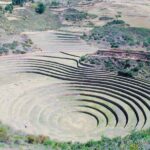
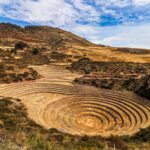
Pisac: Ruins, Water Channels, and Why the Guide’s First Look Matters
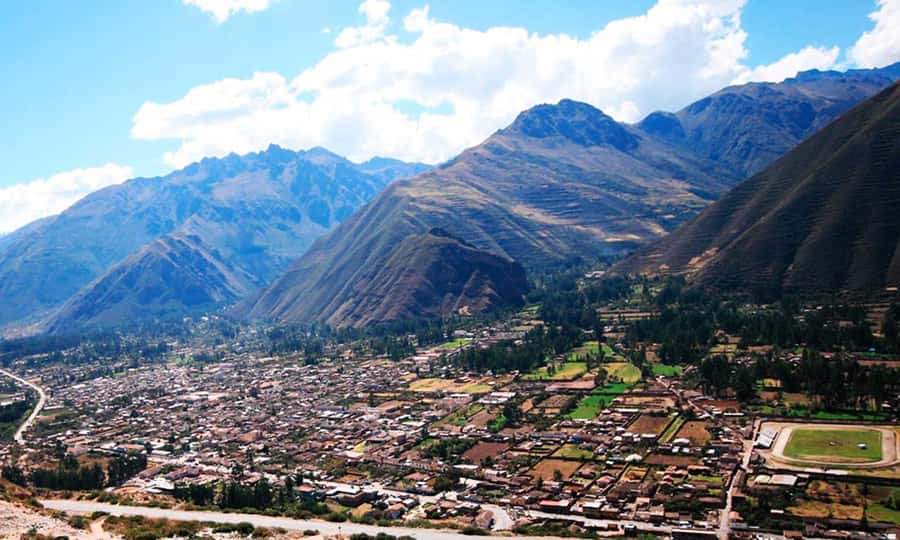
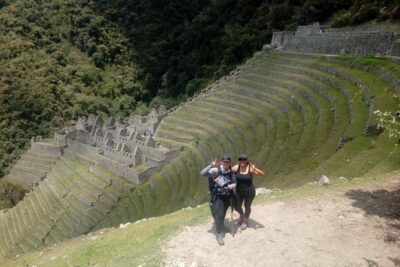
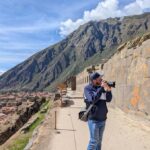
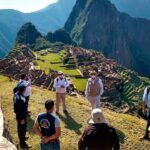
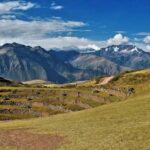
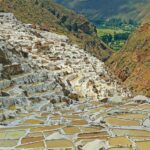
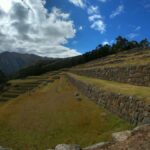
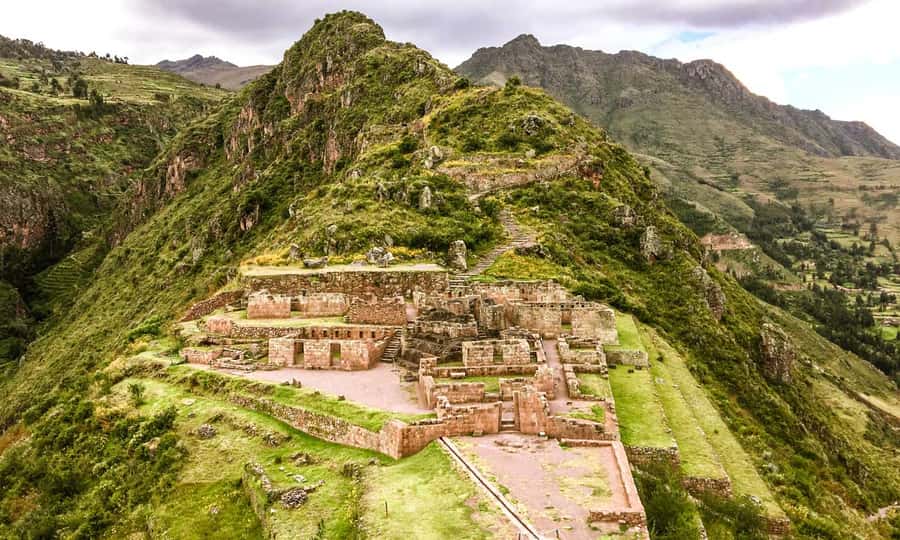
Pisac is a strong start because you arrive with the day still fresh. This stop is focused on the archaeological center made up of different groupings of remains—think platforms, aqueducts, roads linked to walls and gates, channeled waterways, cemeteries, and bridges.
What you’ll want to do here is simple: listen first, then look. The tour format gives you a guided tour at Pisac, so you’re not just taking photos and guessing. After that, you’ll typically have time to explore on your own. That’s good if you like to wander, but it can be frustrating if you’re hoping for constant commentary.
Here’s the practical takeaway: Pisac works best when you come in ready to read small details. Even without deep technical explanations, you’ll notice how the remains connect to how people moved, farmed, and managed water. In a place full of stone steps, having that guided intro helps your brain “click” faster.
Urubamba Buffet Lunch: The Break That Keeps the Day From Falling Apart
After Pisac, you head toward the province of Urubamba for a buffet lunch. This isn’t a small sidebar. It’s a serious part of why the itinerary is survivable.
A 10-hour day around Cusco and the Sacred Valley means you’re stacking:
- early morning altitude time
- walking on uneven stone
- long transport stretches (and, yes, heavy traffic can happen)
A buffet lunch gives you control. You can eat something safe and familiar, or go for local dishes if you’re feeling steady. The food is described as fine to very good, and at least one description called it very rich, which is reassuring on a tour where quality can otherwise be hit-or-miss.
One word to the wise: pace yourself. You don’t want a big post-lunch sleepiness phase before the next two stops.
Ollantaytambo: Temple del Sol and a Complex That Spans More Than One Era
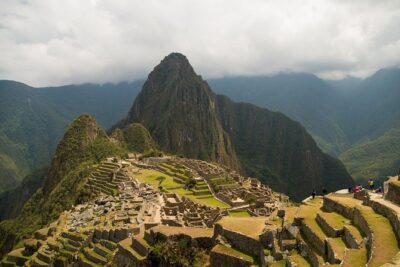
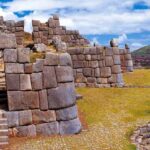
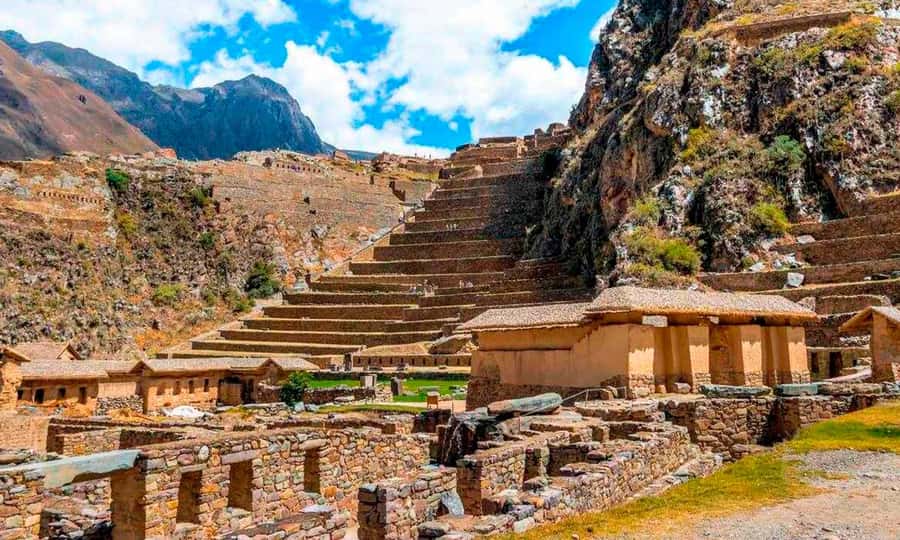
Next up is Ollantaytambo, starting with the town, then continuing to the archaeological center. The tour highlights major sites within the complex, including the Tempo del Sol.
The important idea here is multifunction. You’re told that in Inca times this was one of the many multifunctional villages, acting as an administrative, military, social, and economic center—and also a control point for passage between different ecological levels. In plain language: this wasn’t just a pretty ruin. It was a place that helped the Inca manage people and resources.
In my view, Ollantaytambo is where the day can either feel worth it or feel tiring, depending on pace. If you get a clear guided orientation before you walk, the site makes more sense fast. If you end up feeling rushed and only get brief notes, you may leave with photos but not much comprehension.
Transport conditions also matter. One provided review described extremely bumpy roads and heavy traffic. That doesn’t change the stone, but it changes your mood when you arrive. If you’re prone to motion discomfort, bring a water bottle, keep your head cool, and expect the road to be part of the experience.
Chinchero: Town Rhythm Plus Textile Interpretation Centers
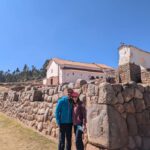
Chinchero comes after Ollantaytambo. This stop is split between:
- the town of Chinchero
- an archaeological component
- textile interpretation centers
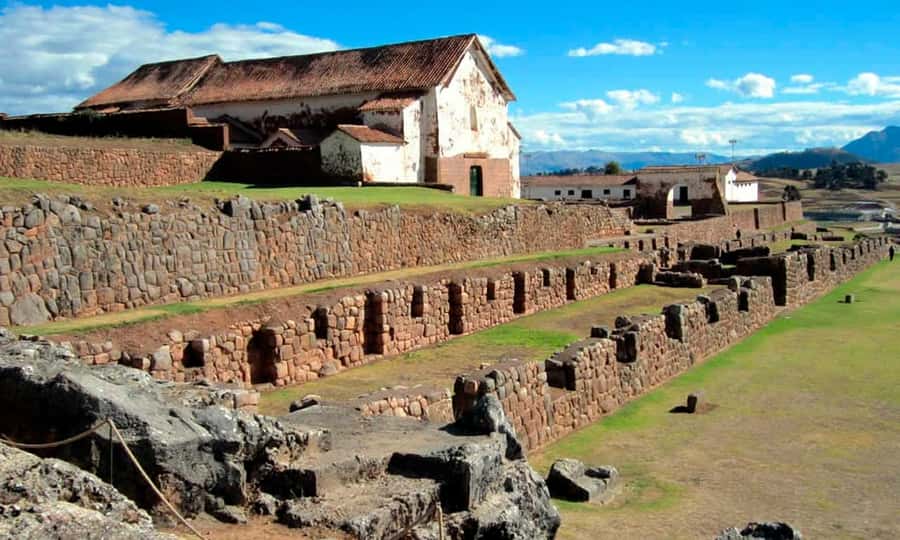
This is where the tour becomes more than monuments. Textiles are a major part of Andean culture, and the stop is designed to connect the historical site context to a craft tradition. Even if you’re not a textile expert, you’ll likely find it easier to understand the value of patterns and techniques when you’re shown them directly rather than only seeing them in markets later.
What to watch: some tours like this may include time at shops before or during the day. One description cited sales stops such as a silver store, a roadside market, and an alpaca store. That doesn’t automatically mean they’re “bad,” but it can shift time away from monuments and make the day feel more like a route than a focused historical walk.
So at Chinchero, decide what you want most:
- More listening and slower exploration at the archaeological portion
- Or more time interacting with textiles and explanations
Either can be great. Just don’t assume the day will be 100 percent ruins with no detours.
You can also read our reviews of more tours and experiences in Urubamba
Price and Value: $26 vs. the Boleto Entrances You’ll Need
The advertised price is $26 per person for a 10-hour excursion. That includes hotel pickup (from the historical center), tourist transport, a buffet lunch, and a bilingual guide.
What’s not included is crucial: entrances, called the tourist foreigner boleto (listed as 130.00 soles) and tourist national (70.00 soles). Whether you can afford this depends on your nationality and how many people are in your party, but it’s a real factor in the total cost.
Here’s how I’d calculate the value:
You’re paying for:
- guided orientation at multiple archaeological stops
- included lunch (which you’d otherwise have to buy)
- transport across the Sacred Valley (with early pickup and return)
- a small-group cap of 15
If you were doing this independently, you’d pay for transportation either way, plus you’d still need tickets for the sites. So even with the boleto extra, the all-in structure can still work out as good value for your time.
But don’t ignore the trade-offs: if you’re the kind of traveler who wants long, deep explanations at every stone, this may feel short. One description noted brief commentary at each sight and then time to explore without further guidance. That’s not “wrong,” but it means the guide’s role is more of a fast primer than a professor in hiking boots.
Small-Group Reality: Up to 15, But Expect a Long Day
The tour caps the group at 15 participants, and that’s a real advantage. Smaller groups typically mean:
- easier movement in and out of sites
- less noise than big-bus tours
- more practical interaction with the guide
Still, your experience will depend on how the day is paced. One description talked about leaving stops at sights feeling rushed, especially when extra stops ate time. Another praised organization and said the itinerary was followed, and a third rated the tour highly for both the guide and the Inca learning.
So think of it like this: the core sites are solid, and the tour is structured. Your main variability is pace—how much time you get at each stop—and how much shopping-market time appears.
If you hate pressure, bring patience. This is a full circuit from Cusco and back, and the schedule leaves little room for lingering.
What to Bring and What to Do About Altitude
You’ll get standard mountain guidance here, and it matters on a 10-hour Cusco-region day.
Bring:
- passport or ID card
- comfortable shoes (stone walking and uneven surfaces are real)
- sunglasses, hat, sunscreen
- water and cash
You’re told alcohol and drugs are not allowed, which is helpful for safety and makes the day more comfortable for everyone.
For altitude, the tour explicitly suggests drinking coca tea before the tour to help prevent altitude sickness. That’s a common local habit, and even if you’re already acclimated, it’s an easy thing to do before you’re dealing with exertion at higher elevations.
Also: plan your day like a human. Start hydrated, eat something light before pickup if you can, and don’t save all your snacks for later. You want your energy for the archaeological walking.
The Best Fit: Who Will Enjoy This Most
This tour fits you best if:
- you want one organized day covering Pisac, Ollantaytambo, and Chinchero
- you like guided context more than totally independent exploration
- you value a bundled package with lunch and transport
- you’re okay with a long day and some “on the move” time
It may be less ideal if:
- you want extensive, hour-by-hour interpretations at each ruin
- you get cranky in heavy traffic or on bumpy roads
- you’re sensitive to rushed pacing, especially if commercial stops appear
Also, it says it’s not suitable for pregnant women. If that applies, you’ll want a different style of tour with shorter walking and gentler transport.
Should You Book This Sacred Valley Excursion?
If you’re choosing between Sacred Valley options and want a single, structured day with a bilingual guide and an included lunch, this is a reasonable pick. The strengths are clear: you get multiple major archaeological stops, you’re not managing logistics yourself, and the small-group cap keeps it from feeling like a cattle lineup.
I’d book it if you’re flexible on timing and you’re happy with a guided primer followed by time to wander. I’d think twice if your idea of the perfect tour is slow, deep explanations at every stop with lots of breathing room. The road day can be bumpy, and the schedule can feel tight.
My practical advice: come prepared for a full day, bring solid shoes and sun protection, and treat lunch and site time as two separate “chunks” of energy.
FAQ
What is the duration of the tour?
The tour duration is 10 hours.
What time does pickup happen in Cusco?
Pickup is from your hotel in the historical center of Cusco, approximately between 7:00 a.m. and 8:00 a.m.
When do we return to Cusco?
You’ll arrive back in Cusco at about 6:00 p.m.
Is buffet lunch included?
Yes. A buffet lunch is included in Urubamba.
Does the price include site entrances?
No. Entrances (boleto turistico) are not included.
How much are the entrances?
The tourist foreigner boleto is listed as 130.00 soles, and the tourist national boleto is listed as 70.00 soles.
What languages is the live guide?
The live tour guide is available in English and Spanish.
How big is the group?
This is a small group limited to 15 participants.
What should I bring?
Bring your passport or ID card, comfortable shoes, sunglasses, a hat, sunscreen, water, and cash.
Is the tour suitable for pregnant women?
No. It is not suitable for pregnant women.