REVIEW · CUSCO
Cusco: Archeological Sites Tour and Forest Photo Experience
Book on GetYourGuide →Operated by Peru Andes Top · Bookable on GetYourGuide
In five hours, Cusco gives you Inca power. This is a tight, well-structured half-day that strings together four Inca ruins inside the Cusco area and finishes at Coricancha, so you spend less time commuting and more time looking closely. I especially like how the day starts right from your hotel, then keeps moving through sites with different roles and moods.
I also like the switch from stone history to something more personal: the photo session in the Qenqo forest. An expert photography guide helps you get shots you can keep as a digital souvenir, which turns the last part of the tour into a memory you can share, not just a set of photos you accidentally took at arm’s length.
One consideration: you’ll still need to budget for the tourist ticket and Coricancha’s entrance fee, and you should show up on time. One recent booking described organization problems that affected timing and the photo delivery, so if photos matter a lot to you, I’d confirm how the digital souvenir is handled.
In This Review
- Key points you’ll care about
- Why this 5-hour mix makes sense in Cusco
- Pickup timing and how the day keeps moving
- Qenqo: the ceremonial rock you’ll want to look at twice
- Puca Pucara: military ruins and guard-post energy
- Sacsayhuaman: limestone blocks and a solar sanctuary feel
- Tambomachay: the baths of the Incas and water symbolism
- Qenqo forest photo session: where the souvenir becomes real
- Coricancha: ending at the Temple of the Sun
- Price, tickets, and the real value math
- What’s included vs not included
- What to bring in Cusco for ruins and a forest shoot
- Who this tour is best for (and who should skip it)
- A quick note on organization and photo delivery
- Should you book this Cusco sites and forest photo tour?
- FAQ
- How long is the Cusco Archaeological Sites Tour and Forest Photo Experience?
- What sites do you visit during the tour?
- Is pickup and drop-off included?
- What’s included with the photo experience?
- Do I need to pay for any tickets?
- What languages is the guide available in?
- What should I bring with me?
- What happens if I’m late for pickup?
- What’s the food situation during the tour?
Key points you’ll care about
- Four Inca ruins in the Cusco area in a single, efficient half-day loop
- Coricancha at the end for that big, sun-temple finale
- Qenqo forest photo session with an expert helping you get better results
- Digital souvenir photo included so the day isn’t only about sightseeing
- Comfortable footwear is essential with multiple ancient-stone stops
- Extra site fees apply (Tourist Ticket and Coricancha entrance)
Why this 5-hour mix makes sense in Cusco
Cusco can eat your time fast. This tour is built for people who want the Inca highlights without sacrificing a full day, and it smartly clusters the main archaeological stops so you’re not bouncing all over town.
What makes it especially appealing is the variety of what you see. Qenqo feels like a ceremonial natural formation. Puca Pucara reads like a military outpost. Sacsayhuaman shifts to monumental defense and solar sanctuary vibes. Tambomachay is tied to water. Then you close at Coricancha, where architecture and symbolism land hard.
You can also read our reviews of more tours and experiences in Cusco.

Pickup timing and how the day keeps moving
Your day starts with pickup at your Cusco hotel. You’ll want to be in the lobby about 10 minutes before pickup, because the driver won’t wait more than 5 minutes after the scheduled time.
That matters because the itinerary is designed like a relay. The sites are sequential, and if you’re late, you can end up losing part of the plan. If you’re staying slightly outside the center or you’re slow at mornings, set a calm routine the night before.
Qenqo: the ceremonial rock you’ll want to look at twice
The first stop is Qenqo, described as a natural rock formation that became a ceremonial center. This is one of those places where it helps to slow down, because the “wow” is partly in the way nature was shaped into meaning.
Here’s what I’d focus on during your time there:
- The rock formation’s role as a ceremonial setting, not just a pile of stones
- How the area reads as a deliberate space, as if it was designed for gathering and ritual
Even though Qenqo begins the tour, you don’t actually finish seeing it. Later, you go back into the Qenqo forest for the photo session, which makes the overall arc feel connected instead of random.
Puca Pucara: military ruins and guard-post energy
Next you’ll visit Puca Pucara, a site of military ruins and Inca guard posts, plus the remains of stairs, streets, houses, and patios. That description matters: this isn’t just about temples or ceremonies. It’s about control, movement, and watchfulness.
At Puca Pucara, I think the best experience comes from noticing the “daily-life structure” pieces like patios and house areas. It’s easy to reduce Inca sites to big monuments, but this one gives you a sense of how people lived and operated around strategic points.
Sacsayhuaman: limestone blocks and a solar sanctuary feel
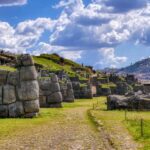
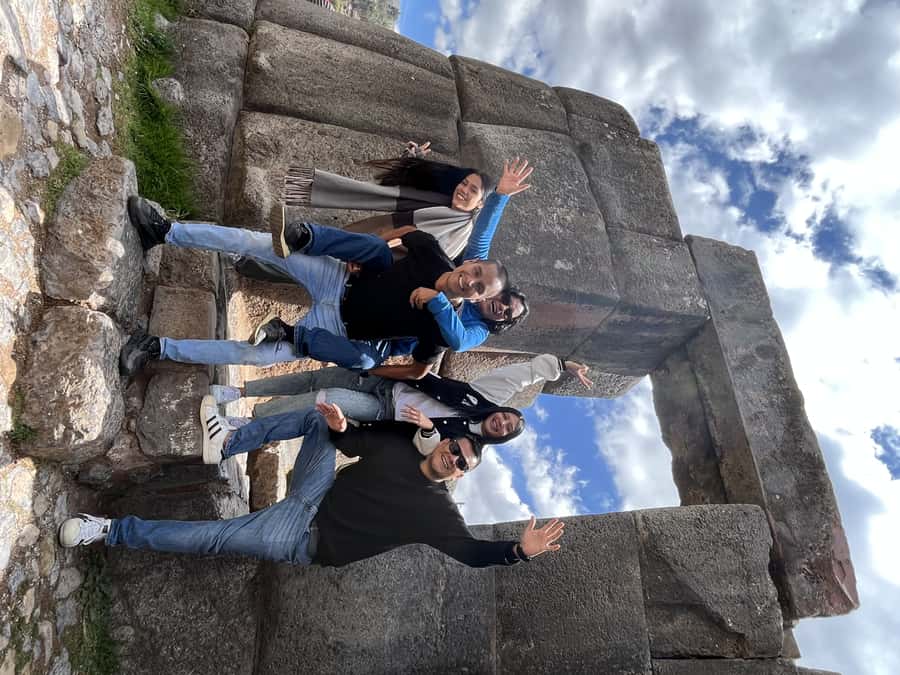
Then comes Sacsayhuaman, created as a solar sanctuary by the last dynasties of the Incas. The tour highlights the defensive design too: large limestone blocks used to help protect the city from attackers.
When you’re standing in a place like this, the trick is to avoid thinking only about the final shape. Ask yourself what the builders were solving. Big blocks and careful construction weren’t just for show. They helped make the site resilient, and the “sanctuary” framing adds another layer to why it mattered.
This is also a stop where your photos will improve if you move around. If you plant yourself in one spot, you’ll miss angles that show the scale.
Tambomachay: the baths of the Incas and water symbolism
After Sacsayhuaman you’ll head to Tambomachay, about 9 kilometers from the city. It’s commonly associated with the baths of the Incas due to the shape of its water fountain.
The tour also notes something interesting: the site may have been tied to a cult of water and purification. Even if you don’t treat that as a hard fact (and you won’t always have a definitive explanation at every ruin), the water theme gives you a lens for observing the design.
If you’re the kind of traveler who likes to connect the dots, Tambomachay is where your curiosity pays off. Water isn’t just practical here; it seems to be part of a bigger idea.
Qenqo forest photo session: where the souvenir becomes real
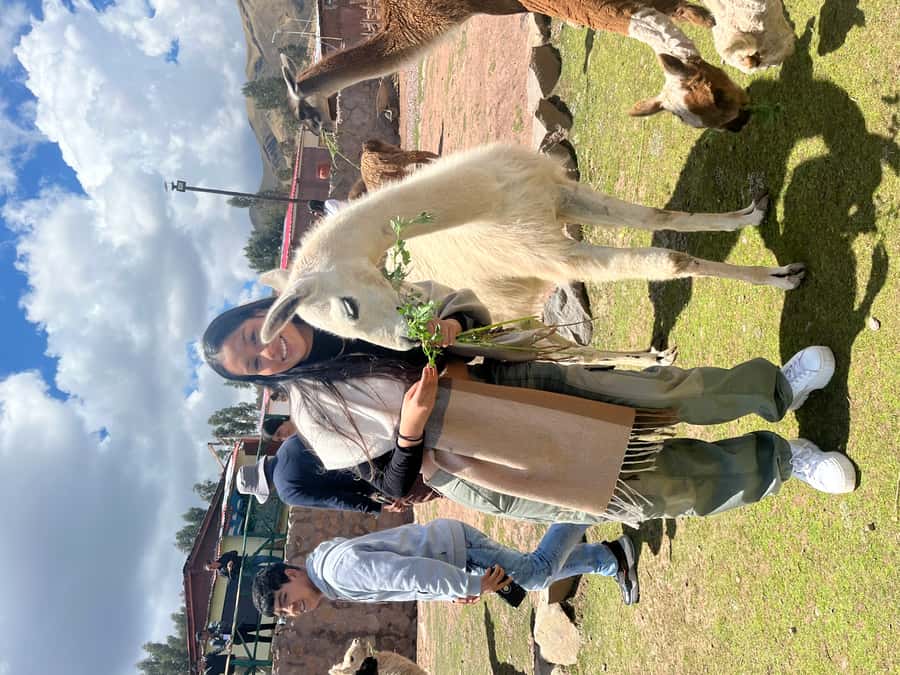
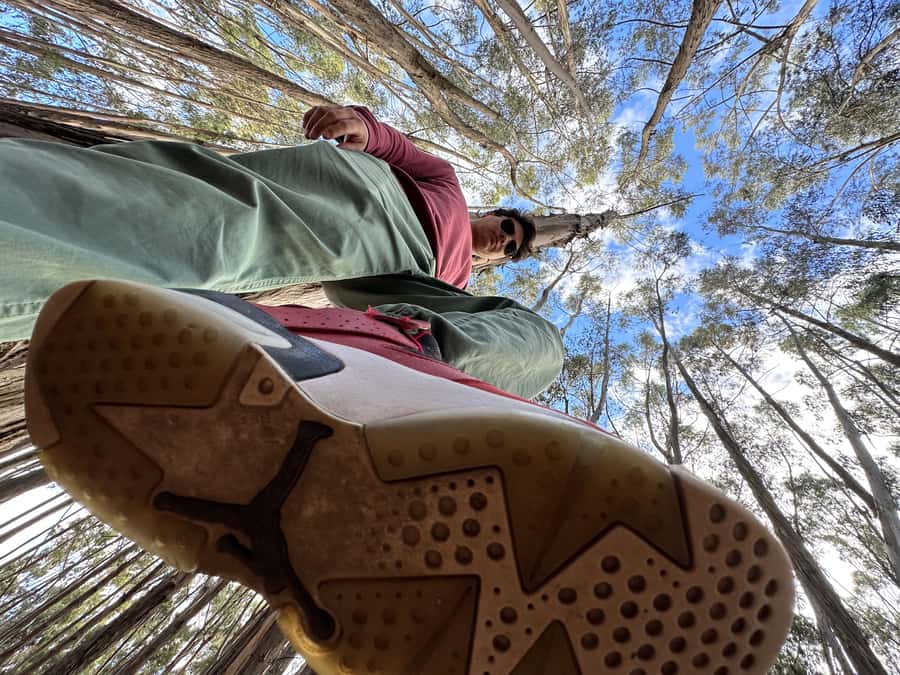
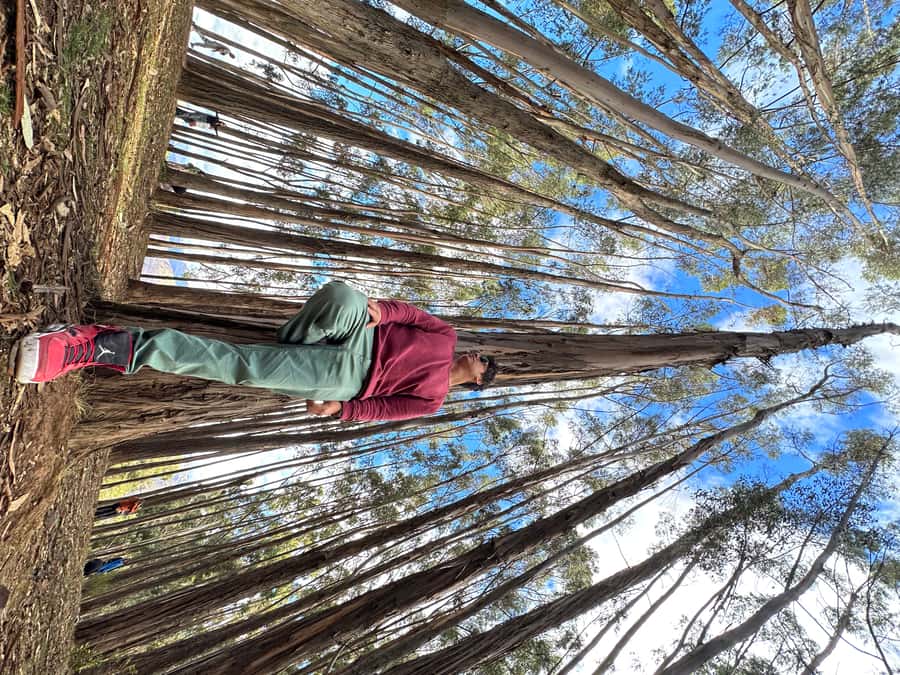
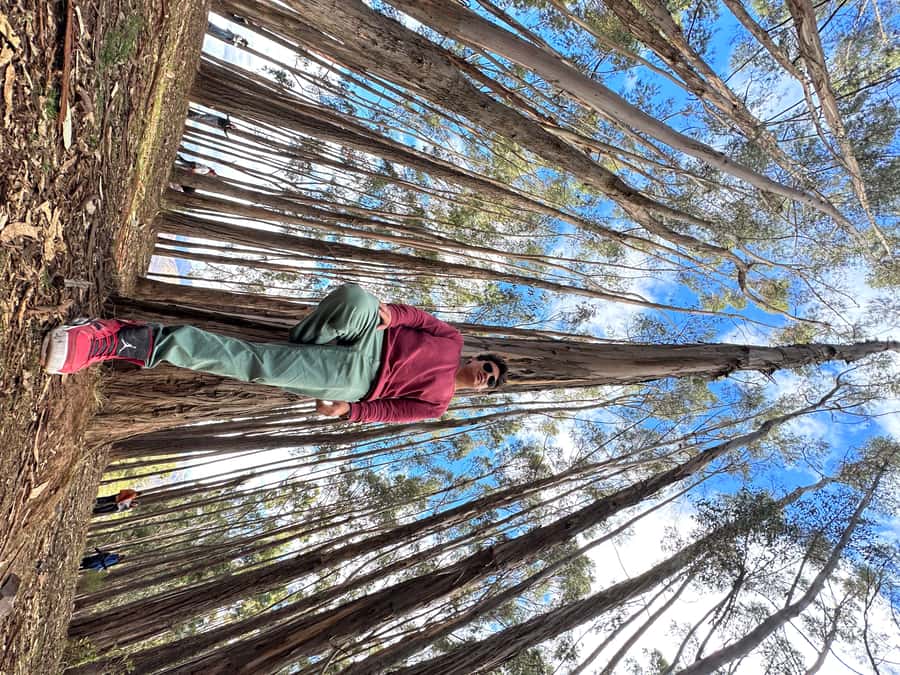
The magical moment is the photo session in the Qenqo forest. This is where the tour stops being only about ruins and turns into something more personal.
A few things to know before you go in:
- You’ll have an expert photography guide, so don’t rely on luck for the best shots
- The tour includes a souvenir photograph in a digital file
- The forest setting makes it easier to get photos that don’t look like they were taken at the edge of a street
I’d come prepared to spend real time posing and looking for your angles. The tour’s promise here is not just “walk around.” It’s “you get incredible shots,” and the guide is there to make that happen.
If you’re picky about photos, this is the part you should take seriously. Wear shoes you can trust, and don’t show up unprepared for weather—rain gear can be the difference between “great experience” and “why did I come out here.”
Coricancha: ending at the Temple of the Sun
Finally, you’ll visit Coricancha, described as the most important temple of the Inca empire. The tour focuses on the temple’s perfect architecture and stone construction, and how that reflects its significance.
This is a smart ending because Coricancha acts like a centerpiece. After military ruins and ceremonial spaces, you return to a temple that ties together power, belief, and stone engineering.
You’ll be back in the center of Cusco after this stop, which keeps the day feeling complete without stretching into evening.
Price, tickets, and the real value math
The tour costs $17 per person for a 5-hour experience. That sounds low for what you get: hotel pickup and return, a guided tour covering the ruins and Coricancha, entrance to the Qenqo forest, and a digital souvenir photo.
But here’s the part to budget clearly: you’ll pay separately for the Tourist Ticket (70 soles) and Coricancha entrance (15 soles). Food and drink are also not included, so plan to eat before or after the tour.
My practical take: if you’re already planning to visit multiple sites anyway, this tour can be good value because it bundles guidance and logistics. If you only want one or two ruins, it may not be the best deal because the ticket cost is fixed and the rest of the day still has several stops you’ll need to enjoy.
Also note that the itinerary can be modified depending on operations, but all the mentioned sites will be visited. That flexibility is useful, but it also means you should keep your schedule clean and avoid booking something tight right after pickup time.
What’s included vs not included
Included:
- Pick up and return to the hotel
- Guided tour of the 4 ruins and Coricancha
- Entrance to the Qenqo forest
- Souvenir photograph in a digital file
Not included:
- Tourist Ticket (70 soles)
- Coricancha entrance (15 soles)
- Food and drink
That difference matters. If you show up expecting meals or assuming entrances are fully covered, you’ll be surprised. Bring cash, because the list explicitly calls for it.
What to bring in Cusco for ruins and a forest shoot
The essentials on the tour packing list are there for a reason:
- Comfortable shoes: you’ll be walking multiple stops
- Sun hat and biodegradable sunscreen: daylight can be strong
- Jacket and rain gear: even if the forecast looks calm, be ready
- Comfortable clothes: you’ll be moving from urban ruins to a forest photo setup
- Cash: you may need it for tickets and any on-the-spot purchases
If you want better photos, wear something you feel good in, not something you’ll constantly fuss with. The forest part works best when you can focus on timing and posture instead of your gear.
Who this tour is best for (and who should skip it)
This tour is a good fit if you want:
- A concentrated Cusco itinerary with major Inca stops in half a day
- A guided experience that gives context for multiple ruins
- A photo component that produces an actual digital souvenir
It’s also ideal for travelers who like variety. You get ceremonial, military, defensive, water symbolism, then Coricancha as the closing statement.
I’d think twice if you’re the type who needs hours of free time at each site. This tour keeps a steady pace, so you’ll want to enjoy moving and learning without expecting long, slow wandering everywhere.
A quick note on organization and photo delivery
One negative booking I saw flagged organization issues: people felt sidelined, a stop was missed because arrival was late, and the photos tied to the excursion weren’t handled as expected. That’s not enough on its own to conclude the tour is always chaotic, but it’s a clear reminder to be proactive.
If you’re photo-focused, do this before you go:
- Confirm how the digital souvenir is delivered
- Make sure you understand when and where you’ll get it
- Be early for pickup, because the day’s flow depends on it
Should you book this Cusco sites and forest photo tour?
If you want a efficient hit list—four Inca ruins plus Coricancha, wrapped with a Qenqo forest photo session—this tour looks like a solid value. The included guidance and digital souvenir make it more than just a checklist of ruins.
I’d book it when your schedule is flexible enough to keep the day smooth, and when you’re willing to pay the separate site fees (Tourist Ticket and Coricancha entrance). On the other hand, if your main goal is a super slow, fully unhurried museum-style pace, or if you rely on the photo souvenir as a guaranteed deliverable without any risk, you might prefer a different setup.
FAQ
How long is the Cusco Archaeological Sites Tour and Forest Photo Experience?
It runs for 5 hours.
What sites do you visit during the tour?
You visit Qenqo, Puca Pucara, Sacsayhuaman, Tambomachay, then Coricancha, plus you enter the Qenqo forest for the photo session.
Is pickup and drop-off included?
Yes. Pickup and return to your Cusco hotel are included.
What’s included with the photo experience?
The tour includes a souvenir photograph in a digital file, and the Qenqo forest entrance is included.
Do I need to pay for any tickets?
Yes. You’ll pay separately for the Tourist Ticket (70 soles) and for Coricancha entrance (15 soles).
What languages is the guide available in?
The live guide is available in Spanish and English.
What should I bring with me?
Bring comfortable shoes, a sun hat, biodegradable sunscreen, a jacket, rain gear, comfortable clothes, and cash.
What happens if I’m late for pickup?
The driver will not wait more than 5 minutes after the scheduled pickup time, so arrive in the hotel lobby about 10 minutes early.
What’s the food situation during the tour?
Food and drink are not included, so plan to eat before or after the 5-hour experience.