REVIEW · CUSCO
Cusco: Sacsayhuaman, Qenqo, Puca Pucara & Tambomachay Tour
Book on GetYourGuide →Operated by DonPeruTours · Bookable on GetYourGuide
Cusco’s best stonework sits just outside town. This tour strings together four major archaeological stops plus Qorikancha on select departures, with a Spanish-speaking guide and round-trip transport.
I especially liked the scale at Sacsayhuaman and the way the guide explained what you’re actually looking at, not just names on a sign. Another standout for me was Qenqo, because the “maze-like” feel comes through once you’re inside the complex and paying attention to the ceremonial details.
One thing to consider: entry tickets for the sites are not included, so you’ll want to plan for those extra costs on top of the $21 tour price.
In This Review
- Key things I’d circle on your map
- How this Cusco circuit stays simple and focused
- Entering Sacsayhuaman: walls that make history feel heavy
- Qenqo’s labyrinth passages: where ceremony shapes the walk
- Puca Pucara: military logic you can actually understand
- Tambomachay: water worship and Inca engineering in action
- Qorikancha on the 9:00 AM and 1:00 PM schedules
- Price and value: what $21 really covers (and what it doesn’t)
- Timing and what to expect from the guide-led flow
- Who should book this Cusco tour (and who should skip it)
- Should you book this Cusco Sacsayhuaman–Qenqo–Puca Pucara–Tambomachay tour?
- FAQ
- What’s the duration of the Cusco Sacsayhuaman, Qenqo, Puca Pucara & Tambomachay tour?
- How much does the tour cost per person?
- What’s included in the price?
- Are entry/admission fees included?
- Which sites are visited on this tour?
- Is Qoricancha included, and on which schedules?
- What language is the guide?
- Where does the tour end?
- What’s the cancellation policy?
Key things I’d circle on your map

- Sacsayhuaman’s massive stone walls: Inca engineering you can’t fully grasp from photos.
- Qenqo’s labyrinth passages and ceremonial spaces: the layout makes the site feel active.
- Puca Pucara’s military purpose: you’ll get a practical explanation for why it was built where it was.
- Tambomachay and water worship: aqueducts and fountains highlight advanced Inca engineering.
- Qorikancha on select times (9:00 AM and 1:00 PM): a strong add-on if you want the Temple of the Sun.
- Pick-up + round-trip transport + central drop-off: fewer logistics headaches in Cusco.
How this Cusco circuit stays simple and focused
This is a classic Cusco archaeology day, shaped for people who want a serious overview without burning half the city. The whole experience runs about 270 minutes (just over 4 hours), and you bounce between sites with included pick-up and round-trip transportation.
What makes the plan work is pacing. You hit Sacsayhuaman, Qenqo, Puca Pucara, and Tambomachay, and you’re not stuck repeating the same kind of scenery. Each place has a different purpose in Inca life, so your guide can tie the dots: fortress power, ritual space, defense strategy, and water worship.
The price is also worth a second look. At $21 per person, the tour itself is cheap enough that you can budget for separate site admissions without feeling like you’re paying twice. Just remember: the ticketed entries are listed as not included, so that part is on you.
You can also read our reviews of more tours and experiences in Cusco.
Entering Sacsayhuaman: walls that make history feel heavy
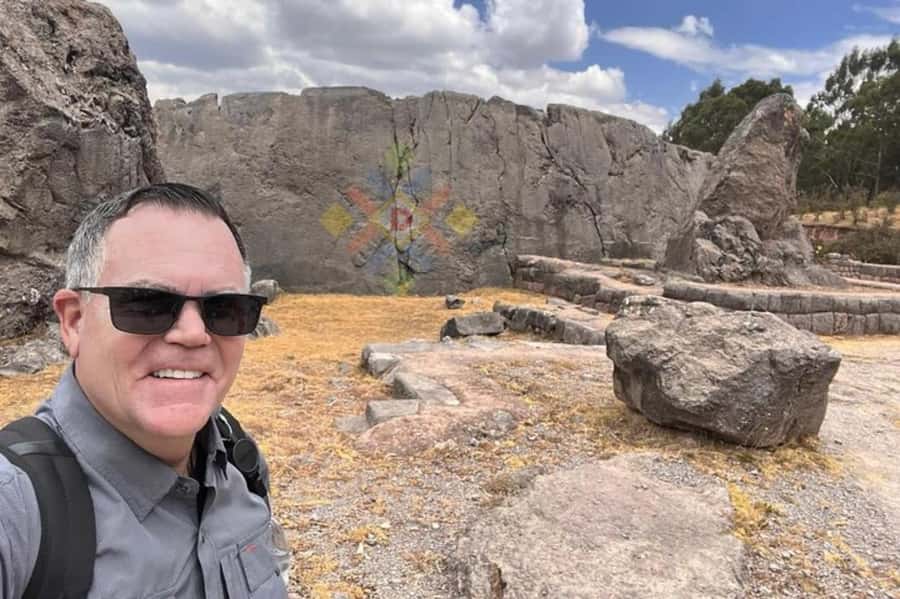
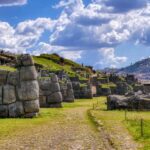
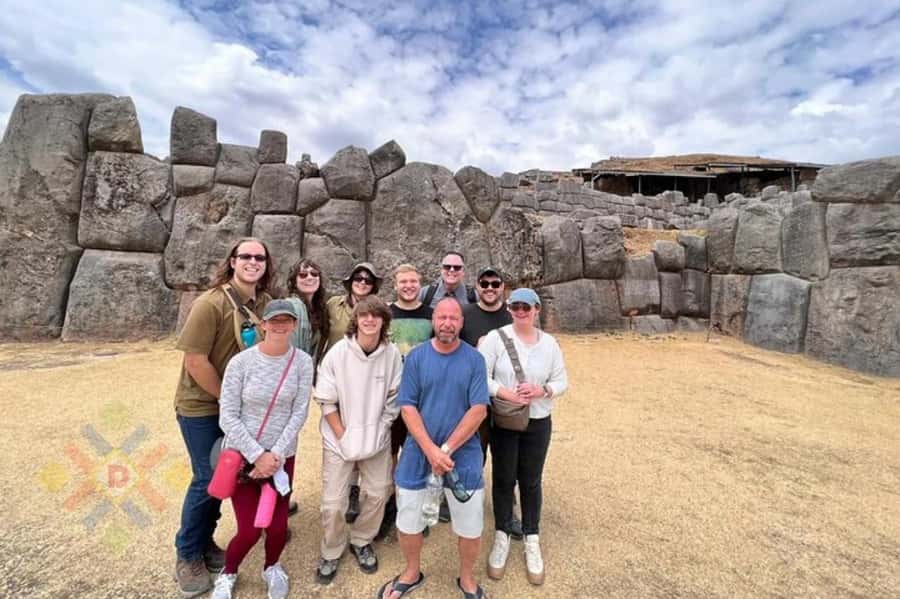
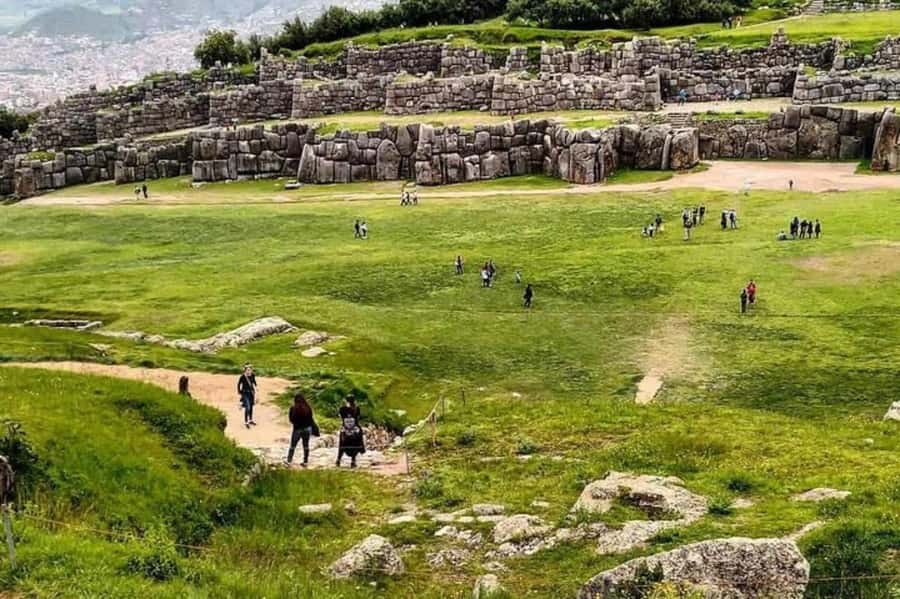
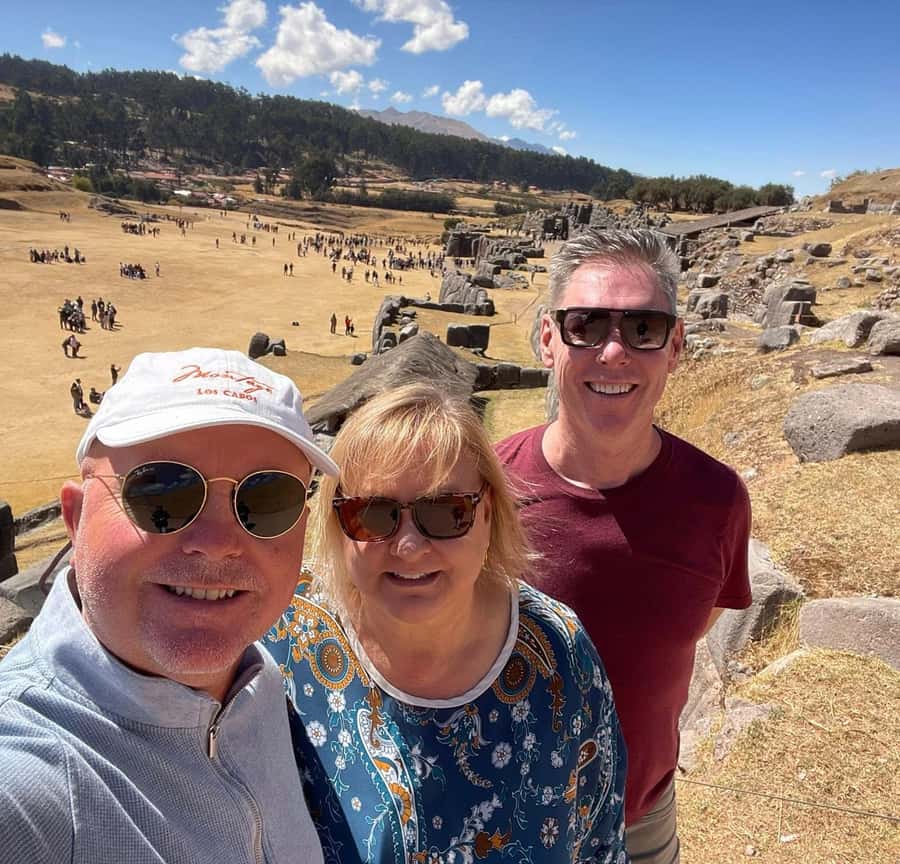
Sacsayhuaman is the big opener, and it sets the tone fast. You’re there for the massive stone walls, and they’re impressive in a way that’s hard to explain until you stand near them. The scale matters here. It’s not just decoration. It reads like a statement of control and coordination.
The guide’s job at the start is crucial: you’ll learn why this site shows up so often when people talk about Cusco’s Incan past. Sacsayhuaman functioned as a fortress area tied to Cusco’s power, and the stonework is part of that message. Pay attention to how the walls are laid out and how the site sits above the city—those details help you understand the practical thinking behind it.
Practical note: this stop is usually where you’ll want the best camera positioning. The stone walls create strong lines and textures, so even if you only stay briefly, you’ll want to spend a few extra moments looking around before moving on.
Qenqo’s labyrinth passages: where ceremony shapes the walk
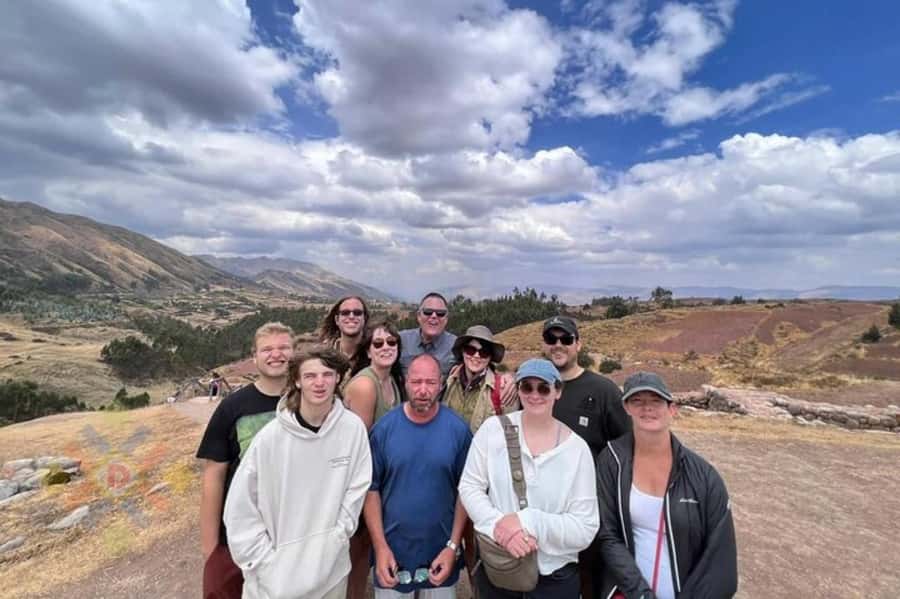
Next comes Qenqo, and it has a different mood right away. This complex is known for labyrinthine passages and ceremonial altars, and once you’re inside the layout, it’s easy to see why it’s described that way.
Here, the “value” isn’t only the rocks. It’s the experience of moving through a space that feels intentionally designed for people to navigate and gather. The guide helps you connect that feeling to what the Incas were doing there. You’re not just sightseeing. You’re learning how the physical design supports ritual.
If you like archaeology that feels human—like someone once walked these pathways for a reason—Qenqo is a great stop. It’s also a nice contrast after Sacsayhuaman. One place speaks loudly in stone and defense. Qenqo speaks through layout and ceremonial function.
One consideration: if you’re expecting a straightforward “look, then leave” site, you may want to slow down. The interesting part is paying attention to how the passages and spaces relate, not rushing to the end.
Puca Pucara: military logic you can actually understand
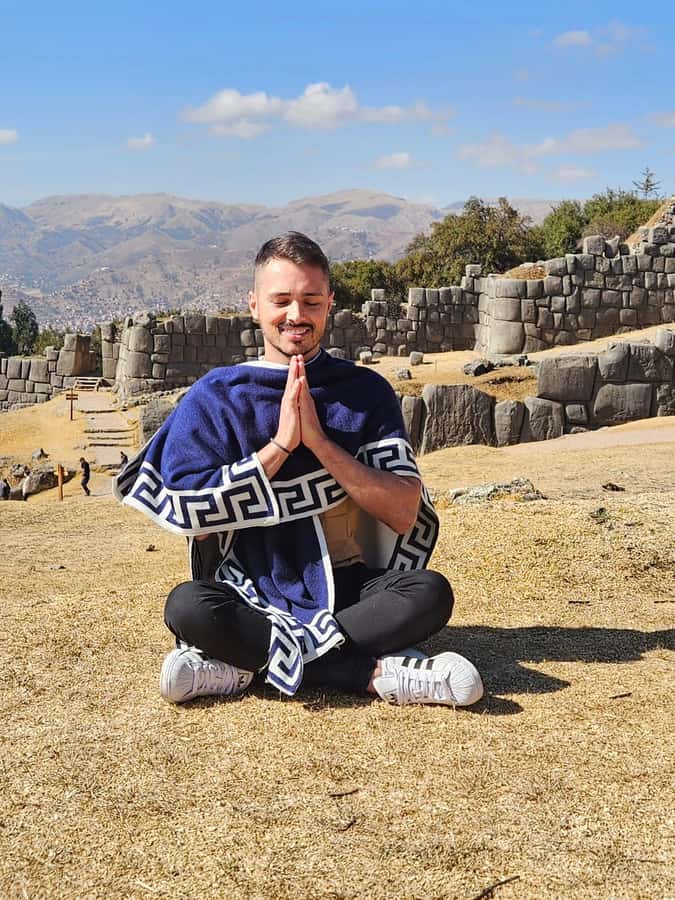
Puca Pucara shifts the focus from ritual to strategy. This site is described as a military construction, and that matters because the explanation you’ll get is built around defense. You’re not just learning that it was important. You’re learning what role it played in protecting the city.
That perspective changes how you read what’s in front of you. Instead of treating the structures like random ruins, you start thinking like a planner: what would be useful for surveillance, coordination, or protection? The guide’s focus on the strategic purpose helps you understand why this area exists as it does.
I like this stop because it keeps things grounded. A lot of archaeology can feel abstract. Puca Pucara gives you a clear lens: this is about protecting Cusco, not only honoring the past.
If you’re short on time in Cusco, this is a good use of it. In one block of your day, you get a strong sense of how defense shaped Inca urban planning.
Tambomachay: water worship and Inca engineering in action
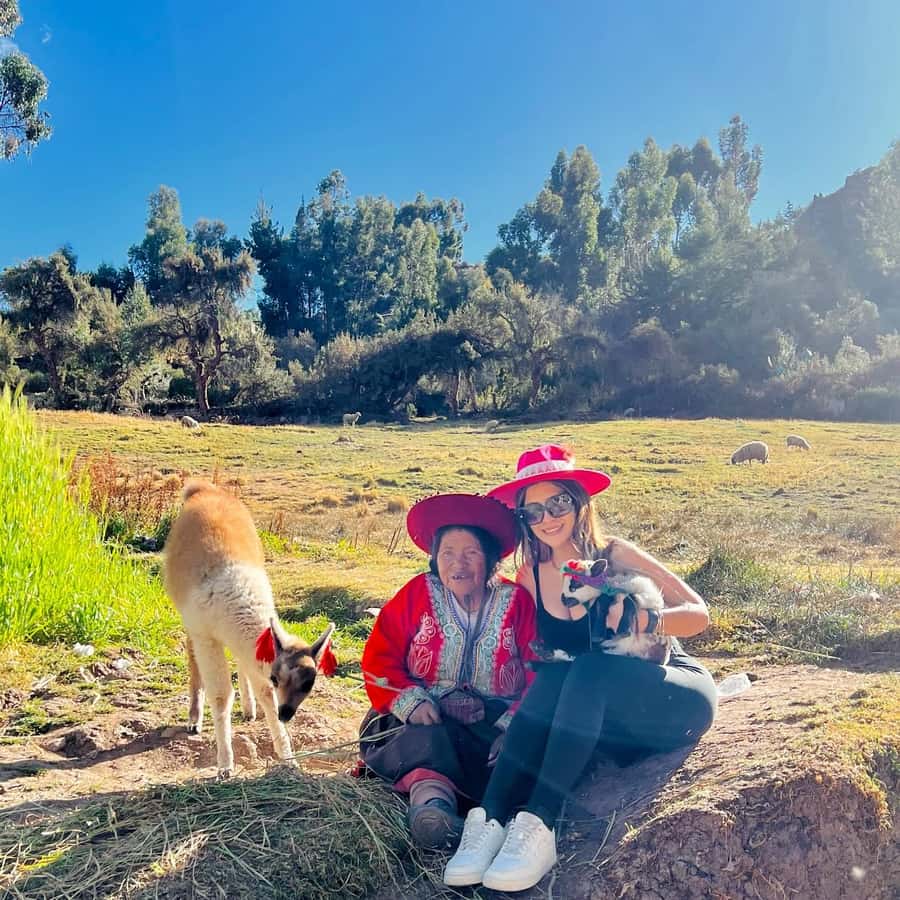
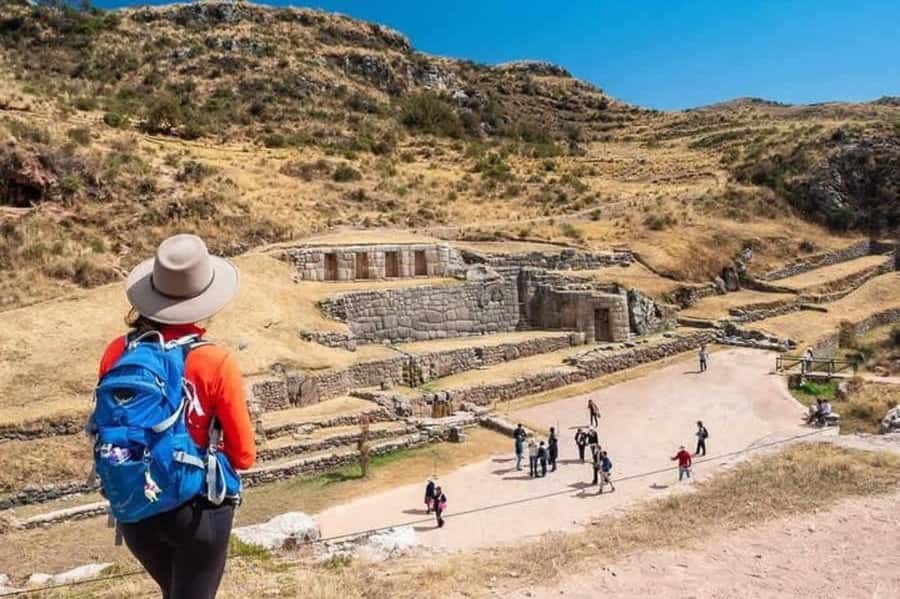
Then you move to Tambomachay, an archaeological center dedicated to the worship of water. This is where you’ll see how the Incas treated practical infrastructure like part of a spiritual system.
The highlights here are the intricate aqueducts and fountains. The tour’s description also makes it clear why this stop is worth your attention: advanced engineering isn’t just a technical detail in Inca history. It’s visible, physical, and connected to how people thought about water.
I find Tambomachay useful for another reason: it balances the earlier stops. Fortress. Ritual. Defense. Water. That sequence helps your brain organize the bigger picture of Cusco’s Inca world.
When you’re looking at the aqueduct and fountain features, don’t just count them. Think about why water management would matter in a place like this. The guide’s framing on water worship will steer you toward that connection.
Qorikancha on the 9:00 AM and 1:00 PM schedules
If you’re on the 9:00 AM or 1:00 PM departure, the tour includes an extra stop at Qoricancha, also referred to as the Temple of the Sun. It’s presented as a sacred site that once glittered with gold, which is a reminder that this wasn’t only a functional city. It was a symbolic one too.
Qoricancha changes the tone of the day. The earlier stops emphasize structures and systems—stone fortifications, ceremonial layouts, water worship engineering. Adding Qoricancha gives you that spiritual center, so the day feels more complete if your interests lean toward Inca religion and cosmology.
Just remember: Qoricancha entry is not included. So if you’re choosing one of the schedules with Qoricancha, budget a little extra for admission.
Price and value: what $21 really covers (and what it doesn’t)
At $21 per person, this tour is budget-friendly, especially because it includes pick-up, round-trip transportation, and a bilingual guide. For most people, that “transport + guide” bundle is the part that usually costs more than expected on your own.
But here’s the key financial reality: the tour price does not include entry/admission for Sacsayhuaman, Q’enqo, Tambomachay, Puca Pucara, and (for applicable schedules) Qorikancha. That means your total day cost will depend on the tickets.
How I’d think about the value:
- If you’d rather pay a little extra for admission and save time organizing transport, this tour makes sense.
- If you’re planning to visit several major Cusco sites anyway, the guided structure helps you cover them efficiently in a single block.
Also, the tour ends with a drop-off in the center of Cusco, so you’re not stuck far out after the last stop. That’s practical value in a city where getting back can eat time.
Timing and what to expect from the guide-led flow
The full experience is 270 minutes, and the flow is designed to keep you moving between the main archaeology highlights. You’re not going site-by-site with long gaps. Instead, it’s a steady progression: Sacsayhuaman first, then Qenqo, then Puca Pucara, then Tambomachay, and possibly Qoricancha depending on your start time.
The tour includes a live tour guide who speaks Spanish. Since it’s also described as having a bilingual guide, you’ll likely have more than one language option in practice, but Spanish is the stated language for the live guiding.
Because the itinerary mixes different types of sites, the guide’s explanations are what tie it together. The tour isn’t only about walking around. It’s about understanding what each place was for—fortress power, ceremonial movement, defense strategy, and water devotion.
Who should book this Cusco tour (and who should skip it)
This experience is listed as not suitable for children under 5 and people over 75. If you fit within that range, you’ll likely handle the pace and the outdoor walking between stops more comfortably.
Who it suits best:
- Adults who want a guided overview of major Cusco Inca archaeology sites in one afternoon or morning slot
- People who care about context—why a site was built, not only what it looks like
- Travelers who want included transportation and a central drop-off
If you prefer fully flexible independent exploration, where you linger for long periods at one ruin, this may feel structured. But if you’re trying to see a lot without turning your day into logistics work, this format is hard to beat.
Should you book this Cusco Sacsayhuaman–Qenqo–Puca Pucara–Tambomachay tour?
I’d book it if you want a tight Cusco archaeology circuit with a knowledgeable Spanish live guide and no-stress transport. The tour format is efficient for a reason: the sites aren’t random. Each one supports a different theme—defense, ritual, military planning, and water worship—so the day stays interesting instead of repetitive.
Skip it (or at least double-check your priorities) if ticket cost will stretch your budget, since admissions are not included. And if you’re in the listed non-suitable age range, you’ll want a different option.
If your goal is to cover Sacsayhuaman, Qenqo, Puca Pucara, and Tambomachay with clear explanations and an easy finish back in central Cusco, this is the kind of tour that makes sense on a tight schedule.
FAQ
What’s the duration of the Cusco Sacsayhuaman, Qenqo, Puca Pucara & Tambomachay tour?
The tour duration is listed as 270 minutes.
How much does the tour cost per person?
The price is listed as $21 per person.
What’s included in the price?
The tour includes pick-up, round trip transportation, and a bilingual guide.
Are entry/admission fees included?
No. Entry/admission is not included for Sacsayhuaman, Q’enqo, Tambomachay, Puca Pucara, and Qoricancha.
Which sites are visited on this tour?
The tour includes Sacsayhuaman, Qenqo, Puca Pucara, and Tambomachay. Qoricancha is also included on select schedules.
Is Qoricancha included, and on which schedules?
For the 9:00 AM or 1:00 PM schedules, the tour includes an additional visit to the Temple of the Sun Qoricancha.
What language is the guide?
The tour has a live tour guide who speaks Spanish (and it’s also described as having a bilingual guide).
Where does the tour end?
The tour concludes with a convenient drop-off in the center of Cusco.
What’s the cancellation policy?
Free cancellation is available up to 3 days in advance for a full refund.