REVIEW · CUSCO
From Cusco: 3-Night Lake Titicaca Excursion
Book on GetYourGuide →Operated by Peru Hop · Bookable on GetYourGuide
Titicaca makes time feel slower. This 3-night experience pairs the famous Uros floating islands with a real Amantani island family stay, so you see both the postcard and the daily rhythm behind it.
I especially love the guided boat days on Lake Titicaca—Uros in the morning, then onward to Amantani by mid-afternoon—with bilingual interpretation and people like Bruno and Hernán showing up in the guide mix. And I love how the Amantani homestay is built around shared meals and hands-on cultural time, not just quick photos.
One possible drawback: the big chunks of travel are overnight bus rides, and the wait time around Puno can drag, with some passengers reporting it can feel cold and the partner hostel area may not be welcoming.
In This Review
- Key points before you go
- Cusco to Puno by overnight Peru Hop bus: the comfort trade
- Uros floating reed islands: what to watch beyond the photos
- Amantani island homestay: the real cultural exchange
- Llachon Peninsula day: rural Titicaca beyond the main circuit
- The Puno waiting blocks and how they affect your mood
- Price and value at about $109 per person
- Who should book this Titicaca excursion (and who shouldn’t)
- Should you book this 3-night Lake Titicaca excursion with Peru Hop?
- FAQ
- How long is the Lake Titicaca excursion from Cusco?
- Where do I meet in Cusco?
- What’s included in the $109 price?
- Is Wi-Fi available during the trip?
- Are there optional costs during the tour?
- What’s the cancellation policy?
Key points before you go
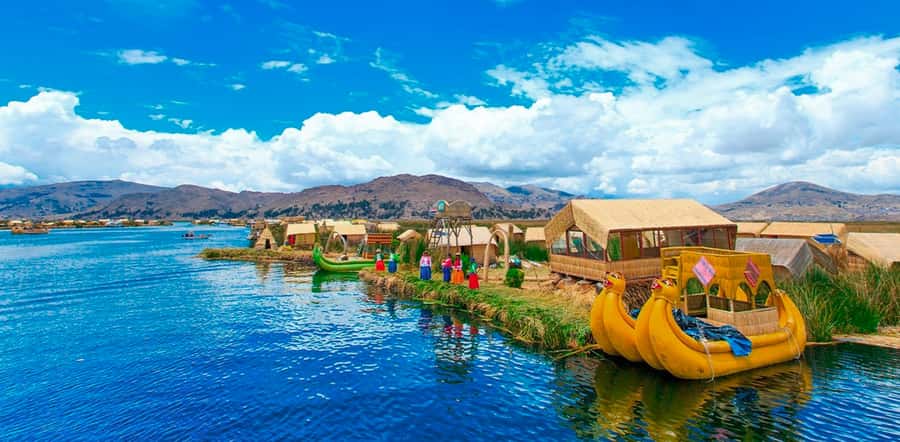
- Totora reed floating islands (Uros): a close-up look at how reed communities adapt on the water
- Amantani homestay on Titicaca: lunch with your host family plus evening cultural activities
- A sunset option to Pachatata: hike time for views if the skies cooperate
- Llachon Peninsula rural life: seasonal community activities and a slower pace away from the main hubs
- Peru Hop overnight buses: high-speed onboard Wi-Fi, but expect long hours and possible cold
- Cash matters: the tour requires cash, and there are optional add-ons like the Kontiki reed boat ride
Cusco to Puno by overnight Peru Hop bus: the comfort trade
The tour starts with an evening meet-up at the Hop private bus terminal at Alameda Pachacuteq 499 B in Cusco. Plan for 10 to 15 minutes from Plaza de Armas to the terminal, and keep an eye on timing because the bus leaves at 9:30 pm.
This is a luxury-style overnight bus experience, with high-speed onboard Wi-Fi (available on Peru Hop). That helps if you want to catch up on messages, download offline stuff, or just pass the time without going full goblin-mode in airplane silence.
Now the honest part. Overnight buses can feel cold for some people, especially if you run warm or not. Pack layers like you mean it: long travel on a high-altitude route plus waiting around in Puno can be a chill combo.
You can also read our reviews of more evening experiences in Cusco



Uros floating reed islands: what to watch beyond the photos
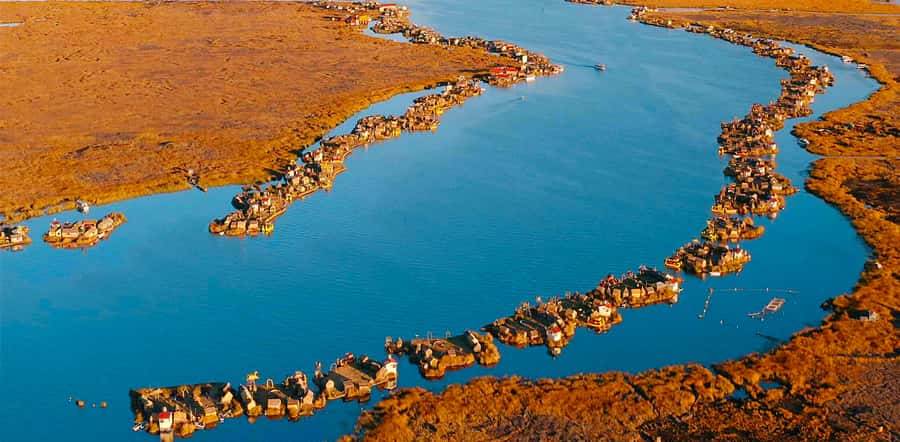
On Day 2 you’ll transfer to a partner hostel in Puno first, with free luggage storage while you tour. Around 7:40 am you’ll get picked up for the Uros floating islands portion.
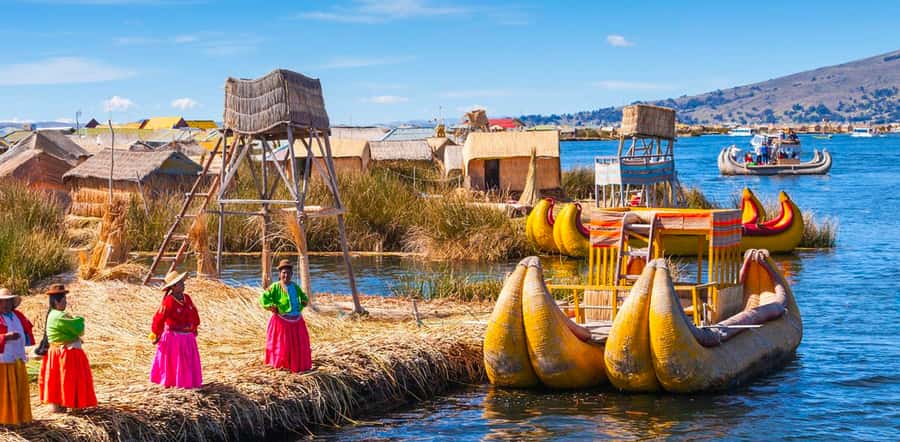
At about 8:15 am, you board a boat for a guided visit of the Uros reed islands. This is the signature sight for a reason: the islands are made from totora reeds, and you’ll learn how the community maintains and lives on structures that float and shift with the lake.
What I like about this stop is that it’s not just a viewpoint. With a bilingual guide in the mix, you get enough context to understand the daily practicality behind what you’re seeing. It’s one of those moments where the boat ride turns into education, and the photos start making more sense.
There’s also an optional add-on: a reed boat ride (Kontiki) costs S/.10 soles. If you’re short on cash, you can skip it without breaking the experience—but if you want the full reed-boat feel, this is the cleanest way to do it.
Amantani island homestay: the real cultural exchange
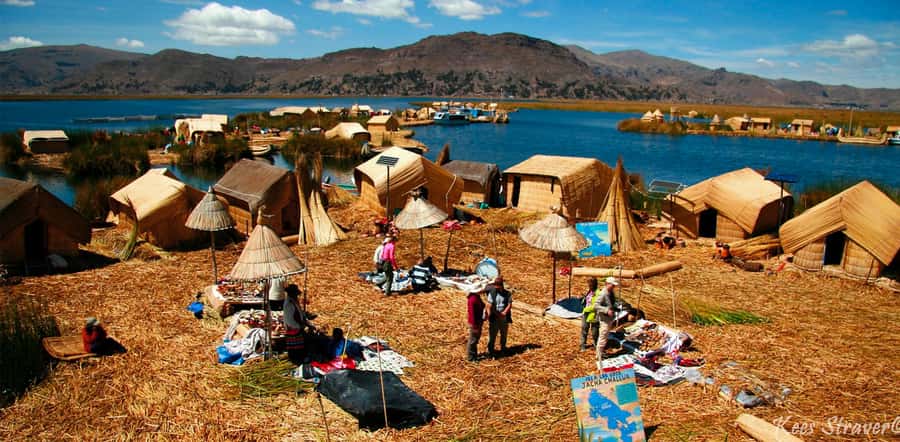
After Uros, you cruise across Lake Titicaca to Amantani. Around 10:30 am you’ll be heading toward the island area, and by about 1:30 pm you arrive to meet your host family and check into the homestay.
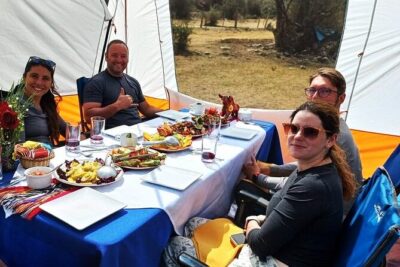
This is the heart of the whole trip. You’ll have a typical lunch made from natural products in the family home, then you’ll spend the afternoon doing intercultural activities with your host family. Think conversation, small shared moments, and learning how people live with the lake as part of everyday life.
Some families will be more comfortable with English than others. One review experience flagged that the family may not speak English, which can be totally fine as long as you go in with patience and curiosity. I’d treat the homestay like a “show up and be kind” situation, not a classroom test.
Later, there’s an optional hike around 4:00 pm to Pachatata temple to watch the sunset. If weather cooperates, it’s a good way to stretch your legs and earn the view instead of only hearing about it.
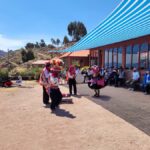
Dinner is normally around 7:00 pm, and you may have a chance to join local dance and music or simply relax with the family. If you’re the type who likes structure, you’ll find this part has just enough of a rhythm to feel guided, without feeling fenced in.
Llachon Peninsula day: rural Titicaca beyond the main circuit
Day 3 starts with breakfast at the family house around 7:00 am. Then you get some morning free time before heading out.
Around 12:30 pm, you’ll transfer to the Llachon Peninsula, arriving around 1:15 pm. The goal here is a different flavor of Titicaca life: you’ll witness seasonal activities in this rural community and then have free time to enjoy one of the more picturesque spots on the lake.
One practical note: timing can flex a bit here. Lunch is indicated around 12:00 pm, while arrival is listed around 1:15 pm, so expect minor schedule adjustments depending on boat timing and local flow. Bring a calm mindset, not a stopwatch.
The day ends with the boat back to Puno, arriving around 5:00 pm. From there, you’re dropped at the partner hostel a few blocks from the central plaza, with free bag storage again, and the option to use shower facilities for a low price.
The Puno waiting blocks and how they affect your mood
This itinerary moves fast, but it also includes wait time. Two moments in particular can define how you feel: the time before the boat on your Titicaca days and the time waiting in Puno before the ride back to Cusco.
On Day 3 night, you’ll be picked up from the partner hostel between 9:00 pm and 9:30 pm for the overnight bus back to Cusco. That bus should arrive back around 5:00 am, and you’ll be dropped at your hotel/hostel.
Here’s the tip that makes the biggest difference: don’t plan solo detours during the group transitions. Some people reported limited autonomy and long calls back to the group if they wandered for a store stop or a view. If you want micro-adventure time, do it during the free windows, not during the handoffs.
Also, expect the “small support” approach that comes with real-world logistics. There can be friction at the hostel waiting areas: one common complaint was about cleanliness and coldness in the waiting space. You can’t control that part, but you can control what you bring—layers, water discipline, and a plan for how you want to spend the wait (downloaded shows, a card game, a book).






Price and value at about $109 per person
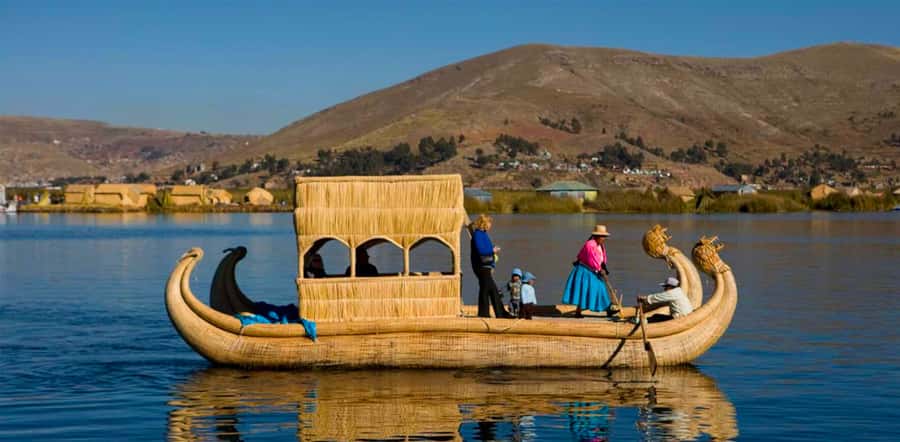
At roughly $109 per person for four days, the value isn’t only in the bus and boat. The biggest cost driver is the homestay experience itself: you’re paying for guided transport, entry into Uros and Amantani, boat travel across the lake, and that family-based exchange where you’re not just watching from the outside.
What’s included:
- Guided transportation from Cusco to Puno
- Boat transportation on Lake Titicaca
- Entry tickets for Uros and Amantani
- Bilingual guide for smooth logistics and interpretation
- Lunch in Llachon Peninsula
What’s not included:
- Breakfast on arrival in Puno (optional extra)
- Dinner in Puno after the islands
- The optional Kontiki reed boat ride (S/.10)
- Hotel pickup (you meet at the terminal)
I’d budget a little extra cash and keep it flexible for meals and small add-ons. Because the tour requires cash, it’s smart to carry small bills, especially if you want the optional reed ride or you decide to grab breakfast elsewhere when the hostel area feels grim.
Who should book this Titicaca excursion (and who shouldn’t)
This tour is best for people who like the “hands-on” version of travel. If you want iconic sights plus a real cultural exchange on Amantani, you’ll likely love it. Solo travelers can work well too, since the guide and schedule reduce the stress of figuring everything out on your own.
It’s also a good fit if you enjoy early starts, boats, and moving days. You’re trading comfort-at-the-dock for authenticity-at-the-homestay.
Avoid it if you fall into the stated limits: children under 4, pregnant women, or wheelchair users. And if you’re extremely sensitive to cold, plan for layers and expect that overnight travel plus waiting periods can feel chilly.
Should you book this 3-night Lake Titicaca excursion with Peru Hop?
Book it if your priority is the combination of Uros floating reed communities and a genuine Amantani homestay, not just checking Lake Titicaca off a list. The guided interpretation and the family-based cultural time are the parts you’ll remember, especially the shared meals and local evening activities.
Consider skipping or adjusting expectations if you hate long travel and waiting. Some logistics and accommodation details in the Puno waiting blocks have been flagged as disappointing, and overnight cold can be real for some passengers. If that kind of travel friction will ruin your trip, pick a different Titicaca style with fewer handoffs.
If you’re the type who can handle an overnight bus, bring layers, and treat the homestay with respect and openness, this is a strong value way to see Titicaca in a way that actually reaches people.
FAQ
How long is the Lake Titicaca excursion from Cusco?
The experience is listed as a 4-day trip, with 3 nights total and 2 overnight bus journeys.
Where do I meet in Cusco?
You meet at the Hop private bus terminal at Alameda Pachacuteq 499 B. It’s about a 10 to 15 minute walk from Plaza de Armas.
What’s included in the $109 price?
The price includes guided transportation from Cusco to Puno, boat transportation, bilingual Spanish and English-speaking guide, entry tickets to Uros and Amantani, and lunch on the Llachon Peninsula.
Is Wi-Fi available during the trip?
Yes. You can access high-speed onboard Wi-Fi on the Peru Hop bus.
Are there optional costs during the tour?
Yes. The reed boat ride (Kontiki) in Uros is optional for S/.10 soles. Breakfast in Puno on arrival and dinner in Puno on the return are not included.
What’s the cancellation policy?
You can cancel up to 24 hours in advance for a full refund.