REVIEW · CUSCO
rainbow mountain full day
Book on Viator →Operated by Luan Travel Peru · Bookable on Viator
Rainbow Mountain starts before sunrise. This full-day Cusco trip pushes you up to Vinicunca at about 5,200m, with an early pick-up window that gets you moving before most people are awake. The interesting part is the mix of farmed valleys, red-and-purple rock, and snow-capped peaks around you—once you’re actually high enough to see the colors clearly.
I like two things right away. First, the food breaks up the day: Andean breakfast in Chirihuani and a buffet lunch in Fulawasi are built into the schedule instead of being an afterthought. Second, the tour gives you time at the top for photos and a real moment to look back at the surrounding glaciers and peaks.
The main thing to consider is pacing and altitude. Some guides manage the day with a strict clock, and the hike can be hard on breathing and heart rate—so go in ready to move slowly and take care of yourself.
In This Review
- Key highlights worth planning for
- The 4:30 a.m. start: why this tour feels like a mission
- Cusco to Chirihuani: breakfast and oxygen reality
- Fula wasi to Valle Rojo: the 1 hour 30 uphill section
- The climb to Vinicunca: colors, crowds, and the 5,200m stop
- A guide can make or break your day
- Toilets, rough roads, and the long van hours
- Return to Chirihuani, then Fulawasi lunch
- Altitude: the part you can’t skip
- Price and value: $60 for a very early, high-effort day
- Who this tour is best for (and who should reconsider)
- Should you book Rainbow Mountain full day?
- FAQ
- What time do I get picked up, and when do I return to Cusco?
- What’s included in the $60 price?
- Is the entrance ticket to Vinicunca included?
- How high do we go?
- How difficult is the hike?
- Does the tour depend on weather?
Key highlights worth planning for
- 4:30 a.m. pickup in Cusco areas keeps you from wasting daylight, and helps you reach Vinicunca earlier
- Breakfast plus buffet lunch included, so you’re not scrambling for food at altitude
- A measured trek starts from Fula wasi with about 1 hour 30 minutes uphill to Valle Rojo access
- Top time matters: you’ll stop at roughly 5,200m for photos and a break before the return
- Small group size (max 19) is a real plus when the trail gets busy
The 4:30 a.m. start: why this tour feels like a mission
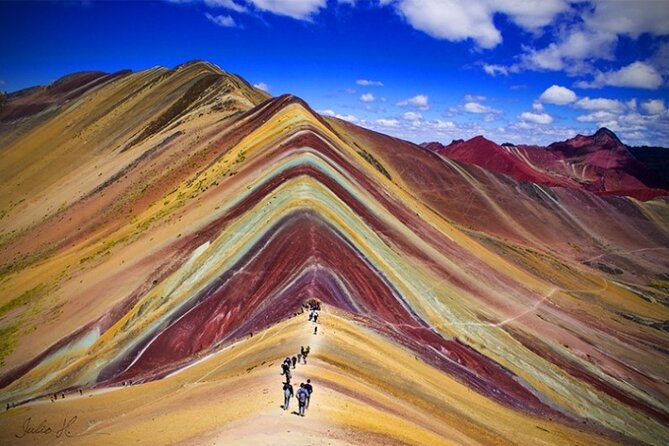
If you book this, plan on waking up like it’s an airport run. The day kicks off around 4:30 a.m., with pick-up from different lodgings until about 5:00 a.m. That early start isn’t just tradition—it’s how most Rainbow Mountain tours try to beat both weather and crowds.
You’ll leave Cusco and head south. Along the way, the tour stops in Chirihuani (in the Cusipata area) where the guide organizes the basics you’ll need before altitude work begins: water/energy drinks and snack-type items like cereals. It’s a short reset before you start spending your energy on the trail.
One practical note: early group pick-ups can feel a little messy in real life. On rough mornings, van routing and quick loading can be less organized than you’d expect. If you’re the kind of person who dislikes uncertainty, keep your expectations flexible and arrive ready to roll fast.
You can also read our reviews of more tours and experiences in Cusco
Cusco to Chirihuani: breakfast and oxygen reality
You typically reach Chirihuani around 7:30 a.m. That’s when the tour shifts from bus mode to food mode. You’ll have an Andean breakfast prepared by the chef—exact details vary, but the key is that it gives you fuel before the climb.
This part of the itinerary is more important than it sounds. At high altitude, you burn calories just existing. Breakfast here also lets you eat before the trek starts, instead of trying to nibble while your breathing is already working overtime.
Then it’s back to the minibus toward Fula wasi, which is the trek starting point. Your timing and energy will depend on how you handle the short breaks between vehicles, so use the stops wisely: drink a bit, eat a little, and don’t overdo it.
Fula wasi to Valle Rojo: the 1 hour 30 uphill section
The trek begins at Fula wasi. The schedule is clear about the first chunk: about 1 hour 30 minutes uphill until you reach the foothills at the Valle Rojo access point.
This is the stage where the altitude usually starts making itself known. The effort ramps up quickly. Even if you’re reasonably fit, you can feel your heart rate spike and your breathing turn into a slower, more careful rhythm. The best strategy here is simple: keep your pace small and steady.
One thing I recommend—based on how different guides work—is to tell your guide your plan for pacing early. Some days, people feel pressure to keep up with the group’s momentum. If you prefer a slower rhythm, bring it up right away so you don’t end up feeling rushed later.
The climb to Vinicunca: colors, crowds, and the 5,200m stop
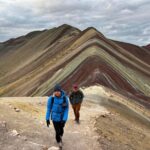
From Valle Rojo access, the route continues along a path where the scenery changes as you climb—colored rock, small icy water streams, and high-altitude Andean animals you might spot along the way (llamas, alpacas, sheep, and sometimes vicuñas). The trail is not just a workout; it’s also a moving viewpoint.
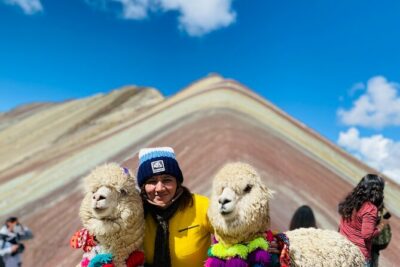
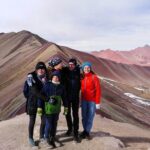
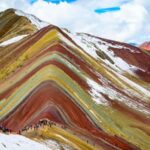
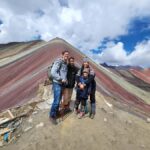
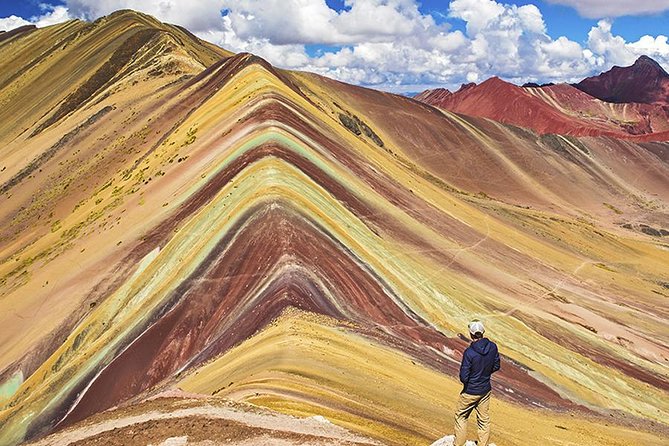
The tour targets an altitude of about 5,200 meters at the top of Vinicunca (Mountain of Seven Colors). This is where you’ll understand why people line up for an early start. The colors show best when you’re positioned correctly and the sky is working in your favor.
You also get a proper break at the summit: enough time for photos and videos, plus refreshment while clouds move and you look at the mountain backdrop. That pause is valuable. It’s easy to treat the top as a quick checkbox, but the view is the whole point.
Crowds are real here. Even with early timing, the viewing area can get packed, especially as more groups arrive. If you want breathing room for photos, walk a bit farther from the main cluster and look for a spot where you can stand and shoot without being stepped on. One useful tip: if the “must-see” point feels mobbed, continuing a little toward the top areas can help you find a less chaotic vantage.
A guide can make or break your day
This is where tour quality can show up fast. The experience depends a lot on how your guide manages altitude pace, group spacing, and how proactive they are when someone starts struggling.
For example, one guide named Alex was described as checking in on everyone and offering Peruvian natural oils to people having trouble. Another experience didn’t include herbal remedies and felt more clock-driven—emphasizing exactly when people had to arrive and when they had to return.
So here’s the practical takeaway: don’t rely on the guide to fix altitude for you. Bring your own coping plan and use the guide for what they’re best at—timing the day, keeping the group moving safely, and answering questions on the ground.
If you tend to feel altitude hard, ask your guide early about how the group handles breaks. If you need more pauses, you’ll usually get a better outcome by asking for them sooner rather than waiting until you’re already suffering.
Toilets, rough roads, and the long van hours
This tour is about 10 hours, but not all of that time is on the trail. Between transfers, waiting for pick-ups, and road conditions, you can spend a meaningful chunk of the day in a vehicle.
The roads can be rough. The ride up to Rainbow Mountain involves bumpy sections, and on the return there may be slowdowns from road blocks. In one described day, the van was stopped twice because of blockage cleanup. Think of it as part of the adventure, but also plan mentally for a long sit.
Toilet reality is another honest piece of the puzzle. There can be a paid bathroom stop before heading up (reported at S/3, with a note that there was no change). There’s also another bathroom on the trail with a reported fee of S/2. Bring extra tissues, because relying on whatever is available at paid stops can turn into an annoying cost if you’re caught without supplies.
None of this ruins the day, but it changes how comfortable you feel. If you go prepared, the day feels smoother.
Return to Chirihuani, then Fulawasi lunch
After summit time, you’ll head back down to Chirihuani, where you get the next vehicle connection. The return walk is physically different from the climb—often faster if your body handles altitude well.
Then you transfer on to Fulawasi for a delicious buffet lunch prepared by the cook. This lunch is a big deal because it’s your recovery meal after hours above 5,000m-ish effort, even if your final ascent is only part of the day.
Expect the day to end around 5:00 p.m. back in Cusco. That schedule is long, but it’s also why you get a full “saw it, did it” experience without needing logistics of your own.
Altitude: the part you can’t skip
Rainbow Mountain is short in distance, but it’s not gentle. The summit sits around 5,200m, and the climb can hit breathing and heart rate quickly.
One strong caution from real-world experience: even people who feel okay during the descent can get a headache afterward and feel unwell once back near the lower area. That’s a classic altitude after-effect.
So take seriously the altitude aids that are commonly used in the Andes. One helpful list that came up is coca leaves, tea, and candy. You can also plan for slower breathing on the climb and build rest into your pacing rather than pushing for speed.
If you can, give yourself more time in the Cusco region before doing the trek. If you’ve got a history of altitude sickness, consider talking to a clinician before the trip.
Price and value: $60 for a very early, high-effort day
At $60 per person, this is priced as an all-in full-day logistics package. What you’re paying for is the transportation, the guiding, and the two meals (breakfast and lunch). That’s solid value for a one-day itinerary that would be hard to coordinate on your own.
What’s not included is the entrance ticket to Vinicunca. Budget for that separately so it doesn’t surprise you at the last minute. Also remember you may pay small additional fees for bathrooms along the route.
When you weigh value, ask yourself this: do you want to spend energy on finding transport and coordinating timing, or do you want that handled while you focus on the hike and your altitude pacing? If the answer is the latter, this price can make sense.
Who this tour is best for (and who should reconsider)
This trip is built for people with a strong physical fitness level. The hike is demanding at high altitude. Even if the schedule is short on paper, the body work is real.
It suits you best if:
- you’re okay with a long day
- you want an organized, guided approach
- you can handle early wake-ups and uneven mountain roads
- you’re comfortable going slower than the group’s pace if needed
It might be less ideal if:
- you’ve had altitude issues before and your plan is uncertain
- you dislike crowds and strict timing
- you want a very relaxed pace with tons of unplanned breaks
Should you book Rainbow Mountain full day?
Book it if you want the classic Vinicunca experience with logistics taken care of—breakfast, lunch, guide, and transport—and you’re ready for the early start and altitude challenge. The summit payoff at around 5,200m is why the day exists.
Skip or rethink if you know you struggle with altitude, you hate being managed by time windows, or you’re not prepared for rough roads and paid restroom stops. In those cases, consider either a slower-focused approach or a different itinerary that gives you more time to acclimatize and pace.
Bottom line: if you go prepared—physically, mentally, and with altitude supports—you’ll likely come back with the main thing you came for: the Seven Colors view from high up, not just a photo from the bottom.
FAQ
What time do I get picked up, and when do I return to Cusco?
Pickup starts around 4:30 a.m. and continues until about 5:00 a.m. You generally return to Cusco at around 5:00 p.m.
What’s included in the $60 price?
The price includes tourist transportation, a tour guide, breakfast, and lunch.
Is the entrance ticket to Vinicunca included?
No. The entrance ticket to Vinicunca (Mountain of Seven Colors) is listed as not included, so you’ll need to budget for it separately.
How high do we go?
The trek reaches an altitude of about 5,200 meters above sea level at the top.
How difficult is the hike?
It’s best for people with strong physical fitness. The route is uphill and can be difficult due to altitude and breathing/heart-rate strain.
Does the tour depend on weather?
Yes. The experience requires good weather. If it’s canceled for poor weather, you’ll be offered a different date or a full refund.