REVIEW · CUSCO
The Vinicunca Rainbow Mountain in a day from Cusco
Book on Viator →Operated by Sakura Expedition · Bookable on Viator
In This Review
- A fast hook, then the real deal
- Quick highlights before you commit
- Why Vinicunca in a single day from Cusco works
- The long Cusco-to-trail route: what your morning is like
- Trek to 5,100 m: pace, gear, and the altitude reality
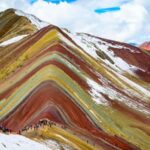
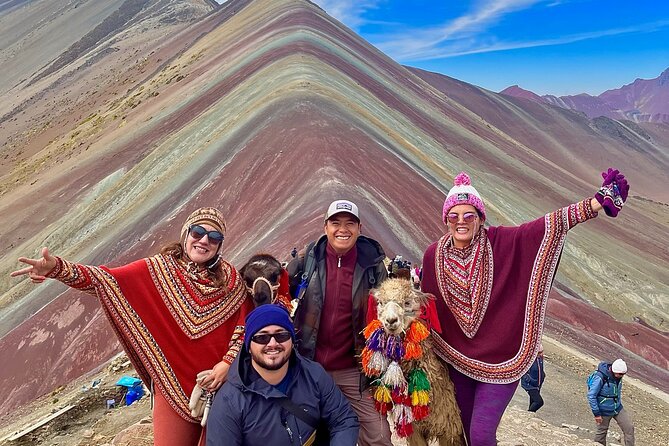
- At Vinicunca: why the colors happen (and what to look for)
- Photo time and the guided moment: how guides change the hike
- Lunch in Cusipata and the return to Cusco
- Price and value at about $46: what you’re really paying for
- Comfort, safety, and organization: the stuff that makes or breaks the day
- Best time to go and how weather affects your plan
- Who should book this one-day Vinicunca trip
- Should you book the Vinicunca in a day from Cusco?
- FAQ
- How early does this tour start?
- How long is the Vinicunca day trip?
- What altitude do you reach?
- Is breakfast and lunch included?
- Is the admission ticket included?
- Do I need a horse to do the hike?
- Who guides the hike, and what languages are used?
- What is the best time of year to go?
- What happens if weather is bad?
A fast hook, then the real deal
Vinicunca hits you fast, even before you start walking. I like the hotel pickup and the bilingual guide who explains the mountain’s geology in plain terms, but altitude is the catch if you only arrive in Cusco the same day.
What makes this day trip work is the structure: you’re driven out to the trail area, hike up to about 5,100 m, get guided info and photo time at the top, then you’re fed lunch and brought back to Cusco in one long but organized swing. One possible drawback is that the total day is about 14.5 hours, so you’ll want to plan energy and sleep accordingly.
The tour runs with daily departures in the very early morning (around 4:00 to 4:30 am). The group is kept small (up to 18), you get practical extras like blankets and ecological canes, and you can optionally hire a horse on the way in if your knees or altitude make the climb harder.
Quick highlights before you commit
- Early start with hotel pickup that keeps the day efficient from the first hour
- 5,100 m ascent with a guided walk and a realistic pace
- Included breakfast, buffet lunch, and admission to the Mountain of Colors
- Bilingual guide (English and Spanish) who talks science, minerals, and why the colors exist
- Blankets and ecological canes for comfort in cold, high places
- Horse is extra if you want an easier climb on your body and knees
You can also read our reviews of more tours and experiences in Cusco.
Why Vinicunca in a single day from Cusco works
Vinicunca, also called the Rainbow Mountain, is one of those hikes that feels bigger than the photos. The main reason this one-day format is so popular is simple: it gives you the full experience without committing to multiple days of hiking logistics in the Andes.
You’re not just showing up for a quick viewpoint. You’ll hike out to the colors, get guided context on what you’re seeing, and return to Cusco with a meal already handled. That matters because a day at this altitude isn’t the time to improvise.
Just be honest with yourself about acclimatization. The tour recommendation is to spend at least 2 days in Cusco first, and that’s not a rule made to annoy you. At 5100 m, even a short effort can feel heavy, especially if your body is still adjusting.
The long Cusco-to-trail route: what your morning is like
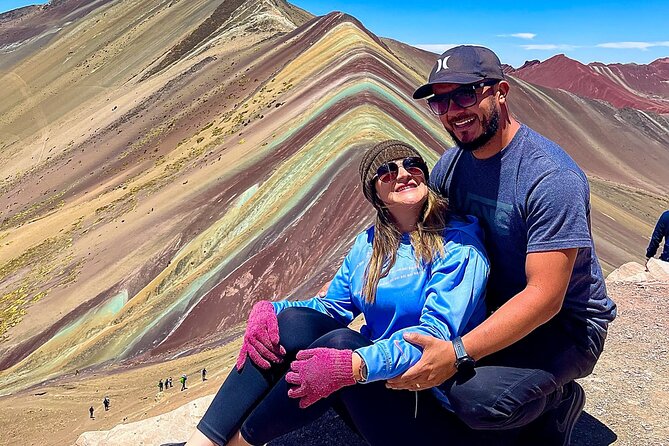
Your day starts early, with pickup from your hotel inside Cusco. You then head roughly 77 km toward the Cusipata area. The bus ride is about 2 hours, which is long enough to sit still, but not so long you feel stuck in one spot without breaks.
Breakfast happens around Cusipata, and you’ll get about 30 minutes there before you continue. After breakfast, you move about 1 hour further toward the trail zone (Phulawasipata). This is where the day shifts from transport to work: the trekking begins after you reach that point.
One practical note: the “ascent time” is described as roughly 1 hour 45 minutes to 2 hours to reach around 5,100 m. That means you should treat it as a real climb, not a casual stroll, even if you’re physically fit.
Trek to 5,100 m: pace, gear, and the altitude reality
The climb is where the day trip either feels manageable or feels rough. The tour lists the physical state as level 3 and frames it as moderate, but the altitude is the wild card. If you’re not acclimatized, the recommendation is clear: the walk is about 2 hours up and 2 hours back, and that can feel harder than you expect.
The good news is that the tour includes useful supports. You’ll be given blankets and ecological canes, which help on cold stretches and on uneven footing. The canes are especially handy if your ankles feel unstable in thin air and cool temps.
Also, you can make the climb easier with an optional horse, but that cost is not included. In the feedback I saw from guides and day-trippers, people often describe it as a smart choice when knees or altitude slow them down.
What I’d tell you to do is simple: start slower than you think you need to. At altitude, going out too fast usually punishes you later. If you keep your pace controlled and listen to your body, the summit time feels more like a reward than a survival test.
At Vinicunca: why the colors happen (and what to look for)
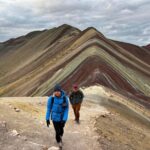
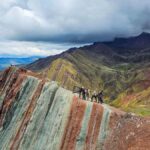
Once you reach the top area, the guide gives you a short briefing and helps you understand what you’re seeing. This matters because Vinicunca’s colors aren’t just a pretty accident. The tour explains the mountain’s story as an Andes formation tied to tectonic plate movement, which lifted marine sediments into mountains in the region.
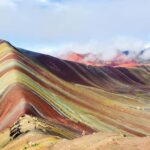
Then comes the color science. The explanation is that mineral oxidation—pushed along by erosion, humidity, and other geological factors—creates the distinct color bands. You’ll also hear that the mountain was once covered by ice, and with recent climate change the ice receded, revealing the exposed mineral layers.
A helpful way to look at it: don’t focus only on the brightest patch. Scan for how bands change from area to area. Those shifts are part of why guides talk so much about minerals, not just scenery.
Here’s the color breakdown the tour provides, in plain language:
- Pink: linked to red clay plus fangolites (mud) and arilites (sand)
- Blanquecino (whitish): tied to quartz sandstone and marls rich in calcium carbonate
- Red: linked to iron-rich clays and upper tertiary clay layers
- Green: associated with phyllites and magnesium-rich clays
- Earthy brown: from fanglomerate made of rock with magnesium from the Quaternary era
- Mustard yellow: associated with calcareous sandstones rich in sulphured minerals
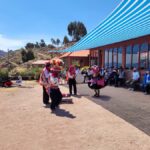
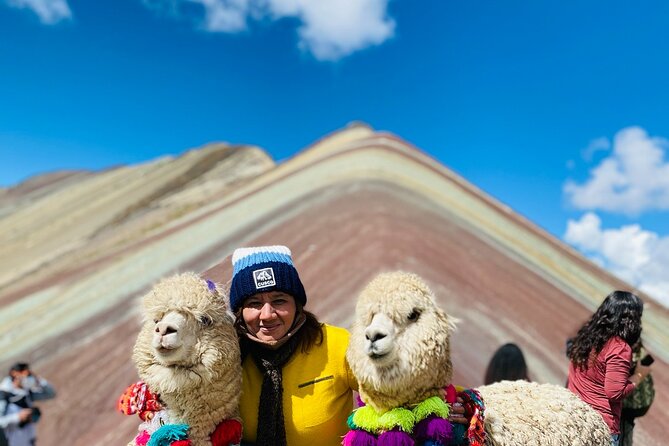
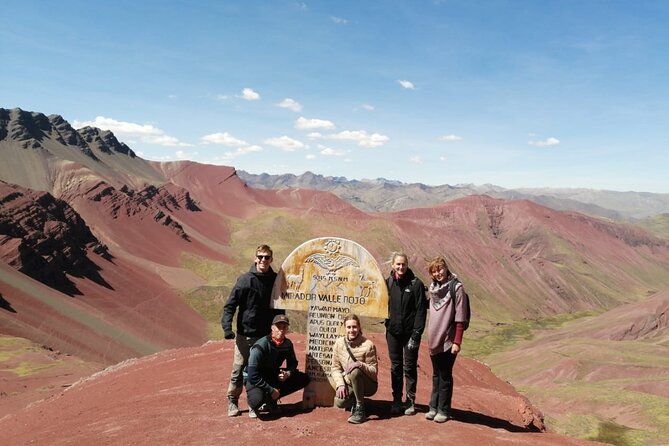
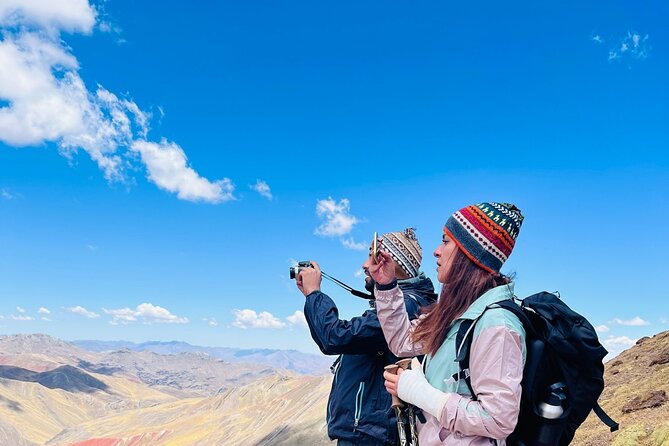
You’ll also have time for photos and to take in the bigger view of the Vilcanota mountain chain, not just the closest slope. And along the way, you might spot South American camelids and people in traditional clothing, which adds an extra human layer to the experience.
Photo time and the guided moment: how guides change the hike
At Vinicunca’s summit, the guide isn’t just there for logistics. The descriptions of guides in the feedback emphasize clear communication, including English and Spanish, plus patience with different walking speeds.
You’ll notice this most on the climb. A slower pace doesn’t mean you miss the top. In fact, you’re more likely to enjoy it because you arrive less wiped out. Guides named John, Wilson, and Andres show up in the feedback, and people repeatedly mention that their explanations made the science easier to follow.
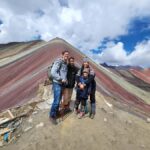
Another small but real benefit: guides often help with photo timing and positioning. When you’re dealing with cold hands and thin air, that kind of help reduces stress.
If you want the trip to feel more than a checklist, pick the mindset of learning the mountain while you stand there. The guided explanation gives your photos context, which makes the day stick with you longer.
Lunch in Cusipata and the return to Cusco
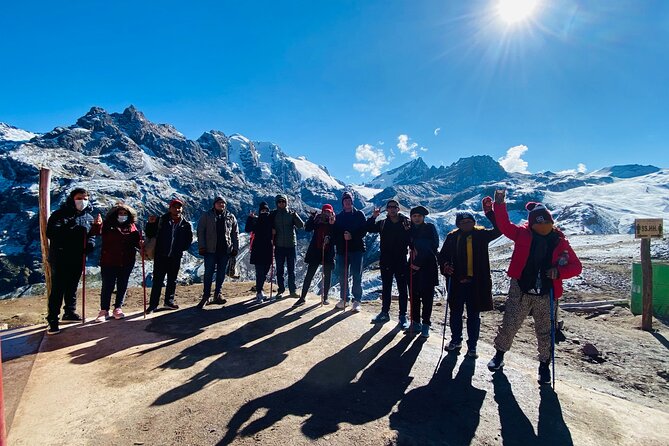
After summit time and photos, you head back the same way to your pickup point for the next leg. The schedule then builds in lunch and gives you a clear return window.
Lunch is at about 2:00 pm, served as a restaurant meal with a buffet style. The feedback I saw notes that the lunch is filling and varied, which is exactly what you want after a long, cold climb.
Then it’s the long drive back. You begin the return to Cusco around 2:00 pm and typically arrive back between 4:30 and 5:00 pm at the main square area. Total duration is listed at about 14 hours 30 minutes, so you should treat this as a full-day commitment even though the actual hike portion is shorter than multi-day treks.
Price and value at about $46: what you’re really paying for
At $46.16 per person, this tour is priced like a budget-friendly day trip. The real value is what’s included, because a Rainbow Mountain day can get expensive fast once you add transport, admission, and meals.
Included in your price:
- Round-trip tourist transportation
- Hotel pickup within the city
- Breakfast
- Buffet lunch
- Admission to the Mountain of Colors
- A professional guide in English and Spanish
- Blankets and ecological canes
- Access to the main trek route organization through Cusipata/Phulawasipata
What’s not included:
- Horse hire (optional)
- Extra drinks
When I judge value in tours like this, I look at how much you’d have to DIY if you canceled the package: transport out and back, entry, a guide, and two meals. This one handles all of that for you, which is why the low price still feels fair.
The group size cap (up to 18) also matters for value. A smaller group usually makes the pace easier to manage, and it tends to improve your odds of getting attention when conditions change.
Comfort, safety, and organization: the stuff that makes or breaks the day
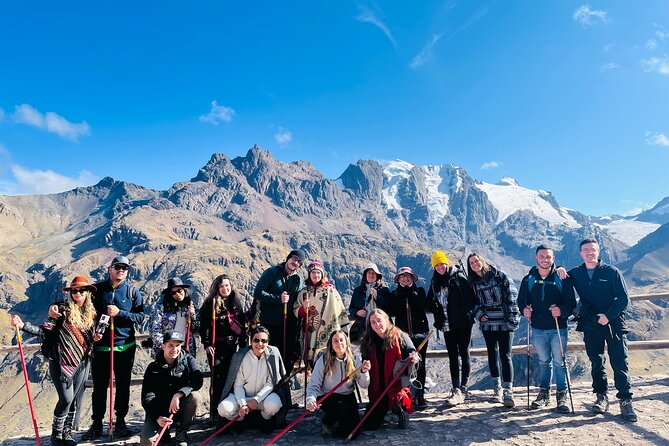
A day trip lives or dies by early timing and transport comfort. The feedback consistently highlights early pickup right at the hotel, organized timing, and comfortable shuttles that make the early hours less painful.
Safety comes up too. People describe feeling safe with the group and with careful, respectful transportation. That doesn’t mean you should ignore your own instincts, but it does suggest the operator takes routine risk seriously.
The biggest operational strength appears to be pacing. Several comments emphasize that guides don’t rush slower hikers. They also mention guides explaining the science behind Vinicunca, which turns the top from a photo stop into an educational moment.
And yes, the guide language support matters in real terms. When someone speaks fluent English and Spanish and keeps you informed, you spend less mental energy guessing what happens next and more energy actually enjoying the day.
Best time to go and how weather affects your plan
The recommended best time is May to November. That lines up with the common high-Andes pattern of trying to hike when conditions are more stable.
This experience also depends on good weather. If the day gets canceled due to poor weather, you’ll either be offered a different date or a full refund. That flexibility is helpful because high-altitude conditions can be unpredictable.
In practical terms, you should still dress for cold even on a clear day. The guide provides blankets, but you’ll still want layers you can adjust on the climb and on cold summit pauses.
Who should book this one-day Vinicunca trip
This tour is a strong fit if:
- You want one main hike from Cusco without extending into multiple days
- You’re comfortable with a full-day schedule and very early pickup
- You like guided context, not just a viewpoint
It’s also a good choice if you’re traveling on a tighter budget, since the price includes admission, transport, and two meals.
You should be more cautious if:
- You haven’t given yourself at least 2 days in Cusco for acclimatization
- You struggle with altitude or long climbs at high elevations
- You want a low-effort day (this is still a climb to 5,100 m)
Should you book the Vinicunca in a day from Cusco?
If you can handle a very early start, plan for cold, and give your body a little time to acclimatize, I think this is a smart way to do Vinicunca. The value is real because transport, meals, admission, gear support, and bilingual guiding are all included in one price.
The only serious reason to hesitate is altitude timing. If you’re arriving in Cusco with no acclimatization window, you might end up spending more energy managing discomfort than enjoying the summit colors.
If you want a guided, organized day trip with a small group and solid meals, this is the kind of plan that makes it easier to pull off Vinicunca without chaos.
FAQ
How early does this tour start?
Daily departures run from about 4:00 am to 4:30 pm, with pickup from your hotel in Cusco.
How long is the Vinicunca day trip?
The total duration is approximately 14 hours 30 minutes.
What altitude do you reach?
The trek is described with an altitude around 5,100 m above sea level.
Is breakfast and lunch included?
Yes. You get a breakfast (about 30 minutes in Cusipata) and a buffet lunch.
Is the admission ticket included?
Yes. Admission to the Mountain of Colors is included.
Do I need a horse to do the hike?
No. A horse is optional, but it’s not included in the tour price.
Who guides the hike, and what languages are used?
You’ll have a professional guide in two languages: English and Spanish.
What is the best time of year to go?
The best time to visit is May through November.
What happens if weather is bad?
The experience requires good weather. If it’s canceled due to poor weather, you’ll be offered a different date or a full refund.