REVIEW · CUSCO
5-Day Salkantay Trek to Machupicchu Sky Lodge Dome
Book on GetYourGuide →Operated by TERRA QUECHUA PERU · Bookable on GetYourGuide
One of the best mornings in Peru starts in the dark. This 5-day Salkantay trek mixes luxury dome camping with the classic Salkantay-to-Machu Picchu arc, then lands you at the ruins at sunrise. I really like two things: the way the trip feeds you well along the trail (with a dedicated cook and scheduled meals), and the strong sense of variety from glacier views to high-jungle walking to hot-spring recovery. One thing to think about: Machu Picchu timing depends on ticket slots, and if you don’t get clear answers early, you can end up scrambling to adjust.
Expect a small group (up to 10), bilingual guidance, and a plan that protects your energy where it counts. You’ll sleep with private bathrooms and hot showers in the domes, but yes, the first dome night can feel seriously cold, so you’ll want real warm layers. The upside is that you’re not stuck managing logistics all by yourself; the tradeoff is that you should confirm key details up front so your trek doesn’t get changed last-minute.
In This Review
- Key things that make this trek feel worth it
- Cusco to Challacancha: starting early and easing into altitude
- Soraypampa to the Salkantay Pass: where the views earn the effort
- Into the high jungle: Chaullay to La Playa and the coffee-plantation dome
- Llaqtapata to Aguas Calientes: Inca trail vibes, fruits, and the train-track walk
- Machu Picchu at sunrise: the 5:30 am bus plan
- Dome comfort and real trekking fuel: meals, bathrooms, and what’s not included
- Price and value: what $700 covers and why it’s not just “a trek”
- Ticket timing and communication: the one area I’d double-check
- Who this Salkantay dome trek suits best (and who should skip it)
- Packing checklist for the Andes plus one money note
- Should you book this 5-day Salkantay trek with Machu Picchu Sky Lodge domes?
- FAQ
- What’s the meeting time for the Cusco pickup?
- How high is the Salkantay pass on this trek?
- Are meals included during the trek?
- Do the domes have private bathrooms and hot showers?
- Is a sleeping bag included?
- Can I go to Huayna Picchu?
- What time is the bus to Machu Picchu on day five?
Key things that make this trek feel worth it
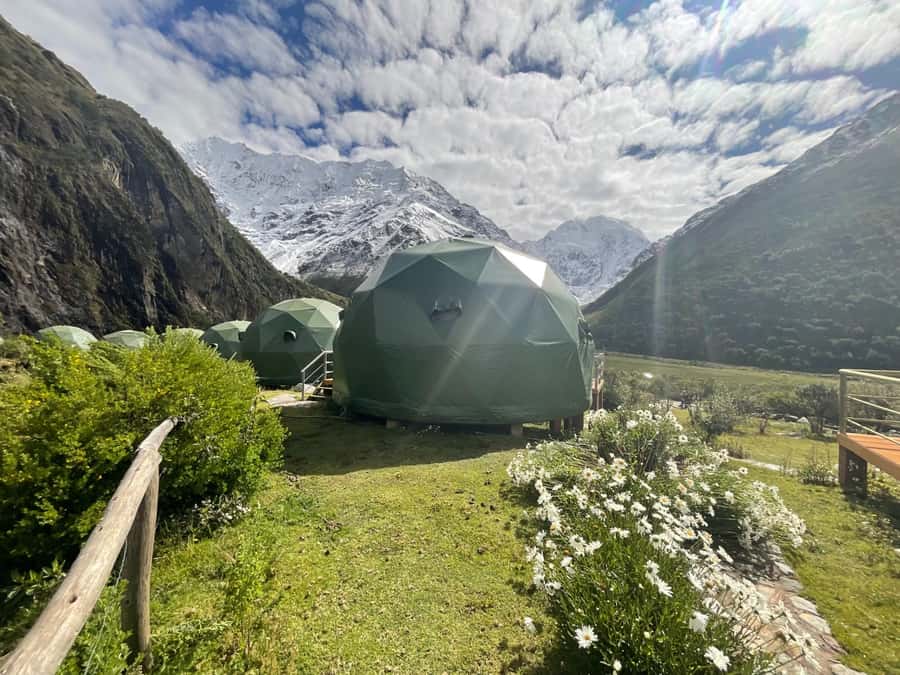
- Dome camping with private hot showers keeps the long days from turning into misery.
- Salkantay’s 4,650 m high pass delivers big, snow-possible views halfway through the trek.
- Coffee plantation campsite at La Playa adds a hands-on break from “just hiking.”
- You walk part of the original Inca trail at Llaqtapata before the long descent to Aguas Calientes.
- A first-bus Machu Picchu morning (5:30 am) gives you the best shot at sunrise entry vibes.
- Small group size (10 max) means more attention from your guide and fewer bottlenecks on the trail.
Cusco to Challacancha: starting early and easing into altitude
The tour picks you up from your Cusco hotel around 4:30–5:00 am, then you’re on a mini-adventure of transport before the first climb. First stop is Mollepata for breakfast, then you head toward Challacancha, where your hike begins.
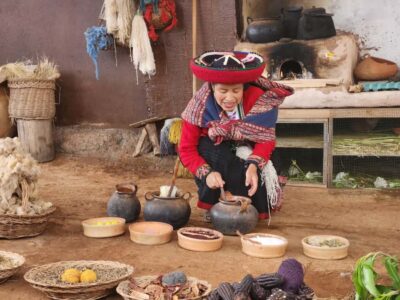
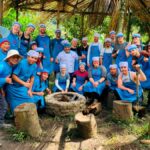
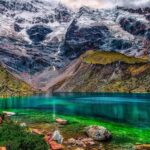
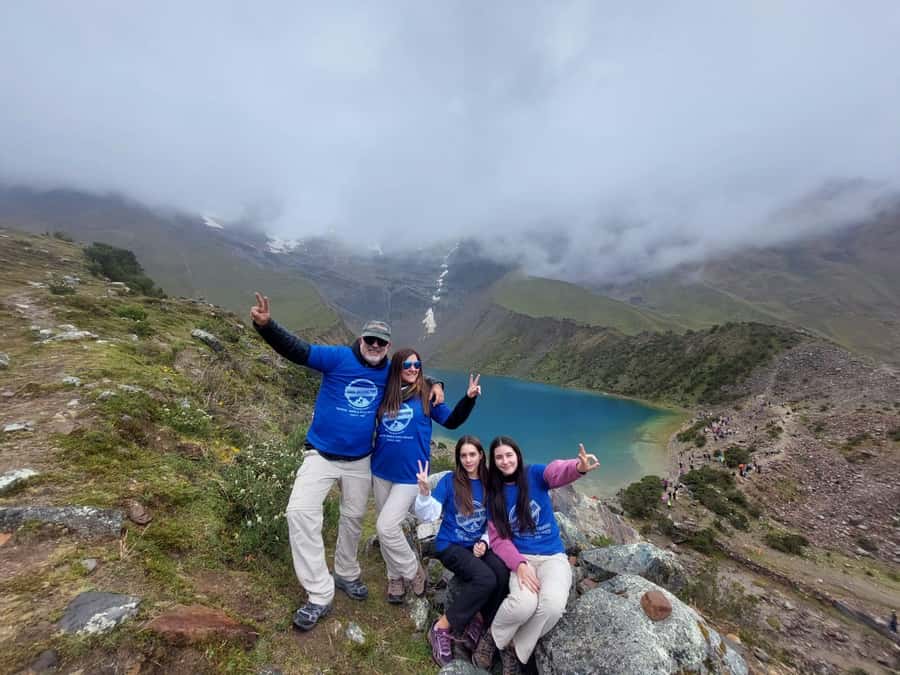
What makes this first day smart is the pacing. You’re not thrown straight into maximum effort; you’re eased into the trek with a classic stop at Humantay Lagoon before you settle into your first night. And yes, the tour includes an Andean ceremony offering to Mother Earth on the first day. If you like travel that respects local meaning (not just photo stops), this is the kind of moment that makes the trek feel grounded.
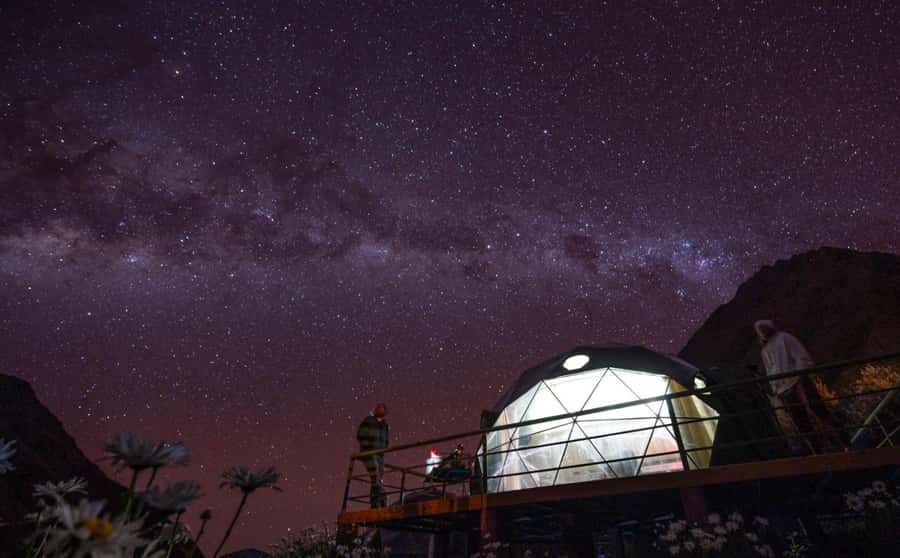
Night one is in domes with private bathroom and hot shower. That comfort is real value on a trek like this. The only catch is temperature: domes can get cold, especially early in the season or if nights are dry and chilly, so bring warm layers even if the day feels sunny.
You can also read our reviews of more hiking tours in Cusco

Soraypampa to the Salkantay Pass: where the views earn the effort
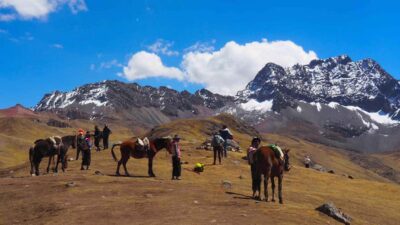
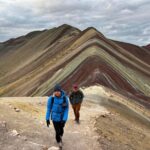
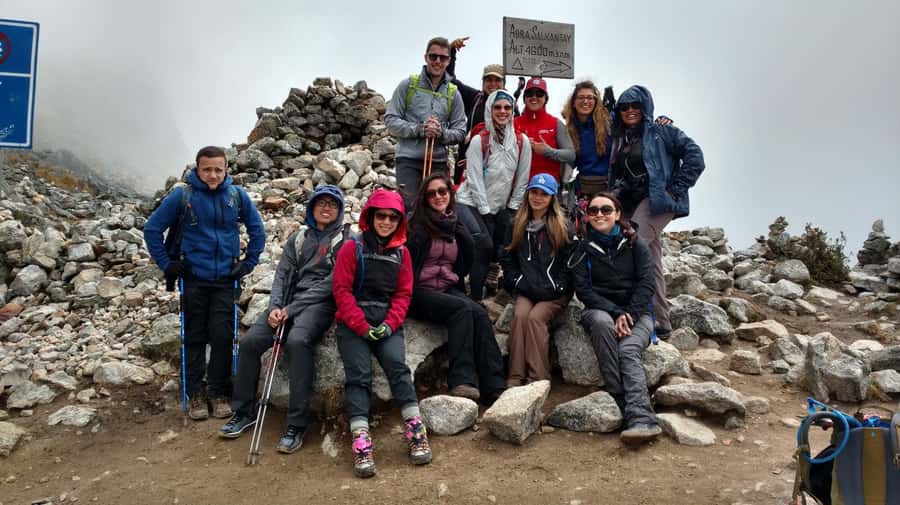
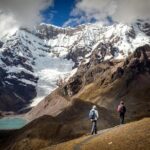
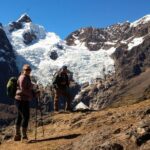
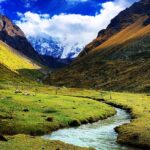
Day two is the day you remember. After an early breakfast around 5:30 am, you hike toward the trek’s highest pass at about 4,650 m (15,200 ft). The pass sits midway between Salkantay (right) and Tucarhuay (left), and that geography matters because the views open up on both sides.
The route is the classic “go up, breathe like your lungs are borrowed, then look around and feel rewarded.” There’s also a real possibility of snow at the pass, which turns the whole moment into something dramatic rather than just strenuous.
If you’re the type who gets anxious in high places, this is where you’ll want to rely on your guide’s pace and your own patience. The best strategy is not speed. It’s steady effort, frequent breathing checks, and good hydration—because altitude will punish panic faster than it punishes slow walking.
Into the high jungle: Chaullay to La Playa and the coffee-plantation dome
On day three, breakfast comes around 6:30 am, and you’re hiking again through a different world. You move from high terrain into the “high jungle” feel as you cross the Lluskamayo River and pass a mix of streams and natural corridors.
You reach Playa in about 4 hours of walking. This is where I like the itinerary shift: you’re not only chasing scenery, you’re getting a change of pace and a more human rhythm. Instead of another cold, exposed summit night, you camp in geodesic domes inside a coffee plantation.
The tour doesn’t stop at scenery. You’ll learn about the coffee process—harvesting, roasting, and grinding—so your brain gets a different kind of work to do besides “step, breathe, repeat.” It’s a practical break that makes the trek feel less like a machine and more like an experience you’re part of.
Llaqtapata to Aguas Calientes: Inca trail vibes, fruits, and the train-track walk
Day four is a bridge day: part hiking, part history, and part “how soon can we get to hot springs.” After breakfast around 6:30 am, you aim to arrive early at Llaqtapata.
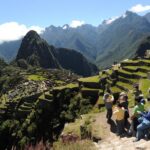
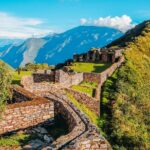
Here’s what makes it special: you walk part of the original Inca trail, and you get that sense of stepping into an older route system rather than just following modern paths. The tour also mentions the chance to harvest various fruits in the area, plus some excellent views of the Urubamba Valley. You’ll also see Salkantay in the background and get your first more direct feel for Machu Picchu’s presence.
After that, lunch happens at Hydroelectrica. Then you continue with a long but straightforward walk—about 2.5 hours along the train track—until you reach Aguas Calientes, where you sleep in a hostel for the night.
If you need a reward, this is it. Aguas Calientes has hot springs, and the entrance is 10 soles. So after your last stretch, you can treat the soak like a reset button for tired calves and altitude-weary legs.
One more logistics note: you’ll carry luggage later in the trek. Your duffel is carried for you until the third day, but from day four you have to carry your own bags. That means day four through the finish is where a light, organized daypack helps a lot.
Machu Picchu at sunrise: the 5:30 am bus plan
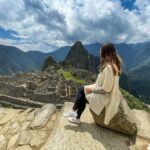
Day five starts early—around 5:00 am—with breakfast and then the trip up to Machu Picchu. The plan is to catch the first bus, leaving at 5:30 am and taking about 25 minutes. The goal is to experience Machu Picchu with the light changing as you arrive, rather than late-day crowds and flat, harsh viewing.
Your guide gives you about a 2-hour tour, and then you can explore on your own. That split is practical: you get context from someone who can point out what you’d otherwise miss, and you still get time to wander at your own pace afterward.
You also have the optional climb to Huayna Picchu (about 2,720 m / 8,890 ft). The climb is listed as about 1 hour 45 minutes to the top, but you’ll need to book in advance and it depends on availability.
After the visit, the tour takes you back by train from Aguas Calientes. Departure options mentioned are roughly 2:00–4:00 pm or 6:20 pm, and then you go to Ollantaytambo. From there, there’s private transport back to Cusco.
You can also read our reviews of more tours and experiences in Cusco
Dome comfort and real trekking fuel: meals, bathrooms, and what’s not included
A trekking itinerary lives or dies by food and sleep. This one is built around scheduled breakfasts, lunches, dinners, and snacks—specifically 4 breakfasts, 4 lunches, 4 dinners, and 4 snacks. There’s also a cook preparing meals, plus kitchen setup that includes a dining tent and a functioning kitchen area for meals on camp nights.
Comfort-wise, the domes are described as luxury domes with private bathroom and hot shower. That’s a big deal on the Salkantay route because days are long and weather can swing. Private facilities mean you don’t have to spend your limited energy waiting around.
But plan for what’s missing:
- Sleeping bag is not included, so you’ll want your own if you run cold.
- Trekking sticks are not included, so bring them if you use them.
Also, equipment gets managed for you. The tour includes horsemen and mules to transport equipment, food, and personal luggage, with a limit of 7 kilos per person. That frees you up to hike comfortably with what you actually need on your body.
Finally, you’ll want to pack for temperature and sun. The tour recommends warm clothing, sunglasses, and a sun hat. This is trekking in the Andes: the sun can be strong even when the night air gets sharp.
Price and value: what $700 covers and why it’s not just “a trek”
At $700 per person for 5 days, you’re paying for more than walking between dots on a map. This price is supported by a lot of included moving parts:
- Bilingual professional guide (Spanish–English)
- Pickup from your Cusco hotel
- Transport for the trek start (Cusco to Soraypampa) and return (Ollantaytambo to Cusco)
- Train for Aguas Calientes to Ollantaytambo
- One night in Aguas Calientes (hostel)
- Machu Picchu tickets plus bus up
- Meals with a dedicated cook
- Horsemen/mules support for gear and food
- First aid kit
- Andean ceremony on day one
What’s not included is also clearly defined: first breakfast and last dinner, plus sleeping bag and trekking sticks.
For value, the key question is this: do you want to spend your time coordinating trains, tickets, bus timing, and daily logistics? This package does that work for you. If the communication is handled cleanly, $700 can feel like a fair trade for effort and stress reduction.
If you’re the type who hates uncertainty, keep reading—because ticket timing is where things can go sideways if you don’t get clarity early.
Ticket timing and communication: the one area I’d double-check
The Machu Picchu portion is scheduled with intention, including the first bus at 5:30 am and a planned train return later in the day. But the most important practical detail is your Machu Picchu entry slot.
The tour data shows Machu Picchu tickets are included, yet there’s also evidence that ticket information may not always be fully explained until the briefing day. In one case tied to tour organization, that confusion led to a need to shorten the trek by one day to secure the desired ticket timing.
So here’s my advice for you, plain and simple:
- Confirm your Machu Picchu ticket slot well before the trek starts.
- Ask how the bus to Machu Picchu and the train are confirmed for your exact day.
- When you get your final briefing, treat it like a checklist moment, not a friendly chat.
This doesn’t mean the trek is risky. It means you should be proactive. Guides can solve problems on the ground, but you’ll feel calmer if you already know what you’re aiming for.
Who this Salkantay dome trek suits best (and who should skip it)
This is ideal for people who want a challenging but rewarding trek and don’t mind early mornings, altitude, and multi-day hiking.
You’ll likely enjoy it if:
- You’re comfortable hiking for several hours a day.
- You’re excited by varied scenery (glacier country, rivers, high jungle, then Machu Picchu).
- You want a guided experience with comfort upgrades like private dome bathrooms.
You should reconsider if you have:
- Back problems
- Heart problems
- Pregnancy
- Mobility impairments (even though the tour is marked wheelchair accessible, it’s also listed as not suitable for mobility impairments—so you’ll need careful confirmation with the provider before booking)
And one more “health reality” note: the tour recommends arriving in Cusco at least 2 days before to acclimatize. That’s not a suggestion you should ignore. Altitude is part of the deal on Salkantay, and time in Cusco helps.
Packing checklist for the Andes plus one money note
The tour’s recommended items are a solid base:
- Warm clothing
- Sunglasses
- Sun hat
- Cash
- Daypack
- Trekking gear
- Hiking shoes
- Passport or ID card
Add these for smooth sailing based on what’s not included:
- Sleeping bag (not included)
- Trekking sticks (not included)
Money note: there are optional costs mentioned. On day four, there’s an option to send luggage by car from Playa to Hydroelectrica, then onward by train, for about 20 soles (pay directly). Also, hot springs in Aguas Calientes are 10 soles.
Should you book this 5-day Salkantay trek with Machu Picchu Sky Lodge domes?
I’d book it if you want the full Salkantay experience with less camping hardship: you get dome comfort with hot showers, a well-fed schedule, and a finish that’s timed for the Machu Picchu morning.
I’d hesitate or ask extra questions if you’re worried about Machu Picchu ticket timing or you like everything to be confirmed far in advance. Your best move is to verify the exact entry slot and train/bus confirmations before you start walking.
If your fitness is solid, you acclimatize properly in Cusco, and you come ready for cold dome nights and altitude mornings, this trek can feel like one continuous storyline from glacier views to sunrise stonework.
FAQ
What’s the meeting time for the Cusco pickup?
Pickup from your Cusco hotel is around 4:30–5:00 am.
How high is the Salkantay pass on this trek?
The highest pass is about 4,650 m (15,200 ft).
Are meals included during the trek?
Yes. The tour includes 4 breakfasts, 4 lunches, 4 dinners, and 4 snacks, plus meals are prepared by a cook.
Do the domes have private bathrooms and hot showers?
Yes. The domes are described as having private bathroom and hot shower.
Is a sleeping bag included?
No, sleeping bag is not included.
Can I go to Huayna Picchu?
Yes, it’s optional, but you need to book in advance and it depends on availability.
What time is the bus to Machu Picchu on day five?
The plan is to take the first bus at 5:30 am, and it takes about 25 minutes.