REVIEW · CUSCO
Small Group 5 Days Salkantay and Machu Picchu by Llactapata Tour
Book on Viator →Operated by Xtreme Tourbulencia · Bookable on Viator
In This Review
- Salkantay Trek to Machu Picchu, but via Llactapata
- Key Highlights Worth Planning For
- Why Llactapata Feels Like the Smart Way to Approach Machu Picchu
- Price and Value: What $593 Really Buys You
- Fitness and Altitude: This Trek Has a Clear Main Challenge
- Day 1: Cusco to Challacancha, Then Up Toward Humantay Lake
- Day 2: The Salkantay Pass Grind, Then the Shift Into Warmer Air
- Day 3: Orchids, Plantations, and a Real Coffee Lesson in Lucmabamba
- Day 4: Inca Trail to Llactapata, Then Hydroelectric and Aguas Calientes
- Day 5: Early Bus to Machu Picchu, Guided Inside the Santuario Historico
- Camps, Gear Support, and How Comfort Actually Works Here
- Guides, Group Size, and That Personal-Confidence Feeling
- Practical Tips: Horses, Mosquitoes, and One Money Topic to Confirm
- Who Should Book This Trek (and Who Should Think Twice)
- Should You Book This 5-Day Salkantay + Machu Picchu via Llactapata?
- FAQ
- What time does the tour start in Cusco?
- What is included for Machu Picchu entry and the guided visit?
- Is a hotel included in Aguas Calientes?
- Do I need a sleeping bag?
- What about food during the trek?
- How many people are in the group?
Salkantay Trek to Machu Picchu, but via Llactapata
This route turns Machu Picchu into the finale, not the whole trip. I like the small group (max 9) and the way the trek blends big-altitude drama (Salkantay Pass) with real rural stops like coffee and cacao farms.
Two things I really love here are the chance to reach Llactapata for Inca-trail views before you even drop to Aguas Calientes, and how the best guides really lean into history—people often call out guides like Rolando, Carlos, and Jainor for clear, patient explanations in both Spanish and English. One consideration: the first days hit altitude hard, so you’ll want strong fitness for high passes and steep terrain.
Key Highlights Worth Planning For
- Llactapata instead of only a standard Machu Picchu approach: you get panoramic viewpoints that set the stage before the citadel.
- Max 9 trekkers: easier pacing and more personal attention from your bilingual guide.
- Camping + “real” food logistics: dining tent setup, daily tea/snacks, and vegetarian options on request.
- Coffee, cacao, and rural family time: Lucmabamba includes a practical look at coffee cultivation and processing.
- Horsemen and mule support for up to 7kg: you carry less personal gear while still hiking the full days.
- Early morning Machu Picchu entry: bus to the site around 6:00 am so you start with first-light views.
You can also read our reviews of more tours and experiences in Cusco
Why Llactapata Feels Like the Smart Way to Approach Machu Picchu
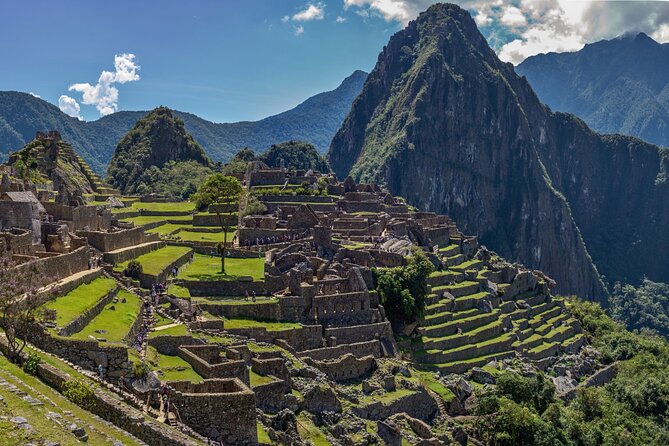
Most Machu Picchu trips feel like a single day event. This one treats the approach like part of the story: you’re hiking the historic Inca route toward Llactapata, then descending to Hydroelectric, and finally sleeping in Aguas Calientes before your citadel morning.
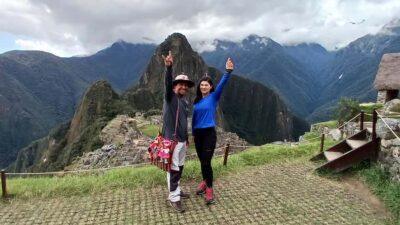
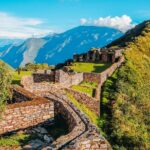
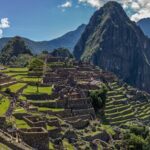
Llactapata matters because it gives you a different angle on the famous scenery. From there, you get sweeping views toward Machu Picchu Mountain and the Vilcanota Canyon, so when Machu Picchu finally appears, you’re not seeing it cold—you’ve already built the mental map.
It’s also a nice way to avoid the sense of “arrive, queue, repeat.” Your last day still includes a guided Machu Picchu walk, but the day before has that slow, rewarding trail feeling, with Inca terraces and path sections tied to the original network.
Price and Value: What $593 Really Buys You
At $593 per person for about 5 days, the value is in how much is bundled: guide time, entry tickets, transport, and the Machu Picchu logistics that otherwise cost you extra time and headaches.
Here’s where the money tends to go with this kind of itinerary, and why it’s fair:
- Salkantay and Machu Picchu entrance tickets are included.
- You get a train ticket from Machu Picchu to Ollantaytambo plus a bus back toward Cusco.
- In Aguas Calientes, you get a hotel with a private room and bathroom, plus breakfast included.
- Meals are handled for the trekking days (breakfasts and lunches/dinners listed as included), and you also get tea and snacks daily.
- You’re traveling with camping support, including a dining tent and table/chairs.
What’s not included matters too. The tour doesn’t include your first day breakfast, your last day lunch in Aguas Calientes, the bus from Machu Picchu to Aguas Calientes (listed as $12), and you’ll need a sleeping bag (listed at $5 per day). Those are not huge amounts, but they can add up fast if you assume everything is covered.
Fitness and Altitude: This Trek Has a Clear Main Challenge
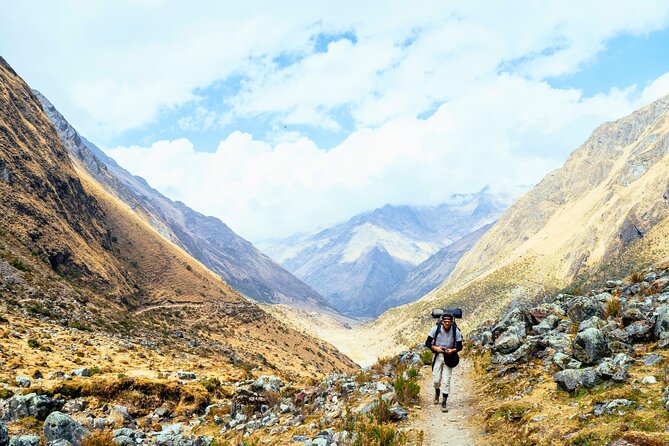
This is a high-altitude trek and the operator explicitly asks for a strong physical fitness level. The top altitude moment is the ascent toward Salkantay Pass at 4600m (about 15,092 ft) on Day 2, plus you spend time at other elevations like Soraypampa (3700m) and the lower humid zone around Collpapampa (3000m).
The itinerary is designed so you’re acclimating over time, but the early days still ask a lot from your legs and lungs. There’s an additional practical altitude factor: you may feel the effects more if you arrived in Cusco only recently, or if you’re already tired from travel.
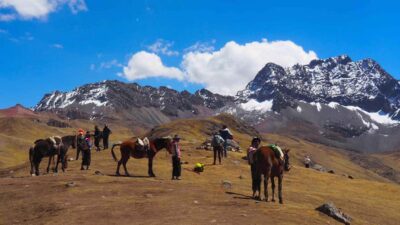
A good sign is that the trek includes horsemen and mules for up to 7kg of your personal equipment. That doesn’t make the hiking easy, but it reduces the pack-weight stress so you can focus on pacing.
Day 1: Cusco to Challacancha, Then Up Toward Humantay Lake
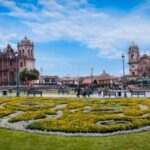
Your day starts in Cusco with a very early start—meeting at Plaza de Armas with a 4:00 am start time. You’ll ride out toward Mollepata (3000m) and then continue to Challacancha (3400m), where you meet the horsemen and the rest of your trekking group. This is a smart way to settle everyone in before the real work begins.
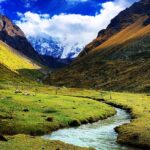
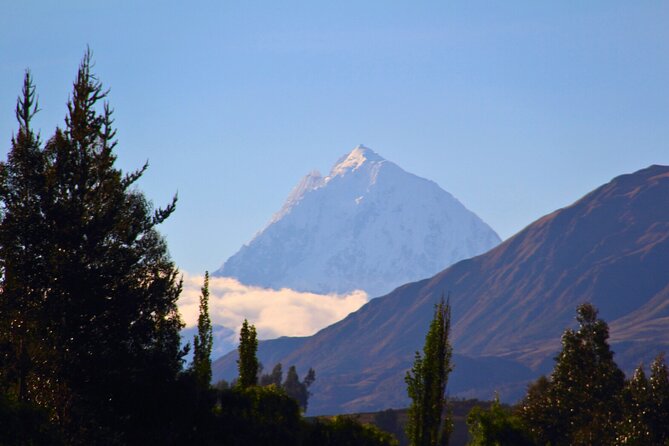
After that, the trek moves through a valley with towering views of Humantay (5217m) and Salkantay (6264m). The early-morning scenery here is part of why this trek is so popular: you’re looking up at the mountains you’ll later be traveling toward.
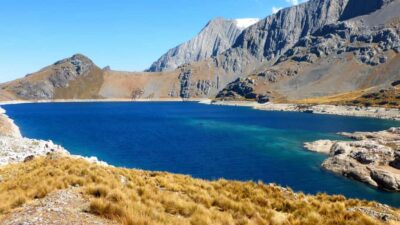
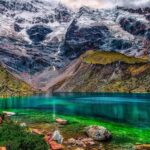
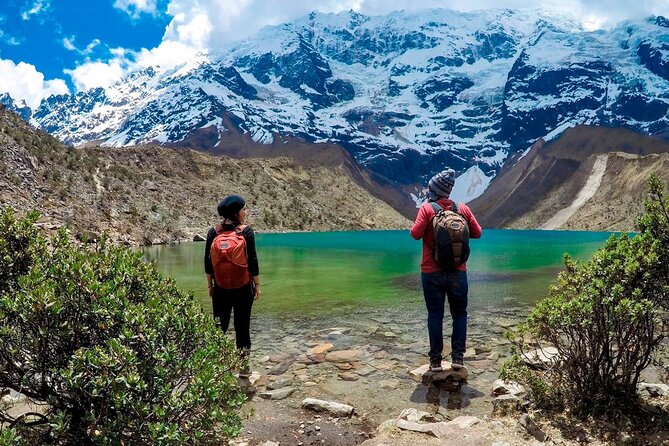
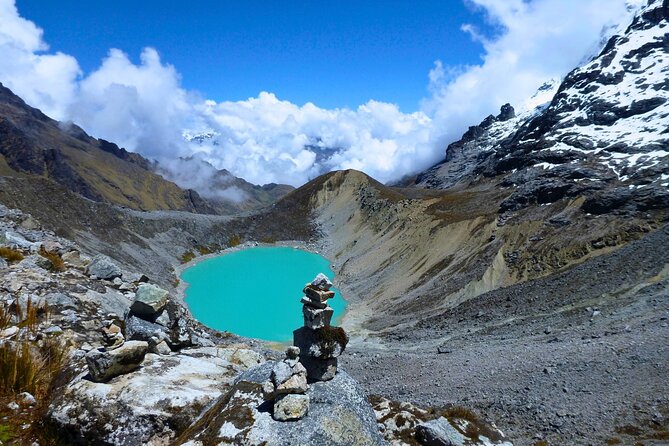
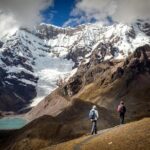
By the evening, you reach camp around Soraypampa (3700m). Day 1 also offers an optional hike to Humantay Lake, with the famous turquoise color that people remember. Even if you don’t do the optional section, you’ll still get the payoff of mountain panoramas right from camp.
Practical note: if you’re prone to altitude discomfort, treat this day as the warm-up. Don’t try to “win the trail.” You’ll feel better when the climb continues tomorrow.
Day 2: The Salkantay Pass Grind, Then the Shift Into Warmer Air
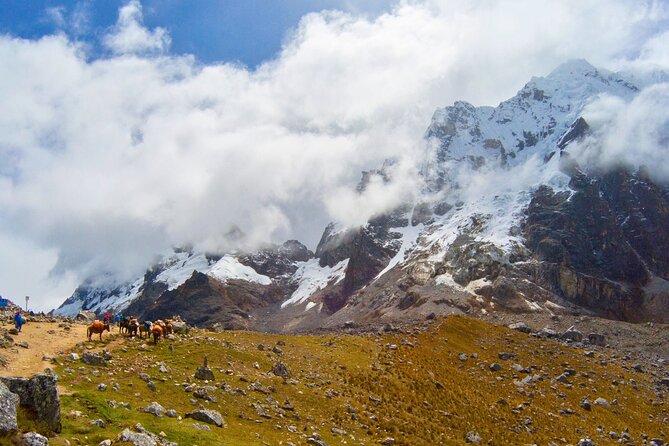
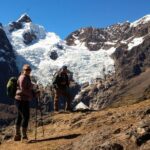
Day 2 is where the trek’s reputation gets earned. After breakfast at Soraypampa, you ascend toward Salkantay Pass (4600m). You’ll take in Salkantay’s dramatic high-altitude presence as you move upward, then pause at the pass before the descent.
Then the environment changes fast. As you start descending, the trek transitions into a greener, warmer zone with more plant life. That change matters: it’s a mental reset from the cold, sharp high views.
You camp in Collpapampa (3000m), described as a tropical forest setting with warmer, more humid air. The itinerary also calls out mosquitoes, so plan for repellent and coverage. This is one of those details that can make or break your comfort after a long day.
Also pay attention to pacing here. The guide team can help adjust group tempo, but the pass is the pass—your job is to move steadily and protect your breathing.
Day 3: Orchids, Plantations, and a Real Coffee Lesson in Lucmabamba
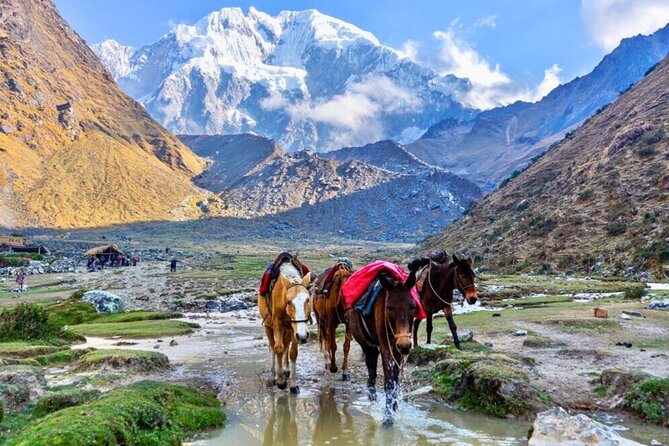
Day 3 is the “slow down and learn” day. You descend through dense forest where you may spot plants like orchids and bromeliads. If you like noticing small details in ecosystems, this is the day that rewards you when the mountains start to feel familiar.
Then the trail opens into coffee, cacao, and fruit plantations. This isn’t just a scenic detour; it’s a glimpse at the local economy and why people grow these crops at all. It also helps you connect the mountains to daily life—not just to dramatic views.
In the afternoon, you reach the Wiñaypoco / Granadilla / Lucmabamba area and set up camp near Lucmabamba. The Lucmabamba lodge part includes a hands-on cultural interaction with a local rural family, focused on coffee production:
- how coffee is grown and cared for,
- harvesting coffee cherries,
- and the drying/roasting steps that lead to a cup of coffee.
This is one of the best-value experiences on the whole trip because it’s practical and physical. You don’t just hear about coffee—you see the process chain.
If you’re the type who loves food culture, you’ll also appreciate that the trek meals have a reputation for being prepared with care. The main takeaway: the day isn’t only walking; it’s also learning what supports the region.
Day 4: Inca Trail to Llactapata, Then Hydroelectric and Aguas Calientes
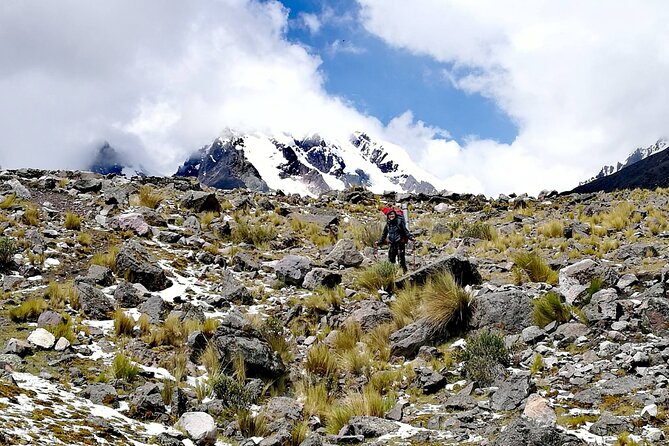
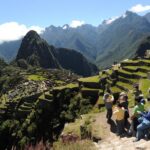
After breakfast at Lucmabamba, you hike the historic Inca trail toward Llactapata (2650m). The point of this leg is to combine trail effort with historical context—terraces and structural remnants remind you that these paths were meant for people long before modern tourism existed.
When you reach Llactapata, you get big panoramic rewards. The view direction toward Machu Picchu Mountain and the Vilcanota Canyon is part of why this route is so satisfying. By the time you later stand at Machu Picchu, you’ll recognize the geography.
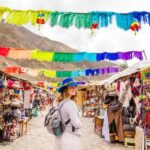
From Llactapata, you continue descending toward the Hydroelectric station (1950m). Then you head onward to Machu Picchu town (Aguas Calientes), where you’ll sleep for the night. The itinerary encourages a relaxed evening in town—markets and local meals—so you can reset before your Machu Picchu morning.
One realistic note: long trekking days come with comfort tradeoffs. Some teams can improve basic field conditions, and on this trek you’ll be camping and using facilities under trail constraints. Plan to be flexible.
Day 5: Early Bus to Machu Picchu, Guided Inside the Santuario Historico
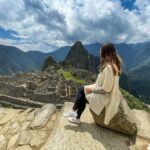
This is the day you plan for months in advance. You leave Aguas Calientes around 5:30 am and take the tourist bus up to Machu Picchu. You’re set to arrive around 6:00 am, early enough to enjoy the first-light experience as the citadel wakes up.
Your guided visit inside the Santuario Historico de Machu Picchu lasts about 3 hours. You’ll get an organized walkthrough of Inca civilization history, plus guidance through what you’re seeing in the architecture and layout.
Then you go back down to Aguas Calientes. The itinerary notes the bus from Machu Picchu to Aguas Calientes is not included (listed as $12), so budget for it. You’ll also have time for lunch in town before catching the afternoon train back toward Ollantaytambo, followed by a vehicle/bus transfer toward Cusco’s historic center.
If you’re wondering about pacing: the morning visit is structured, so you’re not wandering in chaos. That’s a big deal at Machu Picchu, where timing and routes can feel stressful if you’re on your own.
Camps, Gear Support, and How Comfort Actually Works Here
This trek blends real camping with practical support. You’ll have camping equipment like a dining tent with tables and chairs, and there’s also tea and snack time daily, which helps when your energy is low and the altitude is doing its thing.
The tour includes multiple meals: dinner (3), breakfast (3), and lunch (3) across the trek days. Vegetarian options are available, and there’s a strong “keep fueling you” approach to the food schedule.
However, you should plan for one key gear item: the sleeping bag is not included. It’s listed separately at $5 per day, so bring one if you already have it (or budget for the rental). If you don’t, you’ll feel the cold at night more than you want.
Your gear weight is also handled with horsemen and mules for up to 7kg of personal equipment. There’s also an emergency horse mentioned for the route area (Marcoccasa – Chaullay), and the trek includes a first aid kit and oxygen bottle. That’s not just paperwork—it’s how this route manages risk at altitude.
Guides, Group Size, and That Personal-Confidence Feeling
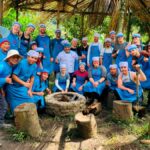
This is a small group up to 9 travelers, which is a serious quality lever. Smaller groups usually mean the guide can explain without shouting, adjust when someone’s breathing slows, and keep the walking rhythm from turning into a race.
The guide quality gets a lot of praise, especially for people like Rolando, Carlos, Henry, Dario, and Jainor. What stands out across these names is how they handle both history and pacing—people report guides switching between Spanish and English smoothly, and taking time to answer questions instead of rushing through facts.
That matters because Salkantay and Llactapata aren’t just photo stops. When you understand what you’re looking at—Inca trail function, the significance of viewpoints, and how the region works—you enjoy the hike more, even when your legs are tired.
Also: group size helps with social comfort. You’ll typically bond faster when you’re not stuck with dozens of strangers moving on a schedule you can’t influence.
Practical Tips: Horses, Mosquitoes, and One Money Topic to Confirm
Before you go, lock in the small but important practical points.
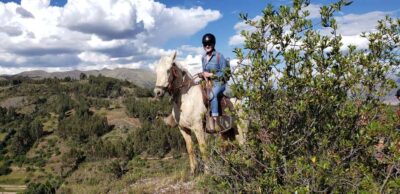
Horse support (7kg): You’ll have mules/horsemen for up to 7kg of your personal equipment. Keep your essentials easy to access because your most-used items should stay in your day pack, not buried in mule luggage.
Mosquitoes at Collpapampa: You’ll camp in a more humid zone where mosquitoes are noted. I strongly suggest long sleeves for evenings and real repellent, not the weak “museum spray” you used once.
Toilets on Day 3: Basic trail sanitation is part of the reality of multi-day trekking. Some people specifically note the toilet situation could be improved on Day 3, so go in with a flexible mindset and bring what you can for comfort.
Tipping clarity: Several guides and crew are part of the experience—guide, cooks, and horsemen. The only issue that can become awkward is confusion around tipping expectations. I recommend you ask your operator directly before the trek about who should receive tips and what the typical range is, so you don’t end up improvising in the field.
Who Should Book This Trek (and Who Should Think Twice)
This is best for hikers who want a true Andes experience, not a drive-and-look itinerary. You should book if you:
- enjoy multi-day hiking with changing terrain,
- want a route that reaches Machu Picchu through Llactapata,
- care about guided history at Machu Picchu,
- and like cultural stops tied to real daily life, like coffee production in Lucmabamba.
You might think twice if you’re not comfortable with altitude climbs, especially the Salkantay Pass day. This trek requires strong fitness, and even with mules for equipment, you’re still hiking big elevation and distance.
If you hate early mornings or you need lots of comfort amenities, you’ll feel friction here. But if you’re okay with basic camping and you want the “why” behind the views, this tour fits.
Should You Book This 5-Day Salkantay + Machu Picchu via Llactapata?
If you want the highest value version of a Salkantay trek—one that doesn’t treat Machu Picchu as the only moment—this is a solid choice. The Llactapata day gives you a distinct approach, the route includes meaningful rural culture stops, and the small group setup keeps the experience human.
Still, you should budget for the extras that aren’t included: sleeping bag, bus down to Aguas Calientes, and your meals outside the included schedule (first day breakfast and last day lunch). And because the operator states the experience is non-refundable and can’t be changed for any reason, make sure your dates and health situation are locked in before you pay.
If all of that checks out, you’re signing up for an energetic, scenic Andean week where Machu Picchu feels earned.
FAQ
What time does the tour start in Cusco?
The meeting point is Plaza de Armas de Cusco, and the start time is 4:00 am.
What is included for Machu Picchu entry and the guided visit?
Your entrance ticket to Machu Picchu is included, and you’ll also have a guided tour at the Santuario Historico de Machu Picchu after the early bus ride up.
Is a hotel included in Aguas Calientes?
Yes. You’ll stay in Aguas Calientes in a hotel with a private room and private bathroom, and breakfast is included.
Do I need a sleeping bag?
Yes. A sleeping bag is not included (listed as $5 per day).
What about food during the trek?
The tour includes breakfast (3), lunch (3), and dinner (3), plus tea and snack time every day. It also lists that breakfast on the first day and lunch on the last day in Aguas Calientes are not included (priced at $30 each meal).
How many people are in the group?
The trek has a maximum of 9 travelers, and it includes a professional bilingual tour guide.