REVIEW · CUSCO
Salkantay Trek To Machu Picchu 5 Days And 4 Nights
Book on Viator →Operated by Action Peru Treks · Bookable on Viator
The Andes have a way of taking your breath away. This 5-day Salkantay Trek to Machu Picchu mixes high-altitude drama with real support: bilingual guides, camp comfort, and an organized route all the way to the UNESCO site. I especially like how much is handled for you—tents with mattresses and pillows, a chef-led camp, and horses for gear—so you can focus on the hiking and the views.
The big thing to consider is fitness and altitude. Day 2 climbs to the Salkantay pass at 15,252 ft, and the early days can feel rough even if you’re in decent shape.
In This Review
- Key highlights worth planning for
- How this Salkantay trek stays organized even when it gets tough
- Day 1 from hotel pickup to Soraypampa and Humantay Lake
- Day 2: the Salkantay Pass (15,252 ft), an offering moment, and the long descent
- Day 3 through rain forest to Lucmabamba, plus coffee at the campsite
- Day 4: Llactapata ruins, your first Machu Picchu view, and the train to Aguas Calientes
- Day 5: Machu Picchu walk tour, bus time, and the Huayna Picchu option
- Price and value: what you’re paying for at $690 per person
- Packing tips that keep you comfortable on an Andean trek
- Guides and crew: why the human team is such a big part of the trip
- Who should book this Salkantay Trek to Machu Picchu (and who should rethink it)
- Should you book? My take on the smart call
Key highlights worth planning for
- Mattress-and-pillow camping plus dining and toilet tents, not just a basic sleeping setup
- Emergency oxygen, medical kit, and an emergency horse for safety on a demanding route
- A real Inca-focused stop at the Salkantay pass with an offering and cultural talk
- Coffee plantation tour near your Day 3 campsite at Lucmabamba
- Llactapata ruins as your first Machu Picchu sight from the distance
- Small-group feel with a maximum of 16 travelers and hands-on guidance
How this Salkantay trek stays organized even when it gets tough
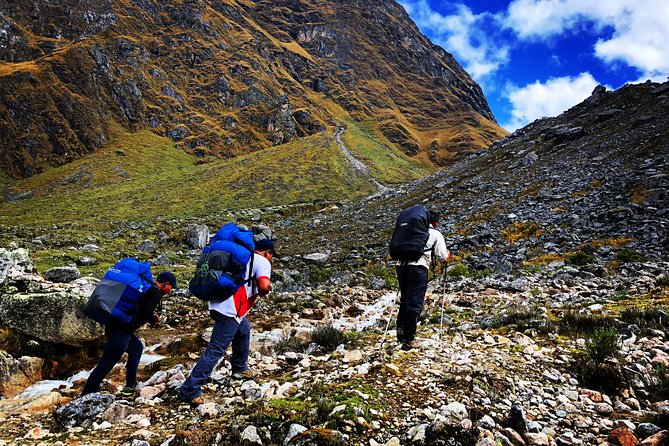
Salkantay is not a casual hike. It’s remote, it’s steep, and you’ll spend long hours above town-level comfort. What makes this tour work is the way it’s set up for hikers who want adventure without the logistics headache.
You start with a pre-departure briefing 1 or 2 days before trekking. That matters because it sets expectations for altitude, pacing, and what the days will feel like. You also get hotel pickup and a transfer to Soraypampa on Day 1, so you’re not trying to figure out transport at the crack of dawn.
Once on the trail, the support is the real difference-maker. You’ll hike in a small group (max 16), with bilingual guides leading the pace and the story behind what you’re seeing. Camps come with kitchen and dining tents, plus sleeping gear that’s designed to feel more like camping with comfort than camping with misery. Hot water for washing and daily bottled water refills help a lot after long, dusty days.
And if things get dicey (altitude issues, weather problems, exhaustion), this tour includes emergency oxygen and a medical kit, plus an emergency horse if it’s needed. That doesn’t remove risk, but it does reduce the chance that a bad moment becomes a long one.
You can also read our reviews of more hiking tours in Cusco

Day 1 from hotel pickup to Soraypampa and Humantay Lake
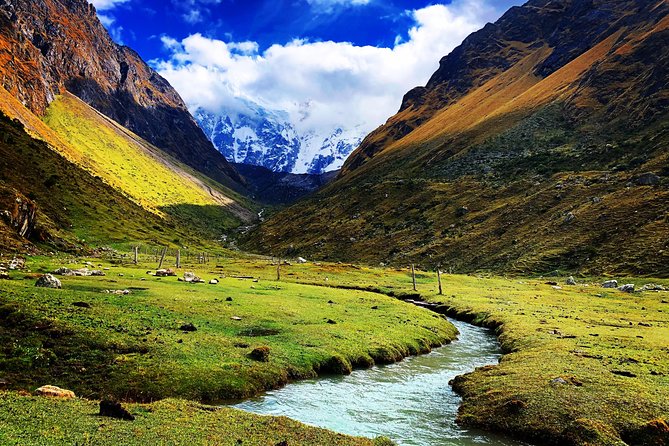
Day 1 starts early—meeting time is 4:30 am—because the trek begins before the day gets too hot and before your body has to work overtime in the sun. You’ll drive about 3 hours to Mollepata, then continue to the trailhead area (Soraypampa), with first big views of the Salkantay and Humantay mountains along the way.
At Soraypampa (12,467 ft), you’ll meet the support team and get a sense of how the trek runs. Horses are loaded with camping and kitchen equipment, while one horse is set aside to carry up to 8 kg of your personal belongings. This is one of those practical details that quietly improves everything: your pack stays lighter, and you’re less likely to burn your legs in the first hours.
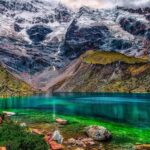
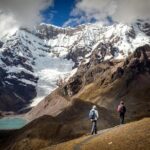
Then comes the Humantay Lake excursion. The itinerary sets aside about two hours for this side trip. Humantay Lake is often the moment hikers remember when they think back on Salkantay. It’s high, dramatic, and very “Andes”—with that glacial-lake feeling that looks almost too crisp to be real. Expect a bit of walking around and time to pause, take photos, and catch your breath before the rest of the day.
One consideration for Day 1: you may feel altitude early, even though you haven’t hit the highest point yet. You’ll still spend hours hiking (Day 1 is around 6 hours total), so keep your pace steady. If you go out too fast, you’ll feel it more later.
Day 2: the Salkantay Pass (15,252 ft), an offering moment, and the long descent
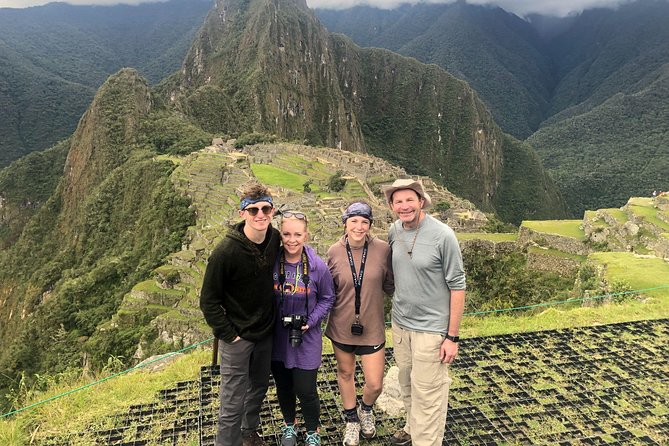
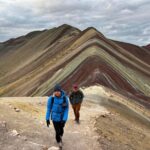
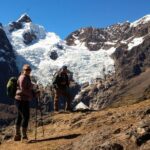
Day 2 is the signature day, and it’s where most first-time Salkantay jitters get tested. You start with breakfast and then hike about 1 hour uphill to the top of the trek at the Salkantay pass (15,252 ft).
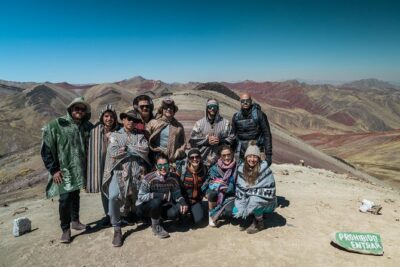
At the top, you’ll stop for an offering to Salkantay and a discussion about Inca culture and why this spot is venerated. That’s not just a photo stop. It gives the altitude a meaning beyond numbers, and it turns a hard climb into a guided cultural moment.
From there, the route turns into a downhill challenge. You’ll descend about 2 hours to Huayrac (12,464 ft) for lunch. After eating, you continue downhill for about 4 hours to your camp at Colpapampa (10,170 ft).
Here’s the rhythm tip I’d give you: Day 2 asks for a controlled climb and a controlled descent. Going fast downhill can wreck your knees and your energy. Take shorter steps, plant your feet carefully, and use trekking poles if you have them (they’re recommended, and you can rent them through the operator).
Also, the altitude: this is the day where you’ll likely feel it most. Many hikers find the first part feels difficult, then things ease after you get over the pass. Even if you’ve trained, expect your breathing to be slower up high. That’s normal. Don’t chase other people’s speed.
Day 3 through rain forest to Lucmabamba, plus coffee at the campsite
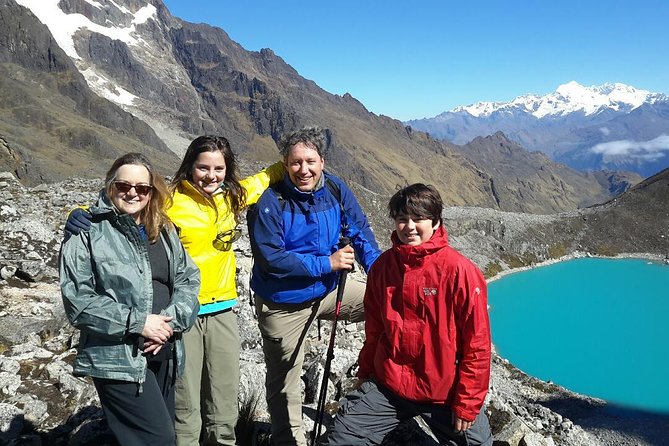
Day 3 is often described as more gentle, and the schedule reflects that. You’ll have breakfast, then hike about 6 hours across a mix of gentle ups and downs.
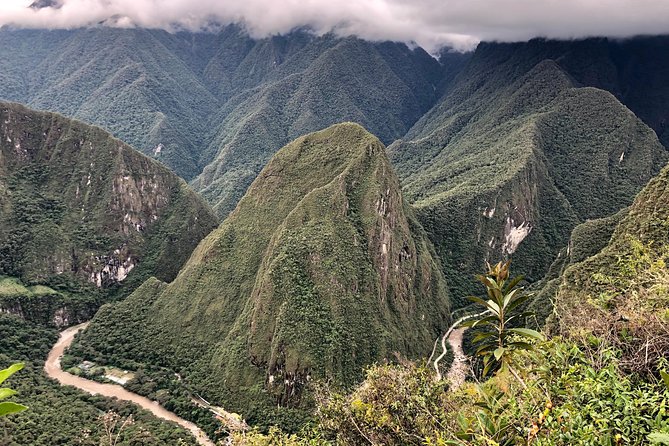
The big visual payoff is the change in scenery. You’ll hike through rain forest and follow the path of the Santa Teresa river. Along the way you can spot the standout waterfall on the trek route. It’s a reminder that Salkantay isn’t just one kind of scenery—it shifts as elevation changes, and the air feels different once you’re in the green stretch.
You’ll reach Lucmabamba around noon and move into camp. After lunch, the tour adds something you don’t get on many high-mountain treks: a coffee plantation tour at the plantation adjacent to the campsite.
That coffee stop feels extra satisfying because it ties the Andean trail to daily life in the region. You can learn how coffee grows, see how it’s processed, and then connect that back to your own campsite reality: you’re sweating in the mountains, then you’re tasting the product that comes from lower elevations and long seasons.
Practical note: rain forest hikes can be slick. Even if it’s not pouring, watch your footing. Mud plus downhill stress is a bad combo.
Day 4: Llactapata ruins, your first Machu Picchu view, and the train to Aguas Calientes
Day 4 begins with an early start again, because the schedule has a lot packed in. You’ll hike about 3.5 hours through rain forest to the Llactapata ruin area (8,856 ft).
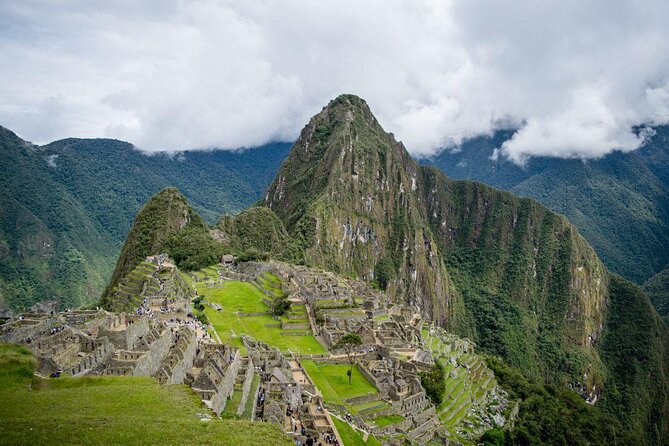
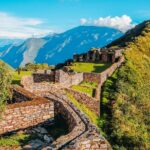
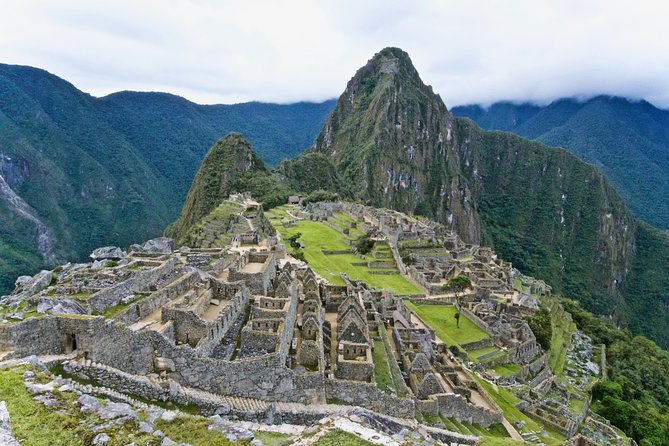
At Llactapata, you get a thorough tour. This is where the trekking route gives you your first distant view of Machu Picchu. It’s not the close-up postcard view yet, but seeing it in the distance changes the whole day. It turns the trek from a series of climbs into one continuous lead-up to the final reveal.
After Llactapata, you’ll descend about 2.5 hours to Hydro for lunch. Then the day shifts modes. At 3 pm, you board the train to Aguas Calientes.
In Aguas Calientes, check into your hotel on night 4 of the trek. Dinner is handled at a restaurant. That’s a nice change of pace: you’re no longer cooking, setting up, or scanning the path for the next twist. Your legs can work on recovery for the main event tomorrow.
One small drawback consideration: this is a long day even without extra altitude. You’ll hike, then transfer, then ride the train. If you’re the type who gets cranky when plans run long, aim for patience. It usually smooths out once you’re in the hotel.
You can also read our reviews of more tours and experiences in Cusco
Day 5: Machu Picchu walk tour, bus time, and the Huayna Picchu option
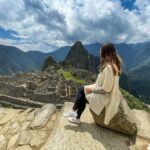
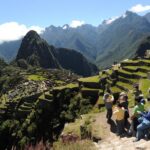
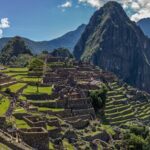
Machu Picchu day is built around a guided visit, which is smart. The operator takes you by bus to the site. Once inside, you’ll get a two-hour walking tour of Machu Picchu, paced to help you understand what you’re seeing.
If you selected the Huayna Picchu climb, you’d start that hike at 10 am. It’s clearly marked as not included in the base package, so you’ll want to plan ahead if you want that extra challenge and viewpoint. If you’re not climbing, you’ll have time at Machu Picchu before returning to Aguas Calientes.
After the site visit, you take the train from Aguas Calientes back to either Ollantaytambo or Poroy, then travel by private van to Cusco.
For your planning brain: Day 5 is where you get to slow down emotionally. You’ve earned it. But logistically, it’s still a day with moving parts—bus, guided walk, possible extra climb—so don’t schedule anything tight afterward in Cusco beyond a comfortable buffer for travel and rest.
Price and value: what you’re paying for at $690 per person
At $690 per person, this trek doesn’t feel cheap—but it also doesn’t feel like you’re paying for “just a hike.” You’re paying for a moving campsite, trained crew, and the transport chain that gets you from Cusco-area trailheads to Machu Picchu.
Here’s what’s included that drives value:
- Bilingual English-speaking guide(s)
- Hotel pickup and transport to Soraypampa Day 1
- Camping setup: tents with mattress and pillow, plus dining and toilet tents
- Chef and assistant chef
- Horses/wranglers to carry equipment, plus a horse for 8 kg of your personal belongings
- Hot water for washing, plus daily water refills
- Emergency oxygen bottle and medical kit
- Coffee plantation tour (Day 3)
- Lodging in Aguas Calientes on night 4 (double occupancy)
- Expedition train segment from Aguas Calientes to Ollantaytambo or Poroy, plus private transport to Cusco
- Meals: breakfast (5), lunch (4), dinner (4)
What costs extra or requires your choices:
- Sleeping bag (can be rented), and hiking poles
- Round-trip Machu Picchu bus ticket
- Tips for the crew (chef and muleteers and guide)
- Day 5 lunch in Aguas Calientes
- Optional Huayna Picchu climb
My way of thinking about it: if you priced out the crew, food, camping gear, and the train connections separately, you’d likely land in a similar range or higher. This package is built to keep you moving without turning the trip into a DIY project.
Packing tips that keep you comfortable on an Andean trek
This tour asks for real hiking gear, plus warm layers. The route climbs to 15,252 ft and includes rain forest sections, so you need clothing that can handle big temperature swings.
Bring:
- Trekking boots
- Warm fleece jacket
- Light long pants and a rain jacket
- Gloves and warm underwear
- Sun hat, sunglasses, and SPF 35+
- Headlamp
- Sunglasses and sunscreen (altitude glare is real)
- Insect repellent
- Camera with spare batteries (cold and altitude drain batteries faster)
- Toiletries: wet wipes and toilet paper are practical
- A down or synthetic sleeping bag (can be rented)
A couple of tactical ideas:
- Pack light, but don’t skip warmth. If you’re cold while resting at a high camp, morale drops fast.
- Treat water carefully. You’ll have daily boiled and cold water to refill bottles, and hot water for washing is included, but you should still bring a system you’re comfortable with.
- If you can rent poles, do it. Steep descents are where poles usually save knees.
Also: service animals are allowed, and you’ll receive confirmation at booking time, with mobile tickets mentioned in the details.
Guides and crew: why the human team is such a big part of the trip
This is one of those treks where the guide’s job is more than pointing the way. In the feedback, Christian and Eddy/Eddie come up repeatedly as standout leaders—praised for combining Inca and natural-world explanations with a caring pace.
What I like about that style for you: it turns time on the trail into something more than effort. When the guide is also interpreting plants and history, you don’t feel like you’re just trying to survive the next hour. It also helps you understand why certain stops matter, like the offering and cultural talk at the pass, or the Llactapata ruins tour before the first Machu Picchu sight.
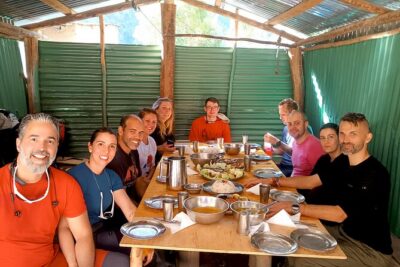
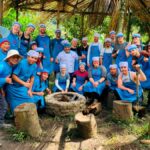
Even the camp team gets credit. Multiple mentions point to chefs producing excellent, multi-course meals and porters/wranglers keeping the camp running smoothly. When camps are comfortable and food is consistent, your body recovers better for the next climb.
Who should book this Salkantay Trek to Machu Picchu (and who should rethink it)
This trek suits you if:
- You have moderate physical fitness
- You’re okay with a tough Day 2 at altitude
- You want small-group guidance instead of a self-guided route
- You like camping with actual comfort (mattress and pillow, dining tent, hot water)
Think twice if:
- You’re not comfortable with the altitude jump—Day 2 reaches 15,252 ft, and the first couple days can feel hard
- You need a trip where every day is easy. Day 2 and the long descent after the pass are not light
- You hate early mornings. The schedule starts with a 4:30 am meeting time
Should you book? My take on the smart call
If your goal is Machu Picchu with a real mountain journey behind it, this is a strong choice. The value isn’t just the destination—it’s the scaffolding around it: bilingual guidance, camp comfort, trained support, safety gear, and the transport chain to Aguas Calientes and back.
Book it if you’re excited by high-altitude hiking and you want help making it manageable. Consider booking only the base Machu Picchu option if you’re unsure about extra climbs, because Huayna Picchu costs extra.
If you’re unsure about altitude, don’t assume you’ll feel fine on Day 2 just because you trained. Build in patience for acclimatization, keep your pace controlled, and trust the structure. With that mindset, the Salkantay trek to Machu Picchu can feel like exactly the kind of adventure you dreamed about—without turning into a logistics stress test.