REVIEW · CUSCO
Classic Choquequirao Trek – 5 Days / 4 Nights
Book on Viator →Operated by Salkantay Trekking · Bookable on Viator
Choquequirao feels like a secret you earn. This classic 5-day trek drops you into the Apurímac canyon and then brings you to an Inca site many hikers consider more jaw-dropping than the famous ones. You start at 4:30 a.m., sleep in camp with a mule team doing the heavy lifting, and get a full day to explore Choquequirao (3,050 m).
What I love most is the combination of real in-canyon trekking plus serious time at the ruins. And I also like that the trip is built for comfort on hard days: high-quality tents, cooks, chairs, snacks and tea on the trail, and emergency gear like satellite phones and oxygen. The one drawback to plan around is the physical difficulty; this isn’t a stroll, and you should arrive in Cusco early to adjust to altitude.
In This Review
- Key things to know before you go
- Choquequirao and the Apurímac canyon: why this trek hits hard
- Day 1 from Cusco to Choquequirao’s doorway: Cachora, Capuliyoc, and Chiquisca
- Day 2’s test: Marampata climbing, Playa Rosalina, and the late-afternoon canyon glow
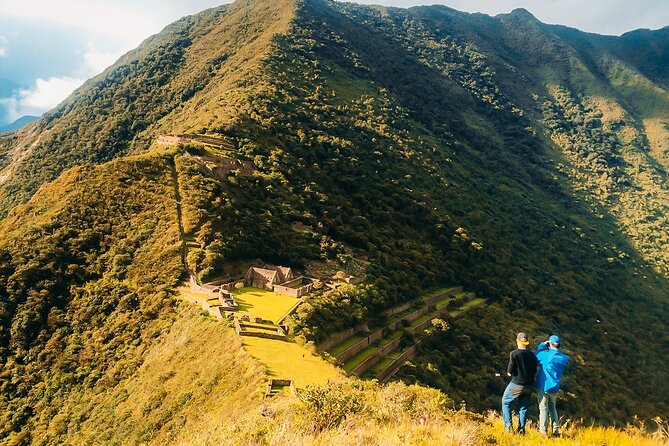
- Day 3: the Choquequirao day at 3,050 m—ruins, plazas, terraces, and that stone llama
- Day 4: backtracking from the ruins, cool Apurímac water, and a family welcome
- Day 5’s finish: Capuliyoc to Saywite, then Conoc hot springs and Cusco
- Camping setup, meals, and mule support: the real value behind the comfort
- Guides, safety, and small-group feel on a route this serious
- Price and what $735 gets you (and why it can still be worth it)
- Who this trek fits best—and who should think twice
- How to prepare: altitude, gear, and pacing that keeps you smiling
- Should you book Classic Choquequirao Trek 5 Days / 4 Nights?
- FAQ
- What time does the trek start in Cusco?
- How long is the trek and how many nights do you camp?
- Is the Choquequirao entrance included?
- Is transportation included in the price?
- What camping and meals are included?
- Do I need to bring a sleeping bag and trekking poles?
- How much luggage can porters carry?
- Are Saywite Monolith and hot springs included?
- Do they offer vegetarian or vegan options?
Key things to know before you go
- Early start for altitude and views: You’ll begin around 4:30 a.m., so you’re hiking while it’s cooler.
- Mule support for the heavy stuff: Porters move your camping gear and most personal items (duffel bag limit 5 kg/11 lb).
- Choquequirao gets a full, unhurried day: You’ll tour the complex with your bilingual guide and enjoy a picnic lunch.
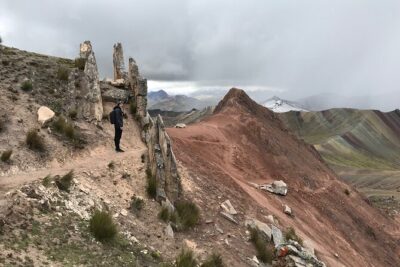
- The Apurímac canyon is the star: From Playa Rosalinas to Sendero a Choquequirao, the scenery is steep, dramatic, and changeable by light.
- Camping setup is real, not sketchy: Inflatables, hygiene products, and proper tents for 2 people make the nights much easier.
- You finish with cultural and comfort stops: Saywite Monolith and Baños Termales de Cconoc hot springs are part of the send-off.
Choquequirao and the Apurímac canyon: why this trek hits hard
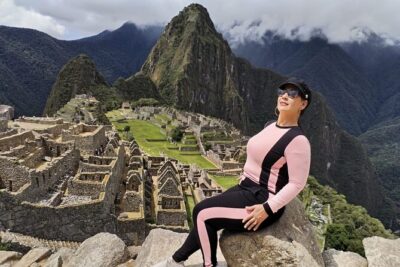
If you’ve ever heard people say Choquequirao is the more mysterious cousin of Machu Picchu, that reaction makes sense. This site is hidden in mountains near the deepest canyon in South America, so the trek feels like you’re walking into a world that’s been waiting a long time.
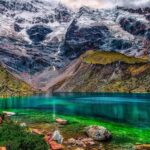
What makes this route special is the rhythm: big descent, long climbing, then the payoff day at the ruins. You’ll spend multiple days watching the canyon shift from pale morning light to orange evening color. If you like places where the “view” is really the terrain itself—ridges, cliffs, terraces—this trek should fit you well.
You can also read our reviews of more hiking tours in Cusco

Day 1 from Cusco to Choquequirao’s doorway: Cachora, Capuliyoc, and Chiquisca
Your day starts early, with pickup around 4:00 a.m. and departure from Cusco around 4:30 a.m. The drive takes you to Cachora, where you get views of the Salkantay and Humantay glaciers. Even if you’re not a glacier person, it’s a useful first moment: it tells you what altitude and mountain scale feel like around here.
From there you continue toward Capuliyoc. The practical idea on this stop is that you meet the cook and muleteer team. This is when you can hand over the plan: they carry your luggage, and you keep hiking without playing pack animal.
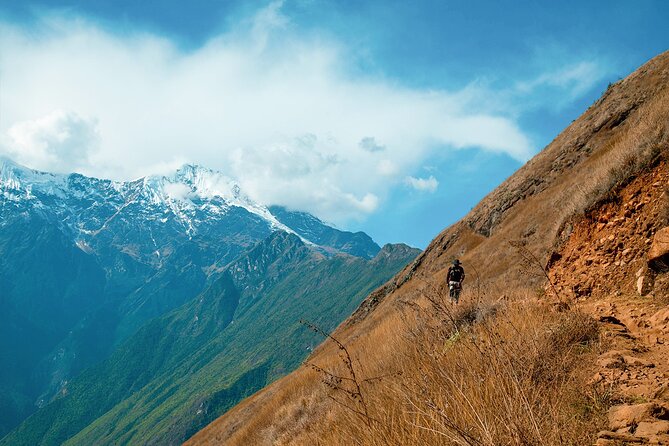
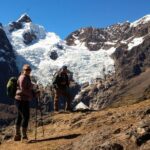
Then comes the main movement of the day—about a 3-hour descent to Chiquisca. The trail works you as you lose elevation into the Apurímac region. You’ll pass fruit crops and watch the valley open up, with mountains like Padreyoc and Qoriwayrachina showing themselves along the way. If you’re lucky, condors ride the air above the canyon. In a place this big, seeing one bird circle overhead can feel like the world is reminding you it has wild scale.
You finish in Chiquisca camp, where the temperature feels like it changes faster than your body can. Dinner comes at the right time, and you sleep in camp gear designed for actual nights, not just a basecamp.
What to watch on Day 1: the first descent sets the tone. Even if your lungs feel okay, your legs may feel it later, especially if you overstride on the way down.
Day 2’s test: Marampata climbing, Playa Rosalina, and the late-afternoon canyon glow
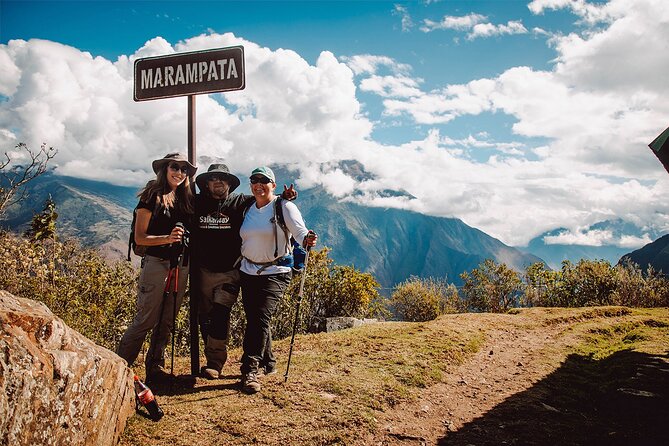
Day 2 is where the trek starts to feel like a real expedition. After breakfast, you hike up toward Marampata, then begin a one-hour descent to Playa Rosalina—the lowest point in the valley.
Cross the footbridge, and you’ll be staring at the part of the route that most people mentally file under challenging: the long uphill work. You’ll zigzag your way up, and the trail doesn’t pretend otherwise. You’ll stop for lunch in Santa Rosa and then continue for roughly three more hours to reach Marampata camp.
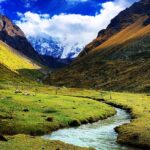
This is also a day built around timing. In the late afternoon, the sun paints the canyon and the Apurímac Valley in orange tones, and by nightfall you get that clear-sky feeling that makes the stars look sharper. It’s not just pretty; it helps you understand the geography. You can often see why people remember this trek for years: the canyon isn’t a background. It’s the story.
Possible drawback to consider: Day 2 is long—about 6 to 11 hours of walking per day is a common range on tours like this—and there’s little “easy cruising.” If you tend to gas out early, pace yourself from the start.
Day 3: the Choquequirao day at 3,050 m—ruins, plazas, terraces, and that stone llama
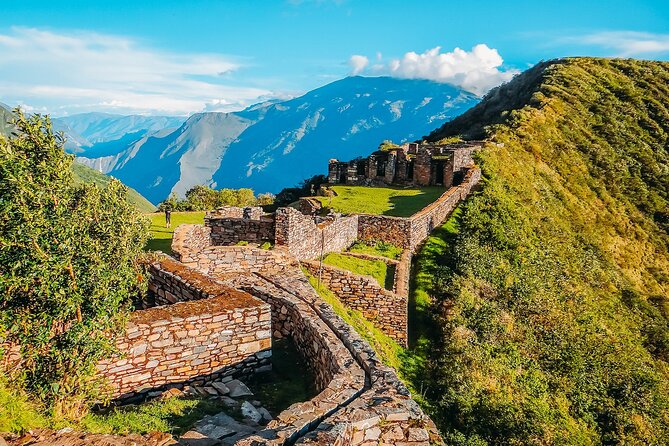
This is the “slow down and enjoy it” day. You start with breakfast, then hike about an hour from camp to Choquequirao. The important part here is that you don’t rush straight in and out. You get a full day to explore with your licensed bilingual guide.
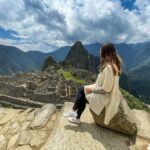
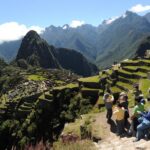
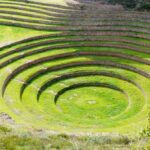
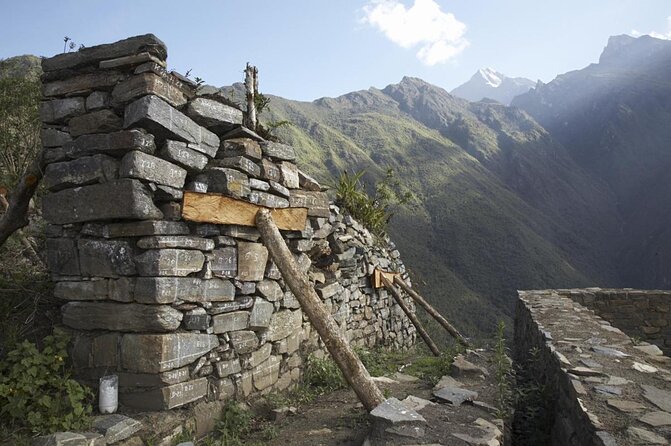
Choquequirao sits at about 3,050 m (10,007 ft). The altitude means you’ll feel it, but the guide experience helps you keep it manageable. You tour plazas, temples, and agricultural terraces that show how skilled Inca engineers were at making farming work on steep ground.
One reason people get excited: Choquequirao is estimated to be even larger than Machu Picchu. Also, not all of the site is visible at once—only about 40% is estimated to be accessible from where you can stand. That changes your mindset. You’re not ticking off a checklist. You’re looking at a working Inca landscape that the mountains still guard.
Don’t rush past the carved white llamas in stone on the platforms. They’re one of those details that makes you understand why these sites were not random monuments. And yes—you’ll have a picnic lunch so you can rest without feeling like your day is running away from you.
When you’re done exploring, you hike back to camp for dinner and rest. If you’re feeling sore, that return is still worth it because you’ll be tired in a good way. You get to end the day knowing exactly what you earned.
Tip that actually matters: On this day, bring a steady pace. It’s tempting to speed through ruins photos, but you’ll enjoy it more if you move like you have all day. Because you do.
Day 4: backtracking from the ruins, cool Apurímac water, and a family welcome
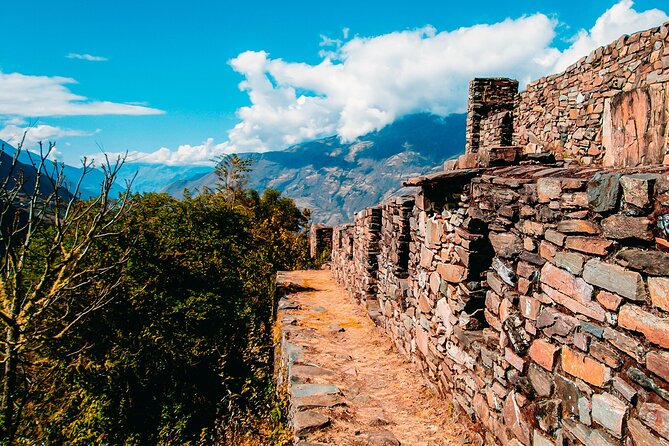
Day 4 begins with the return from Choquequirao. You’ll start hiking and get one last view of the canyon from Marampata—good for closure because the first “wow” moment tends to stick.
Then you walk about two hours to Santa Rosa through lush vegetation and stop for lunch. After that, you go toward Playa Rosalinas and then add the “only in the Andes” moment: the cold waters of the Apurímac River at Rosalina Beach.
This is one of those moments people remember because it breaks the pattern of trekking fatigue. It’s brief, but it’s a real reset for your legs and your mood.
From Playa Rosalinas you continue uphill to Chiquisca. The highlight on this evening is the human side: a local family welcomes you into their home. You’ll learn more about Andean customs and the deep connection to Pachamama, then dinner and rest at camp follow.
Why this matters: the route is physical, but you’re also being taught how people live with these mountains. That’s what turns a trek into a cultural experience rather than just “exercise with scenery.”
You can also read our reviews of more tours and experiences in Cusco
Day 5’s finish: Capuliyoc to Saywite, then Conoc hot springs and Cusco
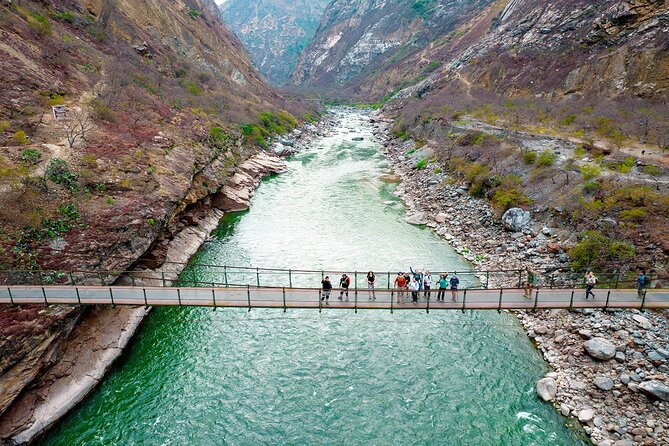
On the last day, you’ll start early again to avoid intense sun. You’ll hike about two hours, this time with the sound of the Apurímac River nearby—one last reminder of what your body did these past days.
Next is a hike of roughly four hours to Capuliyoc, where you say goodbye to the hiking team. This is the final physical push, and it’s also the moment where you realize you’ve adapted. Not to pain. To altitude, steep steps, and your own pace.
Then you’re in sightseeing mode. You travel by private transport to visit Saywite Monolith, a sacred site with more than 200 carved figures valued by the Incas. It’s not as time-consuming as the trekking days, but it fits perfectly as a final cultural bookend.
After that, you head back toward Cusco and stop at Baños Termales de Cconoc for hot springs before lunch. This is the payoff your legs have been waiting for. Warm water after days of cold mornings is a simple luxury, and it helps recovery feel real.
You’ll arrive in Cusco around 6:00 p.m. and get transferred to your accommodation.
Camping setup, meals, and mule support: the real value behind the comfort
When you’re paying for a trek like this, the secret question is: who’s doing the work so you can focus on walking and enjoying the route? Here, it’s not just “camping included.” It’s camp logistics that reduce stress.
You sleep in tents for 2 people for three nights, using high-quality tents and a set of camping equipment (including an inflatable mattress). There’s a cook and dining setup, plus chairs. That small detail changes how you experience the evenings; you’re not stuck eating on a rock in the dark.
Food is also built into the rhythm. You’ll get breakfast (5), lunch (5), and dinner (4), plus water, tea time, and daily snacks on the trail. There’s also mention of dietary flexibility in the way the team handles different needs, including gluten-free preferences. If you have a dietary requirement, tell your operator when booking so they can plan.
One more underappreciated part: personal belongings and duffel bag handling. Your duffel bag (up to 5 kg/11 lb) is carried by porters, so you can travel light and keep your daypack sensible.
What I’d bring personally: a reliable daypack and quick-dry layers. Sleeping bag and trekking poles are not included, so you’ll want to plan that ahead.
Guides, safety, and small-group feel on a route this serious
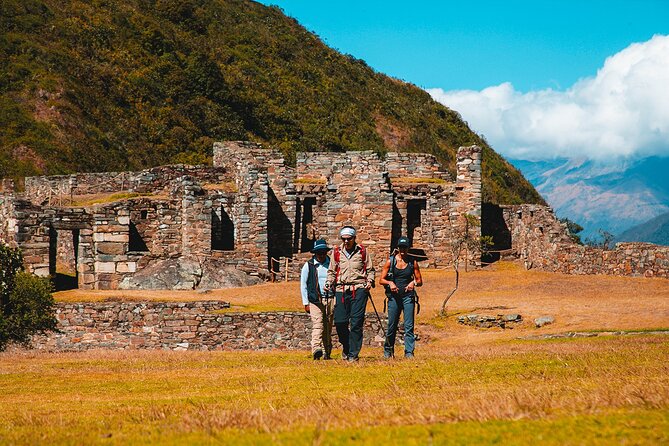
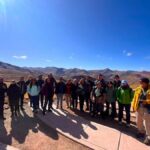
This trek runs as a small-group tour. The group size is listed as up to 10 people, with a maximum of 12 travelers for the activity. That matters. On a route with steep climbs and long days, you want someone able to keep an eye on the pace and the people behind you.
The guide is licensed and bilingual, and the staff system is clearly organized: cooks, muleteers, porters, walkie-talkies, and emergency satellite phones are part of the kit. There’s also a first aid kit and oxygen supply. Even if you never need them, it makes the trip feel safer and more controlled—especially on long days with altitude and fatigue.
From the names shared by prior hikers, you can see a pattern: guides who explain and motivate. That’s not a gimmick. When a day feels brutal, you need practical encouragement and clear guidance, not vague promises.
Price and what $735 gets you (and why it can still be worth it)
At $735 per person for 5 days, this isn’t a bargain-basement trek. But it’s also not just “transport and a guide.” The included items cover the expensive parts that most DIY trips struggle to replicate:
- Entrance to the Choquequirao archaeological site
- Licensed bilingual guide
- All transport and transfers during the tour
- 3 nights of camping gear and tents for 2 people
- Cook and dining equipment
- Porters + mule team support for camping equipment and personal belongings (duffel limit 5 kg/11 lb)
- Daily meals and trail snacks/tea
- Emergency communication and safety supplies
- Saywite Monolith entrance and hot springs included at Conoc
If you try to do this style of trek without the full support system, costs tend to rise quickly once you factor in guides, mule transport, camping equipment, and food logistics. For many people, the price starts to look fair because your energy goes into the walking, not into organizing basics.
Still, do the math on your own comfort. If you don’t already own a sleeping bag or trekking poles, you’ll have extra spending. Also, you’ll need travel insurance (recommended), especially because this is a challenging hike.
Who this trek fits best—and who should think twice
This is a challenging trek. You should be in strong physical shape to enjoy it fully. If you’re comfortable walking 6 to 11 hours a day at altitude, you’ll likely handle it well.
This tour also suits you if you want:
- a serious ruins experience (not a quick stop),
- a small-group vibe,
- camping that doesn’t feel miserable,
- and a route that includes both dramatic canyon terrain and cultural moments like Saywite and a family visit.
You might think twice if you’re:
- new to altitude or have limited hiking stamina,
- prone to knee pain on descents (Day 1 and the Playa Rosalina section are steep),
- or expecting a mostly flat “scenic walk.”
How to prepare: altitude, gear, and pacing that keeps you smiling
You’ll start early every day to avoid intense sun, and altitude is part of the equation. You’re strongly advised to arrive in Cusco at least 2 days before the trek to adjust. That acclimation time can make a huge difference in how you feel on Day 2 and Day 3.
Bring the gear that’s not included:
- sleeping bag
- trekking poles
For packing strategy, remember the duffel bag limit (up to 5 kg/11 lb) for porter-carry items. Keep your personal day essentials in your daypack: layers for early mornings, water handling, and things that help you stay warm at night.
Most of all, pace yourself like you’ve got a marathon in your legs. You’ll feel it more on the way down and on long zigzags uphill. The people who finish strong are usually the ones who hike calmly from the start.
Should you book Classic Choquequirao Trek 5 Days / 4 Nights?
I’d book this trek if you want a real adventure with a big payoff: Choquequirao with time to understand it, plus canyon scenery that doesn’t feel like a postcard. The support structure—guides, cooks, muleteers, camping setup, and safety systems—makes the challenge feel manageable.
I’d hesitate if you’re chasing an easy hike, or if you’re not ready for tough walking days at altitude. This is for travelers who enjoy earning great views and learning how people connect to the mountains.
If that sounds like you, this classic Choquequirao route is the kind of trip you’ll keep talking about long after the photos fade.
FAQ
What time does the trek start in Cusco?
The meeting point start time is 4:00 a.m., and the trip begins from your hotel in Cusco around 4:30 a.m.
How long is the trek and how many nights do you camp?
It’s 5 days and 4 nights total, with 3 nights in tents during the trekking portion.
Is the Choquequirao entrance included?
Yes. Entrance to the Choquequirao archaeological site is included.
Is transportation included in the price?
Yes. The tour includes all transportation and transfers during the tour, plus hotel pickup and drop-off.
What camping and meals are included?
Camping accommodation and equipment are included, along with cook services and daily snacks. Meals included are breakfast 5 times, lunch 5 times, and dinner 4 times.
Do I need to bring a sleeping bag and trekking poles?
Yes. Sleeping bag and trekking poles are not included.
How much luggage can porters carry?
You’ll get a duffel bag allowance of up to 5 kg (11 lb) for personal items carried by porters.
Are Saywite Monolith and hot springs included?
Yes. Saywite Monolith entrance is included, and you’ll also have a stop at the Baños Termales de Cconoc hot springs with entrance included.
Do they offer vegetarian or vegan options?
Yes. Vegetarian or vegan options are available if you advise at the time of booking.