REVIEW · CUSCO
Salkantay Trek Challenge – 3 Days / 2 Nights
Book on Viator →Operated by Salkantay Trekking · Bookable on Viator
Salkantay in three days hits like a fast mountain movie. You’ll cross the Andes with an Andean hut night and a guided plan that gets you to Machu Picchu, even though the first-day altitude is genuinely tough. The upside is big: you spend less time “planning” and more time enjoying that ever-changing high-to-jungle scenery. The trade-off is simple—expect an intense schedule and limited sleep.
I really like how this trip handles the hard parts of trekking logistics for you. Your duffel bag is carried by horse (up to 5 kg / 11 lb), and you also get trekking basics like a sleeping bag and trekking poles, plus trail snacks and water/tea time. That said, you still need real fitness and common sense, because 3 days doesn’t soften the altitude—just the paperwork.
In This Review
- Key points before you go
- Why this 3-day Salkantay version makes sense
- Day 1: Cusco at dawn, Salkantay Pass, and the cold-to-warm change
- Day 2: Valley hiking, a coffee stop, then Urubamba River days-and-vibes
- Day 3: Cloudy bus ride to Machu Picchu, then train back to Cusco
- Included meals, hut-and-hotel nights, and what you actually get on the trail
- Guides, safety, and early mornings (aka how the trip stays sane)
- Price and value: what $680 really covers (and what doesn’t)
- Fitness reality check: who will feel great, and who may struggle
- Small-group rhythm and what the itinerary feels like in real life
- Should you book this Salkantay Trek Challenge?
- FAQ
- What is the Salkantay Trek Challenge, and how long is it?
- What time does the tour start in Cusco?
- What is the highest point on the trek?
- What accommodations are included?
- How are meals handled during the trek?
- Is Machu Picchu entrance included?
- How do you travel back from Machu Picchu?
- What’s included for porters and luggage?
- What’s not included?
- Is this trek suitable for beginners?
Key points before you go
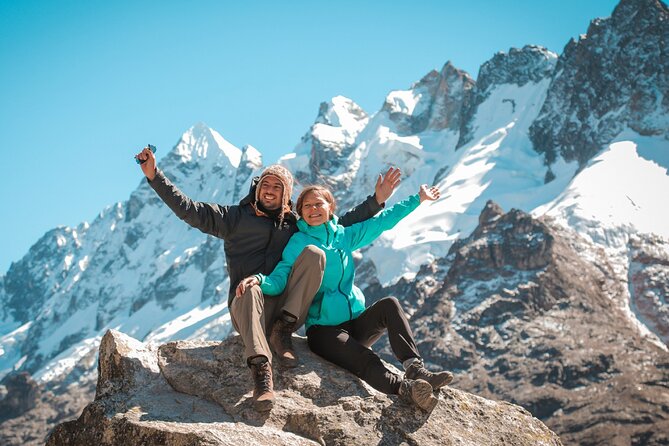
- A true 3-day Salkantay to Machu Picchu instead of the longer classic format, with one hut night and one hotel night
- Crossing Salkantay Pass at 4,630 m / 15,190 ft, then dropping from colder high terrain toward warmer rainforest
- Horse support for a small duffel (5 kg / 11 lb), so you hike with less weight
- Machu Picchu included with a guided tour and your ticket routed through Circuit 2 when available
- Train + bus are built in, with a final private ride back to Cusco
- Maximum group size of 12 plus a safety setup that includes oxygen and emergency communications
Why this 3-day Salkantay version makes sense
The Salkantay Trek is famous for big views and big effort. This “Challenge” format keeps the heart of the route—high pass, then down toward the rainforest—but compresses it into 3 days. For many people, that’s the sweet spot: you still get that dramatic Andes shift, without needing a full week off your schedule.
I like that the plan doesn’t just say go hike. It builds in the structure you actually need on a short trek: an experienced guide, cooks, and horsemen/porters, plus included meals and trail support. It also means you’re not trying to time connections while your body is busy adjusting to altitude.
One more practical thing: the group stays small (up to 12 travelers). That usually helps on a trek where you want everyone moving at a safe pace, and it also makes the guide-and-group dynamic feel more personal than the huge-bus tour style.
You can also read our reviews of more hiking tours in Cusco

Day 1: Cusco at dawn, Salkantay Pass, and the cold-to-warm change
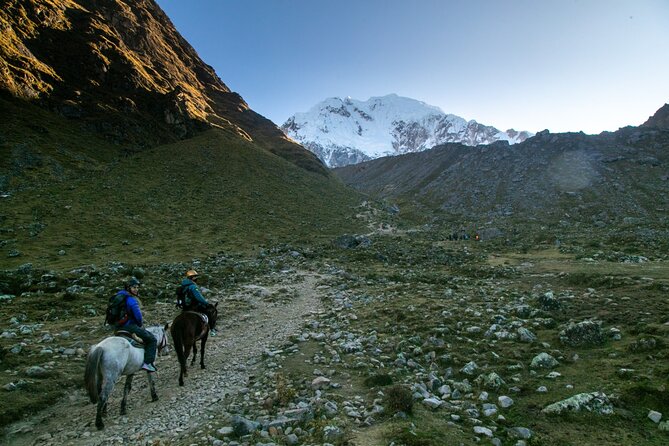
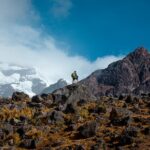
Day 1 starts early in Cusco—pickup around 2:30 a.m., with the tour’s start time listed as 3:00 a.m.—because the whole trek is designed around beating daylight and managing altitude. You head to Soraypampa (3,900 m / 12,795 ft), then work your way toward Abra Salkantay and the Salkantay Pass (4,630 m / 15,190 ft). This is the day’s big physical moment: the climb along the 7 Serpents Trail is steep, and the altitude makes it feel longer than the distance alone.
After a breakfast to fuel the ascent, you’ll reach the pass area and then continue toward Wayracmachay for lunch before descending. Here’s one of the most interesting parts of Salkantay: you don’t just go down in elevation—you feel the climate shift. The trek heads toward the high Amazon rainforest, and by the end of the day you’re far from the icy feel of the early climb.
You finish at Mountain Sky View (Collpapampa, 2,950 m / 9,678 ft) for dinner under the stars. That timing matters. Even if you don’t get much sleep later, at least you end in a lower, more manageable zone before the next day’s walking. If you hate being cold and cramped, this is also where the included gear and setup helps you avoid “surprise suffering.”
Day 2: Valley hiking, a coffee stop, then Urubamba River days-and-vibes
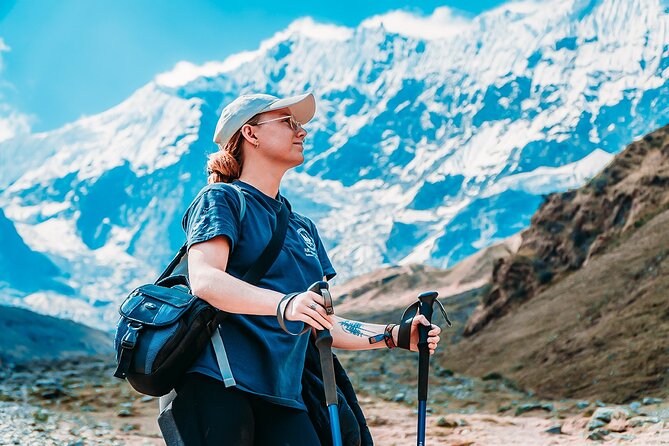
Day 2 starts with a homemade breakfast back at Mountain Sky View, then a calmer warm-up hike through the Santa Teresa Valley. The plan gives you about an hour here, which is smart. It helps you get moving after day 1 without going straight back into another high-pass fight.
Then you walk to the Lucmabamba Coffee Experience, passing waterfalls, orchids, and coffee plantations until you reach La Playa. Lunch is made with local products, and you’ll also get a demonstration of artisanal coffee making. Even if you’re not a coffee superfan, this stop adds texture to the Andes-to-jungle story—you see how the region lives, not just what it looks like.
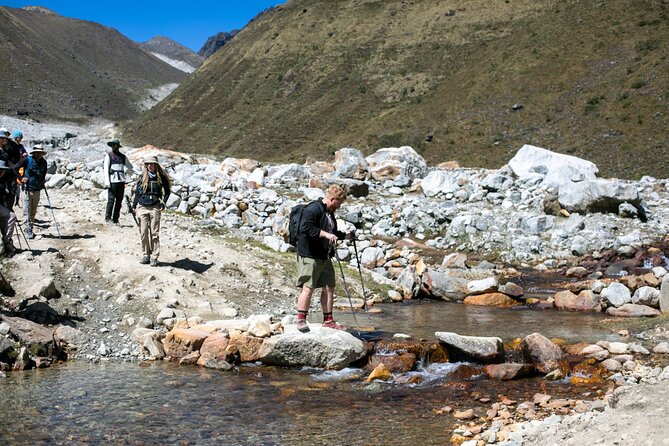
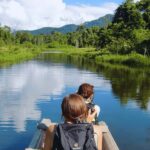
Next comes a shift into river-country. You travel to Hidroeléctrica, then continue on foot along the Urubamba River for a few hours through tropical jungle. This is where trekking can feel more relaxed than the pass day—more steady rhythm, less “maximum altitude panic.” It’s still physical, but in a different way.
You end in Aguas Calientes, where you stay in a hotel and share group dinner as you gear up for Machu Picchu. Getting a hotel night here is a real value on a trek this short. After two long days, a real bed beats another night in basic sleeping conditions.
Day 3: Cloudy bus ride to Machu Picchu, then train back to Cusco
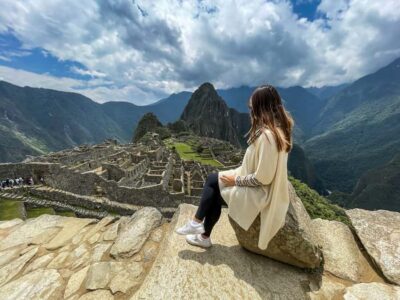
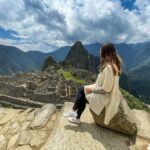
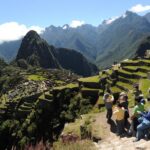
On day 3, you start early again with a light breakfast before taking the bus up to Machu Picchu. As you climb through mist and cloud forest, it tends to feel like the place is waiting for you. Then you arrive at the Historic Sanctuary of Machu Picchu for a guided tour lasting about two hours.
Your ticket entry is included, and your circuit depends on booking timing: Circuit 2 for 3-month bookings, with a backup plan if that’s unavailable (Circuit 3, then Circuit 1). That matters because Machu Picchu isn’t one single path. Circuits change what you’re allowed to see, and the included guide helps you connect the dots between temples, terraces, and sacred sites.
After the tour, you’ll have lunch back in Aguas Calientes. Then the plan adds a train ride: a tourist class train from Aguas Calientes to Ollantaytambo, listed as the Voyager or Expedition. In the afternoon, private transportation brings you back to Cusco.
That train segment is one of the smartest “effort management” moves in the whole itinerary. You hike up to the ruins, spend real time there, then switch to rails for your descent back into the valley rhythm.
Included meals, hut-and-hotel nights, and what you actually get on the trail
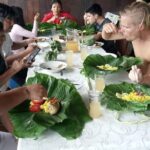
This trek isn’t a bare-bones backpacking trip. You’ll have breakfasts, lunches, and dinners included across the days (with breakfast listed for 3 days and dinner/lunch counts included). You also get water, tea time, and trail snacks. On a high-effort trek, that small rhythm—regular sips, a snack when you need it—can be the difference between finishing strong and “running out of patience.”
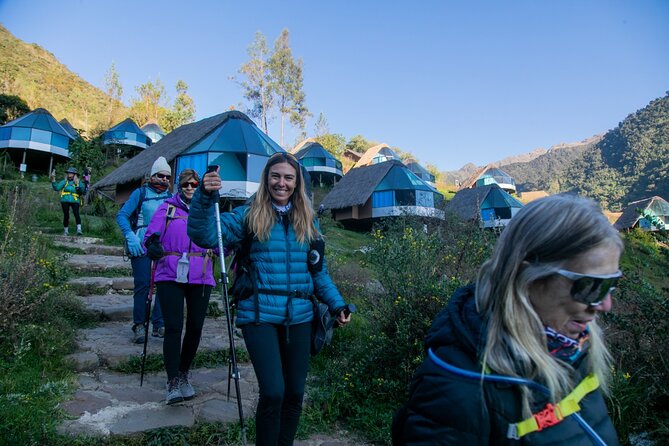
Your sleeping setup includes one night at the Mountain Sky View camp (an Andean hut/camp style night in the tour summary) and one night in a hotel in Aguas Calientes. You also get a sleeping bag, plus trekking poles. The tour adds a backpack cover and a rain poncho too, which is helpful because weather at elevation can change fast.
The packing system is especially practical. You can carry what you personally need for hiking, while a horse carries your duffel bag up to 5 kg / 11 lb. That sounds small until you use it. Most people pack clothes and essentials for sleeping and swapping layers, not a full climbing-bag worth of gear.
You can also read our reviews of more tours and experiences in Cusco

Guides, safety, and early mornings (aka how the trip stays sane)
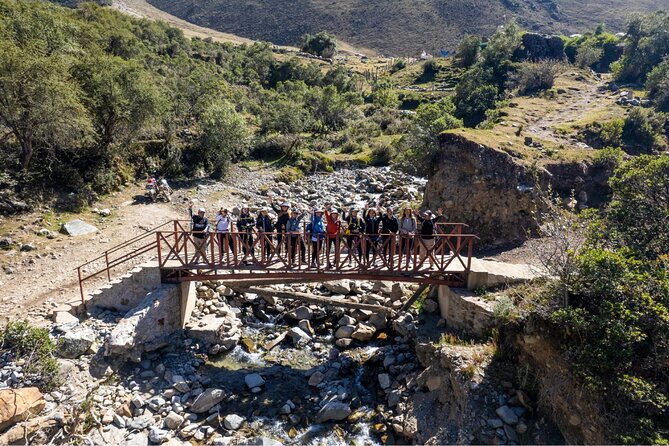
This is where a lot of treks rise or fall. A good guide makes altitude feel like a challenge instead of a threat, and you’ll feel the difference when the group hits fatigue. The guides attached to this trip are experienced, and you may get names like Marco, Guido, or Cesar Quispe—all noted for being organized, supportive, and clear about how to handle the toughest parts of the route.
Cesar Quispe, for example, is repeatedly linked with keeping people in high spirits and adding cultural/spiritual context along the way. Marco is tied to being organized and helpful, and Guido shows up as patient and supportive, especially when people are working through the pass.
Now the safety side. You’re not just handed a map and told good luck. The included safety setup lists a first aid kit, oxygen supply, walkie talkies, and emergency satellite phones. That doesn’t remove the need for good decisions, but it does reduce the risk of feeling totally alone if something goes wrong.
Also: you should take the early start seriously. Two wake-up cycles in 3 days is normal here, and sleep can be short. If you can handle early mornings at sea level, you’ll adapt faster at altitude.
Price and value: what $680 really covers (and what doesn’t)
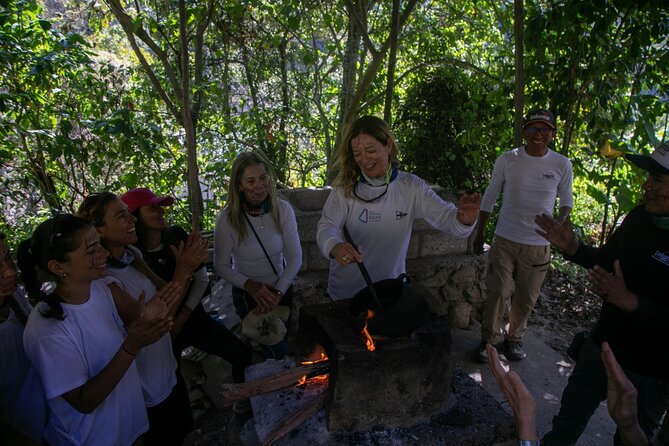
At $680 per person, you’re paying for a full package that includes: Salkantay Trek entrances, Machu Picchu admission, the guide team, meals (breakfasts plus lunches/dinners as listed), accommodations for both nights, and the key transport pieces. You also get the one-way bus Aguas Calientes to Machu Picchu, the train Aguas Calientes to Ollantaytambo, and private transfers back to Cusco.
That’s important for value because Machu Picchu is a logistics trap if you try to build everything yourself. Tickets sell out, and circuits can be the difference between a smooth plan and frantic last-minute scrambling. Here, the tour builds in the Machu Picchu ticket route, and your circuit is tied to booking timing.
What’s not included: optional add-ons like the Hidroeléctrica to Aguas Calientes train transfer and an optional Machu Picchu to Aguas Calientes bus return (paid directly on site). You’re also not covered for travel insurance, personal hiking clothing/gear, last-day lunch and dinner, and tips.
So the value question is less about whether you could piece it together cheaper, and more about what you gain: guided pacing, packed-in permits and key transit, and the trail support staff so you can focus on the hike.
Fitness reality check: who will feel great, and who may struggle
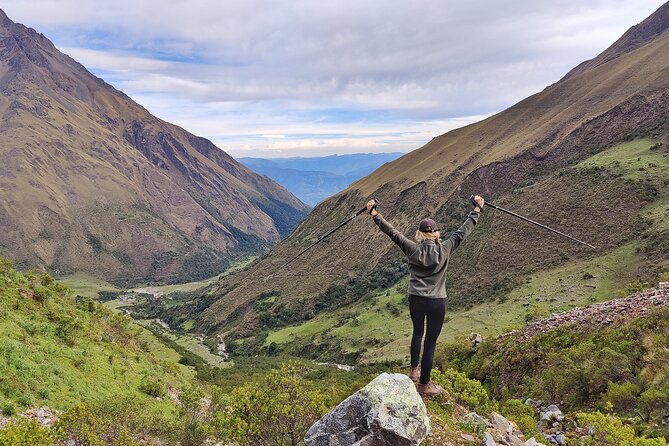
This trek is described as challenging, and the altitude is the main reason. You climb from 3,900 m up to 4,630 m on day 1, then descend and hike again on day 2, and then hit Machu Picchu on day 3. The tour explicitly recommends strong physical fitness.
Even so, the overall tone from the experience is that it can feel doable for beginners—if you’re realistic. One review highlights that the trip was guided and safe enough that someone not very experienced managed it. Another note points out it isn’t right for people who live very sedentary lives.
If you want a simple filter: if you can hike for a few hours at a steady pace and you’re prepared for altitude discomfort, you’ll likely enjoy it. If you’re used to short walks only, consider building fitness first or choose a less altitude-heavy option.
Also, don’t skip acclimatization. It’s recommended you arrive in Cusco at least 2 days before the trek. That time helps your body adjust, and it makes the early hours feel less brutal.
Small-group rhythm and what the itinerary feels like in real life
Even though the itinerary is set, the experience won’t feel like a factory tour. The timing is intense, but you get regular support: guide direction, cooks feeding you on schedule, and horses carrying your duffel. You also have stopovers for food and for transit breaks between trek sections.
The day 1-to-day 2 flow is the big story. Day 1 is the altitude and pass drama. Day 2 becomes the nature and culture mix: coffee plantations, waterfalls, jungle sections, and river walking. Day 3 is Machu Picchu time, with a guided tour that makes the ruins easier to understand than if you show up cold.
One more practical detail: this tour has a maximum group size of 12, so you’re more likely to get attention when you need it. That matters on a first-time trek when you’re trying to figure out your own pace.
Should you book this Salkantay Trek Challenge?
Book it if you want a short, guided Salkantay route with the key Machu Picchu pieces handled: permits/entry, train and bus, hut-and-hotel nights, meals, and the safety setup. It’s also a good match if you like the idea of reaching the big site without spending your energy on logistics.
Hold off (or plan extra training time) if altitude is scary for you and you haven’t built stamina yet. This isn’t a stroll. The early mornings, the steep pass day, and the limited sleep add up.
If you do book, I’d plan around two things: arrive in Cusco early for acclimatization, and pack for comfort and weather changes. Also, Machu Picchu spots sell out fast, and the guidance here is to book at least three months in advance to secure spaces. With that, you’ll spend less time worrying and more time enjoying the Andes-to-jungle-to-ruins story this trek tells.
FAQ
What is the Salkantay Trek Challenge, and how long is it?
It’s a 3-day / 2-night trek from Cusco to Machu Picchu via the Salkantay route. The schedule runs across three days with two overnights: one night at the Mountain Sky View camp and one hotel night in Aguas Calientes.
What time does the tour start in Cusco?
The meeting start time is listed as 3:00 a.m., and the itinerary notes pickup in Cusco at around 2:30 a.m.
What is the highest point on the trek?
The trek reaches Abra Salkantay / Salkantay Pass at 4,630 m / 15,190 ft.
What accommodations are included?
You get one night at Mountain Sky View (Collpapampa) and one night in a hotel in Aguas Calientes. The trek also includes a sleeping bag.
How are meals handled during the trek?
The tour includes breakfasts, lunches, and dinners as listed in the inclusions (breakfast for 3 days and lunch and dinner for the listed days), plus water, tea time, and snacks on the trail.
Is Machu Picchu entrance included?
Yes. Machu Picchu entry is included, using Circuit 2 for 3-month bookings. If that’s not available, it uses Circuit 3, then Circuit 1.
How do you travel back from Machu Picchu?
After visiting Machu Picchu, the plan includes lunch in Aguas Calientes and then a tourist class train from Aguas Calientes to Ollantaytambo (Voyager or Expedition). From Ollantaytambo, private transportation returns you to Cusco.
What’s included for porters and luggage?
The tour includes cooks, horsemen, and porters, plus a duffel bag allowance up to 5 kg / 11 lb carried by horses for your personal gear.
What’s not included?
Not included are personal hiking clothing and gear, travel insurance (recommended), tips, and lunch and dinner on the last day. Optional items include extra transport like the Hidroeléctrica to Aguas Calientes train and an on-site bus return from Machu Picchu to Aguas Calientes.
Is this trek suitable for beginners?
It’s challenging and requires strong physical fitness. The guidance recommends good health, and it’s recommended you arrive in Cusco at least 2 days early to adjust to altitude. Vegetarian or vegan options are available if you request them at booking.