REVIEW · CUSCO
From Cusco: Manu National Park 3 Day Tour
Book on GetYourGuide →Operated by XPLORA AMERICA · Bookable on GetYourGuide
Manu has a way of starting with a sound. In three days you’ll chase some of Peru’s best jungle moments, from the Andean cock-of-the-rock courtship ritual to the speedboat run to a parrot clay lick. I especially like the small-group setup (max 17), and how the stops connect culture with real wildlife. One thing to keep in mind: the day-by-day timing can feel a bit unclear at times, so I’d watch the plan closely and ask your guide to repeat the next steps.
This route is built for people who want both nature and context. You travel from Cusco through valleys and towns en route to the Manu area, then sleep two nights in a hostel while you explore the cloud forest and the Alto Madre de Dios river zone. Expect early starts, lots of walking, and weather-dependent wildlife sightings.
In This Review
- Key Highlights You’ll Actually Remember
- Why This 3-Day Manu Route Works from Cusco
- Day 1: From Cusco Valleys to Paucartambo, Then Cloud Forest Birds
- Day 2: Early Forest Walk, Coca Plantation, and Kayaking on Alto Madre de Dios
- Day 2 Swamp Wildlife and Caiman Searching
- Day 3: Parrot Clay Lick by Speedboat, Then Back to Cusco
- What You Get for $370: Real Value Breakdown
- Getting the Most from It: Pace, Weather, and Wildlife Reality
- What to Pack, Rules to Follow, and How to Stay Eco-Friendly
- Who Should Book (and Who Should Skip)
- Should You Book This Cusco to Manu 3-Day Tour?
- FAQ
- How long is the Manu National Park tour from Cusco?
- What does the tour cost per person?
- What’s included in the price?
- What meals are not included?
- Is kayaking part of the itinerary?
- What should I bring?
- Are vegetarian meals available?
- Is the tour suitable for everyone?
Key Highlights You’ll Actually Remember
- Courtship viewing of the Andean cock-of-the-rock, including what makes the national bird’s display so special
- Coca plantation + wildlife rescue center, a grounded look at people and conservation in the region
- 1-hour kayaking on the Alto Madre de Dios River, aimed at spotting birds along the banks
- Swamp stop for toucans, woodpeckers, and parrots, plus caiman searching when conditions allow
- Speedboat ride to the parrot clay lick, where multiple parrot species gather and eat mineral-rich clay
Why This 3-Day Manu Route Works from Cusco
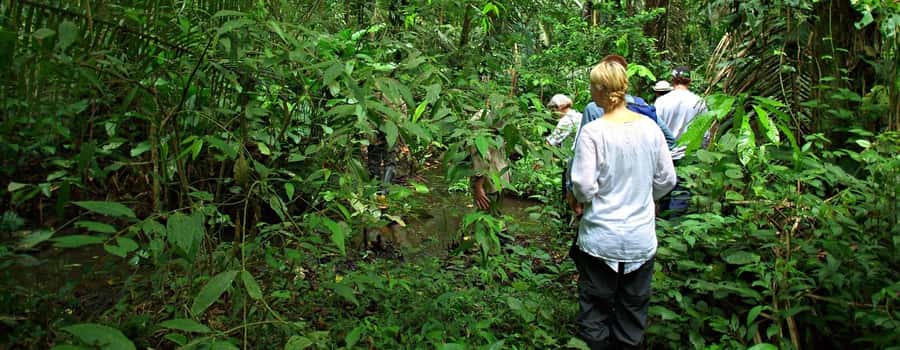
This tour hits a sweet spot: it’s short enough to fit many Peru itineraries, but it still gives you time in the Manu area to see birds and rainforest life instead of just driving through. The pacing matters. You start early on wildlife days, then you’re outdoors for the key moments rather than spending the whole time in transit.
Value is also strong for what you get included. Besides the English-speaking guide and park admission, you’re covered for speedboat transport, kayaking, two nights of accommodation, and most meals (with some exceptions). For $370 per person, you’re paying for access and logistics as much as sightseeing.
One more practical note: this is a “weather matters” kind of tour. Bird activity, paddling conditions, and animal sightings can shift, so it helps to show up flexible and patient.
You can also read our reviews of more tours and experiences in Cusco
Day 1: From Cusco Valleys to Paucartambo, Then Cloud Forest Birds
You leave Cusco and work your way toward the Manu region through valleys between the Andes and smaller towns along the way. The first stops blend Peru’s older roots with colonial-era culture. You’ll visit the pre-Inca tombs tied to the Lupaca culture, then continue to Paucartambo, where you visit its museum.
What I like about this start is that it prevents the trip from feeling like a straight nature bus ride. You get a human story before the jungle wildlife takes over.
Lunch happens in the cloud forest zone. This is where the tour turns into hands-on wildlife listening and watching: you’re in an area full of native fauna, and you may spot animals such as the Andean cock-of-the-rock and the Andean bear. Your guide also points out plants like orchids, bromeliads, and ferns, which helps you understand what you’re seeing instead of just snapping photos.
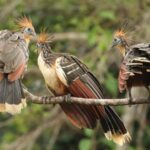
The Andean cock-of-the-rock moment is a highlight for good reason. You learn about the bird’s courtship ritual, and once you understand the behavior, it’s easier to notice what the birds are doing in real time. That’s the difference between seeing a bird and understanding what you’re witnessing.
You finish Day 1 at the hostel for your first night. After travel time and a full forest morning/afternoon, you’ll be ready for rest, but still bring the mindset that tomorrow starts early.
Day 2: Early Forest Walk, Coca Plantation, and Kayaking on Alto Madre de Dios
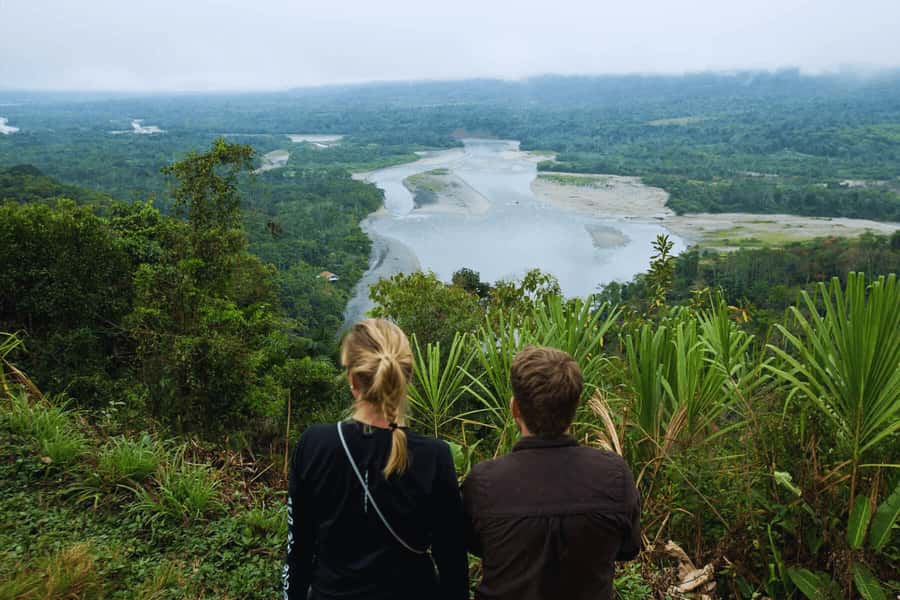
Day 2 begins with an early breakfast, followed by a stroll to check out fauna in the forest while the day is still fresh. This is smart timing. Bird calls and animal movement often feel more active earlier in the day, and the walk gives you a slower rhythm before you switch gears.
Then you visit two stops that add serious context. First is a coca plantation, and second is a wildlife rescue center. These aren’t just quick photo stops. They help you connect the region’s living economy and conservation work, so the trip feels less like entertainment and more like a real encounter with how people and wildlife share space.
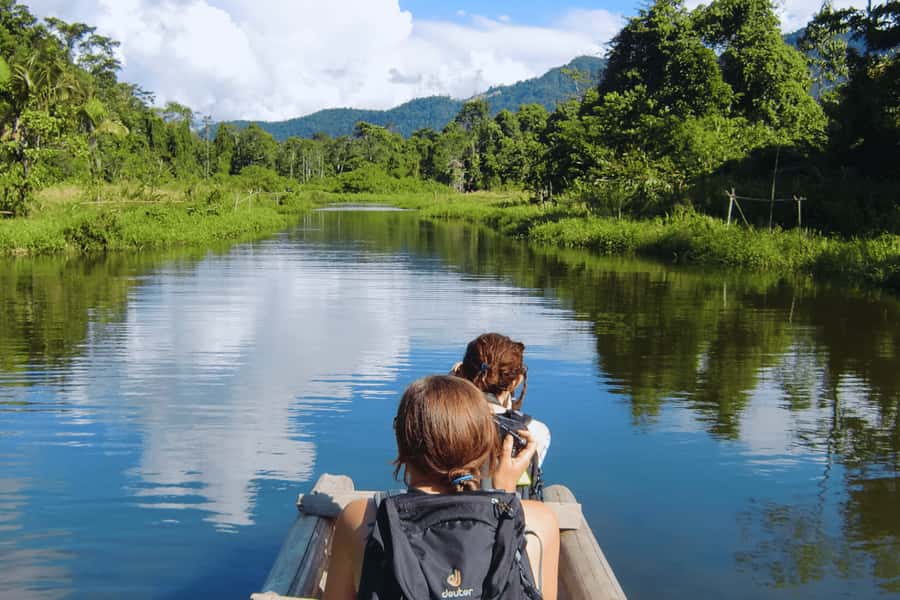
After that, you head toward Atalaya on the banks of the Alto Madre de Dios River. Here’s where the tour earns its “Manu gateway” reputation. You start a 1-hour kayaking session designed to look for birds such as herons, vultures, and cormorants.
Kayaking is one of those activities where your best results come from attitude. Keep your gear secure, move calmly, and don’t treat it like a workout. You’re there to spot and observe, not race the current.
You arrive at the hostel next, with free time. There’s time to take a dip in the river and grab lunch, which means your day is flexible enough to recover between scheduled activities.
Day 2 Swamp Wildlife and Caiman Searching
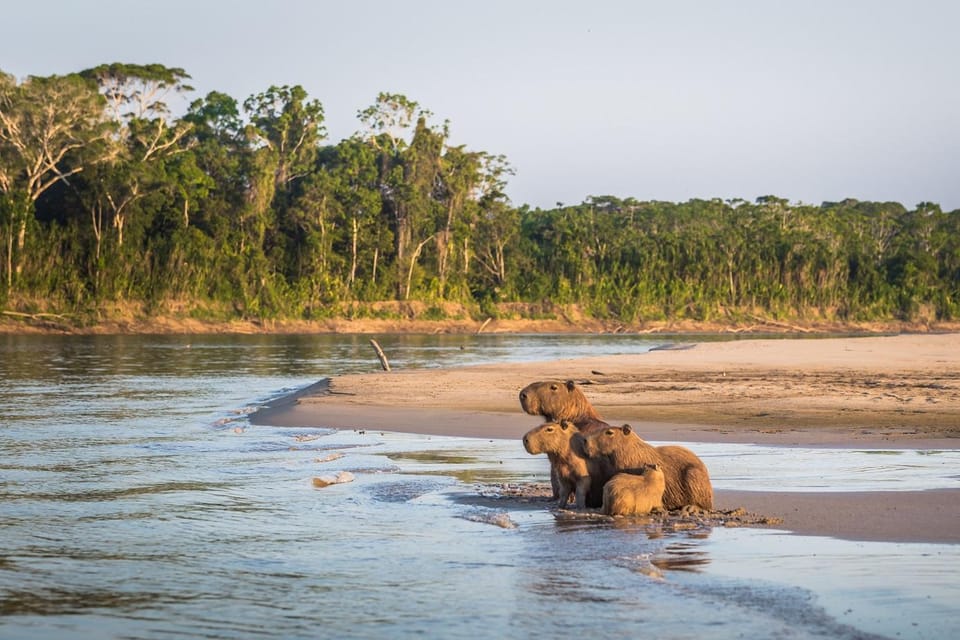
Later on Day 2, you visit a swamp where animals like toucans, woodpeckers, and parrots live. This part is worth taking seriously because wetlands change the rules of what you’ll see. Visibility can be different, calls can carry in new ways, and bird behavior often feels more concentrated around feeding areas.
After the swamp, you go looking for caimans. The key thing is expectations: sightings aren’t guaranteed, and your success depends on conditions at the time. Still, the hunt itself can be fascinating because it makes you practice noticing movement and listening for signs.
If you’re the kind of person who gets satisfaction from learning animal behavior—more than just checking boxes—this portion tends to land well.
One practical heads-up based on tour feedback: sometimes the experience quality around overnight stops can vary. I’d keep an eye on cleanliness when you arrive at the hostel, and if something feels off, tell your guide right away so it can be handled quickly.
Day 3: Parrot Clay Lick by Speedboat, Then Back to Cusco
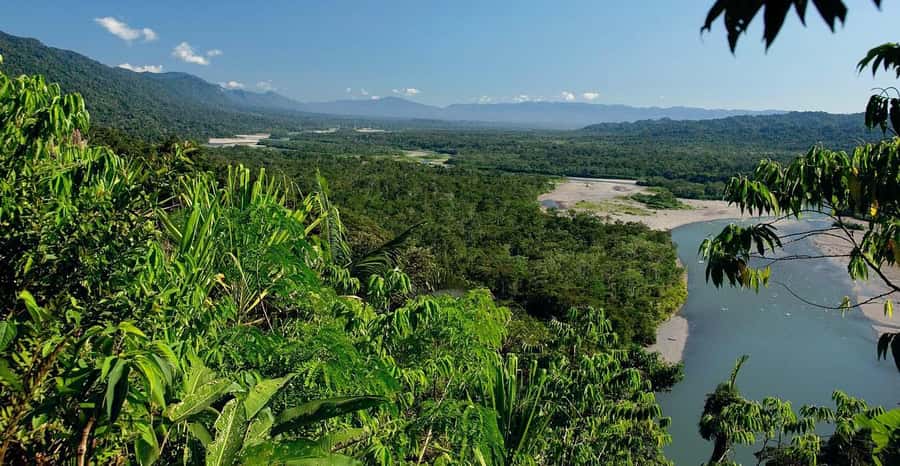
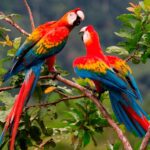
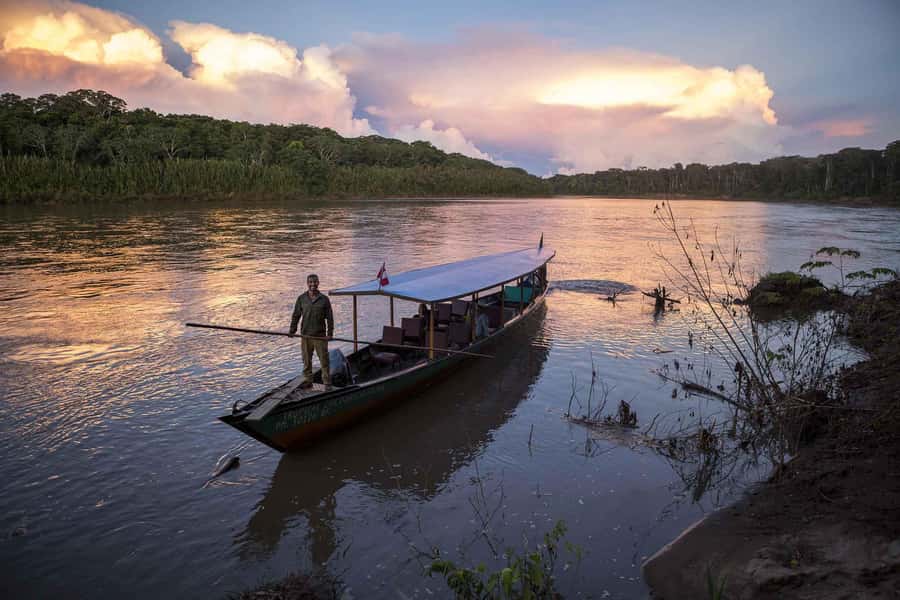
Day 3 is all about one unforgettable natural behavior: the parrot clay lick. You get up early and hop on a speedboat that takes you to the clay wall along the river where multiple parrot species gather.
This is not just a spectacle. You learn why they eat clay—minerals help with digestion and the process can help birds rid themselves of toxins. Once you know the purpose, you’ll watch the feeding differently. It stops being random and becomes a survival strategy you’re observing at close range.
After the clay lick, you return for breakfast at the hostel. Then you ride a speedboat back to Puerto Atalaya, where a coach meets you and takes you back to Cusco. You’ll get lunch on the way back, and you typically arrive between 5:30 pm and 6:30 pm.
That timing is important for planning the rest of your evening in Cusco. You’ll be tired but wired from the early morning, so plan something simple for your arrival night—no big tours you have to think through.

What You Get for $370: Real Value Breakdown
At $370 per person for three days, this tour can look pricey until you map what’s included. Here’s what matters for real-world value:
- Park admission included, which is a big piece of the cost in protected areas
- English-speaking guide (and Spanish is also available), so you’re not left translating nature on your own
- Two nights of accommodation
- Transport by coach/minibus and speedboat, not just one long drive
- Kayaking included, plus access to specific wildlife-focused stops
- Most meals included: 2 breakfasts, 2 lunches, 2 dinners, and mineral water
The parts not included are mostly what you’d expect: breakfast on the first day, dinner on the final day, and drinks. That means you should budget some extra money for drinks and the meals outside the included count, especially on Day 2 lunch time depending on scheduling.
To me, the value comes from the combination of activities and logistics. If you tried to recreate this independently, the hardest part wouldn’t be sightseeing—it would be coordinating guides, park access, and river transport in a short window.
Also, the small-group limit (17 participants) isn’t a luxury detail. It tends to make wildlife watching easier because there’s less crowd noise and you’re more likely to stay together for timing-sensitive moments.
Getting the Most from It: Pace, Weather, and Wildlife Reality
This tour is designed with early starts and outdoor time, so you’ll get the best experience by matching the pace. Wear comfortable shoes because you’ll be walking trails in forest areas. You’ll want a hat and sunscreen, because even cloud forest days can still deliver strong sun between showers.
Weather conditions can affect what you see and what you can do. That’s normal for any rainforest route, but it’s worth taking seriously here because kayaking and animal spotting depend on conditions. Rain gear helps, and insect repellent is not optional if you’re sensitive.
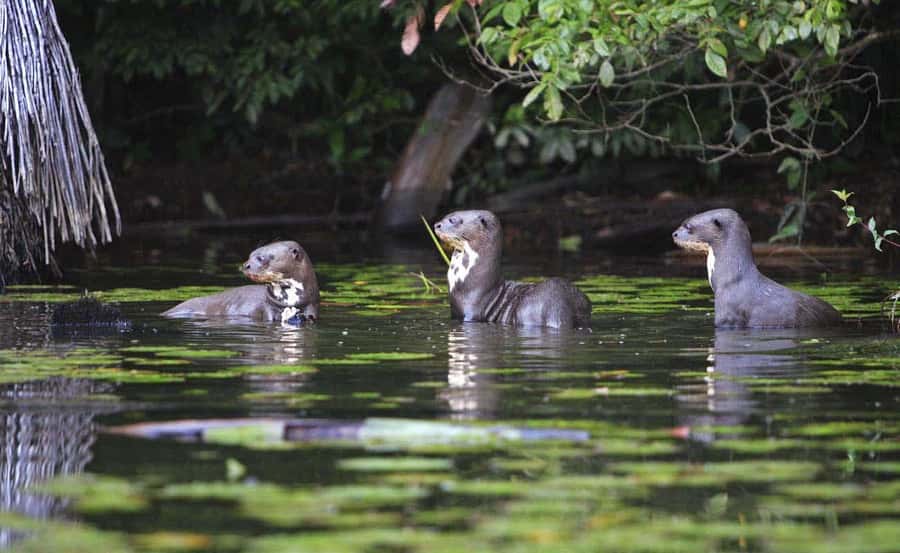
The wildlife is real, but it’s also wild. Even with the best guide, you’re not controlling where animals go. What you control is how you observe. Slow down, listen, and be okay with short bursts of action rather than nonstop sightings.
What to Pack, Rules to Follow, and How to Stay Eco-Friendly
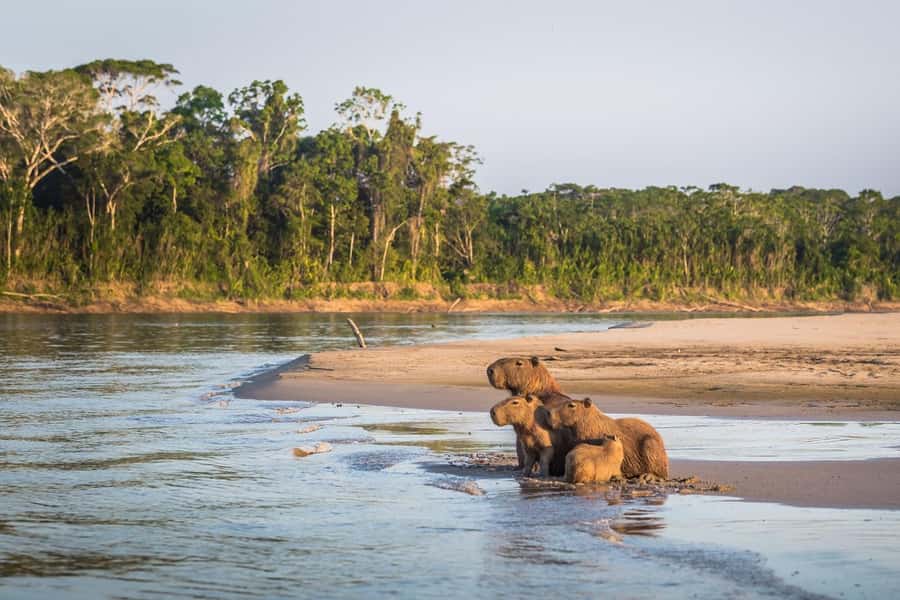
This tour comes with clear rules, and following them makes your day smoother and protects the environment you came to see. You’re not allowed smoking, plastic bottles, littering, feeding animals, or touching plants. The plastic bottle rule is one of the most important for staying aligned with the local conservation mindset.
Bring a reusable water bottle if you can, since mineral water is included but you’ll want an easy refill system.
For gear, I’d keep it practical:
- Comfortable shoes for forest trails
- Hat and sunscreen
- Swimwear (for river time)
- Rain gear
- Insect repellent
- Camera and binoculars if you like birdwatching
- A light day bag and waterproofing for electronics
Also, expect some time outdoors without perfect control of comfort. Comfortable clothes layered for changing weather will save you.
Who Should Book (and Who Should Skip)
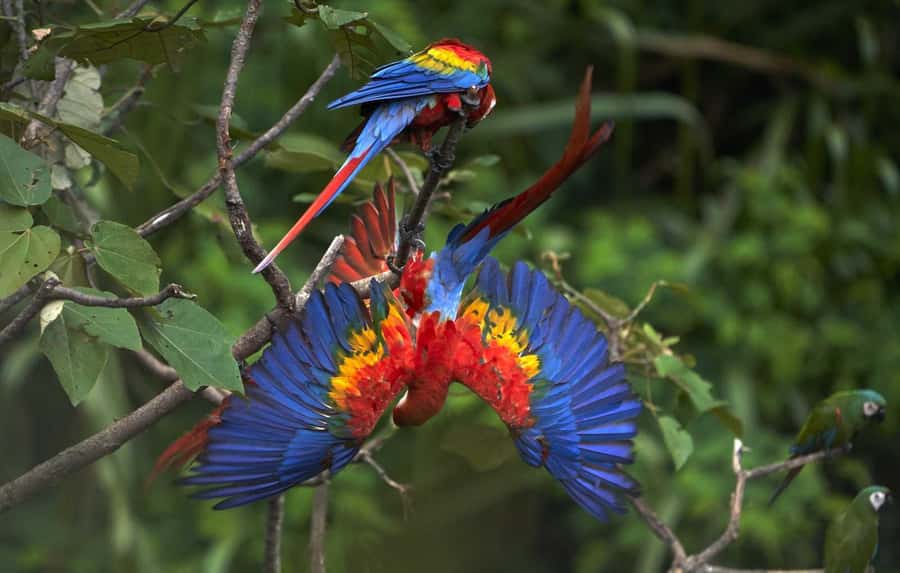
This Manu 3-day tour is a strong fit if you want a focused wildlife itinerary with cultural stops and active experiences like kayaking. It also suits people who like learning: the guide’s role is to explain what you’re seeing, including plants and animal behaviors such as the cock-of-the-rock courtship ritual and why parrots eat clay.
It may be less ideal if you’re not comfortable with early mornings, walking on uneven ground, or spending long stretches outdoors. And it’s not suitable for certain people: children under 3, pregnant women, people with back problems, people with heart problems, and wheelchair users.
Group size stays small, and the guide speaks English, with Spanish also available, which helps if you’re not fluent in one language.
If you’re the type who likes clear planning every minute, it’s worth starting mentally prepared to confirm the timing as the days progress.
Should You Book This Cusco to Manu 3-Day Tour?
I’d book this tour if you want one of the more efficient ways to reach Manu from Cusco while still getting meaningful nature time. The combination of cloud forest wildlife (including the Andean cock-of-the-rock), cultural context (Lupaca tombs and Paucartambo), and river experiences (kayaking, swamp wildlife, caiman searching, and the parrot clay lick) is exactly the kind of itinerary that feels worth leaving the comfort of the city.
I’d skip it or rethink timing if you need ultra-clear scheduling all day long, or if weather swings would stress you out. This is a rainforest route, and some parts depend on conditions.
If you can handle early starts, you’ll likely love how the trip teaches you to watch and listen instead of just passing by.
FAQ
How long is the Manu National Park tour from Cusco?
It runs for 3 days.
What does the tour cost per person?
The price is $370 per person.
What’s included in the price?
Included are hotel pickup and drop-off, transport by coach/minibus and speedboat, an English-speaking guide, kayaking, Manu National Park admission, 2 nights of accommodation, 2 breakfasts, 2 lunches, 2 dinners, and mineral water.
What meals are not included?
Breakfast on the first day and dinner on the final day are not included. Drinks are also not included.
Is kayaking part of the itinerary?
Yes. Day 2 includes a 1-hour kayaking activity to try to spot birds.
What should I bring?
Bring comfortable shoes, a hat, swimwear, a camera, sunscreen, water, rain gear, comfortable clothes, insect repellent, and binoculars.
Are vegetarian meals available?
Yes, vegetarian meal options are available.
Is the tour suitable for everyone?
No. It’s not suitable for children under 3 years, pregnant women, people with back problems, people with heart problems, or wheelchair users.