REVIEW · CHINCHERO DISTRICT
Cusco: Sacred Valley of the Incas Tour
Book on GetYourGuide →Operated by Inkayni Peru Tours · Bookable on GetYourGuide
Cusco is the kind of place that gets under your skin fast. In 10 hours, you move from Cusco’s high altitude down into the Sacred Valley and back, hitting two of the best-known Inca sites: Ollantaytambo fortress and Pisac’s terraces. The upside is how much you cover with guided context; the catch is the day runs full, so if you get altitude headaches or need extra time to pace yourself, it can feel tight.
I like how this tour mixes people’s everyday life with monument-level ruins. You’ll get artisan shopping time in Pisac, then a weaving-focused stop in Chinchero where traditional textile work is part of the story, not just a photo stop. One practical drawback: the plan includes an optional timing-heavy pickup experience, so you should confirm pickup and be ready a bit early in the hotel lobby.
Plan for what’s not in the price. The tour includes transport and a professional guide, but lunch isn’t included, and you’ll need a separate tourist ticket with an entrance fee (70 Soles) that you buy at the first site you enter. Pack sun and rain gear, plus water, because the altitude plus sun can wear you out even when the weather looks calm.
In This Review
- Key things I’d mark on your mental map
- Cusco to the Sacred Valley: What the Altitude Shift Means for Your Day
- Pisac Market (and the “shopping with context” advantage) Before the Ruins
- Urubamba Lunch Break: A Useful Pause at a Lower Elevation
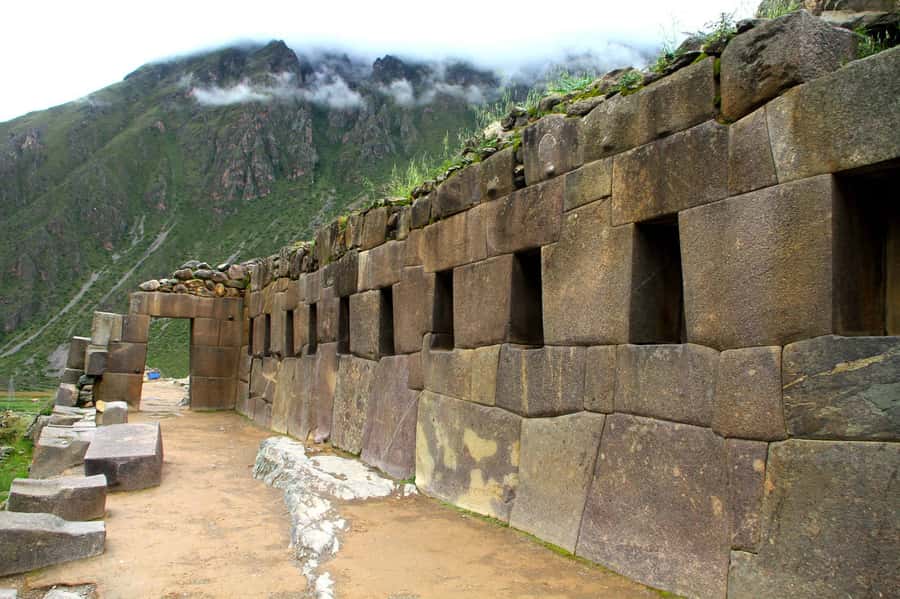
- Ollantaytambo Fortress: Why This Inca Stronghold Still Feels Dramatic
- Chinchero at 12,342 ft: Weaving Demonstrations and the Town’s Two-Layer Story
- Price and What’s Actually Included in the $22 Value
- Pickup Timing, Group Flow, and How to Avoid a Bad Start
- What to Bring (and the rules that keep it simple)
- Who Should Book This Sacred Valley Day, and Who Might Want Another Plan
- Should You Book This Tour?
- FAQ
- FAQ
- Where do pickups happen?
- How long is the tour?
- Is lunch included?
- Do I need an entrance ticket?
- What languages is the guide available in?
- What should I bring?
- Is the tour suitable for people with mobility impairments?
- How does cancellation work?
Key things I’d mark on your mental map
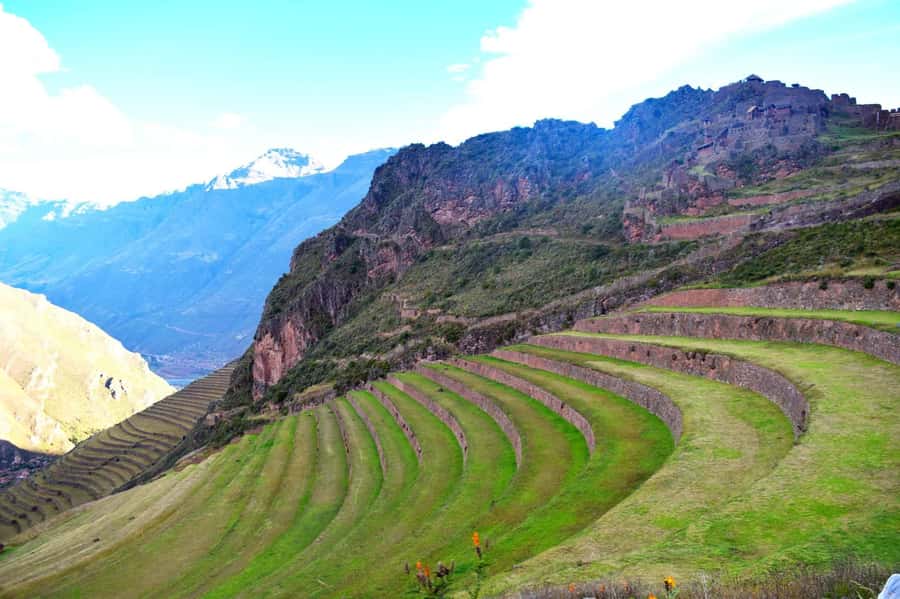
- Ollantaytambo fortress: massive stone terraces and a fortress layout that still feels strategic
- Pisac archaeological park: ceremonial terraces above the valley with guided explanations (about 1 hour)
- Pisac artisan market time: a chance to see handwoven textiles and silver jewelry up close
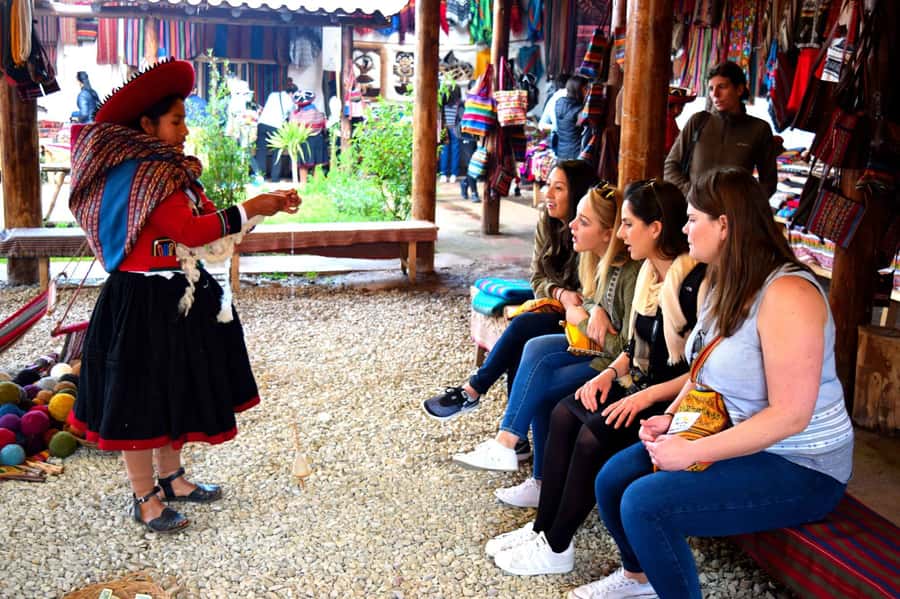
- Chinchero weaving workshops: traditional textile skills demonstrated in a town with Inca and colonial landmarks
- Scenic viewpoint en route: one stop built specifically for big valley views before you reach the main sites
- Long-but-efficient day: 10 hours total with transport between multiple stops
Cusco to the Sacred Valley: What the Altitude Shift Means for Your Day
You start in Cusco at 11,152 ft (3,399 m). That’s already high enough that even calm walking can feel like a workout. The route then drops through the Sacred Valley, with stops at lower elevations like Pisac (around 9,751 ft / 2,972 m) and Urubamba (about 9,420 ft / 2,870 m), before climbing again to Chinchero (12,342 ft / 3,762 m).
Why this matters: you’re not just “doing sightseeing,” you’re managing how your body reacts to altitude changes all day. I’d treat the first hour like it’s part of the experience, not wasted time. Sip water, slow your pace on arrival, and don’t assume you’ll have unlimited energy for photos and stairs right after pickup.
There’s also a scenic viewpoint stop along the way before you reach Pisac. I like this because it gives you a mental reset: you see where you’re headed, and it makes the later archaeological views feel more connected. In the Andes, that’s often the difference between seeing ruins and understanding how the land shaped the people.
You can also read our reviews of more tours and experiences in Chinchero District.
Pisac Market (and the “shopping with context” advantage) Before the Ruins
Pisac gets split into two parts, and that’s a smart flow. You start in Pisac town with a guided visit that’s focused on local life and crafts, then you move to the Pisac archaeological park for guided exploration.
In town, you’ll have time at the artisan market. This is where locals showcase handwoven textiles and silver jewelry. Even if you don’t plan to buy anything, it’s one of the best ways to connect what you’ll see later at Inca sites to how people make and use textiles in daily life. Textile patterns, dyes, and techniques are often tied to community traditions, and seeing it in action helps ruins “click” faster.
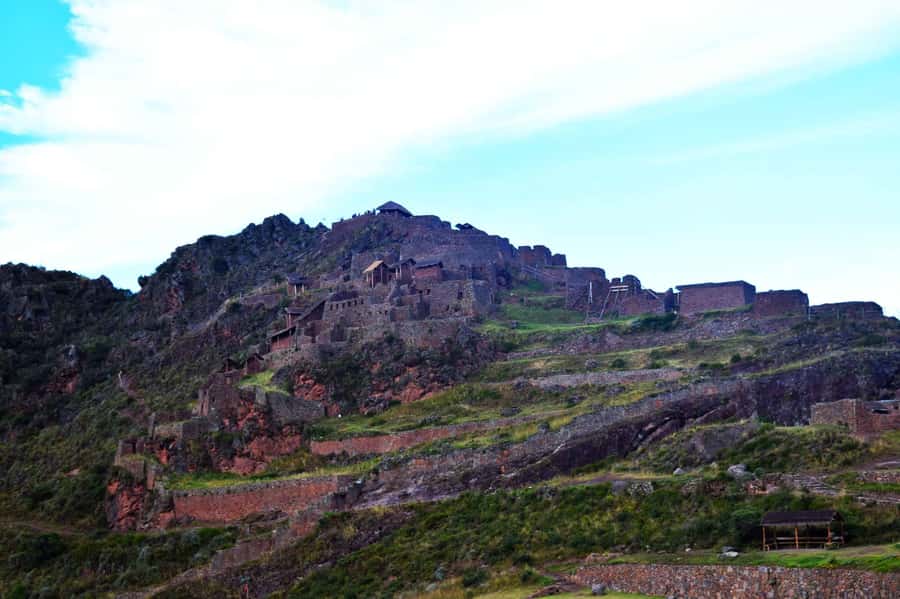
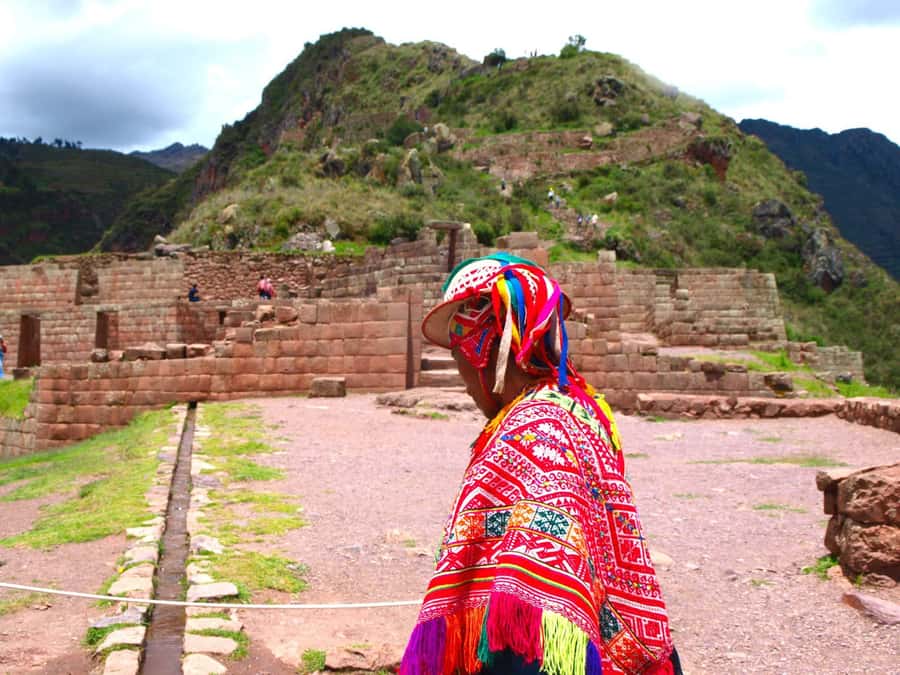
Then you head to the Pisac Archaeological Park (about 1 hour guided). Pisac’s terraces and ceremonial temples sit above the valley, so the guide’s job is not just explaining stones—it’s helping you connect the layout to the terrain. Terraces are a practical solution in steep country, and they also become part of a ceremonial landscape. If you’ve ever wondered why Inca architecture feels so purposeful, terraces like these usually answer that question.
Practical note: Pisac town time is shorter (around 30 minutes with guidance), so if you want to browse slowly or compare prices, keep your time cushion. The ruins visit will be the deeper, slower part of the day.
Urubamba Lunch Break: A Useful Pause at a Lower Elevation
After Pisac, you travel through the fertile Sacred Valley to Urubamba (around 9,420 ft / 2,870 m). You get an hour for lunch here. Lunch is not included, so you’re responsible for choosing a meal on your own during that window.
This is also one of your best chances to “reset” before the more intense stops. With the guide and transport carrying you around, you can end up walking more than you expect, and the day still includes another fortress visit plus a high-altitude town stop afterward. Use the Urubamba break for steady fuel and a bit of hydration catch-up.
If you tend to get stomach upset in Peru, this hour is where you should be picky. You don’t want to spend the afternoon fighting discomfort in a crowded vehicle. Stick to something simple, drink water, and keep snacks minimal if you’re sensitive.
Ollantaytambo Fortress: Why This Inca Stronghold Still Feels Dramatic
Ollantaytambo is one of those places where the first glance is impressive—and then you start noticing why it’s impressive. You’ll arrive after lunch, and you get about 1 hour guided at the fortress.
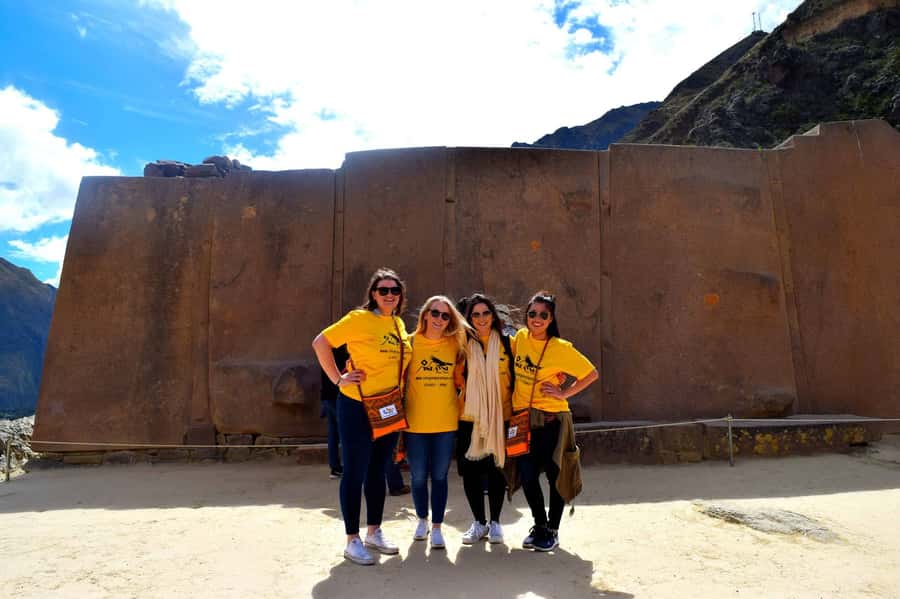
The site is described as an imposing Inca fortress with strategic and spiritual importance. You’ll see massive stone terraces climbing the mountainside, giving the fortress its visual power and its defensive logic. Even without fancy technical knowledge, you can sense the intention: the terraces don’t just “look Inca,” they shape movement, visibility, and use of the slope.
I also like that this stop usually becomes the emotional anchor of the tour. Pisac provides context and views; Chinchero adds cultural texture with weaving. But Ollantaytambo tends to be the place you remember most because it feels like a complete system—stone, slope, and purpose.
One caution: it’s still a fortress, which means stairs, uneven stone, and time spent moving. The tour is not presented as an easy walk. If you know your mobility is limited or you’re dealing with medical issues, this isn’t the day you want to test yourself.
Chinchero at 12,342 ft: Weaving Demonstrations and the Town’s Two-Layer Story
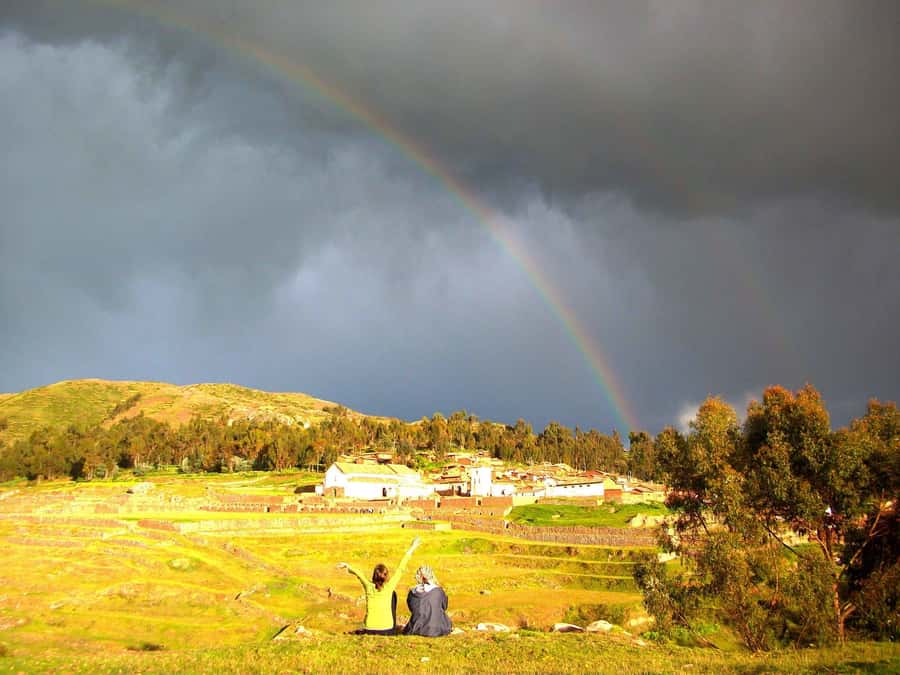
On the return trip, you stop in Chinchero (12,342 ft / 3,762 m). The elevation jump here is real, so treat this like a “breathe and pace” moment.
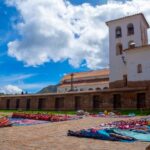
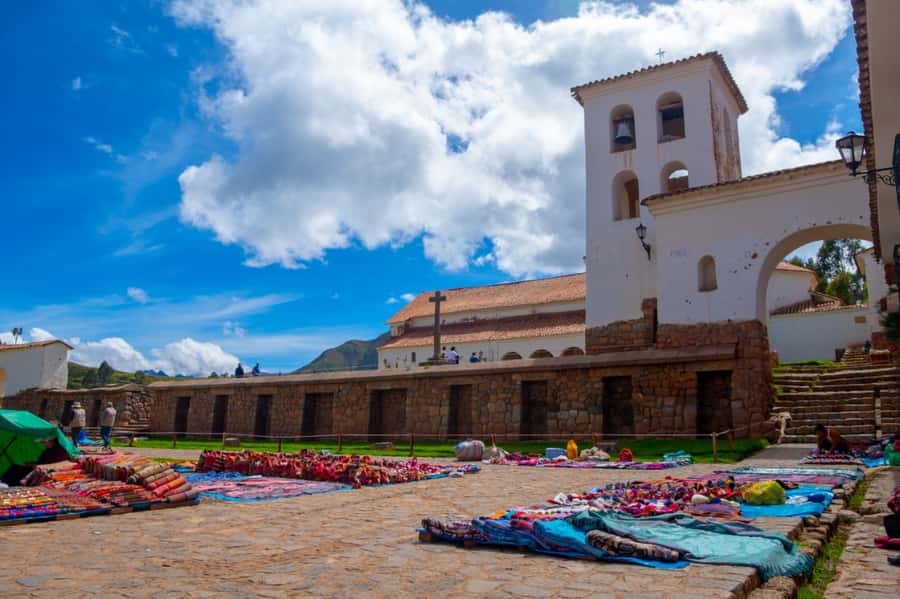
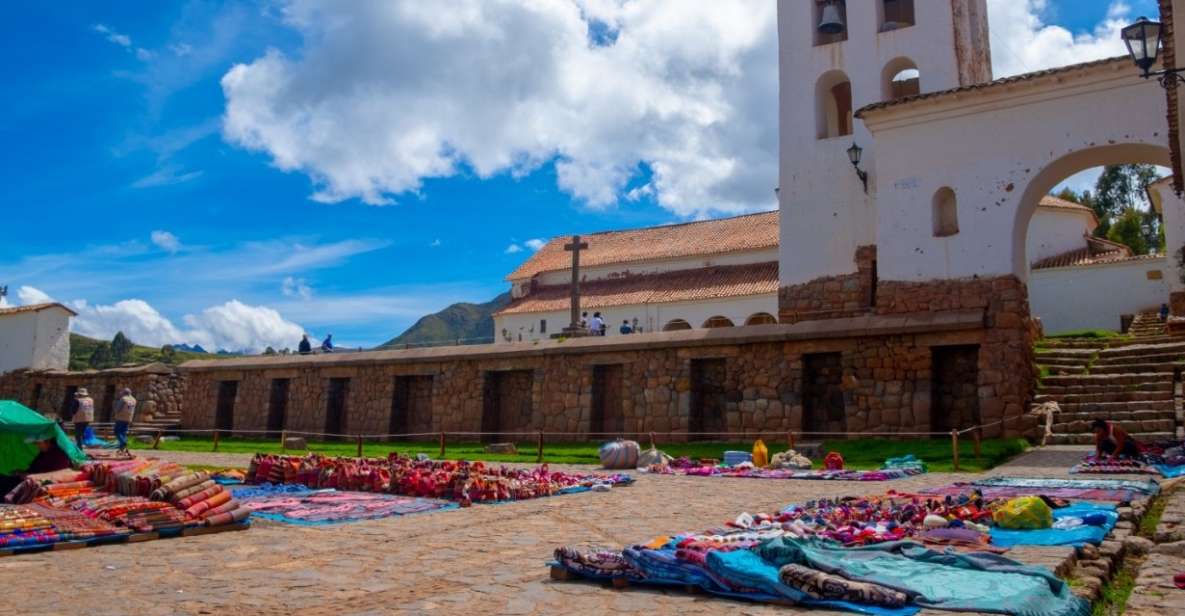
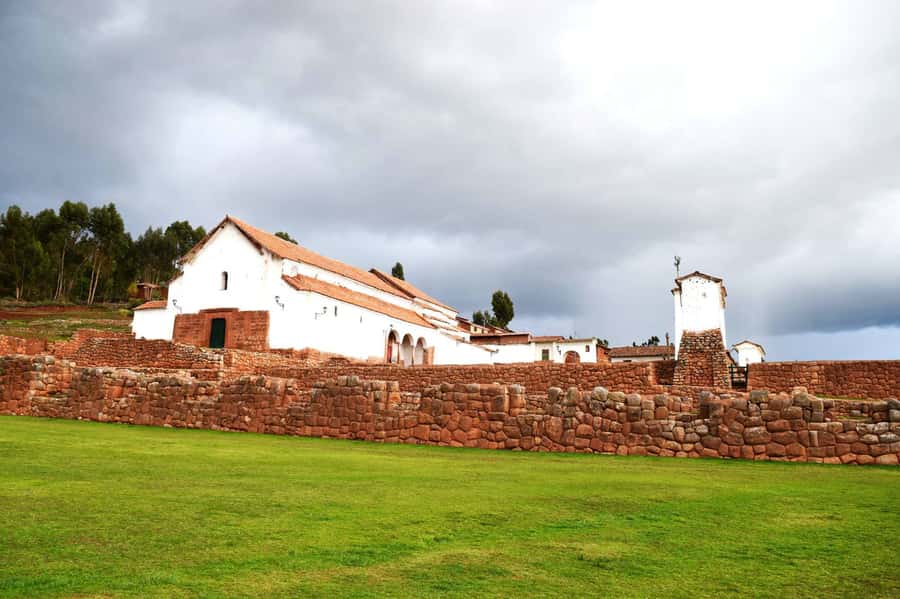
Chinchero is known for Inca ruins plus a colonial church, and it also has traditional textile workshops. The guided portion is about 1 hour, and the big draw is watching artisans demonstrate ancient weaving techniques. This is a practical kind of cultural education. You’re not just looking at patterns; you’re seeing how skills get passed down and how weaving connects to local identity.
Even if you’ve seen textiles before, watching the process helps you understand why so many Andes crafts survive. It’s not only art—it’s knowledge, materials, and routine.
Photo tip that isn’t gimmicky: spend a minute watching before you start taking pictures. When you understand the steps, your photos turn into real references instead of just “evidence you were there.”
Price and What’s Actually Included in the $22 Value
At around $22 per person, this tour sits in a value lane for Sacred Valley sightseeing—especially because it includes transport plus professional guides in English or Spanish.
Here’s what you’re getting for that price:
- transport to and from your hotel
- a guided visit at multiple major stops
- structured time so you don’t have to coordinate the route yourself
Here’s what costs extra:
- lunch (not included)
- entrance fee/tourist ticket (70 Soles), which you buy at the entrance of the first place you visit (Pisaq)
This matters for planning. The “cheap” part of the price is the guided transport and interpretation. The “real” cost of visiting Inca sites is usually the ticket fees and food, and you should budget for those rather than hoping everything is bundled.
Value check: if you want a single-day tour that hits Pisac terraces, Pisac town crafts, Ollantaytambo fortress, plus a weaving-focused stop in Chinchero, this format gives you that circuit without requiring you to manage tickets and routing.
Pickup Timing, Group Flow, and How to Avoid a Bad Start
Your pickup is included, with two pickup options in Cusco’s Centro Histórico: near the Iglesia del Triunfo. The instruction is to wait in your hotel lobby about 10 minutes before the scheduled pickup.
I don’t love “wait around” mornings, and this is one day where you don’t want delays. One common pain point with day tours like this is that pickup can get messy if you’re not exactly on time or if your driver has trouble finding your entrance. So I’d handle it like a pro: be visible in the lobby, confirm your meeting spot the day before, and give yourself a calm buffer.
Group pacing can also affect your day. You’re moving between sites with guided segments, and the stops have set durations. If you like to linger—especially at markets—plan to take your time in the town section and treat the archaeological parks as the deeper, scheduled part.
Also, keep your expectations realistic about the overall flow: it’s a 10-hour circuit, not a slow, lingering study tour.
What to Bring (and the rules that keep it simple)
This experience gives you a straightforward packing list. Bring:
- passport or ID card
- sun hat
- sunscreen
- water
- rain gear
Also note what’s not allowed:
- pets
- intoxication, alcohol, and drugs
- weapons or sharp objects
For this particular route, sun protection and water matter more than you might think. Even if it feels cool, you’re at serious altitude and walking around active archaeological areas.
If rain shows up, having rain gear is a big quality-of-life upgrade. Mud and slippery stone can make stairs and terraces feel more exhausting than they already are.
Who Should Book This Sacred Valley Day, and Who Might Want Another Plan
This tour isn’t listed as suitable for everyone. It’s not suitable for people with pre-existing medical conditions or mobility impairments. That’s especially relevant given the high start in Cusco, the walking involved at archaeological sites, and the later elevation at Chinchero.
This tour is a strong fit if you:
- want a single-day Sacred Valley introduction with guided context
- enjoy both ruins and cultural crafts
- prefer having transport handled so you can focus on the sites
It’s less ideal if you:
- need lots of flexibility to pause, rest, or move slowly
- are sensitive to altitude and aren’t sure how you’ll handle changing elevations all day
- want a very slow, unstructured day with no tight segments
Should You Book This Tour?
If your goal is a well-paced, guided overview of the Sacred Valley’s headline sites—Pisac terraces, Ollantaytambo fortress, plus Chinchero weaving—this tour makes sense. The $22 price works because it covers guided interpretation and transport, and you’ll only need to budget for the ticket (70 Soles) and lunch.
I’d book it if you’re healthy enough for high-altitude touring and you’re comfortable with a full 10-hour schedule. I’d skip or switch tours if altitude or mobility is an issue, or if you want a slower pace with more time per stop.
FAQ
FAQ
Where do pickups happen?
There are two pickup options in Cusco’s Centro Histórico, near the Iglesia del Triunfo (Cuzco).
How long is the tour?
The duration is 10 hours.
Is lunch included?
No. Lunch is not included. There is a lunch break in Urubamba.
Do I need an entrance ticket?
Yes. You must buy a tourist ticket (70 Soles). You can buy it on the day at the entrance of the first place you visit (Pisaq).
What languages is the guide available in?
The tour includes a live guide in English or Spanish.
What should I bring?
Bring your passport or ID card, sun hat, sunscreen, water, and rain gear.
Is the tour suitable for people with mobility impairments?
No. It’s not suitable for people with mobility impairments.
How does cancellation work?
Free cancellation is available up to 24 hours in advance for a full refund.