REVIEW · CUSCO
From Cusco: Moray, Maras Salt Mines & Chinchero Weavers Tour
Book on GetYourGuide →Operated by Apu Ausangate Trek EIRL · Bookable on GetYourGuide
Cusco altitude meets salt and Inca ingenuity. I love how this tour packs Chinchero weaving with natural plant dyes and Moray’s stepped Inca farming terraces into one efficient route, with hotel pickup so you lose less time to logistics. You also get big Sacred Valley mountain views without committing to a full-day schedule.
One thing to plan for: you’ll pay separate site entrance fees for Moray (70 soles) and the Salt Mines (20 soles), since they are not included in the tour price.
In This Review
- Key things that make this tour worth your time
- A half-day route that hits the big Sacred Valley stories
- Chinchero Weavers: where natural plants become textile color
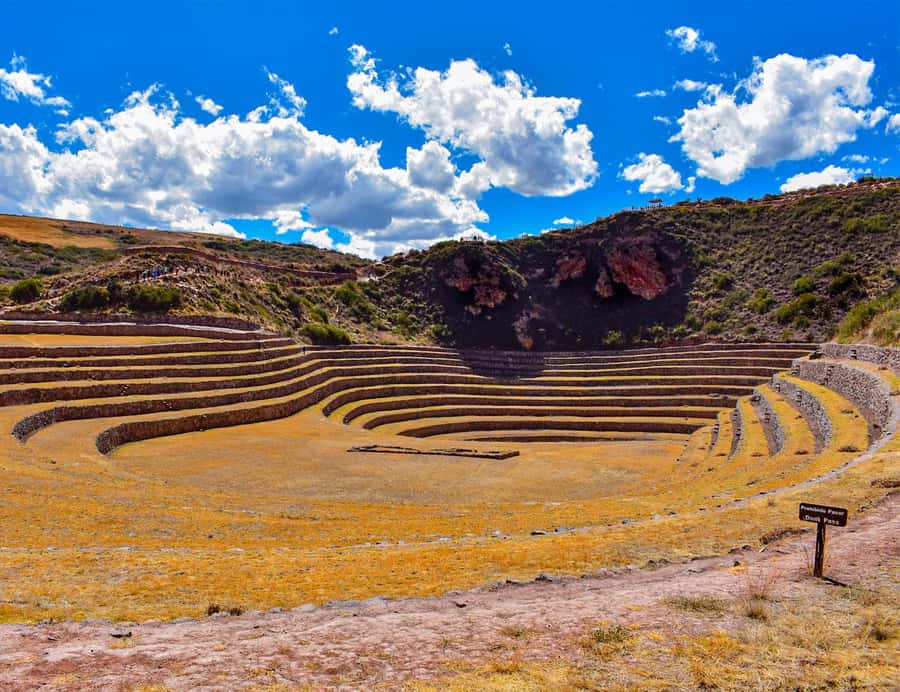
- Moray’s terraces at 11,318 feet: the Inca irrigation puzzle
- Maras village: preserved colonial streets and a little breathing room
- Maras Salt Mines at Salineras: 3,000 pools and pre-Inca roots
- Comfort, altitude, and the packing checklist that actually matters
- Price and value: what $15 really buys you
- Who should book this Sacred Valley highlights tour
- Should you book this tour
- FAQ
- How long is the Cusco to Moray, Maras Salt Mines & Chinchero tour?
- Is hotel pickup included?
- What’s the tour language?
- Are the entrance fees included for Moray and the Salt Mines?
- What should I bring?
- Does the tour run in bad weather?
- Is hotel drop-off included?
Key things that make this tour worth your time
- Chinchero weaving workshop showing how artisans extract colors from local plants for traditional Andean textiles
- Moray’s terraced experiment site at high altitude, plus a guided walk for context on the irrigation system
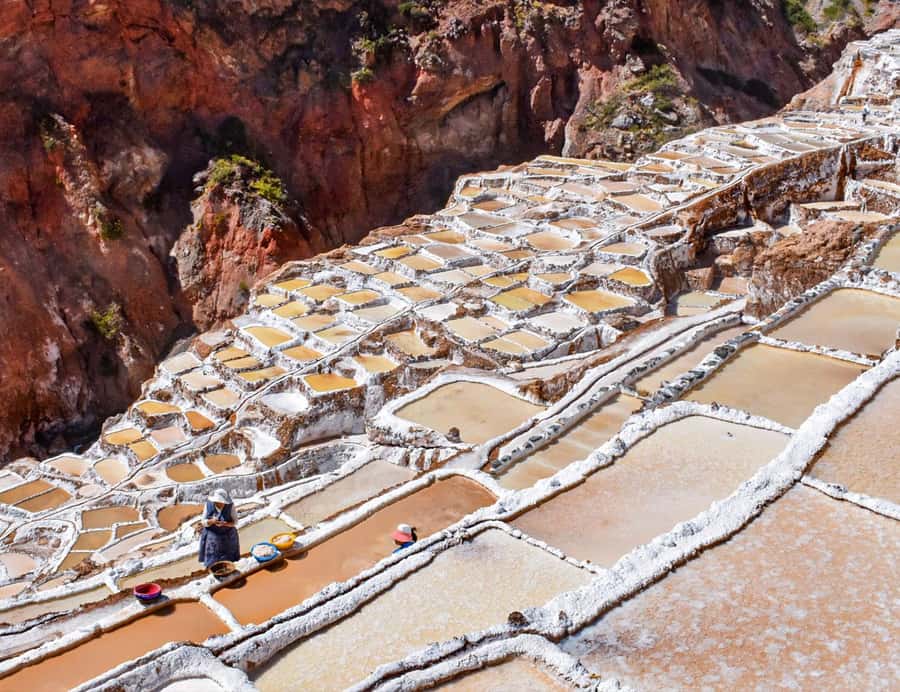
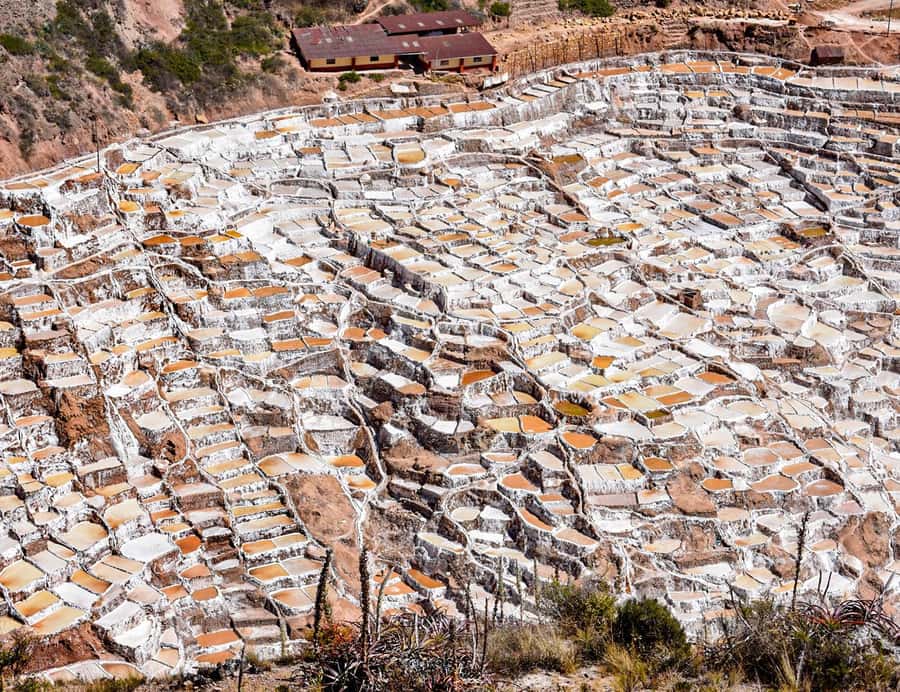
- Salineras salt mines with about 3,000 pools, a pre-Inca salt tradition still active today
- Maras village free time, with preserved colonial architecture and short shopping stops
- Rain-or-shine touring, so you’re not waiting around for weather to cooperate
A half-day route that hits the big Sacred Valley stories
This tour feels built for travelers who want the highlights without overthinking it. You start with hotel pickup in Cusco, then head out to the Sacred Valley with a clear sequence: textiles in Chinchero, agricultural engineering in Moray, village life in Maras, and finally salt production at Salineras. The total duration is about 390 minutes, which is long enough to learn, walk a bit, and take photos, but short enough that you’re still back in Cusco for lunch on your own.
The best part is that the stops aren’t random. Each one connects to a different piece of how people lived in the Andes: how they dyed cloth, how they used water and terraces to grow crops, and how they harvested salt long before the Inca Empire expanded.
Do note: this is a day with some walking in sun and at altitude. A hat and sunscreen matter more than you might expect, especially when the midday heat shows up.
You can also read our reviews of more tours and experiences in Cusco.

Chinchero Weavers: where natural plants become textile color
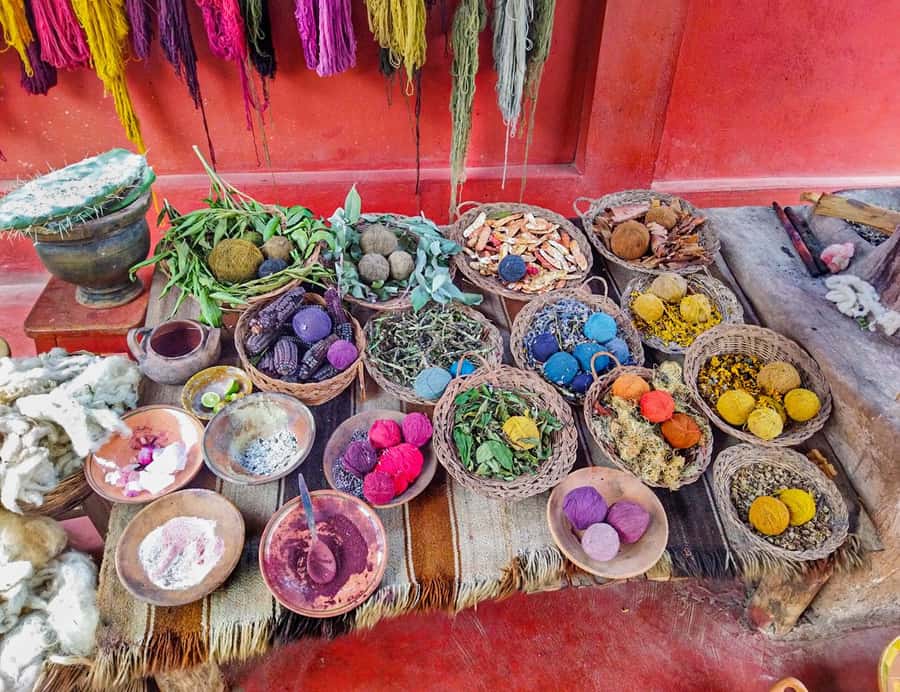
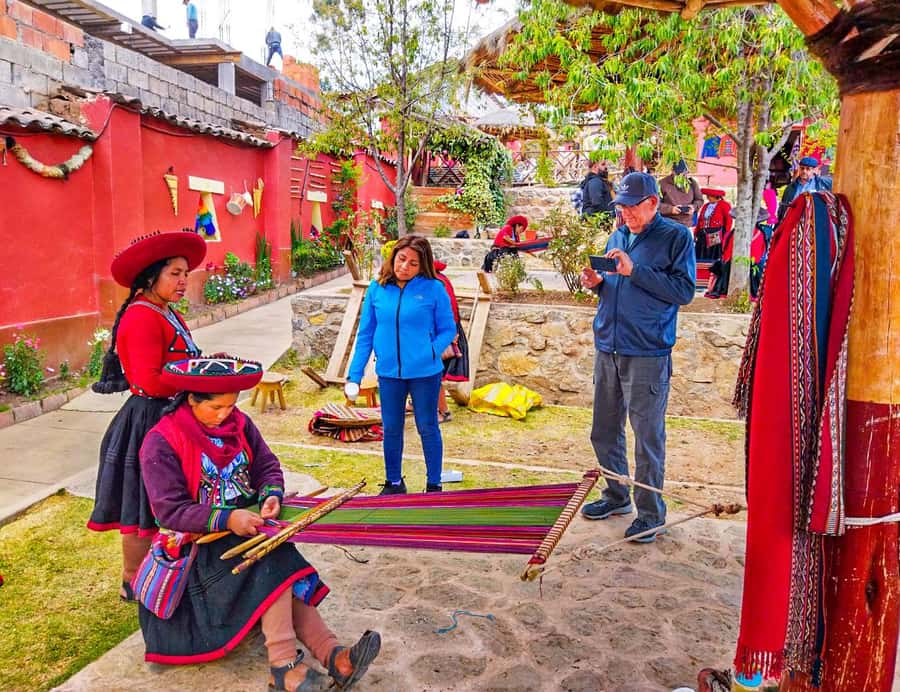
Chinchero is your first major stop, and it sets the tone. You’ll arrive at about 3,762 meters and make time for a photo stop, a bit of shopping, and a weaving workshop (about 1 hour). The workshop is the star: you’ll see artisans continue the Quechua textile tradition and learn how they use natural plants to extract dyes.
If you like souvenirs, this is one of the safest bets of the day. You’re not just buying something; you’re watching the process that creates the colors and patterns. Even if you only end up with a small item, it’s easier to feel good about the purchase because you understand what goes into it.
A practical tip: wear layers you can adjust in Cusco morning air. By the time you’re outdoors in Chinchero, conditions can swing fast, and you’ll want to keep your comfort up.
Moray’s terraces at 11,318 feet: the Inca irrigation puzzle
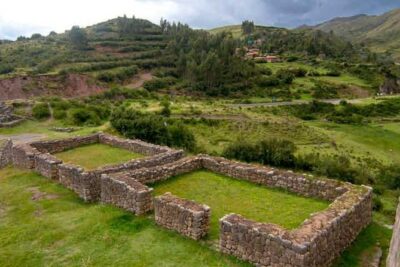
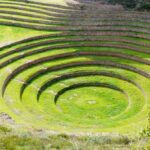
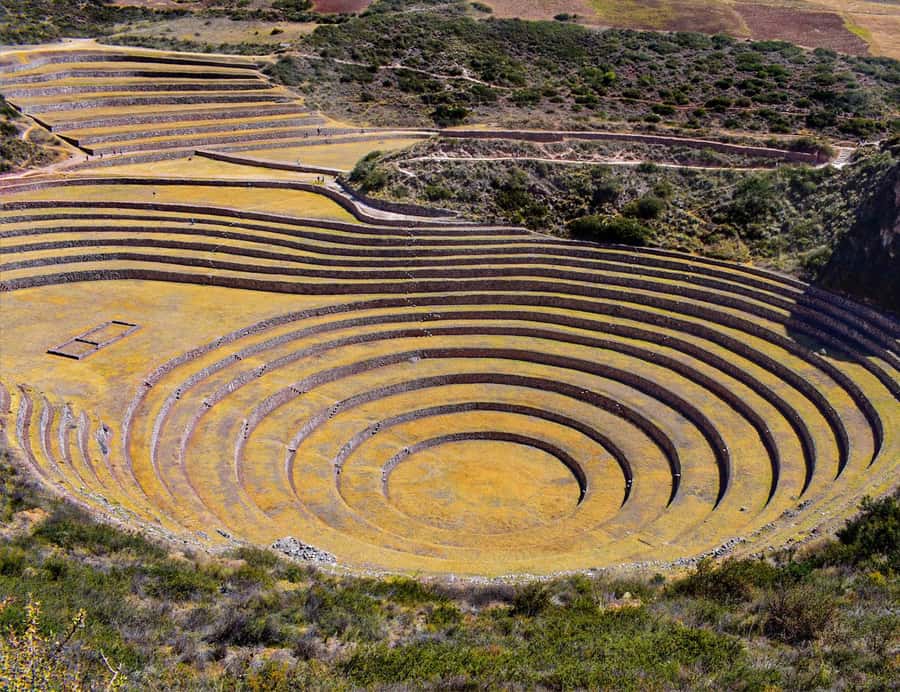
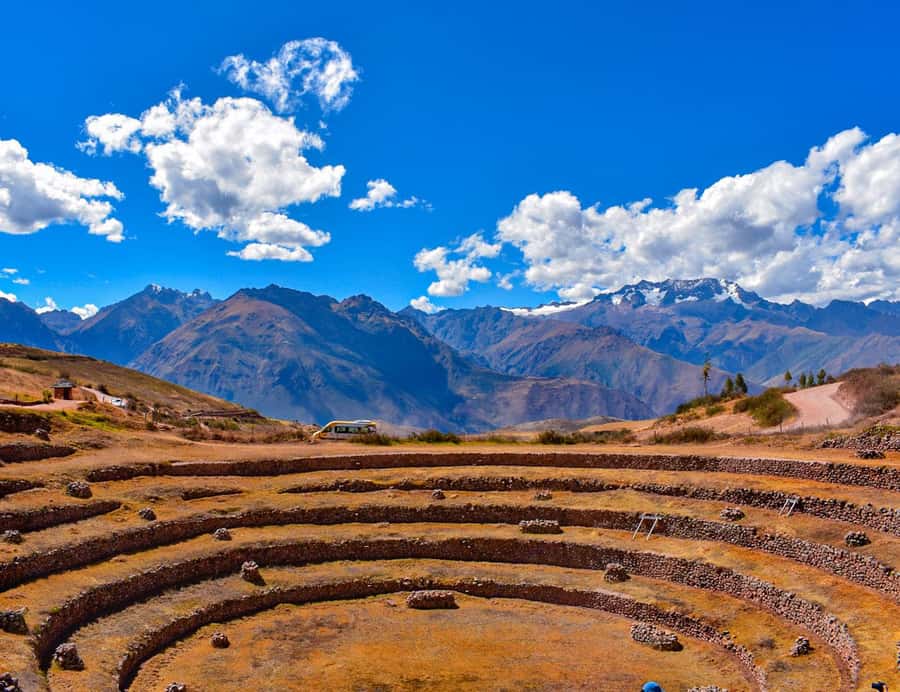
Next comes Moray, and the elevation jumps your attention to detail. Moray sits at about 3,450 meters, and the well-known terraces reach around 11,318 feet in the way they’re described. This is one of those places where you stop talking and just look: the stepped pattern, the geometry, and the sense that water was engineered on purpose.
You’ll have a photo stop, then a guided portion and a walk (about 40 minutes). What makes Moray worth your time is not just that it looks impressive. It’s that the terraces and irrigation system represent Inca-era problem solving. You get a guided explanation that helps you connect the site to Andean agriculture rather than treating it like a view deck.
Worth knowing: Moray has a separate entrance fee. Plan to carry some cash because you’ll pay 70 soles for the site.
If you’re prone to altitude discomfort, keep your pace easy on the first leg of the Moray walk. You don’t need to rush. The terraces reward slow looking, especially if you take photos while you’re standing still.
Maras village: preserved colonial streets and a little breathing room
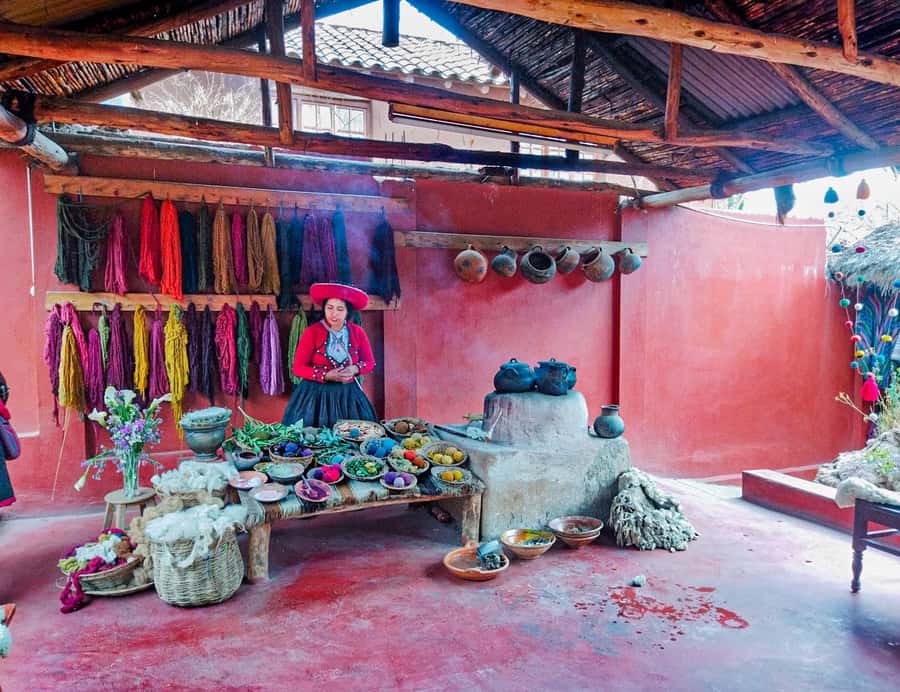
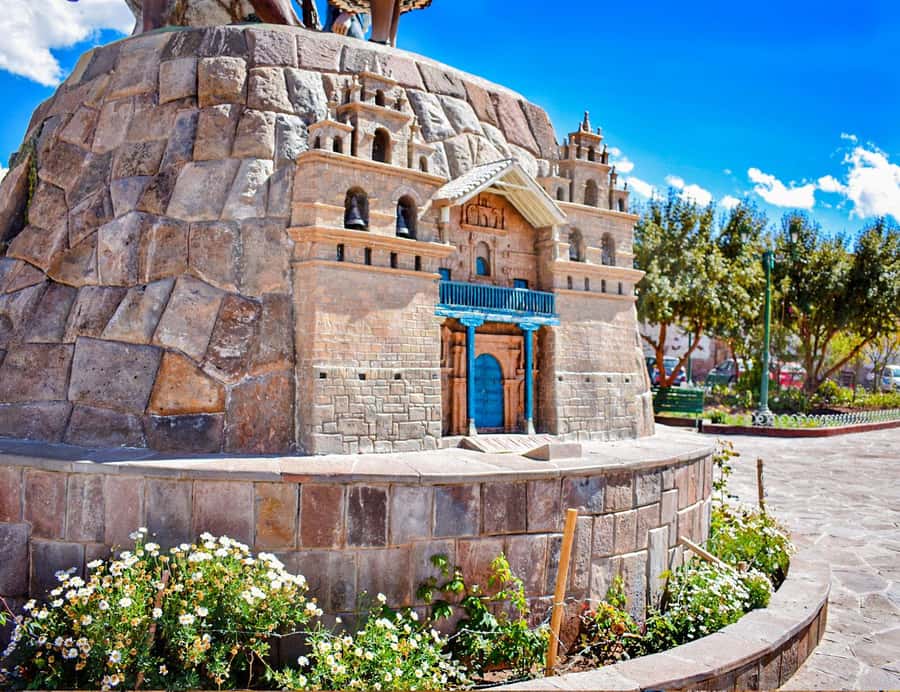
After Moray, you head to Maras Village. This stop is shorter and more flexible than the main archaeology parts. You’ll see preserved colonial architecture and thin-stoned buildings, and then you’ll get time to wander, shop, and enjoy a brief workshop window (about 20 minutes) during the free time segment.
This is a nice counterbalance to the big-ticket visuals. Moray and Salineras are about systems and production. Maras is about people and daily rhythm. Even if you’re not shopping, you’ll likely enjoy the change in pace and the chance to stand in a lived-in setting.
One thing to consider: Maras includes shopping stops, so expect that some time will be offered for buying textiles or locally made goods. You’re not forced into anything, but you should go into the day knowing it’s part of the tour design.
Maras Salt Mines at Salineras: 3,000 pools and pre-Inca roots
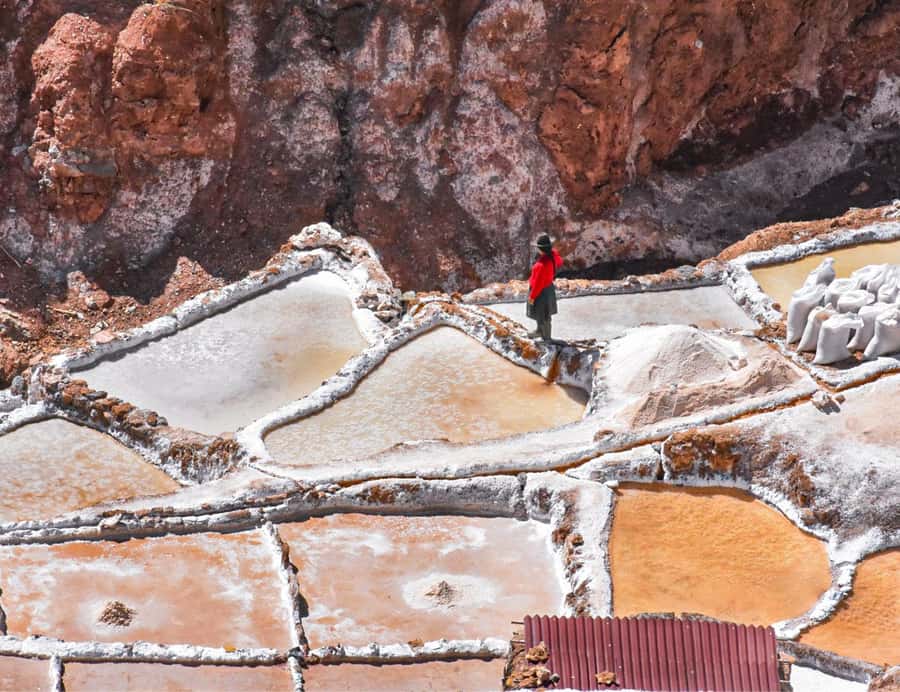
Salineras is the headline for many people, and it delivers. The salt mines consist of about 3,000 small pools stretching across the area, and the site has a long story: the salt tradition dates back to pre-Inca times, and salt production continues today.
You’ll have a photo stop plus a guided tour and walk (about 40 minutes). The guided portion matters here because it turns the view into an understanding of how the salt is produced and why the pools look the way they do. Then you get to explore the area more on your own with the context you picked up.
Bring cash for the entrance fee here too: 20 soles is not included.
Also, the roads and getting around near the salt mines can be a bit bumpy. One driver-safety note comes up often in experience reports: the route involves narrow segments near the mines, and a careful driver helps you feel comfortable during the transfer.

Comfort, altitude, and the packing checklist that actually matters
This tour runs rain or shine, so pack for real conditions, not hope. In the Sacred Valley, that means you should expect sun, strong light, and sudden clouds at times. The good news is the itinerary keeps you mostly in scheduled stops, so weather doesn’t derail the plan.
Here’s what I’d personally prioritize from the provided packing list:
- Sun hat (seriously, it’s a difference-maker for walks)
- Sunscreen
- Comfortable shoes for the short guided walks and photo stops
- Cash for entrance fees and any workshop purchases
- Camera (Moray terraces and the salt pools are photo-friendly)
Altitude matters on this route. You’ll go to high points like Chinchero (3,762 m) and Moray (3,450 m), which can affect breathing and energy. The tour is long enough to feel it if you try to rush. Keep your effort steady, hydrate, and don’t treat the day like a sprint.
If you’re sensitive to motion sickness, you might find it helpful that the tour is structured with multiple stops rather than long, nonstop stretches. That said, roads out of Cusco can still be winding, so consider your own limits.
Price and value: what $15 really buys you
The tour price is listed at $15 per person, which is exceptionally low for a route that includes hotel pickup, a bilingual guide (English/Spanish), and transport to multiple Sacred Valley areas. This is one of those cases where the real value is the coordination: someone handles the timing, the driving, and the guide explanations, so you don’t have to piece together transportation and on-the-ground guidance.
Now here’s the tradeoff. Two key site entrances are not included:
- Moray entrance: 70 soles
- Salt Mines entrance: 20 soles
So your all-in cost depends on what you pay at the gates, plus any purchases you choose to make at Chinchero and Maras. But even with those add-ons, the tour often still compares well to booking transport and individual guide time separately.
For me, the value case looks strongest if:
- you want a guided framework for Inca agriculture and salt harvesting
- you like getting a cultural stop (weaving) mixed into the archaeology
- you prefer a half-day plan that doesn’t wreck your whole afternoon
Who should book this Sacred Valley highlights tour
This tour fits best if you want a fast, organized taste of the Sacred Valley. It’s a good match for solo travelers who want safety and clear logistics, and it also works well for couples and small groups who want a guide-driven day without feeling tied to every second.
It may not be ideal if you’re the kind of traveler who wants long, slow time at one site only. This route is made for variety and pacing. You’ll see the main highlights, but you’re not planning a deep study day at any single location.
If you want a structured route before a big trek, this is also a smart move. You get high-altitude exposure, meaningful context, and photos, without committing to a full day away from Cusco.
Should you book this tour
If you want Moray terraces, Salineras salt pools, and Chinchero weaving all in one day with hotel pickup, I’d book this. The route is efficient, the stops are varied, and the guided explanations help you connect each place to how people lived and worked in the Andes.
Just be sure you’re ready for the basics: bring sun protection, wear solid shoes, and set aside cash for Moray and Salt Mines entrance fees. If you do that, you’ll end the day with a clear sense of Sacred Valley culture, not just a string of photo stops.
FAQ
How long is the Cusco to Moray, Maras Salt Mines & Chinchero tour?
The total duration is listed as 390 minutes.
Is hotel pickup included?
Yes. Pickup is included from your hotel in Cusco. Outside Centro Histórico pickup is available, and you should wait in the hotel lobby about 10 minutes before the scheduled pickup time.
What’s the tour language?
The live tour guide is available in English and Spanish.
Are the entrance fees included for Moray and the Salt Mines?
No. Moray entrance is listed as 70 soles, and the Salt Mines entrance is listed as 20 soles.
What should I bring?
Bring a passport, sun hat, camera, sunscreen, comfortable shoes, and cash.
Does the tour run in bad weather?
Yes. The tour will take place rain or shine.
Is hotel drop-off included?
No. Hotel drop-off is not included; the tour lists drop-off locations in Cusco.