REVIEW · CUSCO
Cusco Half Day City Tour: Four Ruins
Book on Viator →Operated by Heidi Travel EIRL · Bookable on Viator
Four ruins, one tight route. This Cusco half-day tour strings together Sacsayhuaman, Q’enqo, Puka Pukara, and Tambomachay for a concentrated hit of Inca architecture and rituals. You’ll get transport, a bilingual guide, and a crowd-light plan in about half a day.
I love how the route balances big visual wow (those massive stone walls) with stranger, more mysterious sites like Q’enqo. I also like the small-group cap of 15, which usually means less shuffling and more time for questions.
One thing to watch: it’s fast. Even though the tour runs about 6 hours on paper, the pace can feel tight, and you’ll do some uphill walking at Cusco altitude.
In This Review
- Key points before you go
- Why Cusco’s Four Ruins works as a half-day plan
- Price and what you’re really paying for
- Meeting point, start time, and how to keep pickup smooth
- Stop 1: Sacsayhuaman’s zigzag walls and huge stones
- Stop 2: Q’enqo, the monolith temple and the mystery of the liquid
- Stop 3: Puka Pukara and the “red fort” feel of uneven stone
- Stop 4: Tambomachay’s terraces, water channels, and Bath of the Inca
- The real deal on walking, pace, and Cusco altitude
- What you learn from these four ruins as a set
- Who should book this Cusco half-day Four Ruins tour
- Should you book Heidi Travel’s Four Ruins tour?
- FAQ
- How long is the Cusco half-day Four Ruins tour?
- How many people are in the group?
- What stops are included?
- Is the entrance fees included in the price?
- Does the tour include transportation?
- What time does the tour start?
- Is it a lot of walking?
Key points before you go
- Maximum 15 people keeps the ruins calmer than the big-bus scene
- Bilingual English/Spanish guide means clearer explanations at each stop
- Four different site types: fortress, carved temple, red-fort complex, and water terraces
- Entrances are separate (plan for site fees and confirm what applies)
- Altitude can hit fast on stairs and uneven ground
- Bonus moments happen: one group even reported an extra alpaca-wool shop stop
Why Cusco’s Four Ruins works as a half-day plan
Cusco is loaded with Inca sites, but most people don’t have a full day to spare before adjusting to altitude, eating, and planning the rest of the trip. This tour is built for that reality.
Instead of one long stop, you visit four places spaced around Cusco. That’s the trick: you get variety without burning a whole day. You’ll see military-style stonework at Sacsayhuaman, a rock-carved temple at Q’enqo, an uneven stone “red fort” complex at Puka Pucara, and finally the terraced water site at Tambomachay.
The best part for first-timers is how each stop answers a different question. Fortress? Ritual? Daily life? Water and ceremony? This route doesn’t try to do everything at one site. It gives you a quick map of how the Incas used the land around Cusco.
You can also read our reviews of more city tours in Cusco
Price and what you’re really paying for
The tour price is $45 per person, and it includes transport plus a bilingual guide (English and Spanish). That’s already a lot of value in Cusco, where hiring a vehicle and coordinating multiple ruins can add up fast.
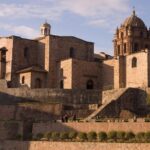
What’s not included is entrance cost. Your booking lists site entrances as PEN70 per person and also mentions Qorikancha entrance as PEN20 per person. The itinerary you’re going to do focuses on four ruins, so it’s worth double-checking what entrance fees apply to your exact day.
Here’s the practical take: if you’re comparing this to DIY taxi-and-ticket plans, you pay for convenience and someone to explain what you’re looking at. If you’re the type who likes reading every sign and figuring things out solo, you might spend less doing it independently. But if you want context while you’re standing in the ruins, the guide time is the value you’re buying.
Meeting point, start time, and how to keep pickup smooth
You start at HEIDI TRAVEL EIRLC. Plateros 324, Cusco 08000, and the tour begins at 10:00 am. It ends back at the same meeting point.
A small heads-up from real-world experience with this kind of operation: pick-up timing can vary, and one person reported a wait before the tour started. So I’d recommend arriving a few minutes early and confirming your group before heading out.
Once you’re on the tour van, it usually feels organized. Guides named Edith and Freddy were specifically mentioned for clear communication and a good rhythm through the stops. If English is your main language, it’s a strong sign when your guide makes the explanations easy to follow in both English and Spanish.
Stop 1: Sacsayhuaman’s zigzag walls and huge stones
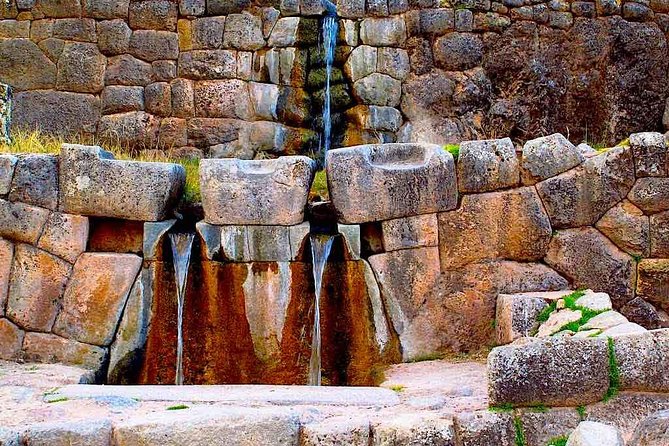
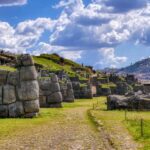
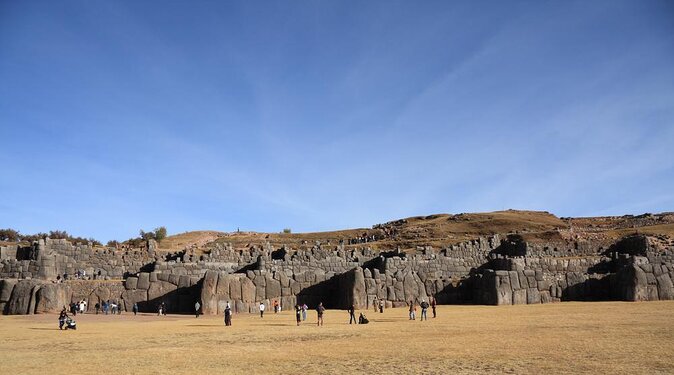
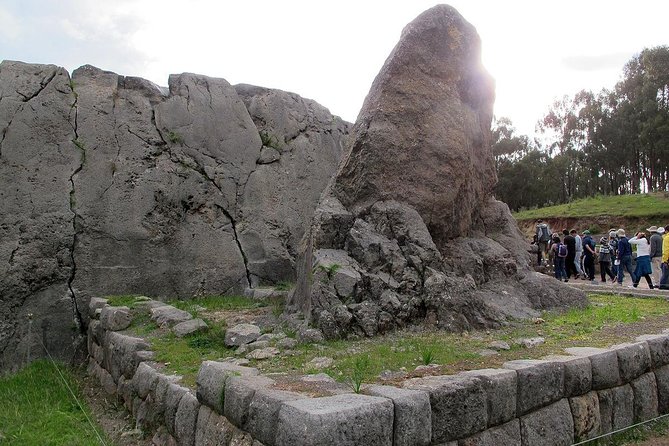
Sacsayhuaman sits above Cusco, and the first feeling you get is scale. The famous zigzag stone wall uses giant blocks—up to about 5 meters high and 2.5 meters wide—with stones weighing anywhere from 90 to 125 tons. Even if you don’t know Inca engineering terms, your brain recognizes weight and precision.
Your guide will likely frame it in a couple of ways. One common story is “fortress,” but it may also have had ceremonial importance. When the Spanish arrived in the 16th century, they reportedly called it a fortress. Later, during the Inca rebellion linked with Vilcabamba, it also functioned in that military-defense role.
Here’s what I think is most helpful for you to pay attention to:
- Look for the zigzag design and the way the wall fits the terrain.
- Notice how the site’s sacred architecture and harmony with surrounding high ground is part of the overall Inca way of building.
- Use the views as your orientation tool. From Sacsayhuaman, you can see summits including Ausangate, Pachatusán, and Cinca, which were considered sacred.
Time on this stop is listed as about 1 hour. If your legs are good and the air is holding steady, this is where you’ll want to slow down for photos and a long look.
Stop 2: Q’enqo, the monolith temple and the mystery of the liquid
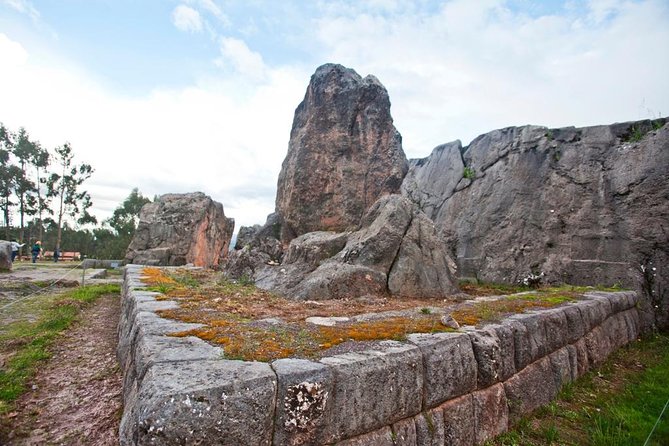
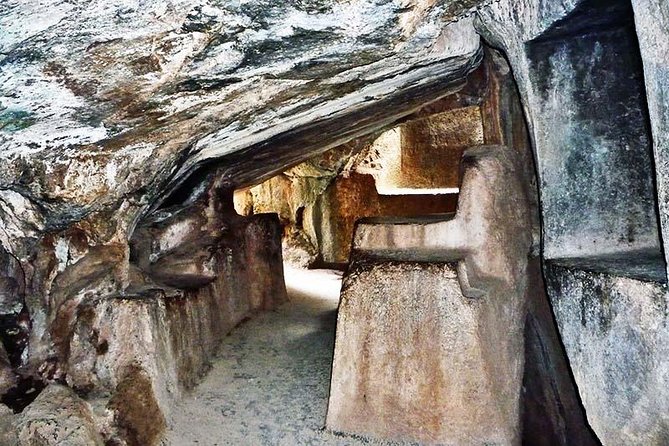
Q’enqo is the stop that often surprises people, because it feels darker and more puzzling than the giant-wall sites. The name in Quechua is often linked to labyrinth or zig-zag, and the carved temple is known for a crooked canal cut into the rock.
The canal likely moved some kind of liquid, but its exact purpose is lost. Hypotheses include holy water, chicha (corn beer), or blood. Another theory connects it to death rituals—possibly embalming—or to tests tied to whether someone lived rightly, based on how the liquid flowed.
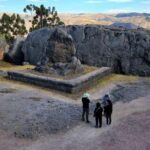
You don’t have to pick the correct theory to enjoy the site. The value here is the shape of the place: Q’enqo is carved out of a single massive monolith, mixing natural chambers with man-made tunnels. One chamber has 19 small niches, set up like an amphitheater. The original function of that theater is also unclear, but it’s often associated with worship or sacrifice connected to sun, moon, and star gods.
Practical tip: bring your “slow eyes” for this one. You’re looking at rock-cut spaces where you can’t always tell where natural ends and human begins. If you have questions, Q’enqo is a good place to ask, because the mysteries invite conversation.
This stop is also listed at about 1 hour, and it can feel quick if you’re moving too fast. If the guide calls out details, try not to skip them just to get more photos.

Stop 3: Puka Pukara and the “red fort” feel of uneven stone
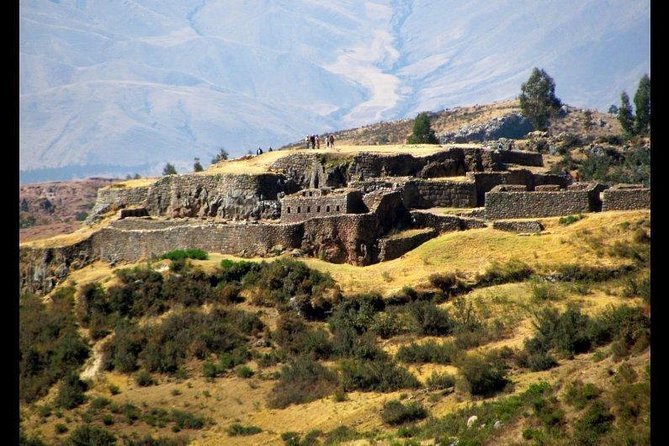
Puka Pukara means red fort—and the explanation you’ll hear is tied to the color of the earth and the way the site looks. The architecture is made with rocks of different sizes, with a more uneven surface than some other Inca sites.
This complex includes enclosures, canals, aqueducts, baths, and an ancient road that would have connected to the wider Inca road network known as Qhapaq Ñan. The site also has a lot of “layout logic” that you can track if you pay attention.
For example:
- You’ll see walls that create different levels, built in irregular ways to manage the terrain.
- There are rooms arranged in ways that avoid cutting directly into protruding stones.
- There’s a trapezoidal high point that you can access via an outside staircase.
Some explanations also talk about the site possibly functioning as barracks and a tambo (hostel) for an entourage waiting for the baths at Tambomachay. There’s even mention of a rumor about a tunnel that might connect towns.
Here’s what makes Puka Pukara worth your time even if you’re not a hardcore ruins person: it feels “lived in.” It’s not only about monuments. It’s about systems—water, movement, and infrastructure.
Time is listed as about 1 hour. If you’re short on energy, prioritize the higher vantage spots and the areas with canal/road cues.
Stop 4: Tambomachay’s terraces, water channels, and Bath of the Inca
Tambomachay is where the tour shifts from stone mystery to flowing water. It’s located just outside Cusco, about 4 miles north, and it sits around 12,150 feet (3,700 meters) in elevation.
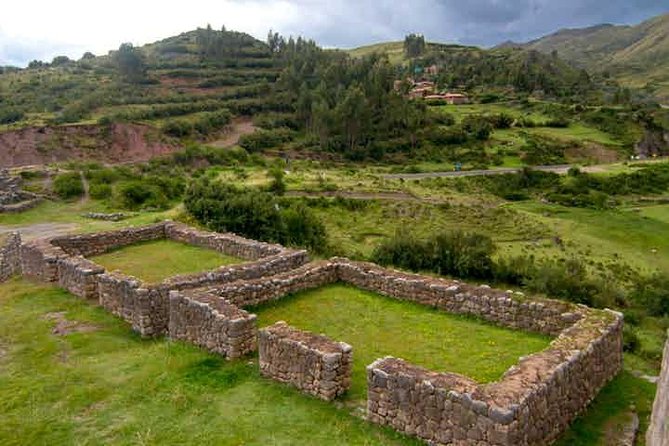
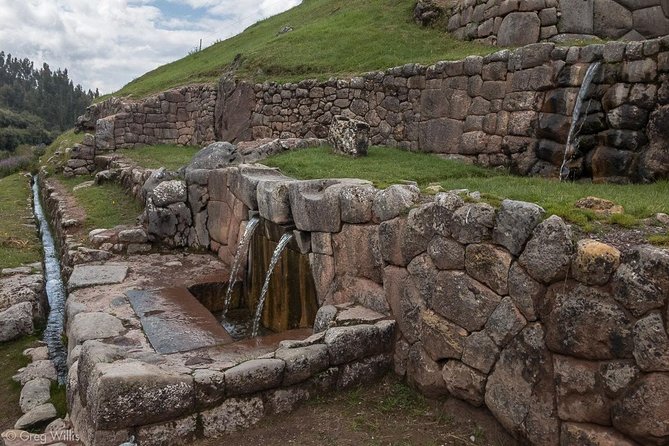
The site has three stepped terraces of precise Inca stonework. Some retaining walls include trapezoidal niches, and the whole layout runs over or into a natural spring. That spring feeds aqueducts, canals, and waterfalls across the terraces.
You’ll also hear it called El Baño del Inca—the Bath of the Inca. The “spa” theory is one of the big stories: high-altitude bathing for the Inca ruler and possibly elites. But it’s also described as possibly ceremonial or military, which is typical for Inca-era sites where the function isn’t always cleanly separated.
This stop is quieter in feel, and the water does something good for you on a practical level. After walking and stairs at the earlier ruins, you get a change of pace and a natural place to catch your breath.
Time here is listed as about 45 minutes. That’s enough to wander, watch the channels, and take photos without turning it into a marathon.
The real deal on walking, pace, and Cusco altitude
Altitude in Cusco isn’t dramatic all the time. It shows up in the small ways—shorter breaths, slower steps, extra fatigue on uphill stretches. In one experience, a family noted there is walking up to the sites, and if you haven’t adjusted yet, it can make you feel breathless. The good news is: guides typically don’t force a faster pace, and they can adapt to how you feel.
Still, you should plan for:
- Uneven ground and stairs at ruins.
- Short bursts of walking between stops, depending on where the van can park.
- A pace that can feel rushed if you prefer lingering.
The tour says about 6 hours, but I’d treat that as an ideal. If your schedule is tight, make peace with the fact that each stop is a “see it and learn it” version, not a “study it for hours” version.
What I’d do before you go:
- Wear layers. Cusco weather can shift even when the day starts sunny.
- Bring water. Not fancy—just enough to stay comfortable.
- Go slow on the climbs. Your goal is smooth breathing, not speed.
- If you use altitude meds or oxygen, bring them. Decide before you’re already struggling.
What you learn from these four ruins as a set
One reason this tour works is that it gives you a theme mix. You get:
- Defense and civic power at Sacsayhuaman, with giant stonework and dramatic Cusco views.
- Ritual and astronomy hints at Q’enqo, where the carved canal and theater-like niches push you to think beyond daily life.
- Infrastructure and daily systems at Puka Pukara, with canals, baths, and road connections.
- Water management and ceremony at Tambomachay, where terraces and springs show how the Incas shaped nature into a function.
If you’re doing Machu Picchu later, this tour is a useful warm-up. It helps you understand the broader Inca world around Cusco, not just the one famous icon.
And if you’re short on time overall, this route can act like a “starter pack” for what to look for when you visit sites on your own afterward.
Who should book this Cusco half-day Four Ruins tour
This is a strong fit if:
- You have limited time in Cusco and want a high return on a morning or early afternoon.
- You like guided explanations while standing in the actual ruins.
- You’re okay with moderate walking and can handle altitude comfortably with a slower pace.
It’s also a good option for people who don’t want the chaos of larger tour groups. With a cap of 15 travelers, the day tends to move with less crowding around the key points.
If you’re a serious architectural deep-dive person, you might wish you had more time per stop. But for most first-time Cusco visits, this is a practical way to get your bearings fast and learn what matters.
Should you book Heidi Travel’s Four Ruins tour?
If you want a smart half-day that covers four major Inca sites with transport and bilingual guiding, I’d say yes. The value comes from the combination: you’re not only seeing the stones, you’re getting the stories behind them—Sacsayhuaman’s fortress-or-ceremony debate, Q’enqo’s canal mysteries, Puka Pukara’s water-and-road hints, and Tambomachay’s terraces feeding off a spring.
The main reason to hesitate is pace. If you need long, slow exploration at one site, this format may feel rushed. And if you haven’t adjusted to altitude, plan to take the stairs and uneven ground slowly—Tambomachay especially sits high.
Quick note on risk management: the cancellation policy is flexible with free cancellation up to 24 hours in advance, so you can book without feeling locked in.
My advice: book it if your priority is an efficient, guided sampling of Cusco’s Inca surroundings. If your priority is deep time at one place, you may prefer a private or longer ruin-focused day.
FAQ
How long is the Cusco half-day Four Ruins tour?
The tour is listed as about 6 hours total. Some people may experience a shorter feel depending on timing at the sites.
How many people are in the group?
The maximum group size is 15.
What stops are included?
You’ll visit Sacsayhuaman, Q’enqo, Puka Pukara, and Tambomachay.
Is the entrance fees included in the price?
No. Entrance to sites is listed separately (PEN70 per person), and Qorikancha entrance is also listed separately (PEN20 per person). Confirm what applies to your day.
Does the tour include transportation?
Yes. Transport is included, and the tour starts and ends at the same meeting point.
What time does the tour start?
It starts at 10:00 am.
Is it a lot of walking?
There is walking and uphill movement up to the sites. The walking is described as not too hard, but altitude can make it feel breathless if you’re not acclimated.