REVIEW · CUSCO
Cusco: Sightseeing Tour of the City on an Open-Top Bus
Book on GetYourGuide →Operated by Cusco Open Tour: Open Bus City Sightseeing Operator · Bookable on GetYourGuide
Cusco makes sense fast from the top deck. I love the open-air panoramas that turn your first hours in town into real orientation, and I also like the Pachamama Inca ceremony that adds meaning beyond sightseeing. It’s a good way to learn Cusco’s big landmarks while your body adjusts to altitude.
One heads-up: this is a set route, not a hop-on hop-off bus, so plan on following the group timing and enjoying most sights from the bus or short photo stops.
In This Review
- Key highlights at a glance
- A Fast Cusco Orientation From the Open-Top Top Deck
- Starting Point on Sta. Catalina Angosta: The Quick Walk to the Bus
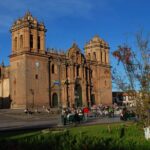
- Plaza de Armas and Historic Center Views: Your “Where Am I?” Moment
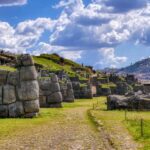
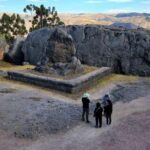
- Sacsayhuamán: The Archaeology Stop That’s More Than a Photo
- The “Secret” Stop: Ceremony, Break Time, and Textile Shopping Rhythm
- Cristo Blanco Mirador: The Wide-View Payoff Over Cusco
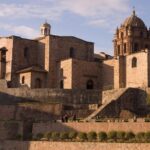
- Coricancha and the Late-Day Wrap: Seeing Cusco’s Layers
- Price and Value: Why $12 Can Be a Smart Cusco First Day
- What Guides Usually Do Well (and What to Watch)
- Comfort, Clothing, and Timing Tricks for High-Altitude Cusco
- Should You Book This Cusco Open-Top Bus Tour?
- FAQ
- How long is the Cusco sightseeing tour?
- How much does the tour cost?
- What languages is the live guide available in?
- Is food and drinks included?
- Where do I meet for the tour?
- What should I bring?
- Does the tour run in bad weather?
- Is this a hop-on, hop-off bus tour?
Key highlights at a glance
- Top-deck views from an open-top bus that help you get your bearings quickly
- Sacsayhuamán photo stops with a brief guided look at the archaeology
- A shamanic-style ceremony centered on Pachamama and the natural world
- Alpaca wool center stop with guidance on what to look for when shopping
- Cristo Blanco viewpoint for a wide view over Cusco and the surrounding hills
A Fast Cusco Orientation From the Open-Top Top Deck
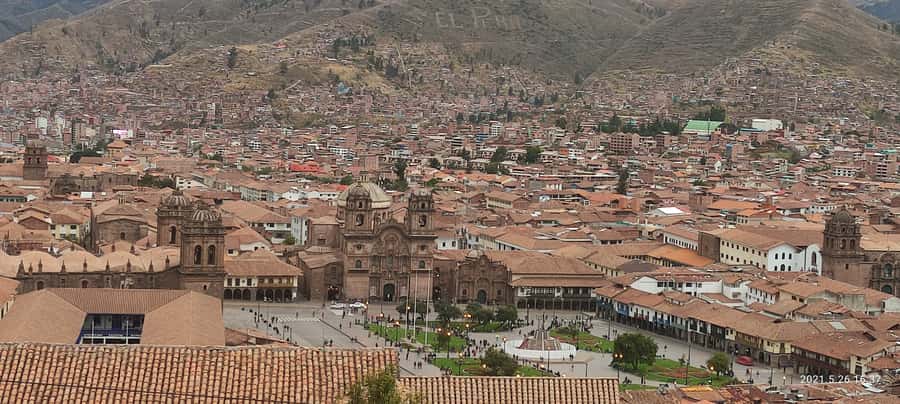
Cusco is hilly, compact, and a little confusing at first. This tour works because it’s built for orientation: you ride, you look, and your guide explains what you’re seeing while you catch your breath.
You’ll be on an open-top sightseeing bus for the main driving route, which makes a big difference. In places like Cusco, sitting up higher isn’t just for photos—it helps you understand how the neighborhoods and viewpoints connect. After about 150 minutes, you’ll know where you want to return on your own.
I also like that the tour isn’t only about Inca ruins or colonial churches. It mixes archaeology, city landmarks, and living traditions, including a ceremony honoring Pachamama (mother earth). It gives you more context for why Cusco still feels spiritual to many people.
You can also read our reviews of more city tours in Cusco
Starting Point on Sta. Catalina Angosta: The Quick Walk to the Bus
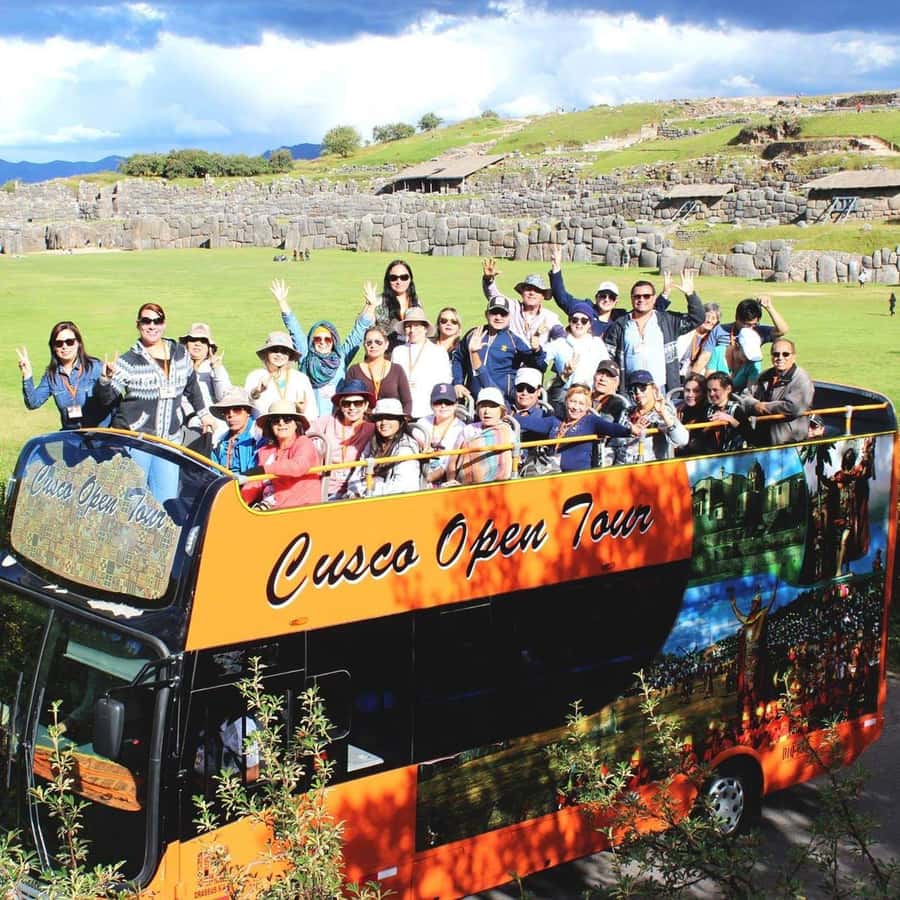
The meeting point is Sta. Catalina Angosta 120. Plan to exchange your voucher at the designated ticket counter before you board, then you’ll do a short on-foot walk (just a few minutes) to start the route.
What matters here is timing. Some tours in Cusco run with a tight schedule, and a few minutes of delay can mean you’re standing with the group waiting rather than getting settled on the bus. If you’re the type who likes to scout photo angles before departure, arrive early and don’t assume the bus will wait.
Also, the route runs rain or shine. That means you should think windproof and sun-protective at the same time. Cusco weather can change fast, and the bus ride is outdoors up on top.
Plaza de Armas and Historic Center Views: Your “Where Am I?” Moment
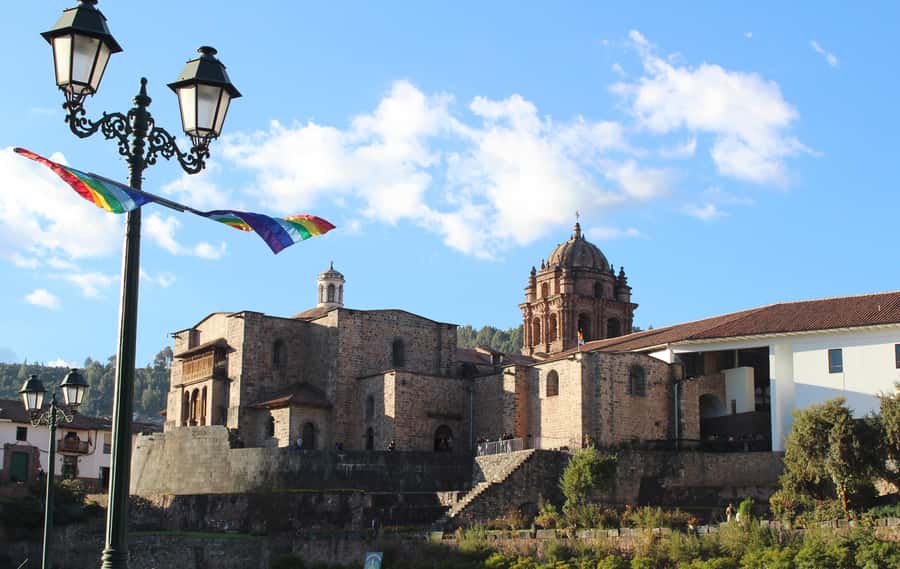
Right away, you’ll drive through the historic center of Cusco, which is the smart move for day one. Cusco’s altitude is real, and the bus format lets you acclimatize while still getting a feel for the city layout.
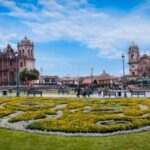
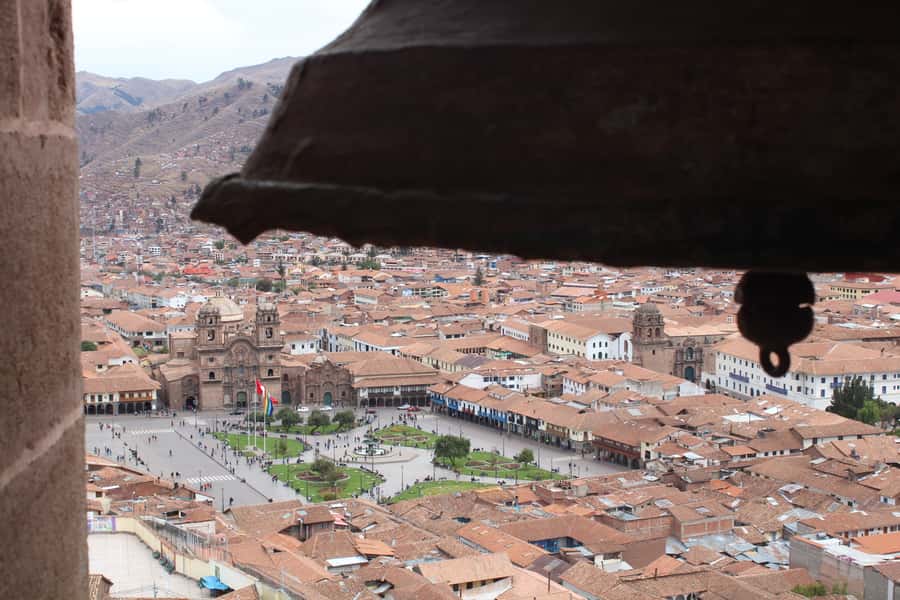
You’ll pass by and stop for photos at Plaza de Armas. That’s usually the easiest place to orient yourself because it’s the city’s central reference point. Even a short stop helps you understand where later landmarks sit in relation to the plaza.
From there, the guide’s narration matters. The tour is set up with bilingual commentary (Spanish and English), so you’re not just staring out a window. On the bus, you’ll hear why landmarks matter, not only what they are called.
Sacsayhuamán: The Archaeology Stop That’s More Than a Photo
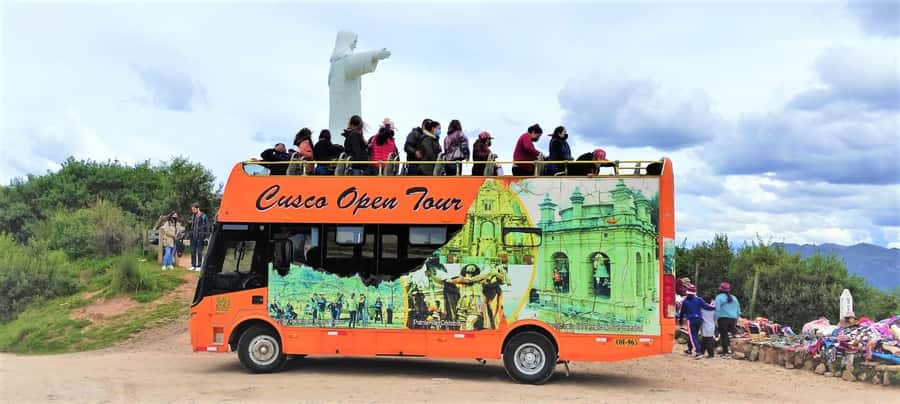
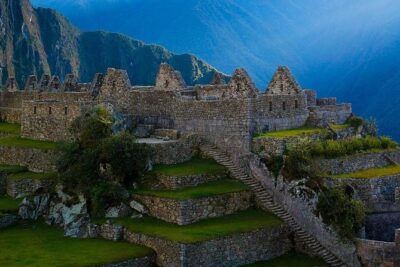
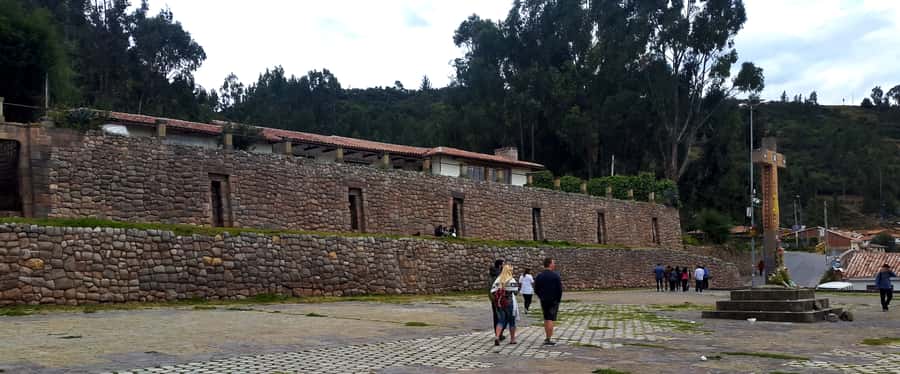
The tour includes time for Sacsayhuamán, one of Cusco’s best-known archaeological sites. You’ll get a photo stop and a guided look, and you’ll also spend a bit of time sightseeing as part of the bus route.
This is one of the most praised parts of the experience because Sacsayhuamán is dramatic and close enough to make sense on a first day. You don’t need to plan a long walk, and you still get a guided interpretation instead of wandering alone and guessing.
One practical note: the tour pacing is guided and group-based. That’s not a bad thing—it means you won’t get stuck missing the best angles—but it does mean you should arrive ready for short, focused time rather than a long exploration.
The “Secret” Stop: Ceremony, Break Time, and Textile Shopping Rhythm
There’s a longer break-and-shopping stop (about 30 minutes) that often becomes the emotional peak of the tour for many people. This part of the day is where the experience shifts from “look and learn” into “participate and understand.”
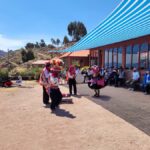
The tour includes a stop at a shamanic center for a traditional Inca ceremony honoring Pachamama, the mountains, and the natural world. Some guides highlight cleansing or blessing themes, and in many versions of this kind of ritual you may see coca-leaf traditions referenced as part of the practice. The tone is meant to be respectful and cultural, not costume-y.
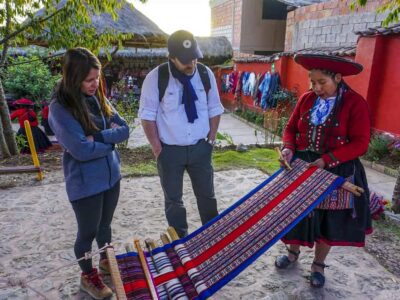
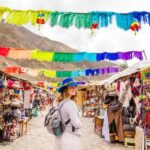
After the ceremony, the route continues toward a weaving center focused on alpaca wool. This is the part that earns real practical value. You’ll hear explanations about differences among alpaca wool types and what to look for when shopping for gifts. The goal isn’t just to sell—you’re supposed to walk away with recognition skills so you don’t buy something that doesn’t match what the label claims.
That said, there’s a consideration here. A few people feel the shopping atmosphere can be a little pushy, or that it turns into a sales rhythm. If you’re sensitive to that, treat the textile stop as a learning window. Ask quick questions about wool differences, take your time deciding, and set a firm plan for what you want to spend.
And yes, some days include the chance to meet and feed alpacas and llamas as part of the experience around this stop. If animals are a priority for you, this is one of the moments where you’re more likely to get that added interaction.
Cristo Blanco Mirador: The Wide-View Payoff Over Cusco
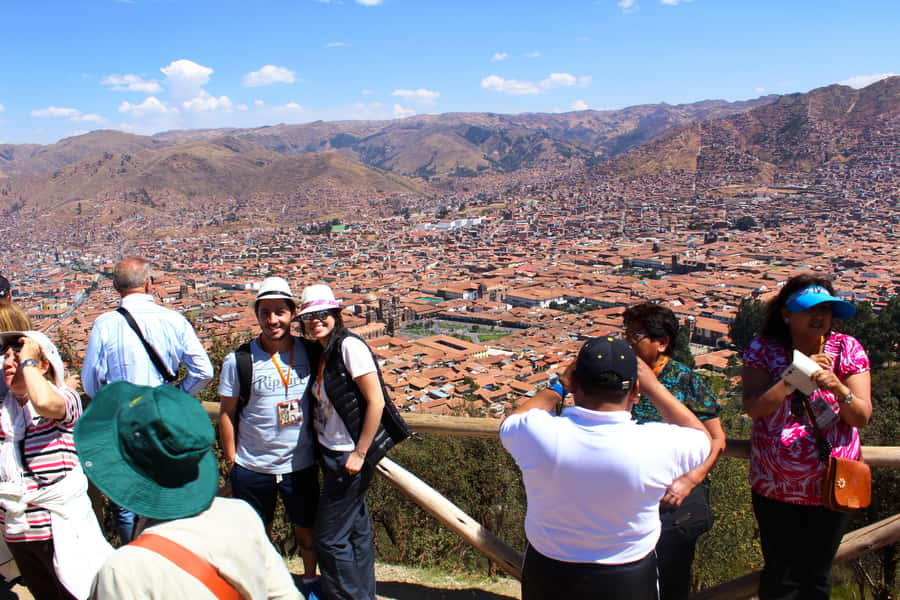
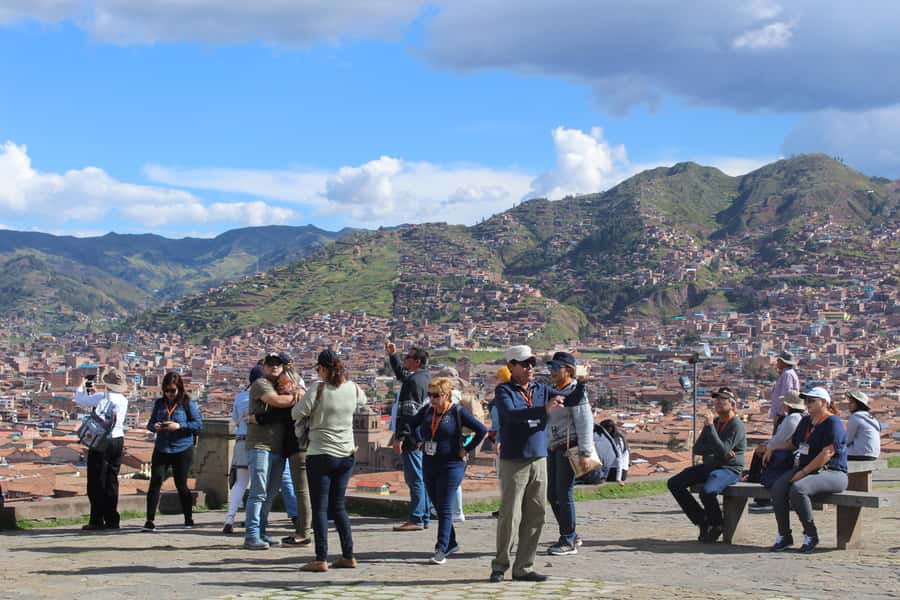
Next comes one of the most scenic photo segments: the Mirador desde el Cristo Blanco. You’ll stop for photos, with sightseeing time and bus touring included as you head up and back.
The big payoff here is the view. From Cristo Blanco’s hill area, you get a broad sense of Cusco’s setting—where rooftops and streets spread out, and how the surrounding heights frame the city. Even if you’ve seen photos online, it hits differently in person because the angles help your brain connect the dots.
This stop also works well if you’re tired from the morning walking. It’s not a long hike, and it pairs well with the open-top bus concept: look up, look around, and let the city geography settle in.
Coricancha and the Late-Day Wrap: Seeing Cusco’s Layers
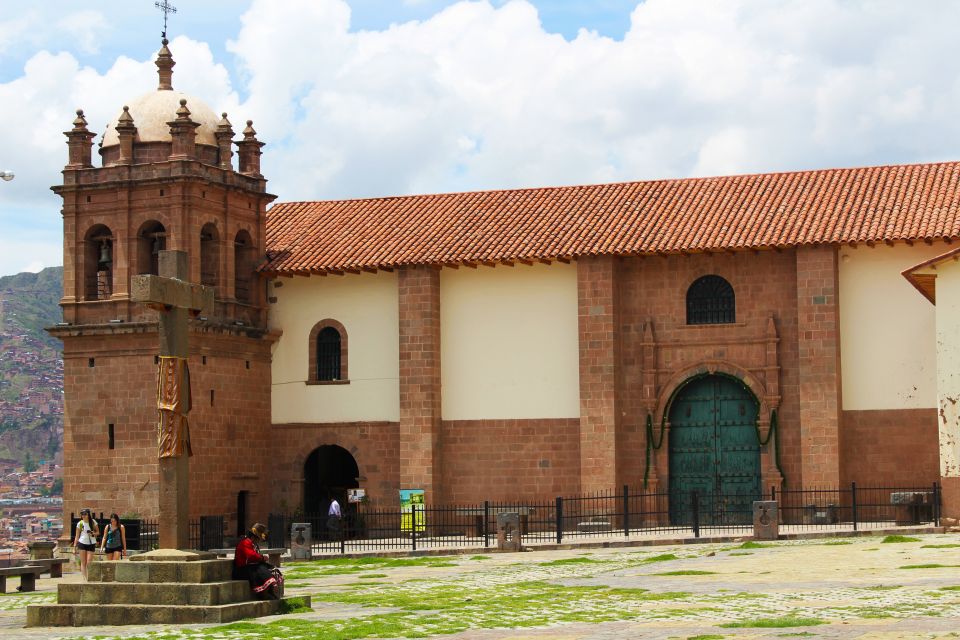
The tour includes Coricancha for sightseeing. Even if you’re not a deep-ruins person, it’s useful because it adds another layer to the Cusco story. You’re not only seeing one type of site or one era—you’re getting a cross-section of what makes Cusco significant.
At this stage, the timing matters. The day is designed to fit into about 150 minutes, so the stops are purposeful and paced. You’ll spend some moments on foot for photo opportunities or guided segments, but you’ll also spend plenty of time viewing from the bus.
The tour finishes back in the city area, at Calle Saphy. That matters because it leaves you positioned for your next move—dinner, a museum, or a first stroll toward the neighborhoods you liked most from the bus windows.
Price and Value: Why $12 Can Be a Smart Cusco First Day
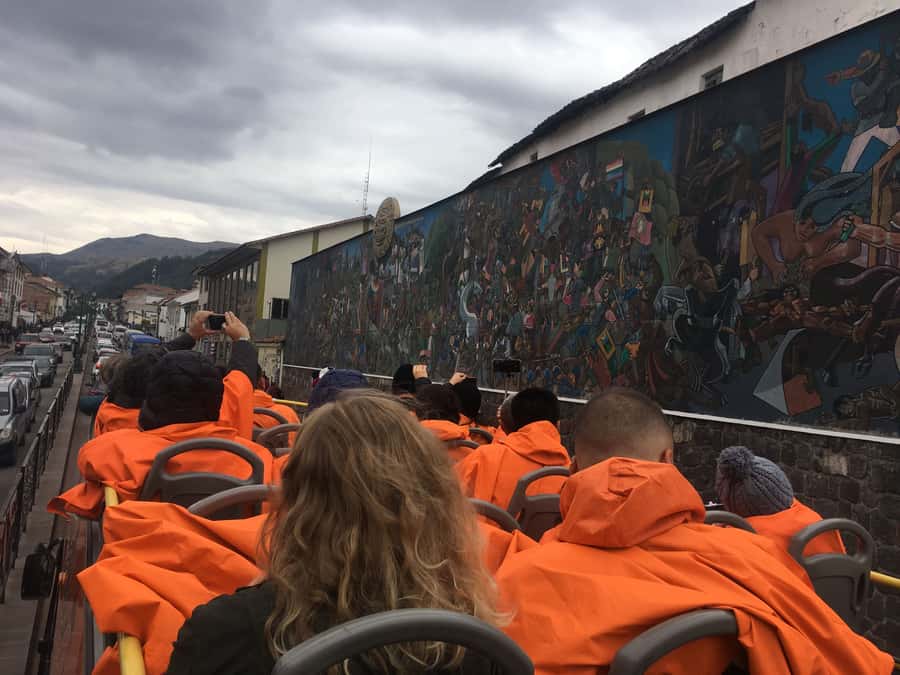
At about $12 per person for 150 minutes with a live guide, this tour is good value for one main reason: it gets you oriented fast. In Cusco, time is money, and altitude makes “I’ll wander for a few hours” a risky plan on day one. A guided bus loop is a realistic way to cover a lot while keeping effort low.
You’re also paying for more than transportation. You’re paying for:
- guided explanations in English and Spanish
- a structured route that includes Sacsayhuamán
- a viewpoint at Cristo Blanco
- cultural participation at a Pachamama ceremony
- an alpaca wool stop with practical shopping education
Is it perfect? No. Some people notice that English audio can be harder to pick up at certain moments because of wind and bus noise, and a few feel the shopping stop has a stronger sales vibe than expected. Still, the overall structure is what makes it work: you don’t waste your first day trying to plan piecemeal.
In short, if your goal is to learn the city’s shape and pick future targets, this tour earns its place.
What Guides Usually Do Well (and What to Watch)
The guide experience often drives the difference between an okay tour and a great one. Names that have come up include Joshua, Paulo/Paolo, Roxanna, AJ, and Joel. While you can’t control who you get, you can control how you prepare.
If your Spanish is limited, focus on the guide’s explanations early in the route when you’re freshest. That’s when you’ll understand most of the “why” behind each stop. Also, keep expectations realistic: even with bilingual narration, sometimes one language is louder or harder to hear depending on wind and group noise.
The tone of the ceremony is another key factor. People tend to leave the day feeling moved when the ritual is presented respectfully and explained clearly as Pachamama-focused tradition. If you’re not into ceremonies, you’ll still get the viewpoint and the archaeology, but this part is a big part of what people love most.
Comfort, Clothing, and Timing Tricks for High-Altitude Cusco
Bring the tour’s recommended items and you’ll be happier:
- Sunglasses
- Sun hat
- Biodegradable sunscreen
- Jacket
Cusco sun can be strong even when it feels chilly, and wind from open-air sections can sneak up on you. A hat and sunscreen are not optional if you want to stay comfortable through the bus rides and photo stops.
Also, the tour is designed to run rain or shine. If there’s wet weather, you’ll still ride and still stop. So think layers you can handle and a jacket you’re okay getting a bit damp.
Finally, remember the tour is built around short segments. That means you should plan to eat on your own schedule outside the tour window, because food and drinks aren’t included.
Should You Book This Cusco Open-Top Bus Tour?
Book it if you want a smart first-day plan: orientation from an open-top bus, a guided Sacsayhuamán look, a big Cristo Blanco viewpoint, and a meaningful Pachamama ceremony, all for around $12.
Skip it (or adjust expectations) if you strongly dislike shopping stops or you need a flexible, hop-off-when-you-want style. This is a set route, with limited off-bus time, and the group schedule controls the pace.
If you’re traveling light, acclimating, and want the city to click faster, this is an easy yes for many people in Cusco—especially if you like your sightseeing with a bit of culture attached.
FAQ
How long is the Cusco sightseeing tour?
The tour duration is 150 minutes (about 2.5 hours).
How much does the tour cost?
The price is listed as $12 per person.
What languages is the live guide available in?
The live tour guide is available in Spanish and English.
Is food and drinks included?
No. Food and drinks are not included.
Where do I meet for the tour?
You’ll meet at Sta. Catalina Angosta 120, and you should exchange your voucher at the designated ticket counter before the tour begins.
What should I bring?
Bring sunglasses, a sun hat, biodegradable sunscreen, and a jacket.
Does the tour run in bad weather?
Yes. The tour takes place rain or shine.
Is this a hop-on, hop-off bus tour?
No. It’s a set route with limited times to get off with the group, rather than hop-on hop-off at any stop.