REVIEW · CUSCO
City Tour Cusco Qoricancha Sacsayhuaman y Tambomachay
Book on GetYourGuide →Operated by World Explorer Peru · Bookable on GetYourGuide
Cusco has a way of making time feel strange. This tour strings together the Inca-era places you can still see today, from Qorikancha’s Temple of the Sun to the stone fortress of Sacsayhuamán, with a steady pace and practical stops along the way. I love that you get a guided walkthrough plus an audio guide to help you match what you’re hearing with what you’re seeing. One thing to consider: the main ruins include extra costs you’ll likely want to plan for, especially Qorikancha.
It’s also one of the easiest ways to get oriented in Cusco if you’re short on time. You’ll start at Plaza de Armas, ride between sites in shared transport, and end back in the historic center around Plaza Regocijo. With bilingual guides (English and Spanish) and lots of photo moments, this is a strong value at $13 per person—as long as you go in knowing it’s not a museum-only experience, it’s a real Cusco day under intense mountain sun.
In This Review
- Key things I’d pay attention to
- Cusco’s Inca Core in One 5-Hour Loop
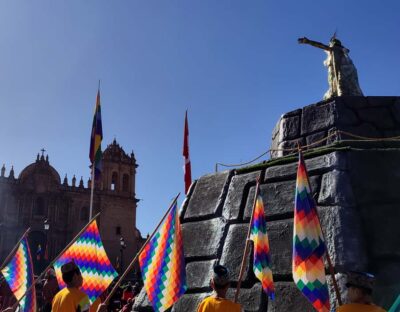
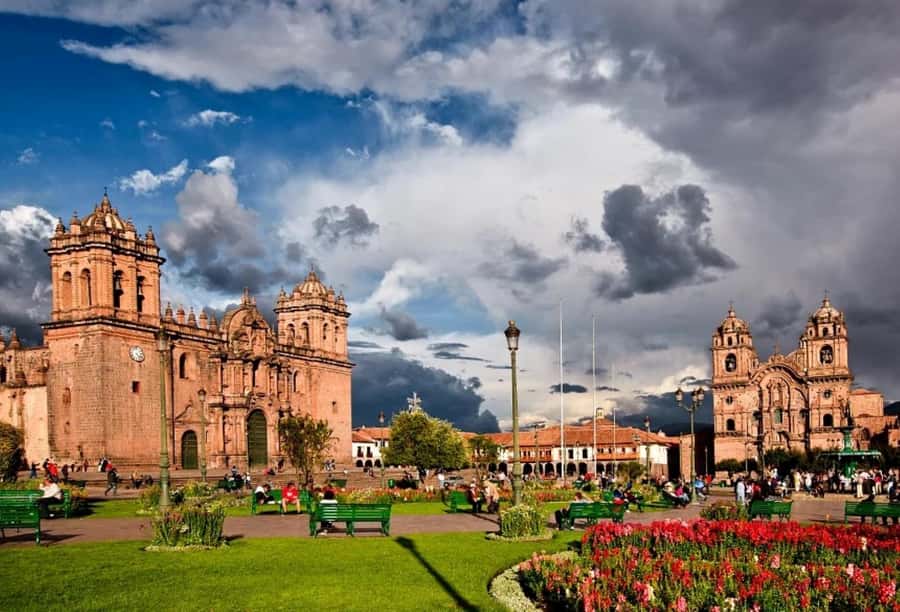
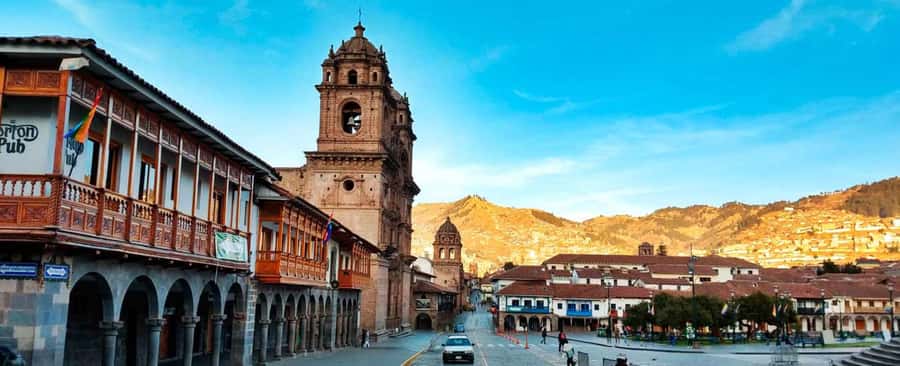
- Plaza de Armas: Where the Tour Gets Its Bearings
- Qorikancha and the Santo Domingo Connection
- Sacsayhuamán: Massive Stones, Serious Views
- Qenqo: Altars, Passages, and Rock Rituals
- Pucapucara: A Control Post With Traveler-Serving Purpose
- Tambomachay: The Inca Baths and Live Water Channels
- Puka Pukara’s Last Viewpoint Moment Before You Return
- Price and Value: Why $13 Can Still Make Sense
- Pace, Altitude, and Photo-Ready Comfort
- Who Should Book This Tour
- Who Might Want to Skip or Ask Questions First
- Should You Book This Cusco City Tour?
- FAQ
- What time does the tour run?
- How long is the tour?
- Where is the meeting point?
- Is transportation included?
- Who provides the guide and what languages are offered?
- Is Qorikancha entrance included in the price?
- Is the Cusco Tourist Ticket included?
- What should I bring?
- What restrictions should I know about?
- Is the tour wheelchair accessible?
Key things I’d pay attention to
- Plaza de Armas start: You begin in the right place, then work outward to the Inca sites.
- Qorikancha + Santo Domingo: It’s a rare chance to see how Inca foundations relate to later colonial building.
- Sacsayhuamán panoramas: Big stone walls plus sweeping views over Cusco make the hardest part worth it.
- Ceremony sites in sequence: Qenqo and Pucapucara help you understand how religion and military power overlapped.
- Tambomachay’s water system: Channels and fountains still moving today give the story a physical anchor.
- Extra ticket planning: Qorikancha entrance (and the Cusco Tourist Ticket) can add cost on top of the tour price.
Cusco’s Inca Core in One 5-Hour Loop
This is a 5-hour city circuit that focuses on Cusco’s most important Inca-era landmarks without trying to cram in everything at once. Morning usually runs from 9:00 AM to about 2:00 PM, with an afternoon option 1:00 PM to about 6:30 PM. That timing matters because Cusco’s light is sharp and the sun can feel strong, so you’ll want to be ready with sunscreen and a hat.
The tour is designed for orientation. If you’re only in Cusco a short time—or you want to avoid spending your first day figuring out buses and directions—this gives you a guided route that hits the highlights. You also get short walking segments at each major site, which is enough to experience the spaces without turning the day into an all-day endurance test.
You can also read our reviews of more city tours in Cusco
Plaza de Armas: Where the Tour Gets Its Bearings
You meet at Cusco’s Main Square, Plaza de Armas, next to the central fountain. Arrive about 10 minutes early so you’re not sprinting at altitude while everyone else is already gathering.
The tour kicks off with an introduction by your professional local guide. This matters more than it sounds. Cusco can feel like a maze—big plazas, narrow streets, and layered history. When the guide frames what you’re about to see (ceremonial purpose, defensive roles, and why these sites are positioned where they are), you’ll connect the dots faster during Qorikancha and Sacsayhuamán.
You’ll also be operating with both live guidance and an audio guide in English and Spanish, so even if you catch a question late, you can still follow along through the audio layer.
Qorikancha and the Santo Domingo Connection
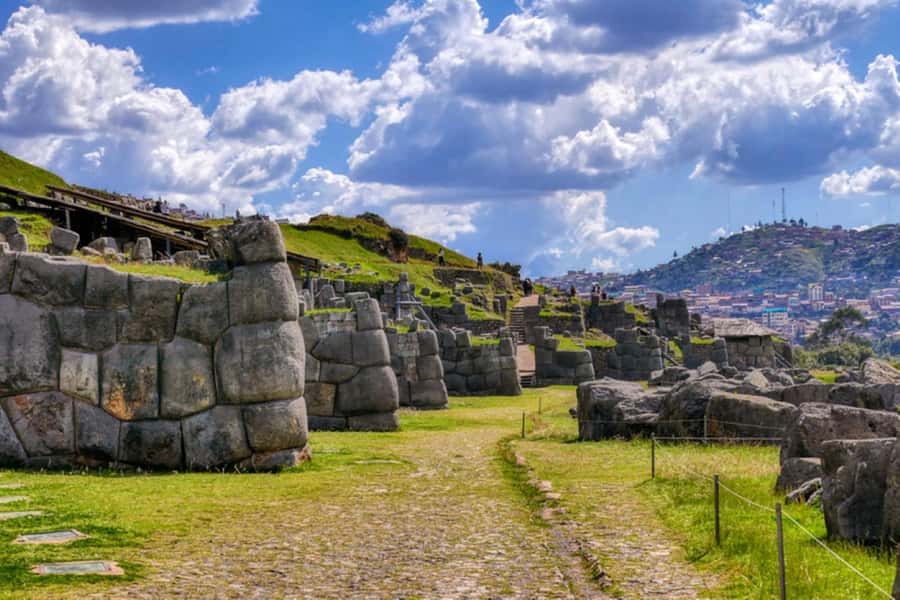
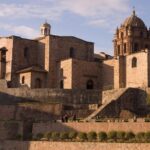
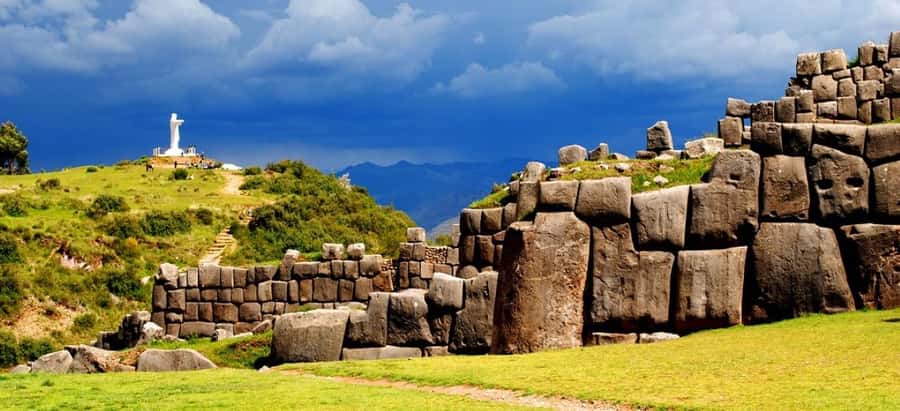
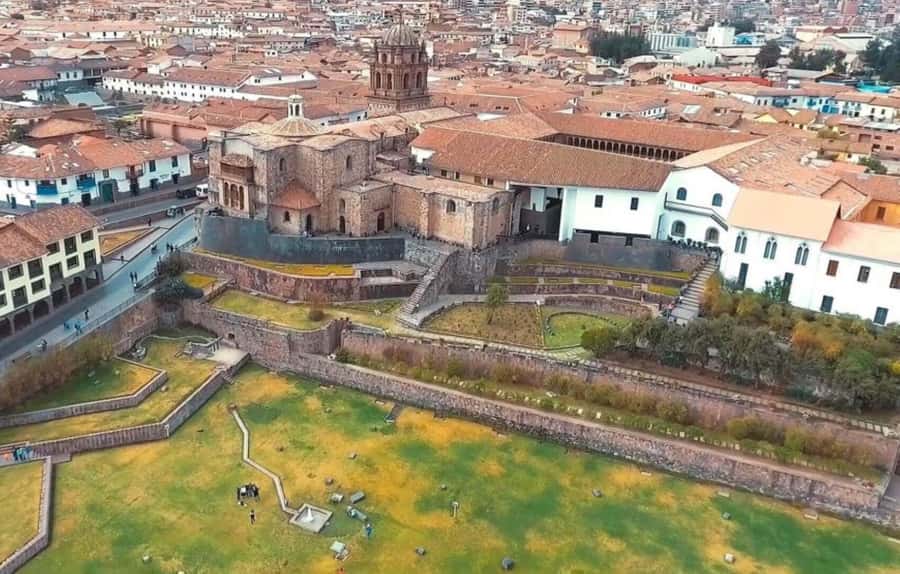
First big stop: Qorikancha (Temple of the Sun), described as the most important religious site of the Inca Empire. Even before you get into details, you can feel what made this place central—the attention to stonework and the way the structures were built to support ceremony.
Here’s what I like about this stop from a visitor’s point of view. Your guide explains the site’s ceremonial purpose, then you’ll see how the Santo Domingo Convent was built on top of Qorikancha’s foundations. That overlay is one of the most practical ways to understand Cusco’s layered history: Inca religious architecture didn’t just disappear overnight, it became part of what came later.
Expect time for photos and a guided walkthrough—around 40 minutes. If you’re the type who likes architecture and historical context, this is your first real payoff.
Sacsayhuamán: Massive Stones, Serious Views
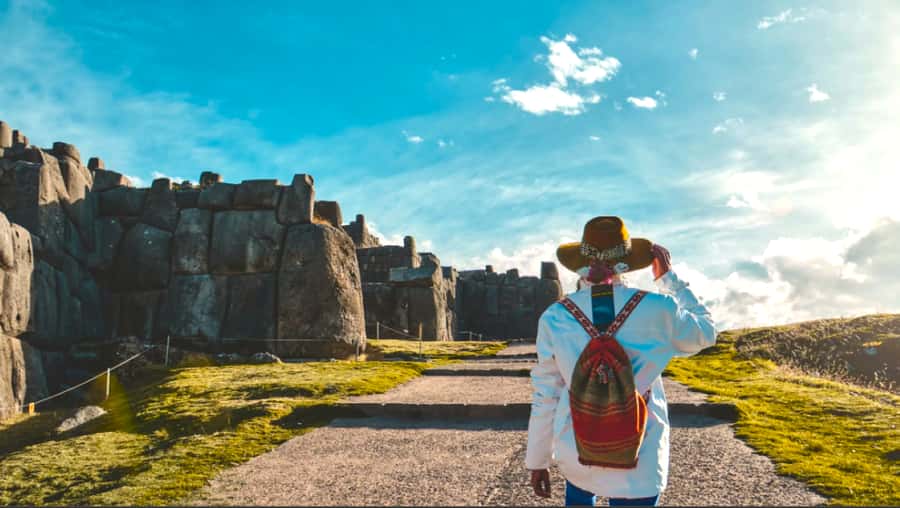
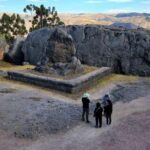
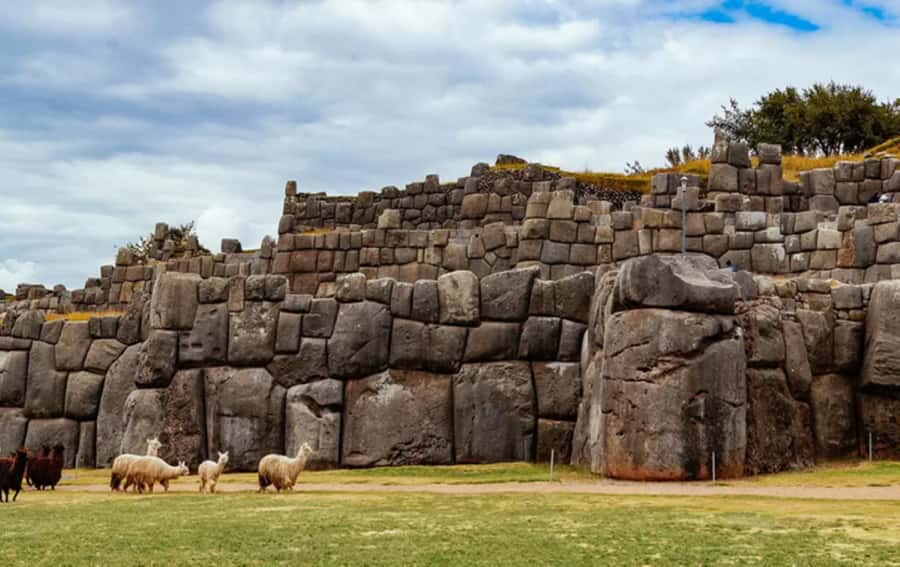
Then you move to Saksaywaman (Sacsayhuamán), the fortress famous for massive stone blocks and its strategic and ceremonial importance. This is the stop where your “wow” meter usually spikes. The stone scale hits you immediately, and the guide’s explanations help you understand that it’s not random wall-building—it was designed for both power and ritual meaning.
You’ll get:
- photo time and a guided visit
- some free time to look around at your pace
- walk segments and scenic viewpoints
You also get panoramic views of Cusco, and this is a good moment to slow down. Take a few minutes just to scan the city from above. Cusco’s hills and neighborhoods make more sense after you see them from the fortress angles.
Qenqo: Altars, Passages, and Rock Rituals
After the fortress, the route continues to Q’enco (Qenqo), a ceremonial center with altars, underground passages, and rock formations used for religious rituals. This is a different flavor of Inca site than Qorikancha and Sacsayhuamán.
Why it’s worth your time: Qenqo helps you understand that Inca spirituality wasn’t only about grand temples. It was also about specific spaces and even the shape of the terrain—rocks, lines of sight, and built-in features that supported ritual practices.
This stop includes a photo pause and guided explanation with walking and scenic driving time built into the schedule. If you’re trying to learn the “why” behind each site, Qenqo is where the tour starts to feel less like sightseeing and more like a connected story.
Pucapucara: A Control Post With Traveler-Serving Purpose
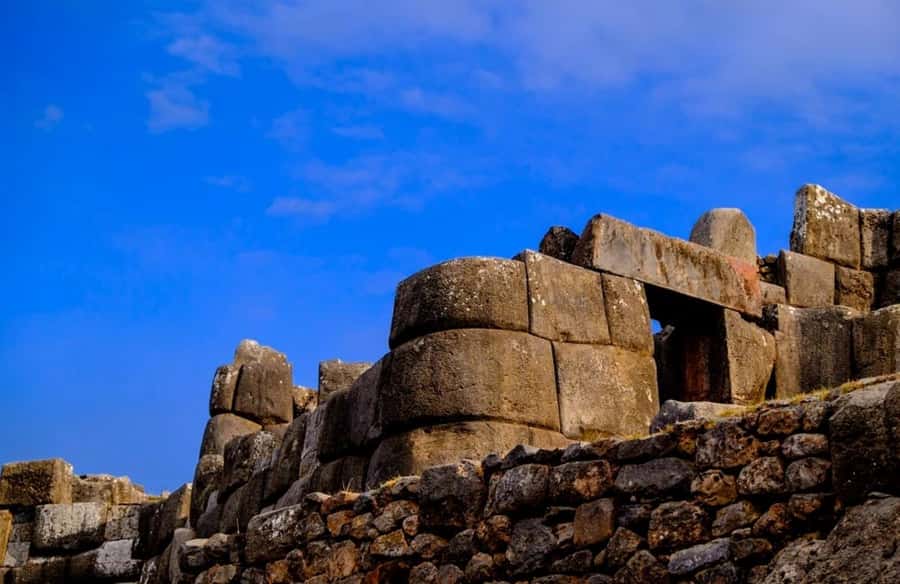
Next comes Puka Pukara / Pucapucara depending on how your guide spells it that day. The tour info describes Pucapucara as an ancient military and control post, with terraces and defensive structures. It also served as a resting place for Inca travelers.
This is a stop I’d recommend for anyone who likes practical history. Many tours treat ruins as pure monuments. Here, the framing pushes you to see the site as part of a functioning system—control, movement, and hospitality for people traveling through the empire.
You’ll typically have a photo stop plus guided sightseeing and scenic drive time. It’s not always the longest moment, but the “military + traveler stop” explanation gives it meaning.
Tambomachay: The Inca Baths and Live Water Channels
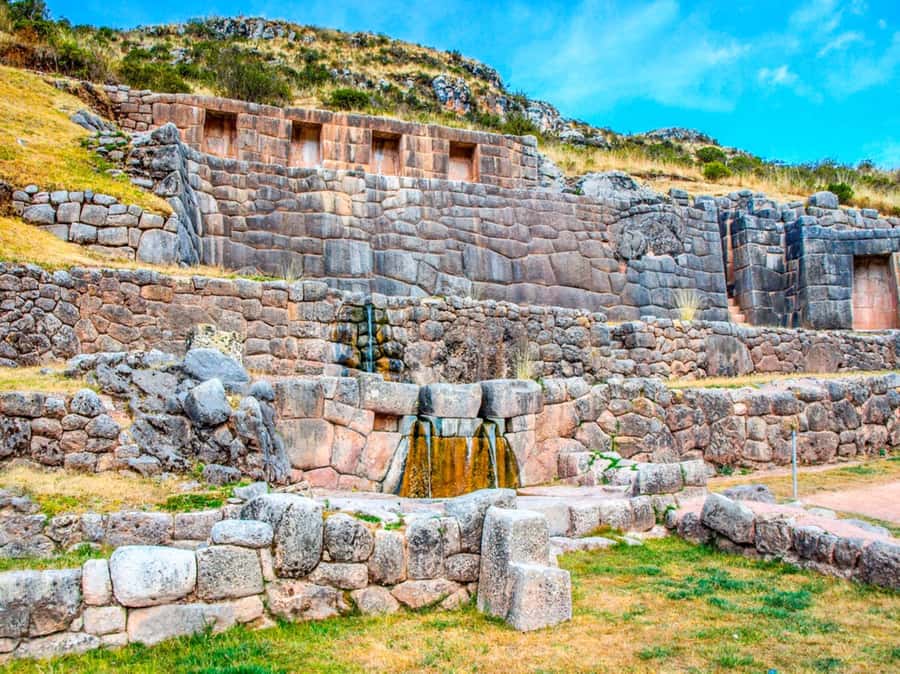
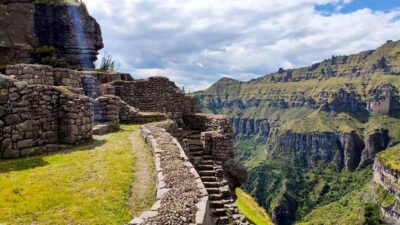
The tour then heads to Tambomachay, commonly described as the Inca Baths—dedicated to the worship of water. What makes this stop different is the detail that matters to your senses: channels and fountains still flow today.
Instead of only looking at stone, you’re seeing how water was engineered into the site’s religious life. Your guide connects the “why water” idea to the site’s layout, so you’re not just looking at ruins—you’re understanding the logic behind them.
Expect a break time and a guided visit with photo stops and free time. This is also a good moment to rehydrate, check your camera settings (shadow and sun contrast can be intense), and do a quick inventory of anything you forgot earlier—hat, sunscreen, or a quick cash stop.
Puka Pukara’s Last Viewpoint Moment Before You Return
Near the end, you’ll have another Puka Pukara moment noted in the route as a photo stop with scenic views on the way. Based on the tour pacing, this works like a final “seal the story” viewpoint—one more angle on the region before the tour finishes.
You’ll then head back toward the historic center and wrap up near Plaza Regocijo.
If your schedule is tight and you want to keep exploring after the tour, this ending point is convenient. It gives you the chance to continue on foot while Cusco is still in daylight.
Price and Value: Why $13 Can Still Make Sense
At $13 per person, this tour price is mainly paying for three things:
- a professional local guide (English/Spanish)
- shared transport between the main sites
- structured stops so you don’t waste time figuring out connections
What’s not included is where your true budgeting comes in. The tour lists:
- Qorikancha entrance ticket: S/ 20 soles
- Cusco Tourist Ticket: S/ 70 soles (listed as not included)
So the best way to think about value is this: the tour price gets you the route, timing, guide, and transport. Your extra costs are for specific site entry and whatever ticket you decide you need for broader access. If you’re planning to do multiple paid attractions in Cusco, the Tourist Ticket might still be worth it. If you mostly want the highlights, you can plan around the Qorikancha entrance fee and keep the rest focused.
Also keep an eye on the fact that the tour runs around five hours. You’re paying for a concentrated day, not a full-day hike. In Cusco, that often means more value than a longer tour that leaves you exhausted before you even start exploring neighborhoods.
Pace, Altitude, and Photo-Ready Comfort
Cusco’s altitude changes your experience fast. Even if you feel fine at Plaza de Armas, you may notice short climbs and longer stands at Sacsayhuamán and Qenqo.
This tour is built with breaks and “free time” pockets at key sites. Still, I’d treat it like an altitude-aware day:
- wear comfortable shoes you’ve already broken in
- take your time during the short walking segments
- slow down your pace on stone steps and uneven ground
- bring a daypack with water, a hat, and sunscreen
The tour also has clear rules on what not to bring. No drones, no weapons or sharp objects, and you shouldn’t plan on alcohol and drugs during the experience. If you’re carrying gear, keep it simple and pack light.
As for guides, the bilingual format is a big deal here. Some guide names you might hear in past departures include Luis, Nilo, Sergio, Condor, Erick, Manuel, Kali, and Ernesto. The pattern across these guides is that they tend to answer questions and keep the history connected to what you’re standing in front of—especially at Qorikancha and Sacsayhuamán.
Who Should Book This Tour
I’d book this tour if:
- you’re in Cusco for the first time and want a fast orientation to the Inca sites
- you want the highlights without committing a whole day to one huge excursion
- you like guided history that explains what you’re seeing, not just facts in a list
- you want a practical day with transport between stops rather than self-navigation
It’s also a smart “Plan B” option if you’re trying to protect your itinerary. A lot of people come to Cusco because they’re excited about bigger treks, then need a solid alternative day. This tour gives you real ruins time and strong viewpoints without the complexity.
Who Might Want to Skip or Ask Questions First
A few situations call for extra thought.
First, the tour’s wheelchair information is confusing in the provided details. It’s marked as wheelchair accessible, but also says it’s not suitable for wheelchair users. If mobility is a factor for you, confirm details with the operator before booking.
Second, if you hate guided structure and prefer wandering alone, you may find the fixed route and bus timing a little restrictive. This tour is built to guide you from place to place, not to let you follow your own impulses for hours.
Finally, if you’re expecting a quiet, museum-style pace with minimal walking, the tour’s short walking segments and “break time/photo time/free time” approach may feel too active.
Should You Book This Cusco City Tour?
If you want an efficient, well-guided introduction to Cusco’s Inca sites, I think this is a very fair choice—especially at $13. You get the big three anchors (Qorikancha, Sacsayhuamán, and Tambomachay) plus supporting ceremonial and defensive sites that round out the story.
Before you book, do two quick checks:
- Budget for Qorikancha entrance (S/ 20 soles) and consider whether the Cusco Tourist Ticket (S/ 70 soles) applies to your other plans.
- If you have mobility needs, confirm the contradiction about wheelchair suitability.
If you tick those boxes, this tour is an easy way to get your bearings fast and leave Cusco’s historic center with a clearer sense of how the Inca built a city around religion, defense, and water.
FAQ
What time does the tour run?
There are two options: a morning shift from 9:00 AM to about 2:00 PM, and an afternoon shift from 1:00 PM to about 6:30 PM.
How long is the tour?
The duration is about 5 hours.
Where is the meeting point?
You meet at Cusco’s Main Square (Plaza de Armas), next to the central fountain.
Is transportation included?
Yes. Tourist transportation is included as a shared service between stops.
Who provides the guide and what languages are offered?
A professional local guide accompanies you, and the tour includes live guidance in English and Spanish.
Is Qorikancha entrance included in the price?
No. The Temple of the Sun (Qorikancha) entrance ticket is listed separately at S/ 20.00 soles.
Is the Cusco Tourist Ticket included?
No. The Cusco Tourist Ticket is listed separately at S/ 70.00 soles.
What should I bring?
Bring your passport or ID card, sunglasses, sun hat, camera, sunscreen, comfortable clothes, cash, and a daypack.
What restrictions should I know about?
Drones are not allowed, and weapons or sharp objects are not allowed. Alcohol and drugs are also not allowed, and you must follow the rules about noise and littering.
Is the tour wheelchair accessible?
The information provided includes both wheelchair accessibility and a note that it is not suitable for wheelchair users, so you should confirm accessibility details before booking.