REVIEW · CUSCO
Rainbow Mountain Beat-the-Crowd: 7 AM Departure (Small groups)
Book on Viator →Operated by Machu Picchu Tours · Bookable on Viator
You start in the dark, then see color. I love the small group pace and the way the hike is planned to feel shorter than the usual Rainbow Mountain rush, and I also like that you get breakfast and lunch plus oxygen and first-aid support for the altitude. The main drawback: the early start and the high elevation can still be tough, even with the easier route.
This is a long-ish day, about 13 hours, but it’s built around smart timing and real support. You’ll leave Cusco very early, drive through the South Valley, then trek up to Vinicunca with a guide who talks safety first—and keeps an eye on you the whole way.
In This Review
- Why this beat-the-crowd trek is different (and usually worth it)
- The 4:30 AM pickup grind, minus the chaos
- Cusipata breakfast: you eat before you earn the altitude
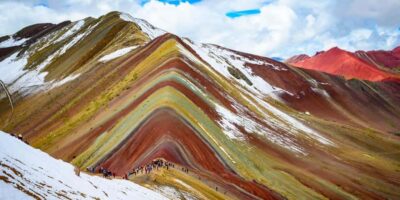
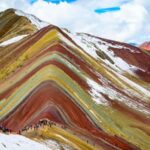
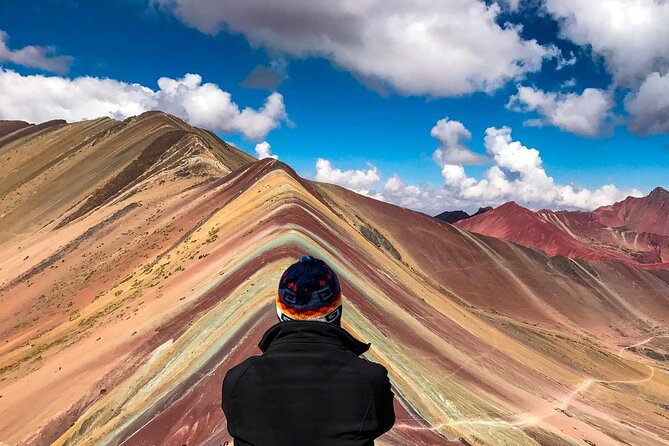
- Vinicunca trek: a steadier climb, summit rituals, and real Ausangate views
- The climb
- Summit moment and local meaning
- If hiking feels risky: horses are an option
- Guides who actually manage the altitude day
- The return loop: trekking down, then lunch, then home
- Price and value: what $99 really covers
- How hard is it, really? Fitness and altitude expectations
- What to pack so the day feels smooth
- Who this tour fits best
- Should you book Rainbow Mountain Beat-the-Crowd 7 AM Departure?
- FAQ
- Where does the tour start?
- What time is pickup?
- How long does the tour last?
- How many people are in the group?
- What is the price?
- What’s included in the price?
- What if I don’t feel confident hiking?
- Is the tour suitable for everyone?
- Are entrance tickets included?
- Can I cancel for a full refund?
Why this beat-the-crowd trek is different (and usually worth it)
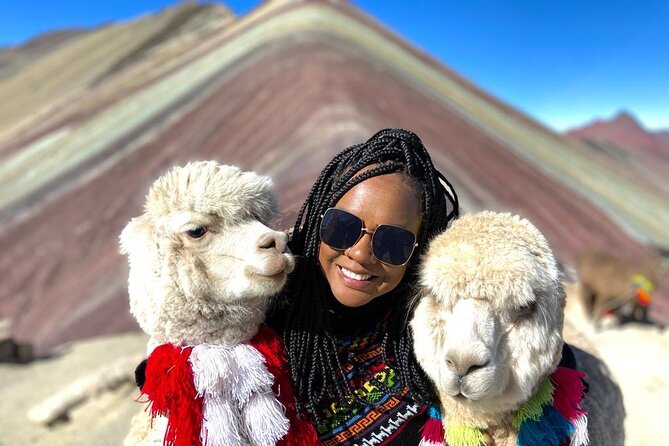
Small group size (up to 12, often around nine) means you’re not lost in a herd.
Breakfast + lunch are included, so you’re not scrambling for food at the wrong time.
Oxygen cans and a first-aid kit are included, which matters when you’re climbing fast.
A shorter trail plan helps you spend more time at the views and less time fighting fatigue.
Apu Ausangate is part of the story, not just a random photo stop.
The 4:30 AM pickup grind, minus the chaos
This tour starts with a very early pickup from the JW Marriott El Convento Cuscoy area. The schedule is tight: you’re picked up around 4:30 AM, then it’s a couple hours driving out of Cusco toward Cusipata.
Why it matters: Rainbow Mountain days live or die by timing. Leaving early helps you reach Vinicunca before the biggest crowds stack up, and it also gives you a better shot at calmer conditions on the climb. You’ll also be awake and moving before the day turns into a long, waiting game.
One practical note: the tour is listed with a 7:00 AM start time, but the pickup happens earlier. Either way, plan for very little sleep and treat breakfast like your real fuel. Bring a layer for the cold start—Cusco mornings can feel chilly even when the afternoon warms up.
You can also read our reviews of more tours and experiences in Cusco.

Cusipata breakfast: you eat before you earn the altitude
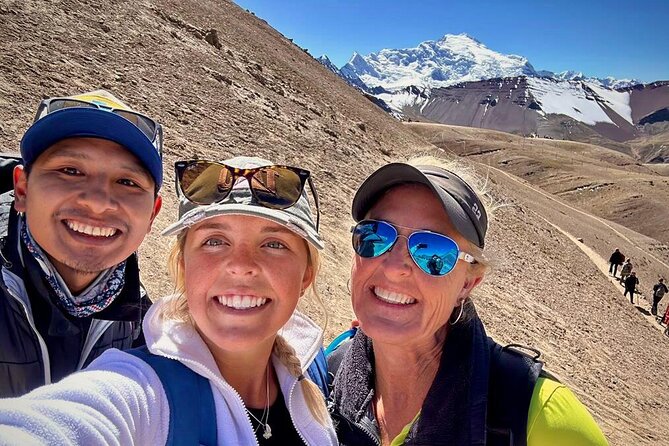
Once you get to Cusipata, you stop for breakfast. This is one of the things I like most about this setup: you’re not trekking on an empty tank.
You’ll then drive another hour to the trailhead. That drive time is useful. It breaks up the day so you’re not thrown straight into cold air, thin air, and steep ground all at once. At this altitude, starting “calm” is a strategy, not a vibe.
Also, lunch is included later back in Cusipata, and one group described lunch in a buffet style with vegan options. You shouldn’t assume that’s guaranteed every day, but it’s a good sign that food planning isn’t ignored.
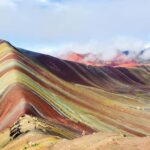
Vinicunca trek: a steadier climb, summit rituals, and real Ausangate views
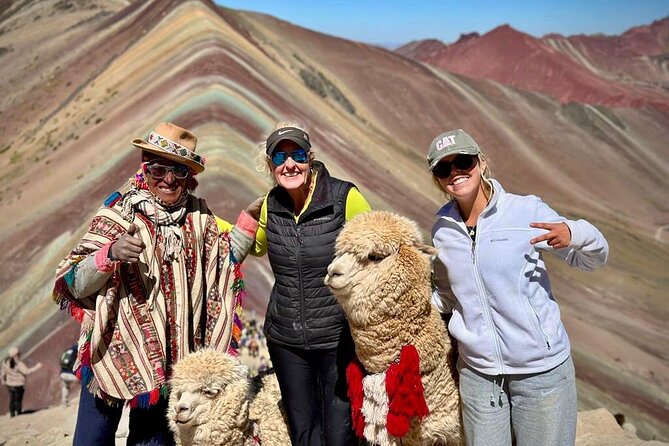
The trekking section is where this trip earns its reputation. Before you start, your guide gives a safety briefing. That part may sound basic, but it’s not. Guides set the pace, explain what to do if you feel unwell, and generally help you understand how hard you should push.
The climb
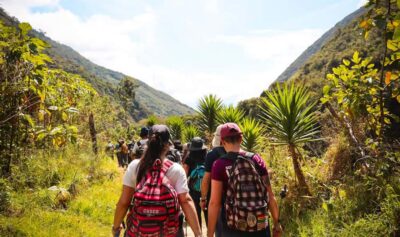
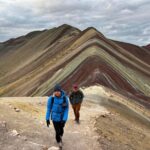
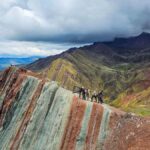
You begin with a gradual uphill climb for about two hours. The key word here is gradual. Instead of sprinting your way up (bad idea at altitude), this plan supports a slower rhythm and better breathing.
On the way, you get stunning views and you pass through areas with Andean farms. You may also spot camelids grazing—people commonly look out for llamas and alpacas along the route.
Summit moment and local meaning
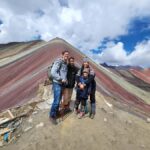
Once you reach the top, your guide shares local rituals and helps you see Ausangate peak in the distance. Ausangate is considered sacred in local tradition, and it tends to dominate the southern skyline of Cusco on clear days.
Why this adds value: if all you want is a “rainbow mountain” photo, you can still get it. But guides who explain the sacred context make the visit feel more respectful and less like a quick roadside stop.
If hiking feels risky: horses are an option
If you’re not sure about hiking, you can rent a horse from the local community. The advice is to negotiate the arrangement before you agree. If you’re thinking about doing this, don’t wait until the last minute—decide early so you’re not pressured when you’re already breathless.
One more altitude reality check: even with the “less demanding” plan, you’re still climbing high. Some people feel fine. Others need extra breaks. Your guide should help you pace it.
Guides who actually manage the altitude day
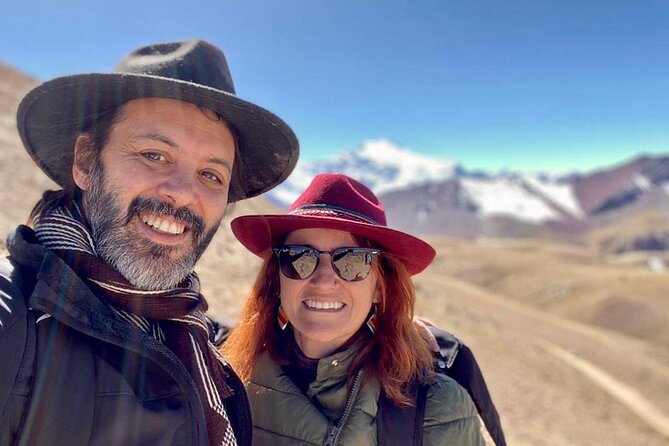
The best part of this tour isn’t just the mountain. It’s the way the day is managed by the guide.
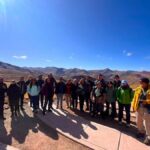
From the guides featured, you’ll notice a pattern: they’re patient, they explain what to expect, and they keep safety front and center. People specifically praised guides like John, José, William, Charley, and Kevin for being supportive at the high point and for staying attentive when someone needed to go slower.
Here’s what you can take from that if you’re nervous about altitude:
- Expect a slower pace and frequent check-ins.
- Guides tend to help you adjust when you feel sick or tired.
- If you’re concerned about photos or timing, ask. Multiple guides were praised for being willing to help with picture spots and for taking great shots.
One detail that also shows up in real-world service: on some departures, you might be offered things like coca candy and aromatic oils for altitude comfort, plus gear like hiking sticks and oxygen. Those items aren’t listed as guaranteed in the core inclusions, but it’s a good sign that crews understand how altitude feels in practice.
The return loop: trekking down, then lunch, then home
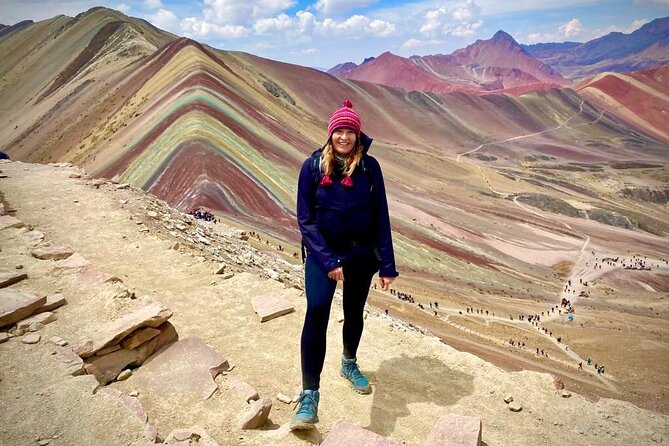
After your time at the summit, you start the trek back. The driving portion is built in right after, so you’re not stuck waiting for transportation after you’re already tired.
Back at the trailhead, your driver is waiting, and you drive back to Cusipata for lunch. After lunch, you continue with the return drive to Cusco.
This matters because a Rainbow Mountain day can turn into a grind if you’re left to wander. Here, the flow is set: trek up, views and rituals, trek down, eat, then head back. You still end the day worn out, but you’re not stuck in the “what now?” zone.
Some departures have rain on the way back. If you’re planning for that, pack a waterproof layer and shoes that can handle slippery ground. Even if it doesn’t rain, that higher elevation can feel damp or windy.
Price and value: what $99 really covers
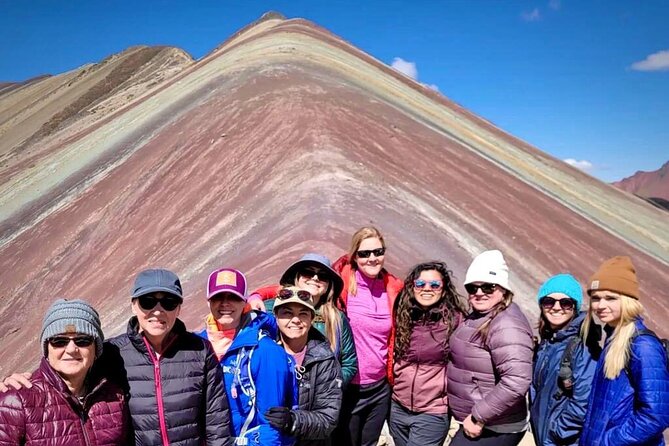
At $99 per person, this is positioned as a full-day, structured service—not just transport to a trailhead. What you’re paying for is the whole risk-management package.
Included items that affect real value:
- Professional English-speaking mountaineering expert (not just a generic guide)
- Round-trip transport
- Breakfast (before the trek) and lunch afterward
- Entrance fees
- First aid kit and oxygen cans
When you compare it to buying transport + food + separate guiding on your own, the math usually favors a package like this—especially because the day is long and timing matters. You also avoid the stress of coordinating multiple parts while your body is busy adjusting to altitude.
Where to be a bit careful: $99 is still a bargain in a good way, but the mountain doesn’t care about your budget. You’ll still need moderate fitness and a realistic attitude toward altitude.
How hard is it, really? Fitness and altitude expectations
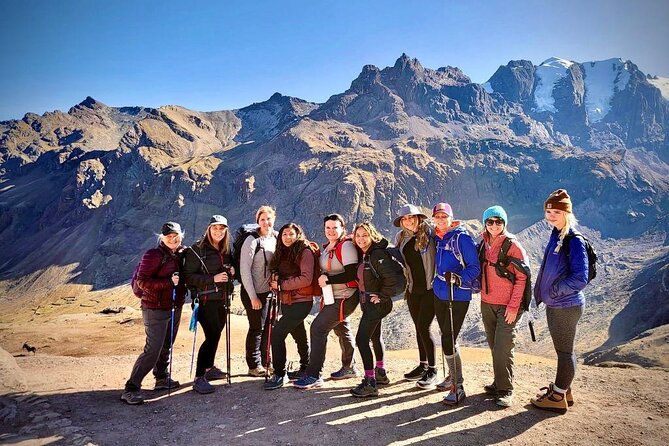
The tour is described as suitable for moderate physical fitness. That’s a fair warning label, not a promise that it will feel easy.
At Rainbow Mountain altitude, your limiting factor is often breathing, not strength. Even with a gradual climb and a shorter trail plan, you might need to rest often. That’s normal. The smarter move is to follow your guide’s pace and avoid trying to “prove” yourself on the ascent.
If you’re prone to motion sickness or you get uneasy on windy roads, the long drive to the trailhead can feel intense. You may want to pack your usual motion-sickness support and tell your guide early so they can help you manage the day comfortably.
And if you start feeling sick:
- Slow down right away.
- Tell your guide.
- Use the included support tools like oxygen cans if needed.
What to pack so the day feels smooth
You don’t need a mountaineering kit for this. But you do want to be ready for cold mornings, altitude, and uneven paths.
Bring:
- A warm layer for early pickup and wind at elevation
- Rain protection, just in case
- Solid shoes for rocky and possibly slippery ground
- Water and snacks only if you prefer them, even though breakfast and lunch are included
- Sunglasses and sunscreen (thin air + strong sun is a bad combo)
- Any personal altitude aids you already use
Also, if you might rent a horse, decide beforehand how you’ll handle that option. It’s easier to negotiate and commit before your energy dips.
Who this tour fits best
This is a strong match if you:
- Want a beat-the-crowd style day
- Like structured tours with meals and safety support built in
- Prefer a small group where guides can keep track of you
- Are looking for guidance up high, not just a generic hiking outing
It might be less ideal if you:
- Have health concerns that make high altitude risky (in that case, get medical advice first)
- Hate very early mornings and long travel days
- Expect a low-effort walk with zero altitude challenge
Should you book Rainbow Mountain Beat-the-Crowd 7 AM Departure?
If your goal is to see Vinicunca with less chaos, more support, and a plan that respects altitude, this tour makes sense. The combination of a small group, meals included, and oxygen/first-aid support turns a difficult day into something you can actually manage.
I’d book it if you’re comfortable with moderate fitness and you want a guide-led experience that includes the local meaning behind the summit—not only the viewpoint.
I’d skip or reassess if you know altitude hits you hard, or if very early starts will derail your whole trip. In that case, you could look for different pacing options (but you’d need to compare schedules and difficulty carefully).
If you do book, set expectations: you’re going for the views and the experience, not a relaxed stroll.
FAQ
Where does the tour start?
The tour starts at the JW Marriott El Convento Cuscoy area in Cusco (listed meeting point).
What time is pickup?
You’re picked up from your Cusco hotel around 4:30 AM. The activity is listed with a 7:00 am start time, so expect an early departure either way.
How long does the tour last?
The duration is about 13 hours (approx.).
How many people are in the group?
The tour has a maximum of 12 travelers, and it’s described as a small group size (nine highlighted as a personal experience).
What is the price?
It’s $99.00 per person.
What’s included in the price?
Included are a professional English-speaking mountaineering expert, round-trip transport, breakfast before the trek, lunch afterward, entrance fees, first aid kit, and oxygen cans.
What if I don’t feel confident hiking?
There is an option to rent a horse from the local community if you’re not sure about hiking. You should negotiate the arrangement before renting.
Is the tour suitable for everyone?
It’s suggested for travelers with moderate physical fitness.
Are entrance tickets included?
Yes. Entrance fees are included.
Can I cancel for a full refund?
Yes. Free cancellation is allowed up to 24 hours in advance of the experience’s start time.