REVIEW · URUBAMBA
Sacred Valley Tour 1 Day
Book on GetYourGuide →Operated by 69 ExplorerPeru · Bookable on GetYourGuide
Cusco’s high-altitude roads turn into a full day of Incan stops. This Sacred Valley Tour is interesting because it strings together big archaeological highlights plus living culture, all with a bilingual guide who explains what you’re seeing. My favorite part is the combo of Pisac and Ollantaytambo, which gives you both market energy and serious stonework.
The one drawback to plan for is the moderate walking at high altitude. You’ll be moving throughout the day, and you’ll hit elevations up to 3,700 meters.
In This Review
- Quick Hits on This One-Day Sacred Valley Tour
- A One-Day Sacred Valley Loop From Cusco
- Chinchero First: Textiles and Terraces Before the Big Ruins
- Maras Salt Mines: Patchwork Pans and a Clear Photo Moment
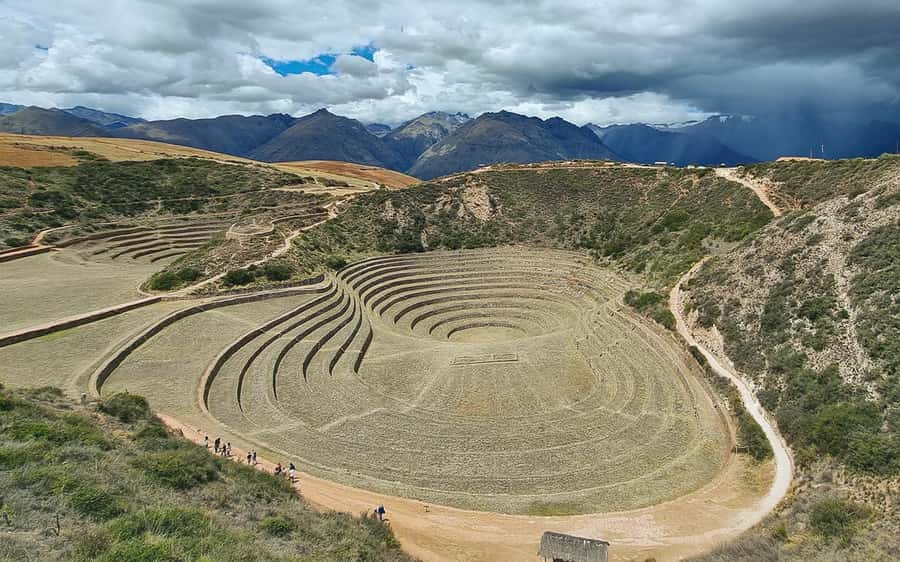
- Moray Terraces: The Circular Site That Feels Like a Puzzle
- Urubamba Buffet Lunch: A Real Break in the Middle of the Day
- Ollantaytambo: Fortress Energy and Terrace Views
- Pisac Market and Ruins: Colorful Craft + Archaeology Finish
- How the Day Feels: Timing, Distance, and Altitude
- What’s Included vs. What You Need to Pay Separately
- What to Bring So the Day Doesn’t Get Annoying
- Who Should Book This Tour (and Who Might Skip It)
- Should You Book This Sacred Valley Tour 1 Day?
- FAQ
- How long is the Sacred Valley Tour?
- Where does the tour start in Cusco?
- Is lunch included?
- What sites are included in the day?
- Are entrance fees included?
- What languages are available during the tour?
- Do I need travel insurance?
- What should I bring for the tour?
Quick Hits on This One-Day Sacred Valley Tour
- Chinchero textiles and terraces give you context before the ruins
- Maras Salt Mines: patchwork salt pans that have been used since Incan times
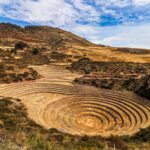
- Moray’s circular terraces: a design believed to be an agricultural experiment
- Urubamba buffet lunch: refuel in the valley without losing time
- Ollantaytambo: fortress views plus terrace climbing
- Pisac market and ruins: the day ends with crafts, color, and archaeology
A One-Day Sacred Valley Loop From Cusco
This is the kind of tour that works if you’re short on time but still want a real Sacred Valley day. You’ll cover about 95 kilometers round trip, and you’ll be back in Cusco in the evening. Total time runs about 11 hours (the pacing fits a full-day outing), with comfort stops along the way.
The route is built for variety. You’ll go from cultural craft and terraces (Chinchero) to working landscapes (Maras Salt Mines), to archaeological “why does this shape exist?” (Moray), to a valley lunch stop (Urubamba), and then to the two power anchors: Ollantaytambo and Pisac.
The biggest practical perk: everything is organized. Comfortable round-trip transportation is included, along with all transportation fees. That means you can spend your energy on sights and photos instead of figuring out schedules between towns.
You can also read our reviews of more tours and experiences in Urubamba
Chinchero First: Textiles and Terraces Before the Big Ruins
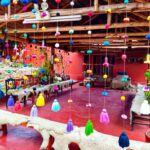
You start with Chinchero, a great first stop because it gives you cultural context fast. You’ll see intricate textile art and learn about traditional weaving techniques from local experts. This matters because once you later look at stonework and agricultural sites, the day stops feeling like random stops on a map.
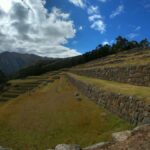
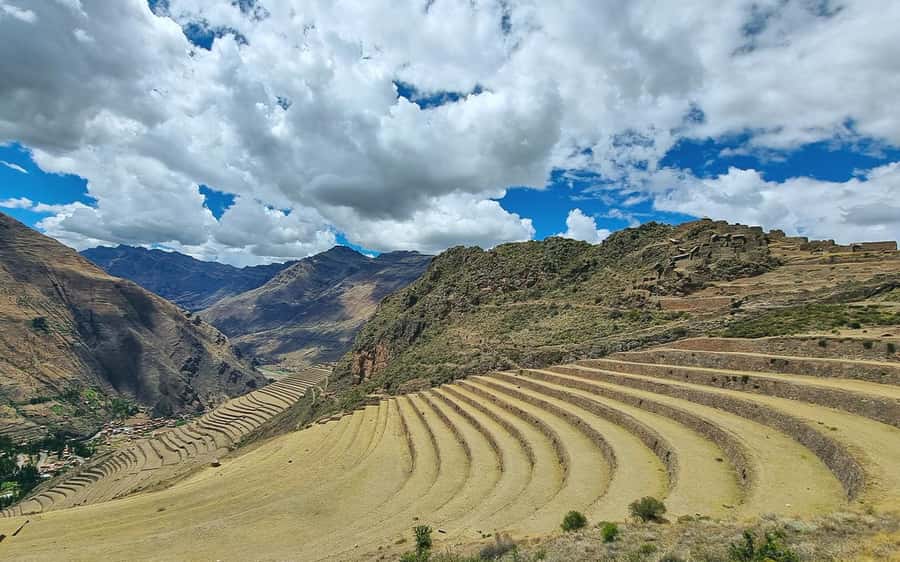
Chinchero is also known for terraces. Terraces show up again and again across the Sacred Valley, so seeing them early helps you read the later sites with more meaning. Even if you’re not a “history person,” watching how fabric gets made and how terraces manage land gives you a grounded feeling for how people adapted to these mountains.
If you’re someone who likes your day to have a “start strong, learn quickly” rhythm, Chinchero does that.
Maras Salt Mines: Patchwork Pans and a Clear Photo Moment
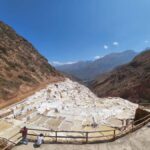
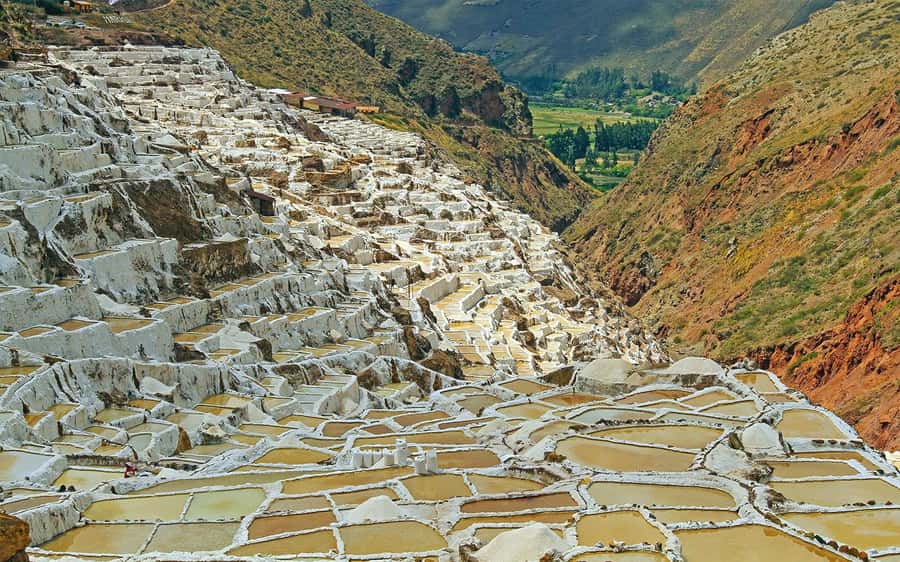
Next comes the Maras Salt Mines, where you’ll explore the patchwork of salt pans. The salt pans have been in use since Incan times, and the view is the kind of scene that makes you stop scrolling and actually look around.
Practically, this is a stop where you’ll likely spend time on photos because of the contrast: bright salt pools with the surrounding green mountain areas. You’ll also get a sense of scale just by walking through the area rather than seeing it only from afar.
One more detail that’s easy to miss until you’re there: bring the right gear for dry, sunlit conditions. Your tour day pack and goggles can help, especially if you’re trying to keep your eyes comfortable during brighter moments.
Moray Terraces: The Circular Site That Feels Like a Puzzle
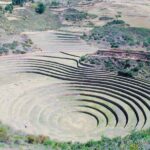
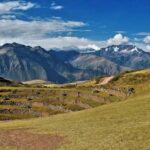
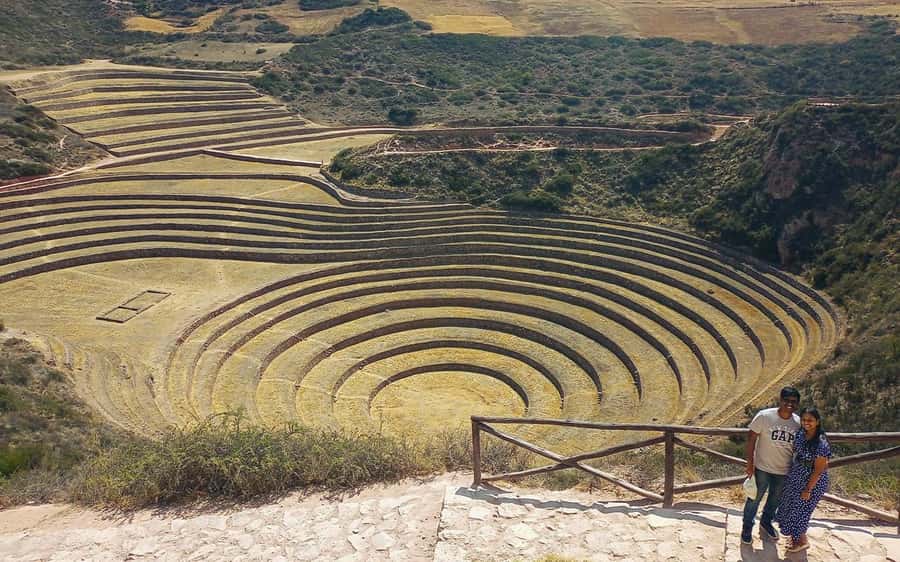
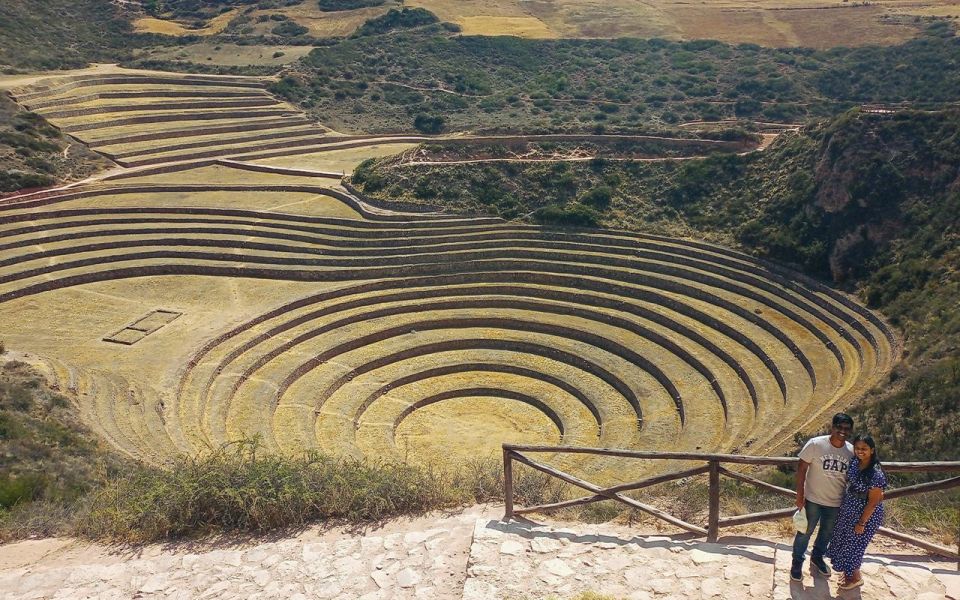
Then you’ll head to Moray, famous for circular terraces. The big idea here is that Moray’s design is believed to have been an agricultural experiment. You’ll marvel at the terraces and get explanations about why the Incas may have built it this way.
Moray is memorable because it doesn’t look like the “classic fortress” you might expect from an Incan site. It looks designed for testing conditions—geometry shaping farming. That makes the stop feel more like a science project in stone.
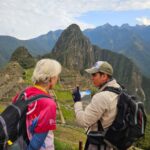
A good guide can make this land-based logic click, and this tour includes a professional bilingual guide fluent in English and Spanish. You’ll get commentary as you walk, plus an audio guide is included in English and Spanish.
Urubamba Buffet Lunch: A Real Break in the Middle of the Day
After the archaeological stops, you’ll pause in Urubamba for a buffet lunch. This is more than just food. It’s the breathing space that keeps the day from turning into constant movement.
The lunch is included, with a mix of local Peruvian cuisine and international options. There are also accommodations for different dietary requirements (so you’re not stuck hunting for something you can eat).
If you’re sensitive to altitude or you just want to pace yourself, this lunch break is a good moment to slow down, eat, and reset before more walking in the afternoon.
Ollantaytambo: Fortress Energy and Terrace Views
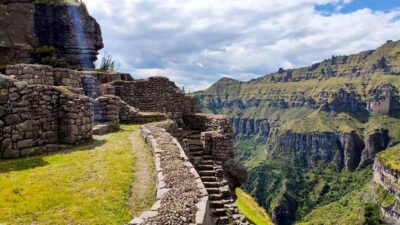
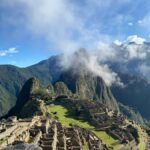
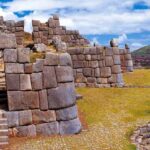
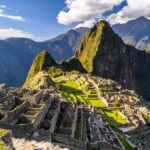
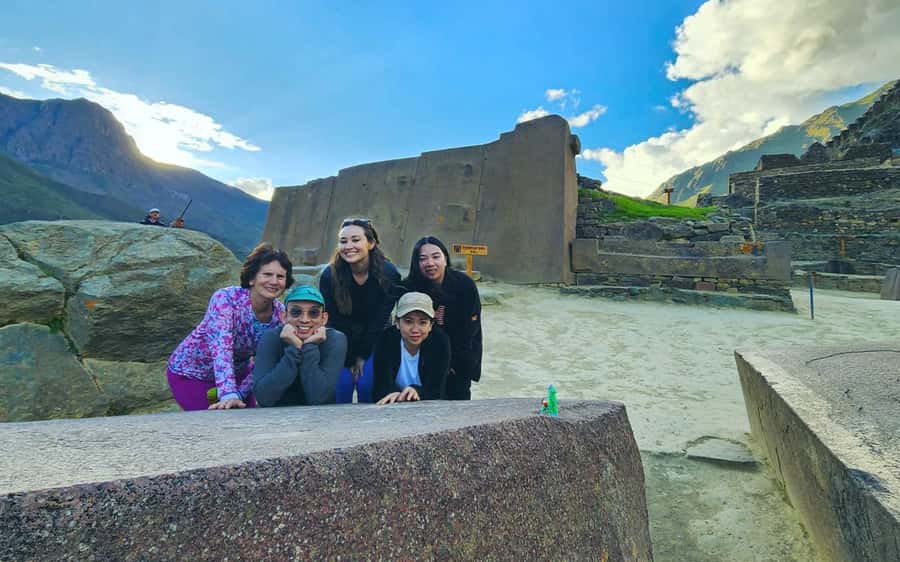
After lunch, the day turns to Ollantaytambo, one of the Sacred Valley’s most iconic names. You’ll visit the town’s massive fortress and climb the terraces while taking in spectacular views.
What makes Ollantaytambo especially good on a one-day trip is that it’s both dramatic and structured. The fortress and terrace layout give you a sense of defense and strategy rather than only aesthetics. As you climb, you can also connect what you saw earlier—how people built on slopes, how terraces worked, and how the valley’s geography mattered.
One extra detail from the feedback I was given: a guide named Auqui was specifically mentioned for explaining things really well and keeping the day moving with good rhythm. That kind of pacing matters here, because Ollantaytambo rewards attention and steady walking.
Pisac Market and Ruins: Colorful Craft + Archaeology Finish
Finally, you’ll end at Pisac, which is famous for its colorful market and impressive archaeological site. This is a perfect closing stop because it blends people, culture, and ruins.
In Pisac, you’ll explore the ruins and then stroll through the market, where local artisans sell handcrafted goods. This is where your photos get more than stone-and-sky. You get details: colors, textures, and real everyday commerce.
If you like shopping on trips, this is a smart moment to do it. The tour provides comfort stops for restrooms and opportunities to purchase snacks or souvenirs along the way, so you’re not stuck with just one buying chance.
How the Day Feels: Timing, Distance, and Altitude
This tour is listed as a full-day experience around 10 to 11 hours, with the route covering roughly 95 kilometers round trip. That’s a lot for one day, but the stops are spaced in a way that prevents the trip from feeling like one long commute.
The official difficulty is moderate, with some walking at high altitude. The highest altitude is 3,700 meters (at Chinchero), with the lowest around 2,792 meters (at Urubamba). Translation: you should expect you’ll need to slow your pace on steeper parts and plan to take it easy during transitions.
Also note: the tour isn’t a long, strenuous trek. It’s more like repeated shorter walks and climbs at multiple sites. That’s why it works well for people who want the Sacred Valley highlights without spending multiple days hiking.
What’s Included vs. What You Need to Pay Separately
At $39 per person, the value is strong because you’re paying for a day that combines guide, transport, and major stops. The day includes:
- A professional bilingual guide (English and Spanish)
- Comfortable round-trip transportation from a designated meeting point in Cusco
- Buffet lunch in Urubamba
- Maras Salt Mines tour
- Moray terraces exploration
- Guided visit to Ollantaytambo
- Pisac market and ruins
- Comfort stops (restrooms and opportunities for snacks/souvenirs)
- All transportation fees
- Group experience
- Audio guide included (English and Spanish)
The part to budget carefully: entrance fees are not included. You’ll need the Boleto Turístico to access the sites. If you’re the kind of traveler who likes to keep surprises low, confirm you have the right ticket before you go.
Not included: travel insurance, breakfast and dinner, and personal expenses like souvenirs or drinks outside the lunch. If you want peace of mind, bring travel insurance since it’s recommended.
What to Bring So the Day Doesn’t Get Annoying
Your packing list is more specific than many day tours, and that’s a good sign. Bring:
- Passport or ID card
- Daypack
- Camera
- Insect repellent
- Headphones
- Goggles (useful for sun and bright open areas)
- Change of clothes (after a long day, you’ll thank yourself)
- Clothes that can get dirty
- Cash and a credit card (useful for small purchases)
- First aid kit (basic item, but smart)
- Food and drinks are listed as things to bring, too, so don’t assume everything will match your needs beyond the included lunch
Also, wear layers. The day goes from city altitude to higher points, and weather can shift quickly in the Andes.
Who Should Book This Tour (and Who Might Skip It)
This one-day Sacred Valley tour is a great match if you:
- Want the big Sacred Valley names without planning logistics
- Like a mix of culture (textiles and market) and archaeology (Moray, Ollantaytambo, Pisac)
- Prefer a guided pace with explanations in English or Spanish
- Value included transport and lunch at a budget-friendly price
It may not be a good fit if you have:
- Claustrophobia (tour includes provider safety limitations)
- Epilepsy (also listed as not suitable)
- Non-swimmers (listed limitation even though the itinerary isn’t described as swim-focused)
If your goal is maximum flexibility, remember entrance fees aren’t included, so you’ll still need the Boleto Turístico.
Should You Book This Sacred Valley Tour 1 Day?
Book it if you want a smart, structured Sacred Valley sampler with two absolute highlights—Pisac and Ollantaytambo—plus Maras and Moray. At $39, it’s hard to beat the combination of transportation, guide time, and lunch.
You should think twice if you dislike walking at high altitude or you’d rather control every detail yourself (because entrance tickets are extra and not included). Also, if you already know you want a slower, longer archaeology immersion, this day tour is more about variety and efficient coverage than lingering.
If you’re on a tight schedule in Cusco and you want a single day that feels worth every hour, this is a strong pick.
FAQ
How long is the Sacred Valley Tour?
The tour runs about 11 hours (listed as a full-day outing). Check availability for the specific starting time.
Where does the tour start in Cusco?
You’ll be picked up from a designated meeting point in Cusco. Your guide will be wearing a red 69 Explorer jacket.
Is lunch included?
Yes. A buffet lunch in Urubamba is included.
What sites are included in the day?
You’ll visit Chinchero, Maras Salt Mines, Moray, Urubamba, Ollantaytambo, and Pisac (including the market and ruins).
Are entrance fees included?
No. Site entrance fees are not included, and you’ll need the Boleto Turístico.
What languages are available during the tour?
You’ll have a live bilingual guide in English and Spanish. An audio guide is also included in English and Spanish.
Do I need travel insurance?
Travel insurance is not included. The tour recommends getting comprehensive insurance for the duration of your trip.
What should I bring for the tour?
Bring your passport or ID card, a daypack, a camera, insect repellent, headphones, goggles, clothes that can get dirty, and a change of clothes. Cash and a credit card can also be useful.