REVIEW · URUBAMBA
From Cusco:Chinchero, Moray, Maras, Ollantaytambo with lunch
Book on GetYourGuide →Operated by MACHU PICCHU JUNGLE · Bookable on GetYourGuide
Four Sacred Valley stops, one smooth day. This Cusco-area loop mixes Inca agriculture at Moray with Andean textile know-how in Chinchero, then swings through Maras salt mines before finishing in Ollantaytambo. It’s a practical way to see several big-ticket sites without doing the logistics yourself.
I also like the pacing here: you get enough time for photos and a proper guided explanation at each main stop, not just quick drop-offs. The main catch is that this is a long day on your feet. If you’re sensitive to altitude or you don’t like early mornings, plan carefully, and note it’s not suitable for pregnant women.
In This Review
- Key moments that make this day work
- From Cusco to Chinchero: the morning start that sets the tone
- Chinchero: textiles at a local home, then Inca walls and a colonial church
- Moray’s circular terraces: Inca agriculture you can actually picture
- Maras: chocolate tastings, then the salt mines with more than 3,000 wells
- Don’t get surprised by the extra fees
- Urubamba buffet lunch: included, practical, and timed right
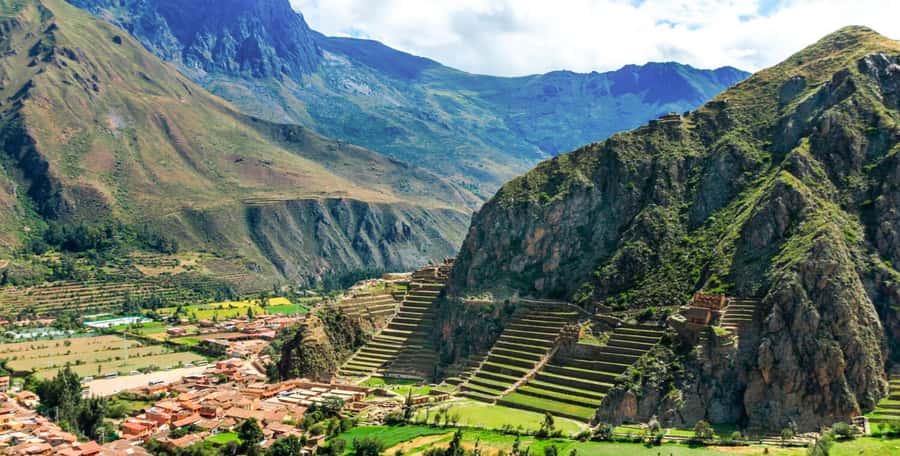
- Ollantaytambo: the last living Inca city and the climb to the Temple of the Sun
- If you’re continuing to Aguas Calientes
- Timing, altitude, and what to pack so the day feels easy
- Price and value: the $32 base cost plus the salt-mine add-ons
- Who this tour suits best
- Should you book this day?
- FAQ
- How long is the tour?
- When is pickup from Cusco?
- What language is the guide?
- Is lunch included?
- Are the salt mines included in the price?
- Where does the tour end?
- What should I bring for the day?
- Is the tour suitable for pregnant women?
Key moments that make this day work
- Chinchero textile lesson at a local family home, with a hands-on feel for how Andean textiles are made
- Moray’s circular terraces, an important Inca agricultural site tied to how they experimented with growing conditions
- Maras salt mines, with more than 3,000 wells and the famous salt-pan scenery
- Free chocolate tasting at the Maras chocolate houses before you head into the mines
- Ollantaytambo climb to the Temple of the Sun, ending with great views and time to explore
From Cusco to Chinchero: the morning start that sets the tone
Pickup runs between 6:10 and 7:00 am from your hotel or Airbnb. You’ll coordinate via WhatsApp, and the pickup options are wide across central Cusco, including areas around Plaza de Armas and Plaza San Blas. This matters because a Sacred Valley day starts fast: the earlier you roll out, the less rushed the stops feel.
You’ll ride in a van through the Sacred Valley corridor toward Chinchero. The drive segments are spread out across the day (around 9 hours total), so you’re not stuck for one endless stretch. Still, you’ll want to treat the first hour like a warm-up: water ready, hat on, and comfortable shoes by default.
You can also read our reviews of more tours and experiences in Urubamba
Chinchero: textiles at a local home, then Inca walls and a colonial church
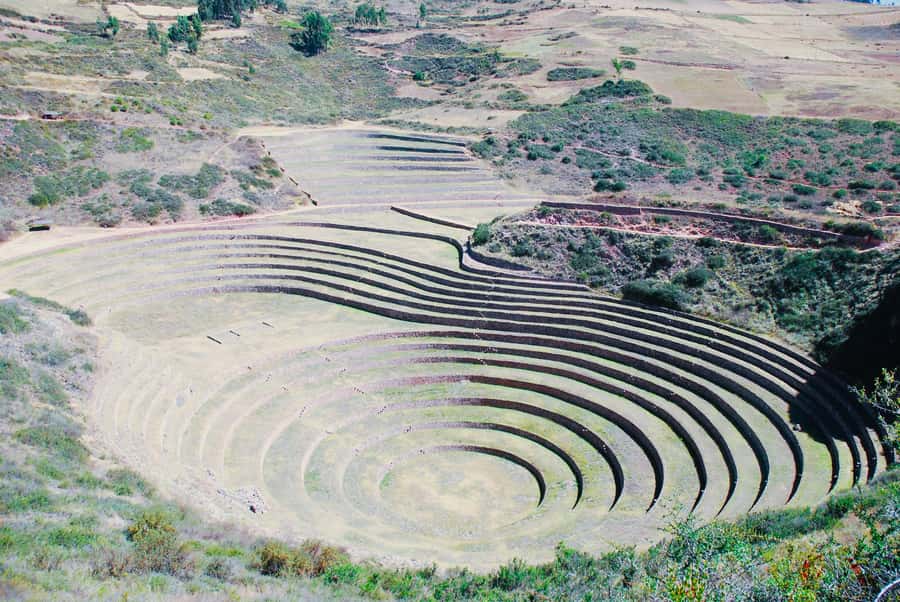
Chinchero is where the day gains texture. First, you visit a family home for a free explanation of Andean textiles. This isn’t just a lecture; it’s a window into everyday craft—what goes into the process, why certain techniques matter, and how textile culture connects to life in the Andes. If you’ve ever wondered how a scarf or garment becomes more than a souvenir, this is the part that answers it.
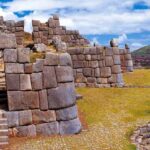
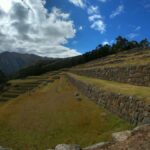
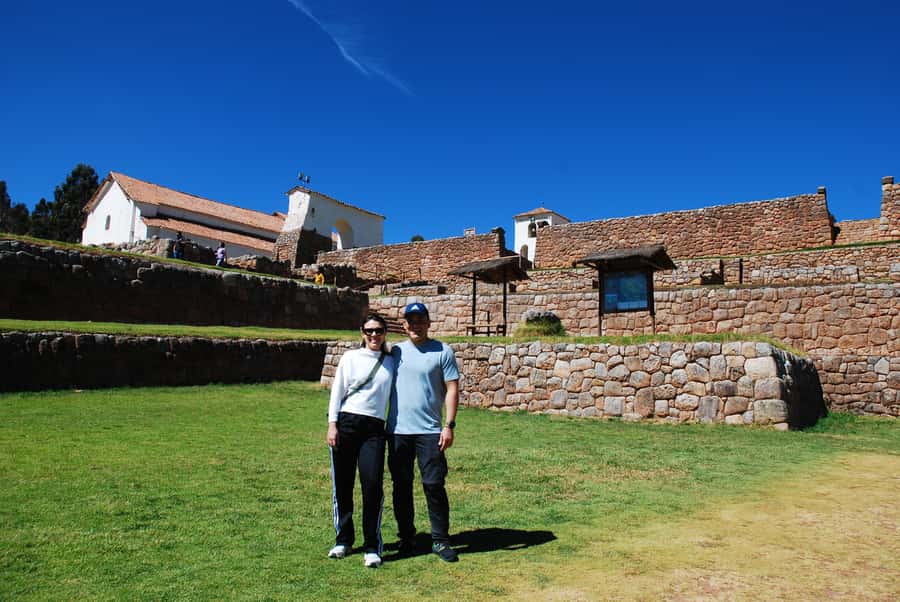
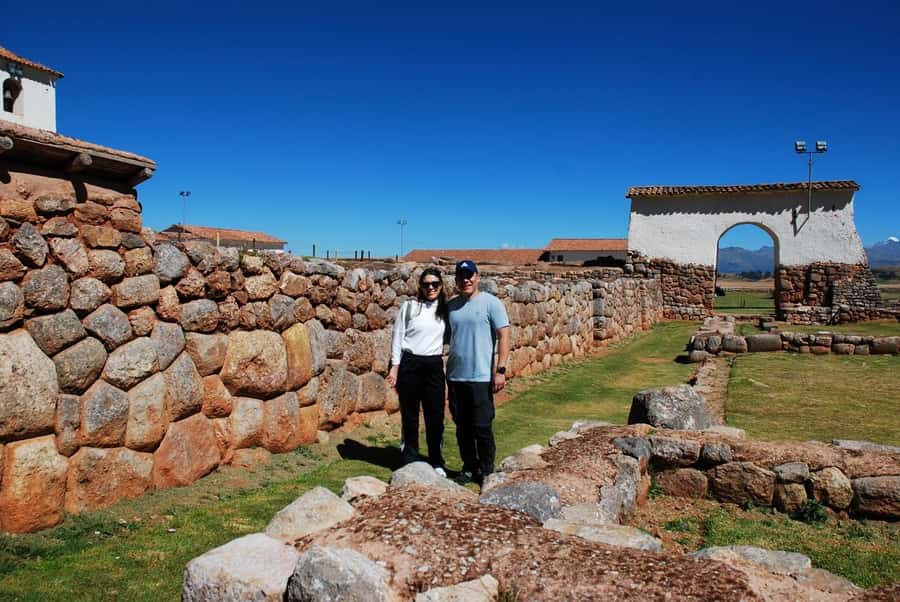
After that, you head to the archaeological site of Chinchero. Here you’ll see Inca wall constructions alongside a colonial church, which adds a layer of history you don’t get at every single stop. You’ll also have time for souvenir photos, which is helpful because the lighting in the morning often gives your pictures that clean, crisp look.
Practical note: this stop is one of the better ones for buying small items responsibly, because it’s connected to a family and their craft. If you plan to purchase, take a moment to ask what you’re looking at before you commit.
Moray’s circular terraces: Inca agriculture you can actually picture
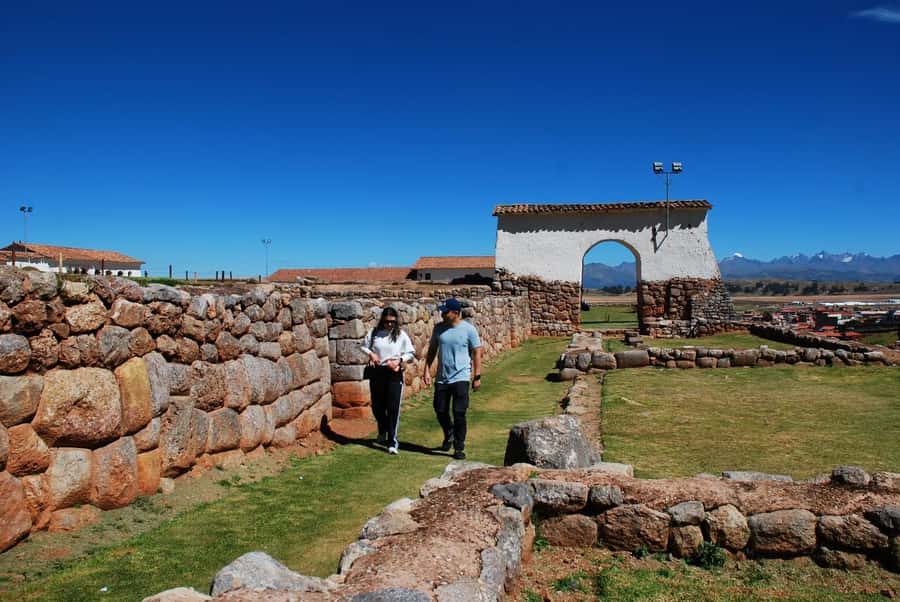
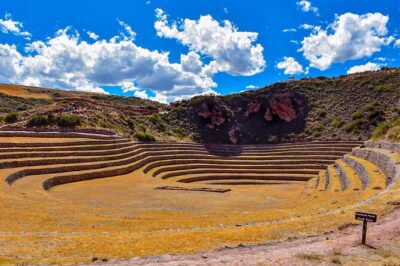
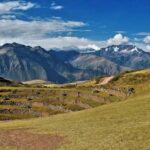
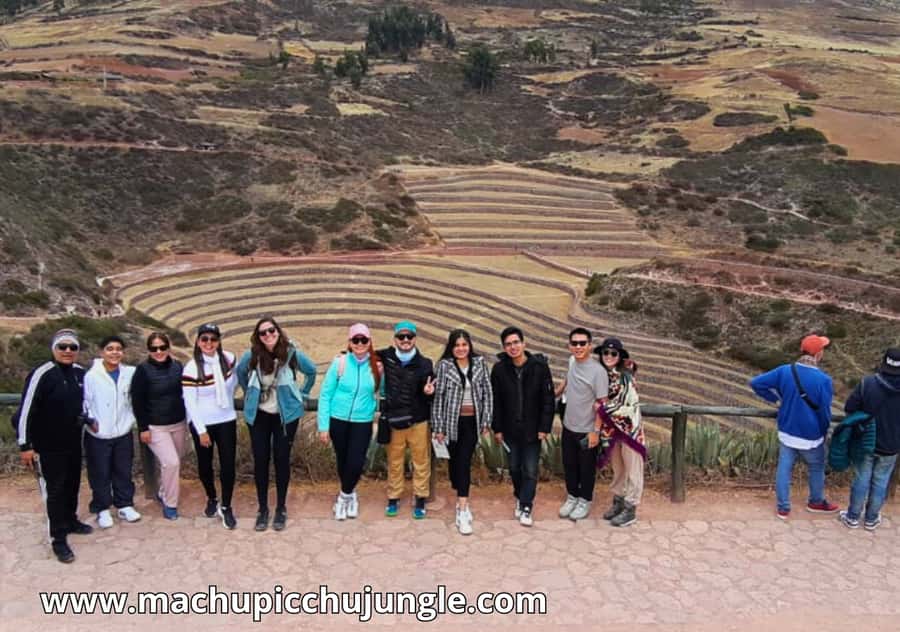
Moray is the best “wait, how did they do that?” stop of the day. You’ll visit the famous circular cultivation terraces—an Inca archaeological site that played an important role in agriculture. The terraces are the kind of site where your brain wants to link the shape to the function, and a guide helps you see why it mattered.
What I like about Moray is that it’s not only visual. You’re looking at an Inca engineering idea you can walk around and compare in your head: different levels, different exposures, and a place designed to experiment with growing conditions. Even if you’re not a history geek, the physical structure makes the explanation stick.
Timing is reasonable here (you’ll have around 45 minutes), so you’re not sprinting. Still, you’ll want steady footing and sun protection. Moray tends to feel exposed.
Maras: chocolate tastings, then the salt mines with more than 3,000 wells
Maras starts with a fun palate break: you visit the chocolate houses of Maras and enjoy a free chocolate tasting. It’s a small moment, but it helps break up the technical stops with something sensory. If you’re a chocoholic, you’ll likely find yourself wanting to bring a few bars back—just remember this is also a walking day.
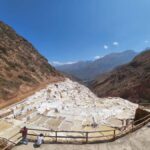
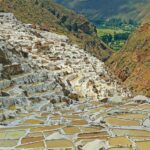
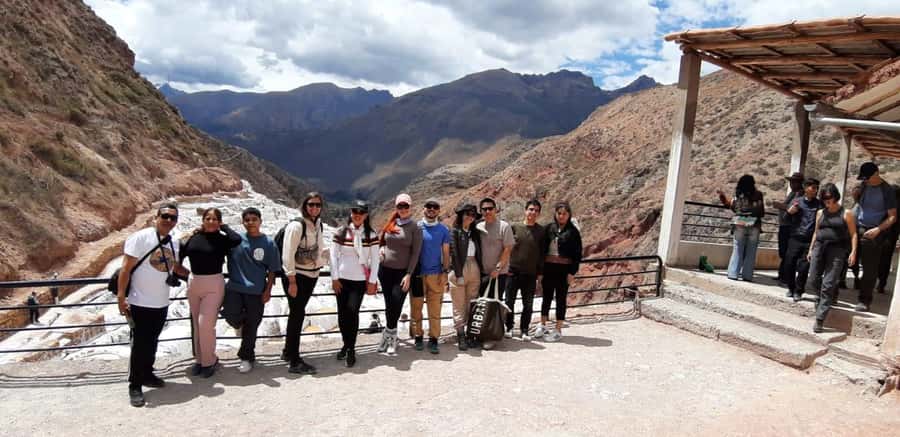
Then you descend to the Maras salt mines, a picture-perfect area for its layered views of the salt pans. The big fact you’ll hear is that there are more than 3,000 salt wells, and that the salt was used by the Incas for consumption. Watching these tiny channels of salt from above is where you start to understand why the mines are so iconic: it looks like an organized grid carved into the earth.
Don’t get surprised by the extra fees
The salt mines are not included in your base price. You’ll need to budget for:
- Entrance to the salt mines: PEN 20.00 per person
- Partial Tourist Ticket: S/. 70.00 per person (used for this tourist circuit)
If you’re comparing costs across different tours, this is the part to put on your spreadsheet. Your lunch and transport are handled, but these site costs are extra.


Urubamba buffet lunch: included, practical, and timed right
You’ll arrive in Urubamba and have buffet lunch with a variety of typical Peruvian dishes. I like that lunch is included because it removes a common travel headache: finding something that works with the schedule and your appetite right after climbing and walking.
You’ll also get a short post-lunch reset before the final archaeological stop. This matters. If you rush through food, you’ll feel it later when Ollantaytambo asks for climbing.
I’d treat lunch as recovery time. Use it to refuel carbs, drink water, and give your legs a chance to cool down.
Ollantaytambo: the last living Inca city and the climb to the Temple of the Sun
After lunch, the tour continues to Ollantaytambo, often called the last living Inca city. You’ll get a break and photo stop, then a guided tour and some free time.
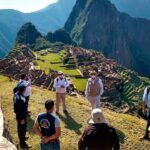
The key moment is the climb up the Inca steps until you reach the Temple of the Sun, which is the most important part of the site. From there, you get a spectacular view of Ollantaytambo, and this is where your photos will look like postcards instead of phone snaps.
What makes Ollantaytambo work best in a single-day loop is that it’s both dramatic and livable-feeling. It doesn’t just feel like ruins in the distance; it feels like a town with history baked into the stones. Even if you arrive tired, the payoff is real once you’re above the main areas.
You’ll finish at approximately 3:00 pm. Drop-off options are Plaza de Armas de Ollantaytambo or Plaza Regocijo, depending on where you’re headed next.
If you’re continuing to Aguas Calientes
If you have a train to go to Aguas Calientes, you can continue directly from Ollantaytambo. If not, you can also stay overnight. Ollantaytambo is described as charming and welcoming, and having the extra night is an easy way to avoid a rushed evening.
Timing, altitude, and what to pack so the day feels easy
This tour is built for a 6:10–7:00 am start and a roughly 3:00 pm finish, with multiple short visits. That means no single stop is usually “all day,” but the total time moving and walking adds up.
Bring:
- Comfortable shoes (really—this is a day for grip and comfort)
- Hat
- Camera
- Sunscreen
- Water
Expect varying altitudes throughout the tour. Even if you’ve adjusted in Cusco already, you’ll still feel sun and exertion. If you get headaches or feel off, slow down during photo moments. Don’t try to “push through” just to keep up with the group.
Also, no smoking is allowed on the tour. It’s a standard rule, but it’s worth knowing before you bring your own habits.
Price and value: the $32 base cost plus the salt-mine add-ons
At $32 per person, this day is priced as a budget-friendly way to bundle transport, guidance, and a full lunch. The value is strongest if you want:
- hotel or Airbnb pickup in Cusco
- a professional guide in English and Spanish
- guided site time at Chinchero, Moray, Maras (mines), and Ollantaytambo
- a buffet lunch in Urubamba
- the family textile explanation in Chinchero
- free chocolate tasting in Maras
But you should plan for additional entry costs for the salt mines and the tourist ticket. Your total day cost can’t be judged only by the headline price because Maras adds both the PEN 20.00 entrance and the S/. 70 partial tourist ticket.
Still, when you count what’s included—especially lunch plus guided time across multiple sites—it often lands as good value compared with paying for everything separately and trying to manage the driving.
One more small win: the transport is one-way, which is perfect if your next step is Ollantaytambo or Aguas Calientes. If you need to return to Cusco the same day, this route may not match your plan.
Who this tour suits best
This works well if you want a guided Sacred Valley day that covers the most “you can’t miss it” stops—without spending your evening organizing connections.
It’s especially a good fit if you:
- enjoy hands-on cultural moments, like the Chinchero textile explanation
- want agriculture and engineering ideas you can visualize at Moray
- want the iconic Maras salt mines (with time to see the wells)
- like a structured day with stops that include photos and guidance
- need a practical day that ends in Ollantaytambo for train plans
If you hate early starts, struggle with walking or climbs, or need low-impact options, you’ll likely find this one tiring. And remember it’s not suitable for pregnant women.
Should you book this day?
I’d book it if your goal is to see a lot of Sacred Valley highlights in one coherent day—and you appreciate guided context. The standout is the quality of the guide experience: the trip has a reputation for being very interesting, and that’s exactly what matters when you’re bouncing between textiles, agricultural engineering, salt production, and Inca-era architecture.
I’d skip or reconsider if you want a slow, relaxed schedule. This is an active day with sun, altitude variation, and a real climb at Ollantaytambo. It can also cost more than the base price once you add salt-mine fees—so budget for those.
If you’re the type who likes a clear plan and wants your legs and eyes rewarded by late morning through the afternoon, this is a solid choice.
FAQ
How long is the tour?
It lasts about 9 hours.
When is pickup from Cusco?
Pickup is typically between 6:10 am and 7:00 am, coordinated via WhatsApp.
What language is the guide?
The tour includes a professional guide in English and Spanish.
Is lunch included?
Yes. You get a buffet lunch in Urubamba with a variety of typical Peruvian dishes.
Are the salt mines included in the price?
The salt mines entrance is not included. You’ll pay PEN 20.00 per person, plus a partial tourist ticket of S/. 70.00 per person for this circuit.
Where does the tour end?
You finish at about 3:00 pm with drop-off in Ollantaytambo, either at Plaza de Armas de Ollantaytambo or Plaza Regocijo.
What should I bring for the day?
Bring comfortable shoes, a hat, sunscreen, a camera, and water.
Is the tour suitable for pregnant women?
No. It’s listed as not suitable for pregnant women.