REVIEW · CUSCO
Machu Picchu: 5-Day Salkantay Trek with Panoramic Train
Book on GetYourGuide →Operated by TreXperience · Bookable on GetYourGuide
Stars, glaciers, and Machu Picchu, five days. I love how this trek pairs the shockingly bright Humantay Lake with a real-food stop like Pachamanca, not just photo breaks. You still get the classic Salkantay challenge, plus sleep setups that go beyond basic camping.
The one thing to respect is altitude, especially early on. Humantay sits at 4,200 m and the high point is the Salkantay Pass at 4,630 m, so pace and planning matter. In at least one group, altitude meds like acetazolamide helped people get through that first rough stretch.
In This Review
- Key things that make this trek worth your time
- Why this Salkantay route feels different from a standard trek
- The real itinerary: what each day actually feels like
- Day 1: Cusco to Humantay Lake, then glamping in Salkantay country
- Day 2: Salkantay Pass (the highest point) and the walk into cloud forest
- Day 3: Pachamanca and coffee, then Llactapata and your first real view of Machu Picchu
- Day 4: Hydroelectrica, Aguas Calientes, and the Mandor botanical stop
- Day 5: Sunrise Machu Picchu, then train back to Cusco
- Food, coffee, and the packing weight that makes life easier
- Sleep setups: glamping night one, huts night two, camping by Llactapata
- Machu Picchu day: sunrise, guided pacing, and your hike options
- Getting back to Cusco by train: why the Vistadome or 360° part matters
- Price and value: what $655 includes and what it really saves you
- Guides and team support: what good care looks like on this trek
- Practical tips that keep the trip smoother (and less miserable)
- Who should book this trek, and who should skip it
- Should you book it?
- FAQ
- How long is the trek?
- Where is the highest point on the route?
- What’s included for meals?
- What kind of lodging do I get each night?
- Are Huayna Picchu and Machu Picchu Mountain included?
- What time is pickup in Cusco?
- How big is the group?
- Is a sleeping bag included?
Key things that make this trek worth your time
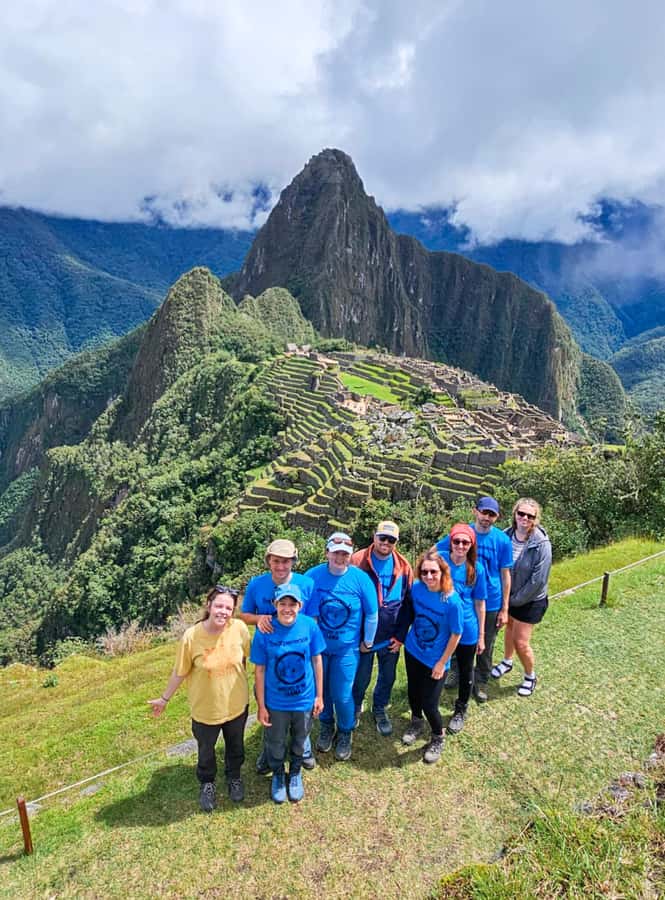
- Humantay Lake at 4,200 m: a turquoise payoff after the first climb
- Salkantay Pass at 4,630 m: the trek’s big altitude moment and glacier views
- Glamping on night one: warmer, more comfortable start than typical tent-only treks
- Pachamanca plus coffee farms: cultural meals you can taste, not just hear about
- Llactapata overnight: camping with Machu Picchu already in your sightline
- Panoramic Vistadome or 360° return train: a smoother, more scenic finish back toward Cusco
Why this Salkantay route feels different from a standard trek
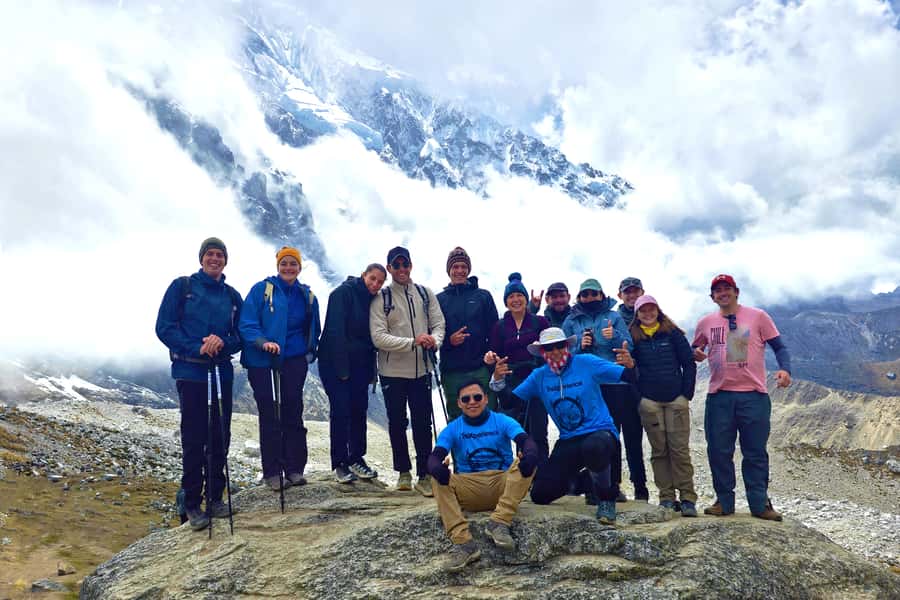
This is one of those itineraries that doesn’t treat Machu Picchu as the whole point. Yes, you end with the citadel at sunrise, but the middle days are built around Peru as something you experience: food, small community stops, and changes in terrain that keep your legs working and your eyes busy.
I also like that the schedule gives you meaningful resting points, not just long marches. Early starts are demanding, but they’re timed so you’re not rushing everything at the worst possible moments. On a trip like this, small timing choices can mean the difference between enjoying the day and white-knuckling the next mile.
The group size is capped at 16, which usually helps with pacing. If you’re the type who likes stopping for photos (and you will), that cap matters.
You can also read our reviews of more hiking tours in Cusco

The real itinerary: what each day actually feels like
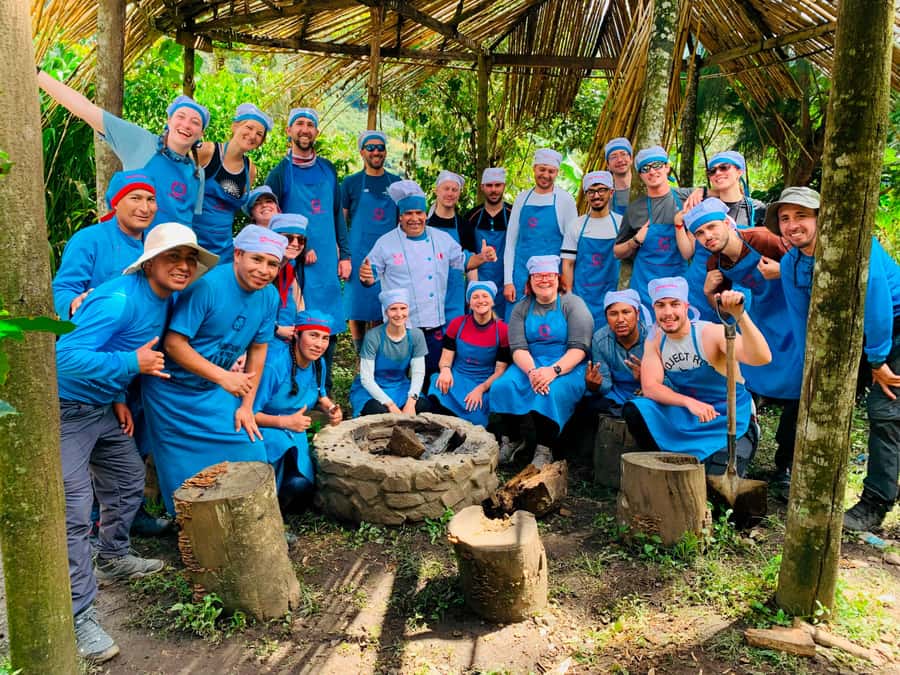
Day 1: Cusco to Humantay Lake, then glamping in Salkantay country
You’ll catch an early pick-up around 4:30 a.m. in the Cusco historic center area. Then it’s a roughly 3-hour scenic drive to Mollepata, where breakfast comes first so you’re not starting cold and empty.
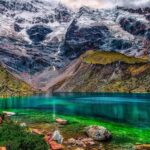
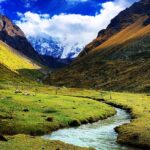
From the trailhead, you hike about 3 hours to Humantay Lake at 4,200 m. The payoff here is the color. It’s hard to describe until you see it, but it’s the kind of turquoise that makes you slow down without realizing it. Afterward, you descend to Soraypampa for lunch.
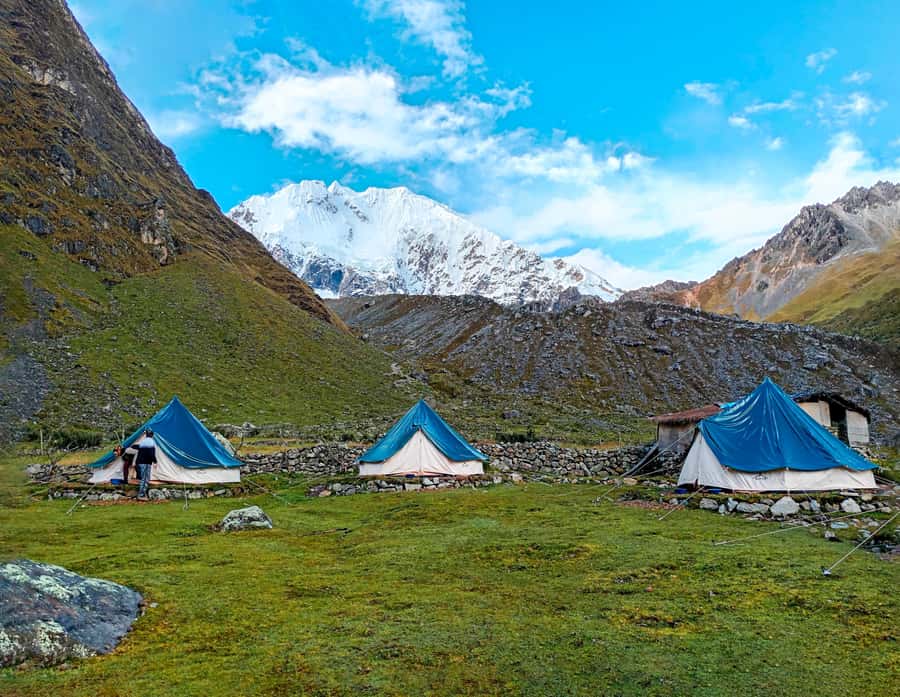
Then you keep moving with a gentler 2-hour climb up to the Salkantay Glamp campsite around 4,150 m. This is the night where the comfort matters. You’re still high, so it gets chilly, but glamping-style setup plus provided gear helps you settle in instead of fighting the cold all evening. Dinner and stars follow—clear sky nights at altitude are often a highlight.
Day 2: Salkantay Pass (the highest point) and the walk into cloud forest
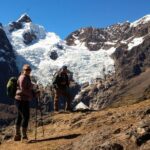
Day two is the steepest “big moment” day. You start with something warm—coffee or coca tea—then begin the hike up to the Salkantay Pass at 4,630 m, the trek’s highest point.
Expect views that make the work feel worth it. There’s also a stop at a nearby glacial lake, which breaks up the effort and gives your brain a mini reward before the long descent.
Lunch lands at Wayracmachay, and then the scenery starts shifting. The trail works its way down through changing environments—highlands giving way to cloud forest—so you feel the altitude drop as much as you see it. By evening you arrive around 2,770 m at Collpapampa, where you sleep in Andean huts. This is a good night to hydrate and let your body recalibrate.
Day 3: Pachamanca and coffee, then Llactapata and your first real view of Machu Picchu
This day is where the trek gets less “just walking” and more “you’re moving through Peru.”
After breakfast you head toward Lucmabamba (about 2,000 m). Along the way you’ll cross wooden bridges, pass waterfalls, and go through areas with plantations. The physical rhythm stays active, but the route has more variety than day two.
At Lucmabamba, you enjoy a traditional Pachamanca barbecue, plus a coffee experience at local coffee farms where you taste freshly brewed coffee. This is one of the most meaningful inclusions on the whole trip, because it gives you a reason to pause that isn’t only scenic. Food here is part of how people live, and it makes the day feel grounded.
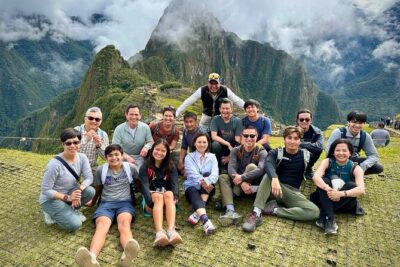
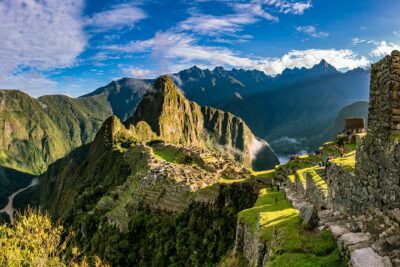
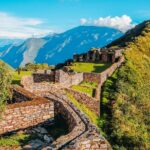
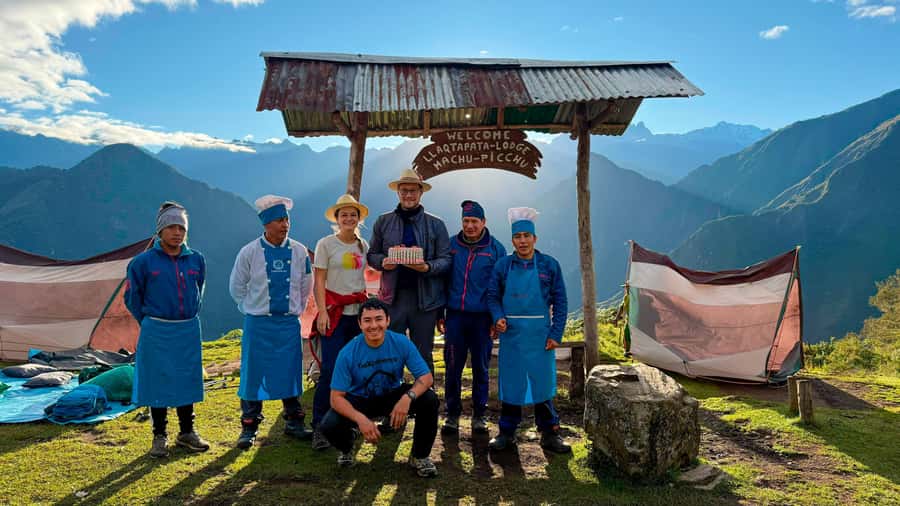
In the afternoon, you start following a section of the Inca Trail for about 3 hours to Llactapata (about 2,750 m). This is where you get your first major “there it is” view of Machu Picchu. You sleep camping with the citadel in sightline—one of the most emotional moments on the entire trek, because it turns the final day from a destination into a reality.
You can also read our reviews of more tours and experiences in Cusco
Day 4: Hydroelectrica, Aguas Calientes, and the Mandor botanical stop
You wake up with the view of Machu Picchu from your tent and then get coffee before heading down. The first big chunk is about 2 hours to the hydroelectric station. Brunch is built in here, which is smart because the rest of the day is still active.
Then you hike for around 3 hours along the railway and the Urubamba River toward Aguas Calientes. There’s also a stop at Mandor Botanical Gardens, known for birdlife and orchids—so you’re not stuck staring at tracks for the whole walk.
You arrive in Aguas Calientes and check into a 3-star hotel. That night is your decompress time. You can explore the town, or relax at the hot springs, then eat dinner at a local restaurant. A nice bonus here: in a past group, the food on the trek itself was even better than what people ate in Aguas Calientes, which says a lot about the cooking team on this program.
Day 5: Sunrise Machu Picchu, then train back to Cusco
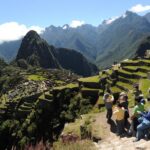
The final day is all about timing. You’ll take an early bus up so you can catch one of the first opportunities for sunrise over Machu Picchu. After that, you get a guided visit of the citadel—typically 2 to 3 hours—then time to explore on your own.
If you’ve booked them in advance, you can also hike Huayna Picchu or Machu Picchu Mountain. If not, you still get plenty to do inside the complex. (This matters because those extra hikes can sell out.)
Once you’re done, you return to Aguas Calientes for lunch, then board the Panoramic Vistadome or 360° train to Ollantaytambo. From there, a private van brings you back to Cusco, arriving around 7:30 p.m.
Food, coffee, and the packing weight that makes life easier
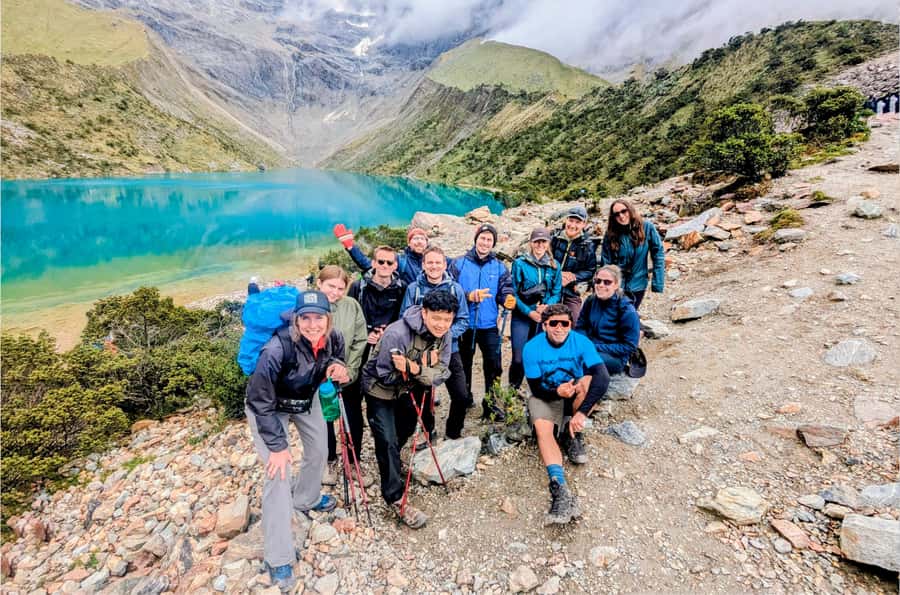
This trek’s biggest strength isn’t just the scenery. It’s that you’re fed like a person, not like an afterthought.
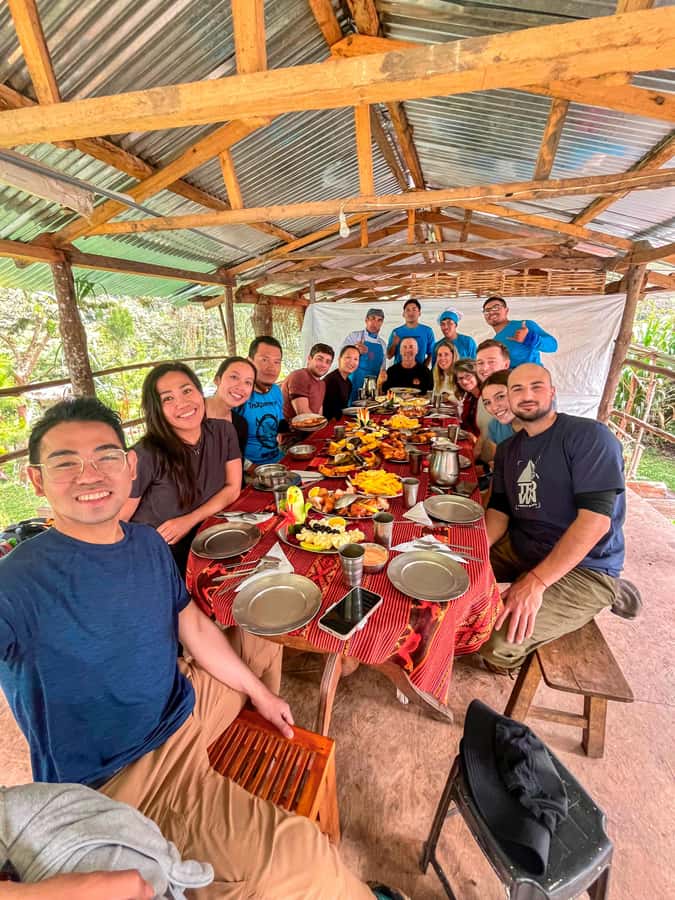
Meals are included (4 breakfasts, 3 lunches, 3 dinners), plus water and daily snacks. In multiple recent groups, the chefs were praised for cooking a surprising number of dishes per meal, not the same repetitive formula. One example: people described 6–8 dishes in a single sitting, all well-prepared. That’s huge on a hike, because you burn calories faster than you think, especially at altitude.
The logistics also help. You’re given a duffle bag (up to 7 kg / 11 lb) that muleteers carry. You don’t haul your entire world on your back. You still carry a day pack for personal items, but the heavy part is handled.
What you’ll carry yourself is mostly your comfort:
- a small backpack (you’re encouraged to keep it lightweight)
- rain gear and warm layers
- sunscreen and bug spray
- a head torch if you have one
- toiletries and small essentials
Also note: you can rent sleeping bag, inflatable mattress, and trekking poles, but they aren’t included by default. Sleeping pads, pillow, rain poncho, and hand towels are provided, which takes some pressure off.
Sleep setups: glamping night one, huts night two, camping by Llactapata
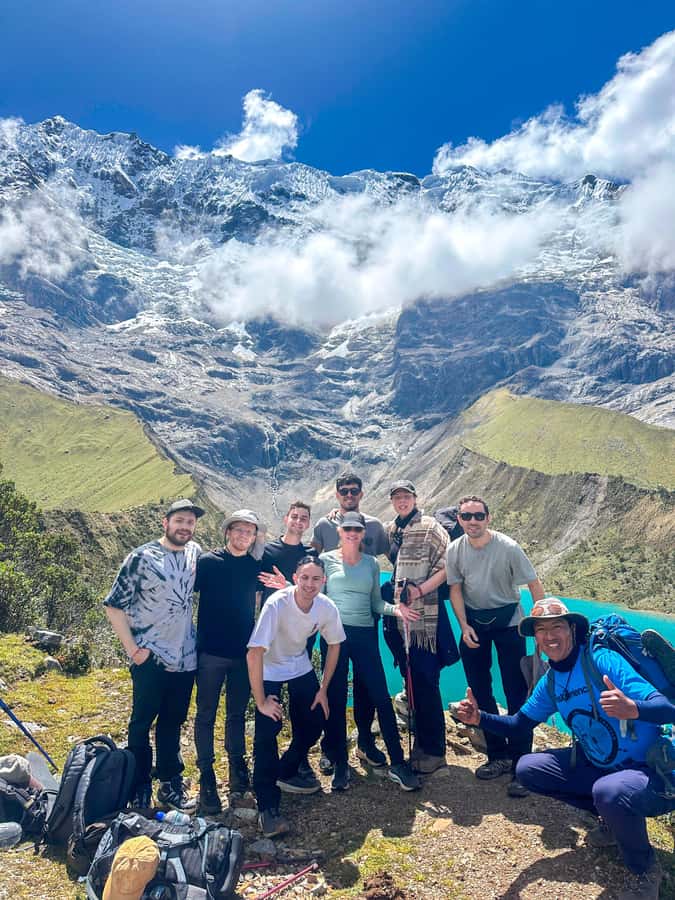
This trek gives you different “basecamps,” which is a smart way to avoid getting mentally tired of the same routine.
Night one is glamping at the Salkantay campsite. That’s a comfort bump because it’s your first real night after altitude and hiking.
Night two is Andean huts around Collpapampa. It’s simpler than glamping but still comfortable enough to rest. People have mentioned that the included rental sleeping bag can be clean and warm, which matters a lot at elevation.
Night three is camping near Llactapata with Machu Picchu in view. You’ll want to bundle up here. Nights in the mountains can be sharp, and you’ll appreciate having provided gear like a sleeping pad and poncho.
Then night four is a real hotel in Aguas Calientes, giving you a proper bed and the chance to reset before Machu Picchu day.
Machu Picchu day: sunrise, guided pacing, and your hike options
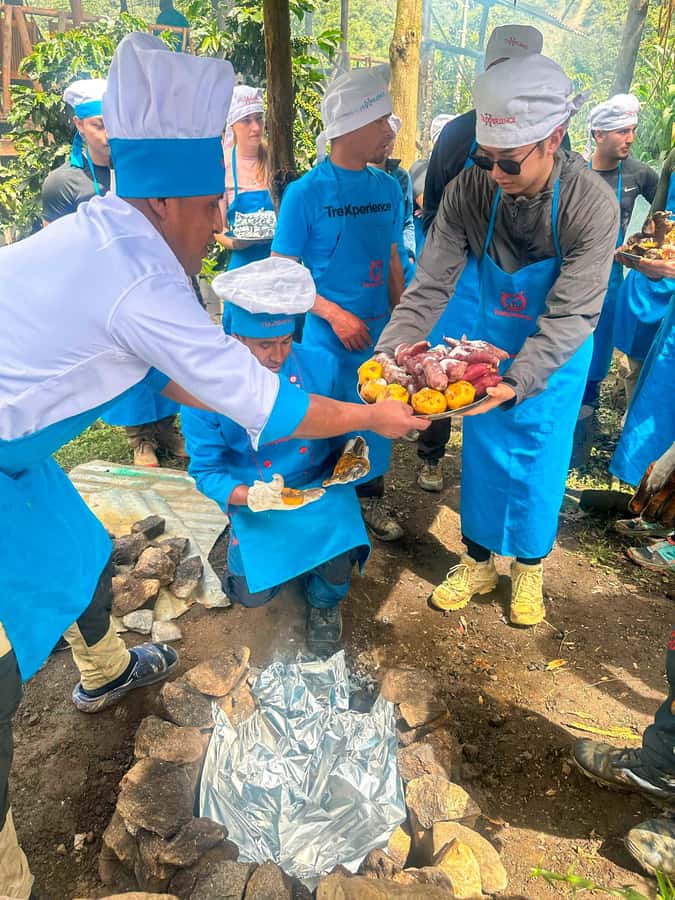
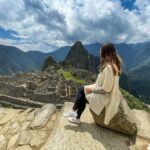
Machu Picchu is the kind of place where the first hour decides your mood. Getting up early and taking one of the first buses is the right move. It reduces crowd pressure and gives you that sunrise glow when the ruins look like they’re lit from inside.
You get a guided tour of 2–3 hours. After that, you can explore at your own pace. If you’ve booked Huayna Picchu or Machu Picchu Mountain, this is when the schedule matters because you’ll want to keep track of timing so you don’t cut your citadel time short.
One practical note: the day is long, even if the official times are tight. Your knees may feel it after the trek, so plan to move slowly and pause often. On this kind of trip, “rushing” is usually the enemy of photos.
Getting back to Cusco by train: why the Vistadome or 360° part matters
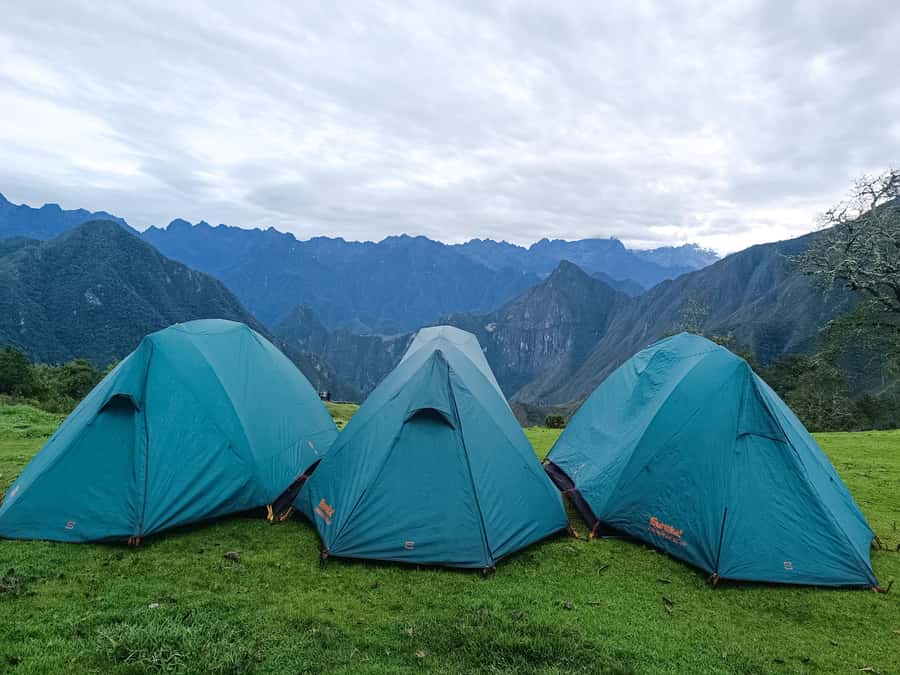
The train ride is more than a transfer. It’s a reward that keeps the day from feeling like a blur.
You take the Panoramic Vistadome or 360° train from Ollantaytambo to Cusco-area drop-off via private van service. People like these trains because you sit, you look out, and you don’t have to worry about another hike after Machu Picchu. You get the final decompression right when you’re most tempted to collapse.
Price and value: what $655 includes and what it really saves you
At $655 per person, you’re paying for more than a guided walk. This program folds in:
- Salkantay Trek and Machu Picchu entrance tickets
- the Machu Picchu bus portion
- your guided support
- most meals and snacks
- camping and glamping-style lodging components
- trekking safety gear support like a satellite phone, first-aid kit, and an oxygen tank
When you add up those pieces, the price starts to make sense, especially because trekking logistics in Peru can get expensive and confusing if you try to stitch it together yourself. Here, you also get mule carry for your duffle bag up to 7 kg, plus a small-group structure (16 people).
The main “not included” items are the ones you can choose to rent or pre-book, like a sleeping bag or mountain passes (Huayna Picchu or Machu Picchu Mountain). If you want those hikes, budget extra time and attention to securing them in advance.
Guides and team support: what good care looks like on this trek
This trek depends on teamwork. The route is demanding, and the altitude is no joke, so having a guide who manages pace and morale matters.
In recent groups, guides were praised for:
- adapting to different walking speeds without making people feel left behind
- keeping the group on track for key transport moments (like catching the Machu Picchu bus)
- constant check-ins with encouragement and practical advice
- helping people manage altitude symptoms, including recommending or using acetazolamide when needed
Chefs also came up again and again. People described excellent meals and snacks along the way, plus clean water access for refilling. That’s not just comfort; it’s safety.
If you’re lucky enough to get a guide like Cesar Augusta, Jose, Roger, Gilbert, or Eddie (names that have shown up in verified trips), you’ll likely get that mix of history explanations, humor, and real care during the toughest hours.
Practical tips that keep the trip smoother (and less miserable)
A few things I’d take seriously before you go:
Altitude plan for Day 1
Humantay and the first climbs can hit hard. Go slow, drink water consistently, and take the provided pace seriously. If you’ve used altitude meds before, confirm your plan with a clinician. In one group, acetazolamide helped people manage first-day altitude issues.
Bring cash
You’ll want cash in Peru for small extras. This came up as a real-world tip from multiple experiences.
Pack smart for weight and Machu Picchu rules
Bring a lightweight day pack. You’re encouraged to keep it to about 25L because larger backpacks can’t go into Machu Picchu. Your duffle bag (up to 7 kg) is carried for you, so you don’t need to overload your day pack.
Warm layers even when the sun is out
Even in warmer months, altitude weather changes fast. Bring rain gear and something warm for evenings and Llactapata night.
Use the safety gear you’re given
Satellite phone, first-aid kit, and oxygen tank aren’t “nice to have” trivia. They’re part of why this trek can be run responsibly. Pay attention to the safety briefing the day before.
Who should book this trek, and who should skip it
This is best for people who want adventure with real comfort built in. It suits hikers who can handle several hours of walking per day and who don’t mind high altitude. The schedule suggests a “moderate to active” fitness level rather than a casual stroll.
It’s also a good fit if you care about:
- cultural food experiences (Pachamanca and coffee)
- small-group attention (up to 16)
- a sunrise Machu Picchu visit
- a guided structure that reduces logistics stress
It may not be the best choice if you’re pregnant or have serious mobility issues, back problems, or heart conditions. The trek isn’t listed as suitable for those situations.
Should you book it?
If you want Machu Picchu with a real lead-up, this trek is a strong pick. The combination of Humantay Lake, Salkantay Pass, cultural stops, and a night at Llactapata with Machu Picchu in view makes the whole journey feel like one continuous experience rather than a hurried transfer.
Book it if you:
- can handle altitude and uphill days
- want good food and actual comfort where it counts
- like guided pacing, but still want time to explore
Skip it (or rethink) if altitude is a major risk for you or if you need step-free mobility. Also be honest about walking tolerance; this is a trek, not a sightseeing van with views.
If you can do the altitude work and you want the trek to feel meaningful, not just brutal, then this is exactly the kind of trip that leaves you with more than one iconic photo.
FAQ
How long is the trek?
It runs for 5 days.
Where is the highest point on the route?
The highest point is the Salkantay Pass at 4,630 m.
What’s included for meals?
You get 4 breakfasts, 3 lunches, and 3 dinners, plus water and daily snacks.
What kind of lodging do I get each night?
You’ll have 2 nights camping, 1 night glamping in the Salkantay area, and 1 night in a 3-star hotel in Aguas Calientes.
Are Huayna Picchu and Machu Picchu Mountain included?
Not automatically. Those passes need to be booked in advance.
What time is pickup in Cusco?
Pickup is around 4:30 a.m. from the hotel or Airbnb near the Cusco historic center.
How big is the group?
It’s a small group limited to 16 participants.
Is a sleeping bag included?
No. A sleeping bag can be rented, but it isn’t included by default.