REVIEW · CUSCO
Ausangate Trek 5 Days
Book on Viator →Operated by Vidal Expeditions · Bookable on Viator
Ausangate hits different at high altitude. You’re moving through Peru’s high Andes on a small-group trek where Apu Ausangate is more than a backdrop, it’s part of the experience. You’ll also get the practical perks: meals handled, camp gear managed, and route days that feel focused rather than rushed.
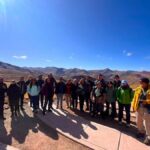
What I like most is the small-team setup. With a maximum group size of 10 and a crew that includes guide + cook + horse driver, the trek stays personal, and you’re not stuck waiting on a crowd. The second big win is the full food plan: breakfasts, lunches, and dinners are included, which makes pacing easier when you’re breathing hard at 4,000–5,200 meters.
One drawback to plan around: this is a real altitude trek. You’ll cross passes around 4,850 to 5,200 meters, and nights camp between roughly 4,200 and 4,630 meters, so you’ll want good mountain judgment and warm gear for cold temperatures.
In This Review
- Key Highlights Worth Booking
- Price and Value for a 5-Day Ausangate Trek
- Getting There Early: Cusco Departure at 5:00 am
- Day 1: Rondoca, Upis, and the First Look at Apu Ausangate
- Day 2: Arapa Pass, Puqa Q’ocha Lakes, and Apacheta at 4,980 m
- Day 3: Palomani Pass Ceremony and Lunch in Uchuy Phinaya
- Day 4: Pacchanta Valley, Deep Blue Lagoons, and Hot Springs Recovery
- Day 5: Local Food Traditions, Weaving, and the Ride Back to Cusco
- The Small-Group Advantage: Guides, Cook, and Horse Driver Crew
- Meals on Trek: What All-Inclusive Looks Like at 4,000+ Meters
- What to Pack (And Why the Sleeping Bag Matters)
- Fitness Reality Check: Moderate Fitness, Big Altitude
- When You’ll Truly Enjoy This Trek
- Should You Book the Ausangate Trek with Vidal Expeditions?
- FAQ
- What time does the trek start?
- How large is the group?
- Are meals included?
- What camping support is provided?
- Do I need to bring a sleeping bag?
- Can I cancel and get a full refund?
Key Highlights Worth Booking
- High passes with ceremony time: Palomani Pass includes a guided Apu Ausangate ceremony.
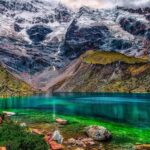
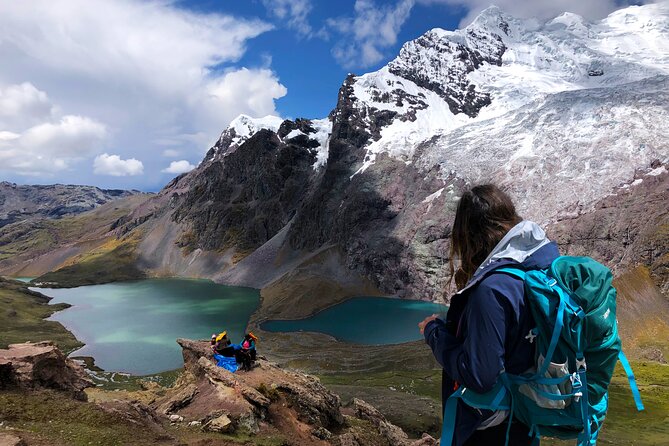
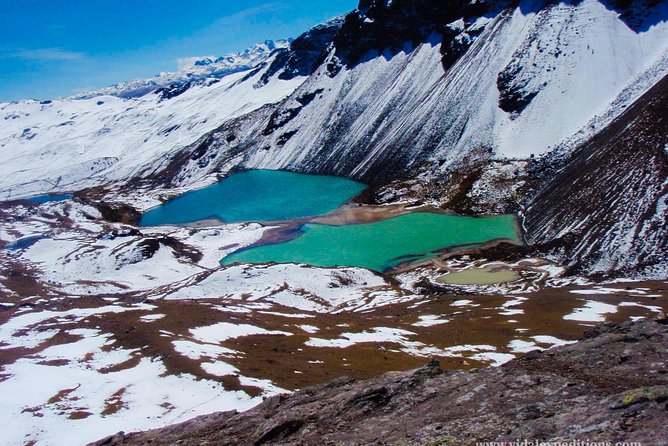
- Turquoise lakes near Puqa Q’ocha: photo stops with big Ausangate views.
- Hot springs in two different moments: Upis soak day 1 and Pacchanta hot springs later.
- Meals you don’t have to think about: lunch, dinner, and breakfast are covered during the trek.
- Gear hauled by horses: you hike; the horse driver handles much of the camp logistics.
- Local culture at the end: a family-led food and weaving-style tradition ceremony before heading back.
Price and Value for a 5-Day Ausangate Trek
At $660 per person, this trek costs more than a basic hike. The reason is that it’s not just guiding. You’re paying for a full working team and the mountain infrastructure that makes the trek smooth: camping equipment, horses for equipment, and a full slate of meals (breakfast, lunch, and dinner across the days).
If you’ve ever tried to do a multi-day Andes trek on your own, you know the hidden costs: food planning, stove/cooking logistics, tent and cold-night gear, plus the time lost coordinating. Here, that effort is removed. You still need your own sleeping bag (not included) and you’ll pay a small entrance fee you’ll see on the way (20 soles), but the big-picture mountain work is handled by the crew.
Also, the trek is sold as a small group (max 10). That matters when you’re tired and altitude is doing its thing. A smaller group means fewer bottlenecks at passes and more room for your guide to respond to the way you’re moving that day.
You can also read our reviews of more hiking tours in Cusco
Getting There Early: Cusco Departure at 5:00 am
You start at 5:00 am. In Cusco, that early departure is normal for high Andes travel. It helps you get to the trail before the day warms up too much and before fatigue piles on.
The day begins with private transport to Tinke, where there’s a stop to buy last-minute items and grab breakfast if you need it. Then you continue on to Rondoca, where the trek officially starts. This early structure is practical: you get walking sooner, you waste less time, and you arrive at trailheads with your team fully assembled—guide, cook, horse driver, and the trekking group.
Day 1: Rondoca, Upis, and the First Look at Apu Ausangate
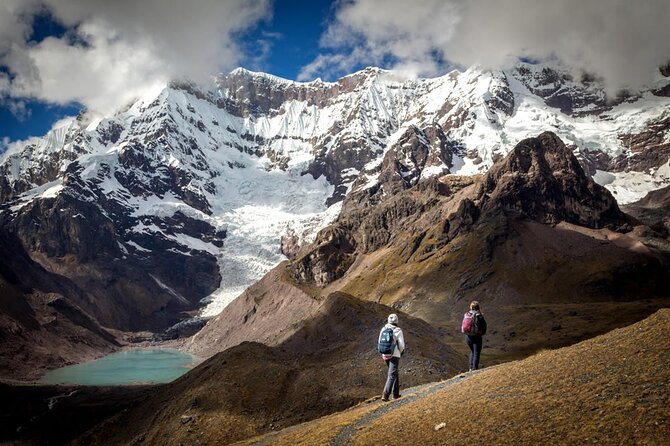
Day 1 is a gentler on-ramp, but it still climbs. You’ll hike about 2 hours from Rondoca toward the lunch point, with big mountain views along the way. After lunch, you continue to your first camp area near Upis.
Here’s what makes this first day special: it sets the tone that this trek isn’t only about summits. You’re hiking with the Apu Ausangate presence in view early, and then you get a recovery payoff. Once you reach the village area, you can enjoy the hot springs in Upis, sipping coca tea while your legs cool down.
Logistics-wise, this day is about connection. You meet the trekking team, then you switch gears into “trail mode.” Expect a shorter hiking window—around 3 to 4 hours total—so it works well if you’re trying to shake off the altitude on Day 1 instead of fighting it all day.
Practical watch-outs for Day 1
- Camping altitude is around 4,200 meters, so even a short day can feel intense.
- The hot springs are great for muscles, but you’ll still want warm layers afterward because temperatures can drop fast at night.
Day 2: Arapa Pass, Puqa Q’ocha Lakes, and Apacheta at 4,980 m
Day 2 is a longer day, and it’s where the trek starts to feel clearly Alpine. You wake up to hot coca tea, then after breakfast you begin the morning climb.
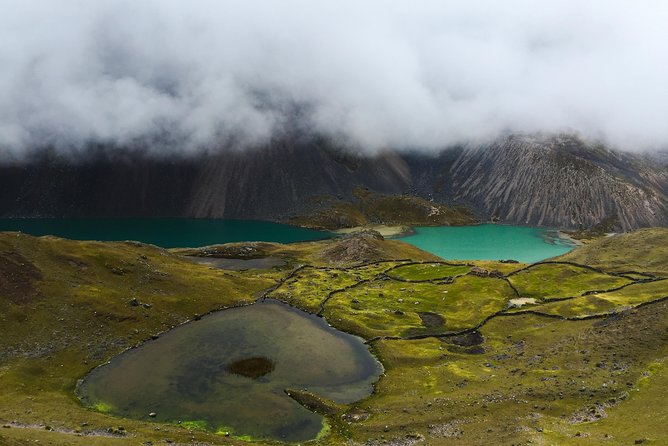
The headline moves are two passes plus a big lake day. First is Arapa Pass (4,850 m). From there, you descend through the valley and pass by Puqa Q’ocha, then reach the turquoise Jatun Puqa Q’ocha area. This is one of those stretches where you get a mix of walking and “stop and stare” time. The views are not just pretty; they’re useful for orientation because you’re looking across glacier-fed terrain.
After lunch near the lakes, you push up to Apacheta (4,980 m). From the pass area you’ll get striking views back down, including a turquoise lake below that’s described as being fed from Ausangate’s melting snow. Then you descend for about an hour to Ausangate Qocha and camp for the second night.
This is also where you’ll appreciate the crew. With meals handled and camp setup supported by horses, you can focus on steady effort instead of juggling logistics.
How to pace Day 2
- Don’t chase speed on the pass climbs. Aim for consistent steps and controlled breathing.
- Build in time for photos, because the best views show up when you stop and take in the colors and glaciers around you.
Day 3: Palomani Pass Ceremony and Lunch in Uchuy Phinaya
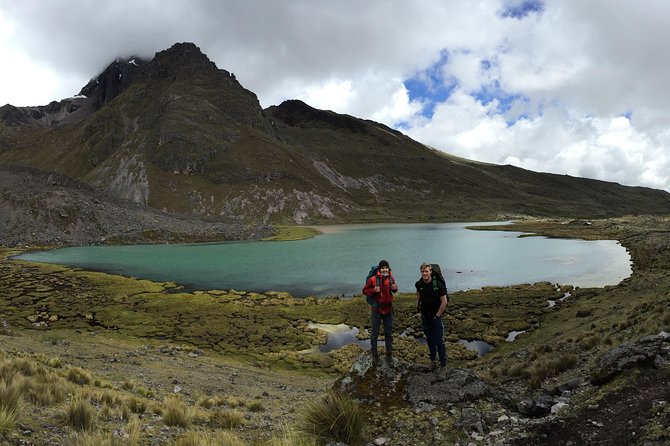
Day 3 is the highest-pass day: Palomani Pass at 5,200 meters. After breakfast, the climb takes about 2 hours, then your guide leads a ceremony to Apu Ausangate. This part is more than a photo moment. It’s an intentional stop that helps you slow down at altitude and understand why local people treat the mountain as living presence.
Once the ceremony is done, you descend for about an hour to have lunch in Uchuy Phinaya. In the afternoon, you keep hiking for a couple hours to reach your next campsite.
Day 3 hits a sweet spot of meaning + stamina. It’s the day you earn the payoff views. It’s also the day where being mentally prepared matters. At 5,200 meters, even experienced hikers often feel it. What helps is the structure: you know what’s coming (ceremony, then descent, then camp).
What I’d watch if you’re altitude-sensitive
- Keep your pace conservative on the first half of the pass climb.
- Stay close to your guide’s rhythm. The point of the ceremony stop is calm focus, not rushing.
You can also read our reviews of more tours and experiences in Cusco
Day 4: Pacchanta Valley, Deep Blue Lagoons, and Hot Springs Recovery
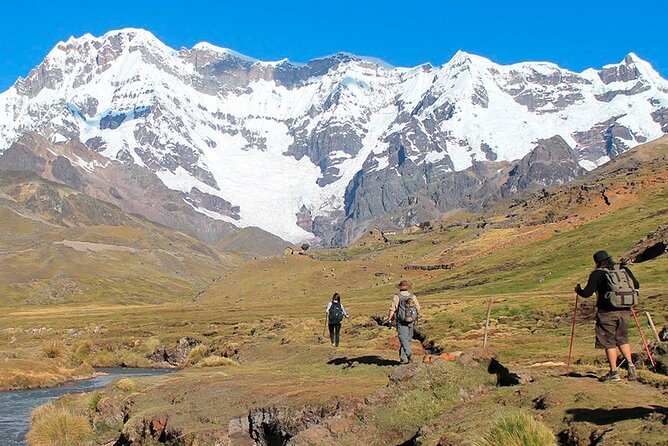
Day 4 keeps the pace manageable while still covering real ground—about 6 hours walking with around 15 km in the mix. You cross only one pass, which means more time for views and fewer “big effort” moments.
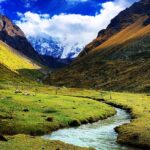
The trek moves through deep blue lagoons and alpine glacial-colored lakes. The color changes across the day can be dramatic. You also may have a chance to cool off—there’s an invitation to jump into the water if you’re feeling brave, though whether you do is entirely up to your comfort level.
The big goal is Pacchanta hot springs. After hiking, you soak while you look at Ausangate from another angle. That shift in viewpoint is underrated. You’re not just traveling across the mountain—you’re seeing it re-framed from the valley side.
The day ends with camping at about 4,300 meters while descending toward camp. A descending day is often easier than it sounds because your heart rate can settle a bit compared to constant climbs.
Hot springs strategy
- Bring a plan for layers: you can be warm in the soak, then cold quickly once you get out.
- Keep your water and snacks protected. High-altitude air is dry and you’ll feel it.
Day 5: Local Food Traditions, Weaving, and the Ride Back to Cusco
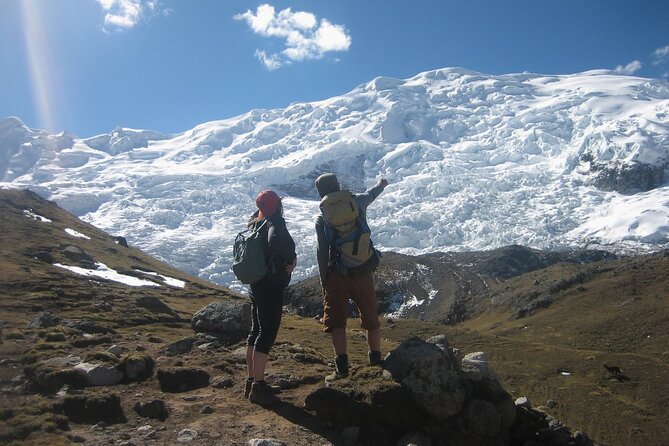
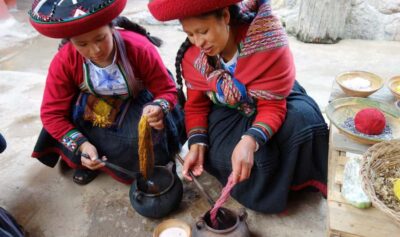
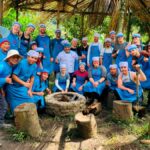
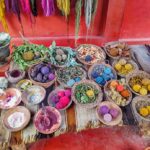
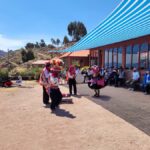
Day 5 is a finish day with culture. After breakfast you complete your hike around Ausangate Mountain, then you meet a local family for a ceremony that focuses on local food preparation and weaving techniques.
That cultural stop is valuable because it ties the trek back to daily life. You’re not leaving the Andes as an outsider who only looked at scenery; you’re seeing how people make cloth and food in a landscape where the mountain matters.
After the ceremony, you take the bus back to Cusco. The total time on this final travel day is about 3 hours.
The Small-Group Advantage: Guides, Cook, and Horse Driver Crew
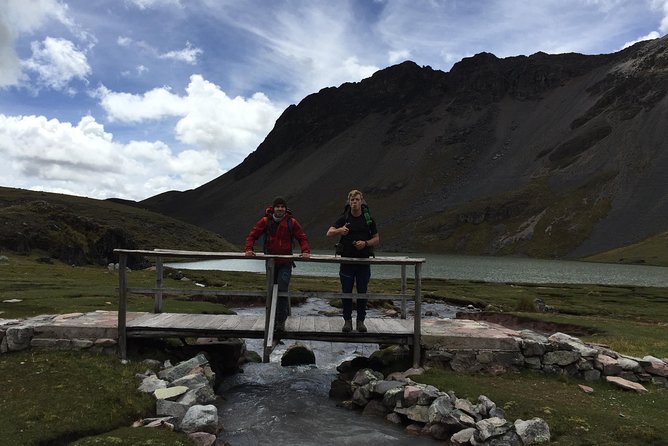
This trek is run by Vidal Expeditions with a crew that usually includes a guide plus support staff like the cook and horse driver. The names you might hear in the group are familiar from past trekkers: guides such as Chino, Guillermo, or Urbano, and crew members like cook Benigno (and assistant cook Euden) and horse driver Angel.
The practical payoff is what you’ll feel day to day: food shows up, camp gets set up, and your gear is in the right place. In the Andes, that is not trivia. It’s what keeps your days from turning into constant problem-solving.
I also like the way guides can mix terrain help with cultural context. It’s not only “step here, don’t slip there.” You’re learning why the mountain and traditions are treated with respect, and guides can point out wildlife and local patterns where the trail passes.
Meals on Trek: What All-Inclusive Looks Like at 4,000+ Meters
The tour includes:
- Lunch (5 times)
- Dinner (4 times)
- Breakfast (4 times)
On a multi-day trek, meals are a bigger deal than people think. When you’re at 4,000–5,200 meters, you’ll feel fatigue faster if you miss calories. Having hot, regular food means you’re less likely to “bonk” midway through a pass.
You should also assume portions will be meant to support high-output days. Past trekkers specifically praised the cook team’s ability to produce lots of food in camp conditions, which is impressive because camp cooking at altitude isn’t exactly easy.
For you: manage your drinks
Even with coca tea and meals planned, bring a water strategy for altitude. You’ll be walking long enough that dehydration and dry air can sneak up.
What to Pack (And Why the Sleeping Bag Matters)
The tour provides camping equipment and horses for equipment, but your sleeping bag is not included. That’s a key item to handle early. Nights at 4,200–4,630 meters can feel extremely cold, even if the trekking day felt manageable.
So if you’re deciding what matters most, the order is:
- A warm, proper sleeping bag
- Warm layers for evenings and early mornings
- Head coverage and gloves suitable for cold temperatures
- Comfortable hiking boots you trust on rocky trail
Also remember you’ll be starting very early from Cusco, so it’s smart to plan for a cold start before the sun works its way up.
Fitness Reality Check: Moderate Fitness, Big Altitude
The tour asks for moderate physical fitness. That’s accurate, but here’s the nuance: altitude does part of the work for you. The walking days range from about 3–4 hours early on to longer efforts later (up to 7 hours hiking time described on Day 2).
Your success will depend on how you handle:
- steady climbs to 4,850–5,200 meters
- pacing and breathing control
- cold nights and recovery time
If you’re fit but new to altitude, treat the first two days as your acclimation window. If you’re both fit and altitude-experienced, you’ll likely feel more comfortable with the rhythm, especially with the hot springs recovery breaks.
When You’ll Truly Enjoy This Trek
I’d steer you toward this trek if you want:
- a small-group adventure (max 10)
- a route that includes hot springs and ceremonies, not just peaks
- a guided experience that mixes mountains with Peruvian culture and history
- a crew that takes care of camp and meals so you can focus on the trail
It’s also a great choice if you dislike feeling crowded. There’s evidence this region can stay relatively quiet compared to mass tourism patterns, and the smaller team approach helps you keep that sense of space.
Should You Book the Ausangate Trek with Vidal Expeditions?
If you’re choosing between doing Ausangate as a simple day hike versus a real multi-day journey, this 5-day trek is the option that makes the mountain feel personal. The combination of high passes, turquoise lakes, two hot springs moments, and a ceremony-led cultural finish gives you more than scenery.
I’d book it if you’re comfortable with altitude and want the value of all-inclusive trek support: meals, camp gear, and horse-assisted logistics. I’d think twice if you hate cold nights, aren’t ready for passes near 5,200 m, or you don’t have a warm sleeping bag.
If you’re ready to work a bit and then relax into hot springs and cultural moments, this is a trek that fits.
FAQ
What time does the trek start?
The start time is 5:00 am.
How large is the group?
This tour has a maximum of 10 travelers.
Are meals included?
Yes. Lunch (5), dinner (4), and breakfast (4) are included.
What camping support is provided?
The tour includes camping equipment and horses for equipment.
Do I need to bring a sleeping bag?
Yes. A sleeping bag is not included.
Can I cancel and get a full refund?
You can cancel for a full refund if you cancel up to 24 hours in advance of the experience start time. If it’s canceled due to poor weather, you’ll be offered a different date or a full refund. If the minimum number of travelers isn’t met, you’ll be offered a different date/experience or a full refund.