REVIEW · CUSCO
Cusco: Full-Day Sacred Valley and Maras Tour
Book on GetYourGuide →Operated by PVTravel · Bookable on GetYourGuide
One day, three kinds of Inca wonder. This full-day Cusco Region tour strings together Písac market color, Salineras salt pools views, and major Sacred Valley ruins—without forcing you to plan each leg. It’s a lot of stops, but it makes a great day-to-day crash course in what makes the valley so famous.
I especially like how the route mixes archaeology with everyday life: you’ll pause for a buffet lunch in Urubamba and then keep moving through working towns. The possible drawback is simple—this is a long 12-hour day with plenty of time on the road and some walking in sun, so you’ll want to bring water and wear shoes you can handle.
In This Review
- Key Points Worth Noticing
- Sacred Valley in One Long Day: What 12 Hours Really Means
- Chinchero: Textiles and Archaeology Before You Head Down the Valley
- Moray’s Terraces: A Place That Looks Like It Was Built for Experimenting
- Maras Salt Mines: 3,000+ Pools with Real-World Sensory Impact
- Urubamba Lunch Break: Fuel Up on the River Route
- Ollantaytambo: Incan Stonework That Feels Bigger Than the Photos
- Pisaq Archaeological Park and the Craft Market Finish
- Price and Value: How $33 Works with Ticket Fees
- Practical Tips for a Smoother Day in the Sacred Valley
- Who This Tour Suits Best (and Who Might Skip It)
- Should You Book This Cusco Sacred Valley Tour?
- FAQ
- How long is the Cusco Sacred Valley and Maras tour?
- What are the main stops on the itinerary?
- Is lunch included?
- Is pickup from my hotel included?
- What languages is the guide available in?
- Are entrance tickets included in the price?
- Does the tour include transportation?
- What should I bring?
- Can I cancel for a refund?
- Can I reserve without paying immediately?
Key Points Worth Noticing
- Písac market time gives you a real taste of local crafts and the pulse of the valley
- Moray’s terraced bowl is a quick, memorable stop that’s easy to see even if you’re short on time
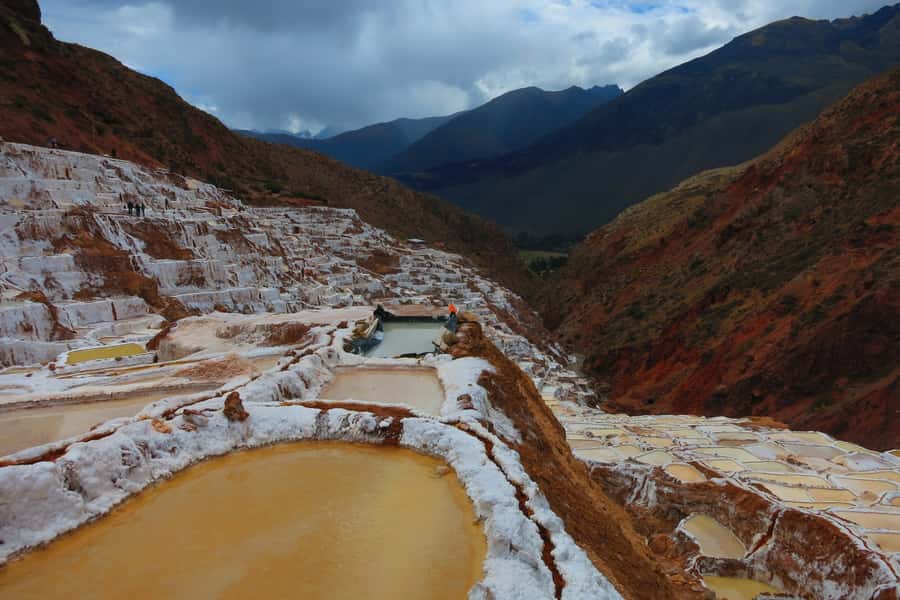
- Salineras salt mines feature more than 3,000 salt pools, turning the hillside into a grid of shimmering pans
- Urubamba lunch keeps you fueled in the middle of the day, right in the valley’s flow
- Ollantaytambo architecture lets you see Inca stonework in a big, dramatic setting
- Pisaq craft market wraps the day with shopping that feels connected to the sites you just saw
Sacred Valley in One Long Day: What 12 Hours Really Means
This tour is built for people who want the Sacred Valley highlights without juggling separate taxis, tickets, and schedules. At 12 hours, it’s not a slow scenic drive with frequent do-nothing breaks. You’ll start with hotel pickup in Cusco (around the city center), then spend most of the day moving between stops—archaeology, textiles, markets, and the salt mines.
The rhythm is helpful if you’re on a tight schedule. You’ll get the valley’s biggest “wow” moments in a single outing: Moray’s unusual terraces, Maras’ salt pools, and major Inca sites like Ollantaytambo and Pisaq. The tradeoff is energy. If you don’t love long travel days, consider whether you’d rather split this into a shorter, more relaxed tour.
You can also read our reviews of more tours and experiences in Cusco


Chinchero: Textiles and Archaeology Before You Head Down the Valley
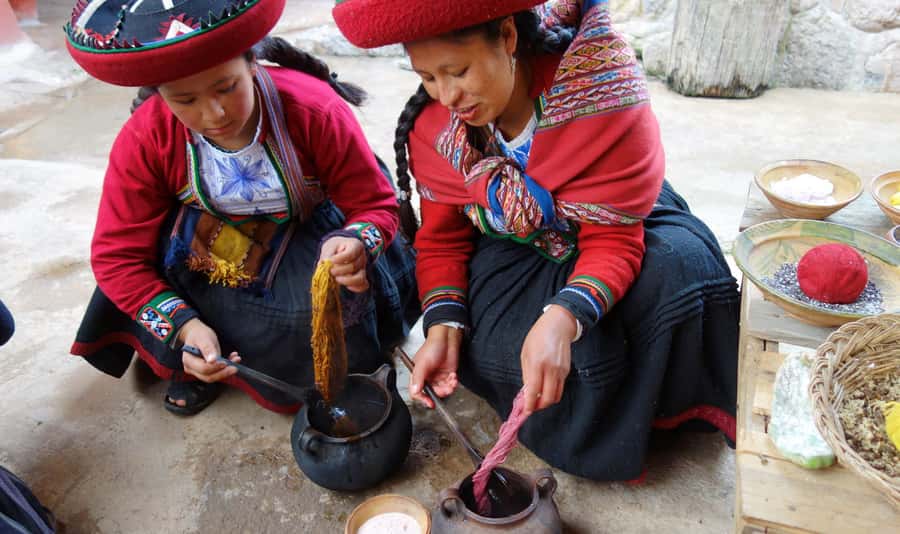
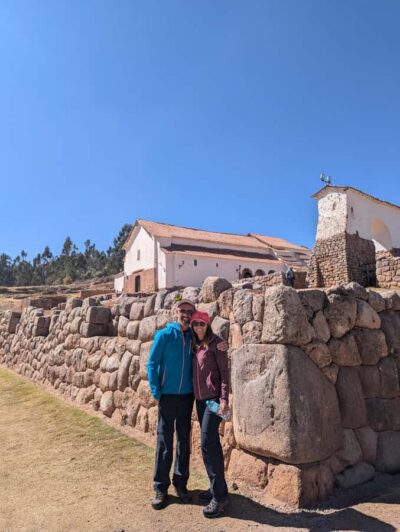
Your day starts by heading to Chinchero, where you’ll visit an archaeological zone and a textile center. This stop matters because it sets the tone: you’re not just seeing old stone—you’re seeing how the region’s traditions live on in practical, visible ways.
Why I like this approach is that it gives you context early. By the time you reach Moray and the salt mines, you can better connect what you’re seeing to the people and work that still shape the valley today. Even if you’re mostly focused on ruins, Chinchero’s textile angle adds a different kind of understanding—less about stone engineering, more about craft and continuity.
Moray’s Terraces: A Place That Looks Like It Was Built for Experimenting
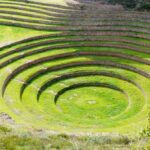
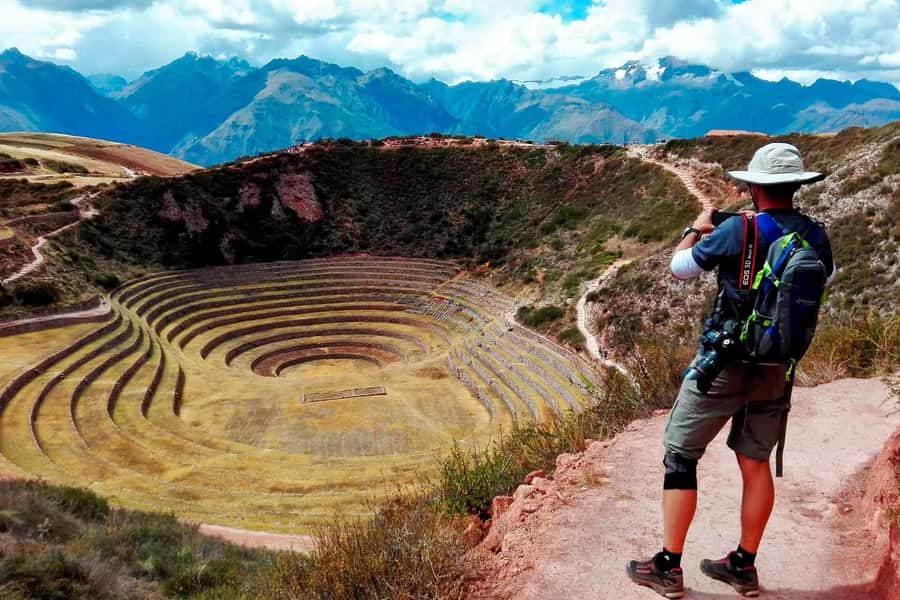
Next up is the archaeological park of Moray. The setting is striking because it’s not just a typical set of ruins you stroll through and forget later. Moray’s terraced design feels planned and purposeful, and it’s the kind of place where you’ll naturally stop, look around, and try to make sense of the layout.
There’s a good reason this stop fits into a long day itinerary. It’s memorable without requiring hours. You get a strong visual payoff, and then the tour keeps momentum so you’re not stuck waiting around.
Practical note: you’ll want comfortable shoes here. Even when the walk isn’t extreme, you’ll be moving enough to make good footwear feel worth it.
Maras Salt Mines: 3,000+ Pools with Real-World Sensory Impact
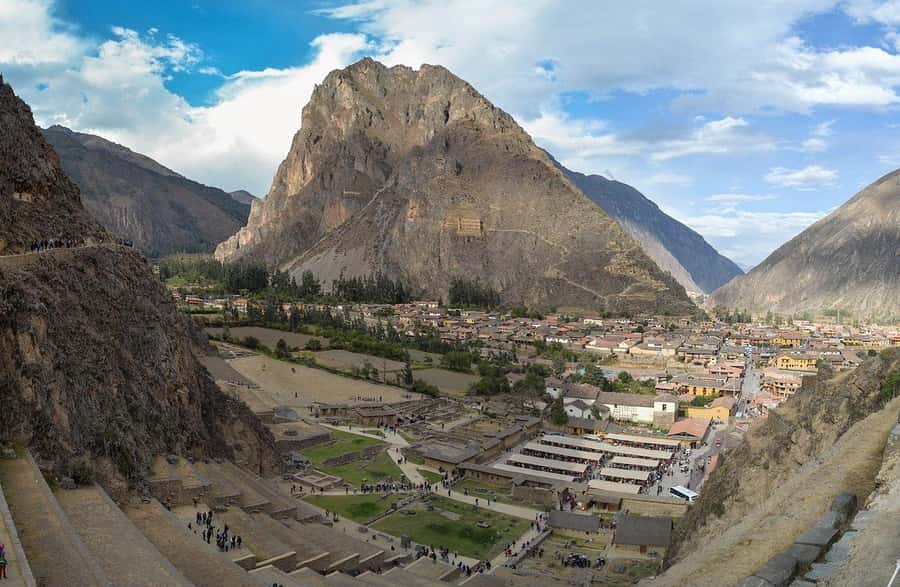
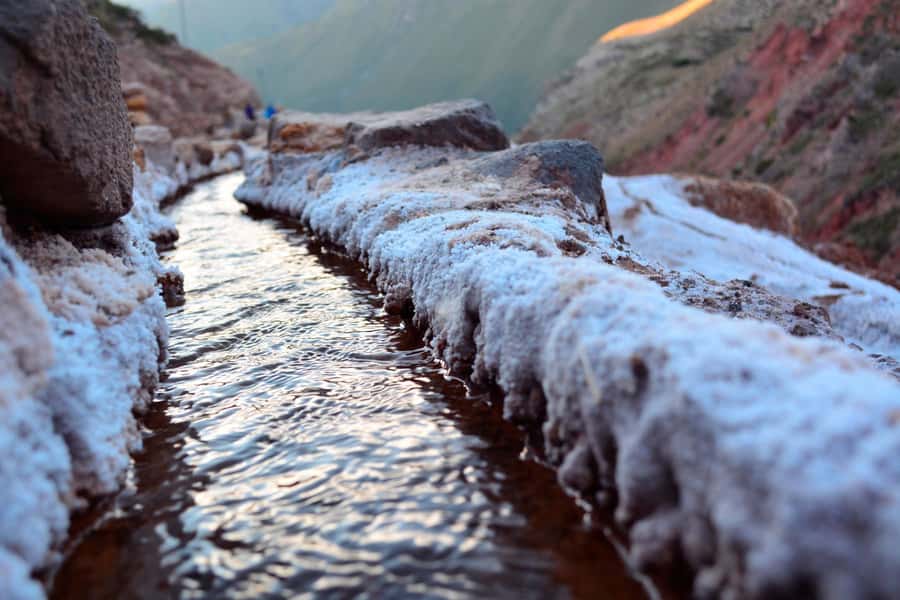
Then comes the star-picture moment: Maras and the Salineras salt mines. You’ll pass through the town of Maras and explore the salt mine area with more than 3,000 salt pools. This is one of those sights that’s hard to appreciate from a photo alone because the scale is physical—patches of production spread across a hillside like a living pattern.
What makes this stop especially valuable is that it’s not just scenic. It’s a working system. Even if you don’t know the full technical story, the number of pools and the way they step across the terrain tell you this is organized production, not a random view.
Another smart detail: you’ll have a better sense of the valley’s geography after Moray. By the time you reach Maras, the region’s terrain stops feeling like background and starts feeling like part of the plan.
Urubamba Lunch Break: Fuel Up on the River Route
You’ll stop for lunch in the village of Urubamba, with a buffet lunch included. This is more than a casual meal break. In a 12-hour day, a proper lunch is what keeps you from turning cranky halfway through Pisaq or Ollantaytambo.
The lunch location also makes route sense. After you’ve seen Moray and started working your way toward Maras, Urubamba is a natural pacing point before you tackle the larger ruins closer to Cusco’s side of the valley.
Good idea: pace yourself with food and water. You’re heading into more walking and sun after lunch, and the itinerary doesn’t include a long rest stop.


Ollantaytambo: Incan Stonework That Feels Bigger Than the Photos

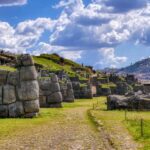
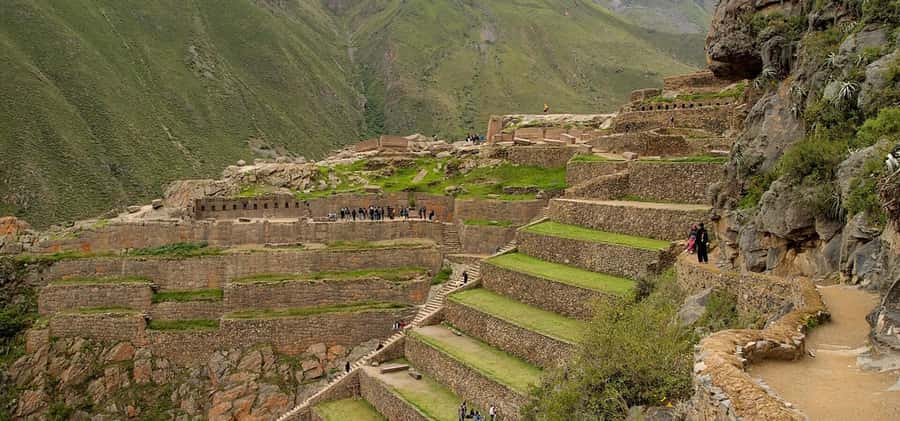
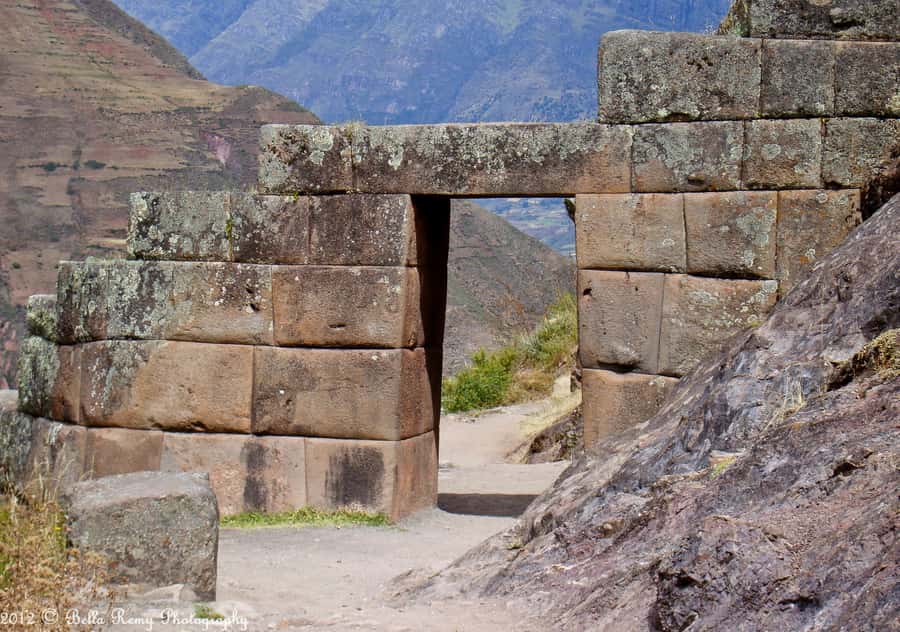
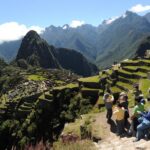
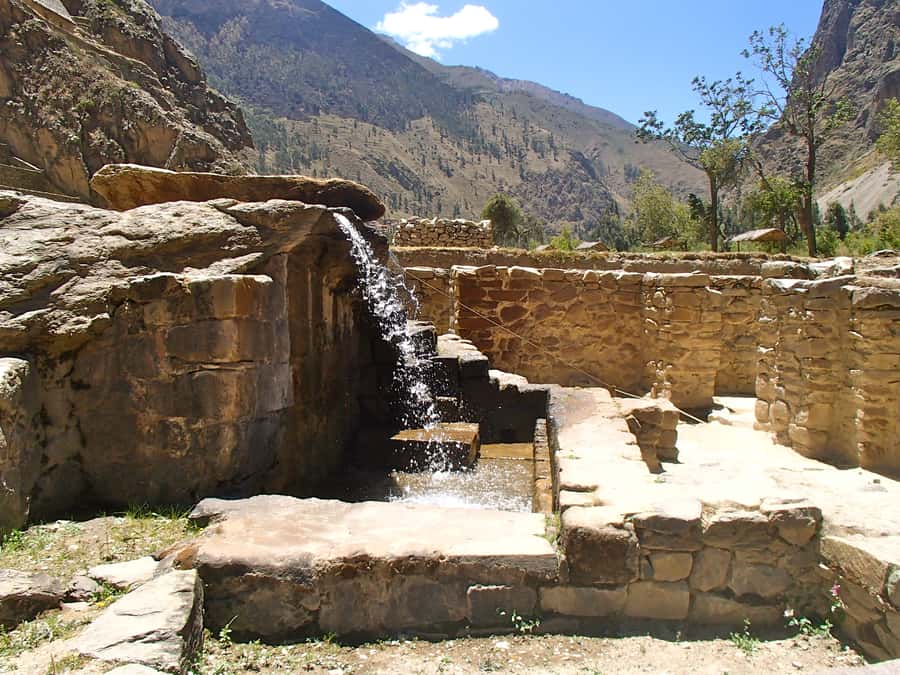
After lunch, you travel to the archaeological sites of Ollantaytambo. Ollantaytambo is known for its Incan architecture, and this stop delivers on the promise of big stone presence. Even if you only have a few hours here, you’ll feel the scale of the structures and the clarity of how the site is arranged.
This is one of those places where a guide helps. With a professional English/Spanish-speaking guide, you’re more likely to notice design logic—how walls, levels, and spaces relate to each other—rather than just walking past impressive blocks of stone.
Tip from the practical side: take a slower moment at a viewpoint, then look back toward where you’ve been. Ollantaytambo often makes more sense when you can compare your position with the surrounding layout.
Pisaq Archaeological Park and the Craft Market Finish

Later in the day you visit the archaeological park of Pisaq. This stop is designed to land after your major ruins time, so you end with another strong highlight before wrapping up with nearby market browsing.
After Pisaq, you’ll visit the nearby town to explore the craft market. This is a smart way to finish because it connects the site visit to something current. You’re not only learning about the past—you’re also getting time to see local crafts in a setting that feels related to the day you’ve had.
If you like shopping, this is the section where you’ll feel the most in control of your time. If you’re not a shopper, you can treat it as a chance to slow down, watch, and enjoy the last stretch of the day at a gentler pace.
Price and Value: How $33 Works with Ticket Fees
The price is listed at $33 per person for a full-day tour lasting about 12 hours. That sounds low for a day that includes pickup, transportation, a professional guide (English/Spanish), and lunch. On value alone, it’s strong—especially if you’d otherwise have to piece together transport to multiple sites.
But here’s the key detail to plan for: touristic tickets and certain entrances are listed as not included. The touristic tickets are listed at 70 Soles per person, and Salineras has an additional 10 Soles per person entrance fee when applicable. The tour also states that entrances to Maras and ruins are included only if you select the option.
So the real value question is simple: check what’s included in your booking choice. If your ticket package includes the entrances, you get a cleaner, more predictable day. If not, factor those Soles into your budget so the day doesn’t feel like it’s costing more at the counter.
Practical Tips for a Smoother Day in the Sacred Valley
A long day can feel fine if you prep the basics. The tour lists what to bring for a reason:
- Comfortable shoes: you’ll be walking through archaeological areas and the salt mine area
- Sunglasses and sun hat: this is a daytime itinerary with lots of outdoor time
- Water: you’ll be moving and stopping across multiple sites for about 12 hours
Also, mentally plan for the pace. This is not the kind of tour where you “linger and linger.” The itinerary is structured, so if a stop grabs you visually, you’ll need to balance that with staying on schedule for the next one.
Who This Tour Suits Best (and Who Might Skip It)
This tour is a great match if:
- you’re spending limited time in Cusco and want the Sacred Valley highlights in one day
- you like a guide who can explain what you’re seeing in English or Spanish
- you want lunch handled for you in Urubamba
It might be less ideal if:
- you hate long travel days or you prefer slower pacing
- you’re extremely cost-sensitive and want a tour where entrance fees are fully wrapped in the base price
Should You Book This Cusco Sacred Valley Tour?
I’d book it if your goal is “see the big hits and understand them a bit,” with minimal planning stress. The combination of Písac market, Moray, Maras salt pools (3,000+ pools), Ollantaytambo, and Pisaq is exactly what makes the Sacred Valley so compelling—even if it means a packed day.
I’d double-check your booking options around entrance fees before committing. Once you confirm whether ruins and Maras entry are included, the rest of the day looks like straightforward value: pickup, transportation, guided commentary, and lunch in the middle of it all.
If you want, tell me what month you’re going and whether you prefer markets or ruins most. I can help you decide if this “single-day highlights” format fits your style.
FAQ
How long is the Cusco Sacred Valley and Maras tour?
The tour duration is 12 hours.
What are the main stops on the itinerary?
You’ll visit Chinchero (archaeological zone and textile center), Moray, Maras and the Salineras salt mines, Urubamba for lunch, Ollantaytambo, Pisaq, and then a nearby craft market.
Is lunch included?
Yes. A buffet lunch in Urubamba is included.
Is pickup from my hotel included?
Yes. Hotel pickup is included from accommodations around Cusco City center. If your accommodation is outside that area, a meeting point will be set.
What languages is the guide available in?
The tour includes a professional guide who speaks English and Spanish.
Are entrance tickets included in the price?
Entrances are included only if you select the corresponding option. The touristic tickets are listed as 70 Soles per person, and the Maras entrance fee is listed as 10 Soles per person when applicable.
Does the tour include transportation?
Yes. Transportation is included for the full day.
What should I bring?
Bring comfortable shoes, sunglasses, a sun hat, and water.
Can I cancel for a refund?
Yes. Free cancellation is available up to 24 hours in advance for a full refund.
Can I reserve without paying immediately?
Yes. You can reserve now and pay later, with pay nothing today.