REVIEW · CUSCO
Full-Day Excursion to Sacred Valley, Pisac and Ollantaytambo from Cusco
Book on Viator →Operated by MACHUPICCHU TOURIST CONNECTION · Bookable on Viator
Sacred Valley, squeezed into one day. This tour is interesting because you get a focused pass through the Inca landscape around Cusco, with a true day-trip rhythm: early start, big sights, then dinner plans back in town. I really like the guide-led history (I’ve seen names like Abel, AJ, Victor, and Jhon connected to this tour, and they tend to explain sites clearly in English and Spanish). I also like the included buffet lunch with 30-plus Peruvian dishes, where the ceviche often becomes the “how is there so much food?” moment.
That said, this is still a long, fast-moving day. The pace can feel rushed, and some departures include extra shopping stops that cut into time at the main ruins. Add in separate entrance fees for some sites, and you’ll want to go in with your expectations set: you’re buying coverage, not leisurely wandering.
In This Review
- The Big-Picture Value: Price, Timing, and What’s Actually Included
- Entering the Sacred Valley: Your Morning Run of Key Inca Sites
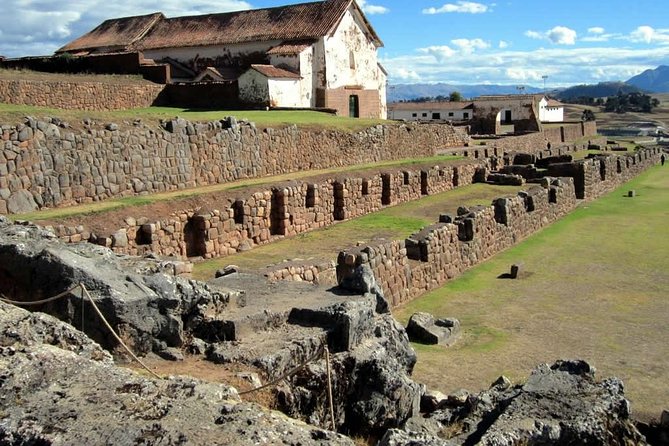
- Chinchero’s Inca Wall and Colonial Temple Layers
- Moray: The Inca Agricultural Experiment in Terraced Bowls
- Salinas de Maras Salt Mines: Thousands of Square Pans on a Hill
- Urubamba Lunch Break: 30-Plus Dishes and a Real Reset
- Ollantaytambo: Fortress, City Streets, and the Inca Focus on Control
- Pisac’s Platforms and Astronomical Design Before You Head Back
- Pace, Comfort, and the Shopping Stops You Should Plan For
- Practical Tips So You Don’t Lose Time or Energy
- Who This Sacred Valley Day Trip Fits Best
- Should You Book This One-Day Sacred Valley Tour?
- FAQ
- What time does pickup happen in Cusco?
- How long is the tour, and when do we get back?
- What entrance fees do I pay separately?
- Is lunch included, and what’s it like?
- How big is the group?
- Do I need to be very fit to do this?
The Big-Picture Value: Price, Timing, and What’s Actually Included
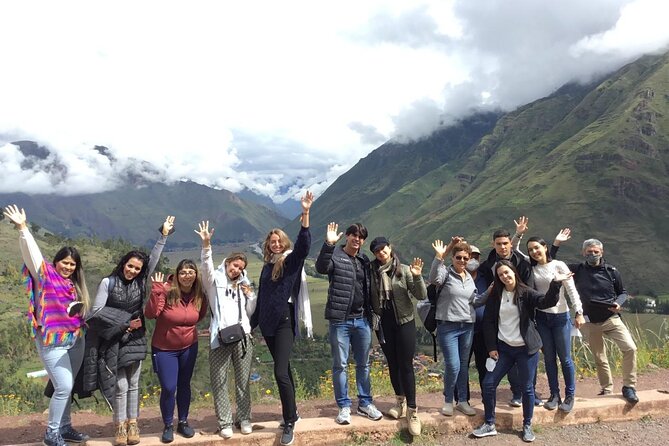
This excursion costs $47.90 per person, and for Cusco, that price is mostly about coverage. You’re getting round-trip transportation, pickup from your hotel, a professional guide, and lunch in a set restaurant. It also runs with a maximum of 20 travelers, which matters on a route like this—smaller groups move faster and feel easier to manage.
Timing is the trade-off. You’ll be picked up from your Cusco hotel between 6:30 a.m. and 6:55 a.m., with the tour described as about 13 hours total. The day ends back in Cusco around 7:30 p.m., and the transport usually drops you close enough to the main square area that a taxi or dinner plan is simple.
What I’d call out right away: lunch is included, but some drinks may not be. One review specifically mentioned drinks not being included, so if you’re a soda/juice person, plan on buying beverages separately.
Entering the Sacred Valley: Your Morning Run of Key Inca Sites
You start with an early transfer from Cusco and then step into the Sacred Valley of the Incas. The plan is to hit the five most important places in the area in one morning, with the guide explaining why the Incas cared about each spot—history, culture, and the practical importance of the valley.
Here’s the practical part: Sacred Valley entrance fees are not included. You’ll pay 70 soles for the Sacred Valley ticket, and the ticket is purchased on the same day at the first archaeological center you visit. That means you don’t need to hunt down tickets the night before, but you should still have cash (soles) ready.
Why this morning schedule works: you avoid the late-day crowds and harsh light, and you can cover a lot before your feet get tired. The downside is just physics: even with a good guide, 5 stops in the morning is a lot of “in and out.”
You can also read our reviews of more tours and experiences in Cusco

Chinchero’s Inca Wall and Colonial Temple Layers
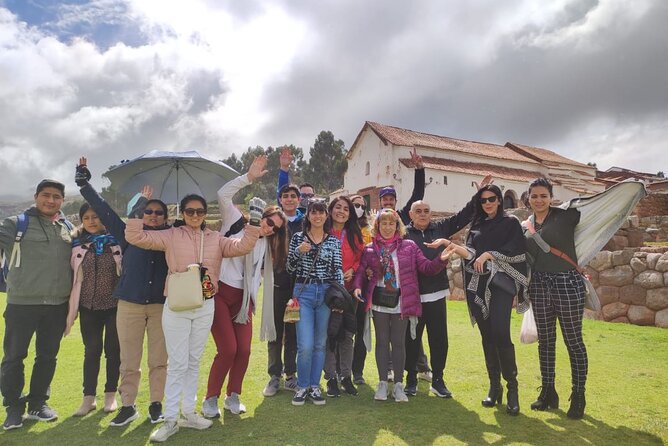
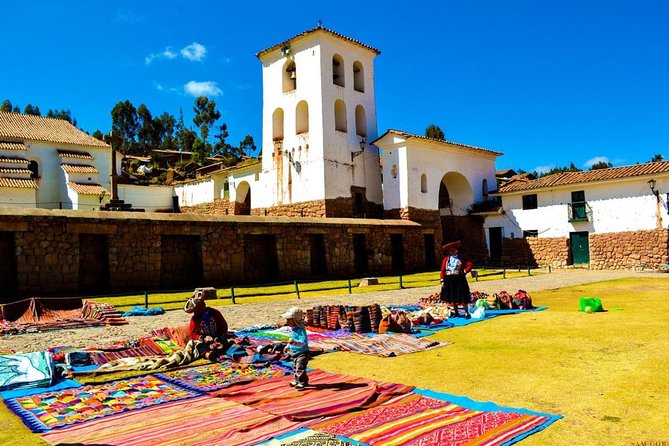
After the Sacred Valley overview, you move to the archaeological complex in Chinchero. This stop is interesting for its layers: you see Inca building under colonial additions.
What you’ll focus on:
- Remains tied to the royal treasury of Túpac Inca Yupanqui
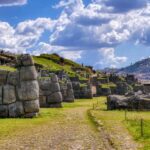
- A well-preserved Inca wall in the main square
- A colonial temple built on top of an Inca foundation
- Frescoes in the portico that add a different artistic tone than the stonework
This isn’t just “look at stones.” It’s the kind of stop that helps you understand how later powers reused, respected, or repurposed Inca locations. Even if the time feels short, the contrast is the point.
Moray: The Inca Agricultural Experiment in Terraced Bowls
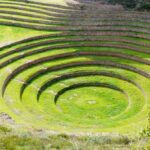
Moray is dedicated to Inca agriculture, and it’s one of the stops that feels more like a lesson than a photo stop. The terraces create agricultural platforms at different altitudinal levels, so you can see how the Incas experimented with growing conditions across the valley.
Your visit here is about 45 minutes, and admission is included. That makes Moray a solid value moment on the itinerary—no extra fee requirement, and you get a clear reason for what you’re looking at.
If you like “how people used the land” stories, Moray is usually where your brain goes quiet and you start noticing the geometry.
Salinas de Maras Salt Mines: Thousands of Square Pans on a Hill
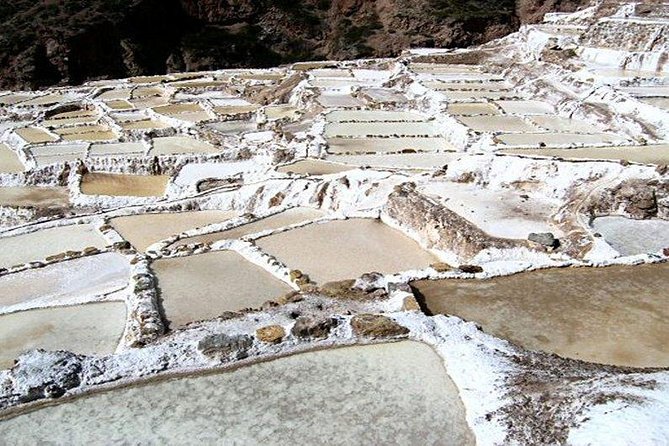
Then comes Salinas de Maras, the salt center that feeds a lot of salt culture in Peru. The setting is visually striking: you’re essentially looking at salt deposits spread across a whole hill, with multiple salt pans that have been used for extraction over time.
A few details to know:
- Stop length is about 45 minutes
- Admission is not included
- You’ll pay 20 soles for the salt mines
The tour description highlights it as the most important salt center in Peru and notes that salt is extracted for use across the country. Even if you don’t remember every historical detail, the layout sticks—this is a place where you can see human engineering in plain sight.
Urubamba Lunch Break: 30-Plus Dishes and a Real Reset
Urubamba is where the day stops being a marching band and becomes actual food time. You’ll have lunch at a tourist restaurant with a buffet featuring more than 30 varieties of typical dishes from the region.
This is one of the best “value per minute” parts of the day:
- Lunch is included
- You get a full hour
- The menu isn’t just one or two items—you’ll typically find a broad mix of flavors and textures
Some reviews call out the ceviche as a highlight. At the same time, one review noted limited vegetarian options for the main courses. If you eat vegetarian, I’d still expect to find food you can eat, but don’t assume every standard dish will be vegetarian-friendly.
Also: plan on buying drinks if you want something besides water.
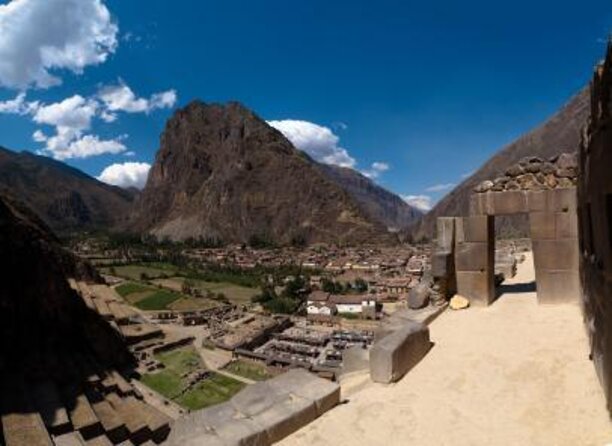
Ollantaytambo: Fortress, City Streets, and the Inca Focus on Control
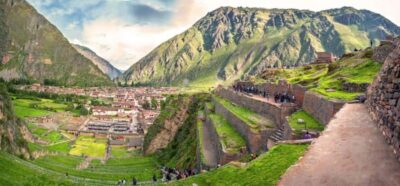
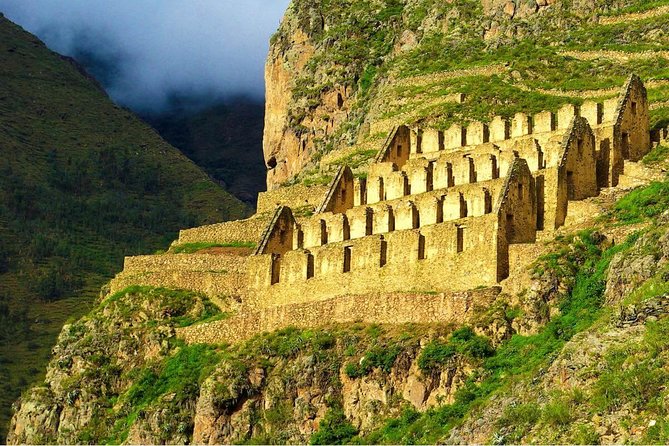
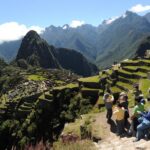
Ollantaytambo is an Inca military fortress and a key part of why the Sacred Valley mattered strategically. In plain terms, it protected the entrance to this section of the valley and helped defend against possible invasions from the jungle side.
You’ll get about 45 minutes here and admission is marked as free on the plan. The tour includes time to walk through the city streets so you can picture how the area functioned during the Inca Empire—military, religious, and cultural life all mixed together in the same space.
This stop tends to feel more “alive” than some other ruins because you’re moving through built streets rather than just standing at a single viewpoint.
Pisac’s Platforms and Astronomical Design Before You Head Back
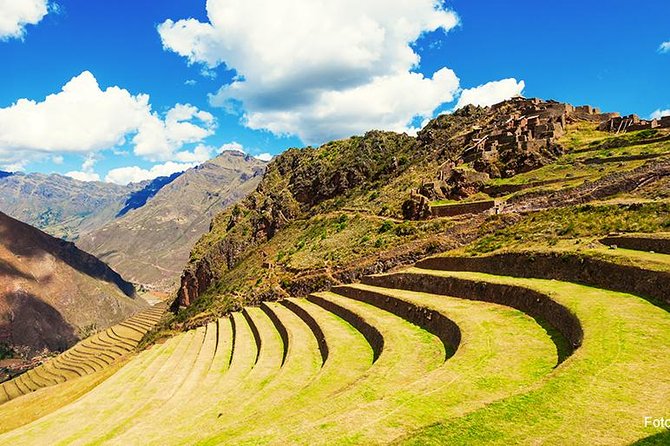
Pisac is your final major archaeological stop. It’s described as an Inca astronomical center, and it’s arranged across slopes and the upper mountain area, with groups of platforms and architectural structures.
Your visit is about 45 minutes, and admission is not included. After Pisac, you’ll return to Cusco around 7:30 p.m. Transport drops you near Calle Plateros area, close enough to the historic core that you can grab a taxi or continue on to dinner without stress.
Pisac is one of those places where the setting matters. You’re not only looking at stonework—you’re looking at a hillside spread of intentional structure. The downside is that 45 minutes means you won’t get the slow, lingering version of Pisac. This tour is built for seeing the main idea and moving on.
Pace, Comfort, and the Shopping Stops You Should Plan For
If you book this, you’re signing up for pace. Several reviews point out that time at each monument can be quick, with lots of “go now, see now” energy. It’s a good match for people who want an overview and don’t mind moving through quickly.
Comfort is the other factor. One review mentioned tight seating on a small bus and hard, uncomfortable seats for a full day. Another complaint was about the driver’s driving style on rough roads, which can be rough when roads twist and potholes show up.
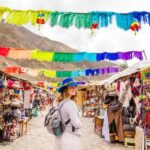
Then there’s shopping. Some itineraries include stops tied to alpaca wool production and then salt or silver shops later. The key question for you: do you want those stops, or would you rather have more time on ruins? If you’d rather skip the shopping detours, you can still shop later on your own—so decide in advance what you’re willing to trade.
Finally, bring a realistic mindset about guidance and photos. One review complained about no bottled water and missing photo help, while others praised guides who stay attentive, bilingual, and organized. If photos matter, tell the guide early that you want help getting group shots.
Practical Tips So You Don’t Lose Time or Energy
A day like this is won (or lost) on small choices. Here’s what I’d do before you go:
- Wear comfortable walking shoes with grip. You’ll be moving between uneven ground and stairs.
- Dress in layers. Mornings start cool in the Andes and afternoons can feel different, especially when you’re changing altitudes.
- Bring cash in soles for the sites with separate fees: Sacred Valley (70 soles) and Salinas (20 soles). Pisac admission is also listed as not included.
- Eat your lunch like it’s fuel, not a snack. The buffet is your anchor point.
- If you’re picky about shopping stops, plan your strategy early: politely decline, browse fast, and refocus on the archaeological sites.
If your Spanish is limited, don’t panic. Guides on this route are described as switching between English and Spanish to keep people included.
Who This Sacred Valley Day Trip Fits Best
This tour is a strong fit if:
- You’re short on time in Cusco and want the Sacred Valley highlights without complicated logistics
- You like learning as you go and don’t mind a structured schedule
- You want an easy start-to-finish day with pickup and transportation arranged
It’s not the best fit if:
- You want long, slow visits where you can wander without time pressure
- You strongly dislike shopping stops or prefer fewer commercial detours
- You get motion-sick easily on long drives over rough roads
If you’re traveling with family, you’ll want to match the day length to your group’s endurance. The tour describes moderate physical fitness as the expectation, which is basically the right word: it’s not a hardcore hike, but it’s still a full day.
Should You Book This One-Day Sacred Valley Tour?
I think you should book this if you want a high-coverage overview: Sacred Valley highlights, Chinchero, Moray, Salinas de Maras, lunch in Urubamba, Ollantaytambo, and Pisac—without planning a single timetable.
Before you commit, do two quick checks:
- Are you comfortable paying extra entrance fees on the day? Sacred Valley is 70 soles, Salt Mines is 20 soles, and Pisac admission is also not included.
- Do you accept a faster pace? If you’d rather linger at Pisac or spend more time exploring Ollantaytambo’s streets, you may be happier with a slower or more focused option.
FAQ
What time does pickup happen in Cusco?
Pickup happens from your hotel between 6:30 a.m. and 6:55 a.m., with the tour starting around 6:00 a.m. from the Plaza de Armas area.
How long is the tour, and when do we get back?
The full day is about 13 hours, and you return to Cusco around 7:30 p.m.
What entrance fees do I pay separately?
Sacred Valley entrance fees are 70 soles, and Salinas de Maras entrance fees are 20 soles. Moray is included. Urubamba lunch is included, and Ollantaytambo and associated access are listed as free on the plan. Pisac admission is not included (amount not stated).
Is lunch included, and what’s it like?
Yes. Lunch is included as a buffet with more than 30 varieties of typical dishes from the area, and you get about 1 hour.
How big is the group?
The tour lists a maximum of 20 travelers.
Do I need to be very fit to do this?
The tour indicates travelers should have moderate physical fitness level, which makes sense for a full day of moving between sites and walking in archaeological areas.
Would you like me to help you estimate the total cash you’ll likely spend on entrance fees (based on the exact days you’ll visit), and suggest a good packing list for altitude and a long bus day?