REVIEW · URUBAMBA
Cusco: Sacred Valley and Salt Mines Ending in Ollantaytambo
Book on GetYourGuide →Operated by XPLORA AMERICA · Bookable on GetYourGuide
Sacred Valley in one long day works. I love how the route strings together Chinchero, Moray, and Maras so you see both Inca-era ideas and Andean daily life side by side. I also like that you get a real stop for a Urubamba buffet lunch, not just snack-and-go. The one drawback to keep in mind is that it is a fast, multi-stop tour, so you’ll need patience if you prefer slow wandering.
You’ll start with hotel pickup in Cusco, ride out through the Sacred Valley, and finish around 3:30 PM near the Ollantaytambo train area. You get a live guide in English or Spanish, and the order of sites is built to help you understand how agriculture and trade shaped this region.
In This Review
- Key highlights to know before you go
- A fast, focused Sacred Valley day: from Cusco to Ollantaytambo
- Chinchero market, church, and textiles at 3,772 meters
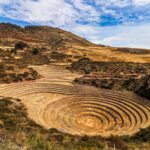
- Moray’s circular terraces: an agriculture lab in the high Andes
- Maras Salt Mines: over 4,000 wells of sparkling production
- Urubamba buffet lunch: when to refuel for the second half
- Ollantaytambo’s fortress: the end point that feels powerful
- Price and logistics: is $40 good value for this 12-hour day?
- Who this tour fits best (and who should adjust expectations)
- Practical tips to make the day easier
- Should you book the Cusco Sacred Valley and Salt Mines tour?
- FAQ
- How long is the tour and where does it end?
- Does the price include lunch?
- What’s included besides the guided sightseeing?
- Are entrance fees included for Moray and Maras?
- What languages are the guides?
- What should I bring for this day trip?
- What time does pickup happen?
- Is it possible to cancel for a refund?
Key highlights to know before you go
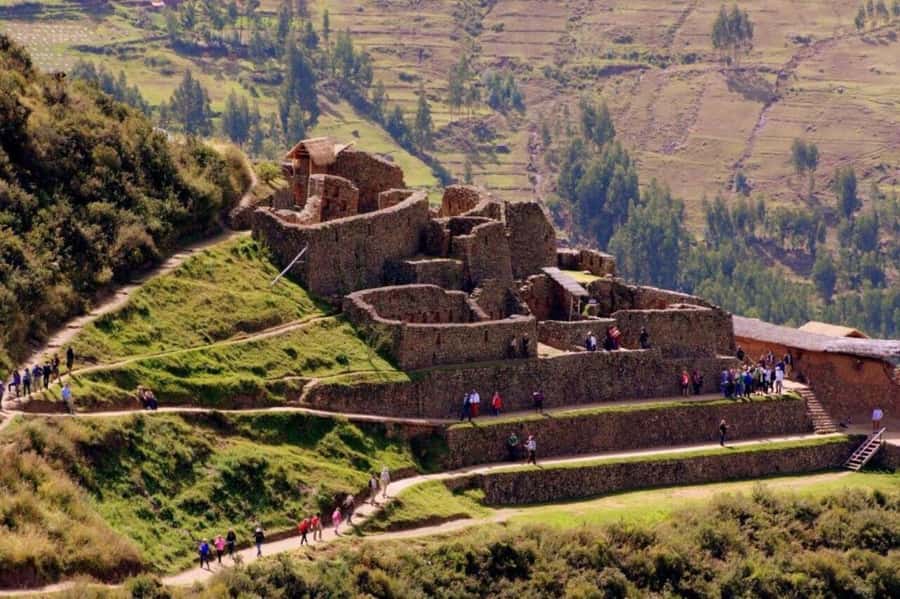
- Chinchero at 3,772 m: a church, an active market, and textiles made by Andean women
- Moray’s circular terraces: an agricultural experiment you can actually view up close
- Maras salt mines: more than 4,000 wells still used for salt extraction
- Urubamba buffet lunch: a solid midday meal included in the day
- Ollantaytambo drop-off: end where many people continue on by train
A fast, focused Sacred Valley day: from Cusco to Ollantaytambo
This 12-hour outing is designed for travelers who want the key Sacred Valley sights without splitting them into multiple days. The format is simple: pickup in Cusco, guided stops across the valley, a buffet lunch in Urubamba, then a drop-off near the Ollantaytambo train station.
What makes this itinerary especially practical is the logic of the stops. You move from culture and textiles (Chinchero), to agriculture and experimentation (Moray), to salt production (Maras), and finish at a major Inca stronghold (Ollantaytambo). It helps you connect the geography you see—mountain farms, crop fields, and production sites—to the way people lived here long before modern roads existed.
The trade-off is pace. There’s enough time to see the big picture and get photos, but you won’t have long, quiet stretches at each site. If you love taking your time, build in extra moments with your camera and quick questions for your guide rather than planning on leisurely roaming.
You can also read our reviews of more tours and experiences in Urubamba.
Chinchero market, church, and textiles at 3,772 meters
Chinchero is one of the best places to start because it feels like the Sacred Valley is still actively used, not just viewed. The town sits at about 3,772 meters, so the air is crisp and your body may notice the altitude if you’re moving around quickly. Dress for cool mornings and intense sun, even if Cusco already feels like it’s bright.
In town, you’ll visit the archaeological area and a 17th-century colonial church. Inside, you can see canvases connected with the Cusco School, which adds an art-history layer to the stop—not just stone walls and ruins.
Then comes the part many people remember most: the market atmosphere and the craft focus. There’s a typical market where people can still barter, and the emphasis is on traditional textiles made by Andean women. If you want value for your money, this is the stop where you can slow down just enough to compare colors and patterns and ask what makes one textile different from another.
A quick caution: market stops can tempt you to buy on the spot. If you’re serious about collecting textiles, glance at what you like first, set a rough budget, and avoid decision pressure. Your guide can usually help you understand what you’re looking at, but you still need time to choose.
Moray’s circular terraces: an agriculture lab in the high Andes
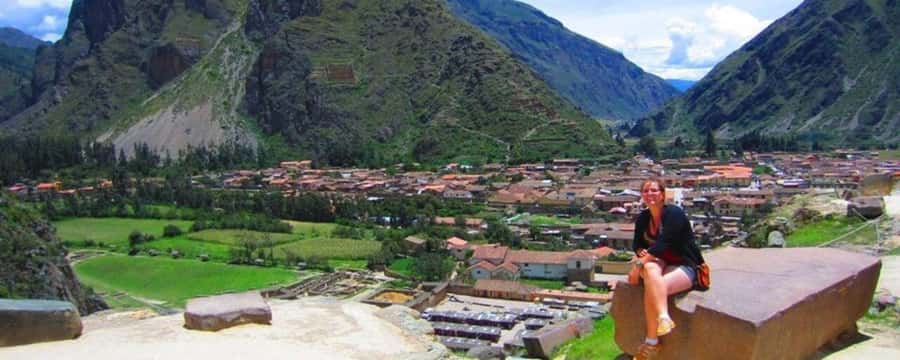
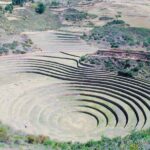
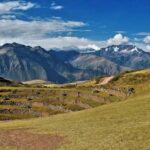
Next up is Moray, the place that makes you look at the landscape differently. These are circular agricultural terraces, known as an experimental agricultural center. The big idea is that the site was used to test growing conditions, so you can imagine how temperature and exposure change from ring to ring.
What I like about Moray is that it doesn’t feel like a museum model. You’re looking at a working design—rings built to create different microclimates—so you can connect it to the valley’s farming reality. Instead of just asking what was built, you start asking why it was built there and how farmers might have used it.
The practical downside is that Moray’s layout can feel like it covers more ground than you expect if you’re photographing constantly. Wear comfortable shoes, and don’t plan to sprint between viewpoints. If you have any mobility limits, pace yourself early so you’re not rushing at the end when you’re already tired.
Also, keep in mind that entrance fees to Moray are not included, so you’ll want to budget a little extra beyond the tour price.
Maras Salt Mines: over 4,000 wells of sparkling production
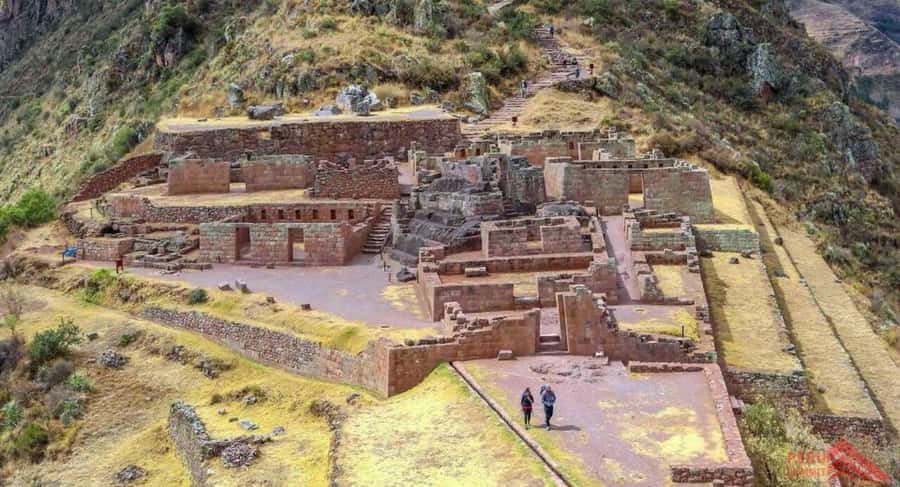
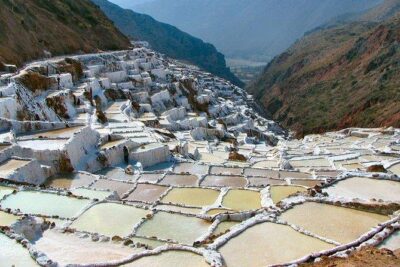
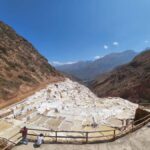
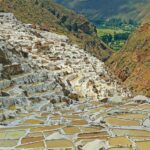
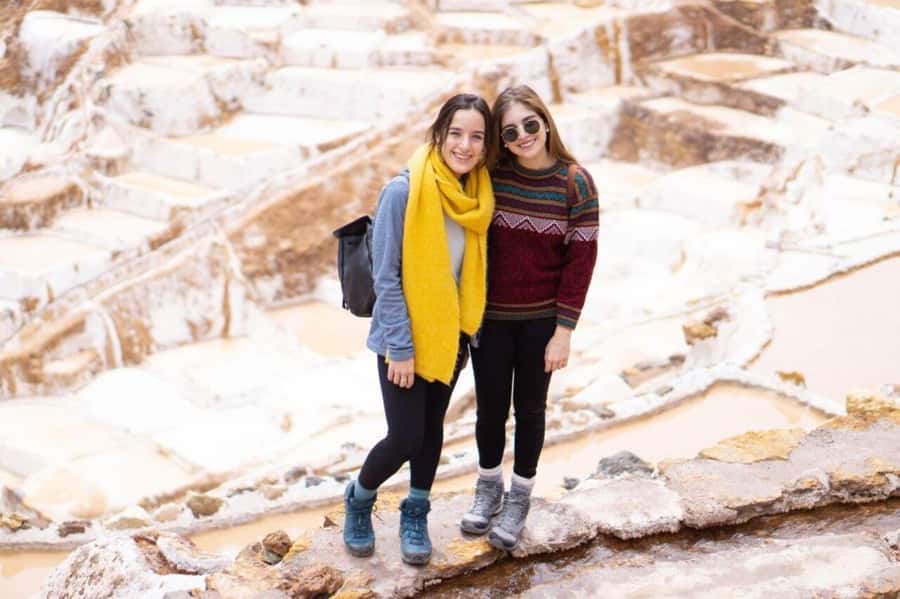
Maras Salt Mines are the kind of site that make you understand why old empires cared about resources beyond farmland. The mines contain more than 4,000 wells, and salt is extracted from this complex network.
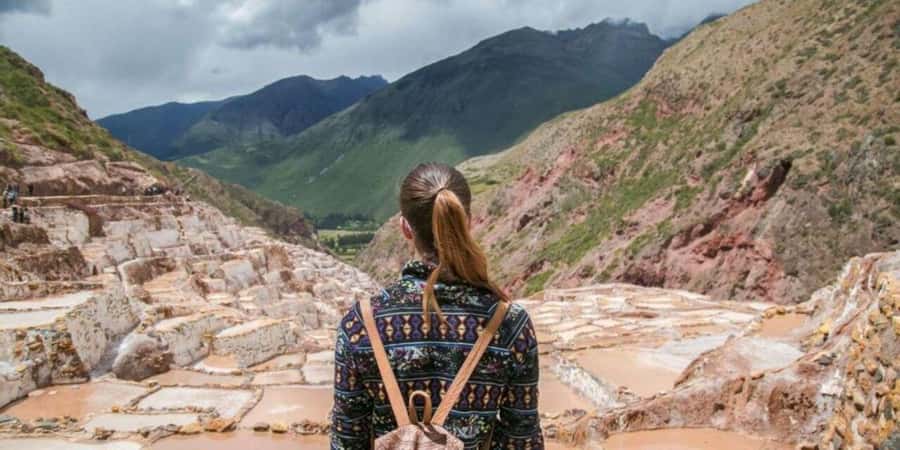
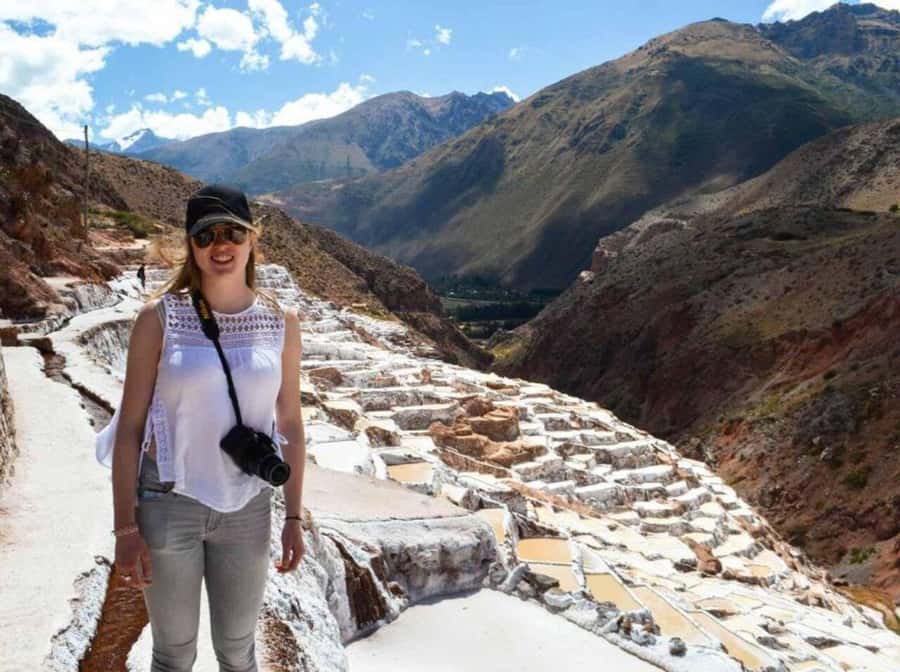
When you arrive, your eyes go straight to the patterns—rows of salt pans stacked across the slope. It looks almost geometric, but it’s also very human: people manage the process in a practical, ongoing way. Your guide’s explanation is what turns the visual into meaning: salt wasn’t just a commodity; it was part of preserving food and supporting trade.
This stop also tends to deliver the best “wow” photos because of the contrast: bright white salt shapes against the earthy tones of the valley. If you’re hoping for that classic shot, bring your camera and take a few minutes to reposition rather than firing off photos from the first angle.
Two small cautions help: first, you’ll likely want sunscreen even if it feels chilly, because sun in this altitude region is intense. Second, entrance fees to Maras are not included, so factor that into your day’s costs.
Urubamba buffet lunch: when to refuel for the second half
Urubamba is where the day slows just enough to refuel. Lunch is a buffet at a typical local restaurant, and that matters because it gives you flexibility. You can pick what sits well in your stomach at altitude and what matches your appetite after morning walking.
I like including lunch here because the Sacred Valley morning can be visually overwhelming. A buffet lets you eat at your own pace while your guide handles the group logistics. You’ll leave with enough energy to enjoy the final stop at Ollantaytambo instead of feeling wiped out.
There isn’t a specific cuisine menu listed, so treat lunch as “local regional flavors” rather than hunting for a particular dish. If you’re sensitive to spice or you’re not feeling great due to altitude, choose simpler items first and see how you feel.


Ollantaytambo’s fortress: the end point that feels powerful
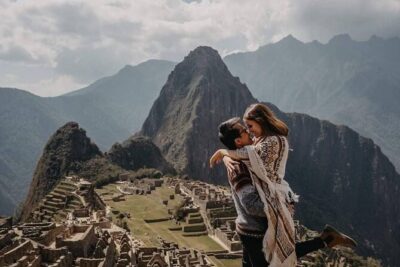
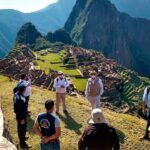
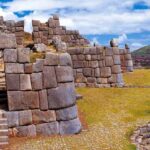
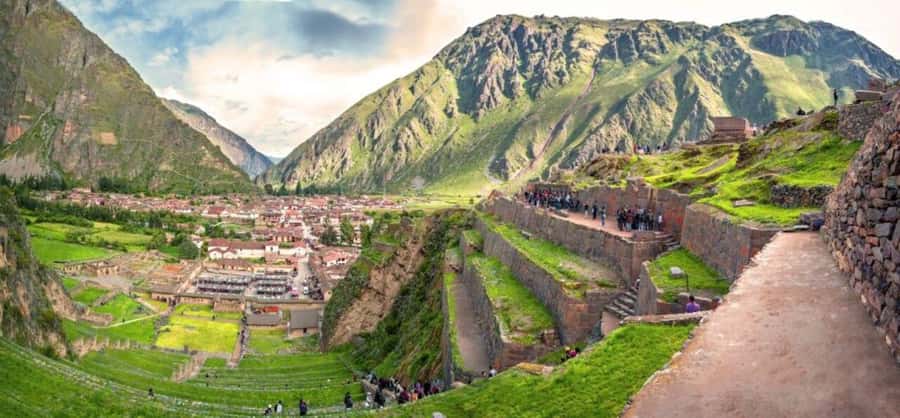
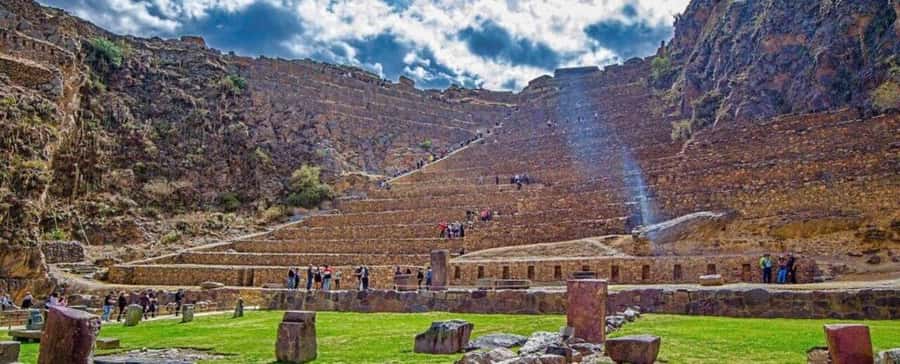
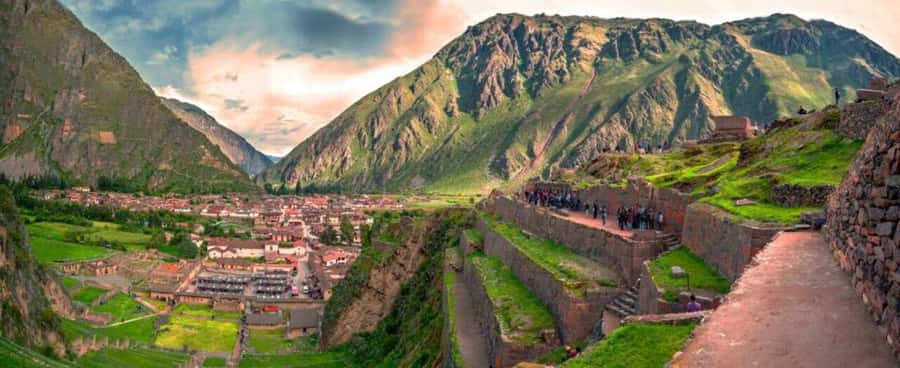
The day ends in Ollantaytambo, a living Inca city with a military fortress built to help protect the Sacred Valley from potential invaders. After salt and farms, this final stop changes the mood. You go from production and agriculture to defense and architecture—stone built with strategy in mind.
What you’ll notice at Ollantaytambo is the structure and purpose. Even without getting lost in details, you can sense why this location mattered. The fortress overlooks the valley routes, so it’s easy to connect the geography with the reason it was built.
At about 3:30 PM, your transport drops you off near the train station area. This is a real convenience if you’re continuing onward the same day. It also means the tour doesn’t try to keep you too long at the end—use that extra time to stretch, check your footing, and get ready for your next plan.
Price and logistics: is $40 good value for this 12-hour day?
At $40 per person for a 12-hour guided tour, this is priced like a value outing—especially because it includes hotel pickup in Cusco, transport between stops, a live guide, and a buffet lunch. For a day that covers multiple major sites, that’s where the price starts to feel fair.
The key thing to understand is what’s not included. Entrance fees to Moray and Maras are separate, so the final cost will be a bit higher once you add those entries. If you’re budgeting tightly, it helps to be ready with some extra cash just for that.
Also think about the included structure: guided stops can save time and confusion, particularly when you’re bouncing between villages and archaeological areas. And the fact that the tour ends near Ollantaytambo is practical if you’re building an itinerary around train travel.
If your travel style is slow travel, you might feel the value is lower because pace limits how much time you get at each place. If you want a strong overview and a smooth flow through the valley in one day, the price-to-effort ratio looks good.
Who this tour fits best (and who should adjust expectations)
This is a strong match if you want a one-day introduction to the Sacred Valley. It’s also ideal if you appreciate variety: a market with textiles, an agricultural science site, salt production, and a major Inca fortress—all without changing tours.
You’ll probably enjoy it most if you:
- like seeing multiple sites in a single route
- don’t mind walking several times throughout the day
- want a guide to explain what you’re looking at as you go
You might want a different approach if you prefer:
- long stays at fewer sites
- quiet, unhurried exploration
- minimal altitude walking
One more tip: bring the gear for strong sun and uneven ground. Even on a day that sounds straightforward on paper, your comfort will depend on shoes, hydration, and sun protection.
Practical tips to make the day easier
This is a day where small prep makes a big difference. You’ll be moving between towns and sites, and the Sacred Valley sun can be relentless even when you start cool.
Bring:
- Comfortable shoes (real walking, not just museum stairs)
- Hat and sunscreen
- Water (you’ll need it)
- Camera (because the photo angles come fast)
Dress for changeable weather too. Layers help because mornings can feel cooler, and afternoons can feel bright and strong.
And pay attention to your energy in the early part of the day. If you start feeling slow at altitude, slow down immediately rather than pushing through. That way you’ll enjoy Chinchero and Moray instead of feeling rushed at the end.
Should you book the Cusco Sacred Valley and Salt Mines tour?
Book it if you want a well-paced overview of the Sacred Valley’s most memorable themes in one day: textiles and market culture in Chinchero, agricultural experimentation at Moray, salt production at Maras, and the strategic power of Ollantaytambo. The included pickup, transport, guide, and Urubamba buffet lunch make it a solid value for the time you’ll spend.
Skip or adjust expectations if you need slow, deep time at each stop. This tour is built to move. Also budget for entrance fees at Moray and Maras, since they’re not included.
If you want a day that teaches you how people used this region—through farming, craft, and resources—this is a strong choice. Just go in ready for a full day of seeing, learning, and walking, then enjoy the payoff as the fortress of Ollantaytambo brings everything together.
FAQ
How long is the tour and where does it end?
The tour lasts about 12 hours and ends at around 3:30 PM with transport drop-off near the Ollantaytambo train station area.
Does the price include lunch?
Yes. Lunch is a buffet in Urubamba and it’s included in the tour price.
What’s included besides the guided sightseeing?
It includes hotel pickup in Cusco, tourist transport, a guided tour, and visits to Chinchero, Moray, Maras Salt Mines, and Ollantaytambo. The tour also includes the ending drop-off in Ollantaytambo.
Are entrance fees included for Moray and Maras?
No. Entrance fees for Moray and Maras are not included and must be paid separately.
What languages are the guides?
The live guide operates in English and Spanish.
What should I bring for this day trip?
Bring comfortable shoes, a hat, sunscreen, camera, and water.
What time does pickup happen?
Starting times vary, and you can check availability to see the specific pickup schedule for your date.
Is it possible to cancel for a refund?
Yes. Free cancellation is available up to 24 hours in advance for a full refund.