REVIEW · OLLANTAYTAMBO
Cusco: Sacred Valley + Maras and Moray
Book on GetYourGuide →Operated by Zarate Adventours · Bookable on GetYourGuide
Maras salt and Moray terraces in one long day. This is a high-impact route with Maras salt pans, Moray terraces, and major Sacred Valley archaeological stops packed into a single day. I especially like the way the tour mixes hands-on place-watching (salt, farming terraces, textiles) with real monument time in Cusco’s backyard, plus a buffet lunch that keeps the day moving.
Two more things I like: the early start means you hit key sites while the day is still fresh, and the small-group setup (limited to 15) makes it easier to stay together and ask questions. One possible drawback: it’s a full, long day, so you may feel some stops are efficient rather than slow and lingering.
You’ll start with hotel pickup in Cusco’s Historic Center at 6:30 am, then get back to the city around 7:00 pm. Since entrance tickets aren’t fully included, budget for the tourist partial ticket and the Maras entry fee so the day doesn’t turn into a surprise cost.
In This Review
- Key highlights you’ll care about
- A Route Built for One Packed Day: Chinchero to Pisac
- Chinchero textiles and a colonial temple stop
- Moray terraces: circular farming experiments you can actually picture
- Salineras de Maras: salt mines with Pre-Inca roots
- Urubamba buffet lunch: good fuel, and a spot to be cautious
- Ollantaytambo: archaeology that feels like it still holds shape
- Pisac: Andean heritage visible in a preserved archaeological center
- Price and entrance tickets: where the real cost lands
- Small group size and guide quality (and why it shows)
- What to watch for: rushing, craft stops, and meal risk
- Should you book this Cusco Sacred Valley + Maras and Moray day trip?
- FAQ
- FAQ
- What time does pickup happen in Cusco?
- What is the approximate return time to Cusco?
- How big is the group?
- What’s included in the tour price?
- Are entrance fees included?
- Is lunch included, and is it a buffet?
- What languages is the guide available in?
- What stops are visited during the day?
- What’s the cancellation policy?
Key highlights you’ll care about
- Chinchero textiles and a colonial temple: Learn how local weaving ties into the area’s heritage.
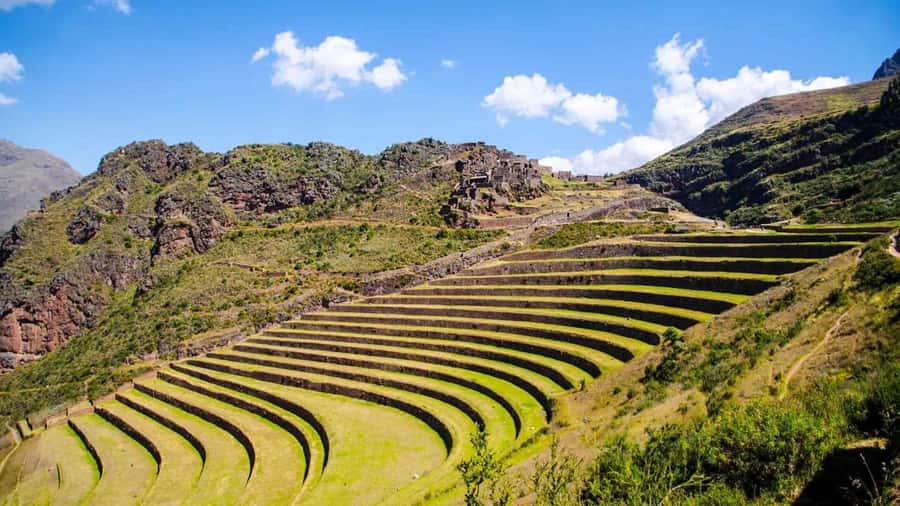
- Moray’s circular terraces: Agricultural terraces designed in a distinctive, experiment-like layout.
- Salineras de Maras: Salt mines worked since Pre-Inca and Inca times.
- Urubamba buffet lunch: A real mid-day meal in a break-friendly town.
- Ollantaytambo and Pisac: Two major archaeological centers in one itinerary day.
- Small group pacing: Limited to 15 people, with a professional live guide in English or Spanish.
A Route Built for One Packed Day: Chinchero to Pisac
This trip earns its keep by grouping the Sacred Valley’s headline stops into one tight loop. You’ll be on the move most of the day, but the route makes sense: first textiles and a heritage site, then the farming-and-water engineering of Moray, then the salt mines, then back to archaeology at Ollantaytambo and Pisac.
The time rhythm matters here. You’re not just sightseeing; you’re seeing the region’s logic—how people grew food, extracted resources, and built ceremonial centers along the valley. If you like structure and want maximum coverage without planning your own transport, this format is a strong fit.
If you prefer a slow day with minimal driving and lots of breathing room at each site, consider that this itinerary is designed for doing a lot.
You can also read our reviews of more tours and experiences in Ollantaytambo.
Chinchero textiles and a colonial temple stop
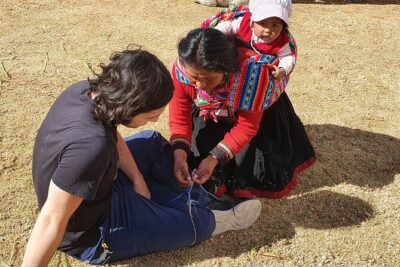
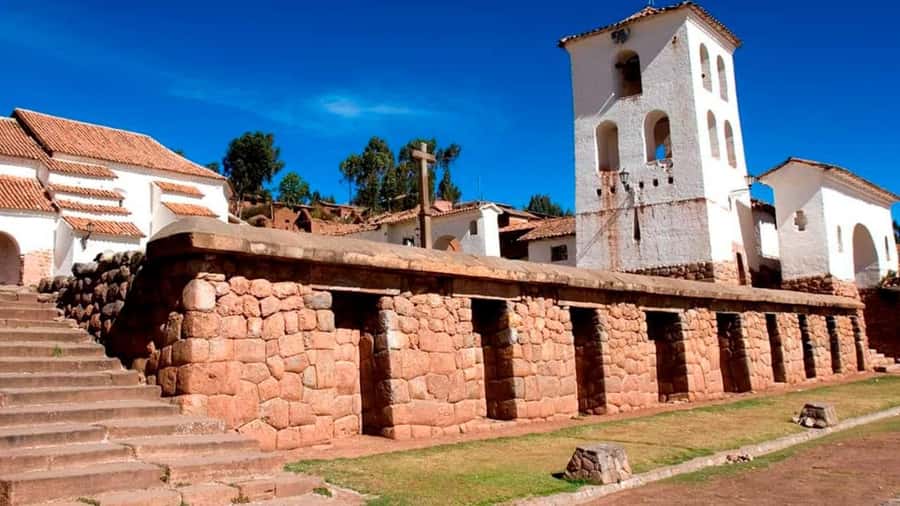
Chinchero is where the day starts with cultural detail you can actually see. You’ll visit the textile center of interpretation, plus the archaeological area and a colonial temple in the same stop.
Why that combination works: textiles aren’t just souvenirs here. They’re tied to local materials and skills, and Chinchero’s context helps you connect what you see in weaving to the broader human story of the region. A good guide can make this stop feel practical instead of lecture-only.
One heads-up: the day can include a craft market and a silver store later on. In at least one case, that felt less like demonstration and more like a quick sales push. If you hate shopping pressure, keep your wallet in check and treat these stops as optional browsing time, not “part of the lesson.”
Moray terraces: circular farming experiments you can actually picture
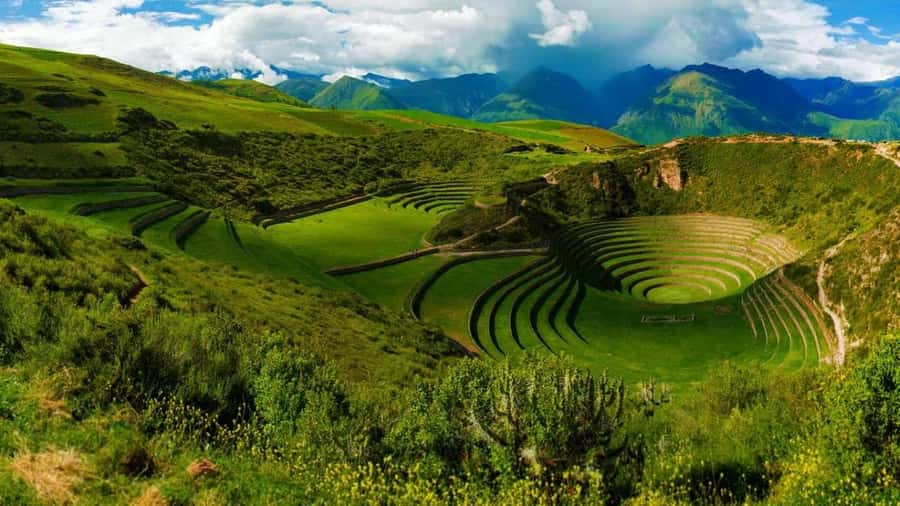
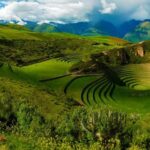
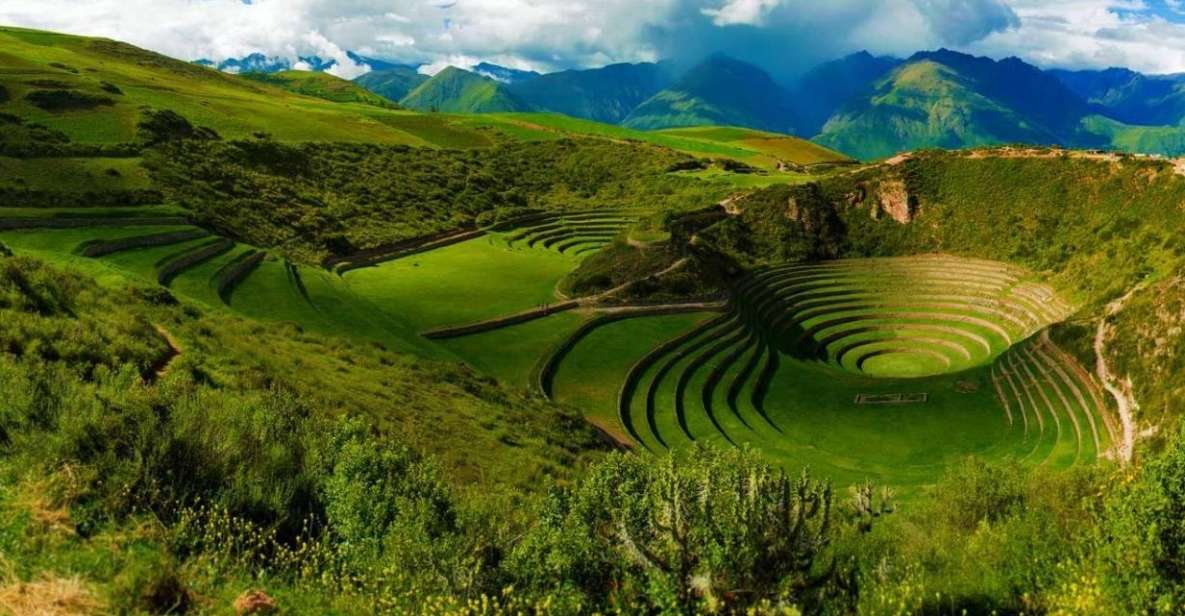
Next is Moray, known for its circular terraces. The tour describes it as an agricultural laboratory, with terracing laid out in a way that’s easy to understand once you’re standing there.
What I like about Moray is how it turns “ruins” into something you can visualize as a working system. Even if you don’t know the technical background, you can look at the levels and imagine controlling conditions for growing different things. It’s not just stones; it’s engineering shaped by agriculture.
The pacing here can be quick because you still have the salt mines after. If you like photos and angles, arrive ready to move and don’t rely on lots of spare time.
Salineras de Maras: salt mines with Pre-Inca roots
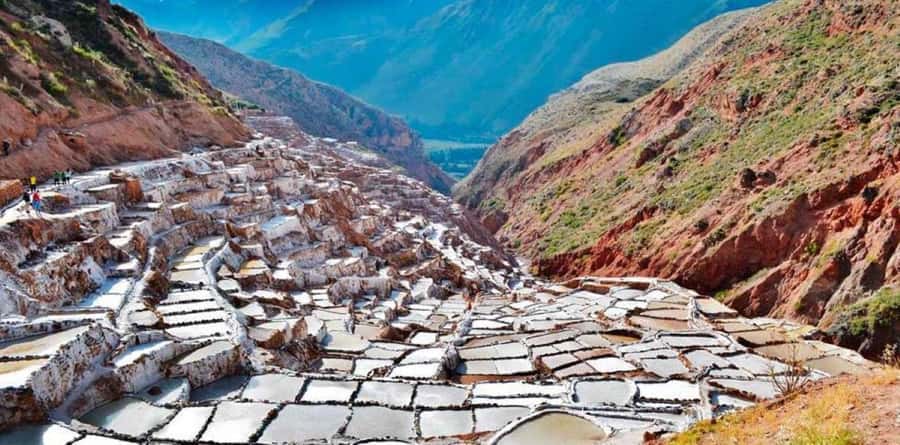
Then comes the Salineras de Maras, the salt mines that have been exploited since Pre-Inca and Inca times. This stop is the reason many people book the tour, and it delivers because it’s visually distinct: the salt pans create a grid-like pattern that’s hard to forget after you’ve seen it in person.
Why it’s memorable: it’s not a single monument you look at from a distance. You experience it by being around the working landscape—built over time, shaped by water and extraction. It feels like a living activity, even though the setting is historical.
A practical note for your day: the mines stop can mean you’ll spend time outdoors and on uneven ground. Wear shoes you feel solid in.
Urubamba buffet lunch: good fuel, and a spot to be cautious
You’ll recover energy in Urubamba with a buffet lunch. The tour description calls it a delicious Andean buffet, and the lunch is one of the standouts in positive comments.
Why this matters: after early pickups and multiple stops, you want a meal that’s dependable enough to keep the rest of the day comfortable. A buffet also helps if you’re picky or want to balance carbs and protein.
However, one reported problem was food poisoning after lunch. That doesn’t mean the tour food is always an issue, but it does mean you should take meal safety seriously—stick to foods that look fresh, and if you have a sensitive stomach, plan accordingly.

Ollantaytambo: archaeology that feels like it still holds shape
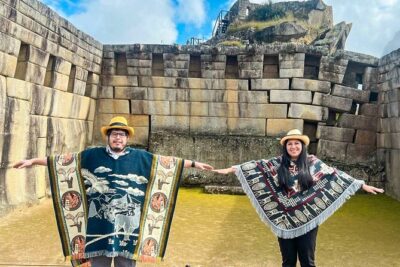
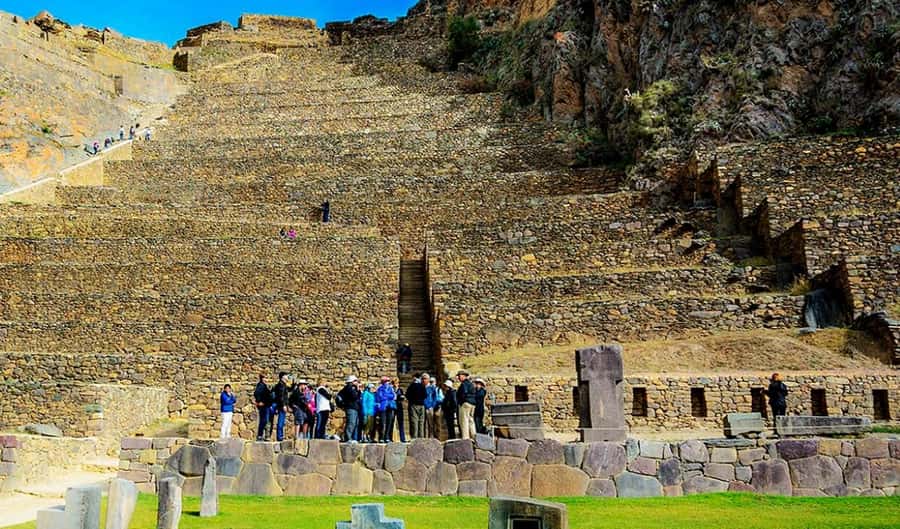
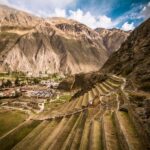
After lunch, the itinerary shifts to archaeology again at Ollantaytambo. This archaeological center is a major stop in the Sacred Valley, and it usually stands out because it feels like a place with clear structure—pathways, building shapes, and terracing that help you read the site even in a limited visit.
What makes Ollantaytambo work on a day tour: it’s big enough to matter, but you can still see a lot without needing a full afternoon. With a guide leading the explanation, you’re less likely to feel lost among stone and viewpoints.
If you’re the type who likes to ask questions, this is a good time to use your guide. The guide’s job is to connect what you’re seeing to how the site was used.
Pisac: Andean heritage visible in a preserved archaeological center
The last archaeological stop is Pisac. The tour frames it as a place with lots of Andean history and notes that archaeological centers are well preserved, and Pisac is where the day often closes on a strong note.
Pisac can feel more spread out, which helps if you want to stretch your legs after the earlier stops. It’s also a place where you can compare scale: Chinchero and Moray are different kinds of sites, and Pisac adds a different archaeological “voice.”
Keep your expectations realistic. This is still a one-day loop, so you’ll see plenty, not everything. But if you want the classic Sacred Valley pairing—Ollantaytambo followed by Pisac—this itinerary gets it done.
Price and entrance tickets: where the real cost lands
The tour price is listed as $35 per person for a one-day experience that includes hotel pickup (near or inside the Historic Center), tourist transportation, a buffet lunch, and a professional guide.
That’s good value for Cusco, especially with a small group limited to 15 and an itinerary that covers multiple distant sites without you arranging transport. You’re basically paying for logistics plus guided interpretation.
But you should factor in the missing pieces:
- A tourist entrance fee (partial tourist ticket) is not included; it’s listed as 20 USD.
- The Maras entrance fee is listed as 5 USD.
- Extra charges and any food not mentioned aren’t included.
So, the true total can run higher than the headline $35 once you add entry fees. Still, compared to booking separate guides and transport for each stop, a bundled day like this often comes out more efficient—especially if you want one guide handling the story.
Small group size and guide quality (and why it shows)
This tour is limited to 15 participants, and that’s not just a comfort detail. Smaller groups usually mean less waiting, more time to hear the guide, and easier movement between sites.
Guide quality also matters a lot on an itinerary like this. One guide name that came up with high praise is Sandro, described as top-notch, interesting, attentive, and clear with explanations. Another comment highlighted a fantastic, friendly, knowledgeable guide and strong communication from start to finish.
In practice, that translates into what you’ll feel during the day: fewer awkward moments where you don’t know what you’re looking at, and more confidence you’re seeing the “why” behind each stop, not just the “what.”
What to watch for: rushing, craft stops, and meal risk
Let’s be honest: this is a long day. One comment described feeling like they had to rush through spots due to how much was packed in. That’s a fair trade if you want coverage, but it’s worth knowing up front.
Here’s what you can do about it:
- Choose a camera strategy. Aim for fewer, better shots instead of trying to photograph everything at once.
- Keep your questions ready. When the guide is explaining, you’ll get more out of the stop.
- Don’t assume crafts stops will be pure instruction. There may be a quick market experience and a silver store stop where the sales vibe can feel strong.
Finally, the lunch concern: since one participant reported food poisoning, be smart about meal choices. If you know your stomach is sensitive, bring what you usually rely on and consider eating light earlier in the day so lunch doesn’t feel heavy.
Should you book this Cusco Sacred Valley + Maras and Moray day trip?
Book it if you want a structured one-day Sacred Valley hit: Chinchero, Moray, the salt mines at Maras, plus major archaeology at Ollantaytambo and Pisac, all with pickup and a guide. It’s a good match for people who value efficiency, like seeing multiple site types (agriculture, extraction, archaeology), and don’t want to coordinate transport across the valley.
Skip it—or at least approach it carefully—if you’re the type who needs plenty of time at each site and hates feeling rushed. Also think twice if you strongly dislike craft-shopping stops and sales pressure, or if you know you’re very sensitive about food safety.
If you decide to go, go in with the right mindset: this tour is about getting oriented to the Sacred Valley fast, not about slow wandering. With that expectation, you’ll likely feel like $35 turns into a full day of real regional context, capped by a meal break and two big archaeology endings.
FAQ
FAQ
What time does pickup happen in Cusco?
Pickup is scheduled for 6:30 am from hotels near or inside the Cusco Historic Center.
What is the approximate return time to Cusco?
You’ll return to the city of Cusco at approximately 7:00 pm.
How big is the group?
The group is limited to a small size, capped at 15 participants.
What’s included in the tour price?
Included are hotel pickup, tourist transportation, a buffet lunch, and a professional live guide.
Are entrance fees included?
No. Entrance fees are not included. The partial tourist ticket is listed as 20 USD, and Maras entrance is listed as 5 USD.
Is lunch included, and is it a buffet?
Yes. Lunch is included as a buffet lunch in Urubamba.
What languages is the guide available in?
The live tour guide works in English and Spanish.
What stops are visited during the day?
You’ll visit Chinchero, Moray terraces, Salineras de Maras salt mines, Urubamba for lunch, then Ollantaytambo and Pisac.
What’s the cancellation policy?
Free cancellation is available up to 24 hours in advance for a full refund.