REVIEW · OLLANTAYTAMBO
From Ollantaytambo: Moray, Maras, and Chinchero Guided Tour
Book on GetYourGuide →Operated by Inspires Viagens · Bookable on GetYourGuide
That Inca farming system is still in use today. This one-day Sacred Valley tour lines up three sites you’ll actually understand: Moray’s terraces, Maras’s working salt pools, and Chinchero’s textile traditions. The main thing to consider is communication and meeting-time reliability from the tour operator, so you’ll want to confirm details in advance.
I like that the day is built around learning you can see: how terraces create different growing conditions, how salt is still harvested in the same way, and how wool and cotton become dyed yarn. I also like the convenience of round-trip transportation from Ollantaytambo, which lets you focus on the sites instead of buses and timing guesses.
In This Review
- Key takeaways before you go
- The Sacred Valley in one day: why this combo works
- Moray’s circular terraces: the Inca lab you can understand fast
- Maras salt pools (Salineras): visiting an active worksite
- Chinchero textile center: natural dyes and the hands-on craft story
- Sacred Valley views and route timing: getting the good angles
- The day’s pacing: what time it usually feels like
- Ticket math and what you’re really paying for at $80
- Communication and meeting-time reality check (so you don’t get stuck)
- Who this tour fits best (and who might want a different plan)
- Should you book this Ollantaytambo Moray Maras Chinchero tour?
- FAQ
- What places does this one-day tour visit from Ollantaytambo?
- How long is the tour?
- What’s included in the price?
- What tickets or fees are not included?
- What language options are available for the guide?
- Is the tour wheelchair accessible?
Key takeaways before you go
- Moray terraces: an Inca agricultural laboratory you can visually read as climate control.
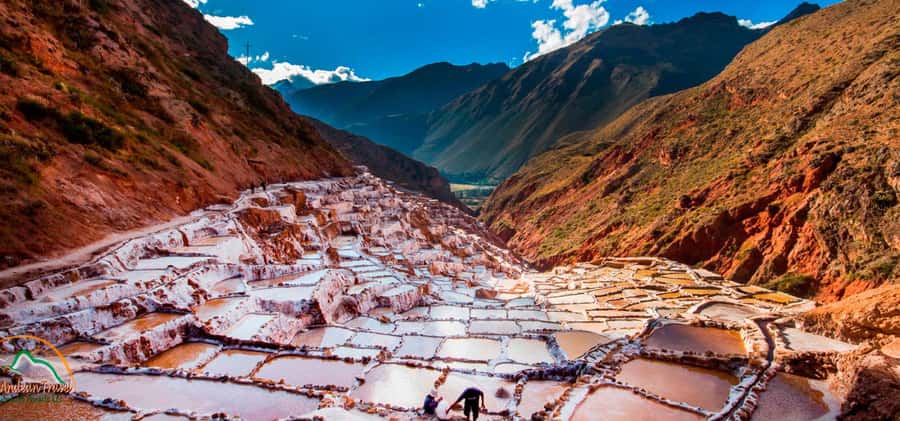
- Maras Salineras: about 2,000 small salt pools still used by local families.
- Chinchero textiles: learn the steps from spinning to yarn dyeing with natural pigments.
- Sacred Valley timing: the route can help you catch viewpoints before larger bus groups arrive.
- Bring the right small stuff: sturdy shoes, sun protection, water, and a snack for the mid-day gap.
The Sacred Valley in one day: why this combo works
This itinerary is popular because it groups three very different parts of Inca life into one tight loop, each with a clear “why.” Moray shows how the Incas engineered farming using terraces and microclimates. Maras shows a resource economy that’s still alive—salt extraction on the slopes near the valley. Chinchero turns you toward craft and daily life, specifically textiles and dyeing practices.
You’ll also get a practical benefit: you start in Ollantaytambo and return there the same day. That matters in the Sacred Valley, where travel between places can eat your time and energy if you do it independently.
The trade-off is that it’s a full day with multiple stops, so plan to move on from one site quickly and accept that you won’t linger all day at a single spot. If you’re the kind of traveler who loves slowing down for photos, bring a little extra patience.
You can also read our reviews of more tours and experiences in Ollantaytambo.
Moray’s circular terraces: the Inca lab you can understand fast
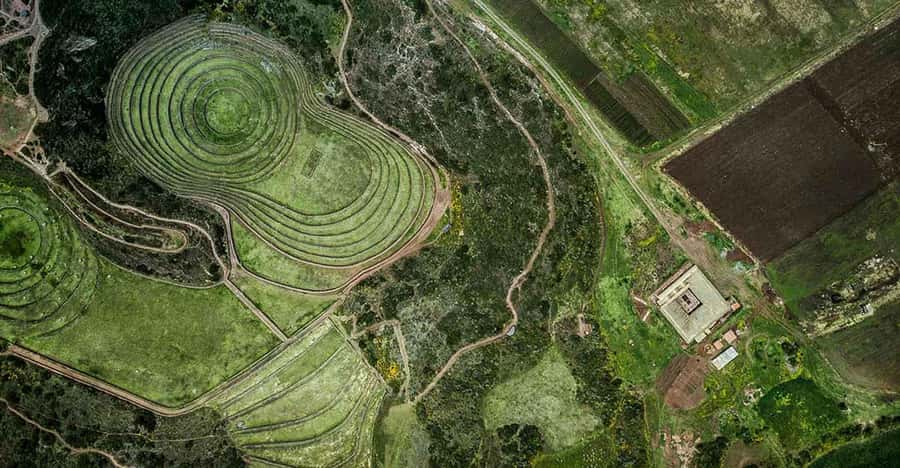
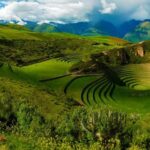
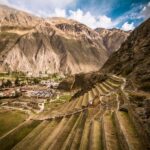
Moray is the first stop, and it’s a strong opener because the site is instantly legible. You’ll see those circular terrace layers and learn how they were used as an agricultural laboratory by the Incas. The key idea to pay attention to is that terraces weren’t just for holding soil—they helped create different growing conditions at different levels.
A good guide will explain the microclimates created by the terraces and the irrigation approach that supported them. Even if you’re not a plant-geography nerd, the explanation makes sense once you’re standing there. You can imagine how a single site could test multiple crops or farming strategies without moving far.
What to watch for: wear shoes with real grip. Some terrace paths can be uneven, and you’ll likely do more walking than you expect for a “just look around” site. If you’re sensitive to sun, bring that hat you planned to bring—Moray can feel exposed depending on conditions.
Maras salt pools (Salineras): visiting an active worksite
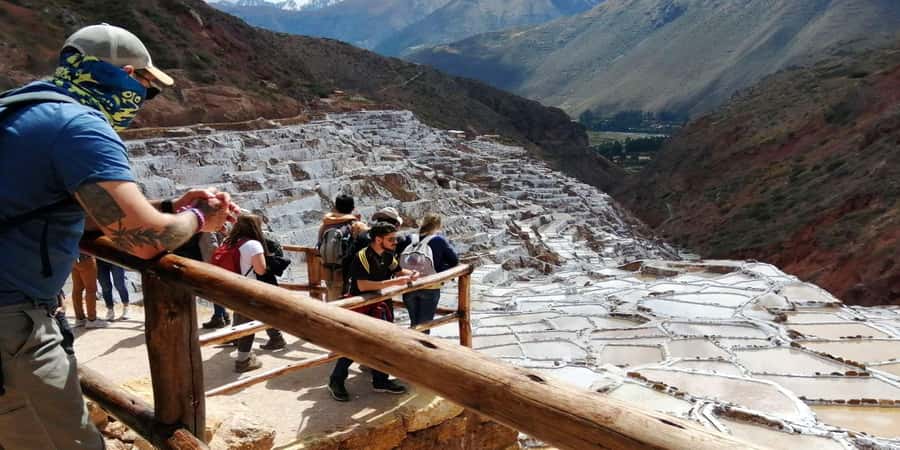
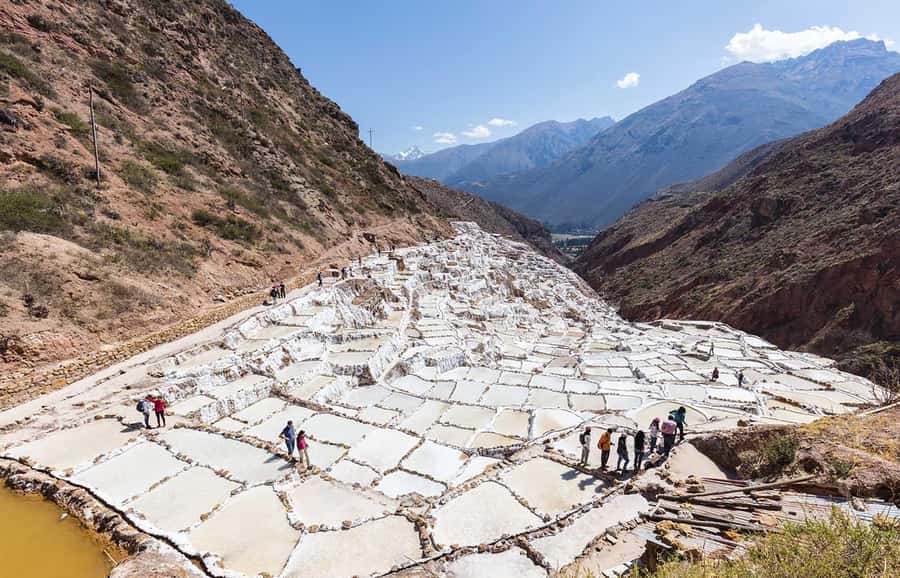
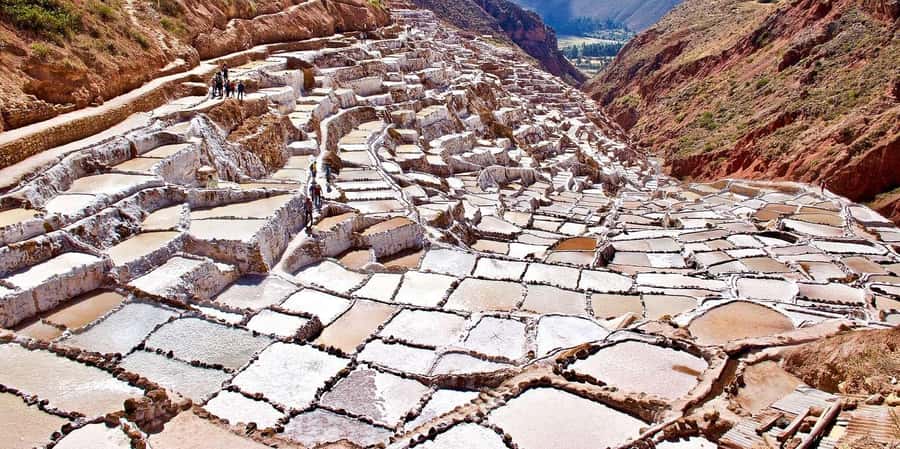
Next comes Maras, and this stop is different in the best way. You’ll head to the salt mines of Maras and see the salt pools—around 2,000 small basins. The big point here is that this isn’t a dead museum landscape. The pools are still used by local families to extract salt.
Your guide should connect the dots between history and practice: how the mines formed the basis of a long-running salt tradition, and how extraction works through straightforward, manual methods. Even if you’ve seen salt flats photos before, this feels more human because you’re looking at individual working plots on the hillside.
Practical note: you’ll pay entrance separately for Salineras. The tour’s included price covers the guide and transportation, but the Salineras entrance ticket is listed as not included. If you already know you’ll buy it, consider getting your paperwork and payment ready so you don’t lose time at the gate.
Photography tip: bring your camera and plan for wide shots of the hillside patterns. From the viewpoints along the route, the pools look like a grid of light and rust tones, and that visual organization is the whole appeal.
Chinchero textile center: natural dyes and the hands-on craft story
Chinchero is where the day pivots from land and resources to people and making. You’ll visit the town’s textile interpretation center and learn how wool and cotton are transformed into yarn. This is the part you’ll remember later when you notice the difference between a quick souvenir and a real textile process.
The explanation you want from your guide includes the steps of turning raw fibers into usable yarn and then how dyeing works. You’ll learn about natural pigments used for dyeing, which is more than a trivia fact. It helps you understand why colors and patterns can look different from one region or producer to another.
A useful way to approach this stop is to think less about buying and more about recognizing the process. If you can follow the sequence—fiber to yarn to dye—you’ll appreciate what you see in the market without feeling like you got the rushed version.
Wear that same sunscreen and hat. Even when you’re indoors or under partial cover, Chinchero can still feel bright, and the best fabric photos often need good light.
Sacred Valley views and route timing: getting the good angles
Along the way, you get stunning Sacred Valley views from the road and pull-offs. The tour description promises those views, but the real value is how the schedule can affect them. One detail that can make a noticeable difference: your route may help you reach some stops before large tour buses arrive.
That timing can matter for two things. First, it affects how comfortable it is to move and take photos. Second, it affects how much your guide can talk without constantly repeating instructions to a noisy crowd.
If your priorities are photos and clear sightlines, this is the kind of tour where being early enough helps you more than you’d expect. You can’t control everything, but you can control your readiness: water, camera strap length, and a plan for quick outfit changes if the sun is intense.
The day’s pacing: what time it usually feels like
This is a one-day loop, and the experience is basically three site blocks plus travel time. You’ll start with pickup from Ollantaytambo, then move through Moray, Maras, and Chinchero before returning to Ollantaytambo.
From what’s been described, you can expect a lunch break after the main sites, with one schedule running around 13:30. Return timing can land around 15:30 depending on the day and pacing. The takeaway for you: don’t assume you’ll eat whenever you feel like it, so plan snacks.
What to bring is simple and worth following. Pack comfortable shoes, sun protection (hat plus sunscreen), a camera, and water. If you run low on energy, you’ll feel it first on the terrace and salt-pools walking parts, not at the textile center.
Also note: the tour is not suitable for wheelchair users. If you need accessibility accommodations, you’ll want a different plan.
Ticket math and what you’re really paying for at $80
At $80 per person, you’re paying for the structure: pickup in Ollantaytambo, round-trip tourist transportation, and a professional guide. The tickets and entry fees are separate, which is common for Sacred Valley tours, but you should budget it so the day doesn’t surprise you.
Two key costs not included:
- Cusco Tourist Ticket: listed as 40 soles for nationals and 70 soles for foreigners.
- Salineras entrance: listed as 20 soles.
Here’s the value lens I use: you’re not just buying views. You’re buying someone to explain what you’re seeing—terraces as microclimate tech, salt pools as an ongoing extraction system, and textile techniques as a skill chain. A solid guide can turn “I took photos” into “I understood what I photographed.”
On the guide side, the quality can make or break the experience. One guide name that came up strongly is Juan Carlos, praised for English and for answering questions and taking plenty of pictures. Another guide called Yasmina also received high marks. That’s a good sign for the human side of the tour, but it’s still smart to keep your expectations grounded and your communication proactive.
Communication and meeting-time reality check (so you don’t get stuck)
One recurring lesson from real experiences is that you should treat communication as your job, at least a little. Some people reported weak or missing updates before the day trip, including no one at the meeting spot initially and last-minute contact via WhatsApp.
Here’s what I’d do if you book:
- Confirm pickup details ahead of time and save the contact method the day before.
- Arrive at the meeting point early, but don’t assume early means someone is already there.
- Keep your phone charged and ready for quick messages.
If you end up in a snag, a guide’s on-the-ground performance can still save the day. But the best outcome is preventing the snag in the first place. Your time in the Sacred Valley is precious; don’t spend it waiting around.
Who this tour fits best (and who might want a different plan)
You’ll likely love this tour if you want a clear one-day overview of the Sacred Valley without planning logistics. It’s a good match for travelers who learn best by seeing and hearing explanations in context—especially if you’re curious about food systems, resource production, and craft traditions.
It’s also ideal if you’re staying in or near Ollantaytambo and want to avoid extra transfers. The round-trip setup is a big comfort.
Consider skipping or adjusting if:
- You need a very unhurried pace at one site.
- You have difficulty with walking on uneven ground.
- You dislike tours where you move from stop to stop and rely on the guide for timing.
Should you book this Ollantaytambo Moray Maras Chinchero tour?
Book it if you want a compact day that connects three real cultural systems: Inca terrace agriculture, working salt extraction at Maras Salineras, and the craft chain behind Chinchero textiles. With transportation handled and a guide explaining the “why,” it’s a strong value day trip for the price.
Skip it or book with extra caution if communication reliability would stress you out. Do your part: confirm pickup details, keep your phone ready, and bring snacks and sun protection so delays—if they happen—don’t turn into a miserable day.
If you want an efficient Sacred Valley day that teaches you more than it just shows you, this one is a solid bet.
FAQ
What places does this one-day tour visit from Ollantaytambo?
It includes visits to Moray, the salt mines of Maras (Salineras), and Chinchero’s textile interpretation center, with round-trip transportation back to Ollantaytambo.
How long is the tour?
The duration is listed as 1 day.
What’s included in the price?
The tour includes pickup from the meeting point in Ollantaytambo, tourist transportation, and a professional live guide (Spanish and English).
What tickets or fees are not included?
The Cusco Tourist Ticket is not included (40 soles for nationals and 70 soles for foreigners), and entrance to Salineras is not included (20 soles).
What language options are available for the guide?
The guide is listed as available in Spanish and English.
Is the tour wheelchair accessible?
No. It is listed as not suitable for wheelchair users.