REVIEW · AGUAS CALIENTES
From Cusco: Machu Picchu 2 days
Book on GetYourGuide →Operated by MPTC GETS · Bookable on GetYourGuide
Machu Picchu begins with a jungle run. This Cusco-to-Machu package is built around early-morning travel and a guided visit that helps you make sense of what you’re seeing. You’ll pair the big Wonder moment with either Sacred Valley history or additional Cusco sights, depending on the option.
Two things I really like: the trip is organized around getting you to the Inca site with a trained guide, and it uses train connections on the Ollantaytambo route so you can avoid some road stress. One thing to watch: details like the exact Machu Picchu circuit and day-by-day instructions may not feel perfectly clear until close to departure, so you’ll want to confirm everything before you go.
In This Review
- Key Highlights Worth Planning For
- First-Light Logistics: How the Cusco–Machu Setup Works
- Choosing Your Best Option: 1-Day, 2-Day, or Sacred Valley + City
- Option 1: Cusco to Machu, then Machu again the next day
- Option 2: A bus-to-train push with guided entry and a late return
- Option 3: Cusco city + Sacred Valley + Machu Picchu full day
- Cusco Morning to Ollantaytambo: The Stops Before the Big Reveal
- Train Timing and Why It Matters for Comfort
- Machu Picchu Entry With a Guide: What You’re Really Buying
- Hot Springs in the Mix: Relaxation Before or After the Ruins
- Sacred Valley and Cusco Stops That Actually Change How Machu Feels
- Jungle-Time Hiking: What the Alternative Route Suggests
- Price and Value: Does $360 Add Up?
- Comfort, Fitness, and Health Real Talk
- Communication and Day-Of Clarity: The One Area to Manage
- Who Should Book This Tour, and Who Should Skip
- Final Verdict: Should You Book This Cusco to Machu Picchu Experience?
- FAQ
- How early is hotel pickup in Cusco?
- Is the Machu Picchu entrance ticket included?
- Do I get a guide at Machu Picchu?
- Are train tickets included?
- Are meals included?
- What extra costs might I need to pay besides the tour price?
- Where does the trip go before Machu Picchu?
- What should I bring?
- What restrictions should I know about?
- What languages are available for the host/guide?
Key Highlights Worth Planning For
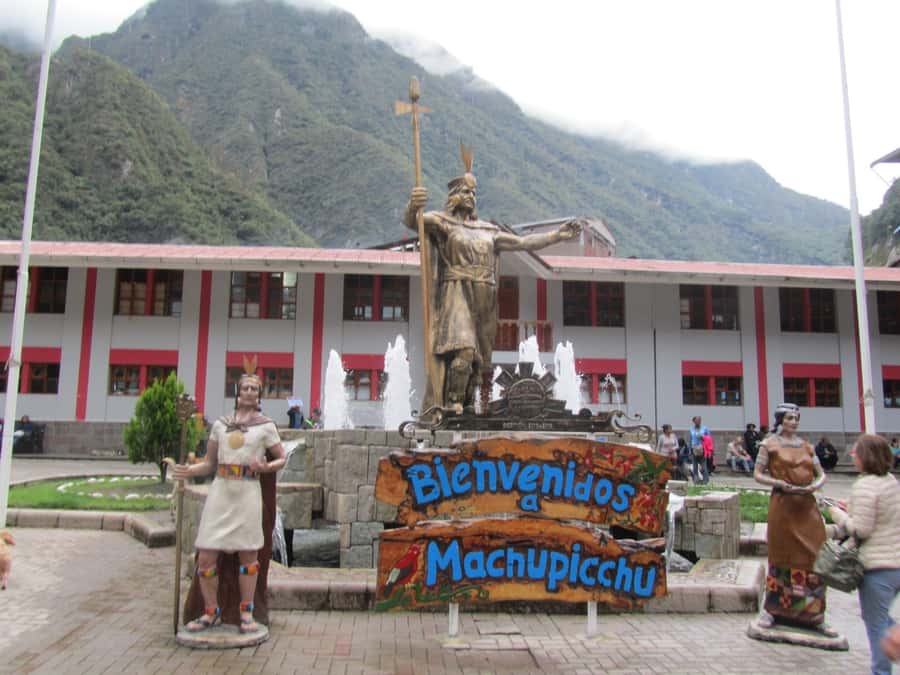
- Guided Machu Picchu visit: you’re not just dropped at the gates; you get interpretive help on what matters.
- Sacred Valley and Cusco add context: the trip can connect city life, agriculture, and Inca religion to Machu Picchu.
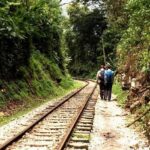
- Alternative-feeling route: expect a stronger “on the way” experience than a straight-through day trip.
- Long early starts: pickups commonly fall between 4:00 and 5:00 A.M., depending on train timing.
- Train rides on the Cusco–Ollantaytambo spine: they’re usually smoother than relying only on buses.
- Pack for rain and crowds: bring rain gear and comfortable shoes; you’ll do real walking on uneven ground.
First-Light Logistics: How the Cusco–Machu Setup Works
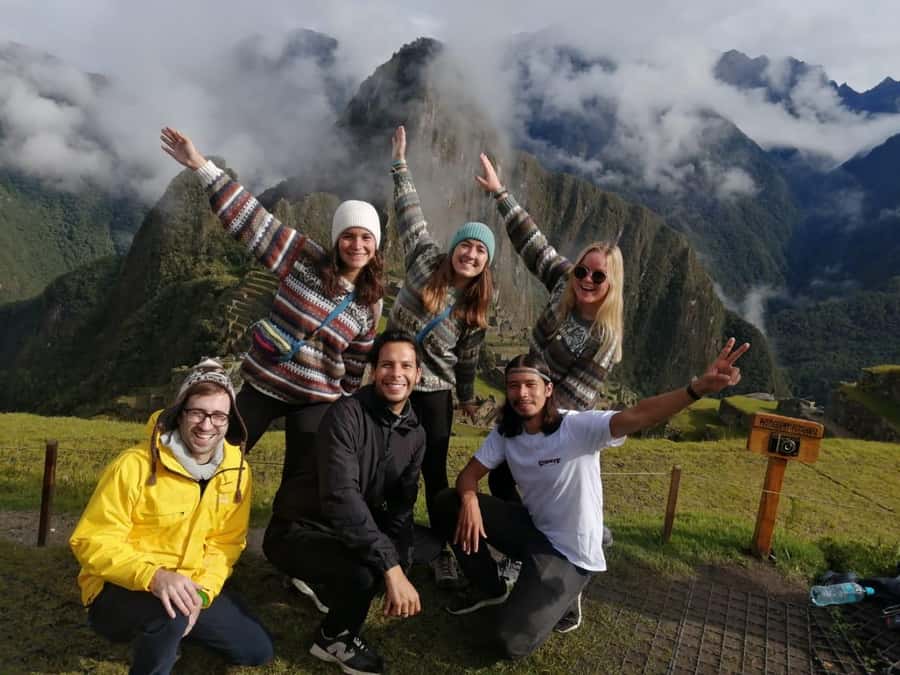
If you’re starting in Cusco, the rhythm here is simple: you leave very early, you travel through the Sacred Valley region by a mix of bus and train, and then you’re back in Cusco late night. It’s not a lazy vacation plan, but that’s also why it can feel efficient.
Most mornings begin with pickup from your hotel in the historic center between 4:00 A.M. and 5:00 A.M., with 4:30 A.M. showing up in the schedule options. The provider coordinates around train departure times, and they’ll contact you the day before with your train tickets and Machu Picchu entry information.
The trip is also geared toward group flow. That means you’ll have set meeting times at stations and an itinerary that moves on schedule, not “whenever you feel like it.” For many people, that’s the value: fewer decisions when you’re already tired from altitude.
You can also read our reviews of more tours and experiences in Aguas Calientes
Choosing Your Best Option: 1-Day, 2-Day, or Sacred Valley + City
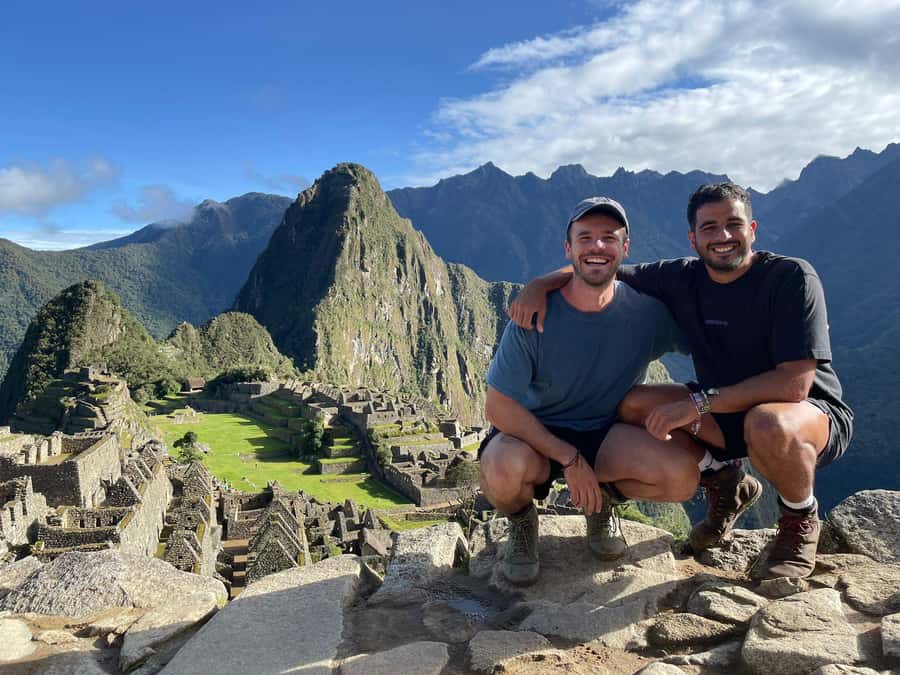
This experience comes in three different shapes. The best one depends on what you want most: more time at Machu Picchu, more time seeing Peru’s Inca “setup,” or a shorter, tighter hit.
Option 1: Cusco to Machu, then Machu again the next day
Option 1 starts with pickup around 4:30 A.M.. You travel through towns and natural features on the way, including Chincheros, Laguna de Piuray, and the Río Vilcanota area. Then you reach Ollantaytambo, board the train, and arrive at Machu Picchu area in time to settle in.
After you arrive, you’re transferred to your hotel (in the Machu Picchu area) and the plan includes lunch and a trip to the hot springs in the afternoon. The next day, you meet the group and go back in for your guided Machu Picchu entry, and later you return to Cusco by train, arriving at night and getting dropped at your hotel.
If you like the idea of resting in-between and going back to Machu with fresh energy, this one can feel worth it. The drawback is obvious: it’s a longer commitment and you’ll need to handle the hotel portion locally (a hotel in Aguas Calientes is listed as not included, with a noted cost of 35 USD).
Option 2: A bus-to-train push with guided entry and a late return
Option 2 also starts early (again, 4:30 A.M. pickup). The route takes you to Ollantaytambo for the train. Your Machu Picchu entrance is listed between 10:00 A.M. and 11:00 A.M., and you’ll have a group guide once you’re inside.
You’ll get time for lunch in the afternoon area and then head back to Cusco on a later train, arriving around 10:00 P.M. and getting dropped at your hotel.
This is often the choice if you don’t want a second day in the Machu area. It’s also the one where timing can feel tight because you’re doing the main sightseeing burst plus the late-night return.
One important “real world” note: one of the included-route variations may involve a longer bus stretch, and a hydroelectric-area stop shows up in feedback. So don’t assume every version will feel identical on the road.
Option 3: Cusco city + Sacred Valley + Machu Picchu full day
If you want the trip to feel like a story (Cusco → Inca life in the Valley → Machu Picchu), Option 3 is the most complete.
- Day 1 (Cusco city) starts with pickup around 8:45 A.M., then covers Koricancha, Sacsayhuaman, Qenqo, Puca Pucara, Tambomachay, an eucalyptus forest stop, and the Cristo Blanco viewpoint.
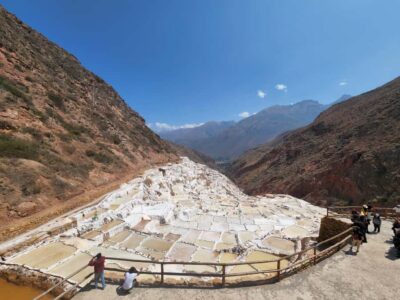
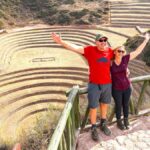
- Day 2 (Sacred Valley) pickup is around 6:30 A.M. and the route includes Chincheros (Inca textile mill), Moray, salt mines, Ollantaytambo, lunch in Urubamba, and Pisac, then return to Cusco.
- Day 3 (Machu Picchu full day) again starts early (4:30 A.M.), goes by bus to Ollantaytambo for train travel, includes group entry between 10:00 A.M. and 11:00 A.M., and has a group guide inside Machu Picchu. You’ll return to Cusco at night (around 10:00 P.M.).
This option is best if you enjoy connecting dots: why Inca architecture looks the way it does, how agriculture and ritual sites tie in, and how the Valley context makes Machu feel less random.
Just keep expectations realistic: it’s full days with early starts, and not everyone will love that pace.

Cusco Morning to Ollantaytambo: The Stops Before the Big Reveal
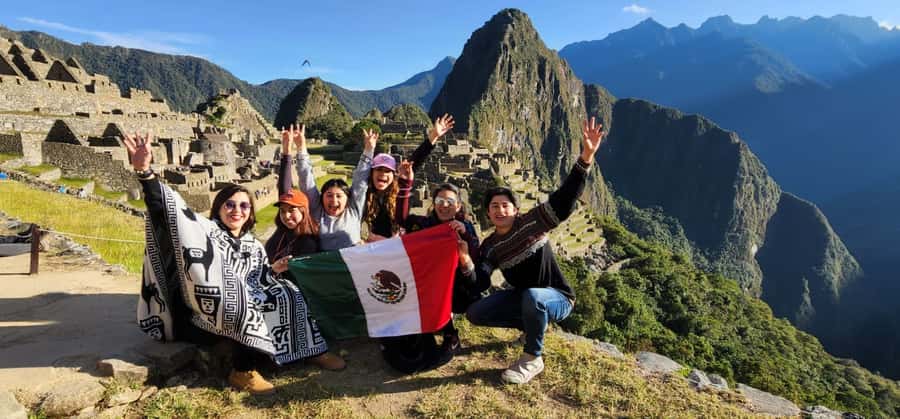
What happens before Machu Picchu can make or break your mood. In this itinerary, the early travel isn’t just transit; it sets the tone for the region.
On the Cusco outbound side, you may pass by Laguna de Piuray and the Río Vilcanota area. In Option 1 you also move through Chincheros. These are brief moments, but they help you shift your brain from Cusco city altitude to the Sacred Valley “in-between” zone.
The key practical point: because pickup is so early, you need a simple morning strategy. Eat something light if you can. Keep snacks in a daypack. Your guide and group will be moving fast, and there’s no guarantee you’ll get a meal right on schedule.
Also, there are restrictions: no large bags or luggage. So travel light. If you’ve got heavy gear, it’s worth adjusting before you’re wrestling it at stations at 6 A.M.
Train Timing and Why It Matters for Comfort
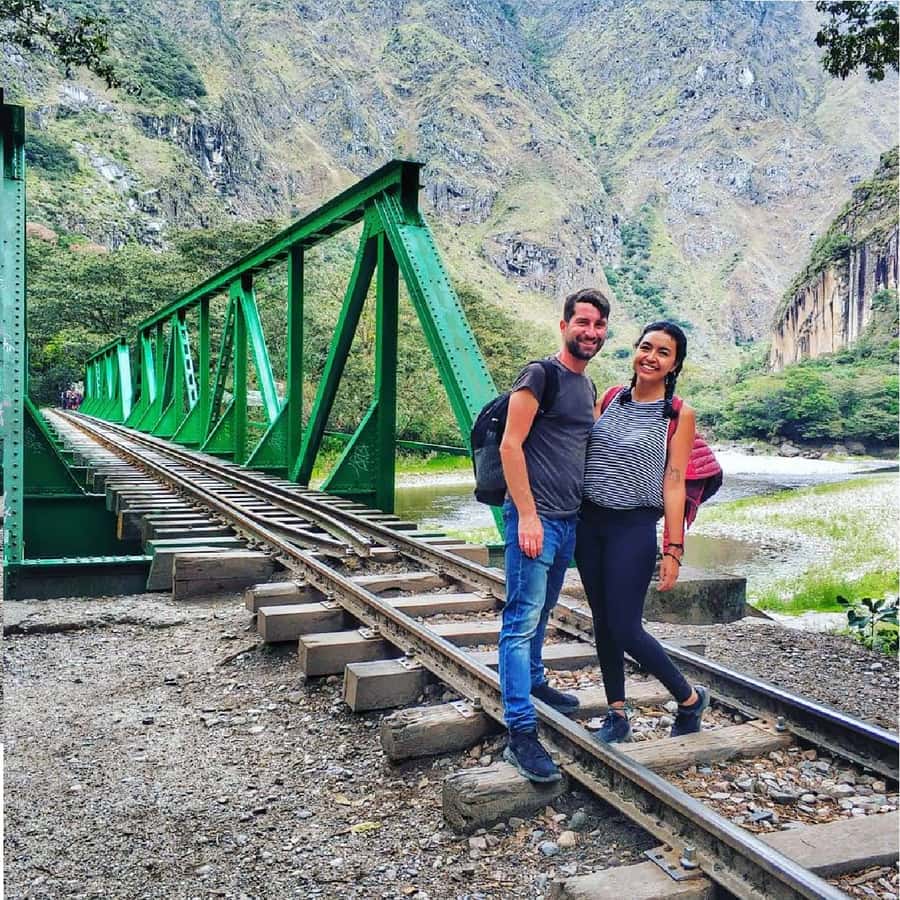
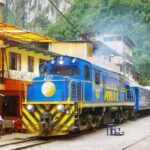
The included transport structure here depends on the option, but the common thread is that train rides are used for the Cusco–Ollantaytambo–Machu spine.
That matters because trains can reduce the fatigue you’d otherwise get from constant road travel, especially on long days. It also helps with predictability. You’re less likely to get stuck in road delays if something changes—at least compared with an all-bus plan.
The tradeoff is that your schedule becomes tied to the train. That’s why early pickup is so strict and why communication timing is so important.
If you tend to hate surprises, treat the day-before message as mandatory reading. Get your pickup time, train details, and Machu entry info locked in.
Machu Picchu Entry With a Guide: What You’re Really Buying
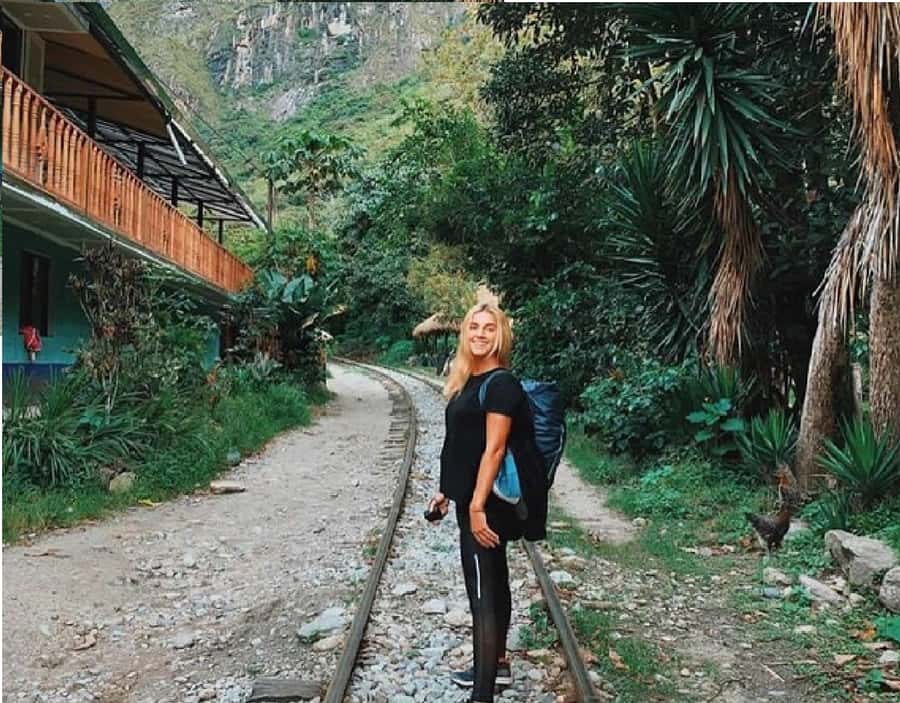
The headline here is obvious: Machu Picchu. The value is the guide part.
Every option includes a professional guide for Machu Picchu. That’s a big deal because the site is confusing if you don’t know what you’re looking for. With a guide, you’re more likely to understand the logic behind terraces, water management, and the way different zones were used.
There’s also a practical advantage. Group guidance can help you navigate where to go, when to go, and what not to miss. It doesn’t eliminate crowds, but it can reduce “wandering time,” which is costly when you have limited hours.
That said, one caution shows up: the exact circuit (which route or area you access) may be clearer later than you expect. If you’re paying for a particular viewing experience, confirm the circuit details early so you can plan your photos and walking path.
Hot Springs in the Mix: Relaxation Before or After the Ruins
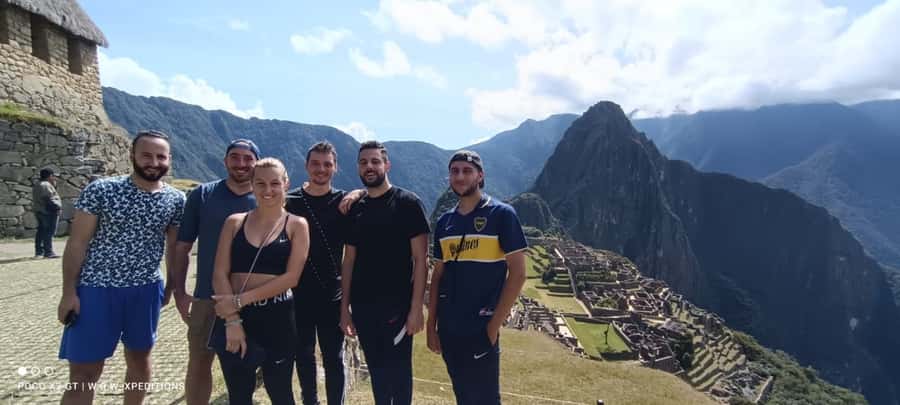
Option 1 includes time for hot springs after you arrive and settle in. That can be a great idea when you’re doing a very early departure and a long day on the road.
But don’t treat it as a guaranteed luxury. It depends on where your hotel is, how your group is scheduled, and how much time you actually have in that afternoon window. Still, as a way to break up the intensity, it’s a smart addition.
If you pick Option 1, plan your hotel budget carefully. A hotel in Aguas Calientes is listed as not included (with a noted 35 USD), so you’re paying for lodging either way.
Sacred Valley and Cusco Stops That Actually Change How Machu Feels
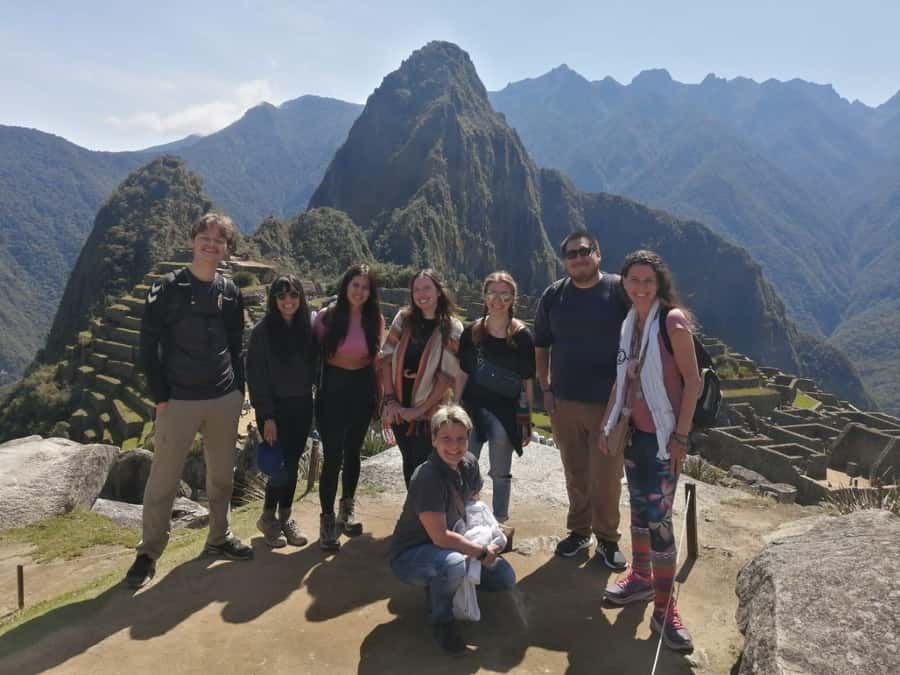
Option 3 is where the story really expands. You start with Cusco’s key sacred spaces, then you go into the Valley’s agricultural and ceremonial sites, and finally you reach Machu.
Here’s why that matters: Machu Picchu isn’t just a stone backdrop. It’s an Inca statement about water, farming, religion, and power. When you see places like Moray (a well-known agricultural feature) and Pisac (a major valley site), the main ruins stop feeling like a random highlight and start feeling like the next chapter.
On the Sacred Valley day, you also hit Ollantaytambo and visit Chincheros for an Inca textile mill experience. Even if you’re not an archaeology buff, those stops can help you understand the daily skills and traditions that surrounded the empire.
A practical note: entrance fees can add up on these extra sites. The plan lists that entrances for the city and Sacred Valley tours aren’t included, with a general 10-day ticket mentioned, plus salt mines as an extra 20 soles.
So budget for this option to be more than just the Machu Picchu ticket.
Jungle-Time Hiking: What the Alternative Route Suggests
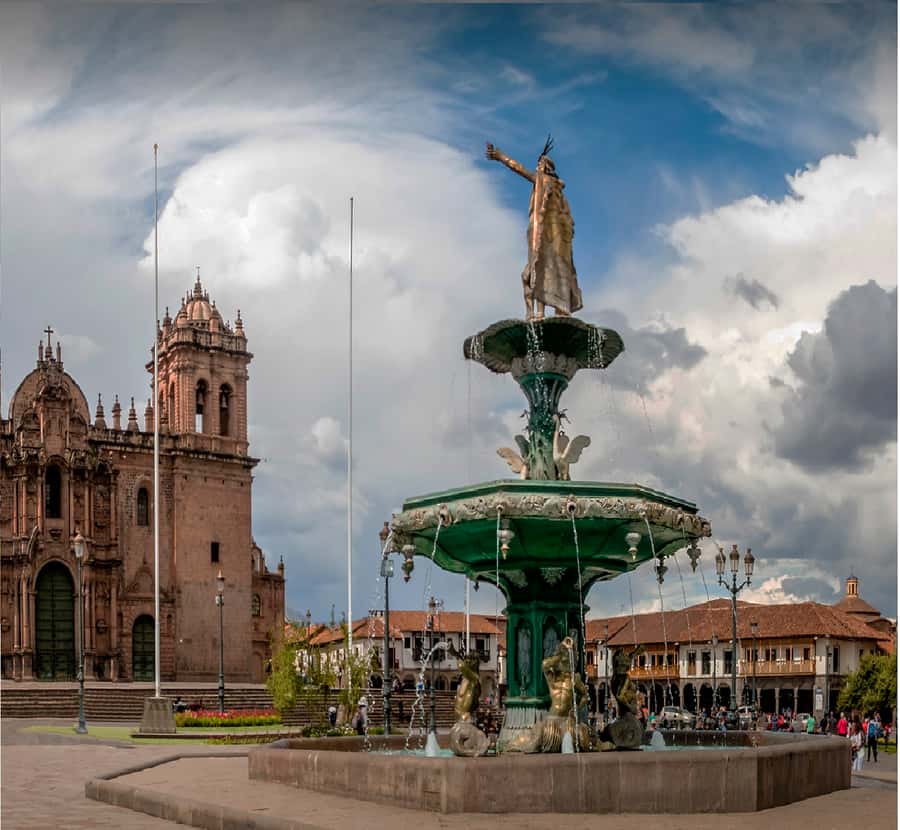
The tour highlights promise more jungle atmosphere through an alternative route and multiple nature walks. The provided itinerary is heavier on bus and train segments than detailed hiking descriptions, but you should still expect a “more outdoors” feel than a totally city-only itinerary.
A smart way to prepare: bring rain gear and wear shoes you trust on uneven ground. Also pack a small daypack with snacks and water. A reusable water bottle is specifically recommended.
If you’re easily bothered by insects, pay extra attention here. People with insect allergies aren’t a good fit for this experience, according to the requirements.
Price and Value: Does $360 Add Up?
At $360 per person, you’re paying for a package that includes:
- Machu Picchu entrance
- Professional guides
- Hotel pickup and drop-off
- Train tickets (how many trips depends on the option)
- Roundtrip transportation from Cusco to Ollantaytambo for the listed options
- Photo moments
Meals aren’t included in the general terms. And several extra costs are called out:
- Consettur bus 24 USD (not included)
- City tour 35 soles and Sacred Valley 90 soles with buffet lunch (not included, plus meal details can vary)
- Salt mines 20 soles (extra)
- Hotel in Aguas Calientes 35 USD (not included)
- Entrance tickets for city tour and Sacred Valley tours (not included; general 10-day ticket mentioned at 130 soles)
So the value question becomes: do you want someone to handle the hard logistics and guide interpretation, while you accept the fact that you’ll still pay for certain local entry fees and buses?
For many people, yes. Machu Picchu is expensive mainly because it’s timed and ticketed, and guide help is the difference between seeing walls and understanding a system.
But if you’re the type who hates extra payments during the trip, you’ll want to confirm what’s included in your specific option before you go. Clear communication can save you money and stress.
Comfort, Fitness, and Health Real Talk
This is not an easy itinerary.
The experience isn’t suitable for:
- pregnant travelers
- people with back problems
- wheelchair users
- children under 18
- people with respiratory issues, epilepsy
- people over 60
- anyone who needs to manage altitude sickness (it’s listed as not suitable)
- people with kidney problems or high blood pressure
- people with low fitness
Even if altitude doesn’t hit you hard, you should still expect early mornings and walking on uneven terrain. If you’re worried, choose your option carefully; Option 3 is the most packed.
Also note what’s not allowed: large bags/luggage, baby carriages, and alcohol/drugs. Pack smart.
Communication and Day-Of Clarity: The One Area to Manage
A few issues show up in real-world feedback: communication can be unclear, and circuit details may arrive late. Some people also felt there were surprise extra charges along the way.
You can reduce that risk with a simple checklist:
- Ask which Machu Picchu circuit you’re assigned and what time your entry is.
- Confirm whether you need to pay for Consettur bus 24 USD on your day.
- Verify what you’ll pay for on the Cusco city and Sacred Valley days (city tour 35 soles, Sacred Valley 90 soles, salt mines 20 soles).
- Make sure you know your pickup times and where you meet the group.
When you plan this early, the experience becomes smoother and better value.
Who Should Book This Tour, and Who Should Skip
I think this works best for you if:
- you want guided interpretation at Machu Picchu
- you like having the route planned so you don’t spend days sorting transport
- you want either a simple 1–2 day Machu plan or a full Cusco + Sacred Valley + Machu story (Option 3)
I’d skip it if:
- you need everything perfectly clear far in advance and hate last-minute changes
- you struggle with long travel days and very early pickups
- you don’t want to pay extra for local bus/entrances beyond Machu Picchu
Final Verdict: Should You Book This Cusco to Machu Picchu Experience?
Book it if you want a guided Machu Picchu visit plus the option to add Cusco and Sacred Valley context, and you’re comfortable with early mornings and some extra local costs.
Don’t book it (or at least double-check your plan) if you’re sensitive to communication gaps or if you’re hoping Machu Picchu will be the only cost. The $360 price includes the big ticket items, but not everything you’ll encounter on the ground—especially buses and additional entrances.
If you do book, your best move is simple: confirm the circuit and extra-fee items before the departure day. Once that’s handled, this can be a well-organized way to see one of the world’s biggest travel moments with more meaning than a quick photo stop.
FAQ
How early is hotel pickup in Cusco?
Pickup is included and typically happens between 4:00 A.M. and 5:00 A.M., depending on the Machu Picchu train departure time. Some options specify a 4:30 A.M. start.
Is the Machu Picchu entrance ticket included?
Yes. Entrance ticket to Machu Picchu is included in all options.
Do I get a guide at Machu Picchu?
Yes. A professional guide is included in all options for the Machu Picchu visit.
Are train tickets included?
It depends on the option: Option 1 includes roundtrip transportation and one-way train tickets; Options 2 and 3 include roundtrip transportation and one-way train tickets as listed.
Are meals included?
Meals are not included in the general terms. Some parts of the itinerary mention lunch (for example in Urubamba), but you should still plan to budget for food unless your exact confirmation states otherwise.
What extra costs might I need to pay besides the tour price?
The Consettur bus (24 USD) is listed as not included. For city tour and Sacred Valley, there are additional entrance/tour costs listed (including city tour 35 soles, Sacred Valley 90 soles with buffet lunch, plus salt mines 20 soles). A hotel in Aguas Calientes is also listed as not included for the Machu area overnight option.
Where does the trip go before Machu Picchu?
You’ll generally travel from Cusco toward Ollantaytambo and then take the train onward to Machu Picchu. Some options also mention stops like Chincheros, Laguna de Piuray, and the Río Vilcanota area.
What should I bring?
Bring your passport, comfortable shoes, snacks, rain gear, comfortable clothes, cash, a daypack, and a reusable water bottle.
What restrictions should I know about?
You can’t bring luggage or large bags, and the experience doesn’t allow bikes, alcohol, or drugs. Baby carriages are also not allowed. The tour requires decent fitness for long days and walking.
What languages are available for the host/guide?
The host or greeter is listed as English and Spanish.