REVIEW · AGUAS CALIENTES
Machu Picchu: Chinchero, Maras, Moray & Machu Picchu 2 days
Book on GetYourGuide →Operated by TreXperience · Bookable on GetYourGuide
Two days, four Inca stops, one big finale. This is a tight, well-paced route through the Upper Urubamba Valley, built around hitting Machu Picchu early and still seeing the key sites around it.
I like how the itinerary doesn’t just move you from A to B. It mixes market culture at Chinchero, big-picture “Inca brains” stops at Moray and the salt flats at Salineras, and then finishes with an organized guided walk inside the citadel.
One thing to consider is the return flow: after Machu Picchu you go back to Aguas Calientes, then the train ride back to Cusco includes a bus connection at Ollantaytambo, which can feel like extra effort at the end of the day.
In This Review
- What I’d Focus on Most Before You Book
- Chinchero Market and the Colonial Church: a Cusco warm-up that actually matters
- Moray’s circular terraces: one of the most fascinating “how” stops
- Maras Salt Mines and Salineras: the most surprising site for first-time visitors
- Ollantaytambo Ruins and town: stepping into an Inca fortress mood
- Day 1 finish: Expedition train to Aguas Calientes and a night you’ll actually appreciate
- Day 2 at Machu Picchu: first buses, a guided core, then freedom
- Huayna Picchu and Montaña: your choice, not an included tradeoff
- Price and logistics: what $680 really buys you in this two-day format
- The guide makes or breaks it: what to expect from the human side
- Who should book this two-day loop, and who might not love it
- Should you book this Machu Picchu: Chinchero, Maras, Moray & Machu Picchu 2 days tour?
- FAQ
- What time do you pick me up in Cusco?
- Is Machu Picchu entry included?
- Are meals included?
- Where do you sleep overnight?
- Do I need to buy tickets for Chinchero, Moray, Salineras, and Ollantaytambo?
- Is Huayna Picchu or Montaña included?
- What do I need to bring, and what is not allowed?
What I’d Focus on Most Before You Book
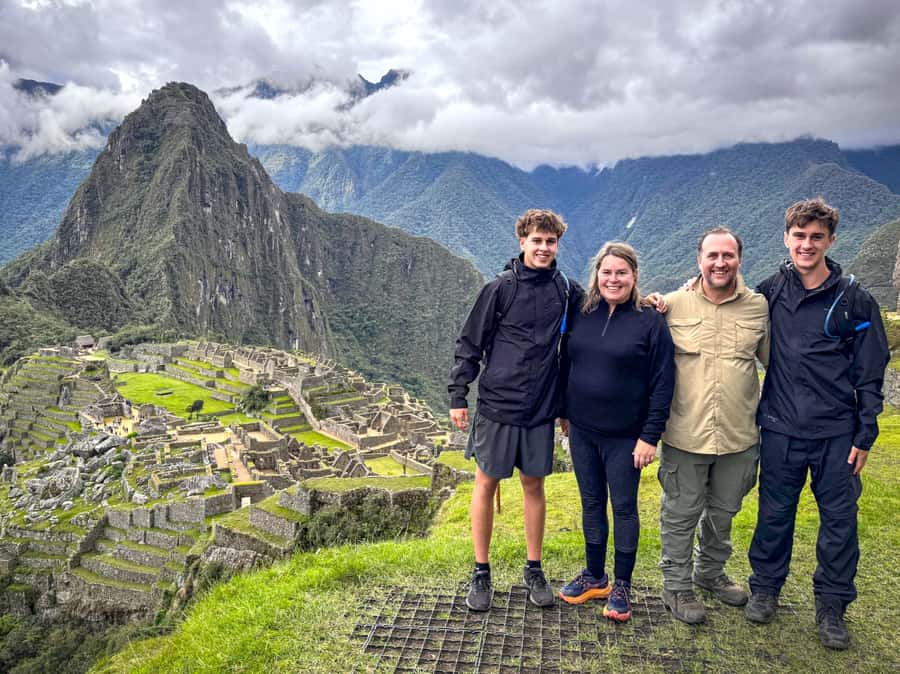
Small-group pacing (max 16) that keeps the day moving without feeling like a sprint
Early access strategy for Machu Picchu with the first buses up
A strong guide component, with people reporting guides like Nathalie, Adolfo, and Efrain
Major Upper Valley highlights in one loop: Chinchero, Moray, Maras/Salineras, and Ollantaytambo
All the big-ticket logistics bundled: tickets, buses, trains, plus a 3-star hotel night
Chinchero Market and the Colonial Church: a Cusco warm-up that actually matters
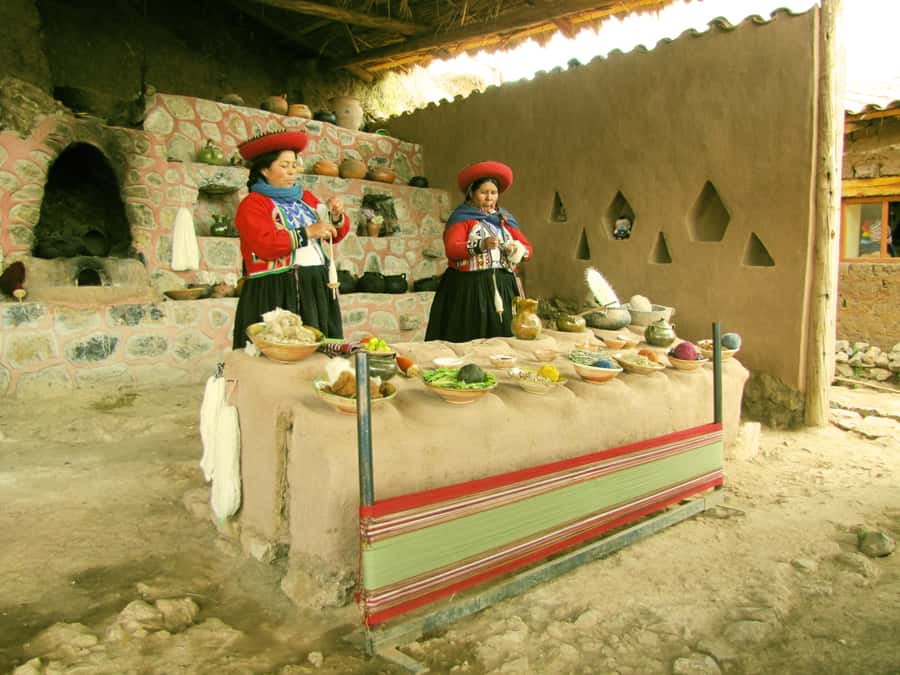
Chinchero is the kind of stop that can be skipped if you’re only chasing Machu Picchu photos. This route doesn’t treat it like a checkbox, though. You’re set up to explore both the archaeological site and the colonial church, then you get time at the handicraft market.
Why I like this order: it frames what you’ll see later. The Upper Valley isn’t just ruins behind ropes. It’s living communities with craft traditions that still influence what you notice at every Inca-era site. Even if you don’t buy anything, you’ll understand what the local economy is built around, and you’ll see how everyday life and ancient layers sit next to each other.
Practical heads-up: this is a market stop. That means uneven ground, lots of stairs or narrow walkways, and quick timing. If you like to linger, you can—just remember the schedule will keep rolling.
You can also read our reviews of more tours and experiences in Aguas Calientes
Moray’s circular terraces: one of the most fascinating “how” stops
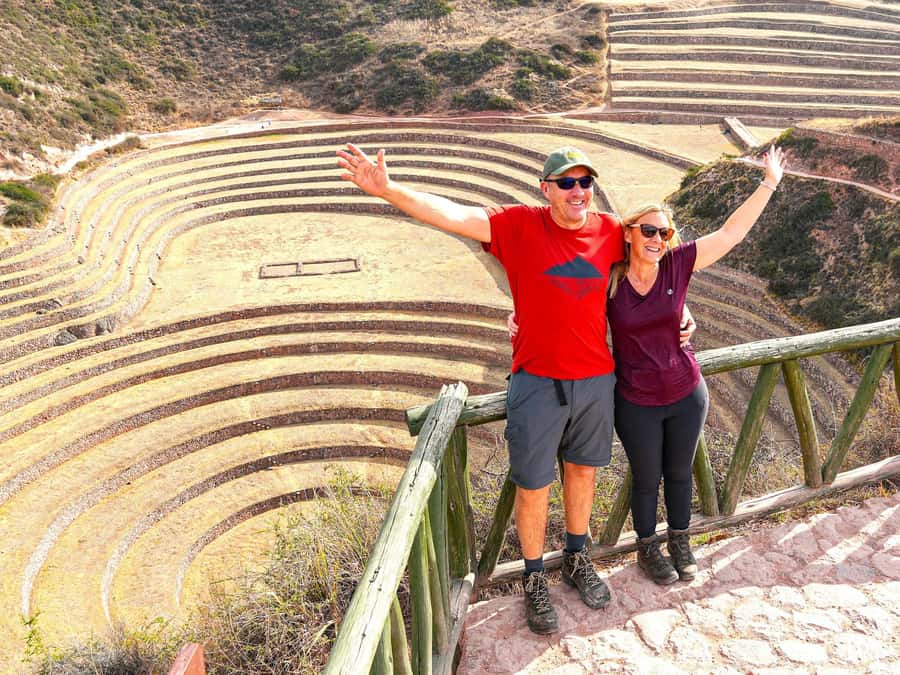
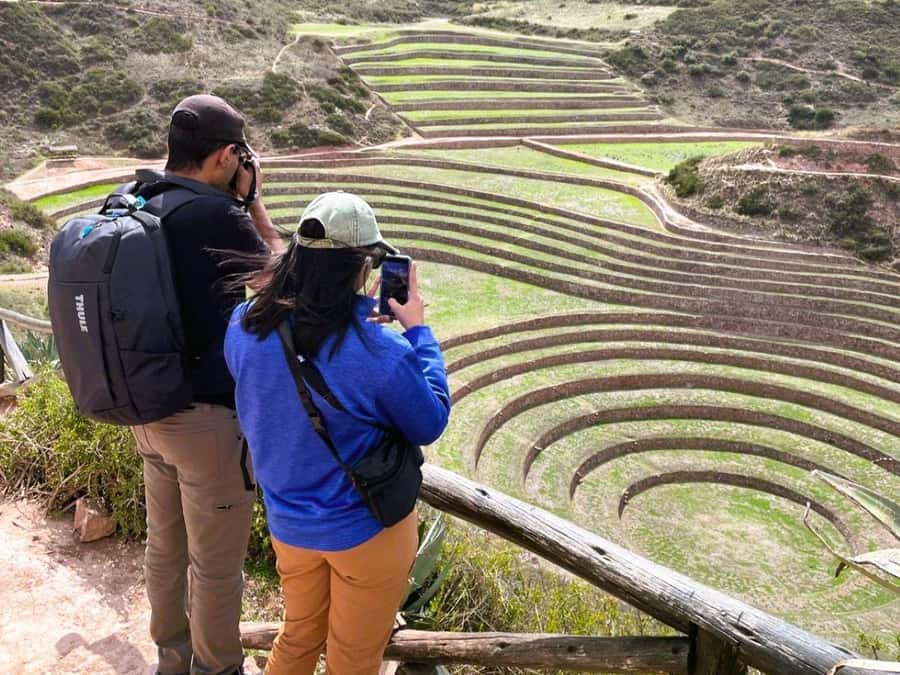
Moray is about farming logic, not just scenic ruins. You’ll visit the circular farming terraces, which give you a real sense that Inca engineering wasn’t accidental. It’s an idea that makes you look twice: terraces shaped for different growing conditions, arranged like a system you can learn from.
The vibe here is different from Machu Picchu. Machu Picchu often hits you as a dramatic city-in-the-clouds moment. Moray feels more like a puzzle. If you enjoy questions like how people adapted to climate and altitude, this stop is a good payoff.
The day’s sequencing also helps. After Chinchero, Moray gives you a “pause and think” stop before you head toward the salt work at Maras.
Maras Salt Mines and Salineras: the most surprising site for first-time visitors
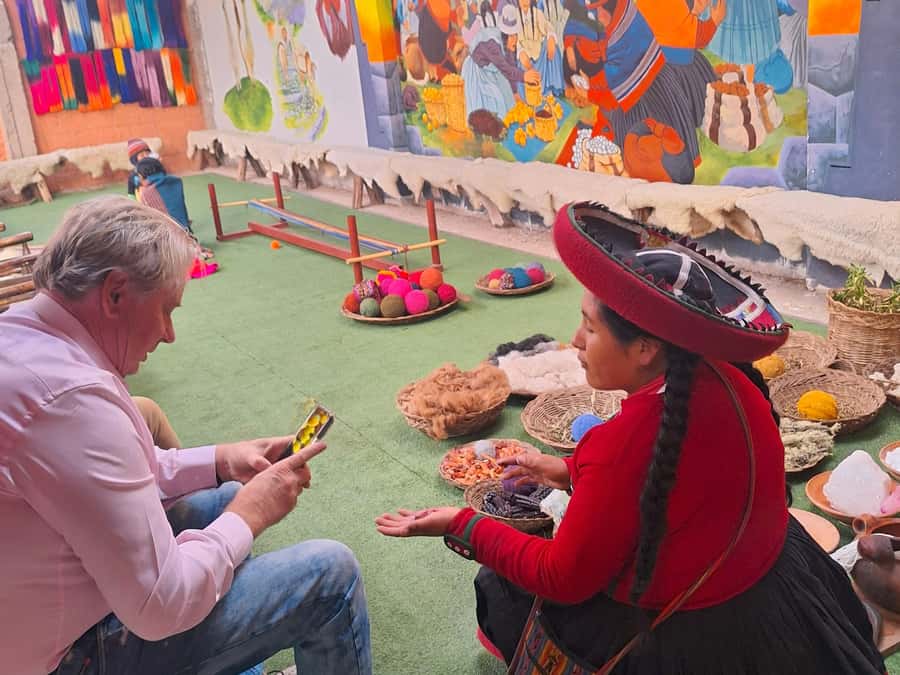
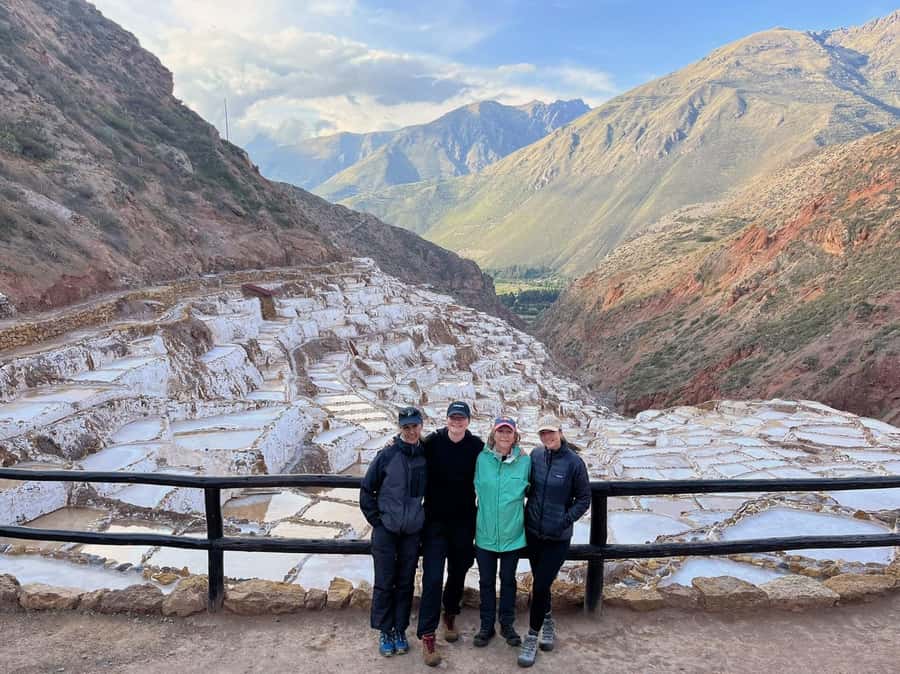
Maras and Salineras are tied together on this itinerary, and that’s smart. You’ll head to the town of Maras, known for its salt mines, then visit Salineras, where locals have extracted salt since Incan times.
This is one of those sites where the photos look incredible, but the experience is even better once you understand the working side. You’re not seeing an abandoned showpiece. You’re seeing an industry that has survived, adapted, and continued through centuries.
Lunch fits here too: you’ll stop at a local restaurant for a meal with mountain views. That’s a real value point of this tour. It breaks up the day before you drive to Ollantaytambo.
A practical note: salt flats can mean bright sun and glare. Bring sunglasses and a hat if you get sunburn easily.
Ollantaytambo Ruins and town: stepping into an Inca fortress mood
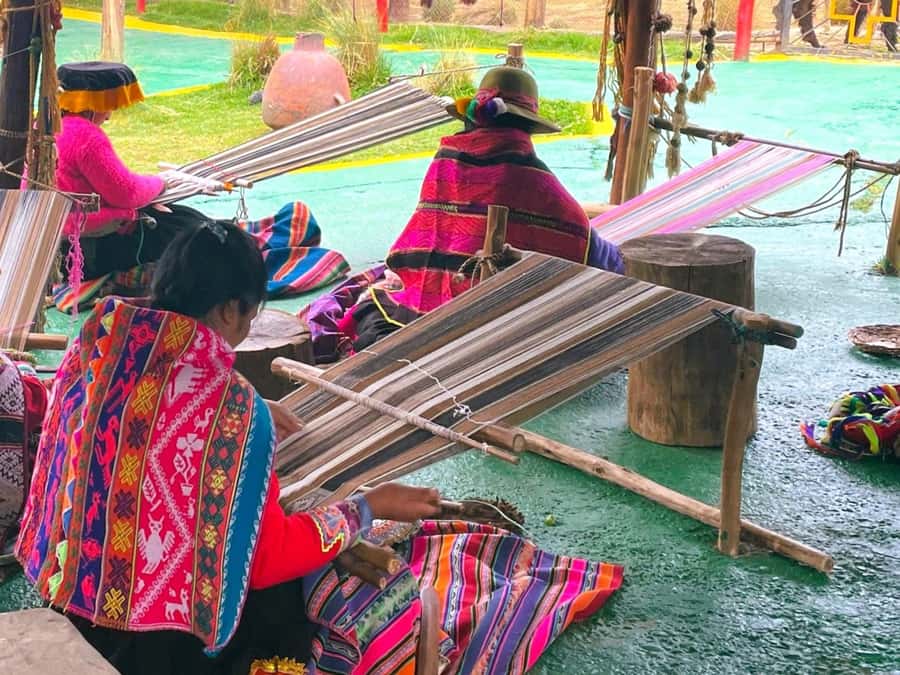
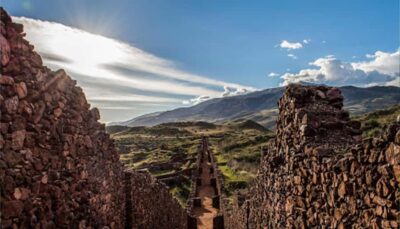
Ollantaytambo is where the Inca “big stone” energy shows up. You’ll explore the town and the Ollantaytambo ruins, described as a massive Inca fortress with large stone terraces on a hillside.
This stop works for two reasons. First, it’s visually powerful in a way that feels connected to Machu Picchu, even though it’s a different kind of site. Second, it acts like a bridge from daytime exploration into the rail-and-hotel rhythm of the trip.
After sightseeing, you’ll have dinner at a local restaurant. That’s useful because it keeps the evening simple before your train.
Day 1 finish: Expedition train to Aguas Calientes and a night you’ll actually appreciate
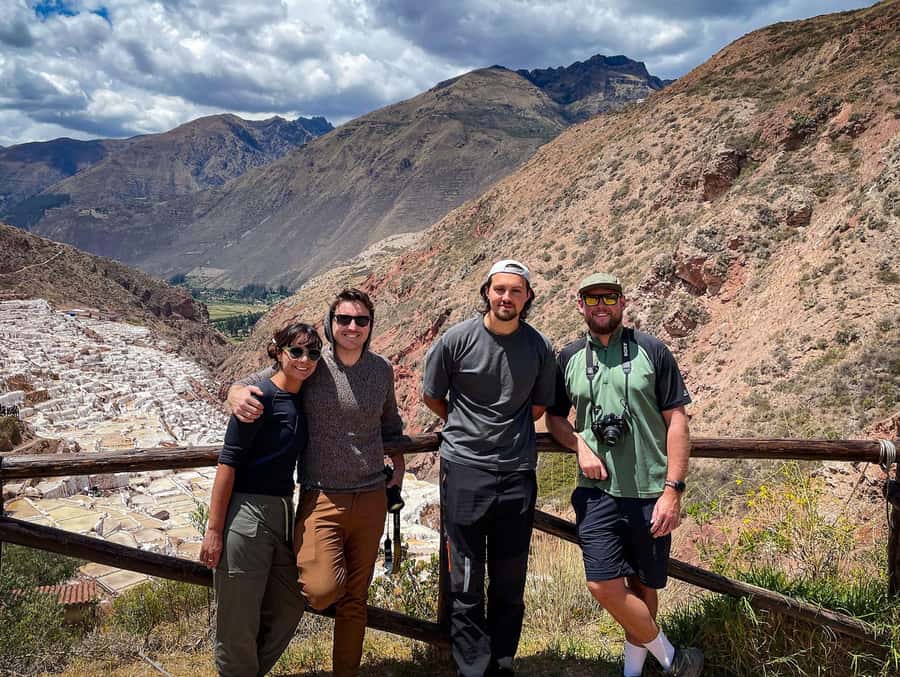
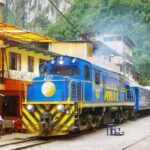
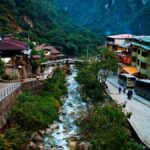
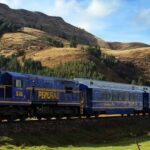
After Ollantaytambo, you take the Expedition train to Aguas Calientes and spend the night in a 3-star hotel. This is one of the most practical parts of the itinerary. It sets you up for the next morning without doing the exhausting up-and-down travel dance right before Machu Picchu.
Also, this isn’t just about comfort. It’s about timing. You’ll start Day 2 early, and that early start matters a lot at Machu Picchu.
One small logistics detail worth knowing: temperature checks are conducted when boarding the van, train, and checking into hotels, and mask use is mandatory in public places. It’s not your favorite part of the journey, but it’s built into the reality of traveling in Peru right now, so plan with a calm mindset.
Day 2 at Machu Picchu: first buses, a guided core, then freedom
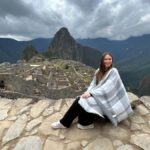
Day 2 begins with breakfast in the hotel, then you head up to Machu Picchu on the first buses. That’s a big deal. Machu Picchu is the kind of place where crowds can steal your sense of wonder if you arrive late. Early timing gives you breathing room, better photo moments, and a less stressful start.
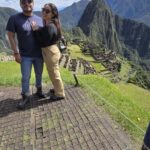
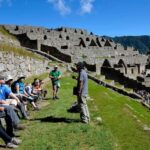
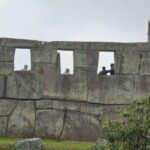
When you arrive, you’ll get a guided tour for about 3 hours through the main highlights—temples, palaces, and plazas. This guided portion is valuable because it keeps you from wandering in a confusing maze of stone. You learn what to look for, and you get context for how the citadel was organized and used.
After that guided core, you’ll have free time to explore on your own. This is where I think you should lean into your personality:
- If you want photos, this is your window to slow down and find angles.
- If you like quiet corners, use this time to step away from the group flow and watch how the place changes as people move around.
Then you take the bus back down to Aguas Calientes for lunch, and return to Cusco by train. The tour brings you back to your hotel around 7:30 PM, which is late enough that you’ll feel tired, but early enough to still have a night at home base.
Huayna Picchu and Montaña: your choice, not an included tradeoff
This itinerary includes Machu Picchu itself, but it does not include Huayna Picchu or Montaña. Those are extra hikes, and if you want them, you’ll need to plan separately.
That matters because adding an extra hike can change the whole energy level of the day. Without it, you get a more balanced visit: guided highlights, then time to explore without forcing yourself into a major uphill sprint on a tight schedule.
Price and logistics: what $680 really buys you in this two-day format
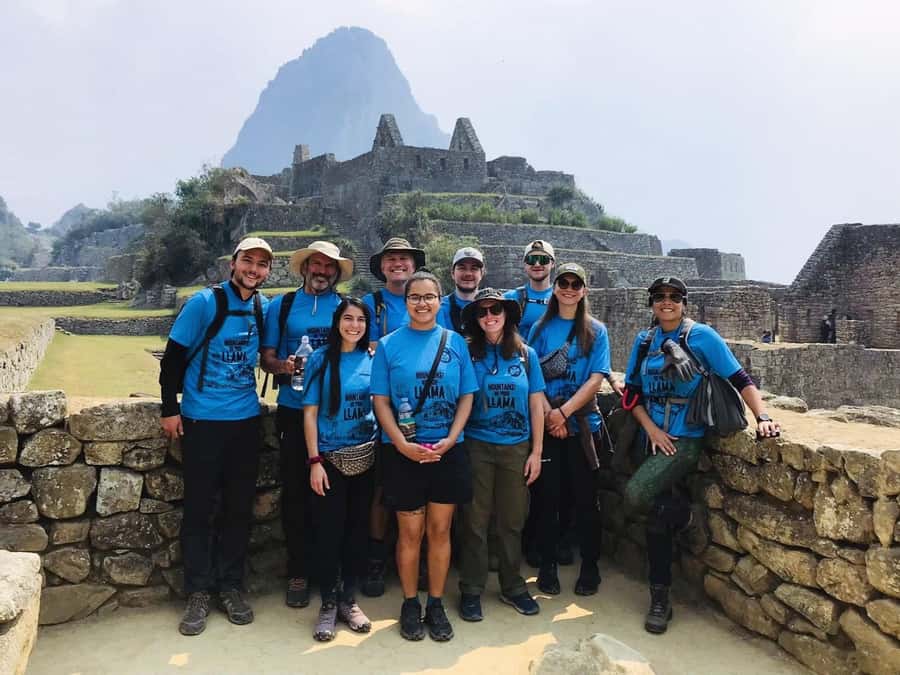
At $680 per person for 2 days / 1 night, you’re paying for more than the sites. You’re paying for a full transport-and-ticket package that would be a headache to assemble on your own, especially if you’re trying to keep the schedule smooth.
Here’s what’s included that drives the value:
- Door-to-door hotel pickup in Cusco (pickup is at 8:00 AM, and you’re asked to wait in the lobby about 10 minutes early)
- Entrance tickets for Chinchero, Moray, Salineras (Maras), Ollantaytambo, and Machu Picchu
- Round-trip bus service to Machu Picchu
- Round-trip Expedition train between Ollantaytambo and Aguas Calientes (and back to Cusco)
- 1 night in a 3-star hotel in Aguas Calientes
- Meals included: buffet lunch in Urubamba and dinner in Ollantaytambo (and lunch on Day 2 after you return)
- Expert live tour guidance in English or Spanish
- All taxes and reservation charges included
The biggest value play here is time. Machu Picchu planning is famous for being stressful. This route turns that chaos into a sequence with known start times, included reservations, and a guide to keep you from second-guessing your route.
The price also reflects risk management. When a tour includes the train, the buses, and the entry tickets, you reduce the odds of missing the one window you can’t easily replace.
If you’re watching costs, the only real add-ons mentioned are the extra hikes (Huayna Picchu/Montaña) and anything not listed in the meal plan. So you won’t get surprised by a long menu of optional expenses during the core experience.
The guide makes or breaks it: what to expect from the human side
The human part is where this tour seems to shine. People have described guides like Nathalie, Adolfo, and Efrain as passionate and very helpful, with explanations at each stop and a pace that felt correct—moving briskly, but not rushing you into silence.
That matters because these sites are dense. Without guidance, you can look at stones all day and still feel like you didn’t learn the why behind them. With a good guide, your brain starts connecting dots: farming terraces at Moray, salt extraction at Salineras, and fortress design at Ollantaytambo, all making Machu Picchu feel less like a random postcard and more like a network.
Also, because the group is limited to 16 participants, you’re more likely to get real attention rather than being one face in a crowd.
Who should book this two-day loop, and who might not love it
This tour is a strong fit if you want:
- A structured plan for Machu Picchu plus the best Upper Valley stops
- A small-group experience (max 16)
- The convenience of hotel + meals + tickets + trains handled for you
- A guided Machu Picchu visit followed by your own exploration time
It might not fit if:
- You have mobility impairments, since the itinerary isn’t listed as suitable and you’ll be on uneven terrain across multiple sites.
- You’re older than 95, since the tour states it’s not suitable for that age group.
- You want zero crowds at all costs. Even with early buses, Machu Picchu is still popular.
Should you book this Machu Picchu: Chinchero, Maras, Moray & Machu Picchu 2 days tour?
I’d book it if you want the Upper Valley highlights delivered in a clean, efficient package and you don’t want to wrestle with the hardest parts of planning. The combination of early Machu Picchu buses, a guided 3-hour core, a hotel night in Aguas Calientes, and included tickets makes this feel like a smart value.
I’d think twice if you strongly dislike end-of-day transfers or you know you’ll be sensitive to a return bus/train connection at Ollantaytambo. That’s the tradeoff for bundling the itinerary so tightly.
If you’re the type who likes both culture and design—markets, farming logic, salt industry history, and stone fortresses—this two-day loop is one of the more satisfying ways to get there without turning your trip into a puzzle.
FAQ
What time do you pick me up in Cusco?
Pickup is at 8:00 AM, and you should wait in your hotel lobby about 10 minutes before the scheduled pickup time.
Is Machu Picchu entry included?
Yes. Entrance tickets to Machu Picchu are included, along with round-trip bus service to the site.
Are meals included?
Meals included are a buffet lunch in Urubamba and dinner in Ollantaytambo on Day 1. On Day 2, you’ll also have lunch after you return to Aguas Calientes.
Where do you sleep overnight?
You stay one night at a 3-star hotel in Aguas Calientes.
Do I need to buy tickets for Chinchero, Moray, Salineras, and Ollantaytambo?
No. Entrance tickets for Chinchero, Moray, Salineras (Maras), and Ollantaytambo are included.
Is Huayna Picchu or Montaña included?
No. Huayna Picchu or Montaña are not included and would be extra.
What do I need to bring, and what is not allowed?
You’ll need a passport. Drones are not allowed, and alcohol and drugs are not allowed. Temperature checks are also conducted, and mask use is mandatory in public places.