REVIEW · AGUAS CALIENTES
Salkantay Trek to Machu Picchu 5 Days with Sky Lodge Domes
Book on GetYourGuide →Operated by Quechuas Expeditions Peru S.A.C. · Bookable on GetYourGuide
This trek starts with stars and snow. You’ll work your way through some of Peru’s highest Andes, hit Humantay Lake, and walk classic routes tied to Inca history, then sleep in Sky Lodge Domes. I especially like the combination of luxury sky domes with private bathrooms and hot showers and the fact that the itinerary includes Machu Picchu planning without feeling rushed. One consideration: the second night’s comfort can be more basic than advertised, so go in knowing conditions can vary by stop.
You travel in a small group (up to 8) with a bilingual guide, and you’re not left alone to figure out altitude logistics. The tour also includes an oxygen tank and a first-aid kit, which matters when you’re tackling the Salkantay Pass. Fitness still matters, since day 2 is the hard push, and this trip is not a fit for back, heart, or pregnancy situations.
In This Review
- Key highlights worth your attention
- What this 5-day Salkantay Trek really delivers
- Getting started: Cusco pickup, Mollepata breakfast, and the trailhead push
- Day 1 to Soraypampa and Humantay Lake: stars, snow, and a turquoise payoff
- Day 2 over Salkantay Pass: the hardest day, and how this tour helps you handle it
- Day 3 through the Santa Teresa Valley: easier walking and optional hot springs
- Day 4: Original Inca Trail segments, Llactapata views, and the Aguas Calientes decision
- Day 5: guided Machu Picchu, optional extra hikes, then train back to Cusco
- Food, comfort, and the small details that make the trek easier
- Altitude reality: what to prepare for, and what help you get
- Luggage limits and what should go in your daypack
- Guides and the pace of explanations (from the examples I’ve seen)
- Price and value: is $680 a fair deal?
- Who should book this trek
- Should you book Salkantay Trek to Machu Picchu with Sky Lodge Domes?
- FAQ
- How long is the trek and what does it cost?
- When do you get the briefing before the trek?
- Where does the trek start?
- What’s included for meals, and what isn’t?
- How is luggage handled, and is there a weight limit?
- Are sleeping bags and trekking poles included?
- Are Machu Picchu entrance fees and guiding included?
- Does the tour include altitude support?
- How big is the group, and what languages are offered?
Key highlights worth your attention
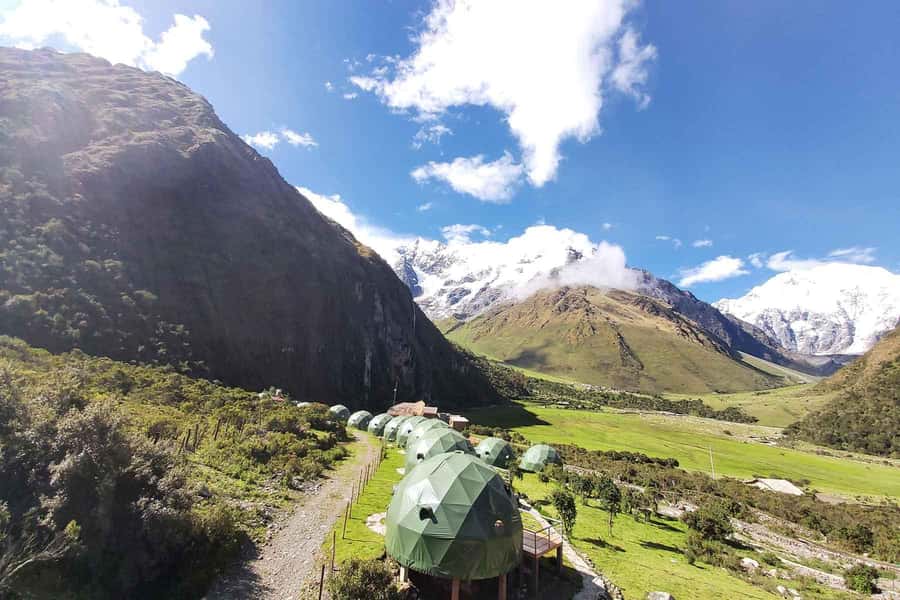
- Sky Lodge Domes: private bathroom and hot shower after a long day on the trail
- Humantay Lake hike: turquoise glacial views with big-mountain drama
- Salkantay Pass day: the tough altitude and steep effort with sweeping Andes sightlines
- Inca route moments: walking sections connected to the Original Inca Trail and viewpoints like Llactapata
- Machu Picchu included: entrance fee plus a guided visit, followed by train and transfers
What this 5-day Salkantay Trek really delivers
If you’re picking the Salkantay Trek to Machu Picchu, you’re usually chasing two things: wild Andes scenery and the feeling of earning your arrival. This plan does both. Day after day, the route moves through high passes, river valleys, and Inca-connected sites, then ends with a guided Machu Picchu visit instead of a vague “you’ll get there somehow” promise.
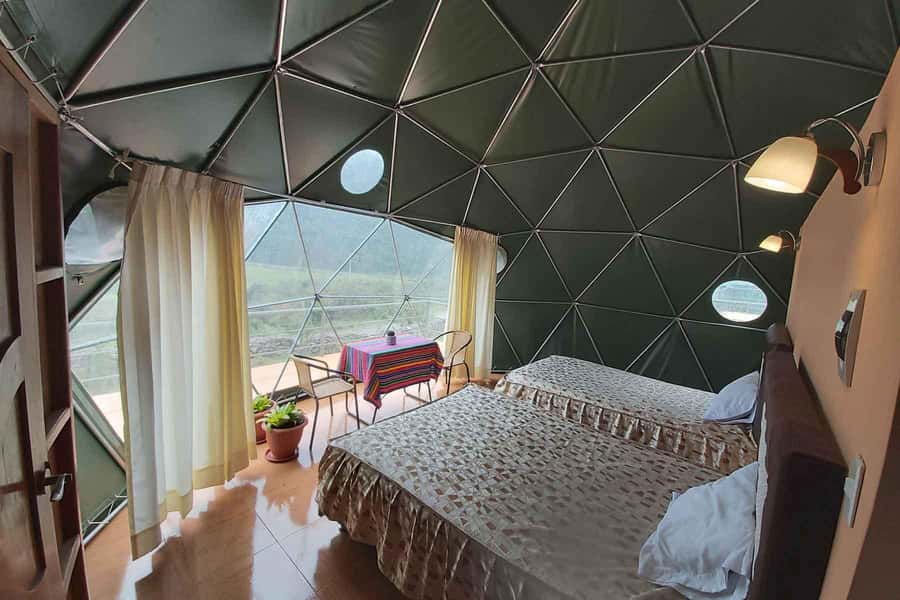
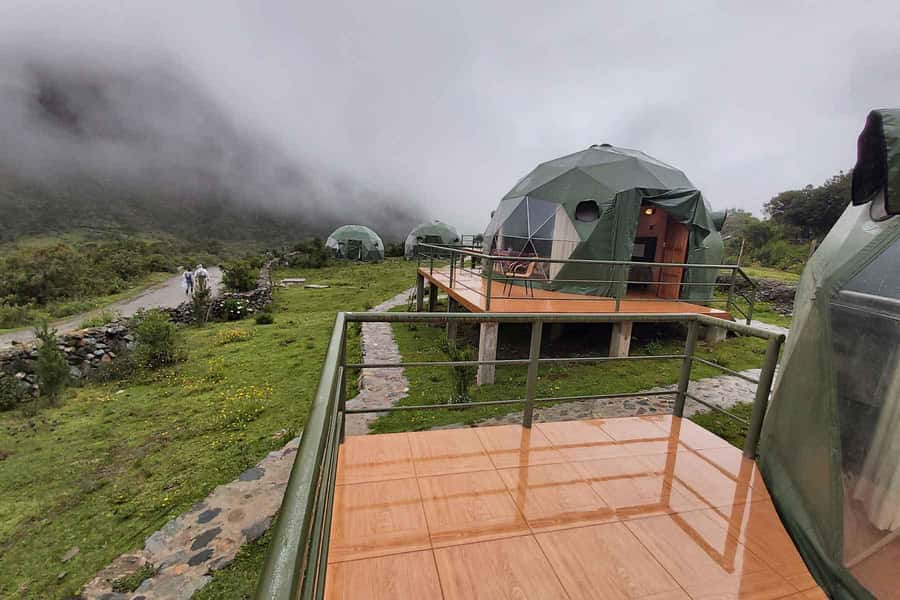
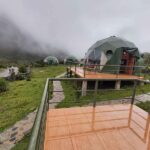
The Sky Lodge Dome concept is the big comfort hook. After hiking, you’re not just sleeping in a tent and hoping for the best. You get a private bathroom and a hot shower, plus the whole setup is made for recovery: food is brought to you, and camp dining includes actual equipment like portable chairs and tables. That’s not glamorous in a city sense, but it’s a big deal when your legs are tired and you want a predictable routine.
The other thing I like is the balance between effort and support. You hike the key segments, but you’re also carrying far less than you’d pack for a self-guided trek. Equipment, food, and personal luggage are transported by horsemen and mules, with a 7-kilo-per-person limit for what you send with them. That structure helps you move faster, stay safer, and keep your daypack to what you truly need.
You can also read our reviews of more hiking tours in Aguas Calientes
Getting started: Cusco pickup, Mollepata breakfast, and the trailhead push
The itinerary starts with an early pickup in Cusco and a transfer to Mollepata for breakfast, then onward to Challacancha, where the trek begins. The timing matters here: Salkantay is an “early start” kind of trek, and the route works best when you’re not rushing in the dark or trying to catch your breath on a late schedule.
Before you go, you’ll have a briefing the night before at 6:00 pm at your Cusco hotel. This is the moment to ask your questions: what to pack in your daypack, how to handle altitude symptoms, and what the schedule looks like if weather changes.
One practical note: the package lists the first breakfast as not included, even though you’re scheduled to stop for breakfast in Mollepata. So treat that as a “confirm the details” item when you check in. Either way, you’ll want cash or a card plan ready, because you’re in the Andes and you don’t want to hunt for food options while your group is waiting.
Day 1 to Soraypampa and Humantay Lake: stars, snow, and a turquoise payoff
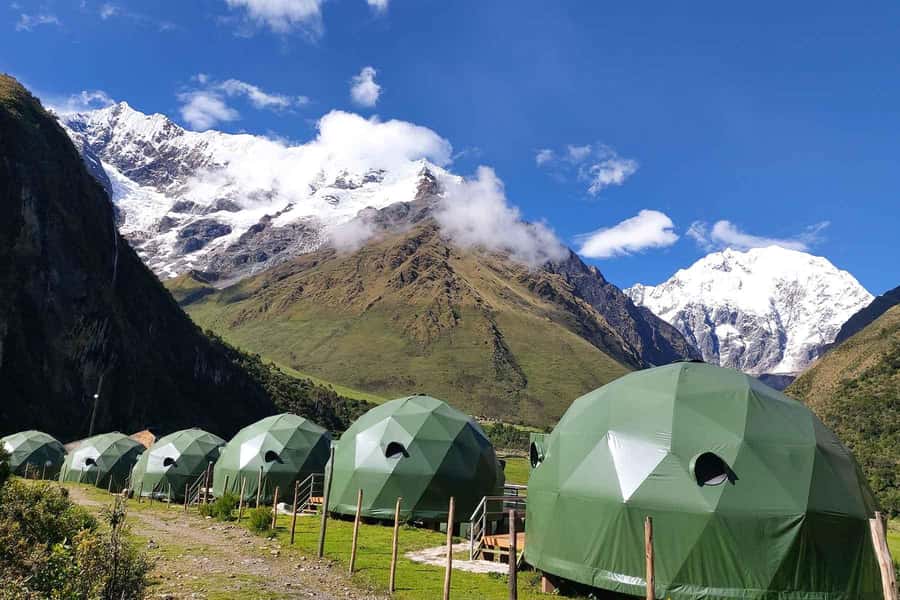
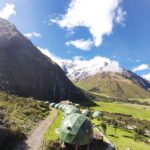
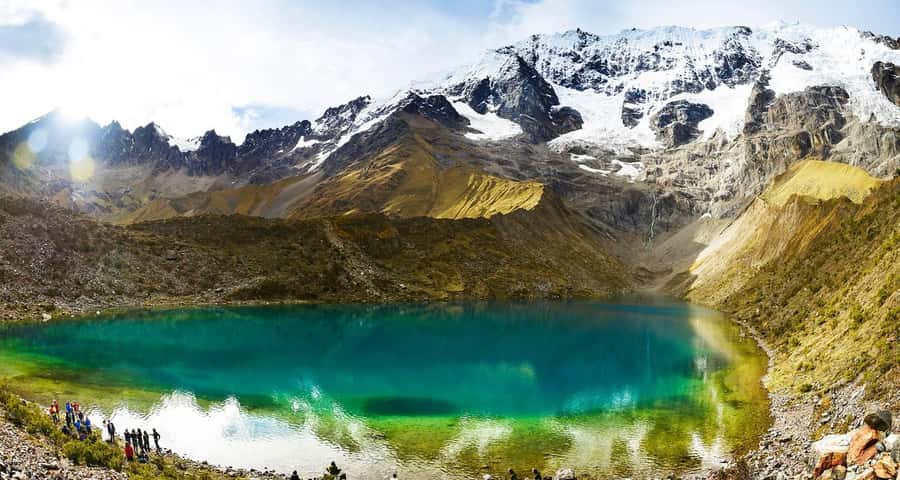
Day 1 is built for a strong first impression. You hike from Challacancha toward Soraypampa and settle into the Sky Lodge Domes. From there, you continue with the Humantay Lake hike, which is the classic turquoise glacial payoff against snow-peaked mountains.
This is also the day where you start learning the rhythm of the trek:
- short climbs, steady pace
- breaks long enough to catch your breath
- layers that you add and remove as the temperature swings
Humantay Lake is one of those moments where photos don’t fully explain what your eyes catch in real life. The water is bright and cool-looking, and the surrounding peaks make everything feel bigger than it did in Cusco.
That evening, you’ll experience camp life and then get time under the stars. It’s a simple reward for the effort you already put in, and it helps you reset mentally before the bigger altitude challenge of day 2.
Day 2 over Salkantay Pass: the hardest day, and how this tour helps you handle it
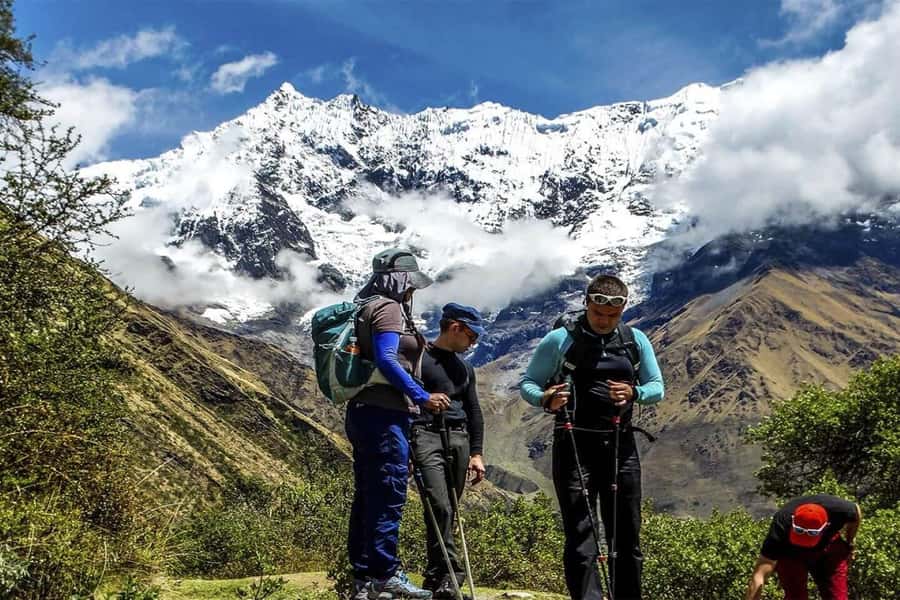
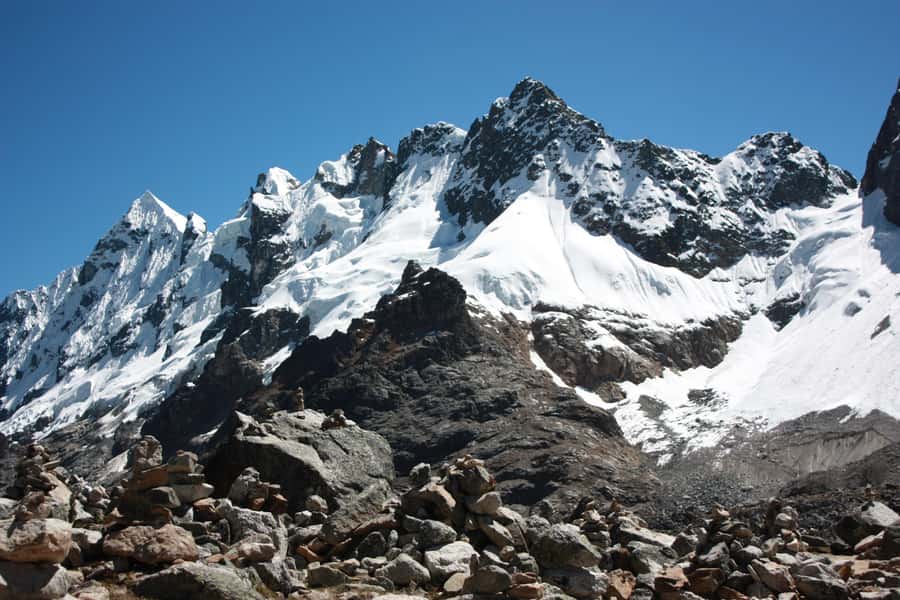
Day 2 starts early and targets the Salkantay Pass. This is the day that earns the trek’s reputation: a challenging climb with big Andean peak views, then a descent toward Chaullay for the night.
From a planning standpoint, day 2 is where the tour’s “support package” matters most. You have an included oxygen tank and a first-aid kit, and your guide is bilingual (English/Spanish) so you can describe symptoms clearly. That matters because altitude issues aren’t always loud and obvious at first.
You should also know this: this trek can get tough on the body. The package isn’t marketed for people with heart problems, and it specifically lists back problems and pregnancy as not suitable. If you’re on the edge fitness-wise, this is the day you’ll feel it.
A helpful detail from real-world experience with this route: there can be a paid option to ride a horse during altitude stress, which some guides use as a “don’t fall apart” tool. It’s not something to plan around as your primary strategy, but it’s reassuring to know there’s sometimes an option when the pass hits harder than expected.
Day 3 through the Santa Teresa Valley: easier walking and optional hot springs
Day 3 shifts gears. The route passes through the Santa Teresa Valley, and the hiking is generally easier than the day before. You’re moving through a different feel of terrain: less of the “maximum altitude wall” and more of the valley rhythm.
You’ll also have the option of hot springs before your next night in a Sky Dome. Whether you use them or not, the idea is smart. After the pass, your muscles will want heat and a chance to loosen up. Even a short soak can make the next day’s effort feel more manageable.
You still need the basics right: warm layer for evenings, rain gear if weather rolls in, and a daypack you actually like using. Valley days can still surprise you with cool mornings, and you don’t want to be stuck digging through a messy bag while your group is moving.
Day 4: Original Inca Trail segments, Llactapata views, and the Aguas Calientes decision
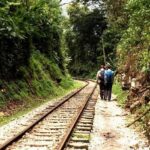
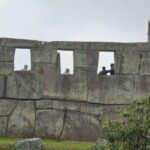
Day 4 is where the trek becomes more than hiking. You pass through part of the Original Inca Trail, then visit Llactapata Inca, a viewpoint with sweeping views toward Machu Picchu. It’s one of the most meaningful transitions in the itinerary: you’re not just approaching Machu Picchu, you’re getting the setting explained while you can still feel the trek on your body.
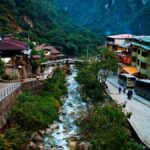
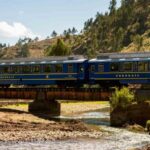
Then comes a key choice. You can either hike or take a train to Aguas Calientes for your hotel stay. That flexibility can save energy, especially if you’re tired after three full days in altitude conditions.
This is also the day where Machu Picchu “anticipation” starts. By the time you reach Llactapata, you can understand why this area is so powerful: the setting is dramatic, and your arrival is no longer random travel—it feels like a continuation of the route you’ve already walked.
Day 5: guided Machu Picchu, optional extra hikes, then train back to Cusco
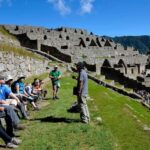
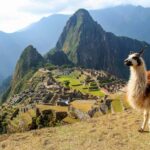
On day 5, you’ll take the bus to Machu Picchu for a guided tour. The entrance fee is included, so you’re not dealing with ticket logistics on arrival day. The tour approach keeps things clear: you get a guide during the most important time window, and you can then choose what to do with your remaining energy.
There are options for additional hikes around Machu Picchu, depending on timing and conditions. If you have the stamina and your body feels good, this can be a rewarding way to see more of the complex. If you’re more focused on enjoying the moment than stacking more climbs, it’s still fine to keep it simple and enjoy the main guided highlights.
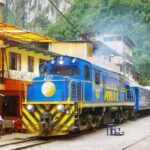
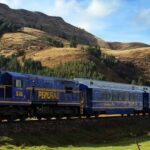
After Machu Picchu, the plan includes a train to Ollantaytambo, then a transfer back to Cusco. That closing sequence is practical. It reduces the stress of trying to line up transport after a long day, which is exactly when planning mistakes hurt the most.
Food, comfort, and the small details that make the trek easier
This package is built around camp-level consistency. You get food service at the campsites across the trek (4 breakfasts, 4 lunches, 4 dinners, plus 3 snacks). There’s a professional cook/chef, and dining equipment includes portable chairs and tables, which might sound minor until you’ve tried to eat after a steep descent on an uneven surface.
One of the best comfort features is that Sky Lodge Domes are set up with private bathrooms and hot showers. That means you can actually feel human again at camp. It also helps with sleep. When your feet and body cool down properly, you wake up ready for the next day rather than carrying the fatigue of being cold and damp.
There is, however, a legitimate caution: at least one prior experience noted that the second night’s accommodation felt more basic than what the overall description suggests. I’d treat that as a heads-up to manage expectations for that specific stop, even if domes are generally positioned as luxury.
Altitude reality: what to prepare for, and what help you get
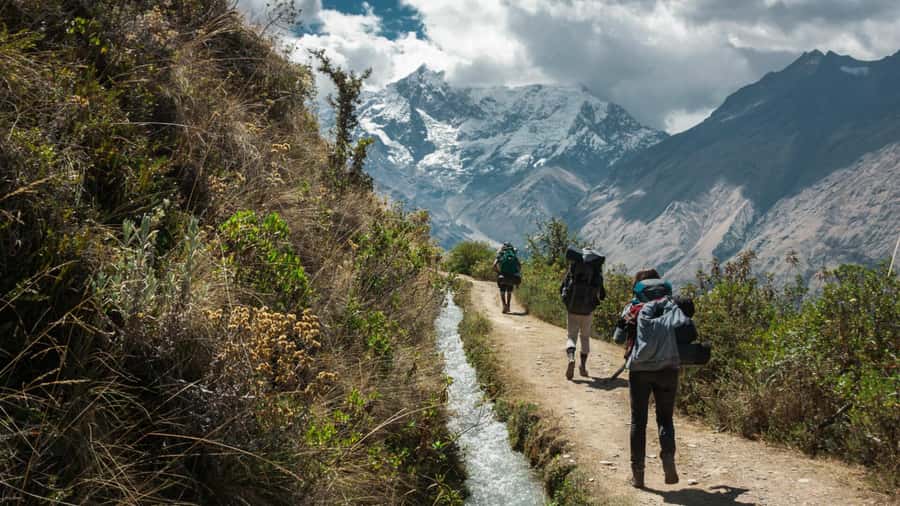
Altitude is the hidden boss of the Salkantay Trek. This itinerary includes oxygen support (an oxygen tank) and a first-aid kit, and it gives you guided coordination during the hardest day over Salkantay Pass.
You can also prepare smartly:
- pack warm layers you can add fast
- wear hiking shoes that are already broken in
- bring sunscreen, sunglasses, and a sun hat (high altitude sun is not gentle)
- keep rain gear handy because weather changes quickly
The tour also lists trekking poles and sleeping bags as available rentals. That’s useful if you don’t own gear or you travel light. If you’re already confident with your own poles, bring them. If not, rentals can keep you moving safely without spending money on equipment you might never use again.
Luggage limits and what should go in your daypack
A lot of trekkers overpack. Don’t. The trek uses horsemen and mules to transport equipment, food, and personal luggage, but you’re limited to 7 kilos per person for what you send. A duffel bag is provided, which helps keep the system organized.
So plan your packing like this:
- send bulky items with the duffel (extra layers, spare clothes)
- keep essentials in your daypack (passport, meds, sunscreen, rain gear, warm top)
Because you’ll be moving in altitude conditions, it’s your daypack that needs to feel fast and easy. If you’re digging around for a hat every time you stop, you’ll get annoyed fast—and annoyance is the enemy of a steady pace.
Guides and the pace of explanations (from the examples I’ve seen)
The tour uses a professional bilingual guide in English/Spanish. The difference between a good guide and a great guide is how they handle pacing: when to let you breathe, when to point out what you’re walking past, and how to explain cultural details without turning the day into a lecture.
You may end up with guides like Fernando or Nildo, who are described as careful with their time and focused on helping you understand what you’re seeing—culture, plants, mountains, and the meanings behind the route. Even if your guide isn’t one of those names, you can expect a similar “learn while you go” style, because that’s the structure that makes this trek feel meaningful rather than purely physical.
Chef Armando is also mentioned in connection with consistent, traditional meals served across the days. When you’re walking for hours, good food isn’t a luxury—it’s recovery. The meals included here are a core part of why you can keep a steady pace.
Price and value: is $680 a fair deal?
At $680 per person for a 5-day Salkantay Trek to Machu Picchu with Sky Lodge Domes, you’re paying for several things that are expensive in Peru when you travel independently: private transportation to the trailhead, an English/Spanish guide, equipment transport with mules and horsemen, camp meals, Machu Picchu entrance, and the chain of logistics that ends with train travel and transfers.
You’re also paying for comfort that changes the trek experience. Domes with hot showers and private bathrooms are the kind of upgrade that can make the “hard days” feel survivable. Combine that with the included oxygen tank and first-aid kit, and the value proposition becomes less about luxury and more about safety plus recovery.
The main value risk is the one accommodation variation mentioned earlier. If you’re someone who expects the exact same level of comfort every night, you might not love that uncertainty. Still, overall, this is a well-rounded package: the trek effort is real, but the infrastructure is there so you’re not stressed about the details.
Who should book this trek
This is a strong fit if you want:
- a classic high-Andes trek to Machu Picchu
- Sky Lodge Dome comfort instead of rough tent camping
- a small group experience (max 8) with bilingual guidance
- a clear day-by-day structure that doesn’t make you guess logistics
It’s not a fit if you’re dealing with the listed limitations: pregnancy, back problems, or heart problems. If altitude worries you, pay close attention to how your body handles day 2, and plan for a slower pace.
Should you book Salkantay Trek to Machu Picchu with Sky Lodge Domes?
I’d book this if you want the full Salkantay storyline: Challacancha start, Soraypampa and Humantay Lake, the Salkantay Pass push, Inca route sections, then a guided Machu Picchu day with included entrance and transportation.
I’d hesitate if you’re highly sensitive to comfort changes night to night, or if you’re not confident about day 2. The trek is structured to support you, but it’s still a serious hike in altitude conditions.
If your goal is to experience the route, understand what you’re seeing, and return each day to a camp system that helps you recover, this is the kind of tour that makes that goal realistic.
FAQ
How long is the trek and what does it cost?
The experience runs 5 days and the price listed is $680 per person.
When do you get the briefing before the trek?
There’s a briefing the night before at 6:00 pm at your hotel in Cusco.
Where does the trek start?
You’ll be picked up in Cusco and transported to Mollepata for breakfast, then to Challacancha, which is identified as the Salkantay trailhead.
What’s included for meals, and what isn’t?
Food service is included at the campsites (4 breakfasts, 4 lunches, 4 dinners, and 3 snacks). The package notes that the first breakfast and last dinner are not included.
How is luggage handled, and is there a weight limit?
Horsemen and mules transport equipment, food, and personal luggage, with a limit of 7 kilos per person. A duffel bag is provided.
Are sleeping bags and trekking poles included?
Sleeping bag and trekking poles are not included, but they can be rented from the provider.
Are Machu Picchu entrance fees and guiding included?
Yes. The entrance fee to Machu Picchu is included, and you’ll have a guided tour on the final day.
Does the tour include altitude support?
Yes. The tour includes an oxygen tank and a first-aid kit.
How big is the group, and what languages are offered?
The group is limited to 8 participants. The live guide works in English and Spanish.