REVIEW · AGUAS CALIENTES
Inka Jungle trek to Machu Picchu 3 D/ 2 N
Book on GetYourGuide →Operated by Libertrek Peru Travel Agency · Bookable on GetYourGuide
Cusco to Machu Picchu in three days is a fast plan. This Inka Jungle trek blends mountain biking, a canyon walk, and optional zip line before you get to see Machu Picchu at sunrise. I especially like the long downhill bike day from Abra Málaga and the chance to arrive early enough to experience the first moments inside the Inca citadel with a guide.
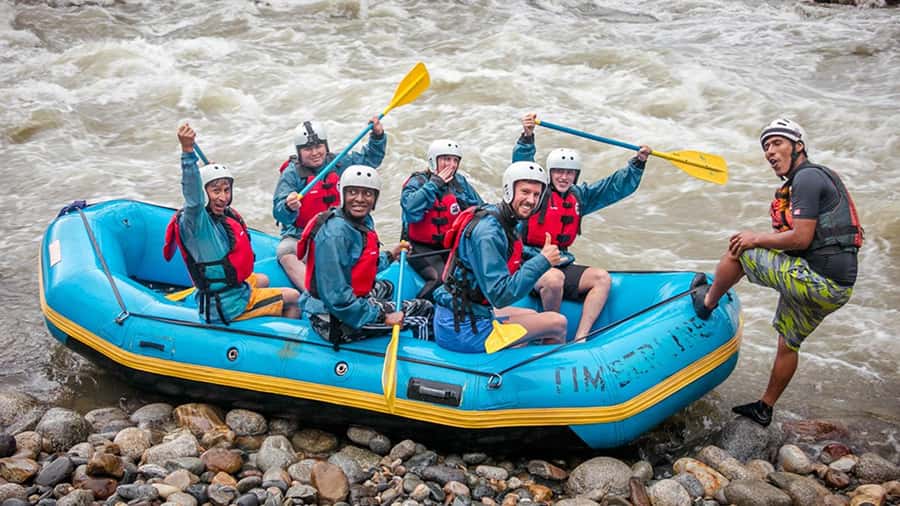
One thing to weigh: parts of this trip are weather-dependent. Rafting only runs between January 1 and March 31, and if the river is high on your activity day, the rafting won’t happen and there’s no refund.
In This Review
- Key things to know before you go
- What makes the Inka Jungle route feel different
- Day 1: Cusco, Abra Málaga, and the long bike descent to Santa María
- A quick reality check on Day 1
- Santa Teresa afternoon: optional Cocalmayo hot springs
- Day 2: zip line at Cola de Mono and the walk to Hidroeléctrica
- Lunch at Hidroeléctrica
- Hot springs in Aguas Calientes
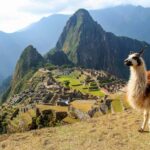
- Day 3: Machu Picchu sunrise and a guided 2.5-hour circuit
- The guided tour: what you’ll focus on
- Food, comfort, and what’s actually included
- Gear and safety basics
- Price and value: is $410 fair for what you get?
- Pace and who this trek fits best
- Practical tips: what to bring and how to avoid altitude trouble
- Altitude and coca tea
- Small-group comfort: how the logistics feel on the ground
- Should you book this Inka Jungle trek to Machu Picchu?
- FAQ
- How long is the Inka Jungle trek to Machu Picchu?
- Where does the tour start?
- What kinds of adventure activities are included?
- Is rafting guaranteed?
- What is included for meals?
- Where do you sleep during the trek?
- Does the tour include Machu Picchu entrance?
- Are there optional extras?
- What should I bring and what is not allowed?
Key things to know before you go
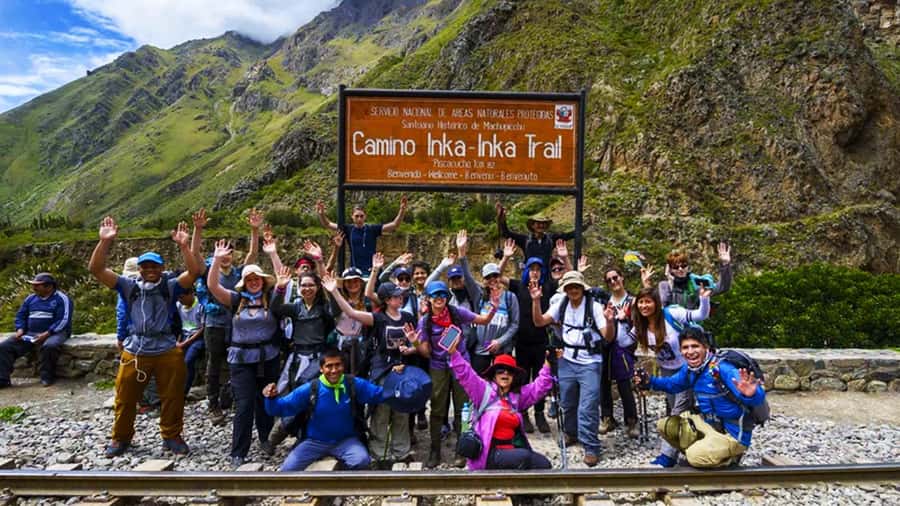
- Abra Málaga bike descent: a big downhill day (about 3–4 hours cycling) that sets the tone for the whole route
- Zip line at Cola de Mono: optional and timed for your Day 2 morning
- Canyon-to-waterfalls walk: you’ll trade bikes for a guided trek toward Hidroeléctrica through a narrow canyon
- Train-track walk to Aguas Calientes: a steady 3-hour walk that gets you to town without rushing
- Early Machu Picchu sunrise: you walk up early and go in first, then do a ~2.5-hour guided circuit
What makes the Inka Jungle route feel different
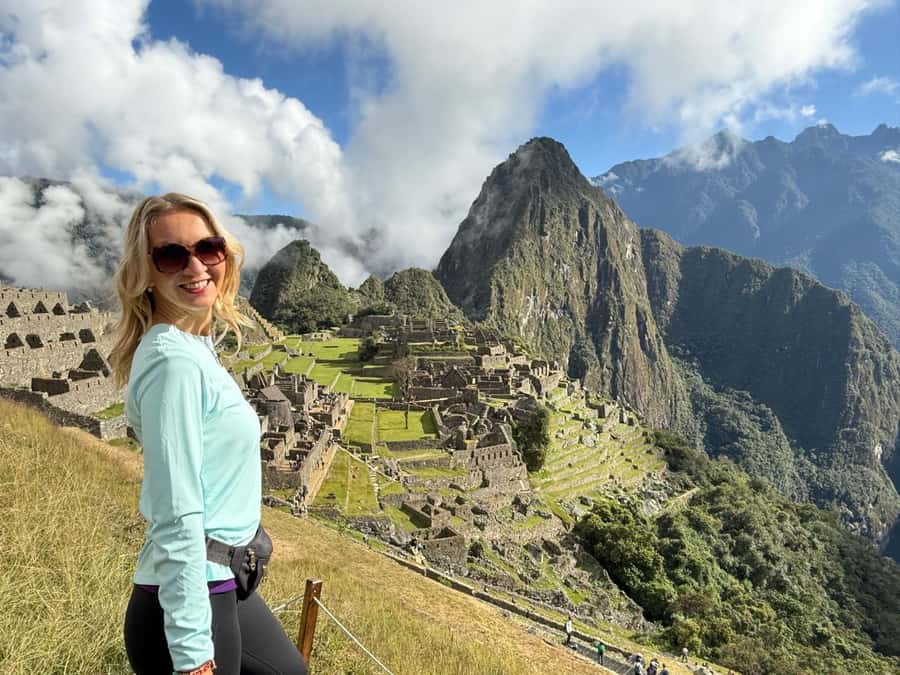
This isn’t a straight “hike, then Machu Picchu” setup. You mix adventure sports with scenery, and that changes the way the days feel. Day 1 gives you speed and views on a bicycle. Day 2 slows things down with walking through narrow canyon terrain, waterfalls, and farm plots. Then Day 3 shifts into classic Machu Picchu mode with a guide and a sunrise entry.
The value angle here is practical: your ticket covers a lot of moving pieces. You get official guiding, Machu Picchu entrance, a return train segment from Aguas Calientes to Ollantaytambo (or hydroelectric transport), plus 2 nights in Inka Jungle hostels. On top of that, meals are included for most parts of the trek: 2 breakfasts, 2 lunches, and 2 dinners.
The itinerary also pays attention to your route, not just your destination. You’re not only “going somewhere.” You’re passing Huamanmarca and local family areas, spotting medicinal plants, and seeing tropical crops like mango and avocado along the way. If you like travel that connects geography to daily life, this format tends to land well.
You can also read our reviews of more hiking tours in Aguas Calientes
Day 1: Cusco, Abra Málaga, and the long bike descent to Santa María
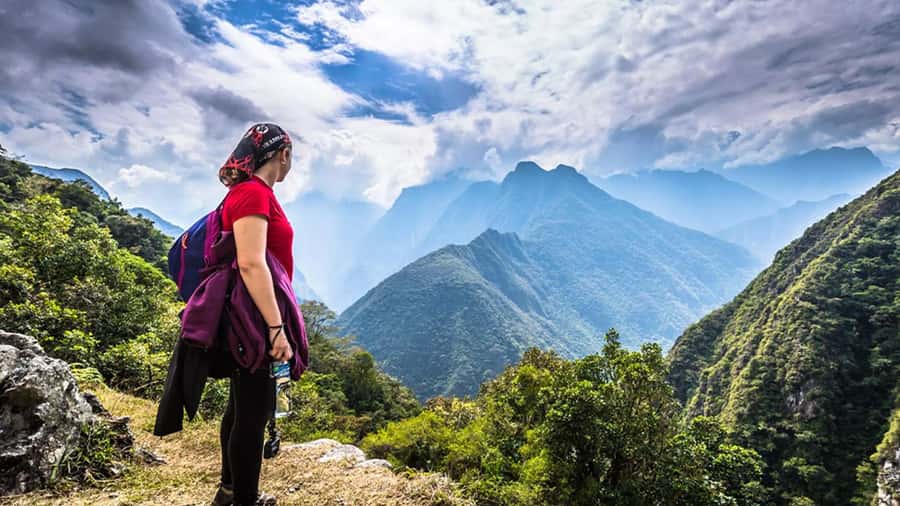
Your day starts early: pickup from your Cusco hotel at 06:00. You’ll travel for about 4 hours to Abra Málaga, passing through the high pass zone where the adventure begins.
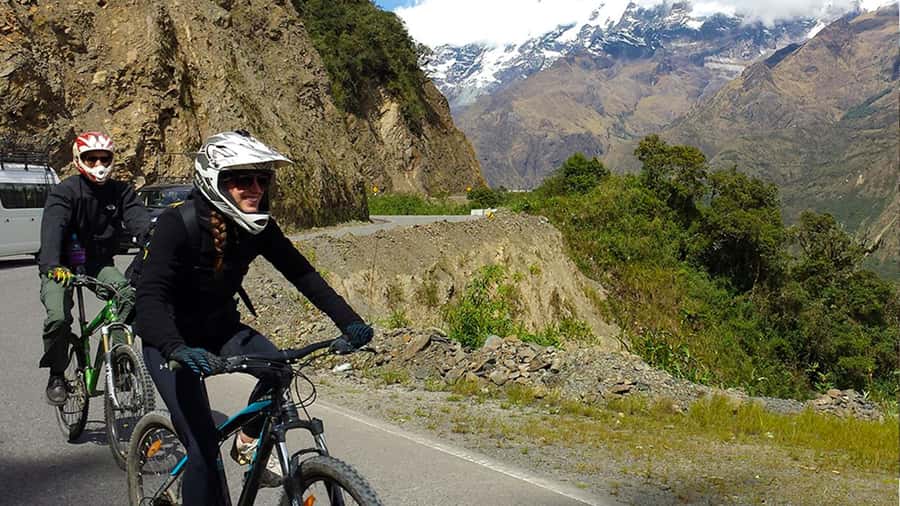
Then comes the main event: the descent by bicycle. You’ll ride down for an average of 3 to 4 hours until you reach Santa María. What makes this day fun (and not just tiring) is that it’s not only about speed. It’s about watching the environment change as you go from higher Andean conditions toward warmer jungle-adjacent areas.
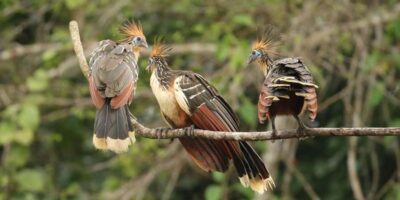
Along the route, you’ll stop for cultural and ecological moments, including the archaeological center of Huamanmarca. You also get a guided look at the diversity of mountain and jungle terrain, plus jungle birds, medicinal plants, and everyday fruit varieties like mango, pineapple, papaya, avocado, coffee, and even coca leaves. You’ll also visit local families and see pieces of their daily routine, which helps the trek feel rooted in real place rather than just scenery.
A practical bonus: biking gear is included. You get a bicycle plus arm protector, knee pads, helmet, and gloves. That means you don’t have to worry about renting or borrowing safety equipment in Cusco, where time is always tight.
A quick reality check on Day 1
This is an active day. Even if you’re comfortable on roads, you’ll still be dealing with a long descent. Pack your energy for the full ride, and keep an eye on your water and sunscreen habits. The day is built around that cycling segment, so it sets the pace for the whole trip.
Santa Teresa afternoon: optional Cocalmayo hot springs
After your first day ends in Santa María, you’ll travel by car to Santa Teresa and stay overnight there. The itinerary leaves one “choose your own mood” option: you can visit the Cocalmayo hot springs if you want.
Important note for planning: the hot springs entrance isn’t included in the package. If you’re the type who loves soaking sore legs, budget for it. If you’d rather rest quietly, you can skip it and use the evening for recovery before the longer walking day.
Santa Teresa is also where the trek starts to feel more jungle-like in atmosphere. If you’ve had enough of altitude by this point, this is where the trip starts to feel friendlier physically—though you’ll still be active.
Day 2: zip line at Cola de Mono and the walk to Hidroeléctrica
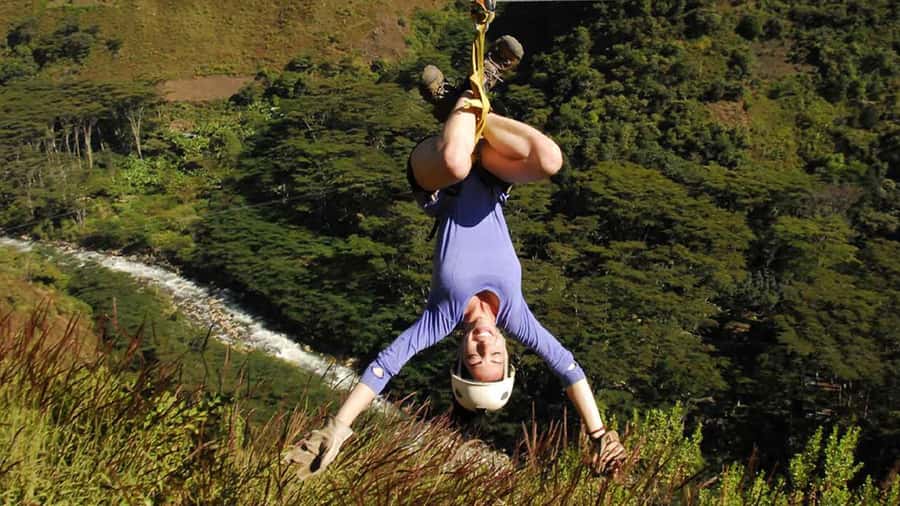
Day 2 opens with breakfast and an optional activity: the zip line in Cola de Mono. If you do it, it’s a clear break from trekking and a chance to burn nervous energy before you get into the canyon walk.
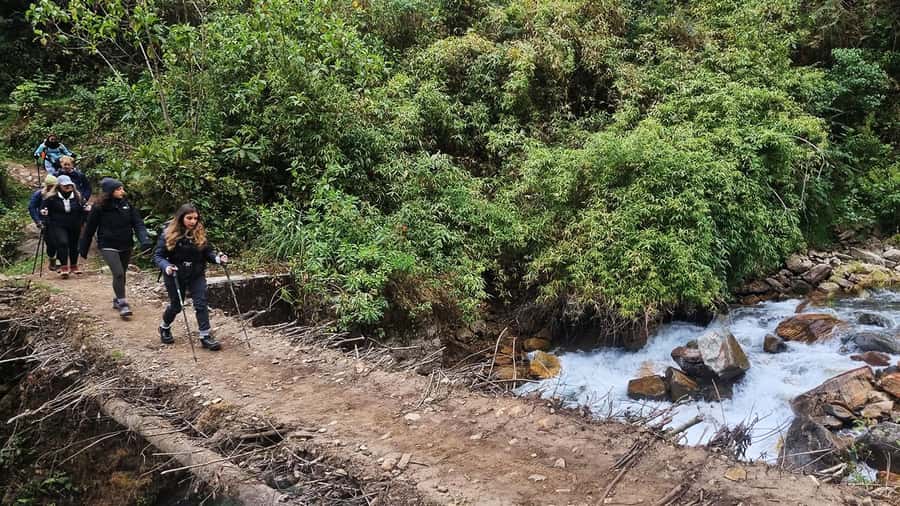
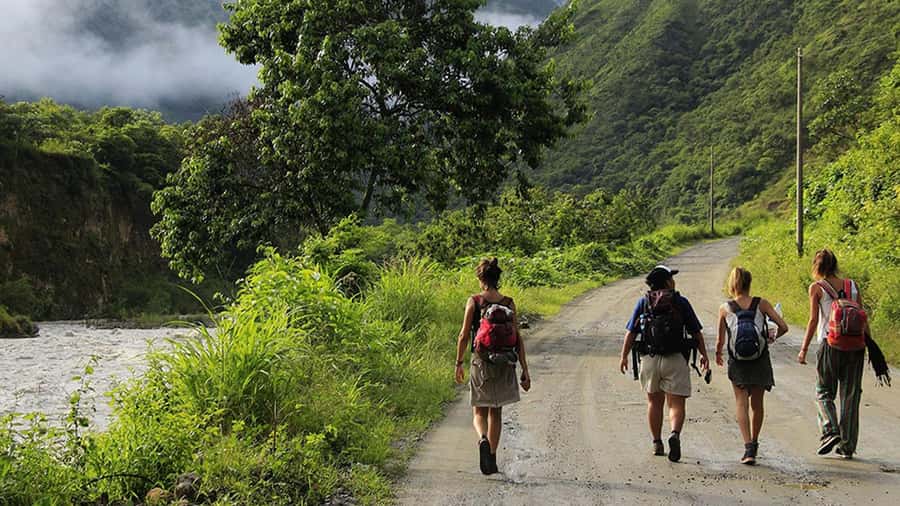
After breakfast, you start walking toward Hidroeléctrica. This part is one of the most “scenery-forward” segments in the whole trip. You’ll pass through a narrow canyon where the climate feels pleasant, and you’ll see waterfalls, mountains covered in heavy vegetation, and farmed areas with banana, mango, avocado, cocoa, orange, and coca leaves.
One subtle detail I like about this day: you get repeated evidence that this isn’t just wilderness. People grow crops here. Your route is basically a moving lesson in how the region feeds itself at different altitudes.
Lunch at Hidroeléctrica
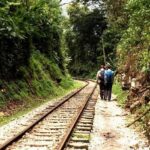
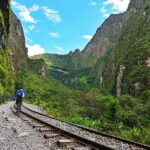
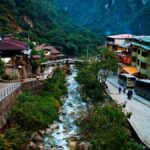
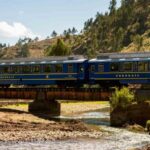
You’ll have lunch at Hidroeléctrica, then you continue on. After lunch, the plan shifts again from scenery to logistics: you’ll walk along the train tracks for about 3 hours to reach Aguas Calientes.
Yes, you’re walking on tracks. No, it’s not the end of the world. It’s more about steady progress than dramatic climbing. The point is to get you to town without turning the day into a full-distance race.
Hot springs in Aguas Calientes
Once you arrive in Aguas Calientes, you’ll have time to visit the town hot springs. Entrance to the Santa Teresa hot springs is excluded, but Aguas Calientes soaking is presented as an opportunity during your free time in town. If you want the “reward after effort” feeling, this is the moment.
That night is your second night: you stay in Aguas Calientes and get ready for sunrise the next morning.
Day 3: Machu Picchu sunrise and a guided 2.5-hour circuit
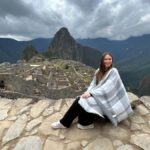
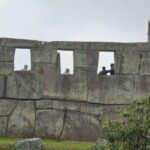
Early morning is the big shift. After breakfast, you’ll walk up to Machu Picchu and aim for sunrise. The itinerary notes that you’ll be able to see the majestic sunrise, and it also means you’ll have a chance to be among the first groups inside the site.
That early timing matters because Machu Picchu changes light to light. The stones look different when the day is still waking up, and you also get less crowd pressure right at the start. It helps you actually look at the place instead of only rushing through it.
The guided tour: what you’ll focus on
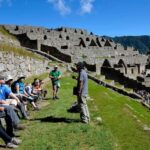
You’ll have a professional guide for around 2.5 hours. During the visit, you’ll cover major areas such as:
- Inti Watana
- Temple of the Condor
- Sacred rock
- Other key sites on the circuit
I like guided Machu Picchu tours that explain what you’re seeing in plain terms. With a qualified guide, you’re not just collecting photos. You’re learning how the site is laid out and why certain structures matter.
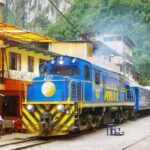
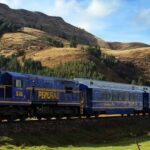
After the tour, you descend back to Aguas Calientes. Then comes the return route: you board the tourist train from Machu Picchu Pueblo to Ollantaytambo, where a tourist bus will be waiting to take you back to Cusco. The itinerary also includes an alternative: you can walk back to the hydroelectric plant to take the car, depending on timing.
It’s a long day, but it’s the kind where the hardest effort already happened earlier, and the reward is in front of you.
Food, comfort, and what’s actually included
The package includes most meals for the trek. Specifically, you get:
- 2 breakfasts
- 2 lunches
- 2 dinners
That’s a big deal on a 3-day plan because it reduces decision fatigue. You’re not hunting for food during active segments. The itinerary also emphasizes meals using ingredients from the Peruvian Andes, which fits the broader theme: your journey runs through ecosystems, and the food experience is meant to match that.
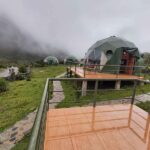
Lodging is also covered for two nights: Inka Jungle hostels. You can expect basic, functional lodging rather than a resort vibe, because the schedule is built around activity.
Small group size is a plus for an adventure-style trek. You’re limited to 18 participants, which usually helps with pacing and getting attention when needed.
Gear and safety basics
You get a first aid kit as part of the trip. For biking, you also get the key safety gear. That kind of included equipment is one of the reasons adventure routes can be worth it: you’re paying for organization, not just transport.
Price and value: is $410 fair for what you get?
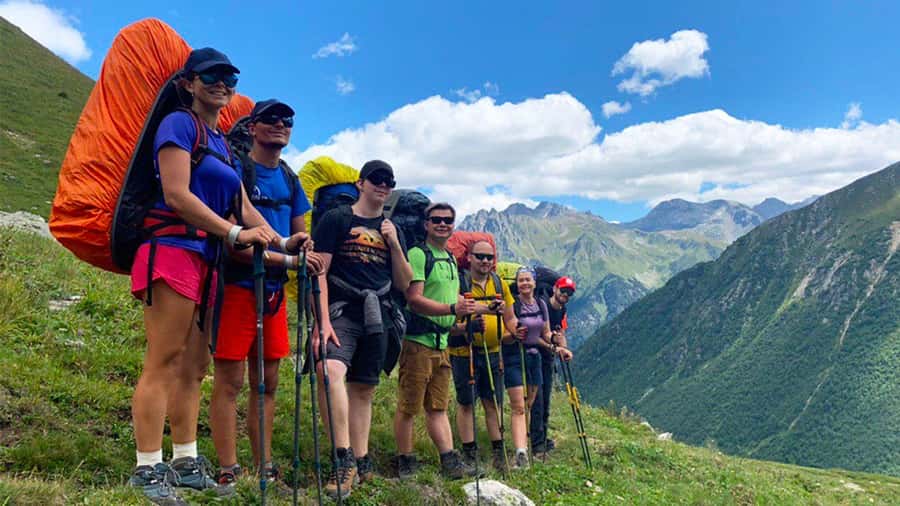
At $410 per person for 3 days, this trip isn’t a budget stroll. But the question isn’t just the number. It’s what the price covers.
In this package, you’re paying for:
- Official guiding through the trek and Machu Picchu visit
- Machu Picchu entrance
- Multiple transport legs (Cusco to Abra Málaga, Ollantaytambo back to Cusco, and the train segment)
- 2 nights in hostels
- Major meals
- Bike equipment
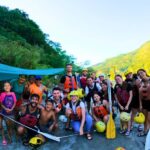
- Zip line and rafting entries (with the rafting weather note)
Then you compare that to what’s not included: breakfast on the first day, lunch in Aguas Calientes, hot springs entrance in Santa Teresa, Wayna Picchu optional cost, and the bus Aguas Calientes ↔ Machu Picchu (listed as USD 24). Those exclusions are normal for adventure packages, but they’re worth budgeting for if you plan to add extras.
If you want an active trek with real logistics handled—especially the guided Machu Picchu portion and the travel between Cusco, Aguas Calientes, and back—this price can feel reasonable. If you’re the type who hates shared schedules and you just want the easiest Machu Picchu route, you might prefer a simpler option.
Pace and who this trek fits best
This is not the right choice if you’re dealing with:
- Back problems
- Pregnant women
- Wheelchair users
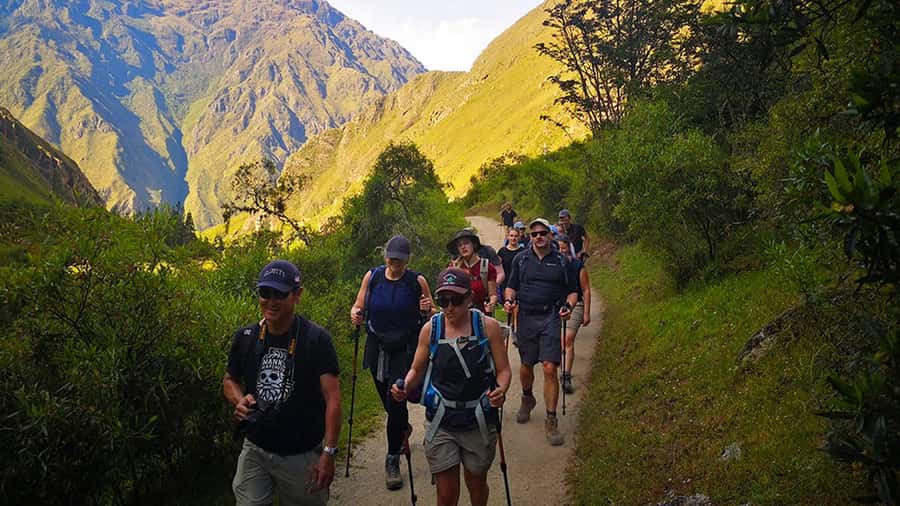
The reasons are obvious from the plan: long cycling time, multiple walking segments (including the train-track walk), and an early climb to Machu Picchu.
It also includes a day with optional zip line and a biking day that requires physical stamina even if you’re not a hardcore cyclist. And it includes walking through canyon terrain and around waterfalls.
The good news: the trek is structured so each day has a clear “main block” of activity. You’re not just wandering. You’re doing specific segments. That clarity helps you prepare mentally and physically.
Practical tips: what to bring and how to avoid altitude trouble
A few things are clearly spelled out and worth taking seriously:
Bring
- Passport or ID card
- Sunglasses
- Camera
- Snacks
- Sunscreen
- Water
- Cash
- Personal medication
Not allowed
- Backpacks
- Alcohol and drugs
- Pets
You’ll want to think about packing weight early, since you can’t bring a backpack. Bring what you need for weather changes and active hours, and keep the rest minimal.
Altitude and coca tea
The tour notes that drinking coca tea before the excursion can help prevent altitude sickness. Since your first day starts in Cusco and you travel quickly to Abra Málaga, it’s wise to take that guidance seriously.
Also: keep drinking water. Even if you feel fine, dehydration can sneak up when you’re active in dry mountain air and then transition into warmer zones.
Small-group comfort: how the logistics feel on the ground
A small group of up to 18 can make a difference on an adventure route. It tends to keep the pace human and makes it easier for the guide to manage timing, especially for equipment checks and transitions between activities.
Pickup is included, and you should plan to be ready early: wait in your hotel lobby 10 minutes before your scheduled pickup.
Guiding is offered in English and Spanish, and the tour includes an official guide qualified for the Inca Jungle trek. That matters most during the active segments, because safety, pacing, and route explanations are handled by someone trained for the job.
Should you book this Inka Jungle trek to Machu Picchu?
Book it if you want Machu Picchu with effort and variety. You get bike time, optional zip line, guided canyon walking with waterfalls, and a sunrise Machu Picchu entry with a professional guide. The itinerary is built to make the journey part of the story.
Skip it or think twice if you want a low-impact experience. With cycling, long walking blocks, and a very early Machu Picchu morning, it’s not a sit-back-and-smile tour. And if you’re traveling during the January–March rafting window, remember rafting is subject to river conditions and may not run.
FAQ
How long is the Inka Jungle trek to Machu Picchu?
The tour runs for 3 days.
Where does the tour start?
It starts with hotel pickup in Cusco and includes transportation to Abra Málaga.
What kinds of adventure activities are included?
The trip includes zip line and rafting, and it also has a cycling segment as part of the route.
Is rafting guaranteed?
No. Rafting only happens between January 1 and March 31. If the river is high on the day of your activity, rafting will not take place.
What is included for meals?
The package includes 2 breakfasts, 2 lunches, and 2 dinners.
Where do you sleep during the trek?
You get 2 nights accommodation in Inka Jungle hostels.
Does the tour include Machu Picchu entrance?
Yes. Entrance to Machu Picchu is included.
Are there optional extras?
Yes. You can optionally visit the Cocalmayo hot springs in Santa Teresa, and you can optionally add Wayna Picchu (listed as USD 65). There is also a bus cost listed for Aguas Calientes to Machu Picchu (USD 24).
What should I bring and what is not allowed?
Bring your passport or ID card, sunglasses, a camera, snacks, sunscreen, water, cash, and personal medication. Backpacks are not allowed, and alcohol and drugs are not allowed.