REVIEW · CUSCO
4D Bundle Cusco: Sacred Valley / Machu Picchu / Rainbow Mountain / Humantay Lake
Book on Viator →Operated by Visit South America · Bookable on Viator
A four-day Peru sprint that actually feels planned. This private bundle strings together Sacred Valley, Machu Picchu at sunrise, Humantay Lake, and Rainbow Mountain with an eye on saving time and avoiding crowds. I love the clear flow of transport plus included tickets, and I also like that you start many days early to catch better conditions and lighter site crowds; the possible drawback is the schedule is intense, and the later two days hit real altitude and more demanding hiking.
You get a “do the busy parts for you” setup, without giving up the personal feel. With first-group access and your own guide, you’re not just herded around; you’re guided through the why behind the places, especially on the Inca agriculture stops and the mountain treks. The day length is long, but it’s long in a structured way.
This is also the kind of tour where preparation matters. If you hate early mornings or you’re unsure about altitude, it may feel like a lot. If you show up with layers, patience, and smart pacing, it’s a high-value way to see Cusco-area highlights in one go.
In This Review
- Key Things to Know Before You Go
- The Big Picture: A Cusco Combo That Bundles Tickets and Timing
- Your Daily Schedule Runs Early for a Reason
- Sacred Valley: Chincero, Moray, Maras, and Ollantaytambo Without the Headaches
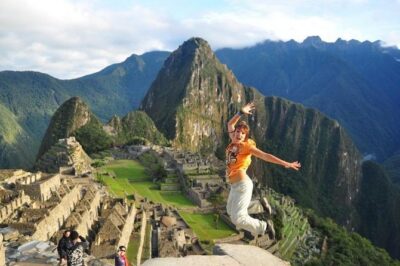
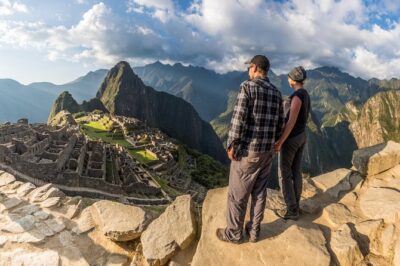
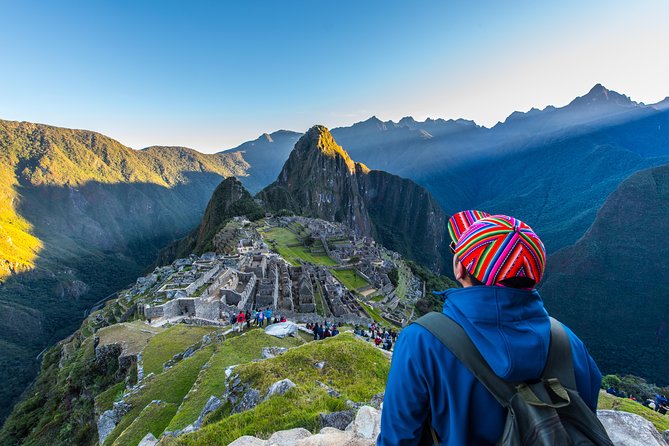
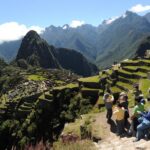
- Machu Picchu at Sunrise: Private Guidance Plus Real Free Time
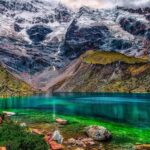
- Humantay Lake: High-Altitude Trek That Rewards Steady Pace
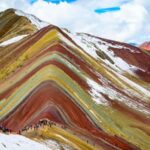
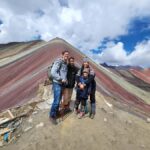
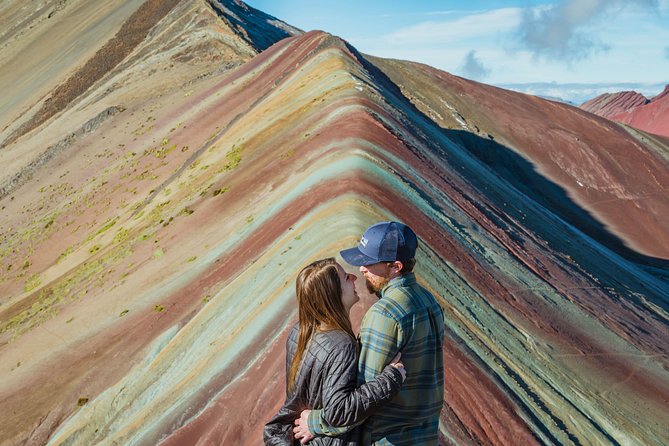
- Rainbow Mountain (Vinicunca): The Hardest Day, Built for Early Light
- Price and Value: What $815.39 Buys (and What It Doesn’t)
- Tips That Make These Mountains Much More Enjoyable
- Who This 4-Day Bundle Fits Best
- Should You Book This Tour?
- FAQ
- How long is the tour?
- Is this tour private or shared?
- What train is included for Aguas Calientes and Ollantaytambo?
- Are entrance tickets included?
- Does the Machu Picchu day include a guided tour?
- What meals are included?
- What’s the difficulty level and altitude range?
- What if I need to cancel or the weather is bad?
Key Things to Know Before You Go
- Private, first-group timing: less waiting, fewer crowds at key entry points.
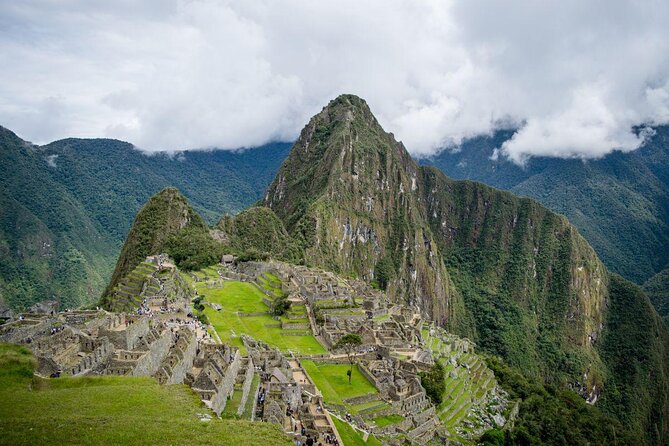
- Machu Picchu sunrise with a private 2-hour guide: guided entry, then time to explore on your own.
- Vistadome 360 train included: a scenic add-on between Ollantaytambo and Aguas Calientes.
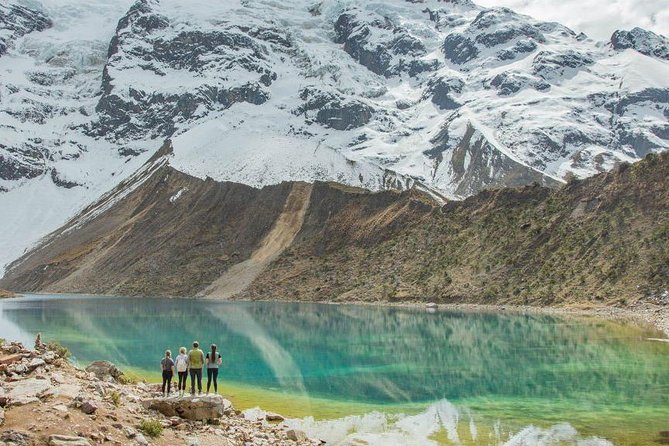
- Humantay Lake at high altitude: a mostly uphill day with photos and a turquoise lake moment at ~4,200m.
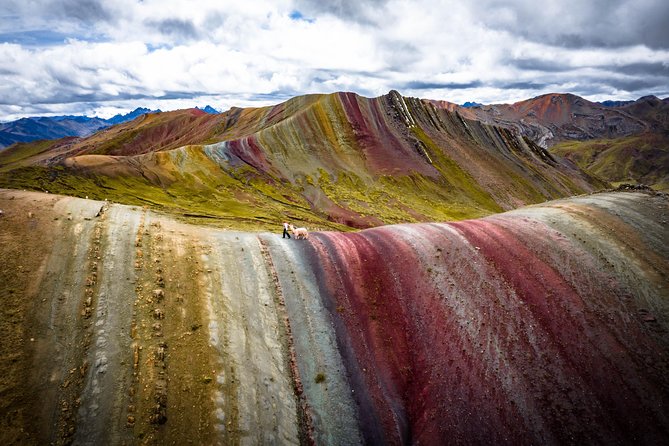
- Rainbow Mountain is the hardest day: steep, high (up to ~5,035m), and long enough to feel it.
- Emergency oxygen tank included: helpful for peace of mind at altitude.
The Big Picture: A Cusco Combo That Bundles Tickets and Timing
This 4-day Cusco package is built for travelers who want a lot of top sights without living out of your backpack every day. You’re not just buying access; you’re buying logistics. Private transportation, guided segments, entrance tickets, and train/bus planning are handled, so you spend your energy on the experience instead of juggling schedules.
The itinerary is also designed around altitude and early access. Cusco’s elevation means you acclimatize, then you go higher on the trek days. Machu Picchu gets a sunrise slot (early alarm included), and Rainbow Mountain has an even earlier departure to beat heat and crowds.
The price ($815.39 per person) looks high until you map it to what’s included. You’re getting private transport across multiple days, entry tickets to multiple sites, a private sunrise-guided Machu Picchu tour, bus tickets to/from the Machu Picchu gate, and a RoundTrip Vistadome 360 train. Accommodation is not included, so plan for that separately—but many travelers find that the bundled tickets and transport reduce the hidden “nickel-and-dime” costs of piecing it together yourself.
You can also read our reviews of more tours and experiences in Cusco.
Your Daily Schedule Runs Early for a Reason
Most people underestimate how early you’ll start on this itinerary. Day 2 Machu Picchu begins with a wake-up at 4:30am, and Day 4 Rainbow Mountain pickup is between 2:15am and 2:30am. That’s not the tour being dramatic; it’s the practical side of getting better light, smoother entry lines, and more comfortable temperatures for hiking.
Day 1 is also long: a 7:30am pickup and a day that runs until about 7:00pm, with train time in the middle. Day 3 runs roughly 4:30am to about 5:00pm. You’ll be on the move almost every day, with breaks built into the plan (late lunch on Day 1, lunch on trek days, snacks on Rainbow Mountain).
The good news: this tour is structured around “enough time for the site, not enough time to get lost.” You get guided time to learn what you’re seeing, then free time where it makes sense—especially at Machu Picchu, where you get solo time after the sunrise tour.
Sacred Valley: Chincero, Moray, Maras, and Ollantaytambo Without the Headaches
Day 1 is an easy day in physical terms, but it still covers a lot of ground. You’ll start at 7:30am, then head toward the Sacred Valley area with stops that teach you how the Incas worked with land, water, and food.
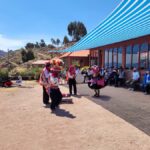
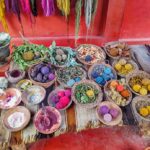
Chincero (weaving and coloring) comes first, around 45 minutes into the drive. You’ll get a hands-on look at traditional weaving practices and how dyeing/coloring works, plus a warm cup of coca tea. This stop also builds context for why the rest of the day makes sense: it’s not just sights; it’s skill, landscape management, and local craft.
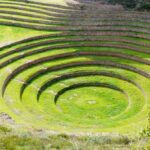
Next is Moray, famous for its unusual circular terraces. You’ll have about 30 to 45 minutes to enjoy the views and hear why the Incas created such an odd shape. Even if you’ve heard of Moray before, guided explanations help you see it as a working agricultural system, not a random oddity.
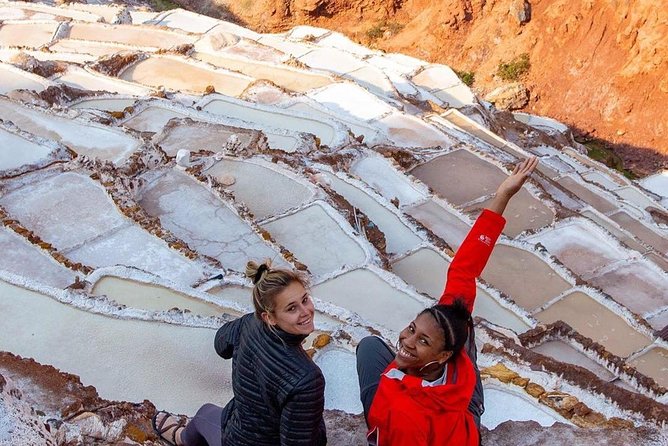
Then comes Maras salt mines, used for more than 500 years. You’ll spend about 30 to 45 minutes exploring the area before returning to the van. It’s a short stop, but it’s visually strong, and it highlights how long-term resource use shaped daily life.
Finally, you end at Ollantaytambo, the Inca citadel and a major transport hub historically. You’ll learn building methods and how massive rock transport worked. After your citadel tour, you break for a late lunch, then board the train to Aguas Calientes and your hotel.
Practical tip: the Day 1 plan notes you should buy snacks because the lunch is late. If you tend to get hangry at altitude, pack a few items you actually like.
Machu Picchu at Sunrise: Private Guidance Plus Real Free Time
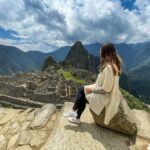
Day 2 is the “wow” day for most people, and this version is built for smooth timing. You’ll wake at 4:30am, eat breakfast by 5am, and head to the bus line. Once you ride the bus up, you arrive about 20 minutes later at Machu Picchu’s entrance.
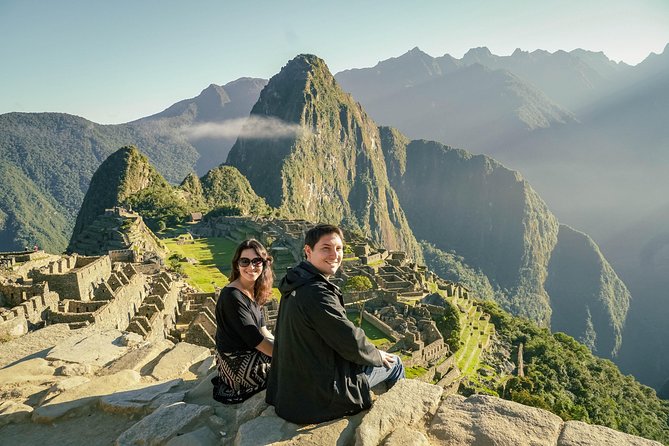
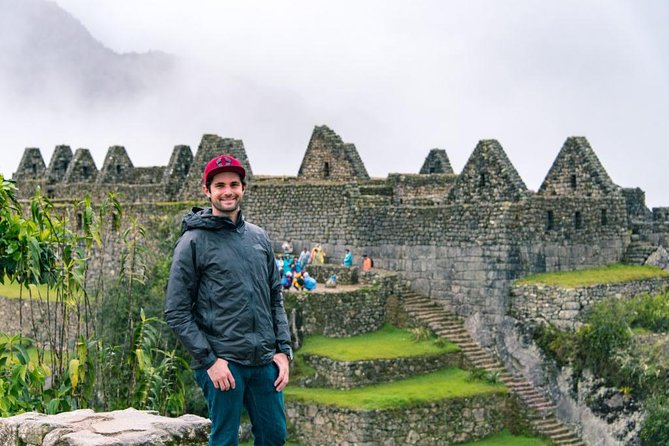
The tour starts quickly: you get a private guided visit for about 2 hours, with sunrise timing. That guide time matters. Machu Picchu can look like a maze of stone if you don’t know what you’re looking for. With a guide, you’re following the logic of terraces, water management, and key structures while the light is still special.
After the guided section, you get solo free time to explore until about 11:30am, including time to take photos without feeling rushed. Then you return by bus near the entrance gate to Aguas Calientes and transfer to your afternoon train back to Ollantaytambo. The train ride runs about 1 hour 45 minutes along the Urubamba River area, and you return to Cusco by around 6pm.
A bonus from the guide experience: guests highlight specific guides such as Gregory for Machu Picchu support, with extra help around the sunrise and pacing. If you have the chance to request a guide, it can be worth it.
One more practical note: one guest flagged that Machu Picchu entry required a passport. I’d treat that as serious—bring your passport (not just a photo) if you can.
Humantay Lake: High-Altitude Trek That Rewards Steady Pace
Day 3 is a full-day trek built around early movement. You’re picked up at about 4:30am, then drive to Mollepata for breakfast so you start fueled. After that, you continue toward Soraypampa at around 3,920 meters.
From Soraypampa, you’ll have the chance to see Sky Camp with Salkantay and Humantay in view. Then the trek begins upward, crossing mountain scenery and reaching the highest point of the trail. The payoff is the turquoise look of Humantay Lake at roughly 4,200 meters, with a strong glacier backdrop nearby—plus plenty of photo stops.
The tour is described as moderate/difficult, and that’s accurate in how it feels at altitude. You can be “fit” and still feel slow when your body is adjusting. The best strategy is steady pacing and short pauses for photos, not sprinting up early.
You’ll head back down after photos and possibly a glacial dip (if conditions and timing allow), and lunch is waiting at the point where staff retrieve you. You return to Cusco by about 5pm.
If you’re the kind of traveler who likes nature and views but also wants structure, this day is a good balance. You get guided context, you get time to stop and look, and you’re not planning the logistics of getting to Soraypampa on your own.
Rainbow Mountain (Vinicunca): The Hardest Day, Built for Early Light
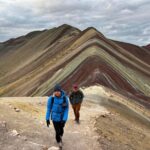
If Humantay feels like altitude with a payoff, Rainbow Mountain is altitude plus a steady climb to a high viewpoint. Pickup is between 2:15am and 2:30am for a roughly 3-hour private van ride to the trailhead.
Breakfast is included at the start of the day, cooked by a local chef. That matters because you’ll hike in cold morning air, and you don’t want to start lightheaded. Then you tackle a hike around 6 kilometers (about 3.7 miles), with an ascent lasting about 2.5 hours.
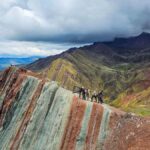
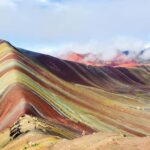
Along the way, you pass a green valley area with Ausangate towering in the distance. You’ll see plenty of roaming alpaca, and the guide explains Quechua life as you go. As you near the viewpoint, you’ll see the colored mineral signs that create Rainbow Mountain’s painted look. Your guide also explains how the formation happens.
From the top area, you get snacks and a relaxing break, with coca tea prepared by locals. After about an hour at the viewpoint, you hike back down (about 1.5 hours). There’s also a gourmet lunch prepared by the chef in a traditional mud-house, and then you return to Cusco around 4:30pm.
Elevation here is the reason you feel it: you’re starting around 4,450m and can reach about 5,035m. This is where “easy on paper” doesn’t matter. It’s difficult because of the altitude and the steepness, not because you’re climbing technical rock.
Price and Value: What $815.39 Buys (and What It Doesn’t)
Let’s talk value like an adult. This package costs $815.39 per person, but the price includes a lot of what usually costs extra if you book piecemeal: entrance tickets for Sacred Valley stops, Machu Picchu, Humantay Lake, and Rainbow Mountain; a private Machu Picchu sunrise guided tour; bus transport to Machu Picchu gate areas; and the Vistadome 360 train round trip.
You also get emergency oxygen tank coverage. That’s not just a nice-to-have; it’s peace of mind when altitude is part of the plan.
What’s not included is your hotel. Accommodation is reserved by you, and meals are only partially covered (breakfasts and lunches are included, but other meals are not described in detail). That means you’ll still budget for dinner and any snacks you need.
So who does this value fit best? Travelers who hate the logistical puzzle. If you want the “main events” connected with minimal planning and with private guiding, this pricing can make sense. If you’re the type who loves booking everything yourself, you might be able to find cheaper options—but you’ll also accept more coordination work and less protection against timing problems.
Tips That Make These Mountains Much More Enjoyable
The tour notes average altitude ranges between about 3,000m and 5,000m, with acclimatization necessary. Here’s how to make that work in real life:
- Plan for layers: mornings are cold, afternoons can feel warmer.
- Bring snacks you trust: Day 1 specifically calls out late lunch timing.
- Take it slow on treks: altitude rewards patience more than effort.
- Hydrate steadily: not chugging, just consistent.
- Sun protection is non-negotiable: high altitude + bright skies = fast burn risk.
Also, pay attention to your “easy vs moderate/difficult” day labels. Day 1 and Machu Picchu are easier in terms of walking difficulty, but Machu Picchu includes a 2-hour guided portion plus extra exploration time. Day 3 and Day 4 are the ones where altitude will define your pace.
On the guide side, names like Noe (Sacred Valley) and Alberto (extra passion and friendliness noted) show up in the standout feedback. If you get a guide who explains what you’re seeing and keeps photos and pacing organized, the whole trip feels less like a checklist and more like a story.
Who This 4-Day Bundle Fits Best
This is a strong fit if you want:
- a private experience with only your group,
- reduced crowd pressure via first-group access,
- guided learning at the big sites,
- and the convenience of bundled tickets and transport.
It’s also a good match for couples and small groups who want flexibility. The tour description emphasizes you can adjust the itinerary to your preferences, which is useful when someone needs a slower pace.
If you’re traveling with limited stamina, this can still work because Day 1 is easy, but be honest about Days 3 and 4. Rainbow Mountain in particular is difficult. If you’re unsure, I’d consider whether you can handle a long early start and high elevation.
Should You Book This Tour?
Book it if you want a streamlined, high-impact Cusco circuit where the hardest parts (tickets, buses, trains, timing) are handled for you. The biggest payoff is the combination of private guiding plus sunrise timing at Machu Picchu and early departures on the mountain days. You’re also getting oxygen tank coverage, which is worth taking seriously at altitude.
Don’t book it if you dread early mornings or if you know altitude hiking is a problem for you. The itinerary is intense, and it isn’t pretending otherwise.
If you do book: start preparing right away. Pack layers, plan your snacks, and treat the first day and the first hours on trek days as altitude education, not a fitness test. Do that, and you’ll get the best part of Peru: real Inca sites, real mountain views, and a trip that feels organized rather than rushed.
FAQ
How long is the tour?
It’s listed as a 4-day experience, with timing details provided for each day.
Is this tour private or shared?
This is a private tour. Only your group participates.
What train is included for Aguas Calientes and Ollantaytambo?
RoundTrip Vistadome 360 Train Ollantaytambo – Aguas Calientes is included.
Are entrance tickets included?
Yes. Entrance tickets are included for the Sacred Valley guided stops, Machu Picchu, Humantay Lake, and Rainbow Mountain.
Does the Machu Picchu day include a guided tour?
Yes. You get a 2-hour private sunrise guided tour of Machu Picchu, plus bus tickets between Aguas Calientes and the Machu Picchu gate area.
What meals are included?
Breakfast is included (2), and lunch is included (2). Other meals are not described as included.
What’s the difficulty level and altitude range?
Day 1 is marked easy (with elevations ranging roughly 3,762m to 2,430m). Day 3 is moderate/difficult at around 3,920m up to about 4,200m. Day 4 is difficult at about 4,450m up to around 5,035m. The tour also notes average altitude of about 3,000m to 5,000m and that acclimatization is necessary.
What if I need to cancel or the weather is bad?
This experience is non-refundable and can’t be changed for any reason. If it’s canceled due to poor weather, you’ll be offered a different date or a full refund.