REVIEW · CUSCO
City Tour in Cusco
Book on GetYourGuide →Operated by VIAGENS MACHU PICCHU SAC · Bookable on GetYourGuide
Cusco shows its layers fast. This 4-hour circuit is built around major Inca-and-colonial landmarks, with the best start at Qorikancha and the most satisfying finish at Tambomachay’s waterworks. I also like how the route climbs from ceremonial sites to a mountain viewpoint so you get instant orientation. One drawback to watch for: double-check the pickup spot and the tour language before you go, so you’re not scrambling with your plans.
You’ll travel in an air-conditioned vehicle with roundtrip transport from most hotels, plus a certified guide (Spanish, English, or Portuguese). The pacing is ideal if you’re short on time, but still want more than a quick photo stop.
There’s also a practical side: admission tickets and meals aren’t included, and gratuity is optional. If you’re budgeting tightly, plan on buying site entry as needed and bringing a snack if your day runs long.
In This Review
- Key things to know before you go
- Why This 4-Hour Cusco Circuit Works (and when it’s best)
- Qorikancha and the Cusco Cathedral: Inca Foundations, Catholic Surprises
- Sacsayhuaman Fortress: The Scale-First Stop Above Cusco
- Qenqo Ceremonial Center: Why This One Feels Gloomy
- Puca Pucara Viewpoint: Getting Your Bearings from Above
- Tambomachay: Old Water Fountains and Inca Hydraulic Smarts
- Guide, Language, and Getting Picked Up Without Headaches
- Value for $20: What’s Included, What You Pay Extra, and Why It Matters
- Who This Tour Suits (and who should consider another option)
- Should You Book This City Tour?
- FAQ
- How long is the Cusco city tour?
- How much does the tour cost?
- What are the main stops on the tour?
- What languages are available for the live guide?
- Is transportation included?
- Are admission tickets included?
- Is there food provided?
- Is the tour wheelchair accessible?
- Where will the tour end?
- Can I cancel for a refund?
Key things to know before you go
- Qorikancha + the Cusco Cathedral: Inca foundations and Catholic architecture in one compact storyline
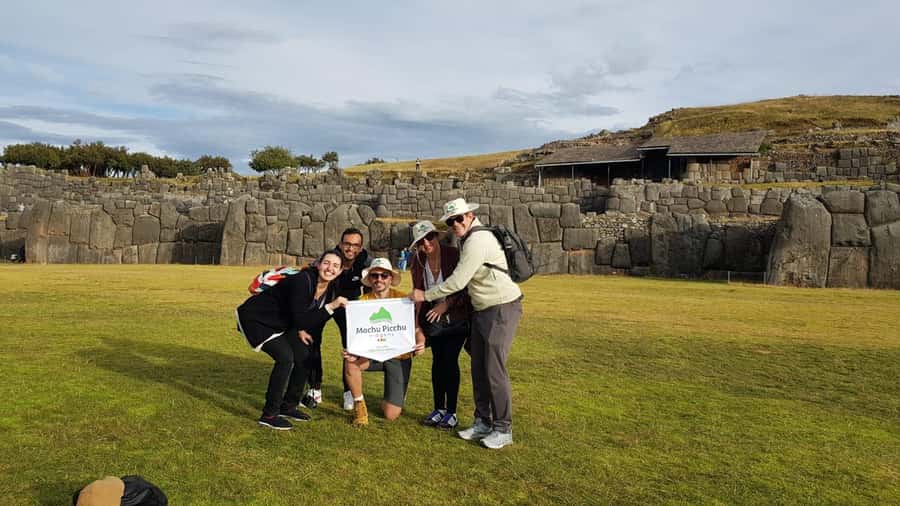
- Sacsayhuaman: megalithic fortress views that make the scale feel real
- Qenqo: a darker ceremonial stop with carved features tied to ritual beliefs
- Puca Pucara: a mountain climb that helps you understand where Cusco sits
- Tambomachay: irrigation channels and trio of old water fountains still operating
- Language and pickup matter: there can be confusion if the meeting point or language isn’t confirmed
Why This 4-Hour Cusco Circuit Works (and when it’s best)
This tour is the sweet spot for Cusco: it’s long enough to hit the big names, short enough that you’re not stuck all day at altitude. At 4 hours, you can fit it into your first days in town—often the moment when you most need orientation. You get a “Cusco map” in your head by moving from center-city landmarks outward, then up for views, then back down.
The structure also helps. You start at key spiritual and political centers close to the Historic Center, then expand to larger ceremonial sites outside town. That order makes the city feel less random. You’re not bouncing around; you’re tracing how power and worship spread across the region.
Value-wise, you’re paying for three things at once: a certified guide, roundtrip hotel transport, and an air-conditioned ride. For a fixed price, that’s the kind of deal that reduces stress—especially on days when you’re still adjusting to Cusco’s altitude and traffic.
You can also read our reviews of more city tours in Cusco
Qorikancha and the Cusco Cathedral: Inca Foundations, Catholic Surprises
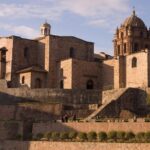
Your morning (or afternoon) anchor is Qorikancha, the Temple of the Sun. This is where the Incas placed major emphasis on worship, and it matters because it explains why Cusco’s core feels like more than a set of ruins. You’re looking at a place that once carried real religious gravity.
What makes this stop special is the layering. The Inca worship center is the base story, and then later structures—especially the Catholic church standing atop earlier foundations—signal how conquest changed what the site represented. Even if you’ve only seen pictures, being on the ground helps you understand why locals built over what they could not erase.
From there, you head straight into the Cathedral of Cusco, one of the clearest examples of colonial baroque style built on an earlier Inca palace foundation. I like pairing these two stops back-to-back because your brain registers the pattern quickly: Inca design and sacred use, then colonial architecture shifting the meaning while reusing the location.
Practical tip: these central stops are compact, so don’t rush. Use the guide’s storytelling to connect what you see to why it was placed there—once you get that, the stone stops being just stone.
Sacsayhuaman Fortress: The Scale-First Stop Above Cusco
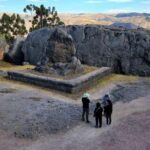
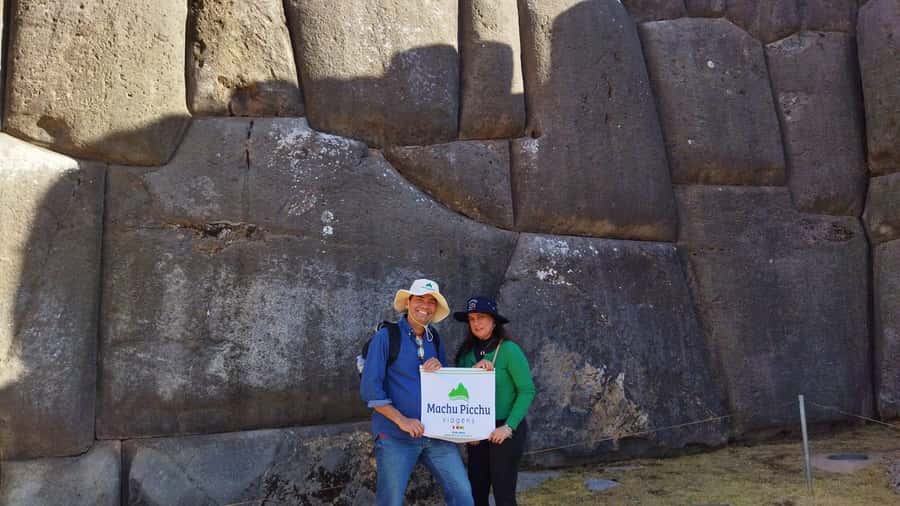
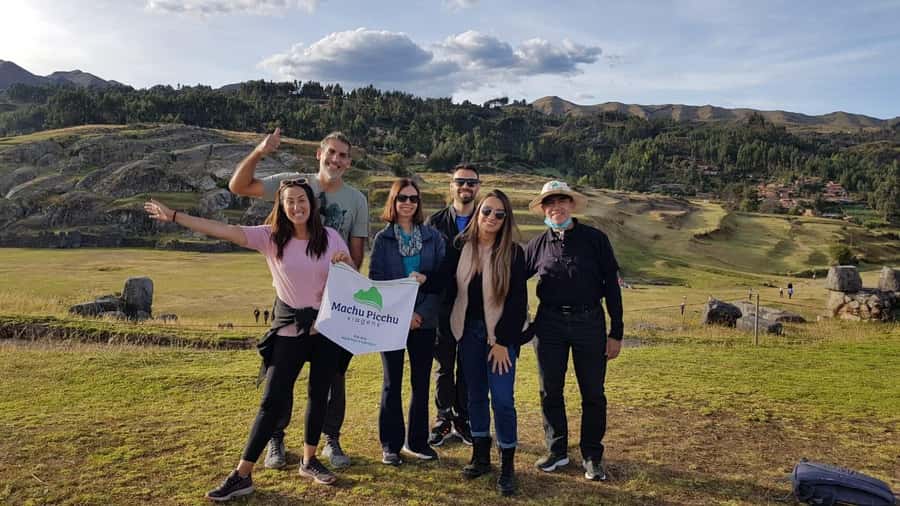
Next comes Sacsayhuaman, the monumental ceremonial fortress that dominates the hill above the city. This is the kind of site where words like fortress can feel generic until you see the scale. The megalithic stones and the sheer size of the structure make it obvious that the Incas engineered for more than everyday life.
This stop also gives you a “how they thought” lesson. When you’re up at Sacsayhuaman, you start to notice how the fortress relates to Cusco below—how stone, elevation, and visibility were likely part of the site’s role. It’s not just a landmark; it’s a statement about power and planning.
Time at Sacsayhuaman is also a good altitude check. Since you’re already elevated, it’s smart to pace yourself and take short breaks. If you’re with kids or anyone who tires easily, this is one of the best places to pause early and let everyone catch their breath before moving on.
Qenqo Ceremonial Center: Why This One Feels Gloomy
Qenqo is often described as gloomy for a reason. It’s a ceremonial center tied to ritual beliefs and sacrifices, so the vibe isn’t meant to be cheerful. That’s precisely what makes it important: it shows a different side of Inca culture than the bright, sun-focused places.
When you’re there, focus less on trying to guess every detail and more on noticing the shapes and carvings that suggest ritual use. Ceremonial centers were designed with intention—access points, the arrangement of spaces, and the way the area holds sound and shadow. With a guide, it clicks faster because you’re not just scanning rocks; you’re learning the logic behind the layout.
This is also a good spot for photography, but keep expectations real. Some features are easier to see from certain angles, and low light can hide carvings until you reposition. If you’re planning to take pictures, do it while you’re guided through the story so you know what to look for.
Puca Pucara Viewpoint: Getting Your Bearings from Above
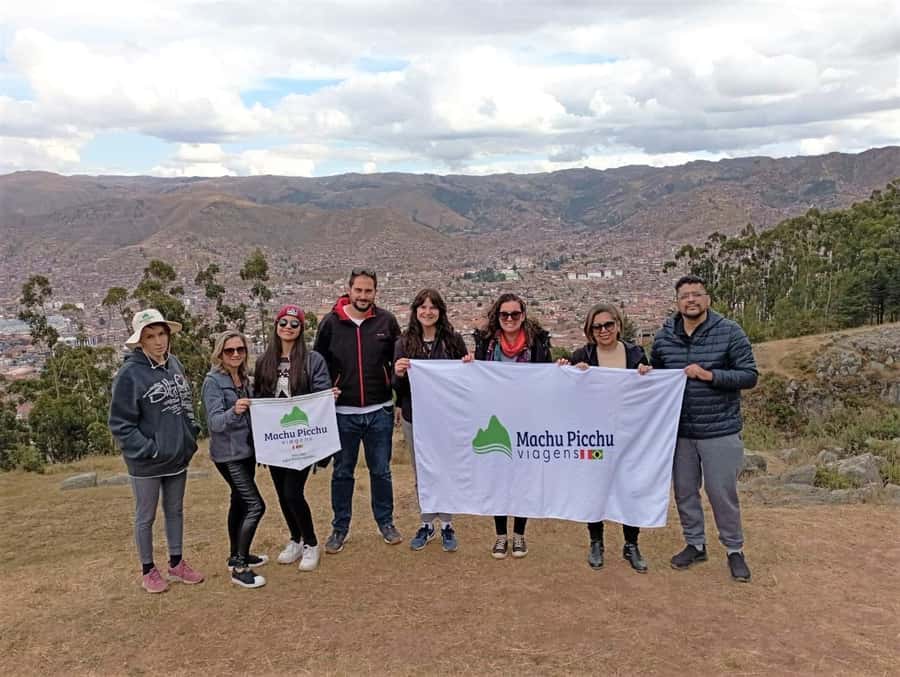
Then the tour shifts upward again at Puca Pucara, where you go up the mountains to see Cusco from above. This is one of the most useful stops on the whole route because it helps you understand where things are. After Puca Pucara, Cusco’s layout makes more sense when you look back at the city and remember what you saw earlier.
Views like these also help with pacing. Instead of walking between every stop, the viewpoint gives you a natural pause: breathe, look, and take in the big picture. If you’re learning Cusco for the first time, you’ll appreciate that mental “before and after” effect.
Practical tip: bring a warm layer. Even if the day starts mild, mountain wind can change fast. It’s also a good idea to hold onto water and snack if you need energy for the ride back down.
Tambomachay: Old Water Fountains and Inca Hydraulic Smarts
Your final stretch leans into practical engineering with Tambomachay, known for hydraulic engineering and its still-functional irrigation channels. The standout here is that this isn’t just a stone monument that looks old; it’s a working system design. You’re seeing how the Incas managed water flow, which was essential in a challenging climate.
The site is famous for the trio of water fountains—the kind of detail that’s easy to miss if you’re only rushing for photos. But once you understand the purpose of the irrigation channels, the fountains become more meaningful. Water wasn’t an afterthought. It was part of how people planned daily life, agriculture, and resource control.
This is also a great wrap-up stop because it broadens your view of Inca culture. Many visitors expect only temples and fortresses. Tambomachay reminds you that engineering and survival were also big parts of the story.
If you’re traveling with kids, this is the stop that often holds attention—water is still water, and you can usually explain it in a way that makes sense quickly.
Guide, Language, and Getting Picked Up Without Headaches
The tour includes a professional certified guide who can work in Portuguese, Spanish, or English, and it’s organized as one bus per language group. That’s a good sign—language consistency can make the experience smoother because you’re not translating everything while you’re trying to take in the sights.
Still, here’s the one real-world caution I’d give: confirm the language you’re booking and confirm the exact pickup point before you leave your room. In at least one situation I’ve heard about, the contracted language didn’t match what the family expected, and the meeting point info wasn’t clear enough to avoid a last-minute scramble. The guide (named Fernando in that case) was described as helpful and polite, but the confusion was stressful.
So do this before you head out:
- Take a screenshot of the meeting instructions and your hotel name.
- Message the provider the day before asking for the exact pickup point.
- Arrive a bit early so you’re not negotiating with crowds or taxis.
If your day depends on a specific language—especially if someone in your group is learning or studying Incas—this one step can make the difference between a confident tour and a frustrating one.
Value for $20: What’s Included, What You Pay Extra, and Why It Matters
At $20 per person for a 4-hour guided circuit, you’re paying for convenience and structure. The biggest included wins are:
- A certified guide
- Roundtrip transport from most hotels
- An air-conditioned vehicle
- A complimentary water bottle
What’s not included:
- Admission tickets
- Meals and drinks
- Gratuity (optional)
That doesn’t make the tour a bad deal—it just means you should plan your budget in a normal, honest way. If you add up taxis or private transport for multiple stops, the fixed-price group format starts to look more reasonable. And the guide adds value because these sites are easier to understand when someone connects the stones to the story you’re seeing.
My best advice: treat the ticket cost as part of your total tour budget. If you’re planning to eat before or after, bring a simple plan—Cusco days move fast, and hunger can wreck altitude comfort.
Who This Tour Suits (and who should consider another option)
This tour fits best if you want the headline sights without committing to a full day. It’s a smart pick for:
- First-time visitors who want Cusco essentials
- People who like guided context, not just wandering
- Families or groups who want a structured learning experience
- Travelers who prefer air-conditioned transport and fewer decisions
You might want a different approach if you:
- Want a slower pace at only one or two sites
- Prefer museum-style time rather than outdoor monuments
- Have strict language needs and can’t spare time to confirm it beforehand
For most people, the mix of Inca worship center, colonial overlays, fortress engineering, ceremonial sites, mountain views, and functioning water systems gives a satisfying overview of what makes Cusco tick.
Should You Book This City Tour?
I’d book this tour if your goal is a well-timed highlights circuit that covers Qorikancha, the Cathedral of Cusco, Sacsayhuaman, Qenqo, Puca Pucara, and Tambomachay in one guided block. It’s also a practical choice because you get transport, a certified guide, and a clear end point back at your accommodation or near Plaza de Armas.
Before you confirm, do two things: verify your tour language and verify the pickup instructions. If those match your needs, you’ll likely come away feeling you understand Cusco’s shape and its big cultural shifts.
FAQ
How long is the Cusco city tour?
The tour lasts 4 hours.
How much does the tour cost?
It costs $20 per person.
What are the main stops on the tour?
You’ll visit Qorikancha and the Cathedral of Cusco, Sacsayhuaman, Qenqo, Puca Pucara, and Tambomachay.
What languages are available for the live guide?
The live guide is available in Portuguese, Spanish, or English.
Is transportation included?
Yes. Roundtrip transportation is included from most Cusco hotels, and you’ll travel in an air-conditioned vehicle.
Are admission tickets included?
No. Admission tickets are not included.
Is there food provided?
No meals or drinks are included.
Is the tour wheelchair accessible?
The activity is listed as wheelchair accessible.
Where will the tour end?
You’ll be dropped off at your accommodation, or if you prefer, at Plaza de Armas.
Can I cancel for a refund?
Yes. You can cancel up to 24 hours in advance for a full refund.