REVIEW · CUSCO
Magical Cusco Tour 7 days
Book on Viator →Operated by Tierras de los Andes · Bookable on Viator
Cusco is the altitude test you’ll actually enjoy. This 7-day Magical Cusco Tour pairs expert guidance at the biggest sites with real breathing room in town, so you’re not stuck rushing every minute. The plan also strings together Lima-to-Cusco logistics on Day 1, then hits the Sacred Valley, Machu Picchu’s historic sanctuary, and the colorful Vinicunca hike over the next several days.
What I like most is how private transportation keeps the “where do we go next?” stress low, especially on long travel days. I also like that you get official attention from the team at key stops, while still having time in Cusco to roam at your own pace.
One consideration: you should be ready for the moderate physical fitness level the tour calls for, especially on Vinicunca. And because the experience requires good weather, dates may shift if conditions don’t cooperate.
In This Review
- Key highlights to know before you go
- Why this 7-day Cusco plan works (and not just on paper)
- Arrival day: Lima airport to Cusco hotel, then time to breathe
- Cusco’s core: Sacsayhuaman plus a guided city loop
- Sacred Valley Day 1: Moray’s agricultural terraces and Maras salt mines
- Sacred Valley Day 2: Ollantaytambo ruins and the feeling of time travel
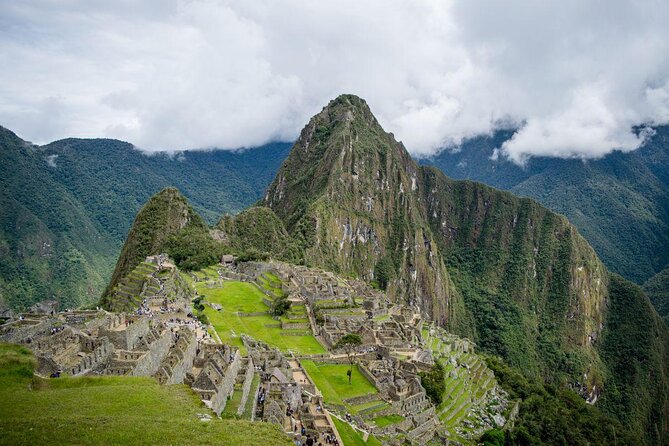
- Machu Picchu Sanctuary Day: the big-ticket highlight, planned for you
- Vinicunca (Rainbow Mountain) trek: a colorful day that asks for effort
- Transfers, lunch, and the meaning of private logistics
- Who this tour fits best (and who should think twice)
- The practical stuff that makes the trip smoother
- Should you book this Cusco 7-day tour?
- FAQ
- What time does the tour start?
- Is pickup offered?
- How many travelers are in the group?
- What’s included in the price?
- Are flights to Peru included?
- What if the weather is bad?
Key highlights to know before you go
- Small group (up to 15) makes it easier to ask questions and stay on schedule
- Pickup offered + mobile ticket reduces the usual first-day chaos
- Guided access to the core Cusco sites without losing your independence
- Sacred Valley, split into two focused days (Moray/Maras, then Ollantaytambo)
- Machu Picchu’s historic sanctuary ticket included as part of the plan
- Vinicunca (Rainbow Mountain) included for a higher-effort day
Why this 7-day Cusco plan works (and not just on paper)
This is a classic “great hits” Cusco route, but it’s built in a way that feels practical. You’re not just booking a checklist of ruins and summits. You’re getting guides to help you understand what you’re looking at, plus transfers that reduce the number of decisions you have to make on the ground.
The biggest win for me is the balance. You get guided time where it matters—sites like Sacsayhuaman, Moray, Ollantaytambo, Machu Picchu, and Vinicunca—then you regain control with time to wander Cusco on your own. That matters because Cusco isn’t only about monuments. It’s also about finding a quiet corner, a good coffee, and a view from a side street where nobody is herding you.
The other big win is support. In this kind of trip, your success lives in the details: timing, meeting points, and having someone ready when you arrive. The company’s customer service shows up in the way people describe being taken care of day after day, with punctual pickups and guides who don’t disappear.
You can also read our reviews of more tours and experiences in Cusco

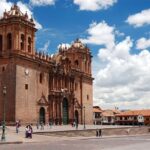
Arrival day: Lima airport to Cusco hotel, then time to breathe
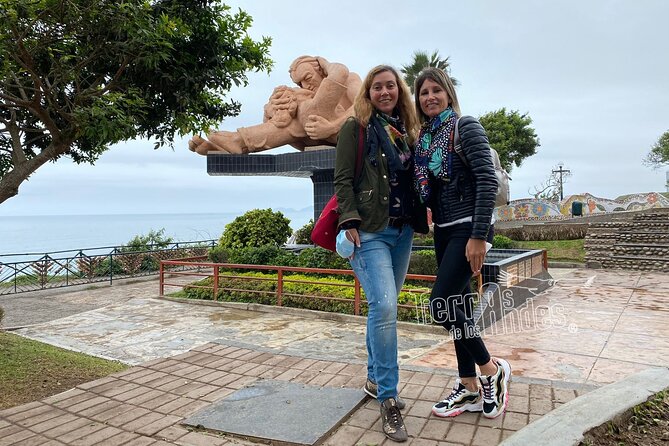
Day 1 starts with a travel-day rhythm that’s hard to beat: you arrive in Lima, and the staff is set to meet you at the airport and move you onward to Cusco. After you land, you get the transfer to the hotel, then you’re done for the day.
This “arrive, transfer, rest” flow is underrated. Cusco can feel intense, even if you’re in great shape. Having the rest of the day off means you can handle check-in, eat something easy, and do a low-key recon walk without the pressure of rushing to a major stop.
If you want to make the most of this first evening, do two simple things: hydrate, and take a slow lap around your neighborhood to learn where the main streets are. You’ll thank yourself later when other days run longer than you expect.
Cusco’s core: Sacsayhuaman plus a guided city loop
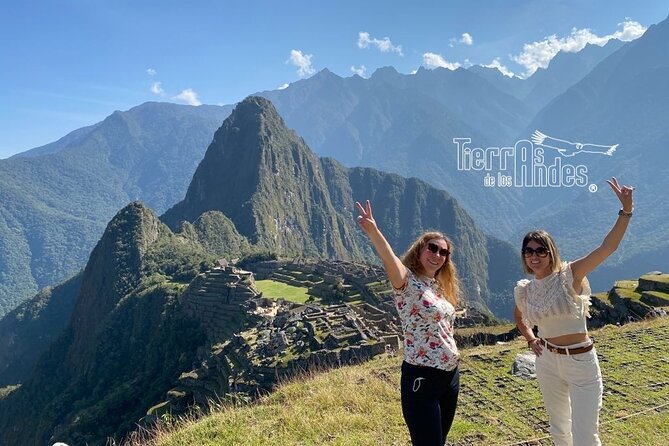
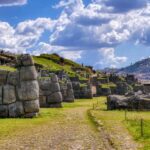
On Day 2, you get a guided city tour that focuses on four important Cusco highlights, including Sacsayhuaman. The day is listed at about 8 hours, which usually means a real loop through the areas you’ll hear about over and over—enough time to see the big picture and understand why these places matter.
Sacsayhuaman is the kind of site that rewards context. With a guide, you’re not just looking at stone walls on a hill; you get to connect the site to Cusco’s broader story. A guided city day also helps you build mental maps. After this, you’ll feel more confident walking on your own for the next days.
The practical angle: expect a full day of movement, not a museum-style stroll. Wear comfortable shoes and plan to take short breaks when your body asks for them. The best city tours don’t try to “win” the day. They help you see, then keep you comfortable enough to enjoy it.
Sacred Valley Day 1: Moray’s agricultural terraces and Maras salt mines
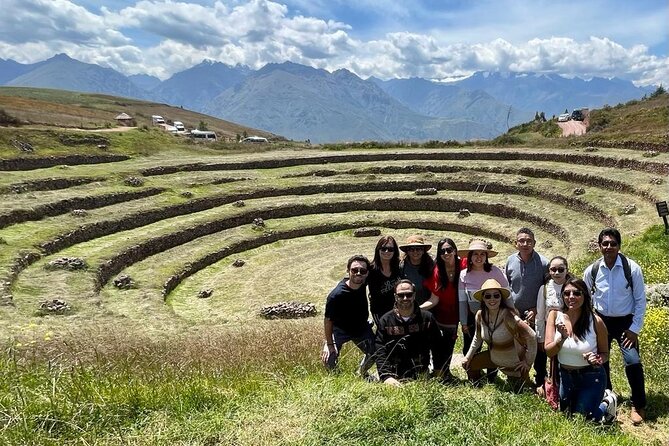
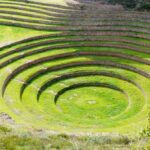
Day 3 is your first Sacred Valley day, about 6 hours, and it’s a strong pairing: Moray first, then the Maras salt mines. This combination works well because it shows you two sides of the Valley—ingenious land use and a landscape shaped by salt production.
Moray is often the stop that surprises people. It’s not a ruin that shouts at you from across the valley. It’s more like a smart design problem: different terraces, a clear sense of planning, and a feeling that people understood how to work with the land.
Then you move to Maras. The salt mines here are visually striking, and they’re also a reminder that the Sacred Valley wasn’t only about ceremonies and temples. It was also about everyday resources. If you like photography, this is a day where your camera can stay busy from start to finish.
A realistic note: the day is shorter than some full-day excursions, but it still involves active time. Bring layers. Even when Cusco is sunny, the Valley can shift.
Sacred Valley Day 2: Ollantaytambo ruins and the feeling of time travel
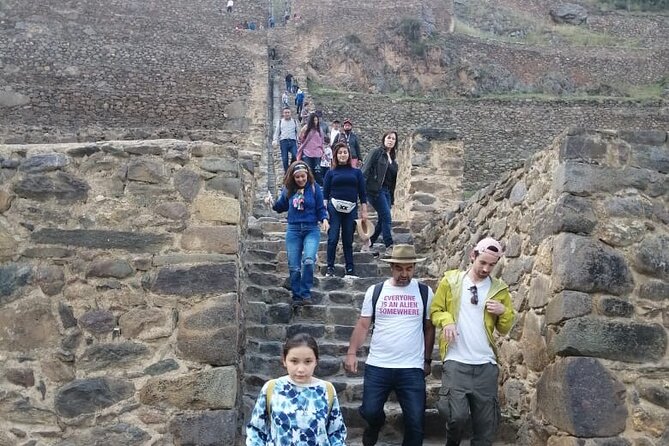
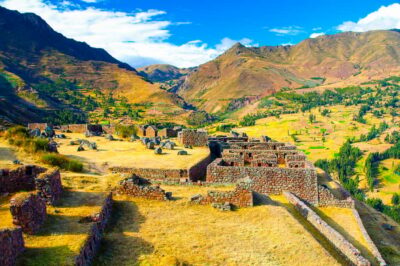
On Day 4, you head back into the Sacred Valley again for another ~6-hour day. This one centers on the ruins of Ollantaytambo.
Ollantaytambo tends to hit differently than other sites because it’s tied to a living part of the Valley. You’re not just visiting a remote monument. You’re stepping into a place where Inca-era presence still feels close, even as the modern town continues around it. With a good guide, you’ll get the main story threads without getting bogged down in details you don’t care about.
This is also a solid day for lingering. You’ll likely get enough structure from your guide, but still have room to slow down and look around. If you’re the type who likes to watch how locals move through a space, this stop gives you that chance.

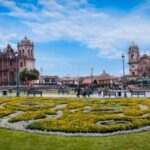

Machu Picchu Sanctuary Day: the big-ticket highlight, planned for you
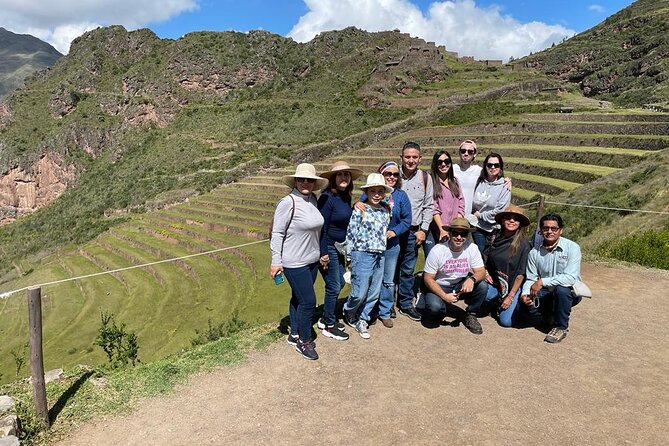
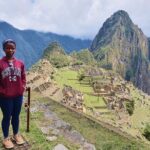
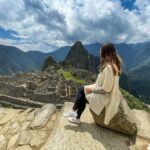
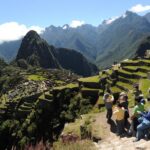
Day 5 is Machu Picchu day, visiting the Santuario Histórico de Machu Picchu and then returning to Cusco. The day is about 6 hours on the listing, and that usually means a focused schedule from the moment you leave until you’re back.
What makes this day valuable isn’t only the view—though yes, the view is the reason we all come. It’s also the logistics. Machu Picchu trips can go sideways when you’re trying to coordinate transport, timing, entry, and meeting points on your own. Here, the tour plan is set up to reduce those hassles, and the site entry ticket is included.
When you’re at the sanctuary, I’d treat this like a guided walking day. Let the guide point out the key structures and the main viewpoints. Then, when you have a chance, step back and look for how the site sits in the mountain bowl. That mental shift—from details to overall design—is usually what turns a great visit into a memorable one.
Vinicunca (Rainbow Mountain) trek: a colorful day that asks for effort
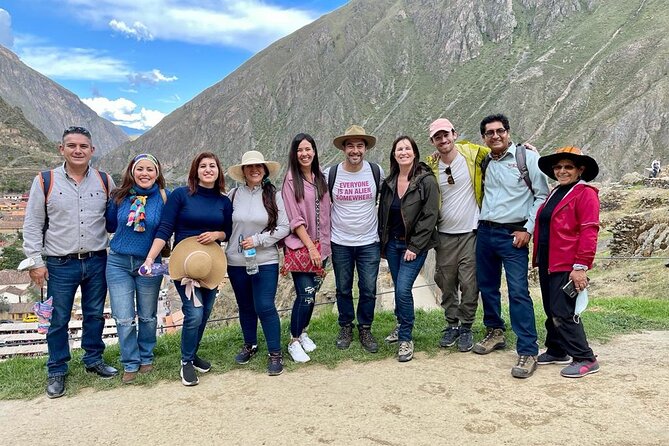
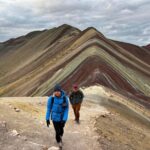
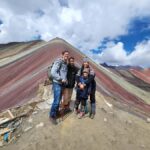
Day 6 is the active one: a trek to Vinicunca, also known as Rainbow Mountain. It’s listed at about 6 hours, and it comes with included entry. This is the day that fits best if you’re comfortable with moderate physical fitness.
The main thing to expect is that your energy needs to go into your pace. Don’t try to “win” the hike. If you go too fast early, you pay for it later. Keep a steady rhythm and take quick pauses when you need them.
Vinicunca is famous for the colors, but what you’ll remember most is the sense of scale—how the terrain stretches and how the mountain feels like a world of its own. It’s also a great complement to Machu Picchu. One day you’re admiring an iconic Inca site. The next, you’re earning the view with your legs.
Transfers, lunch, and the meaning of private logistics
Let’s talk value. This tour costs $1,452.64 per person, and it’s not a cheap add-on. But you’re not paying only for entry tickets and a bus ride.
What’s included:
- Private transportation
- Lunch
And multiple days list entry tickets as free or included, including the big-ticket ones tied to Moray/Maras, Ollantaytambo, Machu Picchu’s sanctuary, and Vinicunca. If you add in the time savings from a coordinated plan—especially with airport transfers and the Lima-to-Cusco flow at the start—you can see why people feel taken care of.
Also, the group cap of 15 travelers matters. With a smaller group, it’s easier for guides to keep track of people, and it’s easier for you to ask a question without waiting forever.
If you’re a solo traveler, this kind of structure can be a relief. Reviews highlight that support teams and guides help you feel secure and not left on your own. If you want to roam independently but still have a safety net, this balance is a big part of the appeal.
Who this tour fits best (and who should think twice)
This tour is a good match if you want:
- Guides at the key sites (so you know what you’re seeing)
- Private transportation (so you spend less time figuring things out)
- A mix of guided time and your own time in Cusco
- The must-dos: Machu Picchu and Vinicunca
It may be less ideal if you’re chasing a slow travel vibe. This is a 7-day plan with multiple major stops. Even with free time in Cusco, the overall rhythm is active.
And if Vinicunca sounds intimidating, don’t ignore that. The tour explicitly calls for moderate fitness. If you’re recovering from injury or you know long hikes are a struggle, you’ll want to rethink this day or ask what the pace looks like in practice.
The practical stuff that makes the trip smoother
A few details you should plan around:
- Start time is 8:00 am.
- You’ll use a mobile ticket.
- Pickup is offered, and the meeting area is near public transportation.
- You’ll receive confirmation at booking time.
- The tour is run by Tierras de los Andes.
- There’s a max group size of 15 travelers.
Also, remember the timing theme: many days are around 6 to 8 hours. That’s enough time to see the major stops, but not enough time to treat the day like a leisurely stroll. Build in rest when you can.
If you want to feel great during the longer days, aim for simple routines: light breakfast, comfortable shoes, and a water plan that fits your comfort level. You’ll get more out of every viewpoint when you’re not running on fumes.
Should you book this Cusco 7-day tour?
I’d book this if you want an organized Cusco-to-Machu Picchu experience with the heavy lifting handled—transportation, site timing, and guide support—while still getting genuine freedom in Cusco to explore your way.
I’d hesitate only if you’re not confident with moderate physical effort, because Vinicunca is built into the trip. I’d also be flexible in your expectations about weather, since the experience requires good conditions and the plan may change if they don’t get them.
If your goal is to see the essentials—Cusco, Sacred Valley, Machu Picchu, and Vinicunca—without turning the trip into a logistics project, this is a strong choice.
FAQ
What time does the tour start?
The start time is 8:00 am.
Is pickup offered?
Yes. The tour includes pickup.
How many travelers are in the group?
This tour/activity has a maximum of 15 travelers.
What’s included in the price?
The tour includes private transportation and lunch. Some admission tickets are listed as free or included on specific days.
Are flights to Peru included?
International plane tickets to Peru are not included. The plan includes travel between Lima and Cusco as part of the tour flow, but it does not include domestic and international airport taxes.
What if the weather is bad?
This experience requires good weather. If it’s canceled due to poor weather, you’ll be offered a different date or a full refund.