REVIEW · CUSCO
7-Day: Inca Trail Trek to Machu Picchu Group Tour
Book on Viator →Operated by Valencia Travel Agency S.a.c. · Bookable on Viator
You get the Inca Trail without the spreadsheets. This 7-day group trek covers the classic Andes route to UNESCO-listed Machu Picchu, with camps, cooks, key entry items, and the transport stitched together so you can focus on walking and acclimating. I especially like the early start that sets you up for Machu Picchu sunrise, and I also like the way the company handles the moving parts from the first control point through Aguas Calientes and back to Cusco. One thing to consider: this is serious hiking at high altitude, so you’ll want strong fitness and realistic expectations for cold nights and long days.
Cusco isn’t thrown in as an afterthought either. You arrive, get a welcome briefing, and then you have a free day to get your bearings in the Inca capital of the Andes before the trail starts. Still, the group format (max 16) means you’ll follow the pace and wake-up schedule of the trek, not your own, so plan to keep things flexible.
In This Review
- Key Takeaways Before You Go
- Why This Inca Trail Group Tour Is Worth Paying For
- Cusco Arrival and Your Free Day: Acclimate Without Rushing
- Day 3: From Huillca Raccay Through the Vilcanota River to Wayllabamba
- Day 4: Dead Woman Pass (Abra de Warrmihuañusca) and Runkuracay
- Day 5: Phuyupatamarca (Town in the Clouds) to Wiñay Wayna
- Day 6: Intipuncu Before Sunrise and Your Machu Picchu Guided Visit
- Camping, Food, and What You Actually Need to Pack
- Price and Logistics: Getting Real Value at $1,145
- Who This Trip Fits Best (and Who Might Want Another Plan)
- Quick Booking Notes That Affect Your Experience
- Should You Book This Inca Trail to Machu Picchu Sunrise Trip?
- FAQ
- FAQ
- What time does the trek start?
- Is airport pickup and drop-off included?
- How many people are in the group?
- Does this tour include a guide?
- Are meals included on the trek?
- What do I need to bring for sleeping?
- Are walking sticks included?
- Is a vegetarian option available?
- Is the booking refundable if plans change?
- Do you provide medical support for altitude concerns?
Key Takeaways Before You Go
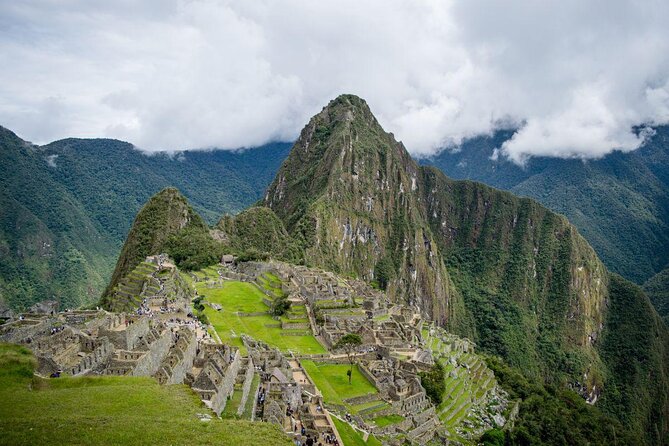
- Machu Picchu at sunrise with the Intipuncu timing that gets you there early
- Meals and camp setup included, with a chef, dining tent, and foam mattresses
- Trek logistics handled: buses, train from Aguas Calientes to Ollantaytambo, and onward ground transport
- Limited trail access starts early at the 4:30 meet time with passport checks at the control point
- Cold-night reality: around 5°C at Wayllabamba and ~4°C at higher camp areas, plus sleeping bags are not included
- Group support built in, with an assistant guide for groups of 9+ and oxygen/first-aid gear carried
Why This Inca Trail Group Tour Is Worth Paying For
The Inca Trail is not hard because it’s complicated. It’s hard because it’s tightly regulated, time sensitive, and made of many pieces that need to line up: permits, entry timing, meals, camping gear, and the transport puzzle around Machu Picchu and Aguas Calientes.
This tour’s big value is that it bundles what would take you days to coordinate on your own. You start and end in Cusco with round-trip airport transfers from Alejandro Velasco Astete International Airport, and you get the core transit links inside the price—bus to KM 82, bus from Machu Picchu to Aguas Calientes, train connections, and the back-and-forth by bus to Cusco.
The result is simple: you show up, you meet your guide, you carry your personal items, and the rest is managed. That means fewer last-minute headaches and less time chasing confirmations while you’re already thinking about altitude.
You can also read our reviews of more hiking tours in Cusco

Cusco Arrival and Your Free Day: Acclimate Without Rushing
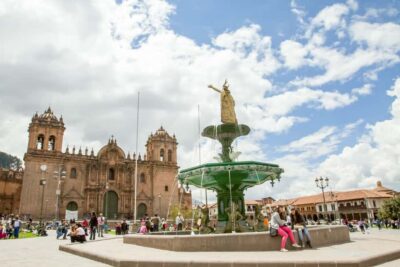
Day 1 is all about landing well. You arrive to Cusco, transfer to your hotel, and then join a welcome meeting for a quick briefing. After that, you’re free to roam. Cusco sits high in the Andes, so even a slow wander helps you learn the rhythm of the city before the trek starts.
Day 2 gives you something many people skip: real recovery time. You wake up, enjoy breakfast, and then you have a free day to explore at your ease. That matters because the trail begins the next day with early mornings and steady climbs. If you arrive in Cusco already drained from travel, the trek can feel even harder than it needs to.
You’ll also want to use this day to plan your packing around what you’ll carry personally. The tour notes that each hiker is responsible for their own personal belongings (and that sleeping bags aren’t included). A little prep now can save you from dealing with the wrong gear later.
Day 3: From Huillca Raccay Through the Vilcanota River to Wayllabamba
On Day 3, everything starts early. You meet at the designated morning time (the start time is 4:30 am) and head onward to the first key point, Piscacucho, where you’ll handle check-in procedures and show your passport and required documents. This is also when you should use restrooms and take care of essentials like sunscreen and insect repellent. Once you’re on the trail, stops are about moving forward, not shopping for supplies.
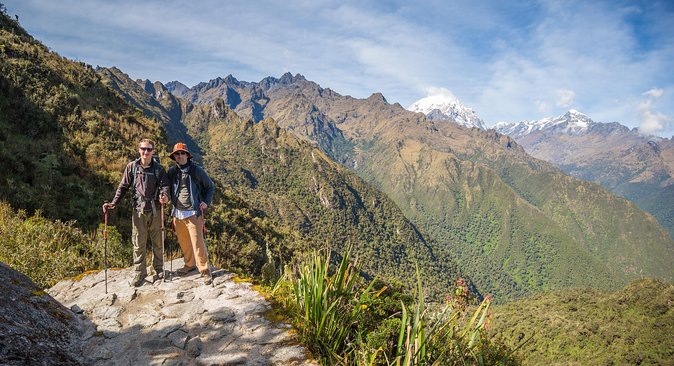
Then you’re walking the Inca route through the Sacred Valley area. The trail begins around 2,720m and includes an early crossing of the Vilcanota River. The day is a first taste of what the Inca Trail does best: it mixes heritage with effort. You’re tracing the steps along meaningful terrain, not just hiking a path.
By the evening, you reach Wayllabamba camp near the village of the same name, around 3,000m. This is your first campsite stop. Night temperatures are around 5°C (it varies by month), so you’ll feel the cold even if the day felt manageable. Bring a plan for how you’ll change into warm layers when you’re done walking.
Day 4: Dead Woman Pass (Abra de Warrmihuañusca) and Runkuracay
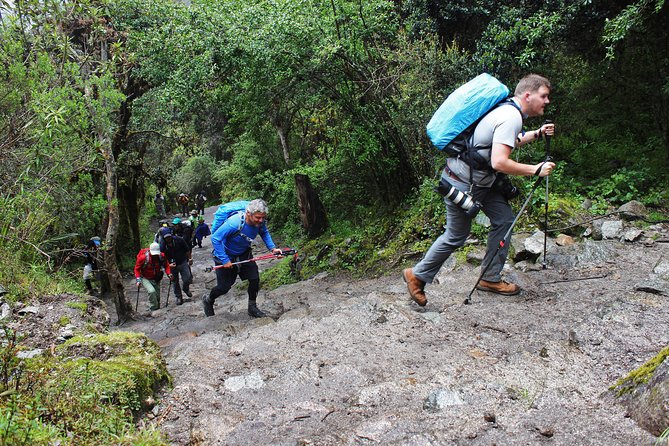
Day 4 is where the Inca Trail earns its reputation. After breakfast and an early start, you tackle a steep ascent toward the highest pass on this classic section: Abra de Warrmihuañusca, known as Dead Woman’s Pass, around 4,200m.
This isn’t a casual uphill. You’re climbing when it’s still early, and the altitude is part of the challenge, not just the steepness. If you’ve trained your legs but ignored altitude, you’ll feel it here. If you’ve paced correctly and stayed steady, you’ll still work, but you’ll get up with pride.
After reaching the pass, you have time to rest, then begin descent. Your route brings you toward Pacaymayu around 3,550m for lunch. The air and surroundings can feel different once you’re dropping in elevation. You’ll also be paying attention to birds and native plants along the cloud-forest type zone, including polylepis trees at around 3,650m.
The afternoon includes another climb, reaching Runkuracay pass near 4,000m. You camp by 5 pm at the end of the day. Nights here can run around 4°C. This is also where sleeping comfort becomes real. Foam mattresses are provided, but cold management is still on you—especially since sleeping bags aren’t included.
Day 5: Phuyupatamarca (Town in the Clouds) to Wiñay Wayna
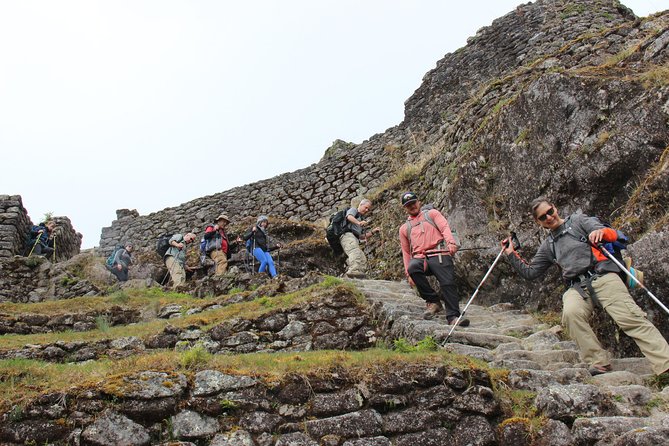
Day 5 keeps the momentum and adds a classic highlight: Phuyupatamarca, meaning Town in the Clouds. After breakfast, you set out on a gentle climb toward this archaeological site and one of the trail’s top viewpoint moments, around 3,680m.
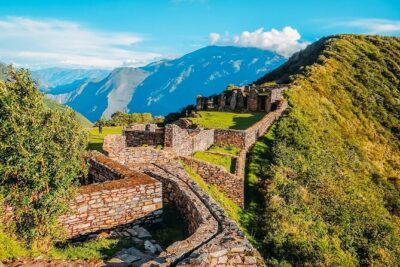
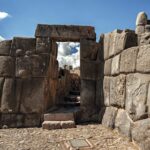
This is a day where the trail feels rewarding even before you reach camp. You get big sightlines into mountains and canyons, and the Inca architecture gives you the sense that you’re moving through a planned world, not random wilderness.
The hike continues toward another Inca area, often described through the route as passing by sites like Intipata, before reaching Wiñay Wayna, also around 2,680m. You’ll arrive earlier enough to enjoy the feel of the place and still have time to visit the nearby archaeological site of Wiñay Wayna itself.
This is also one of the best days for photographers and for anyone who likes walking under a changing sky. As the trail shifts through cloud-forest conditions, the weather and light can change fast. Layers matter.
You can also read our reviews of more tours and experiences in Cusco
Day 6: Intipuncu Before Sunrise and Your Machu Picchu Guided Visit
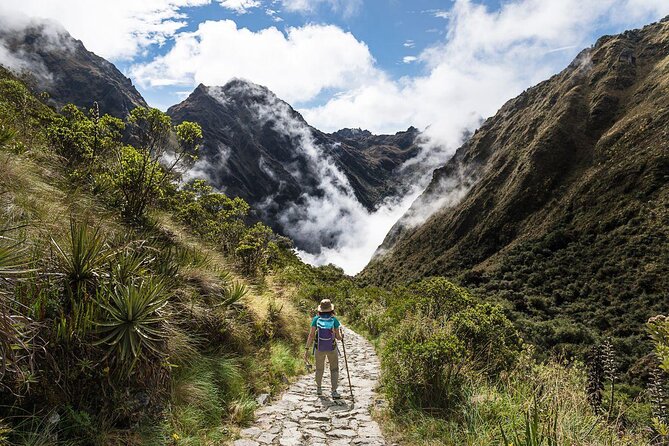
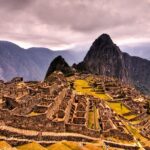
Day 6 is the reason most people choose the Inca Trail. You wake up early for breakfast and head toward Intipuncu, the Sun Gate, before sunrise (around 2,730m). Timing is strict here: the plan is to arrive before Machu Picchu first lights up.
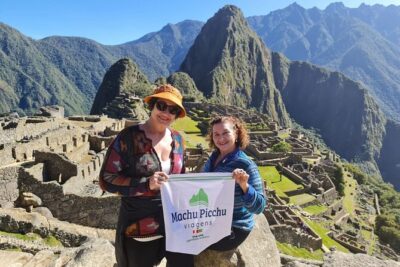
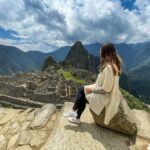
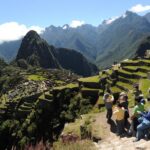
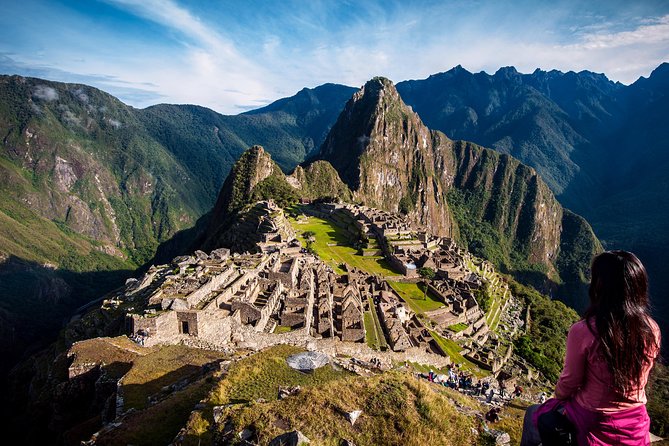
Once you reach the viewpoint area, you get your first major view of Machu Picchu (around 2,400m). This is the moment that makes all the climbs feel like they added up.
Then you continue along the last part of the trail into Machu Picchu. You’ll have a guided tour so you know what you’re seeing, and you’ll also have time afterward (about two hours on your own) to explore at your own pace. If you want the additional climbs, you can hike Machu Picchu Mountain or Huayna Picchu Mountain, depending on what you’ve prepared and what access is possible for you.
After that, you head to Aguas Calientes, either by bus or on foot. You’ll have lunch there, and then your guide helps you with the tickets back to Cusco. The transport sequence described includes a first train to Poroy and then a bus ride to Cusco.
This day moves fast. It’s part hiking, part waiting for views, and part transitioning to trains. If you like schedules, it feels well organized. If you hate early starts, you’ll still survive, but you’ll want to be mentally ready for it.
Camping, Food, and What You Actually Need to Pack
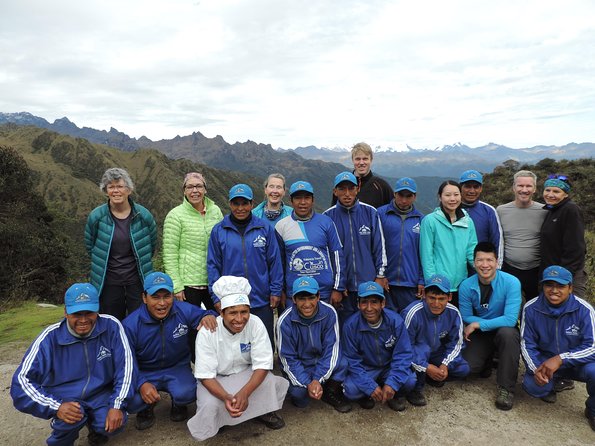
One of the strongest strengths of this program is that you’re not hauling the entire infrastructure of the trek yourself. You get:
- Dining tent with tables and chairs
- A professional chef and full meal service (breakfasts, lunches, and dinners are included during the trek days as listed)
- 4-man tents with setup for two people per tent
- Foam sleeping mattresses
- Porters for the company equipment
That means you can travel lighter than you would if you were building your own independent setup. It also means your energy can go toward walking and acclimating, not toward cooking and tent logistics.
Still, you’re not off the hook for what you carry personally. The tour explicitly notes you must carry your own personal belongings and that sleeping bags are not included. Walking sticks are also not included, even though they can be helpful for steep sections.
Temperatures at camp are cold enough to make gear choice matter. At Wayllabamba you’re around 5°C at night, and at Runkuracay it can be around 4°C. Even if your day hiking layers are fine, you’ll want warm sleep gear.
If you’re the type who brings everything just in case, check your bag weight and practicality. On a trek like this, comfort comes from smart packing, not from overstuffing.
Price and Logistics: Getting Real Value at $1,145
At $1,145 per person, this isn’t a bargain-travel deal. It’s a full service package. The real question is whether it saves you time and hassle enough to be worth the cost.
Here’s what your money covers, based on what’s included:
- Airport pickup and drop-off in Cusco
- Professional guide plus assistant support for larger groups
- Bus to KM 82, and bus from Machu Picchu to Aguas Calientes
- Train from Aguas Calientes to Ollantaytambo (and then onward ground travel described for the return to Cusco)
- Water during the trek
- Camp setup support: tents, foam mattress, and porters for company equipment
- Oxygen bottles and a first aid kit
- Meals: breakfasts, lunches, and dinners for the listed trek days
Then there are the add-ons to note. A single supplement is listed at $180 for accommodation and tent. Sleeping bags and some trekking basics like walking sticks are not included, so you may still spend some money before you go.
My practical take: if you want the Inca Trail but don’t want to play permit-and-transport Tetris, this price starts to look reasonable. You’re paying for organization, meal support, and a smoother logistics flow between trail, Machu Picchu, and Cusco.
Who This Trip Fits Best (and Who Might Want Another Plan)
This tour fits best if you:
- Want a guided experience with camp setup and meals handled
- Prefer a structured schedule that gets you to Machu Picchu at sunrise
- Are willing to do real hiking at high altitude
It may be less ideal if you:
- Have limited fitness and need a more gradual pace
- Want total freedom to wander on your own schedule (the group timing is part of the package)
- Forgot key gear like a sleeping bag and warm layers
The minimum age is 10, and the tour asks for a strong fitness level. That’s not a suggestion. You’ll feel it, especially on the big climb days and at high passes.
The company also caps the group size at 16 travelers. That’s a good balance: big enough for support, small enough for a more human feel on the trail.
Quick Booking Notes That Affect Your Experience
Confirmation is received within 48 hours of booking, subject to availability, and the tour is non-refundable and cannot be changed for any reason. That makes it important to commit only when your dates are locked.
You can also request a vegetarian option when you book. If you have allergies or special meal needs, you’ll want to state them clearly in advance so they can plan.
The trek starts at 4:30 am with pickup/meeting steps, so plan on feeling like you’re living on an early alarm clock for multiple days.
Should You Book This Inca Trail to Machu Picchu Sunrise Trip?
If your goal is Machu Picchu at sunrise plus the full Inca Trail experience, and you don’t want to build the logistics puzzle yourself, I think this is a smart choice. The way it bundles transport links, guides, camping support, and meals makes the trek feel focused: walk, recover, repeat.
Book it if you can meet the fitness demands and you’re ready for cold nights and steep sections. Think twice if you want flexibility and a slow, easy hike. The trail is famous for a reason, and this package keeps the emphasis on the parts that matter: the route, the sites, and the timing that brings you to Intipuncu before the day begins.
FAQ
FAQ
What time does the trek start?
The start time is 4:30 am, and you’ll meet at the designated meeting point before heading to the control point/check-in area.
Is airport pickup and drop-off included?
Yes. The tour includes airport pickup and drop-off in Cusco, and the trek is described as beginning and ending at Cusco airport (Alejandro Velasco Astete International Airport).
How many people are in the group?
The maximum group size is 16 travelers.
Does this tour include a guide?
Yes. It includes a professional guide, and there is also an assistant tour guide for groups of 9 people or more.
Are meals included on the trek?
Yes. Water is included, plus dining tent service and meals on the trek days are listed (breakfasts, lunches, and dinners are included as specified). The first breakfast and last lunch along the trail are listed as not included.
What do I need to bring for sleeping?
Sleeping bags are not included. You do get 4-man tents (set up for two people), and foam sleeping mattresses.
Are walking sticks included?
No. Walking sticks are listed as not included.
Is a vegetarian option available?
Yes. A vegetarian option is available if you advise at the time of booking.
Is the booking refundable if plans change?
No. The experience is non-refundable and cannot be changed for any reason.
Do you provide medical support for altitude concerns?
The tour includes oxygen bottles and a first aid kit.
If you want, tell me your fitness level and when you’re traveling, and I’ll help you sanity-check the gear list and what days feel hardest for most people.