REVIEW · CUSCO
Cusco: Half-Day City and Nearby Archaeological Sites Tour
Book on GetYourGuide →Operated by LimaTours · Bookable on GetYourGuide
Cusco can feel like a whirlwind, but this tour helps you sort it fast. In just 5 hours, you’ll hit key Inca-era stops and the Spanish layers on top, with a guide translating the meanings as you walk. I especially love how the route starts at Coricancha, then climbs to the fortress Sacsayhuaman—so the day naturally shifts from temple to power.
Two things I really like: first, you get a guided explanation of what each place was used for, not just photos and stone walls; second, admissions to Coricancha and the Cusco Cathedral are included, which saves you time and hassle.
One thing to watch: you still need the Cusco Tourist Ticket (BTC) for the 4 archaeological sites. If you arrive without it, the schedule can get annoying fast.
Key points that make this tour worth your time
- Coricancha to Cathedral gives you the Inca-to-Spain storyline in one smooth walk
- Sacsayhuaman makes the big-stone mystery feel real (and worth slowing down for)
- Quenqo + Puka Pucara add variety: ritual spaces and the Red Fortress
- Pickup from Historic Center hotels keeps the morning low-stress
- Multi-language guides (English, Spanish, French, Portuguese) make communication easy
- 4 archaeological sites + 2 paid admissions covered helps the math for $49
In This Review
- A Tight 5-Hour Cusco Inca Circuit That Actually Makes Sense
- Coricancha: The Inca Temple of the Sun, Rebuilt on Top
- Cusco Cathedral in the Main Square: When the Center Gets Imposing
- Sacsayhuaman’s Fortress Walls: The Big-Stone Mystery
- Quenqo: Ritual Spaces Beyond the Fortress Style
- Puka Pucara: The Red Fortress, Built for Rest and Use
- Price and Value: What $49 Really Buys You
- What Makes the Logistics Work (and Where It Can Trip You Up)
- Guides and the Human Factor: Why Names Matter Here
- Who Should Book This and Who Should Skip It
- Should You Book This Cusco Half-Day Tour?
- FAQ
- How long is the Cusco half-day city and archaeological sites tour?
- What is included in the tour price?
- Do I need a Cusco Tourist Ticket (BTC)?
- Is food included?
- Will I get help with photos?
- Where does pickup happen?
- What languages are the guides?
- What should I bring?
- Is the tour wheelchair accessible?
- What is the cancellation policy?
A Tight 5-Hour Cusco Inca Circuit That Actually Makes Sense
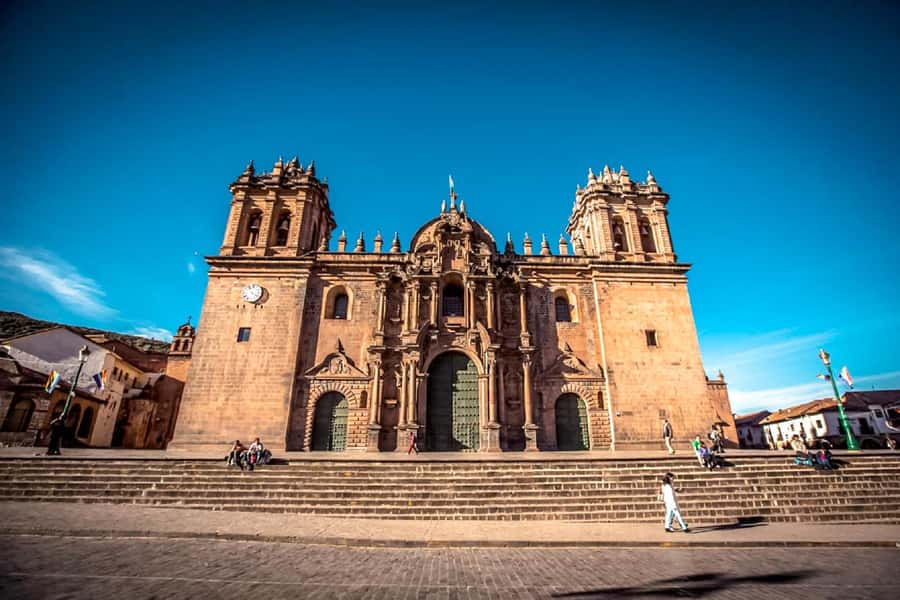
This is the kind of half-day tour you can do even when you’re still figuring out Cusco. The pace is designed for first-timers: you get the major sites around town without losing hours to transportation back and forth. At a price of $49 per person for a 5-hour guided loop, it’s a practical way to get oriented before you choose longer, deeper excursions.
You’ll start in Cusco’s Historic Center with roundtrip pickup from hotels there. The tour keeps its structure clear: temple complex, main square monument, then uphill archaeological stops. You’ll also want to plan around what’s included—and what isn’t. Admissions are included for Coricancha and the Cusco Cathedral, but you’ll still need your Cusco Tourist Ticket (BTC) for the archaeological sites.
If you’re here for a short stay, or you want a guided route that ties together Inca and colonial layers, this tour is a solid match.
Coricancha: The Inca Temple of the Sun, Rebuilt on Top
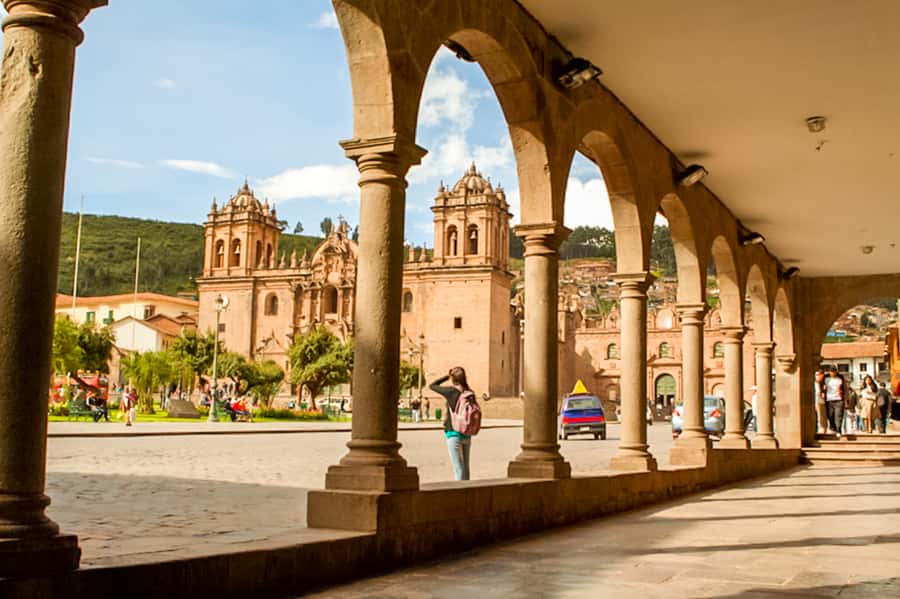
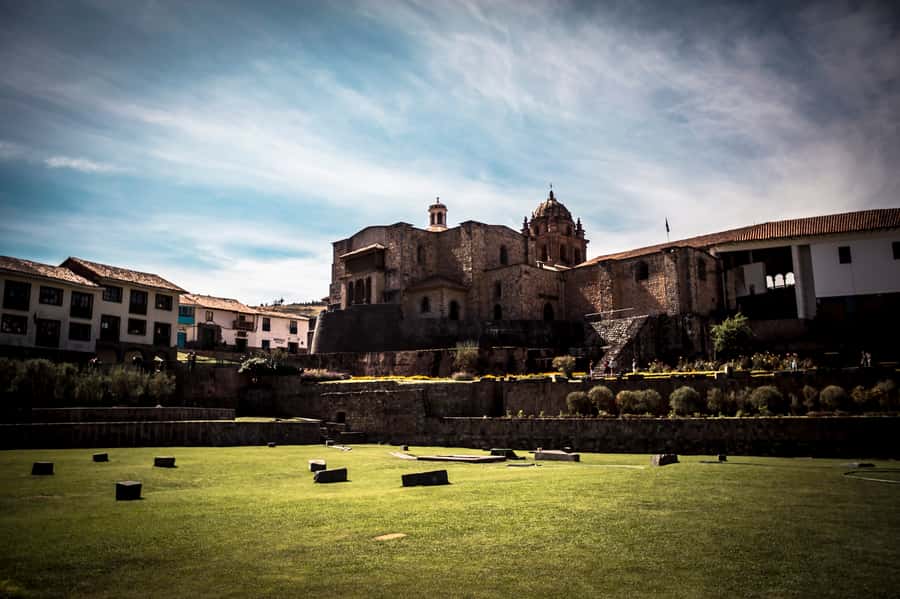
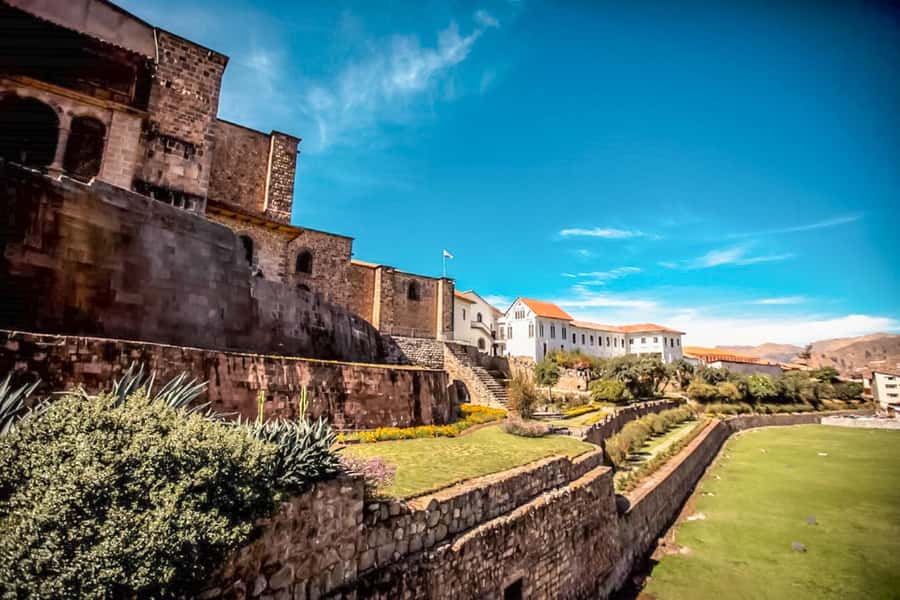
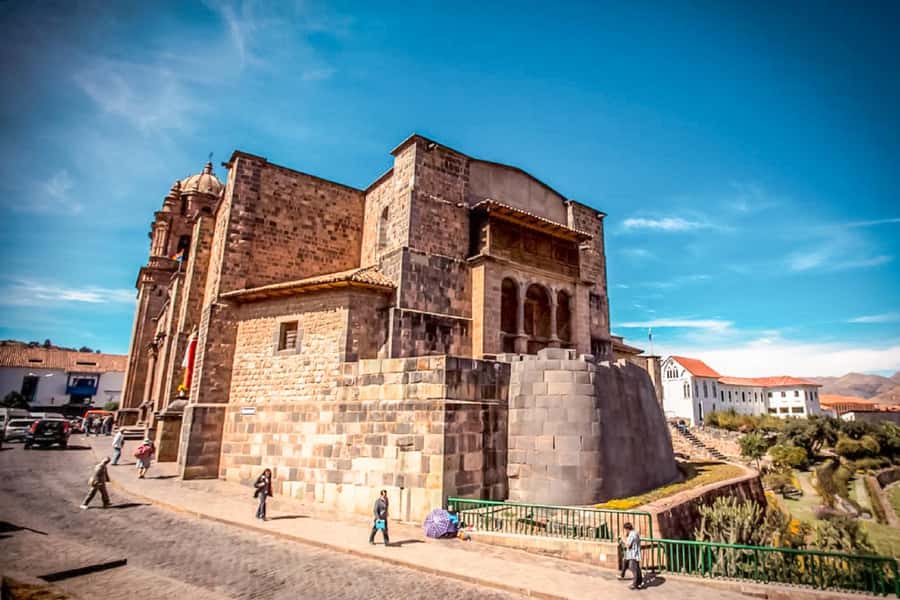
You’ll begin at Coricancha, also known as the Temple of the Sun. This is one of those places where the stones make more sense after your guide connects the timeline. It was built by the Inca under Pachacutec, and later, when the Spaniards arrived, the site became a foundation for the Santo Domingo Convent.
What I like about starting here is the way it sets the theme of the whole day: Cusco wasn’t erased. It was layered. The Inca built a major religious complex, the Spanish reused parts of it, and the city kept changing around that anchor point. That’s why this stop works so well early on—you’ll be able to understand later stops with more context.
Practical note: the tour includes admission to Coricancha, so you’re not standing in line trying to figure out tickets. Wear comfortable shoes. You’ll be walking enough that blisters would be a real waste of your energy.
You can also read our reviews of more city tours in Cusco
Cusco Cathedral in the Main Square: When the Center Gets Imposing
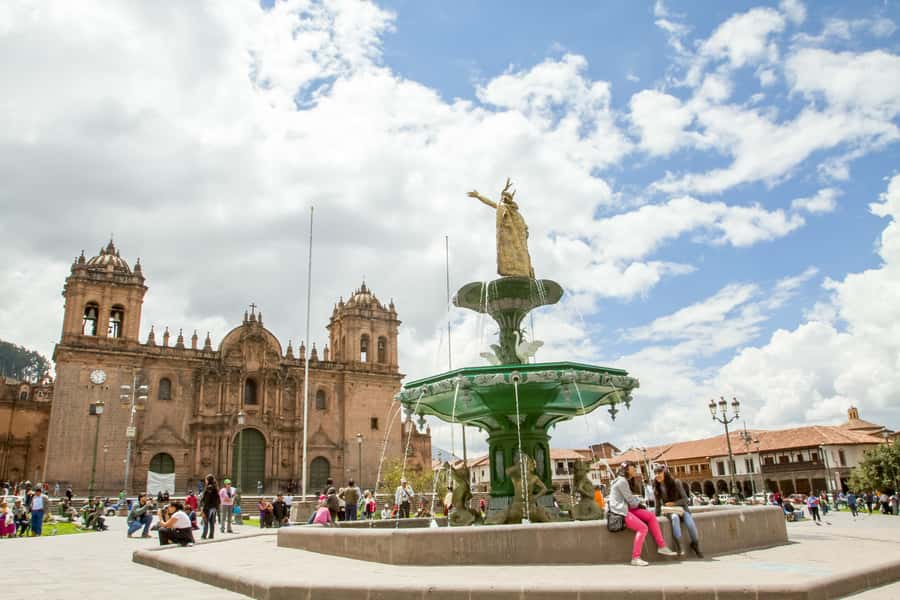
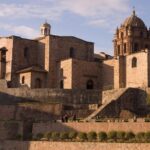
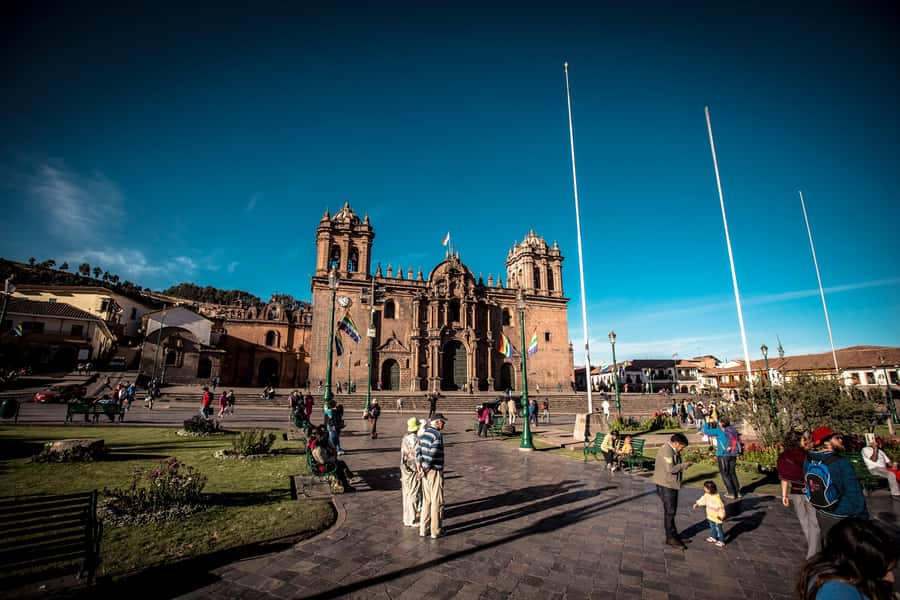
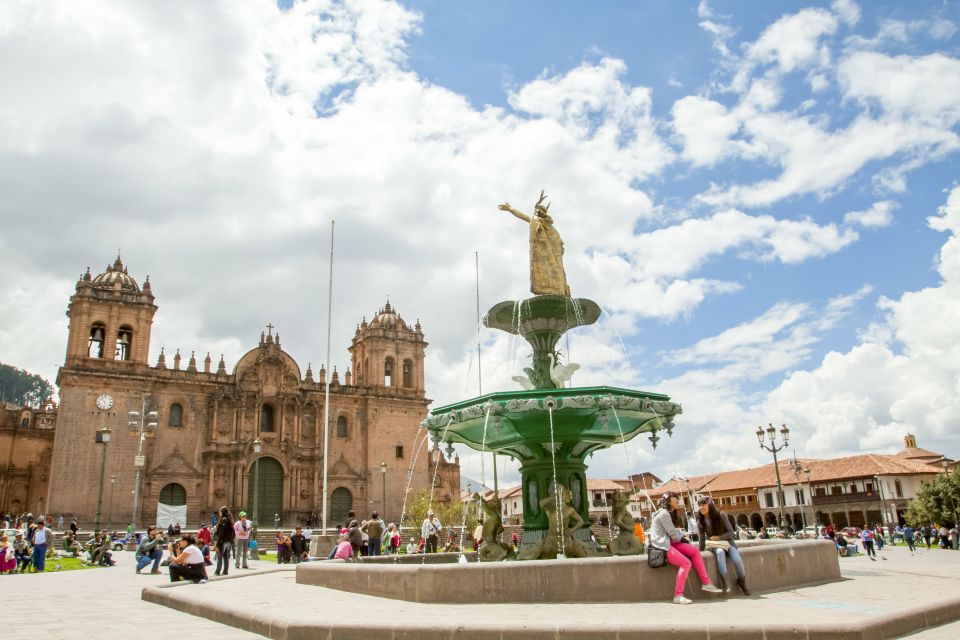
After Coricancha, you’ll head to the Cathedral of Cuzco, described as the most imposing monument in the Main Square. Even if architecture isn’t your top hobby, this is a useful checkpoint: it helps you see how powerful the city became as a colonial administrative hub.
For many people, the Cathedral reads as a visual contrast to the Inca stonework you’ll see later. You’ll feel the shift in design and purpose immediately, and your guide can connect that back to the Spanish takeover and what it meant for religion and public life.
This admission to the Cathedral is also included. That matters because it keeps the flow smooth and reduces the number of separate ticket steps you have to manage during a half-day tour.
Sacsayhuaman’s Fortress Walls: The Big-Stone Mystery
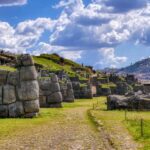
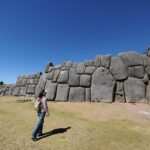
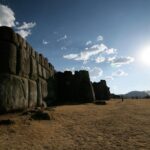
Next comes the uphill part: Sacsayhuaman. This fortress is one of the most emblematic Inca buildings attributed to Pachacutec in the 15th century. The most striking feature is the massive stone construction—so large that the transportation method is still treated as a mystery in local explanations.
This stop is where the tour earns its reputation as a real intro. You don’t just look at walls. You’ll learn why the site mattered. It was built as a fortress, but its design also signals planning at a huge scale—how people controlled space, movement, and defense.
A unique detail that your guide may bring forward: June 24, the feast of Inti Raymi, is recreated here, with the sun being worshipped. Even if you’re not there on that exact date, hearing that history helps Sacsayhuaman feel less like random ruins and more like a living ritual landscape that the city continues to honor.
Tip for this portion: take your time. The climb is part of the experience. If you rush, you’ll miss the explanation and you’ll feel it more in your legs.
Quenqo: Ritual Spaces Beyond the Fortress Style
Then you’ll move to Quenqo, an archaeological complex used mainly for religious purposes. The name itself may not immediately tell you what to look for, but the guided context does.
Quenqo adds an important contrast after Sacsayhuaman. The fortress says power and fortification. Quenqo shifts the mood toward ceremony and spiritual function. You’ll spend time looking at structures tied to worship—so the day stops feeling like only “big walls” and turns into a fuller picture of how Inca people used different spaces for different needs.
If you’re trying to understand the Inca beyond the usual headlines, this is the kind of stop that changes your mental map. Religious sites often have a quieter energy than fortresses, but they can be just as intentional in their layout.
Puka Pucara: The Red Fortress, Built for Rest and Use
Finally, you’ll reach Puka Pucara, which means Red Fortress. This complex is believed to have had alleged military use, but what makes it especially interesting is the way it includes multiple types of spaces: plazas, baths, aqueducts, walls, and towers.
Your guide may connect the site to a resting period used by the entourage of the Inca while they were in Tambomachay. Even if you don’t know that context yet, the layout helps you imagine daily patterns—where people gathered, cleaned up, moved water, and spent time during travel or planning.
Puka Pucara also provides a kind of emotional endpoint to the tour. By the time you reach the Red Fortress, you’ve already seen temple, city monument, fortress, and ritual space. This is the stop that feels like the puzzle piece tying them together: a complex built for function, movement, and downtime—not just one dramatic moment.
You can also read our reviews of more tours and experiences in Cusco
Price and Value: What $49 Really Buys You
At $49 per person for about 5 hours, this tour is priced like a practical “get your bearings” day. The biggest value points aren’t only the sights—it’s what’s handled for you.
Included:
- Pickup and drop-off
- Professional guide (English, Spanish, French, Portuguese)
- Admission to Coricancha and Cusco Cathedral
Not included:
- Food and drinks
- Photos
- Cusco Tourist Ticket (BTC)
- Personal expenses
- Gratuity
Here’s the real value math: admissions for Coricancha and the Cathedral are covered, but the BTC is still required to visit the 4 archaeological sites. So your overall cost will depend on whether you already have your ticket and how fast you plan to purchase it.
My advice: factor the BTC into your budget before you book. That way, $49 stays what it should be: a straightforward cost for a guided loop with key admissions handled.
Also bring your own water and a snack plan if you’ll get hungry. Food isn’t included, and you don’t want your energy to crash halfway through the uphill portion.
What Makes the Logistics Work (and Where It Can Trip You Up)
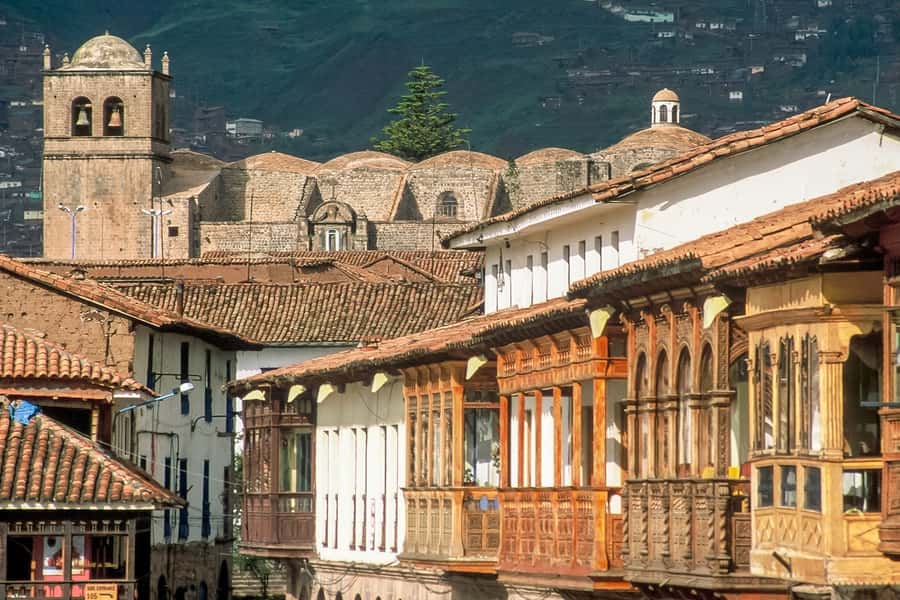
This tour is designed around pickup from hotels in the Historic Center of Cusco. That’s a big deal because you don’t waste time negotiating meet points. If you’re staying in a private residence like an Airbnb, pickup isn’t included from there. The tour says you’ll need to coordinate a meeting point with the operator a few days before.
You should also plan around the physical and practical rules:
- Not wheelchair accessible
- No pets
- No luggage or large bags
- Unaccompanied minors aren’t allowed
For comfort, bring comfortable shoes, sunscreen, and comfortable clothes. Cusco weather can shift, and you’ll be outside enough for sun exposure to matter.
One small warning: sometimes group tours can have a mismatch between what people expect and what’s officially included. My practical takeaway is simple—before you start, confirm with your guide what’s covered on-site (especially admissions tied to the BTC vs. what’s already included). It keeps the day calm.
Guides and the Human Factor: Why Names Matter Here
A tour lives or dies on the guide. This one uses professional guides in English, Spanish, French, and Portuguese, which is great if you’re traveling with mixed language comfort. And yes, guide quality shows up in the details—clear explanations, help when something isn’t lining up, and the ability to connect each stop to the next.
If you’re lucky, you might be guided by someone like Fred, who’s described as very attentive and ready to help when you need it. Another name you might see is Jose, mentioned as a standout. Even if your guide isn’t one of those names, this tour’s language options and emphasis on guided context are the main reason it works.
The goal isn’t memorizing dates. It’s understanding why each place mattered and how it fits into the big picture.
Who Should Book This and Who Should Skip It
This tour is best for:
- First-time visitors who want a guided orientation
- People short on time but eager for Inca sites plus city context
- Anyone who likes a route with a clear story: temple → city power → fortress → ritual → Red Fortress
- Travelers who prefer pickup from the Historic Center
You might want to skip it if:
- You need wheelchair access (this tour isn’t wheelchair accessible)
- You don’t want to manage the BTC requirement for archaeological sites
- You expect food to be part of the deal (it isn’t)
Also, it’s not a “slow, museum-style” day. It’s efficient. If you want lots of free time, plan that on separate days.
Should You Book This Cusco Half-Day Tour?
If you’re trying to choose between going it on your own and paying for structure, this tour earns its place. You get key stops around Cusco, plus admissions to Coricancha and the Cusco Cathedral. The route also does something helpful: it explains the relationship between Inca design and what the Spanish built on top.
Book it if you want a simple, guided path that helps you understand what you’re seeing and how the sites connect. Don’t book it if you hate walking uphill or you’re not willing to handle the Cusco Tourist Ticket (BTC) ahead of time.
My call: this is a strong first-day, first-week strategy. Get the story now, then decide later which sites you want to return to with more time.
FAQ
How long is the Cusco half-day city and archaeological sites tour?
The duration is 5 hours.
What is included in the tour price?
Pickup and drop-off are included, along with a professional guide (English, Spanish, French, Portuguese). Admission to Coricancha and the Cusco Cathedral is also included.
Do I need a Cusco Tourist Ticket (BTC)?
Yes. To visit the 4 archaeological sites, you need to acquire the Cusco Tourist Ticket (BTC).
Is food included?
No. Food and drinks are not included.
Will I get help with photos?
Photos are not included.
Where does pickup happen?
Pickup is available from hotels located in Cusco’s Historic Center. Pickup from private residences like Airbnb is not included, and you’ll need to coordinate a meeting point with the operator.
What languages are the guides?
The live guide can be in Spanish, English, Portuguese, or French.
What should I bring?
Bring comfortable shoes, sunscreen, and comfortable clothes.
Is the tour wheelchair accessible?
No. The tour is not wheelchair accessible.
What is the cancellation policy?
Free cancellation is available if you cancel up to 24 hours in advance for a full refund.