REVIEW · CUSCO
Sacsayhuaman Temple, Tambomachay and Puca Pucara Half-Day Tour
Book on Viator →Operated by VIPAC Travel · Bookable on Viator
Four Inca sites in three hours. This half-day route gets you out of Cusco fast, linking Sacsayhuamán with Tambomachay, Q’enqo, and Puca Pucara, while the air-conditioned minivan handles the uphill logistics. I like that admission tickets are prebooked, so you spend your time looking at stone and water rather than waiting in lines.
I also like the small-group feel, capped at 14 travelers, which keeps the pacing more relaxed than big bus tours. The live bilingual Spanish-English guiding can be especially strong when it’s led by people mentioned in past departures, like Jose Aguilar, Ana, Robinson, Henry, Alex, Yuber, or Marinés.
The main drawback is time. Sacsayhuamán gets about 1 hour 30 minutes on paper, and if your guide moves quickly or Q’enqo access is limited, the other stops can feel like a fast pass.
In This Review
- Key things I’d plan for
- A tight circuit around Cusco’s Inca power centers
- Getting there fast: pickup, minivan comfort, and the real start time
- Sacsayhuamán at first light: three levels and megalith puzzles
- Q’enqo’s rock shrine: winding passages, sacrifice altar, and possible access limits
- Puca Pucara: the red fortress, military role, and water features
- Tambomachay springs: water rituals and Andean beliefs you can actually picture
- Guide quality: why bilingual explanations make a real difference
- Time management and the shop stop question
- What you should bring for Cusco’s morning ruins
- Price and value: what $69 buys you in practice
- Who this tour suits best (and who should skip it)
- Should you book this half-day Inca circuit?
- FAQ
- How long is the Sacsayhuaman Temple, Tambomachay and Puca Pucara half-day tour?
- What time does the tour start in Cusco?
- Is admission included for all the archaeological sites?
- How big is the group?
- What language will the guide speak?
- What is the cancellation policy?
Key things I’d plan for
- Prebooked tickets for 4 sites in the Archaeological Sacsayhuaman Park
- Early start at 8:00 am to beat the worst of the crowds at Sacsayhuamán
- Small group size (max 14) for a calmer pace and easier questions
- Sacsayhuamán’s three levels and massive stone blocks, plus animal-related carvings
- Tambomachay’s spring-fed water features, tied to Andean beliefs about youth and luck
- A possible textile/alpaca-silver shop stop, which can affect how long you stay at the ruins
A tight circuit around Cusco’s Inca power centers
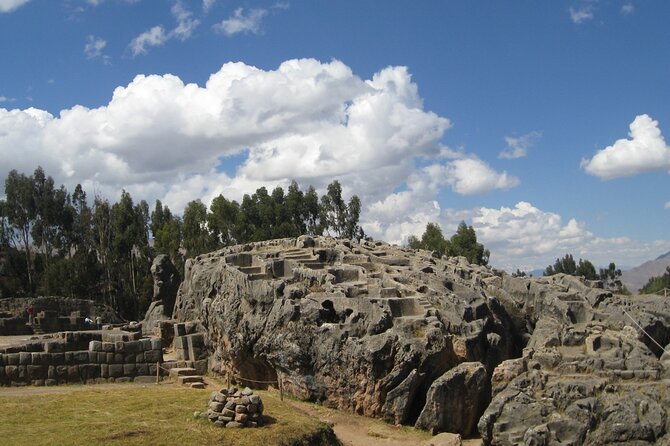
This tour is built for one thing: getting more Inca archaeology done while you’re still in Cusco town. If you only have a morning (or you’re saving Sacred Valley days for later), this route gives you four major sites that sit close enough to connect in half a day.
The value here isn’t just that you visit famous ruins. It’s the way the route removes friction. You’re picked up from your hotel, driven in comfort to the mountainside, and then dropped back in the city. You don’t need to coordinate taxis between sites, and you don’t lose time hunting down entrances.
You can also read our reviews of more tours and experiences in Cusco

Getting there fast: pickup, minivan comfort, and the real start time
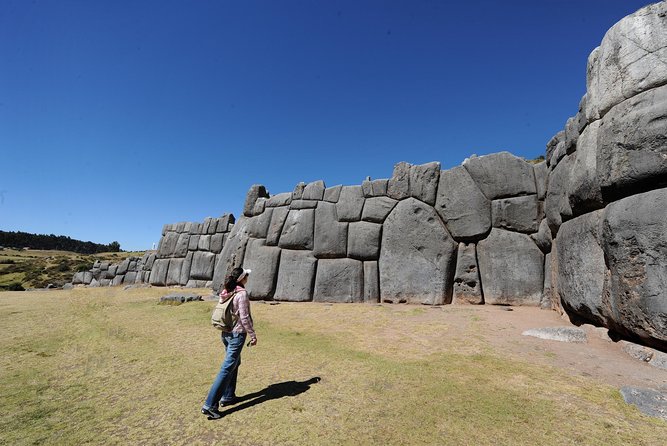
Pickup is scheduled from your Cusco hotel, and the group travels by air-conditioned minivan. That matters because altitude makes everything a little more tiring, and cold mornings can feel sharper than you expect.
One detail to watch: some hotels are in areas where the vehicle can’t go right to the front door. In those cases, you might meet your driver at a nearby accessible spot. Plan for that, especially if you’re traveling with limited time or tight schedules.
The tour starts at 8:00 am. That early start is a quiet advantage. Sacsayhuamán can get crowded later in the morning, and there’s genuinely no great substitute for being there while the site is still waking up. I’d also treat pickup time as a living thing, not just a number on a website. Confirm the night before so you’re not scrambling to be ready.
Sacsayhuamán at first light: three levels and megalith puzzles
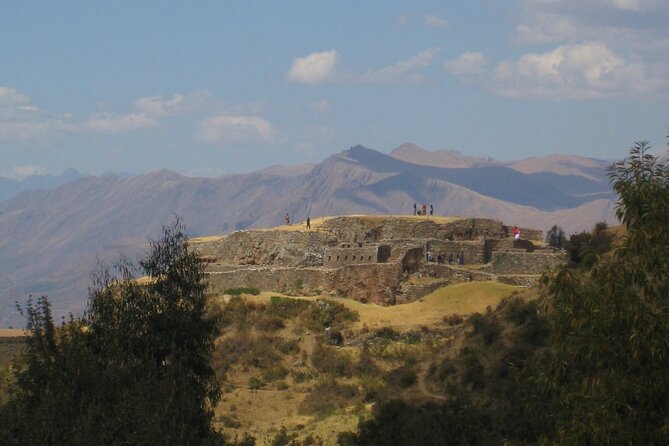
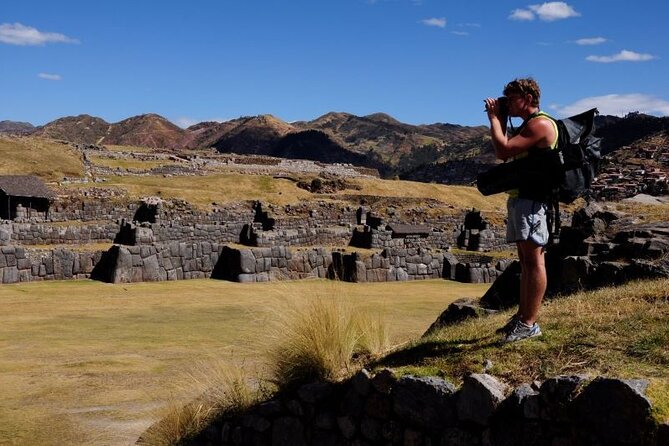
Sacsayhuamán is the anchor stop, and it’s why many people choose this tour in the first place. You’ll see panoramic views over Cusco, then walk among the stone terraces and fortress-like remains that show off the engineering the Incas were known for.
A few things to focus on so your time feels worthwhile:
1) The three levels
The site is organized into multiple tiers. When you’re moving fast, it’s easy to miss that the layout isn’t random. Stop for a moment and look across the levels. Even if you can’t read every detail like a textbook, you’ll start seeing how the space functions.
2) The massive stone blocks
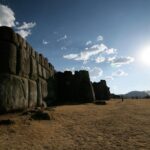
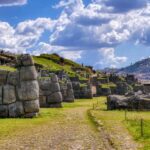
Sacsayhuamán’s stones are the kind of thing that make you automatically imagine the work of moving and fitting them. That thought is part of the experience. Your guide’s job is to give you context for what you’re looking at, so the stones become a story instead of just impressive walls.
3) Animal-related carvings and symbolic shapes
One of the most interesting things here is the chance to spot carving motifs tied to animal symbolism and Inca worldview ideas. If you’re into iconography, ask your guide where those details sit and what they were meant to represent. You can’t always see everything from one spot, so slow down for a minute rather than rushing to the next photo point.
Time on paper is about 1 hour 30 minutes at Sacsayhuamán. Some days that feels perfect. Other days, especially if the group is quicker or the schedule needs tightening, it can feel shorter than you want. If you care most about deep exploration, keep that in mind.
Q’enqo’s rock shrine: winding passages, sacrifice altar, and possible access limits
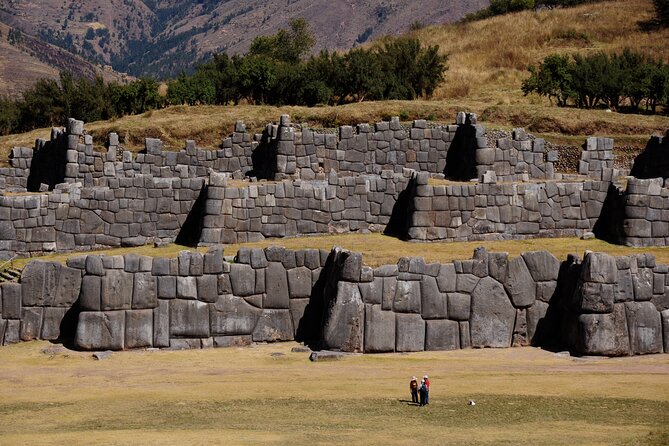
Q’enqo is different from Sacsayhuamán. Instead of big terraces and fortress walls, you get a carved-rock complex. The site is known for winding passages and a central altar area, with the shrine concept often explained as a place tied to ceremonies.
Here’s the practical consideration: Q’enqo access can be restricted. The tour information notes that it may not be accessible at certain times due to COVID-related reasons. If that happens, you still won’t lose the whole stop, but your visit may shift more toward viewpoints and explanations rather than walking through the most intimate parts.
Your best move is simple: if you arrive and it’s restricted, ask your guide what you can still access and where you can get the panoramic view of the top labyrinth area. Even without full access, Q’enqo works well when you treat it like a story told in stone rather than a checklist.
Puca Pucara: the red fortress, military role, and water features
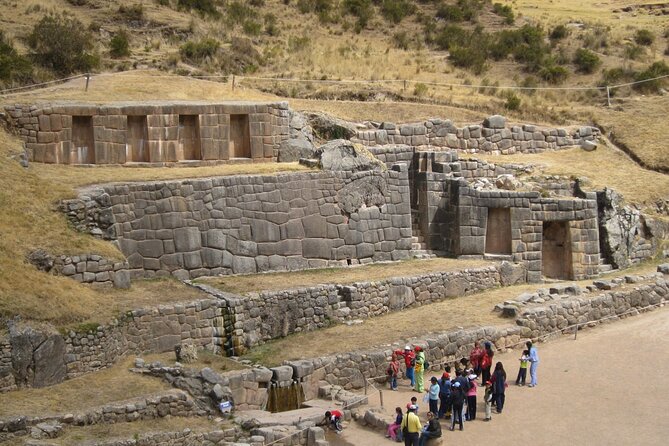
Puca Pucara means red fortress in Quechua, and the name fits the vibe: a hilltop lookout with defensive purpose. This stop is shorter, but it has strong “context” value because it connects back to Cusco’s larger Inca defensive and ceremonial landscape.
What to look for here:
Stone walls and a commanding viewpoint
You’re on a hill, so the best value is the sense of where watchers would stand. Take a few minutes to look out over the terrain so the military function makes sense.
Aqueducts and water elements
Puca Pucara isn’t only about defense. It includes water features, and your guide can help you connect that to the Inca habit of engineering water into both practical and ceremonial life.
Checkpoint purpose
The site served as a checkpoint in the past. Even if you don’t know the exact routes, you can imagine how controlling sightlines mattered.
This stop is typically about 30 minutes. That can feel “just right” if you’re enjoying the early momentum. It can also feel too short if you’re hoping for lingering viewpoints and extra photos.


Tambomachay springs: water rituals and Andean beliefs you can actually picture
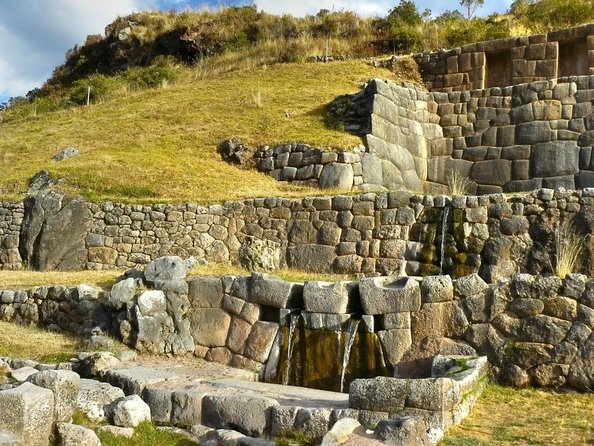
Tambomachay is a ceremonial complex centered on natural springs. If Sacsayhuamán is the stone statement, Tambomachay is the water one.
The big idea your guide will bring to life is that the springs and water channels were sacred to the Incas. You’ll learn about the water channels and how the water features fit into ritual life.
There’s also a belief story attached to Tambomachay: spring water was connected to ideas about youth and luck. Even if you don’t buy every belief literally, it’s useful because it changes how you look at the site. Water stops being “pretty” and starts being symbolic.
This stop runs about 45 minutes on the schedule. In that time, you can slow down enough to notice how the water system is laid out, and how the site’s design makes the flow feel central to the experience.
Guide quality: why bilingual explanations make a real difference
A tour lives or dies by the guide. This one includes a live bilingual guide in Spanish and English, and that’s more than a comfort perk. At these sites, you’re looking at shapes, terraces, symbols, and engineering choices that won’t automatically make sense unless someone explains them.
In past departures, guides named in guest accounts include Jose Aguilar, Ana, Henry, Alex, Yuber, Marinés, Robinson, and River. The consistent theme across those names is that good guides connect visible features to what they meant, instead of just naming locations.
That doesn’t mean every day will feel perfectly paced. Some guides reportedly kept things on schedule with a calm, easy flow. Others ran faster, and a few guests felt the information was thin at the smaller stops. So if you’re the type who likes details, ask your guide questions as you go. Simple questions work best, like:
- What am I supposed to look for in this section?
- How did this feature connect to ceremonial or military life?
- What symbol should I notice here?
You’ll get more out of the tour that way, especially when time is tight.
Time management and the shop stop question
A half-day tour has a built-in trade-off: every minute spent driving or inside a shop is one less minute at a ruin.
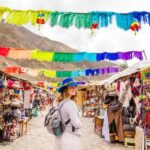
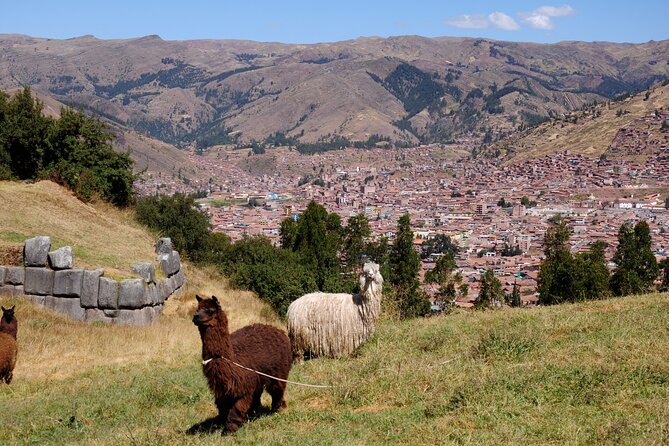
Your itinerary includes four archaeological sites with tickets. But some departures also include time for a textile/alpaca-silver shop stop, where you can learn about different fibers and wool types. That can be interesting if you like crafts, and the info about alpaca versus other fibers can help you spot quality later. It can be annoying if you didn’t plan to shop or you prefer to keep all your time on the actual archaeological sites.
If you’re price-sensitive, watch the payment details. One past guest described extra charges when paying by Visa, so if you buy anything, ask about total price first and consider using cash if that’s a better deal for you. You can also go in with a no-pressure rule: look only, decide later, and don’t let sales timing push you to rush photos at Puca Pucara or Tambomachay.
What you should bring for Cusco’s morning ruins
Cusco altitude and sun can catch you fast, especially early when you don’t expect strong rays. Bring:
- sunscreen and a hat (you can still burn on cool mornings)
- water bottle
- sturdy shoes with good grip for stone steps and uneven ground
- a light layer for the ride and shade
- a small power bank if you plan to use your phone camera a lot
If you’re visiting in rainy season, also be ready for slick steps. One guest specifically warned that steps can be challenging when wet.
Price and value: what $69 buys you in practice
At $69 per person, this tour isn’t just “cheap access.” It’s paying for three things that add up quickly if you try to do it on your own:
- transportation between multiple sites in a short window
- a bilingual guide to turn ruins into something you can understand
- prebooked admission covering four sites in the Archaeological Sacsayhuaman Park
If you were to self-plan, you’d still need tickets and you’d likely spend time coordinating rides. The real question is your preferred pace.
If you want a structured morning overview with minimal logistics, this price feels fair. If you want a slow, photo-heavy visit to Sacsayhuamán and you hate shopping stops, the schedule might feel restrictive. In that case, you may be happier hiring a taxi or arranging a more flexible format, so you control how long you spend at each viewpoint.
Who this tour suits best (and who should skip it)
You’ll likely love this tour if you:
- have limited time in Cusco and want the “outer city” Inca sites
- enjoy a guided explanation while you’re standing where it happened
- like the convenience of pickup, transport, and prebooked tickets
- want to be at Sacsayhuamán early to dodge the worst crowds
You might want to rethink it if you:
- strongly prefer long stays at one site (Sacsayhuamán) over quick stops
- dislike added textile or shopping time
- know you’re the kind of person who needs slow pacing to really absorb ruins
Should you book this half-day Inca circuit?
I’d book it if your goal is smart time use: see four important sites near Cusco, get guided context, and still be back for lunch. The early start helps, the small-group cap keeps it calmer than mass tours, and prebooked tickets save hassle.
I’d be cautious if your top priority is lots of time at Sacsayhuamán or if you want zero detours. In that case, check your expectations about pace and any extra shop timing before you commit. This tour can be excellent when it’s paced well, and it can feel rushed when the schedule gets tight.
FAQ
How long is the Sacsayhuaman Temple, Tambomachay and Puca Pucara half-day tour?
The duration is approximately 3 hours.
What time does the tour start in Cusco?
The tour starts at 8:00 am.
Is admission included for all the archaeological sites?
Yes. Admission tickets are included and are prebooked for the Archaeological Sacsayhuaman Park covering four archaeological sites.
How big is the group?
The maximum group size is 14 travelers.
What language will the guide speak?
The tour includes a live bilingual guide with Spanish and English service.
What is the cancellation policy?
Free cancellation is available. You can cancel up to 24 hours in advance for a full refund, based on the experience’s local time. If you cancel less than 24 hours before the start time, the amount paid is not refunded.