REVIEW · URUBAMBA
From Cusco: Salkantay trek 5 days/4 nights meals included
Book on GetYourGuide →Operated by Libertrek Peru Travel Agency · Bookable on GetYourGuide
Salkantay turns every day into a new climate. On this 5-day trek from Cusco, I like the big altitude payoff (the Salkantay Pass) and the way the route keeps moving toward Machu Picchu without wasting time. You also get a proper support setup: an expert guide, a chef’s team, camping gear support, and Machu Picchu ticket + guided visit.
There’s one real consideration: this is not a stroll. You’re hiking multiple long days, including a high pass at 4,650 m, and it helps a lot if you’re already fit and comfortable with steep uphill.
In This Review
- Key things to know before you go
- Salkantay in one trip: from Humantay Lake to Machu Picchu
- Day-by-day: what you actually hike and where you sleep
- Day 1: Cusco → Soraypampa → Humantay Lake → Quiswarniyoc private camp
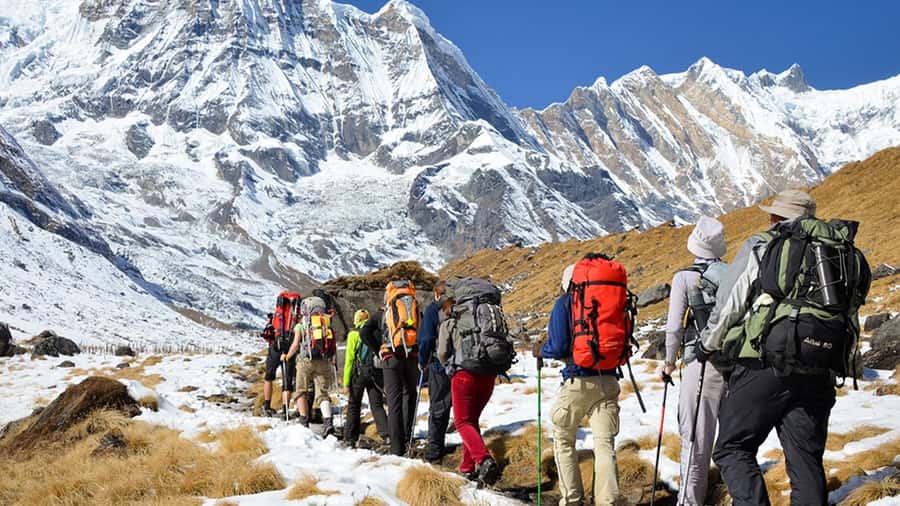
- Day 2: Quiswarniyoc → Salkantay Pass (4,650 m) → Wairacmachay → Chaullay
- Day 3: Chaullay → Playa Sahuayaco → Santa Teresa → optional hot springs
- Day 4: Santa Teresa → Lucmabamba → Llactapata → Hidroeléctrica → Aguas Calientes
- Day 5: Machu Picchu main entrance at ~6:00 am → guided citadel tour → Cusco
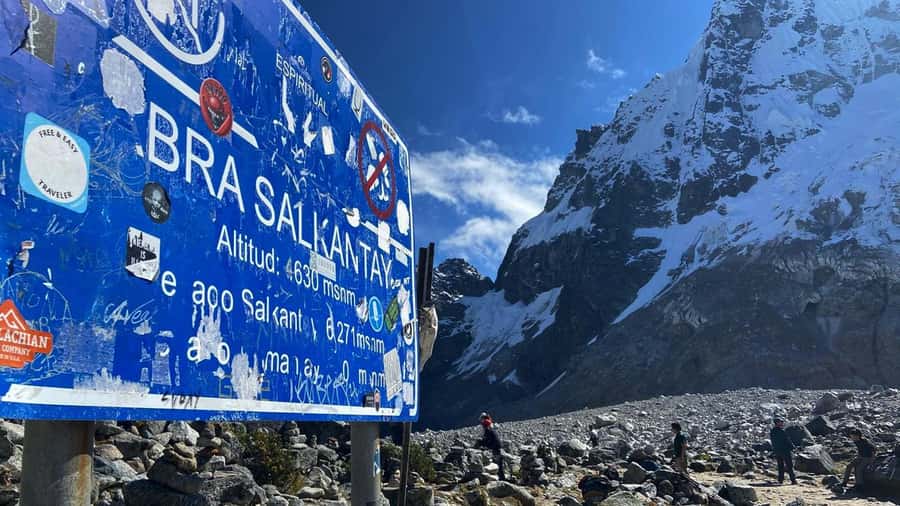
- Altitude reality check: Salkantay Pass at 4,650 m
- Camping comfort you should care about (and the duffel system)
- Humantay Lake entrance and the small practical costs
- Machu Picchu morning routine and the guided citadel circuit
- Food, chef, and vegetarian options that keep you moving
- Hot springs and the Santa Teresa recovery day
- Price and logistics: what you pay for, and what you budget
- Who this tour fits best (and who should skip it)
- Should you book this Salkantay trek?
- FAQ
- What’s the tour duration and starting point?
- What’s included in the price besides guiding?
- Do I need to bring my own sleeping bag?
- Is Humantay Lake entrance included?
- What about food for vegetarian or vegan diets?
- How does luggage work during the first part of the trek?
- How do you get back to Cusco after Machu Picchu?
Key things to know before you go
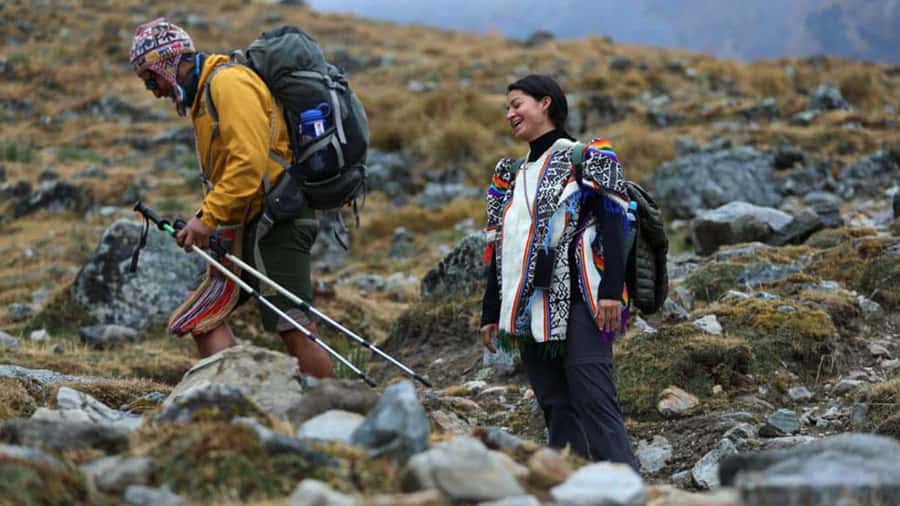
- Crossing the climate shift: expect warm valley walks after the high, cold pass.
- Meals are truly covered: 4 breakfasts, 4 lunches, 4 dinners (plus the “middle of nature” camp experience).
- Camping with comfort details: thick-mattress cabins some nights, plus a 2.5-inch foam pad.
- Luggage is managed: a duffel bag system (up to 7 kg) carried by horses for the first 3 days.
- Machu Picchu is guided: about 2.5 hours with an expert guide covering key points.
- Small group size: limited to 18, so you’re not lost in a crowd.
Salkantay in one trip: from Humantay Lake to Machu Picchu
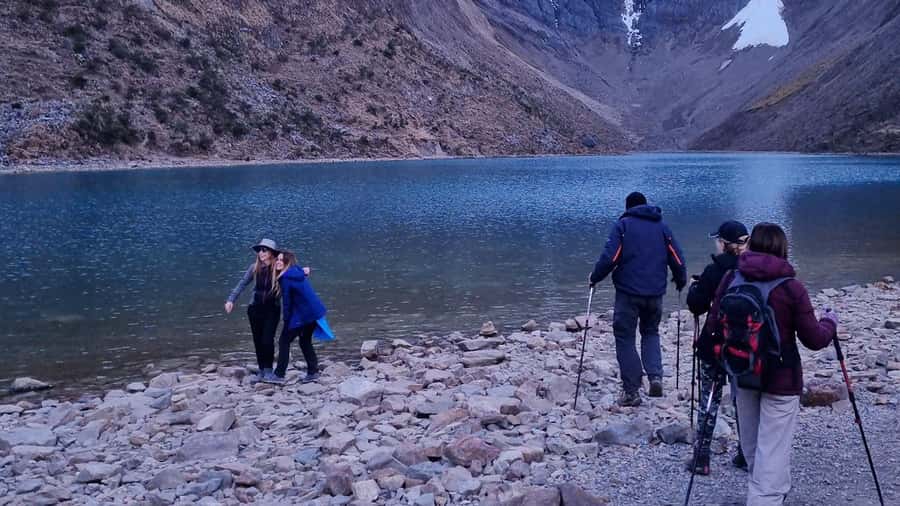
This trek is built around a simple idea: hike the Andes like the old trail intended, then arrive at Machu Picchu with fresh legs and fewer logistics headaches. You start from the Cusco region and begin with mountain scenery near Soraypampa and Humantay Lake (you’ll need a small extra payment for the lake entrance). From there, the route pushes you up to the Salkantay Pass, then down into a totally different feel as you drop in elevation toward the Santa Teresa Valley.
The best part, for me, is that it’s not just “walk, then walk again.” Each day has a clear purpose. Day 1 warms you up with a mix of uphill and downhill. Day 2 hits the main high point. Day 3 becomes a valley day with time near rivers and farms. Day 4 connects to the approach side of Machu Picchu by way of Llactapata and the Hidroeléctrica-to-Aguas Calientes stretch.
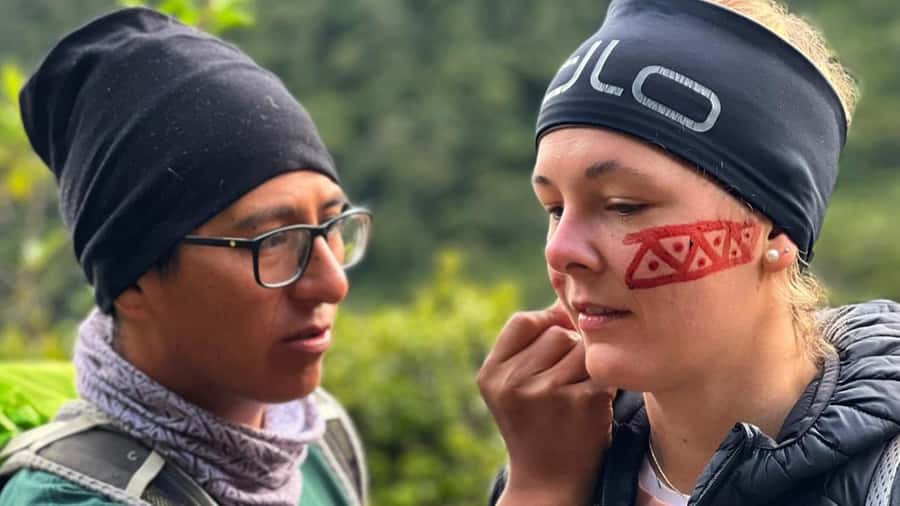
And you’ll also get some culture built in. The tour includes learning about mountain gods and doing a small Andean ritual. Even if you’ve read about Inca beliefs before, this kind of moment can make the hike feel less like exercise-only and more like being in place.
You can also read our reviews of more hiking tours in Urubamba
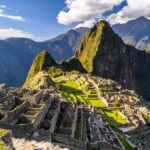
Day-by-day: what you actually hike and where you sleep
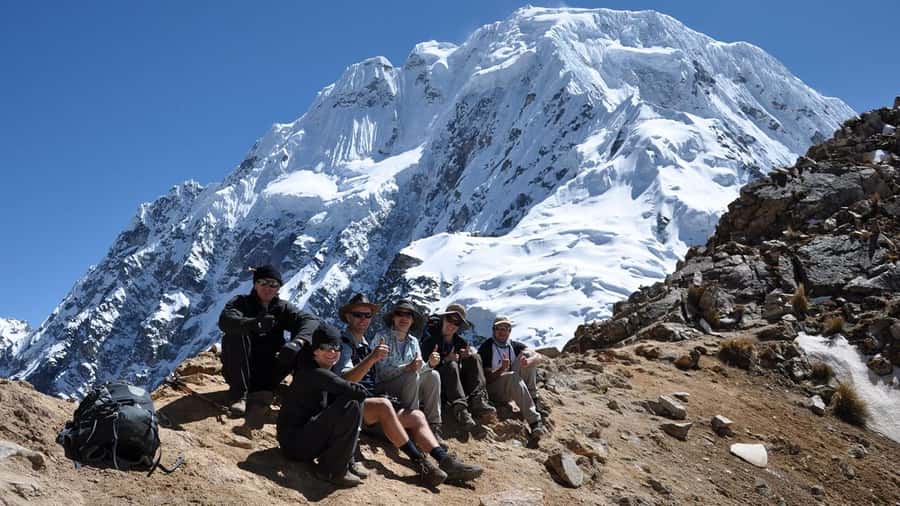
Here’s the rhythm, day by day, with what matters for your comfort and expectations.
Day 1: Cusco → Soraypampa → Humantay Lake → Quiswarniyoc private camp
Pickup happens from your hotel in Cusco around 5:45 am, with a drive to Mollepata for breakfast. After breakfast, you continue by vehicle for about an hour, reach Soraypampa, and begin about a 2-hour uphill walk to Humantay Lake area. Then you go down for about 2 hours and have lunch at Quiswarniyoc.
Two things to plan for: morning altitude in the Cusco region can feel sharp even before the big pass day, and Day 1 sets your pace. The “free time to explore” at the camp area is useful for acclimatizing and taking photos before the real climbing starts.
Sleeping: the first nights include Mountain Sky cabins with thick mattresses plus lighting inside for nighttime sanity.
Day 2: Quiswarniyoc → Salkantay Pass (4,650 m) → Wairacmachay → Chaullay
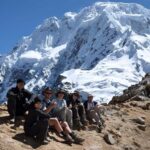
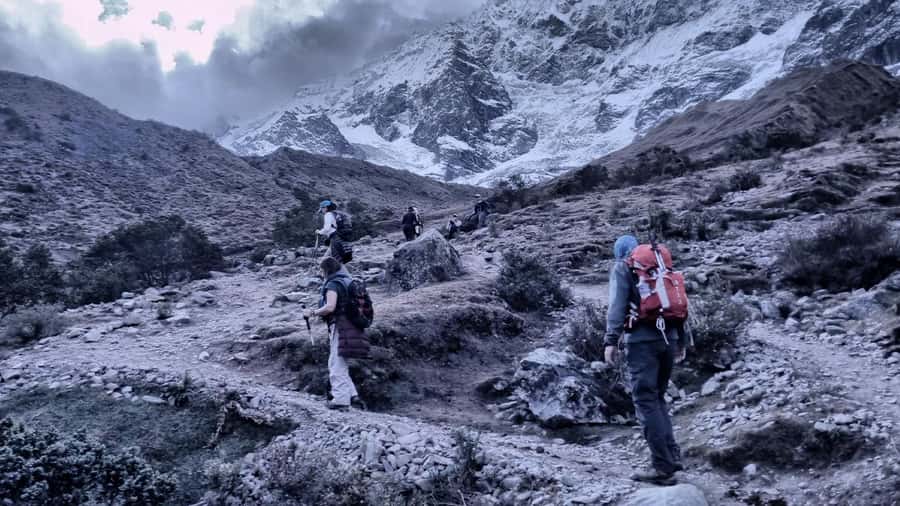
After breakfast, you walk for about 4 hours to the Salkantay Pass at 4,650 meters. Then it’s a descent for about 4 hours down to Chaullay (around 2,900 m). Once you arrive, you get camping equipment, hot tea, and dinner.
This is the day where you stop pretending you’ll be casual. Take it slow uphill, keep breathing controlled, and don’t try to win a race to the pass. The higher you go, the less “strength” feels useful and the more pacing matters.
Day 3: Chaullay → Playa Sahuayaco → Santa Teresa → optional hot springs
Day 3 follows the Santa Teresa Valley, using the Salkantay River as a guide through the terrain. You walk around 5 hours to Playa Sahuayaco, then take tourist transportation to Santa Teresa for your third camp.
Lunch is at camp, then you have an option: go to the Colcampayo hot springs (about 15 minutes by car). This is one of the smart “recovery” choices after the pass day, especially if your legs are protesting with every step.
Sleeping: you’ll stay in camping accommodation as included in the trip plan.
You can also read our reviews of more tours and experiences in Urubamba
Day 4: Santa Teresa → Lucmabamba → Llactapata → Hidroeléctrica → Aguas Calientes
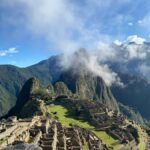
This is an early start: breakfast around 5:30 am. Then you take transport for 45 minutes to Lucmabamba. From there it’s about a 3-hour uphill walk to the Inca ruins of Llactapata. Once you’re there, you get views toward Machu Picchu and Huayna Picchu.
After Llactapata, you go downhill for 2 hours to Hidroeléctrica for lunch. Then you walk roughly 3 hours along train tracks to Aguas Calientes (Machu Picchu town). When you arrive, you can rest at a hotel and have dinner around 7:00 pm.
This day can feel long on paper, but it’s also satisfying because you’re gradually stepping into the Machu Picchu zone from the trail side.
Day 5: Machu Picchu main entrance at ~6:00 am → guided citadel tour → Cusco
Wake up around 4:00 am. You get a packed breakfast and walk about 30 minutes to the Puente Ruinas checkpoint, where you present your passport, Machu Picchu ticket, and student ID if you qualify.
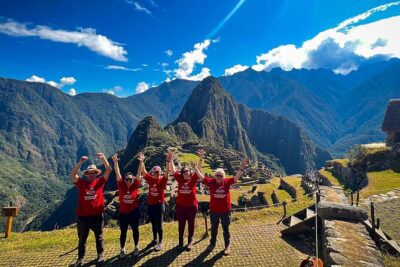
After that, you climb stairs for about 1 hour to reach the main gate around 6:00 am. Then you take a guided tour of Machu Picchu for about 2.5 hours, covering major areas like the main square, urban sector, circular tower, solar clock, and Inca cemetery. After the tour, you head back to Aguas Calientes, then return to Cusco by train or walking/car, depending on your chosen option.
Altitude reality check: Salkantay Pass at 4,650 m
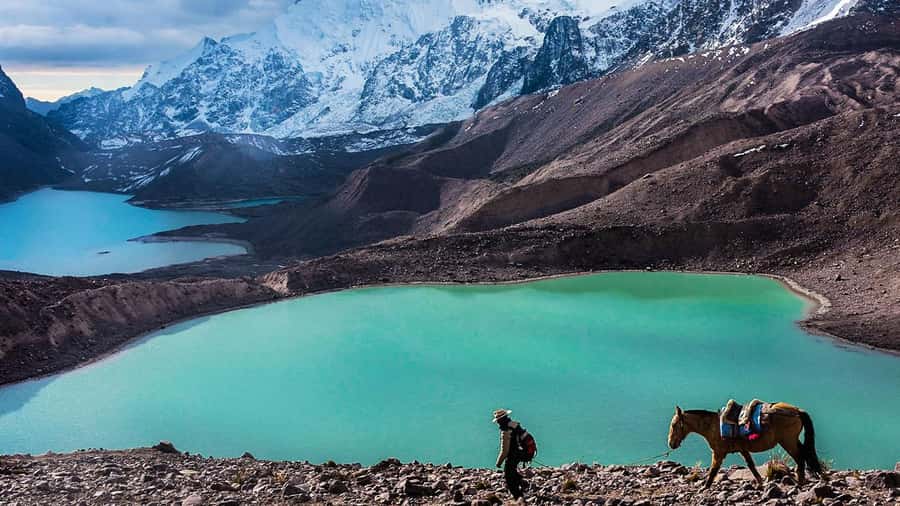
If there’s one part of this trek where you should be honest, it’s the Salkantay Pass day. At 4,650 m, you’ll feel it even if you work out. Shortness of breath doesn’t mean you’re doing it wrong; it means you’re at altitude and you should adjust your pace immediately.
What helps:
- Move slower than you think you should.
- Take frequent breaks without stretching forever.
- Drink water consistently, even if you don’t feel thirsty.
The good news is the itinerary gives you contrast fast. After the pass, you descend to Chaullay at about 2,900 m, which tends to feel like a relief. Then Day 3 drops you further into valley terrain, and the climate shift becomes real, not theoretical.
Also keep in mind that this tour is not listed as suitable for pregnant women or people with mobility impairments. That’s not “extra caution”; it’s a sign the hiking intensity and altitude aren’t built for limited mobility.
Camping comfort you should care about (and the duffel system)
The sleeping setup here is one of the practical reasons this trek can feel manageable. The first two days include Mountain Sky cabins with thick mattresses, a glass door, and lighting so you’re not stumbling around in the dark like it’s a survival TV show. You’ll also get a personal pad: double foam, 2.5 inches thick.
But the bigger comfort win is the luggage plan. You pack into a duffel bag (7 kg allowance) that gets transported by horses during the first 3 days. That means you can hike with what you need: layers, water, snacks, and your essentials—without carrying every pound you own.
Still, pack smart. Even if horses carry the duffel, you’ll want to keep your hands free and your day bag light. Bring a warm layer for cold mornings, even if you expect “hot Peru” later in the trek.
Humantay Lake entrance and the small practical costs
Humantay Lake isn’t included in the main package. You’ll need to pay the local government entrance fee in Mollepata area (listed as 20 soles). It’s a minor add-on, but it’s worth remembering so you don’t arrive surprised.
A few other items can affect your budget:
- Sleeping bag: if you don’t have one, you can rent (listed as 10 USD).
- Hot springs at Santa Teresa: entrance and transport to Santa Teresa hot springs are listed as 10 USD (separate from the included optional Colcampayo soak).
- Transport down to Machu Picchu from Aguas Calientes: 24 USD for the route between Aguas Calientes and Machu Picchu is listed as not included.
None of these are huge, but they add up. If you keep a small “cash buffer,” you’ll enjoy the trek more because you’re not negotiating tiny logistics with tired legs.
Machu Picchu morning routine and the guided citadel circuit
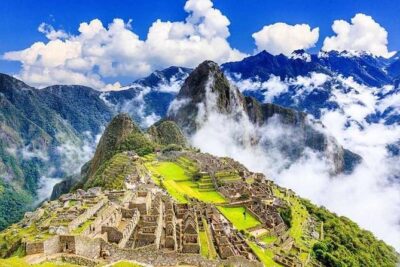
Machu Picchu is the final flex, and this plan sets you up to see it with structure. You wake at ~4:00 am, walk to the Puente Ruinas checkpoint, and climb to the main gate around 6:00 am. Early start matters because it helps you get into the citadel before the midday surge and keeps your day from turning into a stress test.
Document check is real: you’ll present your passport, Machu Picchu ticket, and student ID if applicable. Keep them organized in one place and don’t rely on a “somewhere in my backpack” plan.
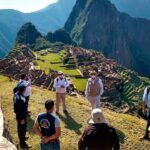
Once inside, you get a guided tour of about 2.5 hours. You’re not just wandering. The guide points out the main square, urban sector, circular tower, solar clock, and the Inca cemetery. This is exactly the kind of overview that turns a photo from “cool rocks” into “I get what I’m looking at.”
Then you head back to Aguas Calientes and return to Cusco by train or walking/car based on your choice.
Food, chef, and vegetarian options that keep you moving
The food here is built into the trek, not just “snacks and hope.” You get 4 breakfasts, 4 lunches, and 4 dinners. In a trek like this, that coverage is more valuable than it first sounds. Buying meals separately on hiking days often means rushed eating and lower-quality calories.
The tour includes a professional chef and kitchen team, and it shows in the camp meals. Expect proper meals at lunch and dinner times, not just light bites. You’ll also be offered vegetarian/vegan options at no extra charge if you request them ahead of time.
One small tip: still treat dessert and sweets like tools, not distractions. Eat when it’s available, especially after the big pass day.
And don’t underestimate hydration after long downhill stretches. Some days can leave your legs feeling rubbery; calm eating and steady drinking helps your body recover instead of just enduring.
Hot springs and the Santa Teresa recovery day
Day 3 finishes in Santa Teresa, after a long walk through the valley. That makes it the natural recovery day. There’s an optional trip to the Colcampayo hot springs (about 15 minutes by car from the camp area). If your muscles feel tight, this option can be worth it because it’s after your hardest altitude day.
You also have another hot-springs option: Santa Teresa hot springs, which is listed as not included (entrance and transport 10 USD). Since both are mentioned, it helps to decide based on your energy and your budget.
Practical advice: if you’re going to any hot springs, pack flip-flops and a small towel. And keep your layers ready afterward. Warm water can make you feel cozy, but the air on the hike back to camp can still be cool.
Price and logistics: what you pay for, and what you budget
At $460 per person for a 5-day trek, the price looks reasonable only if you account for what’s included. This tour bundles a lot:
- Expert guide (English/Spanish) for the trek
- Chef + kitchen team
- Camping nights (3 nights) and 1 night hotel in Aguas Calientes
- Private transportation to the trail from Cusco
- Machu Picchu ticket plus a guided Machu Picchu tour
- Return to Cusco by train or walking/car
- First aid kit and oxygen bottle for emergencies
- Vegetarian/vegan options on request
When you compare that to piecing together separate services, the included Machu Picchu ticket and guide are a big deal. It’s not just the trek day hiking; it’s the final-day entrance process and on-site explanation.
What you should budget for (most likely):
- Humantay Lake entrance (20 soles)
- Sleeping bag rental if needed
- Hot springs costs if you choose them
- The Aguas Calientes ↔ Machu Picchu transport cost (24 USD listed)
Also, you should expect early mornings. Pickup from your Cusco hotel is built in, and you’re told to wait about 10 minutes before pickup time. On a trek schedule, that small prep habit keeps the day smooth.
Who this tour fits best (and who should skip it)
This trek fits best if you’re sporty, comfortable hiking day after day, and willing to handle altitude. Good hiking shoes matter. If you’re the type who likes steady effort and doesn’t mind steep climbs, you’ll enjoy the Salkantay Pass day without it feeling like a personal vendetta.
It’s also a good match if you want:
- Small group hiking (max 18 participants)
- A team that handles camp setup and meal timing
- A guided arrival at Machu Picchu so you get meaning, not just steps
It’s probably not your best choice if:
- You can’t handle long hikes with uphill and downhill
- You need mobility accommodations
- You’re pregnant (not suitable as listed)
Should you book this Salkantay trek?
I’d book it if you want the classic route with a safety net and real structure: camping support, meals covered, a chef team, and Machu Picchu handled with a guide and ticket included. The price works best when you compare it to the total value you’d otherwise build yourself, especially for Machu Picchu entry and the guided circuit.
Skip or reconsider if you’re unsure about your hiking fitness. This is not “viewpoints only.” You’re hiking to a high pass at 4,650 m, then continuing for several more demanding days.
If you do book, do two things early:
- Make sure you have the footwear and layers for cold mornings and steep trails.
- Plan your “extras” budget for Humantay Lake entrance, sleeping bag rental if needed, and any hot springs and transport costs.
Book when your legs and schedule are ready, and you’ll get a trek that feels like a full Andes story, not just a box-checking hike.
FAQ
What’s the tour duration and starting point?
This is a 5-day trek that starts in Cusco, with hotel pickup included in the Cusco area.
What’s included in the price besides guiding?
The package includes hotel pickup, private transportation to the trail, 3 nights camping, 1 night hotel in Aguas Calientes, 4 breakfasts, 4 lunches, 4 dinners, a duffel bag system (7 kg) transported by horses for the first 3 days, Machu Picchu ticket, and a guided Machu Picchu tour. It also includes an oxygen bottle and a first aid kit.
Do I need to bring my own sleeping bag?
Sleeping bags are not included. If you don’t have one, you can rent one (10 USD).
Is Humantay Lake entrance included?
No. The Humantay Lake entrance has a local government fee (20 soles).
What about food for vegetarian or vegan diets?
Vegetarian and vegan options are available upon request at no extra charge.
How does luggage work during the first part of the trek?
You receive a duffel bag to pack up to 7 kg, and that duffel is transported by horses during the first 3 days of the trek.
How do you get back to Cusco after Machu Picchu?
After the Machu Picchu visit, you return to Cusco by train or walking and car, according to your choice.