REVIEW · URUBAMBA
Cusco:Sacred Valley Pisaq,Ollantaytambo,Chinchero with Lunch
Book on GetYourGuide →Operated by Apu Ausangate Trek EIRL · Bookable on GetYourGuide
One day, three Inca highlights, and a great lunch. I love how this route strings together Pisac and Ollantaytambo with stories you can actually follow, and I like that you’ll travel with a bilingual guide in English and Spanish. You’re also working in market time, so it’s not just ruins, it’s the living culture around them.
The main thing to consider is that this is a long, full-day ride with limited time in each big site, so you’ll want comfortable shoes and a realistic pace.
In This Review
- Key Points Worth Marking on Your Map
- A Long Day in the Sacred Valley (That Actually Makes Sense)
- Cusco Pickup to Mirador de Taray: Views, Then Into the Work
- Pisac: The Market Buzz and the Inca Site Behind It
- The Inca side: more than pretty stones
- The market side: what you’ll actually shop
- The practical tradeoff
- Urubamba Lunch: The Reset You’ll Appreciate
- Ollantaytambo: Inca Engineering You Can Feel in Your Legs
- Why the Sun Temple hits different
- Photo stop plus guided tour
- Optional drop-off around 3:00 pm
- Chinchero: Textiles, Natural Dyes, and a Colonial Church on the Side
- What the workshop actually teaches
- A note on shopping time
- Transportation and Timing: How to Make This Day Tour Feel Less Like a Marathon
- Price and Value: What $28 Covers (and What Costs Extra)
- Who This Sacred Valley Tour Is Best For
- Should You Book This Tour?
- FAQ
- What does the $28 per person price include?
- Is lunch included, and what is it like?
- Do I need to pay entrance fees for archaeological sites?
- How long is the tour?
- What time does the tour end?
- Can I get dropped off in Ollantaytambo instead of returning to Cusco right away?
- What languages will the guide speak?
- What should I bring for the day?
- Is free cancellation available?
Key Points Worth Marking on Your Map
- Bilingual, story-first guiding in Spanish and English, with guides like Julio, Nora, Eddie, Manuel, and Eddy often praised for making the sites click
- Mirador de Taray viewpoint stop (time permitting) for fast, panoramic photo time
- Pisac’s Inca site details: temples, channels, carvings, tunnels, and the Intiwatana sun-dial stone plus a major cemetery
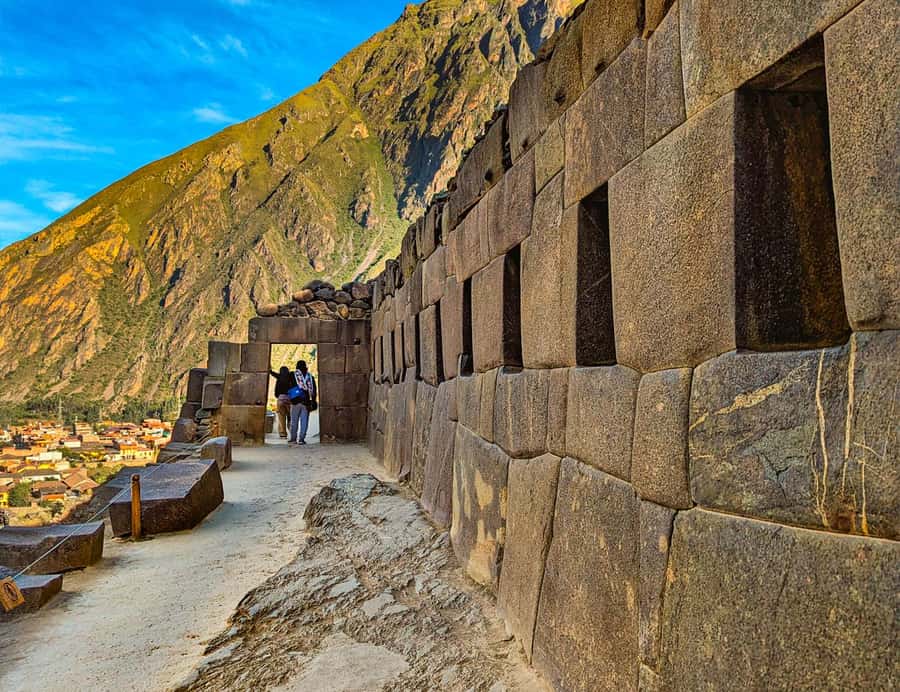
- Ollantaytambo’s Sun Temple with farming terraces and connected stone steps, plus the famous Spanish setback here
- Chinchero textiles in action: a weaving workshop focused on Quechua traditions and natural dyes from plants
- Good value mix: transport + guided stops + Urubamba buffet lunch included, while site entrance fees are extra
A Long Day in the Sacred Valley (That Actually Makes Sense)
This is one of those Cusco day tours that feels like it should be rushed, yet it usually doesn’t have to be. The route covers the Sacred Valley’s biggest “wow” stops in a way that helps you connect the dots between Inca power, everyday life, and Andean craft traditions.
The rhythm is built around bus time and guided time. You’ll start with a hotel pickup in Cusco, ride out through mountain roads, then move from one carefully timed stop to the next. If you like structure, this works. If you hate schedules, plan on having your own quiet moments here and there.
You can also read our reviews of more tours and experiences in Urubamba
Cusco Pickup to Mirador de Taray: Views, Then Into the Work
Most people start the day in the Centro Histórico area of Cusco (and depending on your pickup, you may meet the group there). From Cusco it’s about a 45-minute bus ride through the mountains, and yes, the views start early.
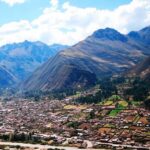
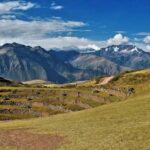
If the timing fits, you’ll get a stop at Mirador de Taray. It’s not a museum-style stop; it’s a quick breather with panoramic valley views and time for photos. Even a short pause matters here, because it gives you scale. After you see the valley from above, Pisac and Ollantaytambo start to feel less like random ruins and more like strategic places.
You’ll have a short break built into the morning, then continue on toward Pisac. Wear sunglasses and bring water, because the sun can be intense even when it feels cool.
Pisac: The Market Buzz and the Inca Site Behind It
Pisac is the kind of stop that works on two levels at once: you get the famous artisan market, and you also get an archaeological site that explains why this area mattered.
The Inca side: more than pretty stones
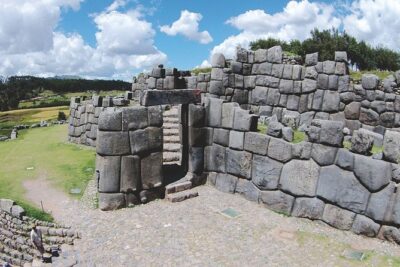
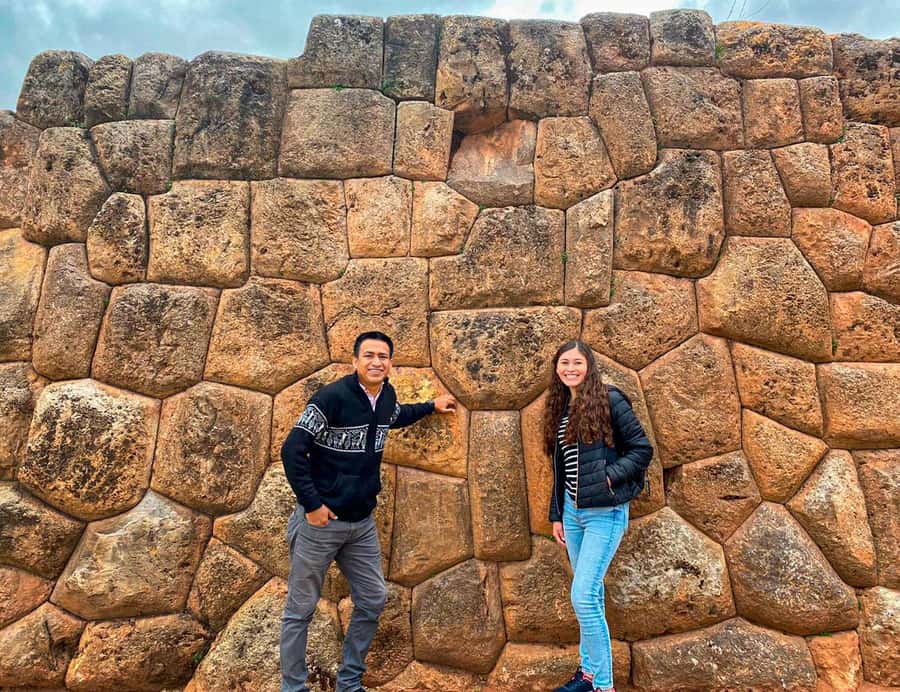
At the archaeological area, you’ll see temples, residences, altars, intricate channels, carvings, and even tunnels. Your guide will point out the details that are easy to miss if you’re only snapping photos.
Two big “look for this” moments are the Intiwatana, a sun-dialing stone, and the scale of the cemetery. Pisac is known for having over 2,000 tombs, described as the largest known Inca cemetery. That’s a reminder that this wasn’t only about temples and terraces. It was also about rituals tied to the dead.
The market side: what you’ll actually shop
After the site, the plan includes time to visit Pisac’s market by bus. This is where you can slow down a bit and browse locally made crafts. If you’re hoping to buy a textile, pottery, or small handmade souvenirs, Pisac is usually a good place to compare prices and styles without feeling like you’re in one of those high-pressure stops.


The practical tradeoff
Here’s the catch: some people feel the time at Pisac can be just enough to cover the main highlights. You’ll likely get a guided tour plus free exploration time, but you won’t have a full day here. If you love ruins and want to wander slowly, keep expectations realistic and save deeper exploring for another trip.
Urubamba Lunch: The Reset You’ll Appreciate
Lunch is in Urubamba, with about an hour for a buffet meal. This is more than a meal break. It’s your reset button between the big sites.
From what I’ve seen on this route, the buffet quality tends to surprise people for a day tour. You may get live music while you eat, and the buffet layout can include items like a ceviche corner on some service days. Translation: it doesn’t have to be a sad sandwich situation.
Also, Urubamba is a good moment to hydrate, check your photos, and recharge your legs. You’ll be eating close to the midpoint of the day, so you don’t need to treat lunch like an afterthought.
Ollantaytambo: Inca Engineering You Can Feel in Your Legs
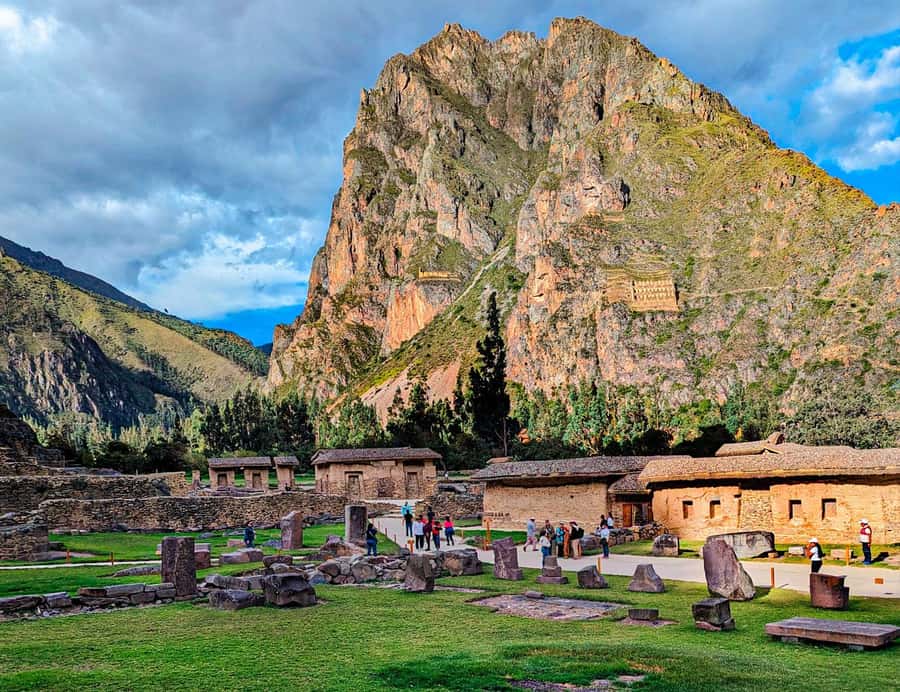
Ollantaytambo is often the emotional peak of the day for a lot of visitors. You’ll get both the Sun Temple area and time to walk around the town.
Why the Sun Temple hits different
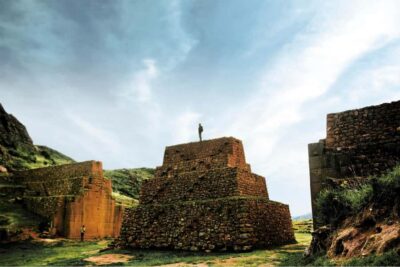
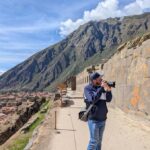
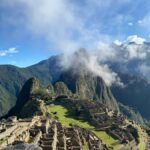
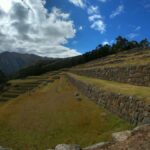
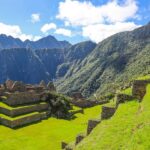
The Sun Temple sits up on a hilltop, and that elevation changes how the site feels. Expect impressive architecture, carvings, farming terraces, and stone steps that connect through the complex. These are the kinds of features that make you understand why the Incas didn’t just build for show.
Ollantaytambo is also described as one of the last major Inca buildings that played a role during the conquest era. One detail you’ll likely hear: it’s one of the few places where the Spanish lost a battle. That story gives the stones a sharp edge.
Photo stop plus guided tour
Your schedule usually includes a photo stop before the guided visit and walking time. In practice, that means you’ll get viewpoint shots and then a guided walk through the key areas.
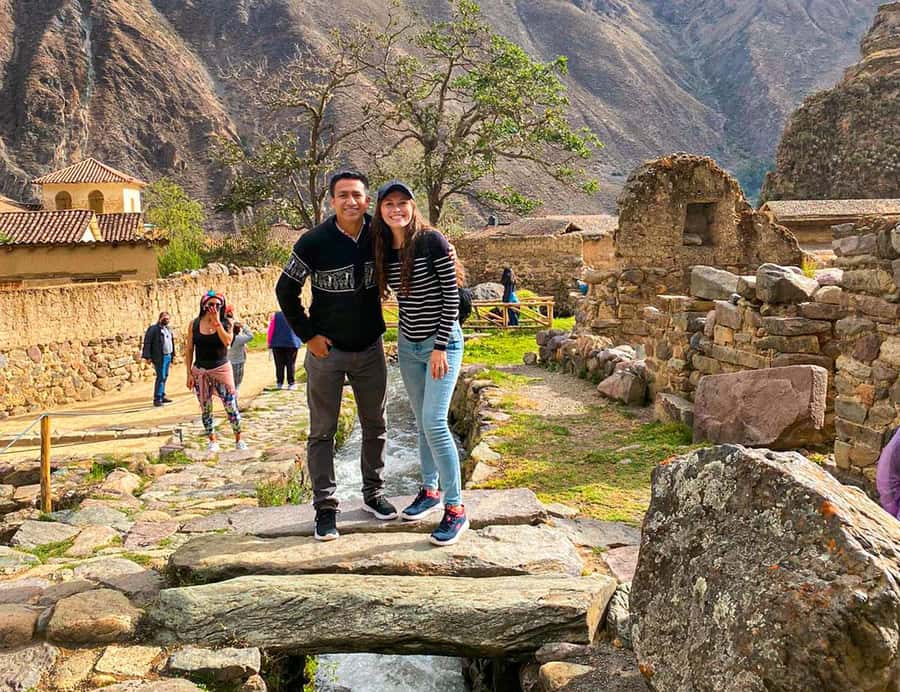
One consideration: the stairs are real. Even if you’re not hiking, you’re on terraces and stone steps. Comfortable shoes aren’t optional here; they’re the difference between enjoying it and focusing only on where to place your feet.
Optional drop-off around 3:00 pm
There’s also an option to be dropped off in Ollantaytambo around 3:00 pm (either at the train station or the main square). If you’re using this day as a launch pad to head toward the next part of your trip, this can be a smart way to save time.
Chinchero: Textiles, Natural Dyes, and a Colonial Church on the Side
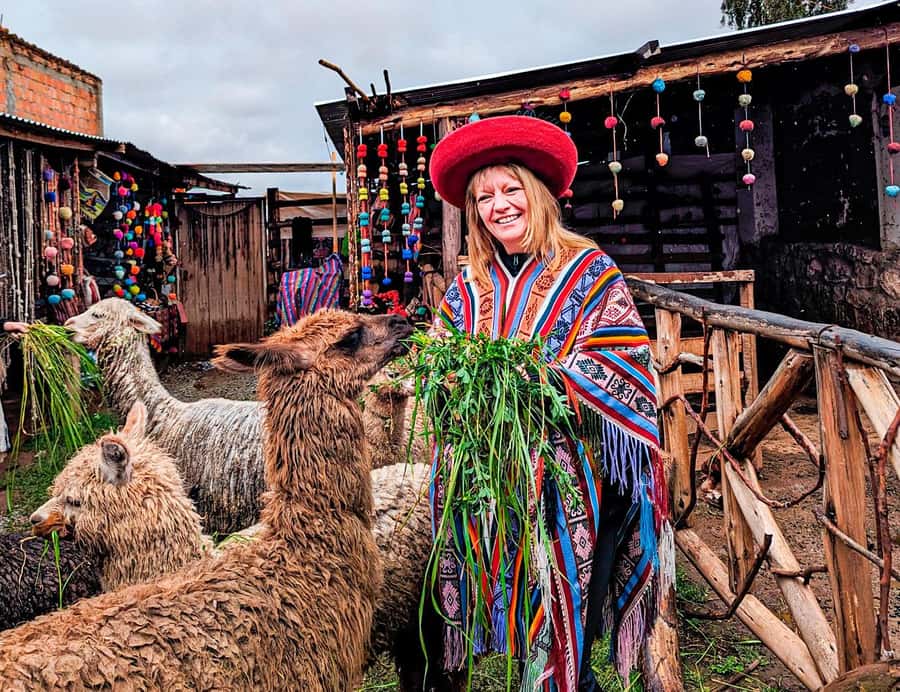
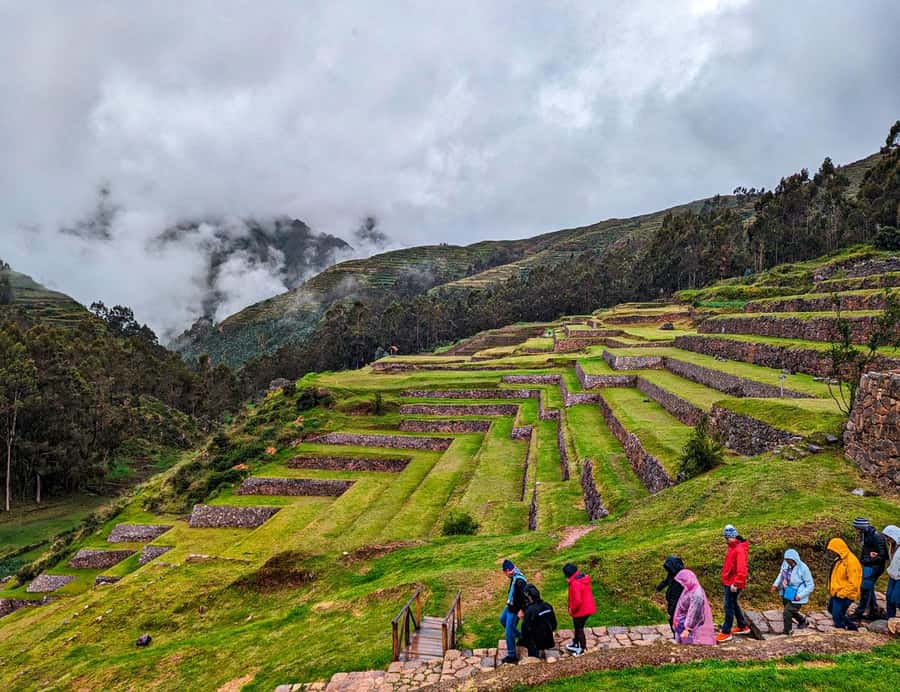
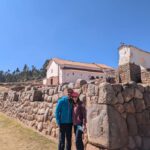
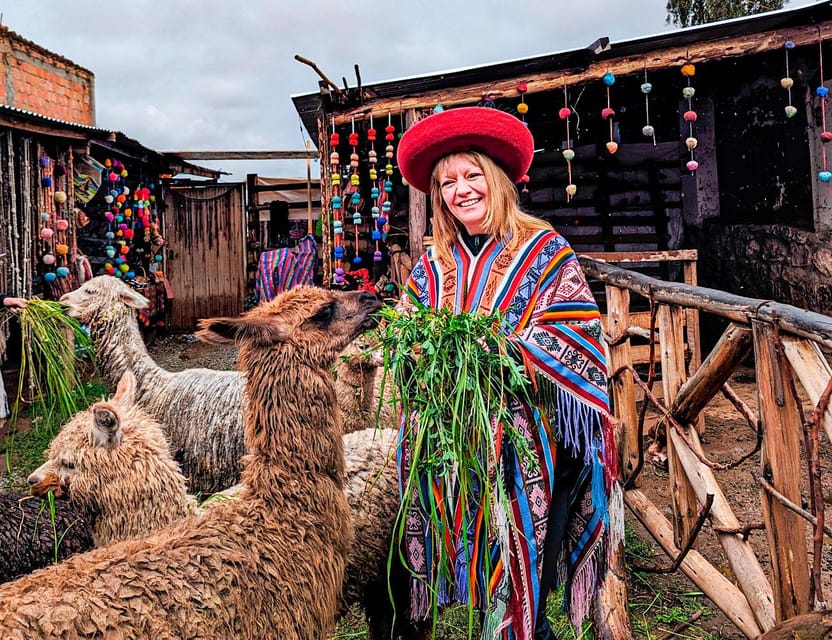
Chinchero is where the Sacred Valley tour stops being only about stone and starts focusing on daily life. You’ll visit the Chinchero archaeological zone with terraces and altars, plus a colonial church.
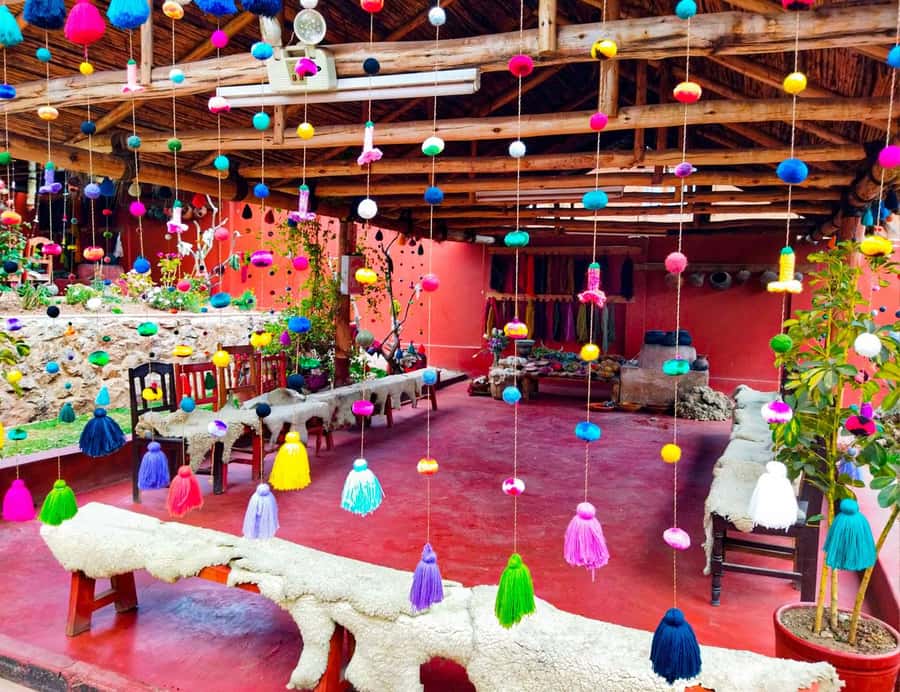
Then you’ll head to a weaving workshop. This is the part I think you’ll remember if you care about crafts and want more than a quick souvenir stop.
What the workshop actually teaches
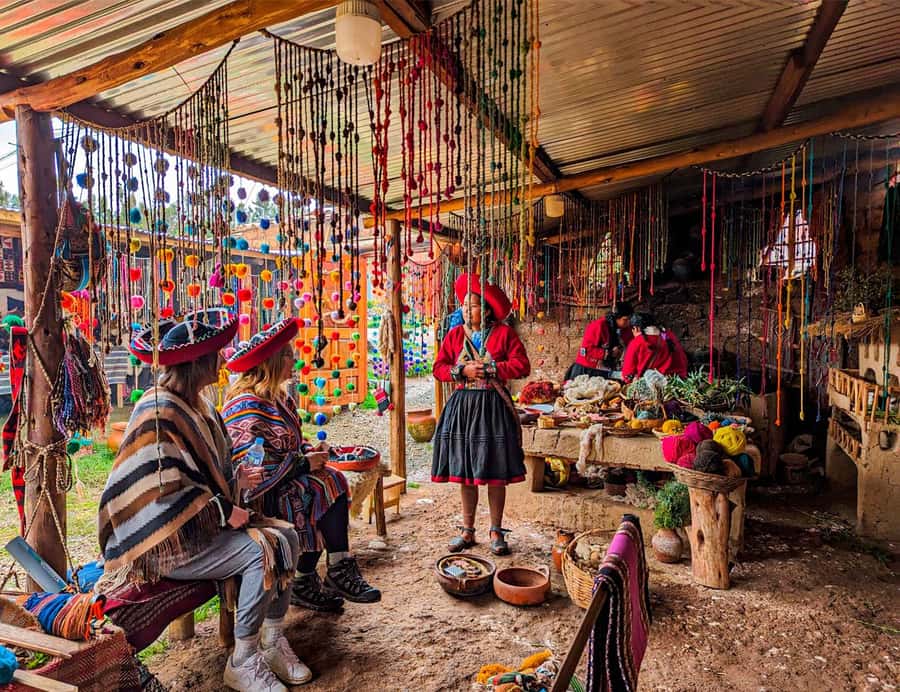
You’ll see local weavers practicing Quechua traditions, and you’ll learn how they obtain natural dyes from plants. That detail matters because it turns a textile from something you buy into something you understand.
You may also get time for pictures in traditional Andean clothing. It’s a fun add-on, but the bigger value is watching the process and understanding why certain colors and techniques are tied to local knowledge.
A note on shopping time
Chinchero often includes a bit of guided shopping time. It’s not mandatory in the sense that you can simply look around, but the structure is designed to give you access to the craft directly. If you’re the type who gets annoyed by any sales energy, you might want to keep it simple: browse quickly, ask about materials and dyes, then decide.
Transportation and Timing: How to Make This Day Tour Feel Less Like a Marathon
This tour is listed as a long day, with total duration of 630 minutes. That’s your clue that driving time and short stops are part of the package. The good news is the pace is generally well structured.
A few practical tips help a lot:
- Plan for stairs and uneven stone at Pisac and Ollantaytambo. Your legs will know the difference between sneakers and proper walking shoes.
- Bring sunscreen and water. Even on cloudy days, sun exposure around Cusco and the Sacred Valley can sneak up on you.
- Keep your phone charged. You’ll likely want photos at Taray, Pisac, and Ollantaytambo, and you’ll regret it if your battery dies during one of the best views.
On comfort, buses and vans are typically described as comfortable, and the driving is often noted as smooth around corners. Still, if you get motion-sick, treat it like a long road day and plan accordingly.
Price and Value: What $28 Covers (and What Costs Extra)
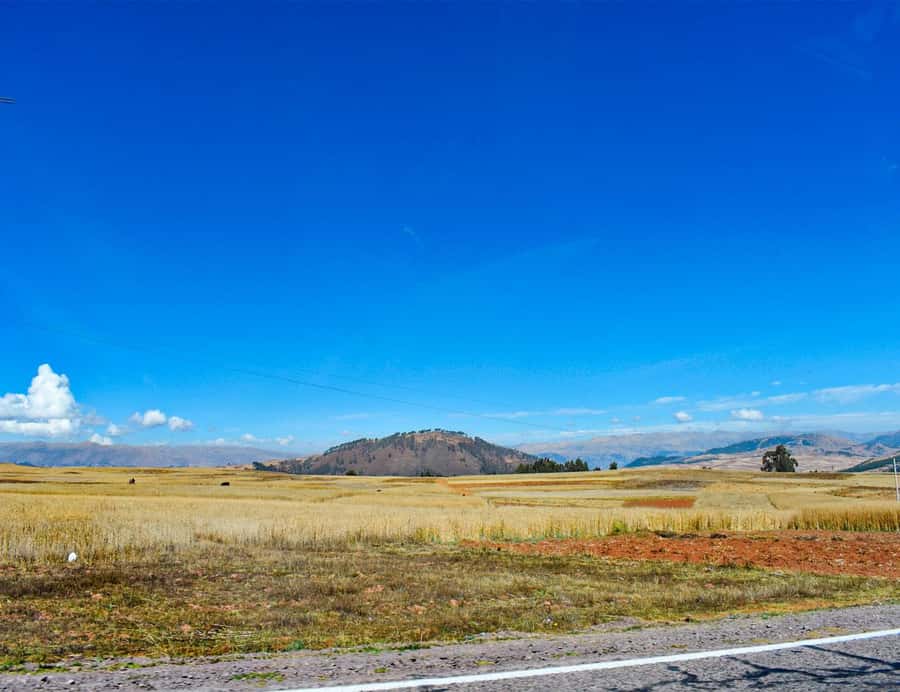
At $28 per person, this is positioned as strong value because your money goes toward the parts that are hardest to DIY in one day: hotel pickup, transportation between stops, a bilingual guide, and lunch in Urubamba.
But there’s one important detail: entrance fees for the archaeological sites are not included. You’ll need the Cusco Partial Tourist ticket (70 soles) or otherwise pay the required entry fees for the sites you visit. Since this isn’t baked into the price, I recommend budgeting cash (in soles) before you go.
Once you account for that, you’re still likely getting solid value if you want a guided day that hits the big names—Pisac, Ollantaytambo, Chinchero—without complicated planning.
Who This Sacred Valley Tour Is Best For
I’d put this tour at the top of the list if:
- You want a first taste of the Sacred Valley and you’re short on time
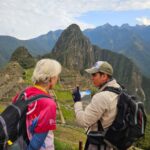
- You like guides who tell stories and point out details you’d miss on your own
- You care about textiles and natural dyes, not just photo ops
- You want included buffet lunch without hunting for a restaurant mid-day
It may not be perfect if you want deep, slow exploration of only one site. Some visitors wish they had more time in Pisac and Ollantaytambo to soak in every terrace and every step. This day is packed by design.
Should You Book This Tour?
If you’re thinking about it, here’s my straight answer: book it if you want maximum Sacred Valley coverage with clear guidance and an included lunch. It’s a good value day because it handles logistics—pickup, transport, bilingual narration—so you can spend your energy on the places themselves.
If you’re the type who hates tight schedules or you want to linger for hours at each ruin, you might feel the time pressure. In that case, consider splitting your exploration into fewer stops on separate days. But for a first trip to Cusco and the Sacred Valley, this is a practical, satisfying plan.
FAQ
What does the $28 per person price include?
The tour price includes hotel pickup, a bilingual tour guide (Spanish and English), transportation to visit all the places, and a buffet lunch in Urubamba.
Is lunch included, and what is it like?
Yes. Lunch is included as a buffet in Urubamba, and it can be a solid, well-stocked meal during the middle of a long day.
Do I need to pay entrance fees for archaeological sites?
Yes. Entrance to the archaeological sites is not included, and you’ll need the Cusco Partial Tourist ticket (70 soles).
How long is the tour?
The tour is listed as 630 minutes (about 10.5 hours total).
What time does the tour end?
The tour concludes at approximately 6:30 PM, followed by a 1-hour bus ride back to Cusco.
Can I get dropped off in Ollantaytambo instead of returning to Cusco right away?
Yes. There is an optional drop-off in Ollantaytambo around 3:00 PM at the train station or the main square.
What languages will the guide speak?
The live tour guide speaks Spanish and English.
What should I bring for the day?
Bring comfortable shoes, a camera, sunscreen, and water.
Is free cancellation available?
Yes. You can cancel up to 24 hours in advance for a full refund.