REVIEW · URUBAMBA
Cusco | Visit Maras, Moray, Chinchero, Pisac | Valle Vip
Book on GetYourGuide →Operated by Sout Americ Tours S.A.C · Bookable on GetYourGuide
Cusco’s Sacred Valley hits five big stops fast. This day trip strings together Inca agriculture, salt history, and impressive archaeological ruins without making you bounce around on your own. It’s a practical way to see a lot of Peru’s old-world engineering in one long day.
I especially like how the route balances different site types: Moray’s agricultural terraces plus the salt ponds linked to Inca-era use give you more than just stones and viewpoints. And you get a real pause for an Andean buffet lunch in Urubamba, so the day doesn’t feel like one nonstop sprint.
The main drawback to watch for is group and shopping time. One review flagged an unnecessary sales stop in a jewelry shop at the end, and another noted that a larger group can make it harder to hear your guide—so if you want quiet, you’ll need to mentally plan for that.
In This Review
- Key Highlights You’ll Actually Feel on the Day
- Cusco in One Day: Why This Route Works for Time-Limited Visits
- Getting Going at 6:30 a.m.: Timing, Pace, and Comfort
- Chinchero: Archaeological Centers and a Colonial Temple in the Same Stop
- Moray Terraces and Inca Salt Ponds: Farming Experiments and Resource Power
- Urubamba Buffet Lunch: Real Food and a Breather Between Archaeology Stops
- Ollantaytambo Ruins and the Link to Aguas Calientes
- Pisac Archaeological Center: Terraces and the Best-Preserved Andean Cemetery
- Price and Logistics: What You Pay for and What Costs Extra
- The Guide Factor: Bilingual Support That Keeps the Day on Track
- Group Size, Shops, and Noise: The Stuff That Changes Your Experience
- What to Bring (and What Rules to Follow) for a Smooth Sacred Valley Day
- Who Should Book This Tour (and Who Might Prefer Something Else)
- Should You Book This Day Trip?
- FAQ
- How long is the Cusco visit to Maras, Moray, Chinchero, Pisac, and Valle Vip?
- What time does hotel pickup happen?
- What’s included in the price?
- What entrance fees are not included?
- What languages does the guide speak?
- Is lunch included?
- Is the tour free to cancel?
Key Highlights You’ll Actually Feel on the Day
- 5 Sacred Valley sites packed into a single 10-hour schedule, starting with an early pickup.
- Moray terraces + salt ponds show two different sides of how people shaped this landscape over centuries.
- Urubamba buffet lunch breaks up the drive and gives you time to eat at leisure.
- Ollantaytambo ruins plus the train terminal connection to Aguas Calientes area.
- Pisac terraces and a major Andean cemetery for a strong final stop.
- Reviews praise efficient guidance; one guide named Vergilio was singled out as excellent.
Cusco in One Day: Why This Route Works for Time-Limited Visits
If your Cusco stay is short, this kind of day trip can be a lifesaver. You’re not choosing between ruins, farming experiments, and market-town energy—you’re getting a full sweep across the Sacred Valley in one go. Starting early also helps: you’re less likely to feel like you only arrive when everyone else is already leaving.
What makes this route particularly satisfying is the mix of purposes behind the sites. Some stops are about architecture and ceremony, others are about how people tested crops and managed natural resources. You finish with Pisac, which shifts the focus back to terraces and burial history—so the day ends with a clear sense of place.
You should know the tradeoff: it’s built for coverage, not wandering. If you like to linger for hours at one spot, you may feel the schedule nudging you along.
You can also read our reviews of more tours and experiences in Urubamba
Getting Going at 6:30 a.m.: Timing, Pace, and Comfort
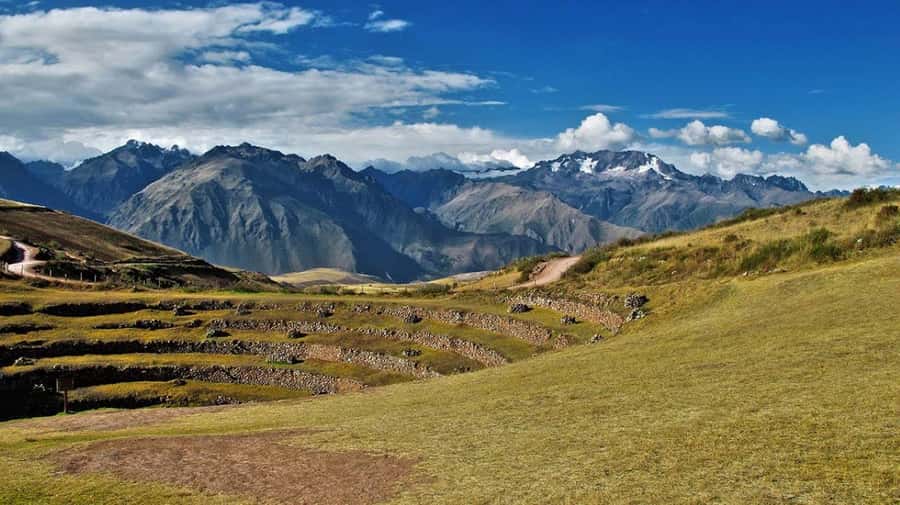
The tour starts with hotel pickup at 6:30 a.m. and returns to Cusco at about 7:00 p.m. That’s a true full-day commitment. You’ll be moving, getting in and out of the van, and walking the site sections at a fairly steady rhythm.
This is where practical prep matters. Wear comfortable shoes—you’ll appreciate them most when you’re transitioning between stops and climbing or stepping around uneven ground. Bring water and keep comfortable clothes in mind for changing sun and temperature across the day.
Also, this is not listed as suitable for wheelchair users, and it’s not suitable for people over 95. Even if you’re mobile, expect a day built around stairs, slopes, and walking between viewpoints.
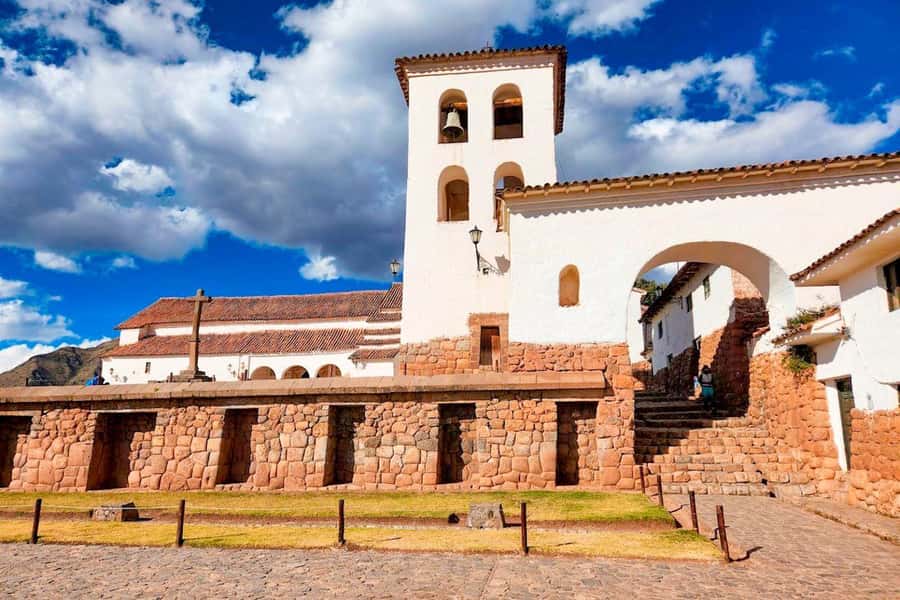
Chinchero: Archaeological Centers and a Colonial Temple in the Same Stop

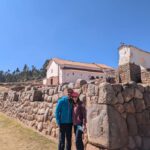
Chinchero is the first major site after pickup, which is a smart move. You start your day with something that sets the tone: exploration of archaeological centers plus a colonial temple.
The value here is contrast. You’re seeing one stop with layers of meaning—ancient use of the area alongside colonial-era religious architecture. Even if you’re not an archaeology expert, the idea is easy to grasp: Cusco and the surrounding towns didn’t switch off after the Inca period. They were repurposed, rebuilt, and reused.
One tip for getting more from Chinchero: keep your eyes open for how the guide links what you see on the ground to the history behind it. In a packed day like this, explanations are what turn a quick walk through ruins into something that sticks.
Moray Terraces and Inca Salt Ponds: Farming Experiments and Resource Power
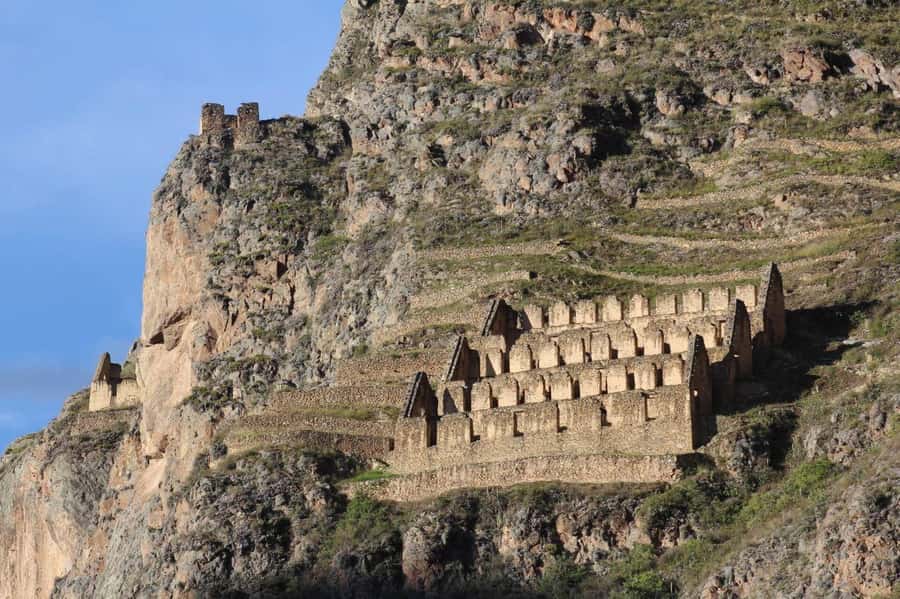
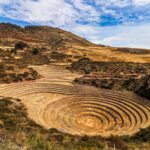
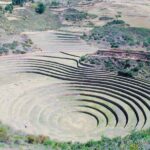
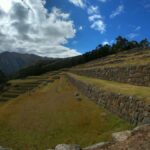
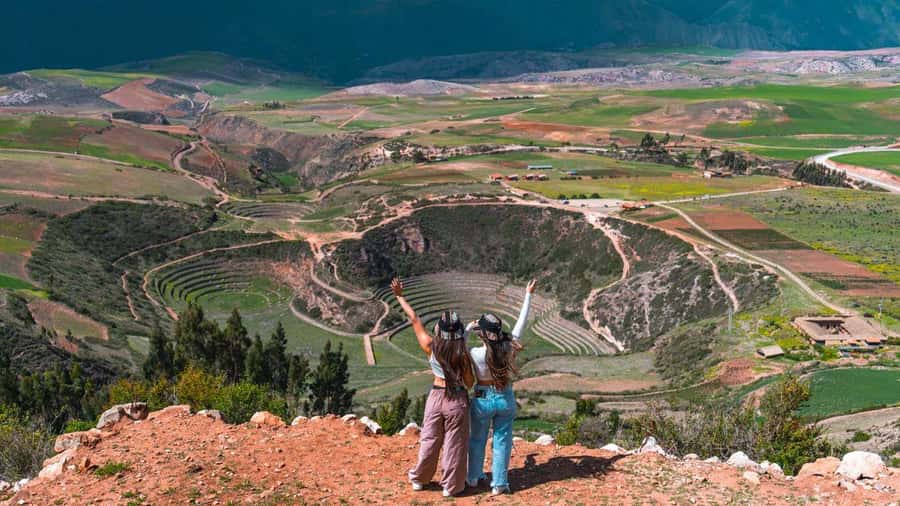
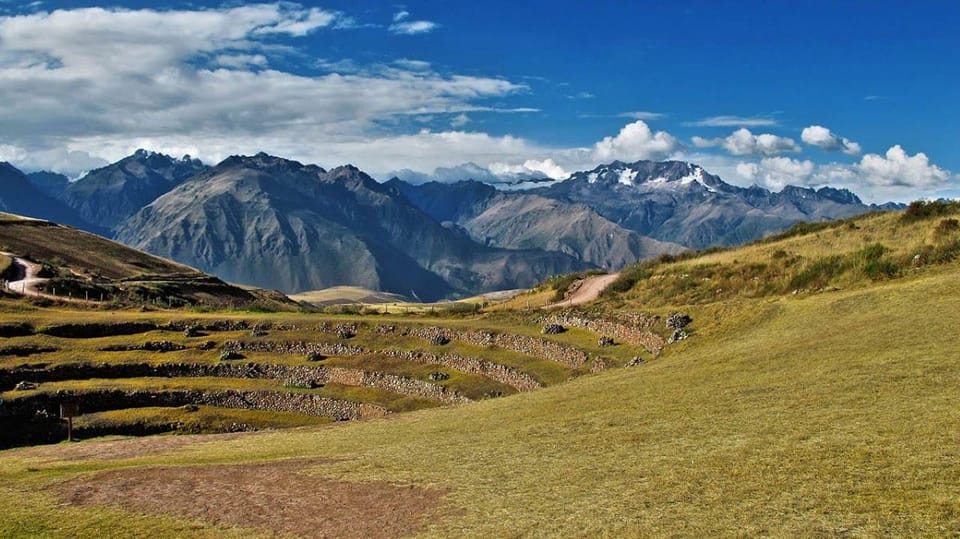
Moray is one of those stops that feels like a living diagram. You’ll visit the agricultural laboratory of Moray, where you can observe the terraces and understand them as a planned system rather than random stonework.
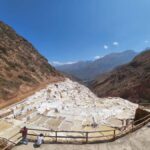
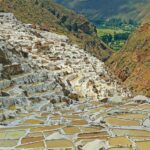
Then the day adds another layer with the salt ponds, which have been exploited since Inca times. That pairing—agriculture and salt—gives you a wider view of how people managed both food and essential resources. Salt was valuable for preservation and daily life, so it makes sense that the region’s production was taken seriously.
If you tend to get site-fatigued on long tours, this is the stop that tends to reward your attention. The terraces give you structure to follow visually, and the salt ponds help you connect history with practical use.
Urubamba Buffet Lunch: Real Food and a Breather Between Archaeology Stops
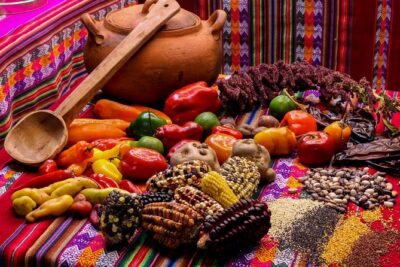
After Moray, you head to Urubamba. Here you get an Andean buffet lunch with time to eat at leisure.
This is more than a meal break. It’s the reset point in a long schedule—when you can slow down, recharge, and refuel before the late-day ruins. In other words: this is where the tour “buys back” your energy.
If you’re picky about timing, keep in mind you’re on a tight day. Eat what you can, and don’t plan on using lunch time for extras. Save snack purchases for later if you really need them.


Ollantaytambo Ruins and the Link to Aguas Calientes
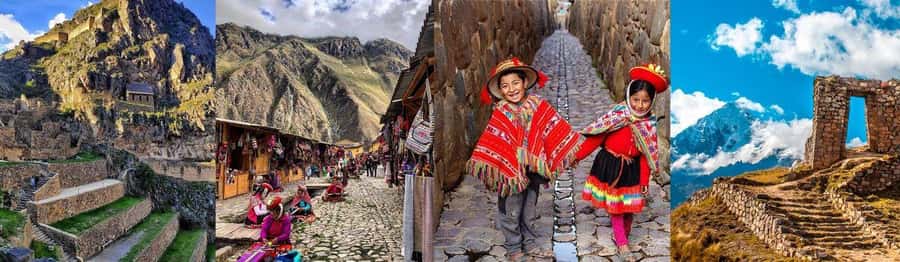
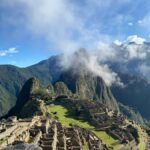
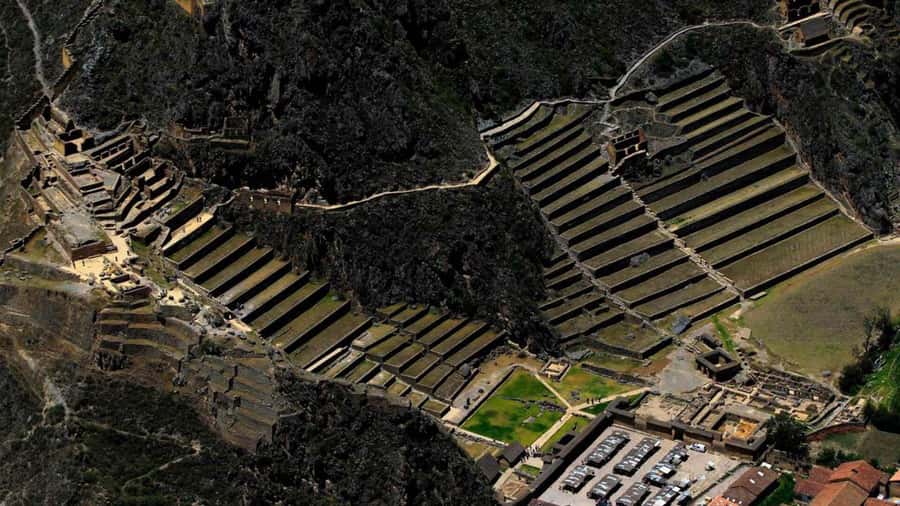
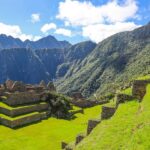
Next up: Ollantaytambo, where you’ll explore archaeological ruins. The stop also matters for modern travel logistics because the train terminal is here for the route that some people use to reach Aguas Calientes.
So even if your trip isn’t including Machu Picchu directly today, Ollantaytambo connects you to the bigger travel map of the Cusco region. You’ll get a sense of why this town is a hub: it’s both historic and operational.
If you want to make the most of the ruins in limited time, look for patterns—how spaces are arranged and how the area guides movement. On a day trip, your eyes need a mission. A good guide can give you that mission fast.
Pisac Archaeological Center: Terraces and the Best-Preserved Andean Cemetery
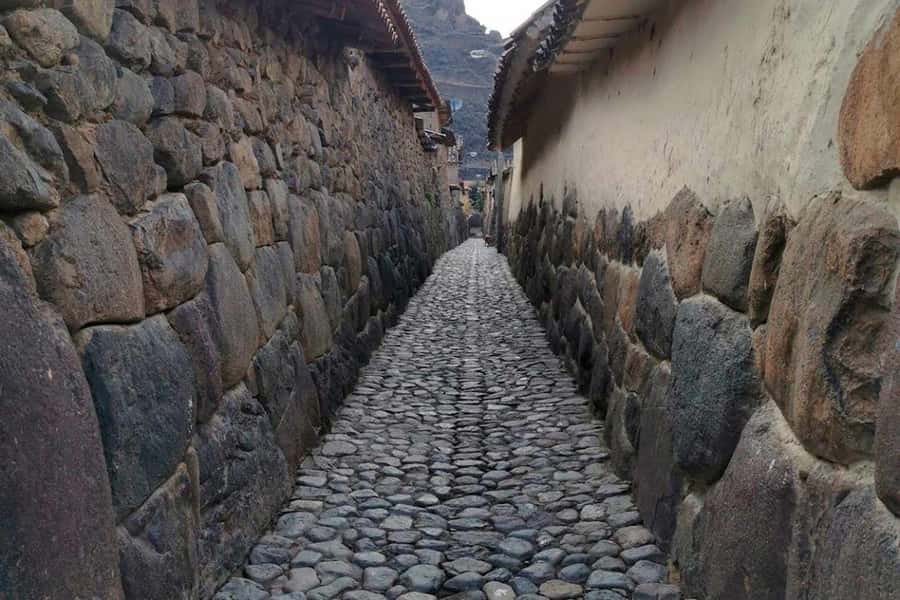
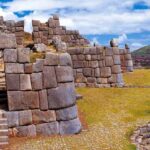
You finish at Pisac, at the archaeological center. This is where the tour leans into scale and preservation, with numerous Andean terraces and the best preserved Andean cemetery in the region.
Ending here is a strong choice. Earlier stops show systems (terraces, salt use), while Pisac gives you a sense of cultural continuity through burial sites and built terraces. It’s the kind of final stop that makes the day feel complete.
Practical advice: take a few minutes to stand back and look before you start walking deeper into the site areas. Terraces can be hard to appreciate when you’re moving too quickly. A quick pause helps you see the “why” of what you’re looking at.
Price and Logistics: What You Pay for and What Costs Extra
The price is $43 per person, and that’s the headline number. Here’s what’s actually wrapped in:
Included:
- Hotel pickup in Cusco
- Round trip transportation
- Bilingual guide
- Buffet lunch
Not included:
- Entrance fees sacred valley: 70 soles
- Entrance fees Maras: 20 soles
- Travel insurance
- Meals not mentioned
- Extra expenses
Value comes down to whether you’d otherwise pay for guided transport plus a guide plus lunch plus entry costs on your own. With this tour, you’re paying for convenience and interpretation—especially helpful when you’re hopping between multiple site types in one day.
One caution: the not-included fees are real money. If you’re budget planning, treat the total cost as more than $43 once you add entrance fees.
The Guide Factor: Bilingual Support That Keeps the Day on Track
A day like this depends heavily on the guide. You’re on a schedule from early morning until evening, and you want someone who can manage timing without turning the stops into a rushed blur.
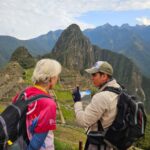
The tour includes a bilingual guide (Spanish and English). Reviews also praise tour management and clarity. In one review, the guide Vergilio was described as very good, and the overall flow of the day was called out as well handled.
My advice: show up ready to listen. In a one-day route, the guide’s explanations are what help you connect terraces, temples, and cemeteries into one story instead of five separate photo stops.
Group Size, Shops, and Noise: The Stuff That Changes Your Experience
This is the area where the tour can go from smooth to annoying depending on the group.
One review points to an unnecessary sales event in a jewelry shop at the end of the tour. Another review said the group was large (around 20 people) and wished the tour skipped more commercial craft stores, so they could spend more time at the Inca sites.
Noise can also impact your day. If you end up with a louder group, it can make it harder to hear your guide and harder to enjoy the quieter moments at the ruins.
How to handle it:
- Decide in advance that the day is mainly about sites, not shopping.
- If you get pulled into a sales stop, keep it short mentally: treat it as waiting time, not part of the core experience.
- If you’re traveling for quiet ruins time, consider arriving with expectations set for a mixed group.
What to Bring (and What Rules to Follow) for a Smooth Sacred Valley Day
Packing is simple, and that’s good news. Bring:
- Comfortable shoes
- Camera
- Water
- Comfortable clothes
Rules:
- No alcohol and drugs are allowed.
Those few items cover most of what you need. The key is comfort and hydration. You’ll be out for about 10 hours, and the early start means you’ll feel it more quickly if you’re not prepared.
Who Should Book This Tour (and Who Might Prefer Something Else)
This tour fits best if you:
- Want to see multiple Sacred Valley sites in one day
- Enjoy learning how agriculture and resource use shaped life
- Prefer guided convenience over arranging transport and timing yourself
- Like structured itineraries and don’t need long solo time at each stop
You may want to skip it if you:
- Want a slow, quiet, no-pressure experience at every site
- Strongly dislike shopping stops (based on feedback about an end-of-tour shop)
- Are very sensitive to group noise
- Need wheelchair accessibility or are within the age limit listed by the provider
It’s also a decent fit for first-time Cusco visitors who want an overview before making deeper plans.
Should You Book This Day Trip?
I’d book this tour if your priority is coverage plus guidance: five major stops, a bilingual guide, transport, and lunch all handled for you. At $43, it can be a fair deal—as long as you budget for the separate sacred valley entrance fees (70 soles) and Maras (20 soles).
I wouldn’t book it if you’re chasing a peaceful, shopping-free day. The schedule is designed for seeing a lot, and feedback mentions sales stops and occasional noise in larger groups. If you’re the type who wants time to linger, you might feel rushed.
If you want the best experience, show up ready to move, listen closely at each stop, and treat shopping time as optional annoyance, not the main event.
FAQ
How long is the Cusco visit to Maras, Moray, Chinchero, Pisac, and Valle Vip?
The duration is 10 hours.
What time does hotel pickup happen?
Hotel pickup is at 6:30 a.m., and you return to Cusco around 7:00 p.m.
What’s included in the price?
The tour includes hotel pickup in Cusco, round trip transportation, a bilingual guide, and buffet lunch.
What entrance fees are not included?
Entrance fees not included are 70 soles for Sacred Valley and 20 soles for Maras.
What languages does the guide speak?
The live tour guide is available in Spanish and English.
Is lunch included?
Yes, you get an Andean buffet lunch in Urubamba.
Is the tour free to cancel?
Yes—there is free cancellation up to 24 hours in advance for a full refund.