REVIEW · CUSCO
Small-Group Day Tour to Machu Picchu
Book on Viator →Operated by Inkayni Peru Tours · Bookable on Viator
Machu Picchu in one packed day sounds intense, but the small-group setup keeps it human. You’ll ride the scenic train from Cusco’s region to Aguas Calientes, then get early access to the UNESCO-listed citadel for a guided walkthrough and time to explore on your own. What I like most is how the day is paced with a real guide team—people like Franco and Wilfreido are repeatedly praised for making the route feel smooth—and how the group size stays tight, which matters when you’re dealing with buses, crowds, and early mornings.
I especially love the door-to-door feel of the service: hotel pickup, private van transfer to Ollantaytambo, and then organized train and bus connections so you’re not juggling steps on your own. I also like the balance between structure and freedom: you get a focused 2-hour guided tour at Machu Picchu, plus time to wander after.
The main consideration is simple: this is an early-start, long-day plan (about 10–14 hours), with walking and stairs at altitude. If you have mobility limits or need frequent breaks, choose your comfort level carefully—and know that the guide can help you pace the visit, which is a big plus noted by past guests.
In This Review
- Key things that make this Machu Picchu day trip work
- Why a small-group Machu Picchu day trip beats big crowds
- 5:15 am pickup and the Cusco-to-Ollantaytambo connection
- The Expedition train ride to Aguas Calientes: part scenery, part reset
- Getting up to Machu Picchu: early access and a 2-hour guided tour
- Time on your own: how to use your freedom without getting lost
- The return to Cusco: keeping the day from dragging
- Price and value: what $399 buys (and what it doesn’t)
- Who this tour suits best (and who should think twice)
- Should you book this Machu Picchu day trip?
- FAQ
- What time does the tour start?
- How long is the Machu Picchu day trip?
- What’s included in the $399 price?
- Is food and drinks included?
- Do I need to pay extra for Huayna Picchu?
- How big is the group?
- What’s required when booking?
Key things that make this Machu Picchu day trip work
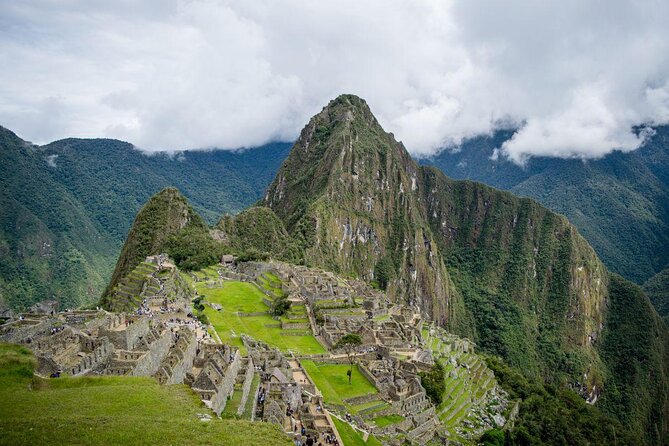
- Small-group size (max 10, and typically limited to 8) keeps the experience calmer
- Early access to Machu Picchu means you’re not arriving as late-day crowds build
- Round-trip train + round-trip buses handles the toughest logistics for you
- Private bilingual guide leads the site visit and helps you make sense of what you’re seeing
- A flexible guide approach is highlighted, including slowing down for health needs
- Huayna Picchu is extra (entry fee not included), so you’ll want to plan ahead
Why a small-group Machu Picchu day trip beats big crowds
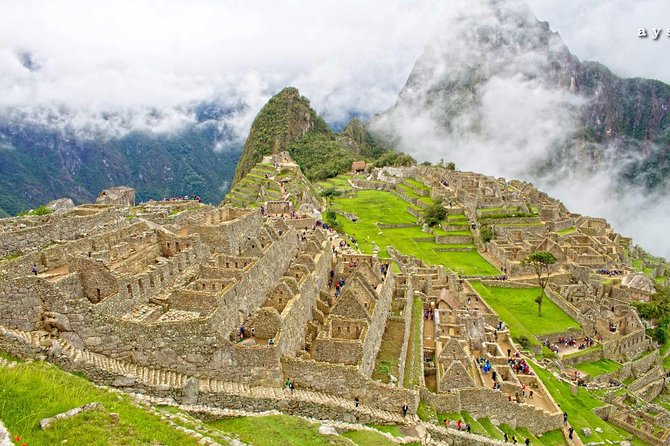
Machu Picchu is famous for a reason, but it’s also famous for crowds. The value of a small-group tour is that you spend less time trying to figure out where your group went and more time actually looking up at the mountain terraces and stonework.
With this tour, you’re not just buying access—you’re buying time management. The plan includes the moving pieces that usually cause stress on your own: the ride to the train station, the train ride to Aguas Calientes, the bus climb to the citadel, and the return schedule back to Cusco.
Another practical win: small groups help your guide keep an eye on the room. At Machu Picchu, that matters. You’re walking through narrow sightlines, stopping for explanations, and trying to find the best angles without feeling rushed. A guide can also help you shift your route when you need a breather.
You can also read our reviews of more tours and experiences in Cusco.

5:15 am pickup and the Cusco-to-Ollantaytambo connection
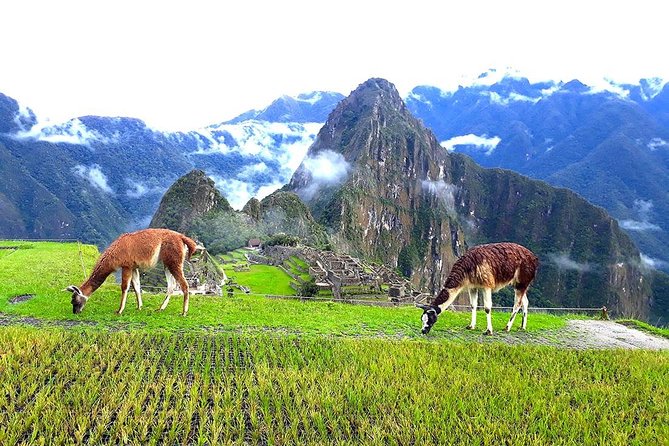
The day starts early—5:15 am—with pickup from your Cusco hotel. You then travel by private tourist van to Ollantaytambo, where the train part begins. That “van-to-train” handoff is one of the most underrated parts of a Machu Picchu day trip.
Why? Because early mornings in Peru can be chaotic if you’re doing things solo. The tour removes the guessing: where to go, when to be there, and how to get from city pickup to the train station without losing precious hours.
Also, this early departure is not just for convenience. Early timing lines up with your early access to Machu Picchu later in the day. In practice, that can change the feel of the visit. You get your first looks at the citadel with better odds of a smoother experience than if you arrive after the main wave.
The Expedition train ride to Aguas Calientes: part scenery, part reset
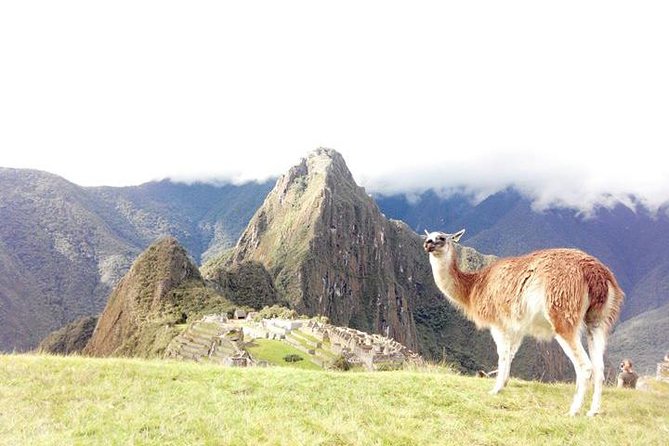
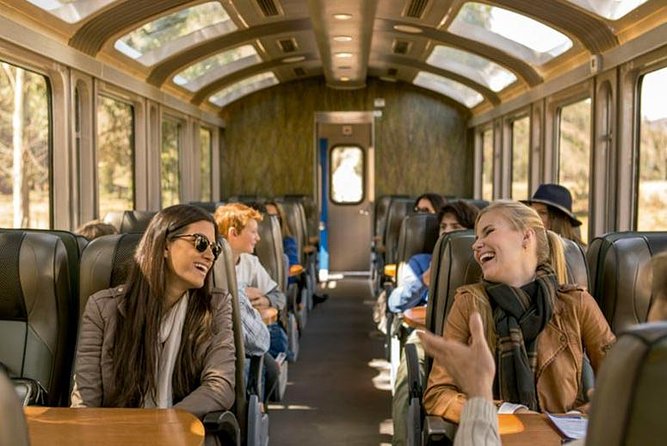
Once you’re aboard the scenic train, you’ll follow the Urubamba River through changing terrain—from snow-capped peaks to cloud forest. Even if you’ve seen photos, the train route gives you the “how did they build there?” feeling in a very direct way.
For me, the train ride is also a mental reset. You’re not bouncing from bus to bus yet. You have time to settle in, take photos, and get ready for the climb to Machu Picchu. And when the pace is managed well, that small calm helps your entire day feel less frantic.
You’ll arrive in Aguas Calientes, the access point for Machu Picchu. From there, your guide helps with the next transition: getting you to the bus station for the ride up.
Getting up to Machu Picchu: early access and a 2-hour guided tour
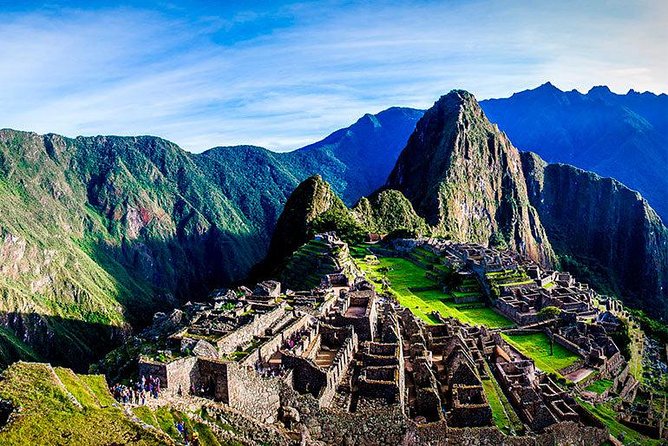
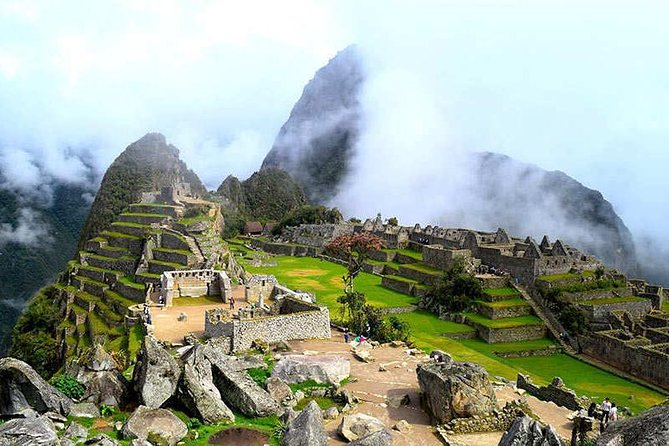
Reaching Machu Picchu is half transport, half anticipation. After you arrive in Aguas Calientes, you’ll take the bus to the site. Then the tour begins at Santuario Histórico de Machu Picchu with a guided visit focused on the essentials.
The guided portion is about 2 hours, and it’s built around the major features most people come to see:
- sacred temples
- agricultural terraces
- royal quarters
A good guide makes this more than a photo stop. You’re listening for how the spaces connect—why certain areas are laid out the way they are, and what the site’s design suggests. The people leading these tours are bilingual, and past guests specifically praise the kind, courteous approach of guides such as Franco and Wilfreido. One standout theme: they’re willing to work with people who need breaks.
After all, Machu Picchu can feel physically demanding. If you’re traveling with anyone who gets winded easily, you’ll appreciate a guide who knows how to keep things moving without turning the day into a sprint.
Time on your own: how to use your freedom without getting lost
After the guided segment, you’ll have some time to wander on your own. This is where you decide what kind of Machu Picchu visit you want to have.
You’ll likely want to:
- return to your favorite viewpoints for another look (the light can change as the day goes on)
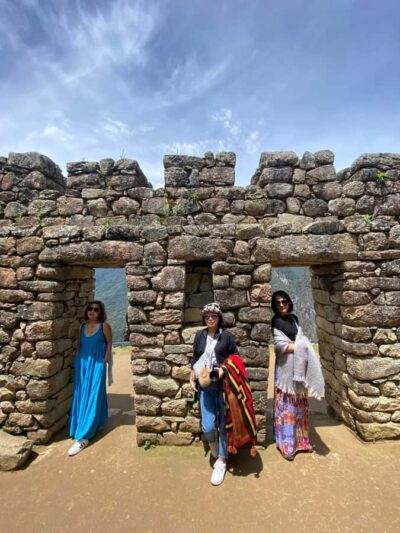
- spend time on the stone details—doorways, terraces, and edges of the platform areas
- take photos, but also pause enough to actually look, not just shoot
If you’re the type who likes to read the stones slowly, this free time is your chance. You don’t have to follow someone’s script every step.
One practical tip: plan your routes with altitude and fatigue in mind. Even if you feel fine early, you’ll still be walking on uneven ground and at elevation. If you need to stop often, this tour’s group size helps you do that without feeling like you’re holding up a giant bus line.
The return to Cusco: keeping the day from dragging
After your time at Machu Picchu, you’ll head back down by bus to Aguas Calientes, then take the train back toward Cusco in the evening. The tour is designed as a true day trip, not a “sleep somewhere and hope it works” adventure.
This matters because Machu Picchu timing is unforgiving. Miss one connection and you can lose hours. Here, the benefit is that the day is structured around the transportation chain, including buses to Machu Picchu (round trip) and round-trip train.
You should expect the return to take you back into the evening rhythm. By the time you reach Cusco, you’ll probably want a hot meal, a shower, and the kind of sleep that fixes time zones.
Price and value: what $399 buys (and what it doesn’t)
At $399 per person, you’re paying for more than entry to a famous site. You’re paying for a full logistical package:
- hotel pickup and drop-off
- private bilingual guide
- round-trip Expedition train to Aguas Calientes
- round-trip buses to Machu Picchu
- entry fees included
That’s the key value point. The biggest costs on a Machu Picchu day trip aren’t just the ticket—it’s the coordination. Someone else handles the chain from Cusco to Ollantaytambo, to the train, to the bus, and back.
What’s not included is also important:
- Huayna Picchu entrance fee (extra)
- Food and drinks
So if you’re budgeting, plan for lunch and drinks. The tour also mentions that some guests have even eaten lunch together before leaving, which suggests there’s time for a meal on the return flow—but the meal itself isn’t included in the price.
If you’re comparing options, ask yourself the same question: would you want to spend your day managing transfers and timing, or would you rather pay for that structure and focus on the site?
Who this tour suits best (and who should think twice)
This day trip is a strong fit if you:
- want Machu Picchu in a single day
- prefer a guide who can explain what you’re seeing rather than just point you toward viewpoints
- like small groups and quieter pacing
- value smooth transport connections from Cusco
It may be less ideal if you:
- strongly dislike early mornings (5:15 am is no joke)
- have limited ability to walk or handle stairs on uneven ground
- need a very relaxed, slow-motion pace with lots of stops
That said, one positive theme from the guide approach is willingness to allow breaks for health needs. If that’s relevant for you, communicate it clearly and choose comfortable footwear.
Should you book this Machu Picchu day trip?
If you want the simplest path to Machu Picchu with early access, a guided walkthrough, and transport handled end-to-end, this is a smart booking. The price is high, but the included train, buses, guide, and entry fees help justify it compared to piecing everything together yourself.
I’d book it if your priority is: see Machu Picchu well, not just see it. The blend of a guided 2-hour introduction and then time to wander makes it feel like you get both context and freedom.
I’d pause and think first if you’re worried about the day’s length (10–14 hours) or you’re sensitive to altitude and walking. In that case, it’s not about whether you can do Machu Picchu—it’s about whether this specific pacing matches your needs.
FAQ
What time does the tour start?
Pickup starts at 5:15 am in Cusco.
How long is the Machu Picchu day trip?
Expect about 10 to 14 hours total.
What’s included in the $399 price?
It includes hotel pickup and drop-off, round-trip Expedition train, a private professional bilingual guide, round-trip buses to Machu Picchu, and entry fees.
Is food and drinks included?
No. Food and drinks are not included.
Do I need to pay extra for Huayna Picchu?
Yes. The Huayna Picchu entrance fee is not included.
How big is the group?
It’s a small group, typically limited to 8 people, and the activity notes a maximum of 10 travelers.
What’s required when booking?
You’ll need the passport name, number, expiry, and country for all participants.