REVIEW · CUSCO
2 Day Tour Throughout the Short Inca Trail to Machu Picchu
Book on Viator →Operated by Inca Trail Machu · Bookable on Viator
A short hike with big Machu Picchu payoff. This 2-day Short Inca Trail route gets you from Cusco to Km 104, then guides you toward Wiñay Wayna and on to Inti Punku (Sun Gate) for your first high view of Machu Picchu. I like that the plan builds in time for the ruins with a guided component plus room to wander on your own.
Two things stand out for me. First, you get the core Inca Trail experience in a tight timeline, so you’re not tied up for multiple days. Second, the second morning is set up for sunrise at Machu Picchu, which is when the site feels most like an ancient secret waking up. One consideration: this is still a trek. You’ll want moderate fitness and you’ll be up early, with the meeting start listed at 4:30 am.
In This Review
- Key highlights worth planning around
- The value: why $552 can make sense for a 2-day Machu Picchu trip
- Getting ready for the 4:30 am start and the short-trail reality
- Day 1: Cusco pickup, train to Km 104, and the Wiñay Wayna approach
- Inti Punku (Sun Gate): your first Machu Picchu view from above
- Aguas Calientes overnight: the calm between the two big days
- Day 2: sunrise at Machu Picchu, guided ruins, then free roaming time
- Transportation and pacing: what feels smooth and what might feel rushed
- What you’ll actually see: Wiñay Wayna and Machu Picchu through the eyes of a hike
- Who should book this short Inca Trail
- Quick FAQ for planning
- FAQ
- What time does the tour start in Cusco?
- Is there an overnight during the tour?
- What meals are included?
- How do you get from Aguas Calientes to Machu Picchu on Day 2?
- What fitness level is recommended?
- What is the cancellation policy?
- Should you book this 2-day Short Inca Trail?
Key highlights worth planning around
- Short Inca Trail format: Km 104 start, then Wiñay Wayna and the approach toward Inti Punku instead of a longer multi-day trek
- Sun Gate first look: you catch that initial view of Machu Picchu from above before heading down toward Aguas Calientes
- Machu Picchu sunrise day: bus up early and time for a guided tour plus free exploration
- One-night base in Aguas Calientes: check in for the night after the hike, then return the next day
- Small group size: maximum of 16 travelers, which helps keep the pace manageable
- Real logistics included: train round trip, shuttle bus on day two, and transfers between Cusco and the train station
The value: why $552 can make sense for a 2-day Machu Picchu trip
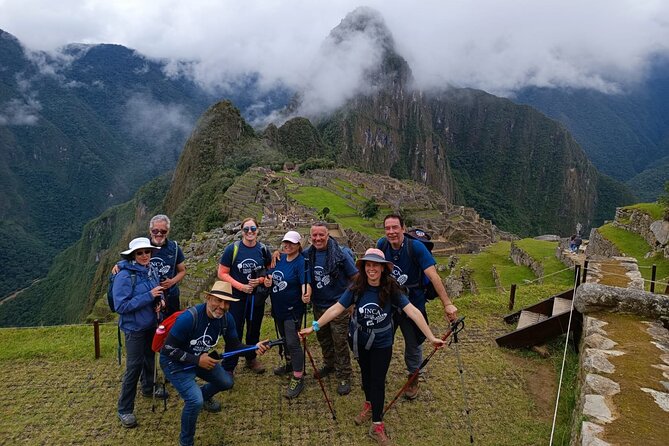
At $552 per person, this isn’t a budget shortcut. But when you look at what’s included, the price starts to feel fair for a guided, door-to-door style itinerary.
You’re paying for the machinery that usually eats up time and planning energy:
- Round-trip train tickets (Cusco area logistics through Ollantaytambo to Km 104 and back)
- A hotel night in Aguas Calientes (one night)
- Meals that cover the big points of the days you’re active: breakfast, lunch, and dinner are included (with the first breakfast and last lunch listed as not included)
- Shuttle bus round trip on the second day for Machu Picchu access
- Transfers between Cusco and Ollantaytambo train station (driver drop-off at your Cusco hotel is included)
What you’re not paying extra for (based on the info you have here) are the core movement pieces. That matters because Machu Picchu is timing-sensitive: missing a bus, train, or early entrance window can turn a dream day into a scramble.
Also, there’s a small extra “why I like this” factor. If you book, you sponsor reforestation of native plants in the Cusco community. It’s not something you see during the trek, but it’s a tangible add-on that feels more grounded than a generic souvenir promise.
You can also read our reviews of more tours and experiences in Cusco

Getting ready for the 4:30 am start and the short-trail reality
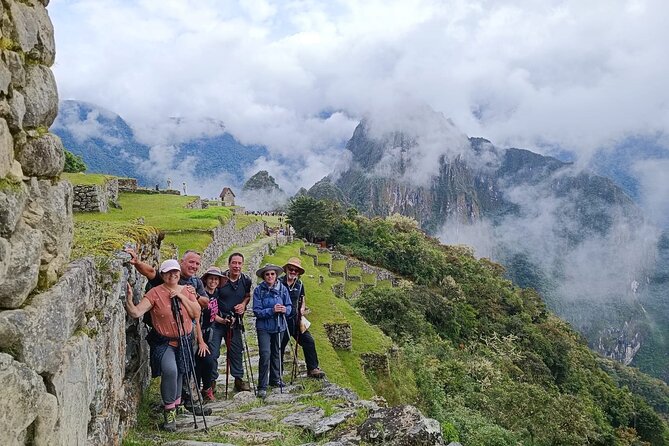
This tour is sold as “short,” but it’s not a gentle walk. The itinerary is built around early movement, and the pace is active on Day 1.
Plan for:
- Meeting time: 4:30 am
- A long hiking day after catching the train to Km 104
- A second early morning to catch the bus for sunrise at Machu Picchu
In the “what I’d do” category, I’d treat it like a real hike day at altitude. You’re not just “going to see ruins,” you’re earning the views. The tour listing also calls for moderate physical fitness, which is a good clue that you shouldn’t plan on coasting.
Gear note that’s easy to miss: a walking stick is not included, and it’s listed as about $20. If you know you like trekking poles for knee support on descents, it’s worth budgeting that amount rather than trying to improvise.
And since the itinerary doesn’t include the first breakfast and last lunch, I’d plan to eat what’s provided, then budget for your own meals at the edges. (The tour does include dinner and lunch on the days it matters most.)
Day 1: Cusco pickup, train to Km 104, and the Wiñay Wayna approach
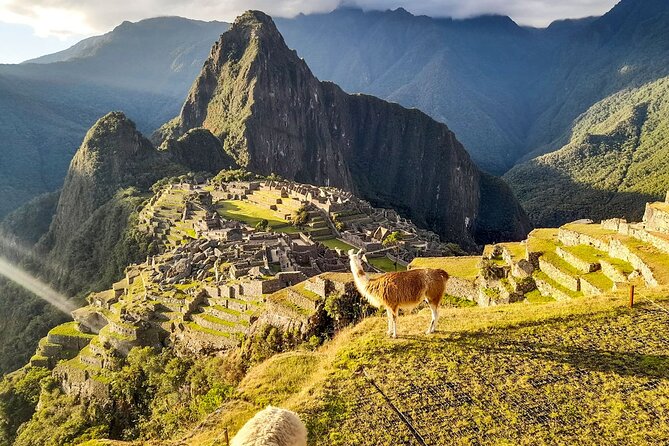
Day 1 starts with an early hotel pickup in Cusco. From there, the route heads to Ollantaytambo, where you catch the train to Km 104, the starting point of the Inca Trail.
Why this part matters: Ollantaytambo is the hinge point. The day is structured so you’re not trying to solve travel timing yourself. You go where you need to be, at the time you need to be there, then you begin the hike from the classic trail entry point.
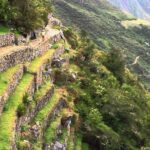
Once you’re on the trail, you’re hiking for around 6 hours to Wiñay Wayna. Wiñay Wayna is where the experience starts to feel real, not just scenic. It’s the kind of Inca-era stop that reminds you this wasn’t built for tourism crowds. You’re walking in a corridor that was designed for movement through sacred terrain.
What I’d watch for on this day is your energy management. You’ll be moving steadily, and you’ll likely feel the altitude in a way that’s more about effort than fear. If you slow down a touch earlier in the day, the rest of the trek feels more controlled.
You also get dinner later, plus a hotel base in Aguas Calientes. That means you’re not ending the day stranded. The plan is: hike, descend, check in, recover.
Inti Punku (Sun Gate): your first Machu Picchu view from above
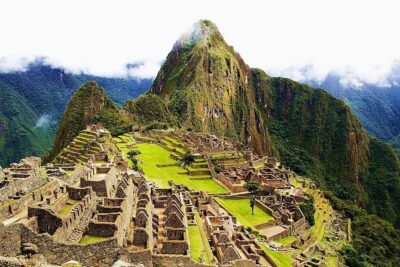
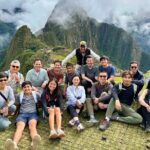
After Wiñay Wayna, the trail continues toward Inti Punku (Sun Gate). This is the moment the itinerary calls out clearly: you’ll catch your first glimpse of Machu Picchu from above.
This is one of the reasons the short version still feels satisfying. You don’t just drop into the ruins with zero buildup. You earn a reveal.
The Sun Gate approach has a “now I get it” quality. The ruins sit in that dramatic mountain setting that photos can’t fully explain, but seeing Machu Picchu after a hike changes how it lands. Instead of a view you pass through, it becomes a finish line you’ve walked toward.
Keep in mind the logistics shift afterward. The plan then has you descend to the town of Aguas Calientes and check into your hotel for the night.
Optional add-on: there’s mention of hot springs in Aguas Calientes. If your legs feel it, this is the kind of low-effort recovery that fits the day’s rhythm. If your legs feel fine, you might still enjoy the warm reset before an early sunrise climb.
Aguas Calientes overnight: the calm between the two big days
After your descent, the tour gives you an overnight in Aguas Calientes. That’s a smart move for a 2-day structure. You’re not trying to turn the hike directly into a late Machu Picchu day, then immediately relocate back to Cusco.
You’ll check into your hotel, and dinner is included. This is also the right moment to hydrate, eat something easy, and plan your morning.
One small detail I really appreciate here: the tour provides reusable snack bags made of typical Cusco cloth. It’s practical. It also suggests you’re meant to stay fueled during the hike rather than just hoping you’ll be fine.
If you’re traveling solo, this overnight base can feel especially helpful. You get a predictable place to land and recover before the sunrise day, and you won’t be negotiating last-minute meals or transport at 6 am.

Day 2: sunrise at Machu Picchu, guided ruins, then free roaming time
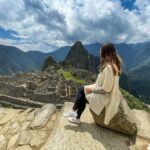
Day 2 is built for the big moment. You’ll do an early wake-up call and breakfast, then head to Machu Picchu by bus to catch the sunrise over the ancient ruins.
Sunrise is not just about dramatic light. It also tends to make the site feel less crowded and more “in the moment,” when it’s quiet enough to hear your own breathing between stones and stairways. If you care about atmosphere, this timing is a major reason to choose the tour format.
After sunrise access, you get:
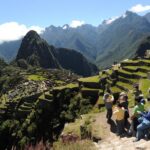
- A guided tour of Machu Picchu
- Then free time to explore on your own
I like this structure. The guide gives you orientation fast, so you know what you’re looking at and why it matters. Then you get to slow down for yourself: lingering at viewpoints, stepping back to reframe what you just learned, and pacing your photos without rushing.
Guides can make a real difference on site interpretation. In the material you provided, guides named Samuel, Andrea, Sara, and Jesus are specifically praised for being patient, supportive on rough sections, and well informed. You can treat that as a good sign that the guiding portion isn’t just a script.
Once you’ve had your time on the ruins, you’ll return by bus to Aguas Calientes, then take the train back to Ollantaytambo, followed by transfer back to your Cusco hotel.
Transportation and pacing: what feels smooth and what might feel rushed
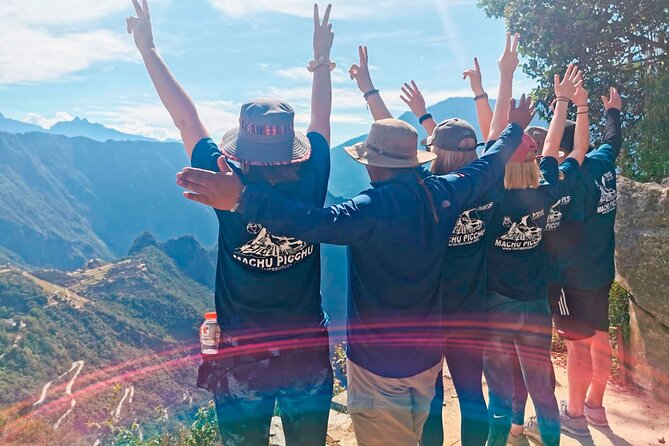
This tour feels structured. That’s the theme: someone else handles the sequence so you can focus on walking and looking.
Still, your experience will hinge on pace:
- Day 1 is a long day, with multiple transitions: pickup → drive to Ollantaytambo → train to Km 104 → hike sections → descend → Aguas Calientes hotel
- Day 2 compresses a lot into one morning: sunrise bus → guided + free exploration → bus down → train → Cusco transfer
So, if you’re the kind of person who hates early starts, this may test you. The 4:30 am meeting time alone is a commitment. On the other hand, if you like early days and crisp mornings, this schedule can feel like the best way to experience Machu Picchu without losing a whole vacation day to travel anxiety.
What you’ll actually see: Wiñay Wayna and Machu Picchu through the eyes of a hike
Machu Picchu is the headline, but the hike is what makes it more than a checkmark.
Here’s how the route “teaches” you the place:
- You start at Km 104, then walk through Inca-era sections that build up context before you reach the main viewing areas.
- You hike to Wiñay Wayna, where you begin to notice how the terrain and the ruins connect.
- You push onward to Inti Punku (Sun Gate), then get that first high Machu Picchu reveal.
- Finally, on Day 2, you return for sunrise and a guided walk through the site itself.
This is why the short version still feels meaningful. It gives you the reveal moment plus time inside the ruins, and it doesn’t swallow your whole week.
Who should book this short Inca Trail
This is a strong fit if you:
- Want a two-day Machu Picchu plan instead of a longer multi-day trek
- Are comfortable with a demanding day hike and early mornings
- Prefer a guided route that keeps logistics from turning into stress
- Like a mix of instruction and free time at the destination
It may be less ideal if you:
- Want a slow, flexible pace with lots of sleeping in
- Struggle with moderate physical effort at altitude
- Need frequent breaks that slow the group down (the group size is max 16, but it’s still a hiking schedule)
Quick FAQ for planning
FAQ
What time does the tour start in Cusco?
The meeting start time is listed as 4:30 am.
Is there an overnight during the tour?
Yes. You’ll stay in a hotel in Aguas Calientes for one night.
What meals are included?
Dinner on Day 1, lunch and breakfast are included. The first breakfast and last lunch are not included.
How do you get from Aguas Calientes to Machu Picchu on Day 2?
You take a shuttle bus round trip to Machu Picchu on the second day.
What fitness level is recommended?
The tour says travelers should have moderate physical fitness.
What is the cancellation policy?
It is non-refundable and cannot be changed for any reason.
Should you book this 2-day Short Inca Trail?
I’d book this if you want the Inca Trail experience without turning your trip into a week-long trek. The combination of train access from Km 104, a guided hike toward Wiñay Wayna and Inti Punku, then a sunrise Machu Picchu day gives you two kinds of payoff: buildup on Day 1 and real time inside the ruins on Day 2.
If you’re nervous about the early schedule, treat that as the main decision point. If you can handle a 4:30 am start and a solid hiking day, this tour looks like a smart value for what’s actually included: transport, lodging, key shuttles, and guided time where it counts.