REVIEW · CUSCO
Chocolate Workshop in Cusco with Premium Organic Cacao
Book on Viator →Operated by Cusco Chocolate Workshop · Bookable on Viator
Chocolate in Cusco is a sweet way to slow down. This workshop mixes hands-on guidance with a view over the city, using 100% organic Chuncho cacao from the Sacred Valley. I especially liked how personal it feels, and how you actually make enough chocolate to take home.
One possible drawback: this is more about crafting and finishing bonbons than about labor-intensive cacao bean processing. So if you’re hoping to roast and grind beans yourself, ask first.
You’ll spend about 2.5 hours in a small group (max 15), learn the basics of pralines, mendiants, ganache, and hot chocolate, then leave with a personalized box full of your own creations—perfect for sharing on your way through Peru.
In This Review
- Worth knowing before you go
- Cusco chocolate class with a 5:00 pm start and a small-group vibe
- The cacao focus: organic Chuncho from the Sacred Valley
- Belgian pralines and mendiants: what you actually make
- What you’ll make (and how much)
- Choosing fillings: jams and nuts take center stage
- Ganache and hot chocolate, taught step-by-step
- The evening rhythm: history before you start making
- Your take-home box: make it count
- Instructors and group energy: David, Abelardo, Randy, and Damaso
- Price and value in Cusco: $45 for technique, cacao, and a box
- Who this workshop is best for (and who should think twice)
- Practical FAQ for planning your Cusco chocolate night
- FAQ
- How long is the chocolate workshop?
- What time does it start in Cusco?
- What will I make during the class?
- What kind of cacao do they use?
- Is there a limit on group size, and is it suitable for kids?
- Can I get a refund if my plans change?
- Should you book this Cusco chocolate workshop?
Worth knowing before you go
- Premium organic Chuncho cacao: You work with 100% organic, artisanal cacao from the Sacred Valley.
- Small class size (max 15): Expect personal attention from the class leader.
- You make a lot of chocolate: Roughly 21 pralines and 10 mendiants, plus you learn ganache.
- Belgian-style approach: Pick fillings like homemade local jams and lots of local/organic nuts.
- Good evening timing: A start time at 5:00 pm fits an afternoon acclimatization rhythm for many people.
- Take-home box: Your workshop results come in a personalized box for home (or immediate snacking).
Cusco chocolate class with a 5:00 pm start and a small-group vibe
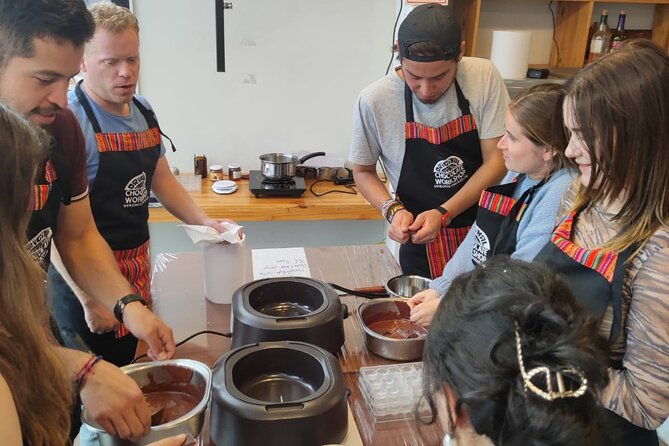
This workshop runs about 2 hours 30 minutes, with confirmation at booking and several start times offered. The common listed start is 5:00 pm, which makes it feel like an easy plan for your first full day in town—or a calmer option on a day when you don’t want to stack another big activity.
The meeting point is on C. Pasñapakana 133, Cusco 08000, Peru, and the session ends back there. The location is near public transportation, so you’re not stuck with a long taxi bill just to reach the class.
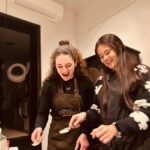
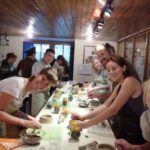
Group size matters here. With a maximum of 15 travelers, you get real back-and-forth with the instructor instead of watching from the sidelines. Several instructors are mentioned in past sessions—names like David, Abelardo, and Randy show up in feedback—plus assistants such as Damaso, along with hosts Avi and Erika. Across those accounts, the consistent theme is that the teaching style is upbeat, patient, and funny.
You can also read our reviews of more tours and experiences in Cusco
The cacao focus: organic Chuncho from the Sacred Valley
This isn’t a chocolate demo using bargain cocoa. The workshop is built around 100% organic, artisanal Chuncho cacao from the Sacred Valley of the Incas, a region known for producing some of the best organic cacao in the world.
What that means for you in practice is flavor and ingredient confidence. When you taste hot chocolate made from this kind of cacao and then work with the same ingredient base, you can actually connect the dots between origin and final taste—why one filling feels nuttier, why one praline tastes deeper, and why sweetness needs balance.
Also, you’re not just learning chocolate-making as a generic skill. You’re learning in a Cusco context, which is rare in a city that often runs on tours to ruins first. Here, the spotlight is on an ingredient story you’d miss otherwise.
Belgian pralines and mendiants: what you actually make
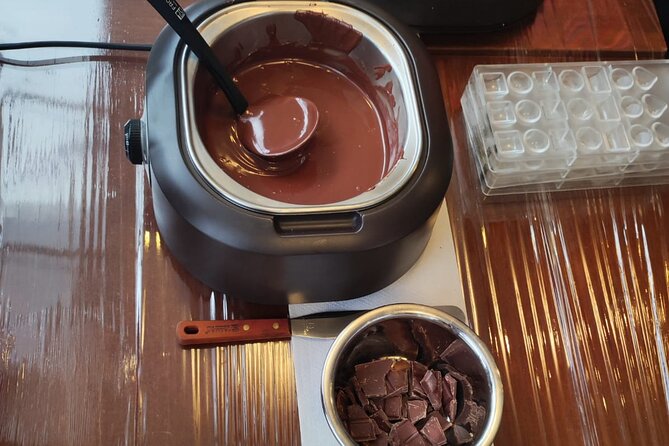
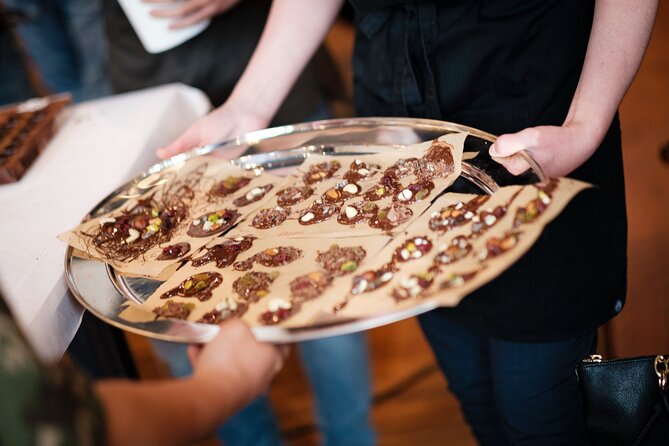
The heart of the evening is the hands-on portion. You’ll be taught how to make your own pralines and mendiants in true Belgian style, then you’ll create enough to fill your box.
What you’ll make (and how much)
Plan on creating around 21 pralines and 10 mendiants. That’s a lot for a single session. It also means you’ll get multiple chances to practice: melting and working with chocolate, assembling with fillings, and finishing pieces so they set properly.
Choosing fillings: jams and nuts take center stage
You get to select from a range of toppings and fillings, including:
- Homemade local jams
- A wide variety of local and organic nuts
- Other options listed as part of a broad topping selection
For many people, this is the most fun part. You’re not limited to one flavor profile—you can build a box that includes a nutty choice, a fruity jam praline, and a different mix for contrast. It turns the workshop into a personalized tasting menu.
You can also read our reviews of more tours and experiences in Cusco


Ganache and hot chocolate, taught step-by-step
During the class, you’ll also:
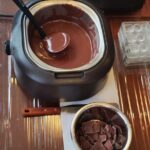
- Enjoy a hot chocolate that you’ll learn to prepare
- Be taught how to make ganache
Ganache is the bridge between learning and eating. It’s one of those things that feels simple once you see the method, but it’s also easy to mess up if you don’t get the timing right. Having instruction here makes your end result feel much more reliable.
The evening rhythm: history before you start making
Before you get your hands dirty, you’ll get the background. The workshop includes a look at the history and culture of chocolate, plus context for how the cacao becomes the final bonbons.
This matters more than it sounds. If you’re the type who likes to understand what you’re tasting, this short cultural prep helps you notice details later—like why certain styles became popular in Belgium, and why cacao sourcing affects the way chocolate behaves.
Then you transition into technique: melting, mixing, forming, filling, and finishing. Expect a guided flow rather than free-form chaos, which is great in a hands-on class where you want results you can be proud of.
Your take-home box: make it count
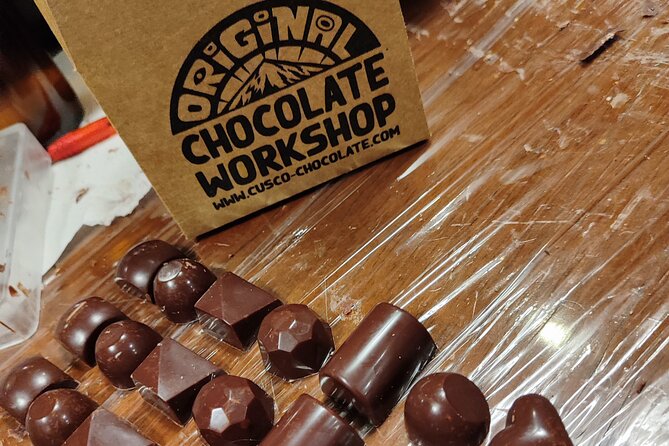
At the end of the workshop, you receive a personalized box so you can take your pralines and mendiants home to share with family and friends.
This is a big part of the value. You’re paying for ingredients and instruction—but also for the output: a finished, gift-ready box, not just a small sample plate. With the quantities involved (about 21 pralines and 10 mendiants), you’ll likely have enough to do more than taste-test and then run out.
Practical tip: if you’re planning to transport the box for any distance, keep it cool and try not to leave it in direct sun. Your future self will thank you when you share it later.
Instructors and group energy: David, Abelardo, Randy, and Damaso
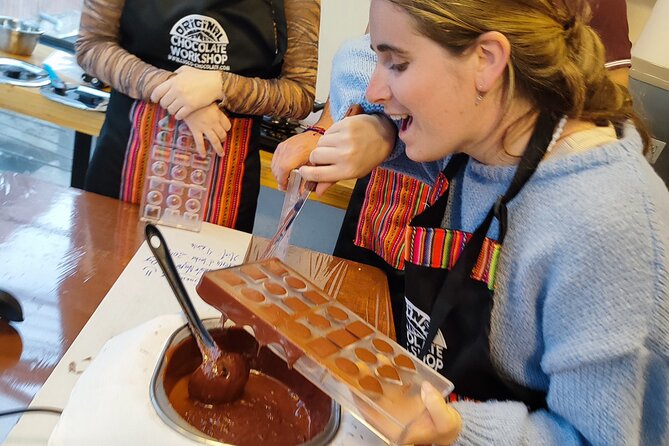
The biggest repeated praise is about the instructor experience. Names like David and Abelardo come up again and again, along with Randy in one group.
The class leader is the person shaping the pacing and the technique, and that’s why personal attention is a highlight. In small groups, the leader can correct a chocolate mistake early—before it turns into a cracked shell or a filling that doesn’t set right.
A few details that help you judge fit before booking:
- You’ll likely get humor in the teaching style. Several comments mention that instructors are kind, funny, and encouraging.
- The teaching approach is described as clear step-by-step. That’s useful if you don’t have patience for guesswork in the kitchen.
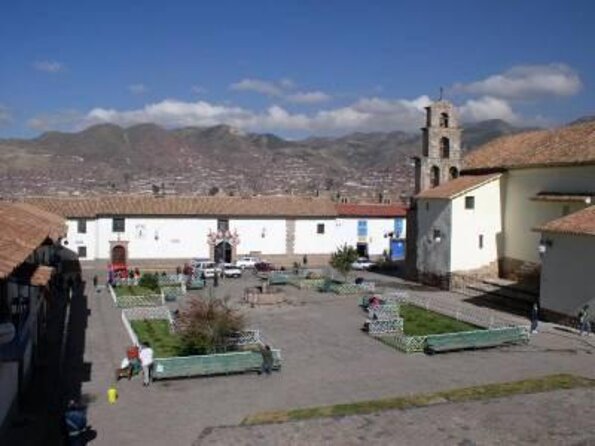
- The setting includes a beautiful view of Cusco (often described as overlooking the city, especially at sunset). Even if you focus on making chocolate, the setting adds an extra layer of enjoyment to the evening.
One more consideration: one piece of feedback notes that the session focused on melting chocolate and assembling pieces, without cacao bean processing. That doesn’t make it a bad class—it just means it’s more beginner-friendly than “full cacao-to-bar” training. If bean processing is a must for you, confirm what’s included when you book.
Price and value in Cusco: $45 for technique, cacao, and a box
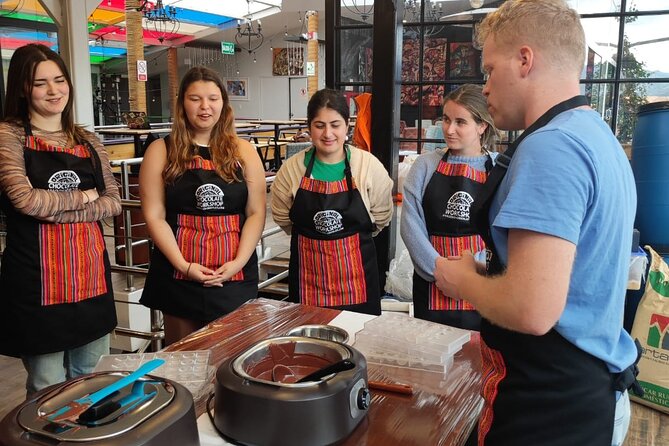
At $45.00 per person, this workshop sits in the “worth it if you’ll use the experience” category. Here’s why the value makes sense:
- Time plus output: 2.5 hours is long enough to learn multiple techniques and finish a full set of bonbons.
- Included ingredients and instruction: You’re not just tasting—you’re assembling pralines and mendiants, learning ganache, and making hot chocolate.
- Premium ingredient promise: The workshop uses 100% organic Chuncho cacao, which is a real upgrade from mass-market cocoa.
- Take-home packaging: The personalized box turns the class results into an actual souvenir you can share.
If you like food activities, especially ones you can bring home, this price feels reasonable. If you’re primarily shopping for low-cost entertainment, it may feel steep compared with standard walking tours. But if you want hands-on, chocolate-focused learning with a finished gift at the end, it’s a strong use of your evening.
Who this workshop is best for (and who should think twice)
This is a good match if:
- You want a hands-on food experience in Cusco, not another museum or ruins-heavy day.
- You enjoy learning technique you can repeat later (ganache, hot chocolate basics, assembling fillings).
- You like leaving with something edible and shareable.
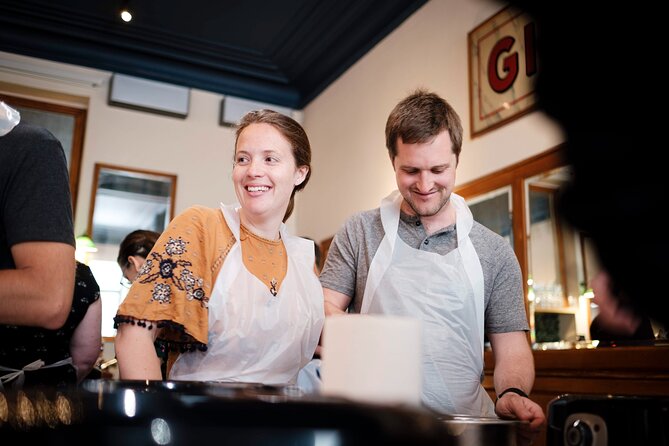
- You’re traveling as a couple, a small group, or even solo. The small-group limit helps it feel social without being huge.
It might be less ideal if:
- You want full cacao bean processing (roasting, grinding, etc.). The class is described as focusing on chocolate melting and crafting, not on processing beans.
- You don’t like cooking-style mess, even if it’s controlled and guided.
- Your schedule can’t handle a 5:00 pm start time or a 2.5-hour block.
A quick note on kids: the workshop is available to adults and children 12 years old. If you’re traveling with a teen who’s curious about food, this can be a rare activity that still feels special rather than like a watered-down “kids version.”
Practical FAQ for planning your Cusco chocolate night
FAQ
How long is the chocolate workshop?
It runs for about 2 hours 30 minutes.
What time does it start in Cusco?
The listed start time is 5:00 pm, and you can select from several start times.
What will I make during the class?
You’ll make around 21 pralines and 10 mendiants, plus you’ll learn ganache and prepare hot chocolate.
What kind of cacao do they use?
The workshop uses 100% organic, artisanal Chuncho cacao from the Sacred Valley of the Incas.
Is there a limit on group size, and is it suitable for kids?
The class has a maximum of 15 travelers and is available for adults and children 12 years old.
Can I get a refund if my plans change?
Yes. You can cancel up to 24 hours before the experience for a full refund.
Should you book this Cusco chocolate workshop?
If you want a fun, food-centered evening where you actually make chocolate—not just watch—this is a smart pick. The combination of premium organic Chuncho cacao, a small group size, and the take-home personalized box makes it feel like more than a one-off activity.
Book it if you’re excited by pralines, mendiants, ganache, and hot chocolate, and if you’re happy with a crafting-focused class (not a full bean-to-bar processing session). Skip it only if you’re chasing the most technical cacao processing possible. Otherwise, plan on a memorable night in Cusco—with sweets you can share the next day.