REVIEW · CUSCO
Cusco: Bean to bar chocolate workshop
Book on GetYourGuide →Operated by Uyuni Experience EIRL · Bookable on GetYourGuide
Two hours turning cacao into your own bar. I like how hands-on it is: you go through roasting and husk removal, then grind nibs the traditional way on a metate with a mano. I also love the tasting side, especially the drinks like the Maya and the conquistadores, which make the history feel personal instead of dusty. The only real drawback: with a 2-hour format, you’re doing the big steps, not watching every tiny production detail.
You’ll start in a workshop and museum setting, with a live guide in English or Spanish, and you’ll learn why Cusco is known for some of the finest chocolate around the world. Then you get to make hot chocolate and mold your own bar, choosing ingredients to match your taste. And yes, you can take your handmade chocolates home.
In This Review
- Key points you’ll care about before you go
- From cacao tree to your chocolate bar: the big idea
- The four steps: roasting, husk, metate grind, and melangeur refining
- Roasting the cacao beans
- Removing the cacao husk
- Grinding cacao nibs on a metate with a mano
- Refining the cacao paste in a melangeur
- Hot chocolate and those Maya-and-conquistadores tasting moments
- Your hot chocolate comes from your own cacao paste
- The Maya and the conquistadores drinks add context
- Making your own organic chocolate bar (and choosing what goes in it)
- You can take your chocolate home
- Where the museum side fits in (and how it helps, not distracts)
- The 2-hour flow: timing, energy, and how to get the most out of it
- Value check: why this feels worth it in Cusco
- Who should book this workshop (and who might prefer something else)
- Should you book the Cusco bean-to-bar chocolate workshop?
- FAQ
- How long is the Cusco bean-to-bar chocolate workshop?
- What language is the live tour guide offered in?
- What bean-to-bar steps are included?
- Do I make hot chocolate and a chocolate bar during the workshop?
- Can I choose what ingredients go into my chocolate?
- Are the chocolates organic, and can I take them home?
- What drinks are included besides hot chocolate?
- What should I do for booking if I’m using WhatsApp?
- Can I cancel for a refund?
Key points you’ll care about before you go
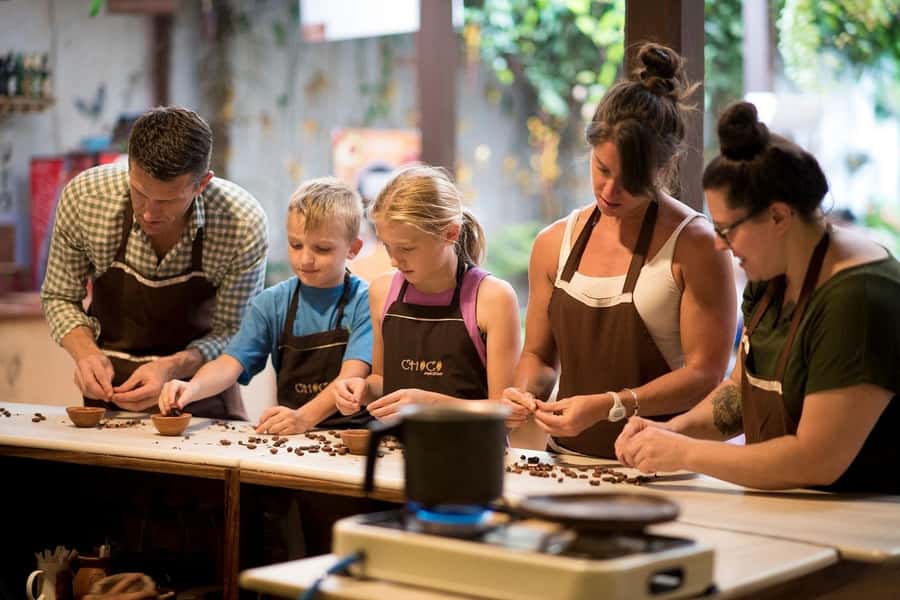
- Bean-to-bar, hands-on: you’ll do roasting, peeling, grinding, and refining steps instead of only watching.
- Aztec-style grinding: cacao nibs are ground on a metate with a mano, like you’ve probably seen in old art—only you’re doing it.
- Your own hot chocolate: after making cacao paste, you’ll enjoy hot chocolate from what you helped create.
- Taste-and-history drinks: you’ll also try drinks such as the Maya and the conquistadores.
- Custom chocolate bar: you mold your own bar and choose ingredients for your flavor preferences.
- Take-home payoff: unless you eat it immediately, you leave with your handmade organic chocolates.
From cacao tree to your chocolate bar: the big idea
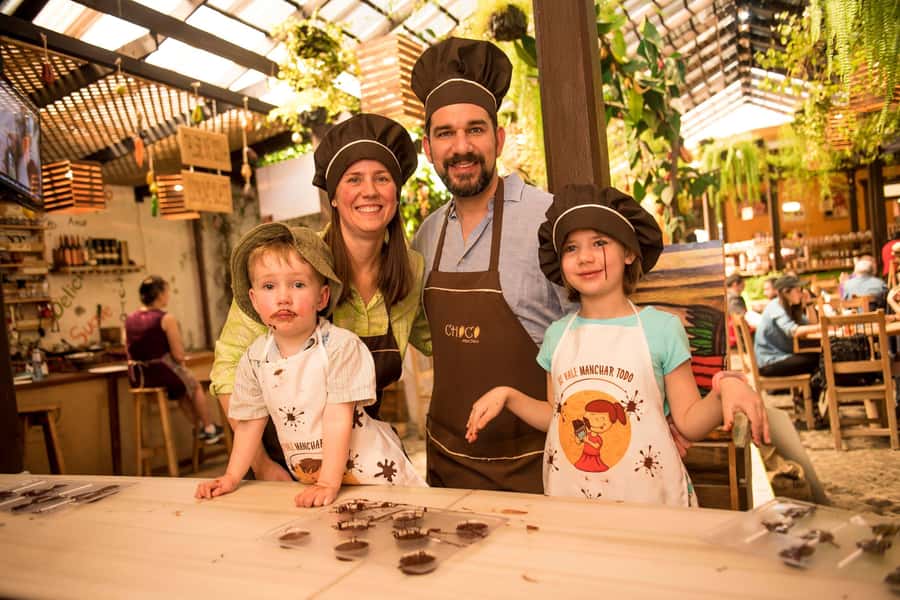
This is a classic bean-to-bar experience, but in a Cusco setting, the story has an extra layer. You’re not just making chocolate. You’re seeing how cacao transforms—bit by bit—into something sweet, aromatic, and totally different from the raw bean.
You’ll learn the core process from start to finish: cacao beans become roasted cacao, then the husk is removed, then the nibs are ground into cacao paste, and that paste is refined until it turns into the kind of texture you can enjoy and mold. The workshop also pairs this with background on the history of cacao beans and why Cusco makes standout chocolate. That museum piece matters. It gives you context for what you’re doing, so the steps don’t feel random.
One more thing I appreciate: the goal is organic chocolate you can actually taste and take home. That makes it feel less like a demo and more like a small craft project you complete.
You can also read our reviews of more drinking tours in Cusco

The four steps: roasting, husk, metate grind, and melangeur refining
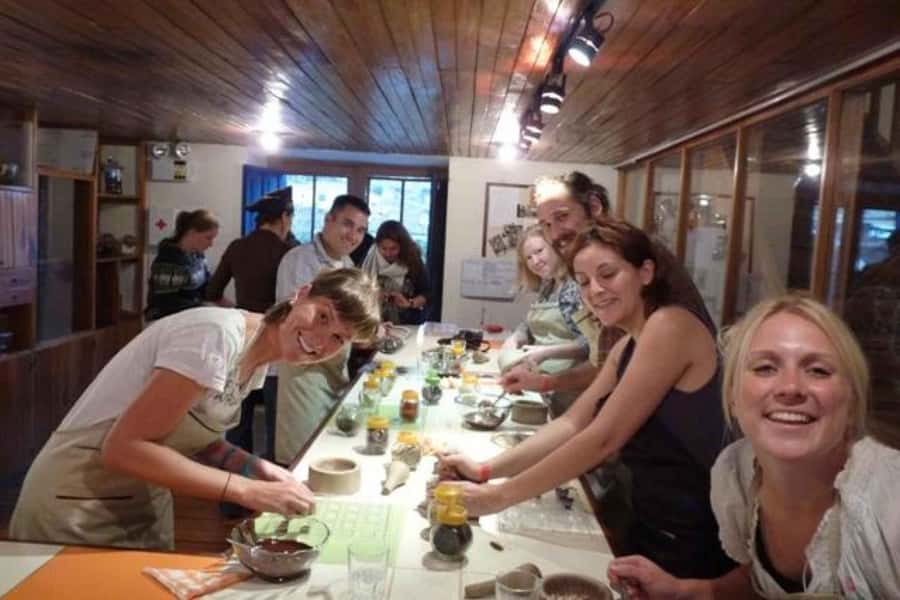
This class is built around four processes. You’ll see them in sequence, and you’ll do the parts you can physically handle. That’s the difference between reading about chocolate and really getting it into your senses.
Roasting the cacao beans
Roasting is where the magic starts. Raw cacao has a harsh, bitter profile. Roasting develops the flavor compounds that later turn into chocolate’s deeper notes—nutty, caramel-like, and sometimes fruity depending on the bean.
In the workshop flow, you’ll learn what roasting does and why it’s not optional. Skip roasting and you end up with a paste that tastes wrong. This is the step that helps everything after it make sense.
Removing the cacao husk
After roasting, you need to remove the husk so you’re left with the nibs. The husk is basically the outer layer, and it doesn’t grind down the way you want for good texture and flavor.
You’ll learn how this works in practice, and that “peeling” stage helps explain why the same cacao tree can become very different chocolate products. It’s part science, part muscle.
Grinding cacao nibs on a metate with a mano
This is one of the most memorable moments. You’ll grind the cacao nibs on a metate with a mano, using the same approach associated with the Aztecs.
Why this matters: grinding isn’t just about breaking things down. It’s also how you create a paste. Your hands and patience affect the texture you’re working toward. It’s surprisingly physical for something that ends up in a small bar.
And it’s also a great cultural moment. You’re connecting a technique to cacao long before factories—so it feels like you’re touching history, not just hearing about it.
You can also read our reviews of more tours and experiences in Cusco
Refining the cacao paste in a melangeur
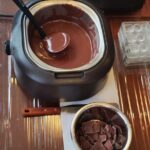
Once you have cacao paste, it needs refinement. A melangeur helps break down and smooth the paste so it becomes more consistent and pleasant to work with.
In plain terms, this is the step that improves mouthfeel. If you’ve ever had chocolate that feels gritty, this is the part that helps you avoid that.
This workshop doesn’t treat refinement as a mysterious factory step. It explains what it does, so when you taste the final product, you can connect the flavor and texture to the process.
Hot chocolate and those Maya-and-conquistadores tasting moments
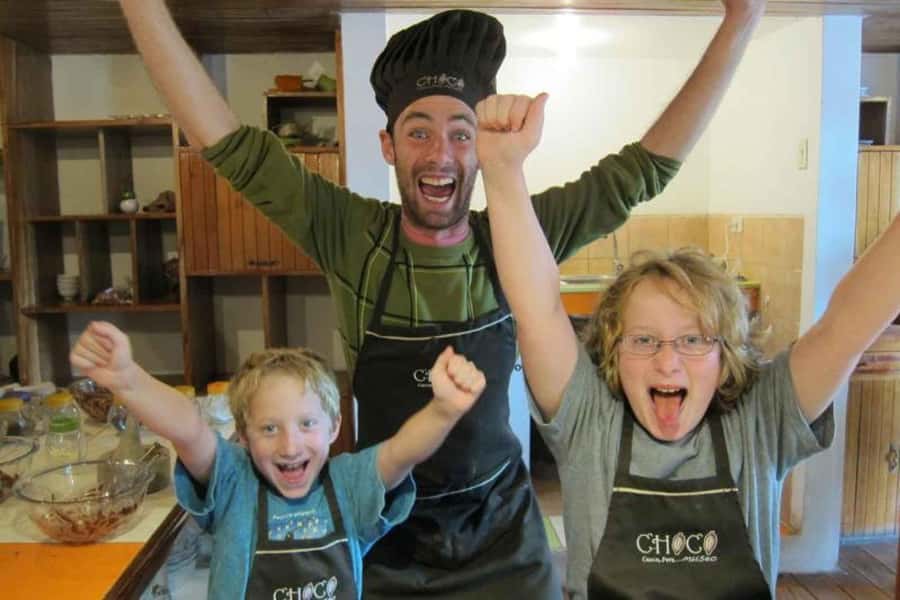
After the hands-on steps, you’ll enjoy drinks based on cacao. The workshop includes hot chocolate, plus tastings like the Maya and the conquistadores.
Here’s what I think is great about this pairing: you see the cacao-to-chocolate mechanics, then you immediately taste the results. Instead of waiting until the end of the class, the flavors show up while the process is still fresh in your mind.
Your hot chocolate comes from your own cacao paste
One of the best-value parts of the experience is that the hot chocolate is tied to what you made—especially when you’ve roasted, peeled, and ground cacao yourself. That makes each sip feel like evidence.
It’s also an easy way to understand how cacao paste behaves once heat meets it. You’ll taste the difference between cacao in raw-ish form and cacao as something warmed, sweetened, and drinkable.
The Maya and the conquistadores drinks add context
The Maya and the conquistadores drinks are a smart inclusion because they suggest cacao isn’t just for modern bars. It’s tied to food traditions and historical change.
You’ll get to try these drinks during the class, which helps you connect the “history behind cacao beans” concept to actual flavors. That’s the kind of detail you remember later, even when you’re already back home.
Making your own organic chocolate bar (and choosing what goes in it)
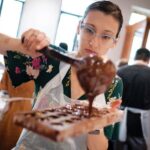
Once you’ve gone through the main steps, it’s time to create the part you’ll likely show off back in your kitchen: your own chocolate bar.
You’ll make organic chocolates, and you’ll be able to choose ingredients based on your taste. That ingredient choice is more than a customization perk. It teaches you how flexible chocolate can be. Cacao is the base, but you’re shaping the final flavor profile.
If you like experimenting, this is where the class becomes yours. If you’re more conservative, you can choose ingredients that feel familiar and let the cacao flavor stay in front.
You can take your chocolate home
The class gives you the chance to take the chocolates with you, unless you eat them on the spot. This matters because chocolate workshops often end with a tiny sample. Here, the payoff is real: you leave with a tangible souvenir you made with your own hands.
Where the museum side fits in (and how it helps, not distracts)
A workshop plus museum can go two ways. Some places overstuff the “history” section and slow you down before you can make anything. This doesn’t feel that way.
The museum portion supports the practical steps. It gives reasons for what you’re doing. When the guide explains why Cusco makes fine chocolate, it connects local identity to the cacao process you’re actively performing.
It also makes the whole experience feel more grounded in Peru rather than just a generic “chocolate cooking class.” Cusco isn’t only a pretty base for Machu Picchu. It’s part of the chocolate story too—at least in the way the guides frame it and the way the workshop is organized.
The 2-hour flow: timing, energy, and how to get the most out of it
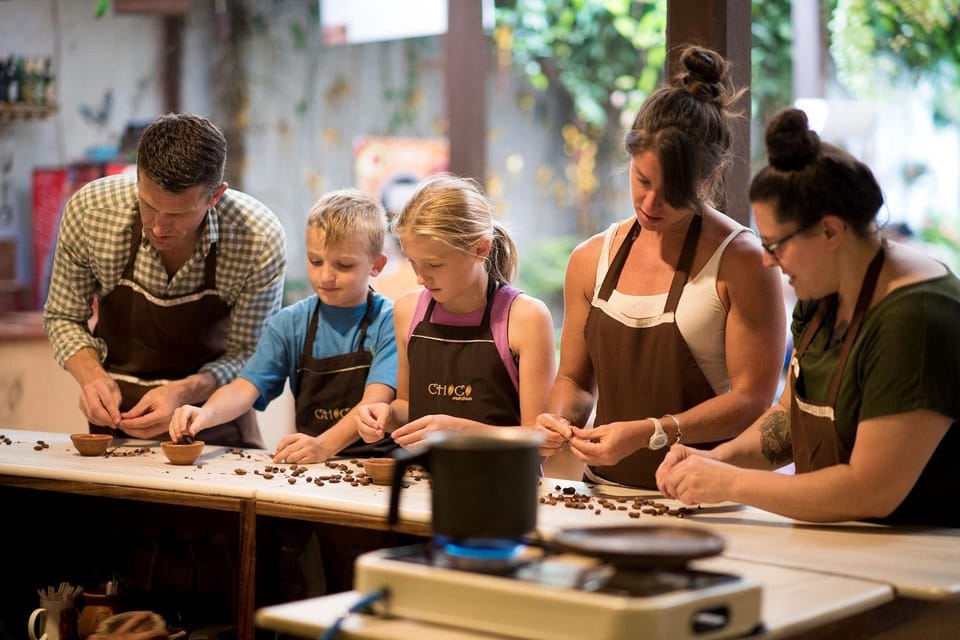
This experience runs about 2 hours. That’s short enough to fit easily into a Cusco day, but long enough to do multiple process steps and still taste what you made.
Because the time is tight, you’ll want to bring a certain mindset: treat it like a sprint where the payoff is your final chocolate and your fresh taste memories. Don’t show up thinking you’ll learn every single production detail like a factory engineer. You’ll learn the essentials and then you’ll make your own bar.
A practical approach that works well:
- Ask questions right when a step starts. The roasting and grinding moments pass quickly.
- Pay attention to ingredient choices for your bar. That’s what you’ll taste again later.
- Don’t over-plan right after the class. You’ll likely want a few minutes to settle with your snacks and drinks.
Also note: the tour guide is live and you’ll have English or Spanish support, so you can actually follow what’s happening—not just watch.
Value check: why this feels worth it in Cusco
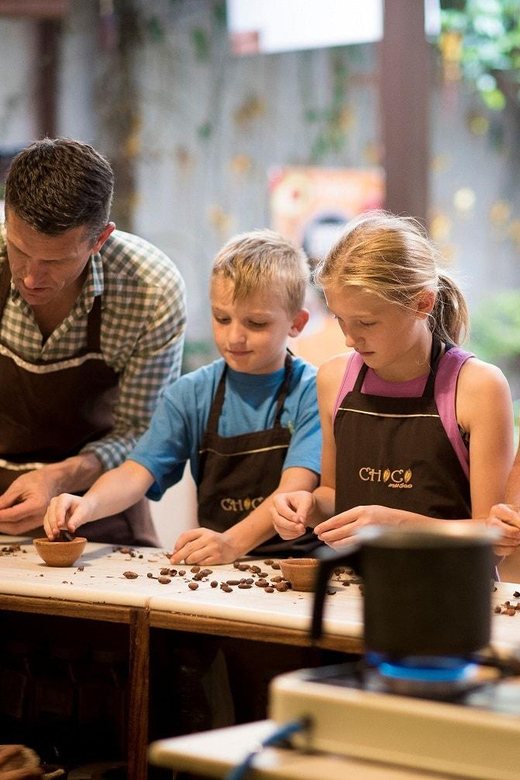
There’s no point doing a “fun” activity if you only get a small sample and a short lecture. This workshop has a stronger value profile because you get multiple outcomes:
- you learn cacao transformation step by step,
- you do key hands-on tasks,
- you taste drinks like Maya and conquistadores,
- you make hot chocolate,
- and you leave with handmade organic chocolates.
And the best part? The class isn’t only about tasting. It’s about understanding. The roasted, peeled, and ground cacao paste experience makes the final hot chocolate feel earned, not handed to you.
From a traveler’s perspective, that’s the sweet spot. You’re paying for a short guided craft lesson with edible results. In a place like Cusco, where you’ll likely spend plenty on big attractions, this type of local food experience offers excellent return in memory value.
Who should book this workshop (and who might prefer something else)
I’d book this if you fit any of these:
- You enjoy food classes where you actually do the work.
- You want hands-on cultural learning in Cusco, not only sightseeing.
- You’re the kind of person who likes history when it connects to your senses—smell, taste, and texture.
- You want something that results in take-home chocolate, not just a quick photo.
You might hesitate if:
- You only want a relaxed, slow-paced tour with minimal active steps.
- You’d rather spend more time on cacao history than making chocolate. This one prioritizes the processes and the edible payoff in a tight 2-hour window.
Should you book the Cusco bean-to-bar chocolate workshop?
Yes, if you want a practical, delicious way to understand cacao. This is one of those activities where the learning is built into the making. You’ll roast, peel, grind on a metate with a mano, and refine cacao paste in a melangeur—then you’ll taste drinks like the Maya and the conquistadores and enjoy hot chocolate made from your cacao paste.
If you’re coming to Cusco and you want one memorable food-focused stop that’s genuinely hands-on, I’d put this high on your list. Just go in expecting a focused 2-hour workshop sprint, not a full day craft retreat.
For booking flexibility, you can reserve and pay later, and cancellation is offered up to 24 hours in advance for a full refund. If you’re doing last-minute scheduling, it’s smart to check availability by email first.
FAQ
How long is the Cusco bean-to-bar chocolate workshop?
The class duration is 2 hours.
What language is the live tour guide offered in?
The live tour guide offers English and Spanish.
What bean-to-bar steps are included?
You’ll learn and participate in four processes: roasting the cacao beans, removing the cacao husk, grinding the cacao nibs on a metate with a mano, and refining the cacao paste in a melangeur.
Do I make hot chocolate and a chocolate bar during the workshop?
Yes. You’ll create hot chocolates and your own chocolate bar.
Can I choose what ingredients go into my chocolate?
Yes. You can choose ingredients for your chocolate bar.
Are the chocolates organic, and can I take them home?
You’ll make organic chocolates, and you can take home all of your handmade chocolates unless you eat them during the class.
What drinks are included besides hot chocolate?
The workshop includes drinks such as the Maya and the conquistadores.
What should I do for booking if I’m using WhatsApp?
Make sure your contact number is correct with your country code and that you have WhatsApp.
Can I cancel for a refund?
Yes. You can cancel up to 24 hours in advance for a full refund.
If you want, tell me your travel dates and whether you prefer English or Spanish, and I’ll help you slot this into a Cusco itinerary alongside the bigger sights.