REVIEW · CUSCO
Cusco City Sightseeing and Sacsayhuaman Archeological Park Tour
Book on Viator →Operated by VIPAC Travel · Bookable on Viator
Cusco feels like a story you can walk through. This tour strings together Sacsayhuaman and the Temple of the Sun area, then finishes in the center with Cusco Cathedral, so you get both Inca stonework and Spanish-era art in one smooth half-day. I especially like the small group size (max 15) and the fact that you’re on an air-conditioned vehicle while covering a lot of ground. The one thing to watch is entrance fees and rules: if you did not choose the ticket-included option, you may still need to pay on arrival, and the cathedral has strict dress and photo rules.
I like that the pace is built for real sightseeing, not racing. After pickup, you head out to the Sacsayhuaman hill for big views and heavy history, then you move through Qenqo, Puca Pucara, Tambomachay, and the Temple of the Sun before ending in central Cusco. If weather turns on you in the Andes, you’ll want to be ready, but the stops are planned so you’re not stuck rushing.
Quick reality check: you’ll be in religious spaces, and the guidance is clear. Plan on no shorts in places like Cusco Cathedral, and photos are forbidden inside the cathedral, so save your pictures for the outside façades and the plaza.
In This Review
- Key Highlights You’ll Feel Immediately
- Cusco in 3.5 Hours: What This Route Is Really Good At
- Sacsayhuaman: The Fortress Feel and the Inca “Three Worlds” Symbols
- Qenqo, Puca Pucara, and Tambomachay: Three Kinds of Meaning, Not Just More Ruins
- Qenqo’s ceremonial altar and Puma temple
- Puca Pucara’s former military outpost feel
- Tambomachay’s water rituals and stone channels
- Qorikancha (Temple of the Sun): Where Gold-Plated Legends Meet Real Architecture
- Plaza de Armas and Cusco Cathedral: Art, Rules, and a Real Sense of Center
- Price and Tickets: Getting Value Out of the $79 Price Point
- How the Guide Changes Everything (And Why Small Groups Help)
- Who Should Book This Tour (And Who Might Want Something Else)
- Should You Book This Cusco and Sacsayhuaman Tour?
- FAQ
- How long is the Cusco City Sightseeing and Sacsayhuaman tour?
- What’s included in the price?
- Are admission tickets included?
- Is there a dress code for the cathedral?
- Can I take photos inside Cusco Cathedral?
- How big is the group?
- Can I cancel for free?
Key Highlights You’ll Feel Immediately
- Small group (max 15 travelers) for a calmer pace and more guide attention
- Air-conditioned round-trip transport so Cusco’s heat and walking distances don’t run the show
- Sacsayhuaman stone walls with Inca symbolism tied to condor, puma, and snake imagery
- A full arc of sites: ceremonial (Qenqo), defensive (Puca Pucara), and water/ritual (Tambomachay)
- Cusco Cathedral plus Temple of the Sun to see how Inca spaces were layered by later Spanish rule
- Bilingual live guide (Spanish and English) so you can actually follow the details
Cusco in 3.5 Hours: What This Route Is Really Good At
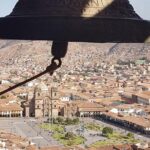
This is the kind of tour that helps you get your bearings fast. Cusco has layers everywhere, and the quickest way to feel the logic is to connect the hills above town to the main square below.
The best part is the mix of “big wow” and “slow attention.” Sacsayhuaman gives you the jaw-drop stonework and the sweeping overlook. Then the day slows down into smaller but meaningful stops, ending with the plaza and cathedral where you can see how Spanish Catholic art and Gothic-Baroque architecture took root over older realities.
The other practical win: you don’t have to figure out the transport puzzle. Round-trip hotel pickup and drop-off plus a vehicle that keeps you comfortable mean more energy for the walking parts.
You can also read our reviews of more city tours in Cusco
Sacsayhuaman: The Fortress Feel and the Inca “Three Worlds” Symbols
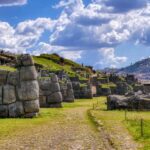
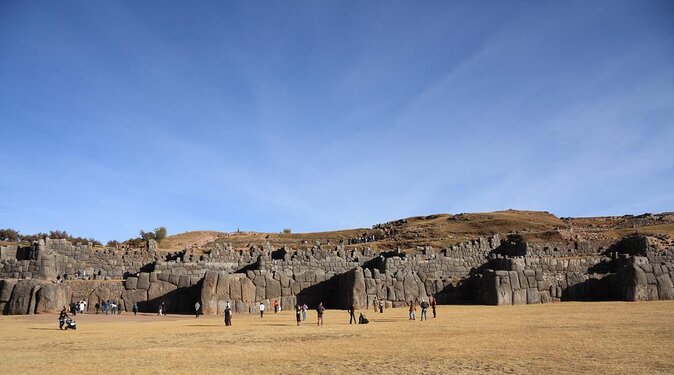
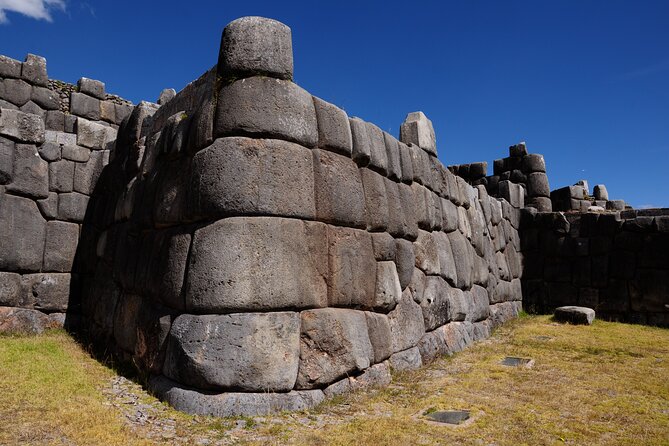
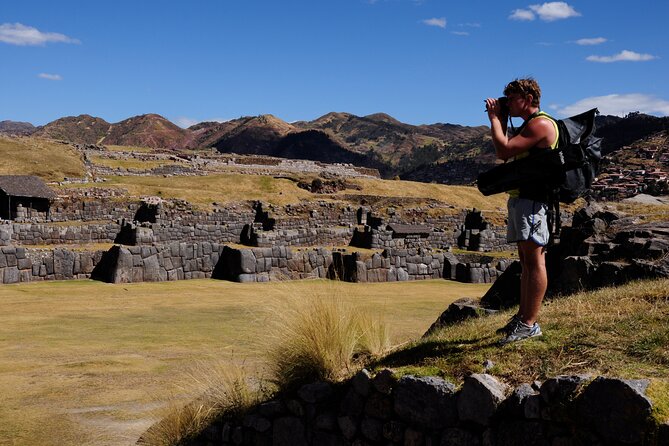
Sacsayhuaman is the anchor stop, perched above Cusco on the northern outskirts. It’s UNESCO World Heritage-listed and famous for massive stone blocks, some reported up to 13 feet (4 meters) tall, fitted together so tightly it feels almost impossible.
What makes this stop more than a photo stop is the way the site is explained. You’ll look at the fortress-like layout and then focus on the stone shapes and sizes. The carvings and motifs connected to condor, puma, and snake are tied to Inca beliefs about the worlds and powers that ordered life.
I like that you’re guided around the complex. Even if you’re not a “ruins person,” the combination of close-up stonework and long city views does the work. You’re seeing both the engineering and the reason the Incas chose these high vantage points.
A possible drawback: Sacsayhuaman is outdoors, and Cusco weather can shift quickly. You may want a light rain layer even if the morning looks fine.
Qenqo, Puca Pucara, and Tambomachay: Three Kinds of Meaning, Not Just More Ruins
After Sacsayhuaman, the tour keeps building the Inca picture instead of repeating it. Qenqo, Puca Pucara, and Tambomachay each feel like different chapters.
Qenqo’s ceremonial altar and Puma temple
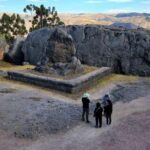
Qenqo is where the tone turns more sacred. You’ll see a ceremonial altar and a sacred temple area linked to Puma (the animal motif shows up again here). The setting helps you understand why rituals weren’t just “extra.” In Inca life, ceremony and landscape were tied together.
A good guide matters here. The best walkthroughs make you notice how the site’s features connect to the stories you’re being told, so Qenqo doesn’t blur into the background.
Puca Pucara’s former military outpost feel
Puca Pucara shifts gears. This is the atmospheric remains of a former military outpost, used for defense of the Inca Empire. The vibe changes from ceremonial calm to strategic purpose.
If you like history that includes conflict and planning, this stop adds balance. You’re not only looking at monuments; you’re seeing how the empire protected itself.
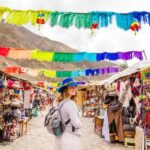
Tambomachay’s water rituals and stone channels
Tambomachay brings you to water and ritual. Expect to see aqueducts, channels, and structures associated with water worship. The tour description also points to the idea that it may have been used like a spa resort by wealthy Incans, which gives the stop a human scale.
This is also one of the best places for “pause and look” moments. Water features can be easier to understand when someone helps you read the purpose of the channels and how they were meant to move and function.
Qorikancha (Temple of the Sun): Where Gold-Plated Legends Meet Real Architecture
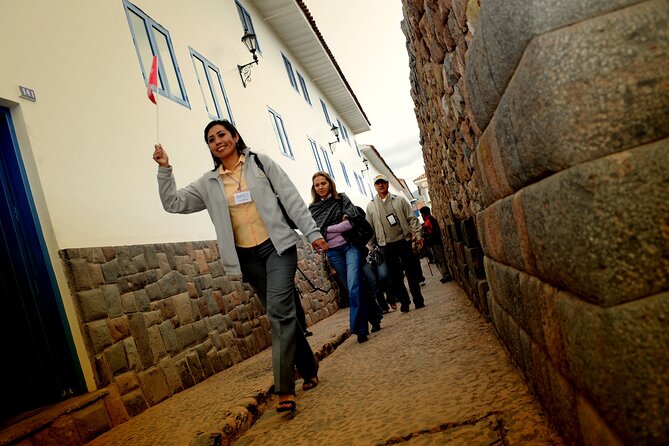
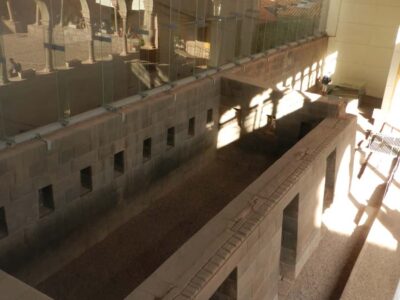
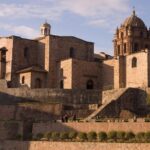
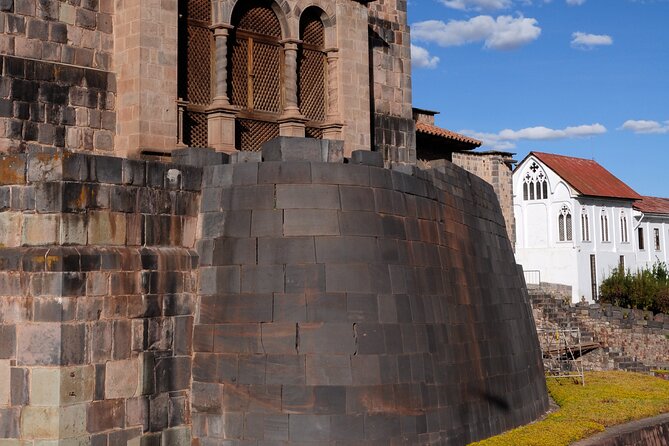
Later, you head toward the Temple of the Sun area, known as Qorikancha. It’s a key Inca religious site, and the big storyline is layering: the Santo Domingo Convent was built over it.
The legend you’ll hear is that the original temple was completely gold plated, which was striking enough that the conquerors were amazed when they first arrived. Whether you treat legends as literal or symbolic, it’s a useful way to understand how central the place was.
This stop also works well because it ties together Inca and Spanish timelines in one view. You’re not just jumping from ruin to ruin. You’re seeing how power changed, then left physical traces behind.
Plaza de Armas and Cusco Cathedral: Art, Rules, and a Real Sense of Center
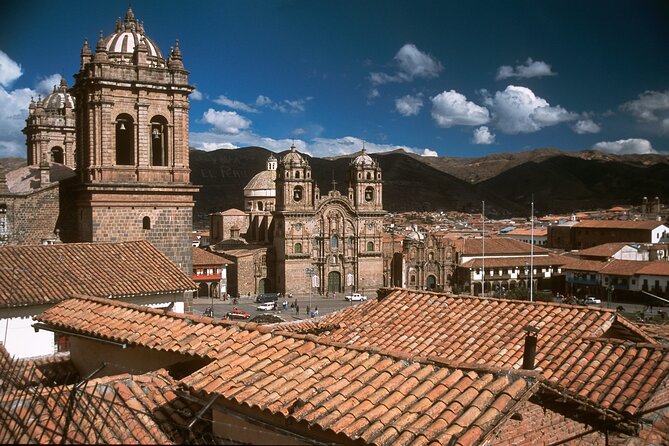
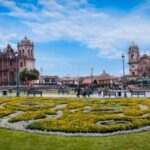
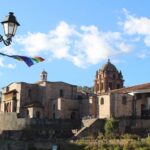
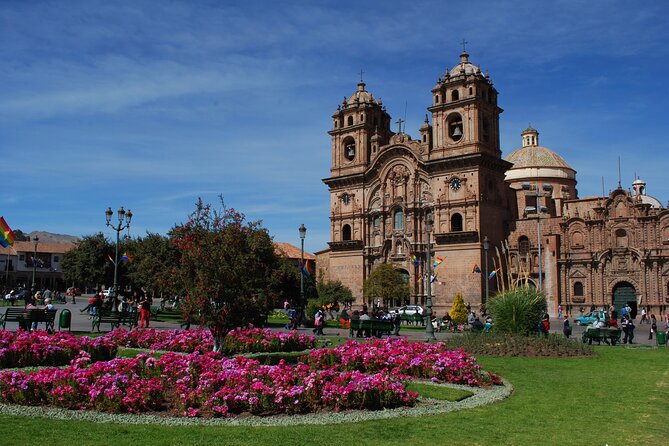
Once you’re back in central Cusco, you’ll stroll the lively Plaza de Armas. This is where the city’s heartbeat is easiest to feel, and it’s a nice contrast to the hilltop ruins.
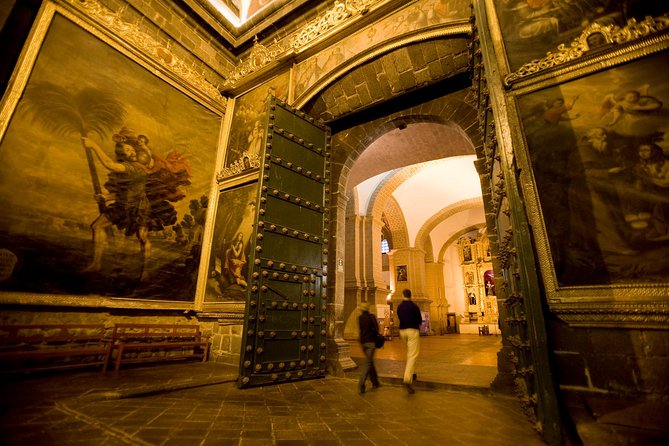
From there, you’ll enter Cusco Cathedral with your guide. The focus here is on late-Gothic and Baroque architecture, plus art like colonial-era paintings and colorful stained glass. One highlight is the revered image known as the Senor de los Temblores, described as the oldest surviving painting in Cusco.
Two practical notes matter a lot:
- The tour guidance is that you can’t enter religious sites wearing shorts.
- Photos are forbidden inside the cathedral, so don’t plan your day around getting interior shots.
If you like churches, this is a strong finish. If you don’t, the cathedral is still worth visiting once because it shows how Cusco became a cultural crossroads in the most literal way: building over belief systems, using new styles, and keeping other threads alive.
You’ll also see the second church in the main square area, the Church of the Society of Jesus, which helps place Cusco Cathedral in context.
Price and Tickets: Getting Value Out of the $79 Price Point
The advertised price is $79 per person, and the tour runs about 3 hours 30 minutes on paper. That length matters: it’s long enough to feel like a real outing, but short enough to still enjoy a separate dinner plan in town.
The value equation depends on which ticket option you choose. The tour includes admissions for Sacsayhuaman, Qorikancha, and Cusco Cathedral when you select the ticket-included option. If you choose the option without tickets included, you should expect additional entrance costs at sites.
Some people reported surprise add-ons on the day they arrived, including amounts like 140 soles in one case and 290 soles in another. I can’t promise your total will match theirs, but the lesson is clear: confirm your option before you go. A quick check now can save a headache later.
Also keep in mind that hotel pickup may be tricky for certain neighborhoods. If your hotel is in an area where vehicles can’t enter, you might have a different pickup point than you expect. The tour is still built around pickup and drop-off, but you should be ready for a small adjustment.
Finally, timing can stretch. One account described the tour as closer to 5 hours than 3.5. That can happen with weather, crowding, or how long the guide keeps you at each stop, so keep dinner plans flexible.
How the Guide Changes Everything (And Why Small Groups Help)
A big part of this experience is interpretation. At Sacsayhuaman and the other Inca sites, you’re looking at stonework that can feel abstract until someone gives you a framework. The best guides connect the details to Inca beliefs and engineering logic, then turn it into a story you can actually follow.
This is where the small group size helps. With a maximum of 15 travelers, you’re less likely to feel like a passenger. You can ask questions, and the guide can keep an eye on pace and timing.
Names that came up in detailed accounts include guides like Rommel, Clara, Yuber, Abraham, Julio, and Alvaro Jimenez. I can’t guarantee who you’ll get, but I can say this: when the guide is animated and specific, Qenqo and Tambomachay feel much more meaningful than they would if you were just reading signs.
Who Should Book This Tour (And Who Might Want Something Else)
This tour is a strong pick if you’re:
- short on time in Cusco and want multiple major sites in one outing
- curious about how Inca sacred and defensive spaces connect to Cusco’s Spanish-era center
- the type who likes a guide’s narration to make the stones and symbols click
It may be less perfect if you strongly prefer only one style of travel. If you want a pure church-and-art day, you’ll get a lot of cathedral time but still also visit the Inca sites. If you want intense, slow archaeological study, three and a half hours can feel like a fast sweep.
It’s also a good acclimatization-day option for many people, since the pacing is structured and transport does some of the heavy lifting.
Should You Book This Cusco and Sacsayhuaman Tour?
Yes, book it if you want the fastest way to understand Cusco’s layers without turning the day into logistics. The combination of Sacsayhuaman views, the Inca stops around Qenqo/Puca Pucara/Tambomachay, and the ending in Plaza de Armas and Cusco Cathedral is a smart use of limited time.
Before you go, do two simple checks:
- Confirm whether you selected the ticket-included option, so you aren’t stuck paying entrance fees you thought were covered.
- Plan clothing and behavior for religious sites: no shorts and remember that cathedral interior photos aren’t allowed.
If you line those up, this tour is a practical, high-value primer for the rest of your Cusco and Inca journey.
FAQ
How long is the Cusco City Sightseeing and Sacsayhuaman tour?
It’s listed at approximately 3 hours 30 minutes.
What’s included in the price?
The tour includes an air-conditioned vehicle, a bilingual Spanish and English guide service, and hotel pickup and drop-off (where vehicle access is permitted). Admission tickets are included only if you choose the ticket-included option.
Are admission tickets included?
Admission tickets to Cusco Cathedral, Qorikancha (Temple of the Sun), and the Sacsayhuaman Archaeological Park are included when you select the option with tickets included. If you choose the option without tickets included, entrance fees may be additional.
Is there a dress code for the cathedral?
Yes. You are not allowed to enter religious sites wearing shorts.
Can I take photos inside Cusco Cathedral?
No. The tour notes that taking photos is forbidden inside the cathedral.
How big is the group?
The maximum group size is 15 travelers.
Can I cancel for free?
Yes, you can cancel up to 24 hours in advance for a full refund.