REVIEW · CUSCO
Cusco: Half-Day Historic City Tour
Book on GetYourGuide →Operated by MPTC GETS · Bookable on GetYourGuide
One afternoon can cover a lot of Cusco’s icons. This tour strings together Cathedral of Cusco and Qoricancha in the center, then jumps out to the best-known Inca-era sites with a comfortable coach. It’s a smart way to orient yourself if it’s your first time in town.
I especially like how the schedule mixes big visual stops with clear context. You start inside the Cathedral, then move to Qoricancha, where the story shifts from Spanish-era art to the Sun temple the Incas built (and the Spanish later wrapped over). The guide also gives practical history at each ruin, not just names on a sign.
One thing to consider: the pacing can feel a bit quick, and the day may include extra bus-side stops or sales moments that can slow the sightseeing. If you want lots of time to wander on your own, plan to book a longer tour instead.
In This Review
- Key points worth knowing before you go
- Hotel pickup and the 1:00 PM timing that makes this work
- Cathedral of Cusco: UNESCO-listed art, carving, and symbolism
- Qoricancha Museum: the Sun temple idea behind the museum
- Sacsayhuaman: 33 archaeological sites and the engineering you can feel
- Qenqo, Puca Pucara, and Tambomachay: sacred places, practical functions
- Qenqo, the labyrinth of ceremonies
- Puca Pucara: a fortress and food-storage idea
- Tambomachay: fresh water spring and stone channels
- Coach rides, comfort, and the small-group vibe (with one reality check)
- Craft center stop: vicuña wool knowledge you can use
- What you’ll pay: the $18 tour price plus major ticket extras
- Who this tour suits best (and who should choose something else)
- Should you book this Cusco historic city tour?
- FAQ
- FAQ
- How long is the Cusco half-day historic city tour?
- What time does the tour start, and when do you return?
- Is hotel pickup included?
- What is included in the price?
- Which tickets cost extra?
- Is the coach air-conditioned?
- What language is the tour guide?
- Does the tour run rain or shine?
- Is this tour suitable for wheelchair users or people with mobility impairments?
Key points worth knowing before you go
- 1:00 PM start, ~7:30 PM return: you’ll cover a lot, but it still feels like a single evening outing
- Air-conditioned coach between sites: helpful for Cusco’s altitude and traffic
- Entrance fees are extra (Cathedral, Qoricancha, plus the tourist ticket), so budget ahead
- Top ruins in one loop: Sacsayhuaman, Qenqo, Puca Pucara, and Tambomachay
- Craft center + vicuña wool guide: you’ll learn how to spot traditional garments
- Small group format: listed as limited to 12, though the tour description also mentions up to 20
Hotel pickup and the 1:00 PM timing that makes this work
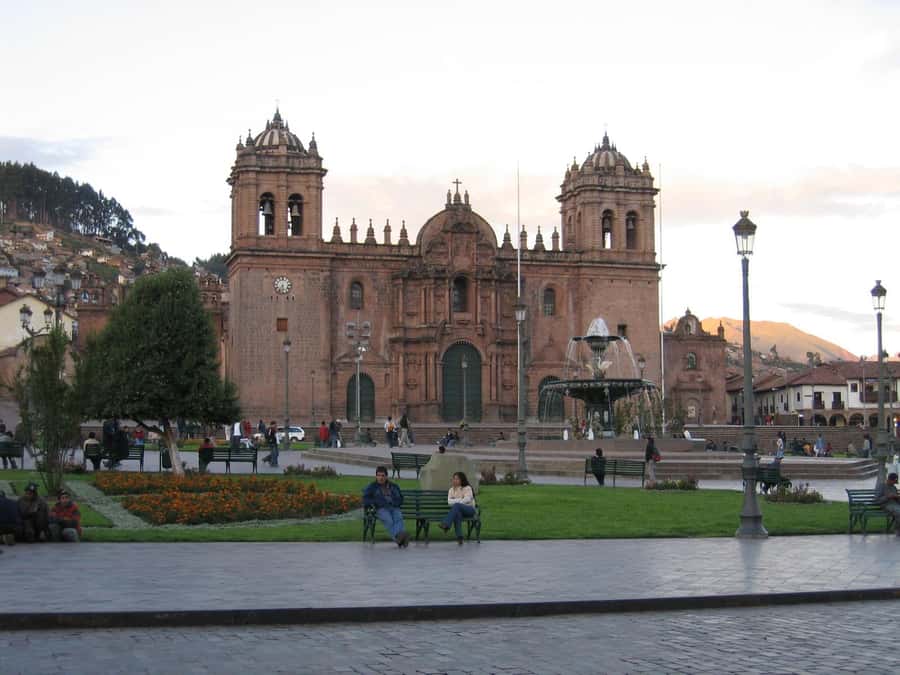
This is set up as an afternoon-to-early-evening tour. You’re picked up from your Cusco hotel around 1:00 PM, and the coach brings you to the first stops in the central area. The return is around 7:30 PM, ending near Santa Catalina Street close to the main square.
Why that timing matters: Cusco mornings can be busy—tours, markets, altitude acclimation plans. Starting in the afternoon lets you eat, walk the center a bit, and get your bearings first. Also, the sites outside town are easier to fit into a day when you’re not trying to do everything before lunch.
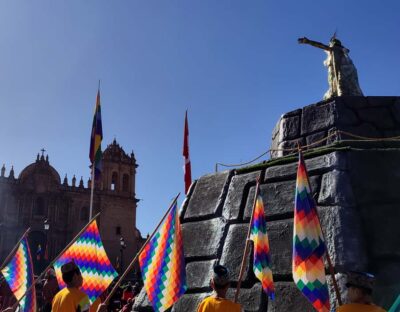
Logistics are fairly straightforward. If you’re staying in the city center, pickup is included. If your hotel is outside the center, the meeting point moves to the Inka Ahy statue in the main square. You’ll wait at reception for the designated pickup time, so it helps to have your hotel address ready when you book.
The tour runs rain or shine, so come prepared for sudden drizzle. And wear shoes you trust: even though the tour uses coach travel between sites, you still spend time walking on uneven stone and walking up around ruins.
You can also read our reviews of more city tours in Cusco
Cathedral of Cusco: UNESCO-listed art, carving, and symbolism
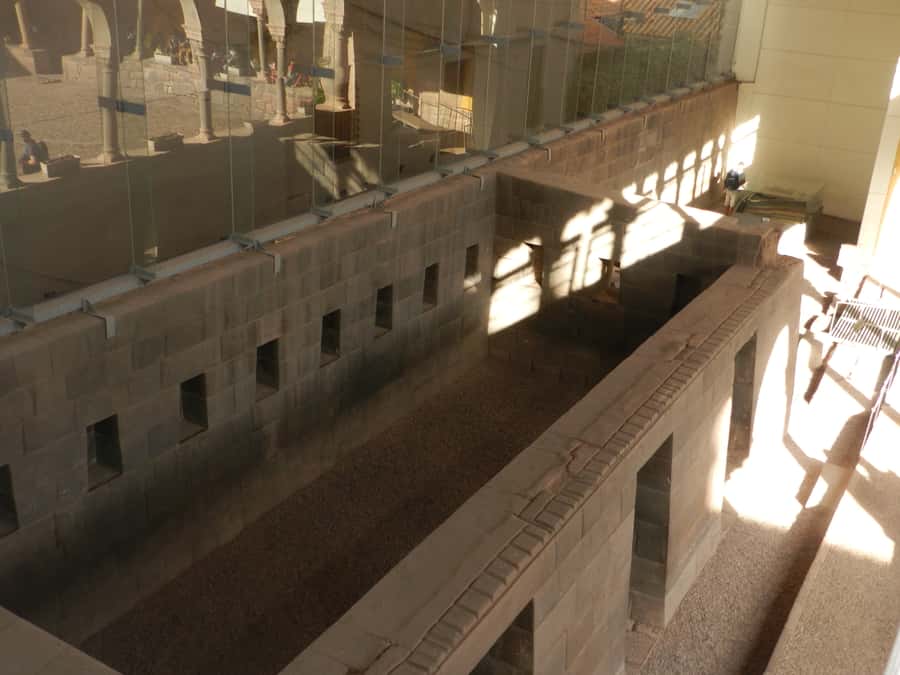
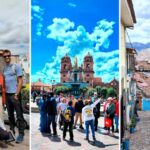
You begin with the Cathedral of Cusco, a UNESCO World Heritage Site. This stop is the clearest example of how Cusco’s layers overlap: Spanish Catholic architecture, but with plenty of local visual influences and historic details baked into the experience.
Inside, you’ll see lots of paintings, carvings, and sculptures. The guide’s job here is to point out what you’re looking at so you don’t just stand there wondering what matters. If you’ve already visited one church in South America, you’ll recognize the pattern: a lot of art is meant to teach, not decorate.
The practical side: the cathedral entrance ticket is not included, so you’ll need cash in local currency. Plan for the extra fee before you’re at the door. If you’re traveling with a tight budget, this is where the day starts to add up—though the tour price itself is low compared to many guided full-day tours.
This is also a good moment to settle into the flow. After pickup, you can slow down, look around, and get your head around Cusco’s religious geography before you shift back to Inca-era sites.
Qoricancha Museum: the Sun temple idea behind the museum
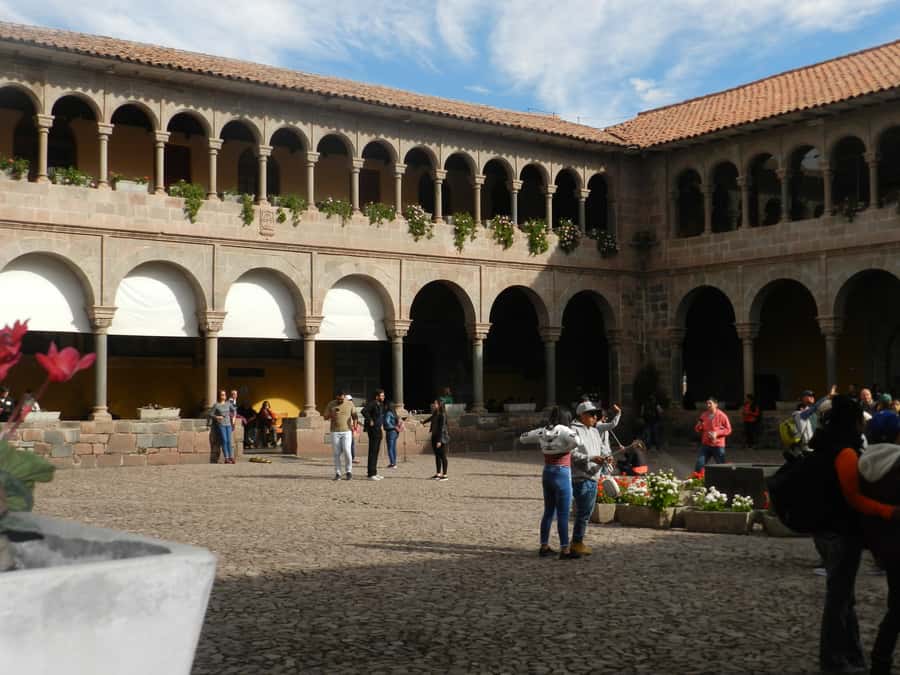
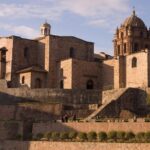
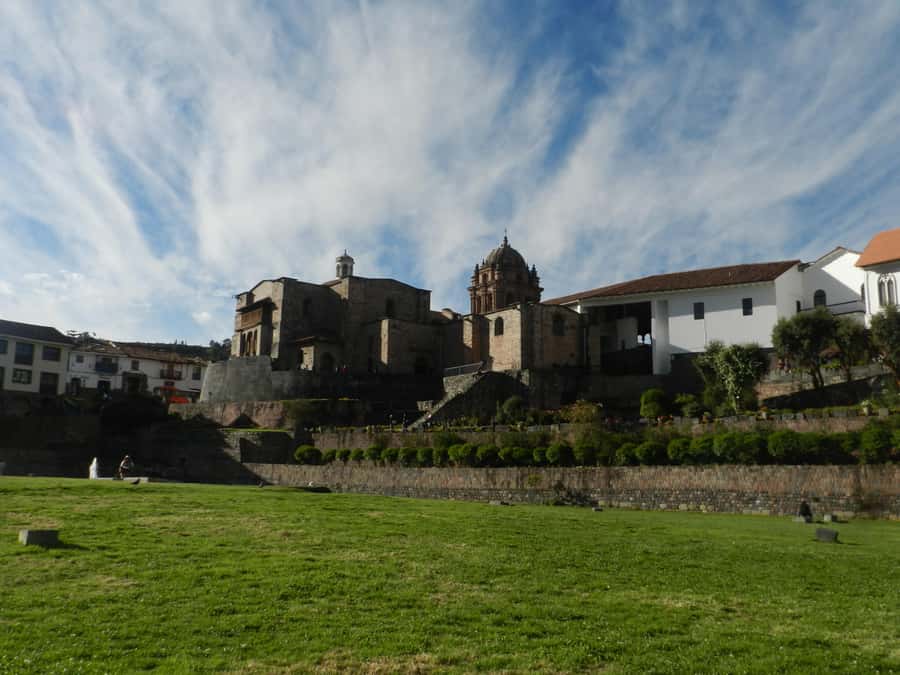
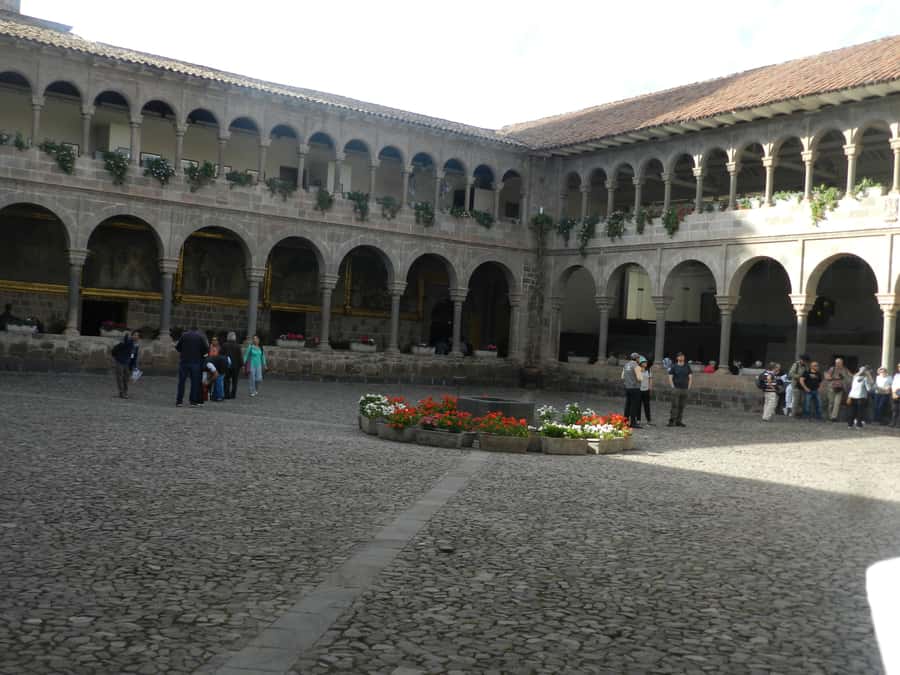
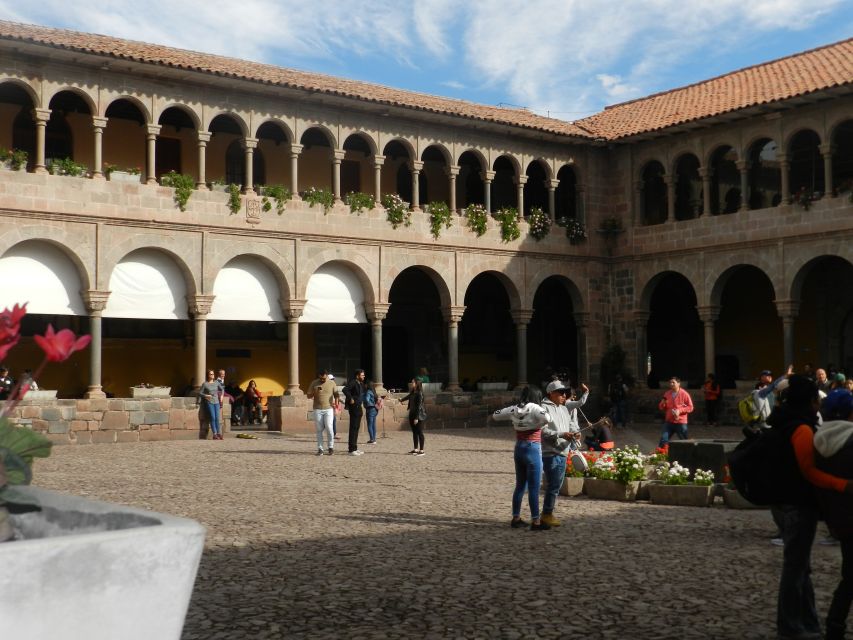
Next comes Qoricancha, the museum that corresponds to an Inca-era complex originally built to worship the Sun. Even if you’ve read a sentence or two about Qoricancha before, seeing it as part of a guided route helps. The guide can connect the meaning of the place to what’s visible now.
Qoricancha matters because it’s one of the easiest ways to understand Cusco’s cultural mash-up. The Spanish-era church and the Inca temple relationship can feel abstract until you’re standing in the same space and realizing what stayed, what changed, and what was re-used.
Again, the Qoricancha entrance fee is not included (you’ll pay 15 soles). This is one of the reasons I like this tour for first-timers: the itinerary includes top sites, but you aren’t locked into a single high-cost ticket bundle. You can pay as you go.
If you’re the kind of traveler who likes photos, this stop gives you plenty of angles—doors, stone details, and the feeling of a place that has been important for centuries.
Sacsayhuaman: 33 archaeological sites and the engineering you can feel
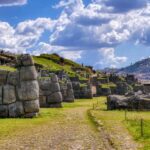
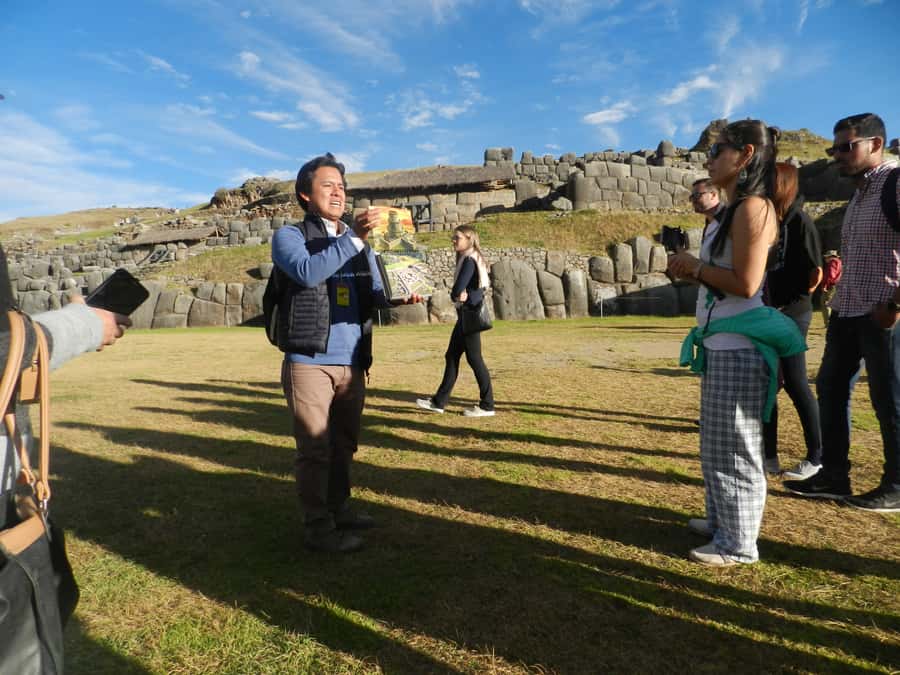
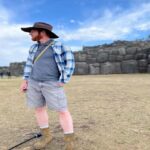
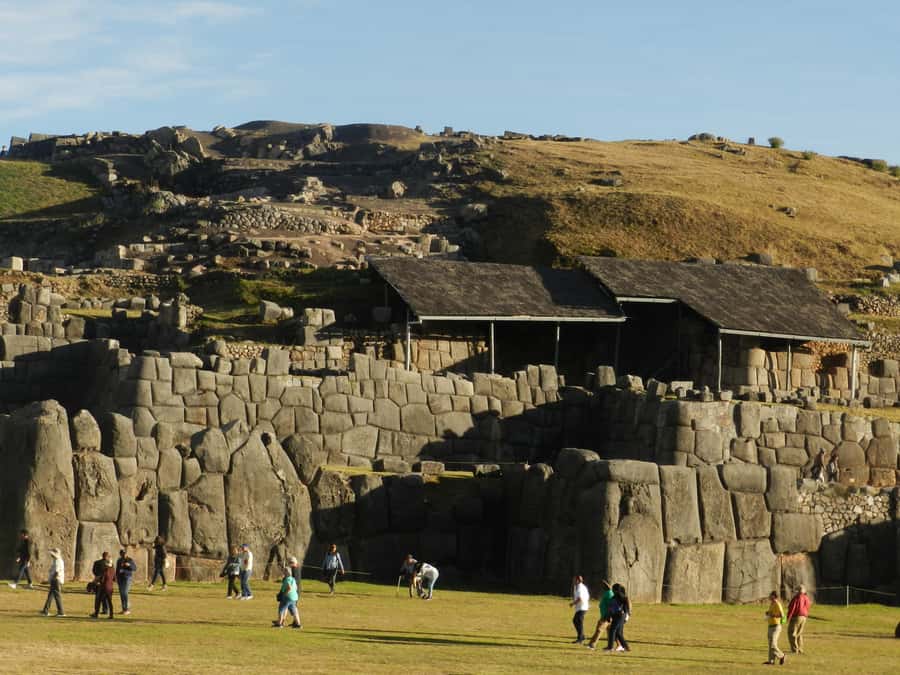
After the central stops, you’ll board an air-conditioned coach for the drive to Sacsayhuaman. From there, the tour focuses on a sprawling complex often described as having 33 archaeological sites, and it’s believed to have been built for military purposes.
What I like about this stop is how physical it feels. Even if you don’t know the story perfectly, the scale of the walls and the way the stonework sits in the terrain makes an impression. It’s the kind of site where your brain starts thinking about logistics—defense, movement, visibility—without needing a lecture.
Because this is a half-day style schedule (even though it runs about 7 hours), you likely won’t get unlimited roaming time. Instead, you’ll get guided orientation and then the chance to absorb the big picture. If you’re hoping for long solo exploration, that’s the trade-off: you’ll leave with a good understanding, but you won’t see every corner the way you would with a longer specialized tour.
A helpful tip for getting more out of Sacsayhuaman: take a minute early on to stand back and look at the overall layout. After that, you can circle back to details the guide highlights.
Qenqo, Puca Pucara, and Tambomachay: sacred places, practical functions
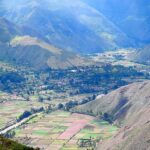
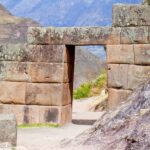
The tour then keeps rolling through three sites that connect different ideas of sacred space and daily life.
You can also read our reviews of more historical tours in Cusco

Qenqo, the labyrinth of ceremonies
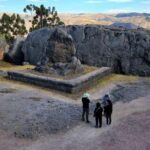
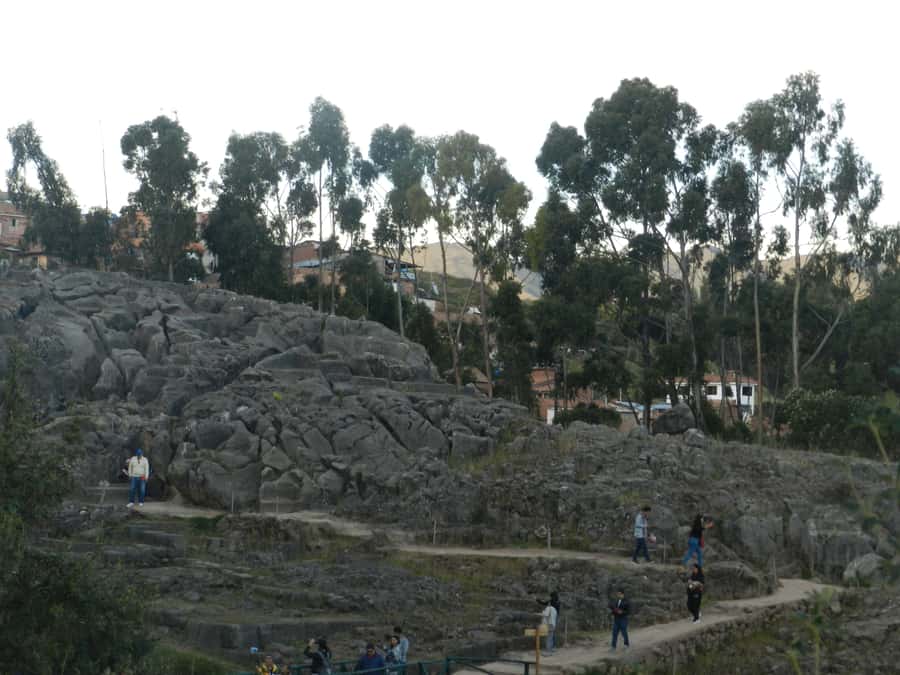
Qenqo, sometimes described as a “labyrinth,” is treated as a sacred place where ceremonies were performed in honor of the Sun, the Moon, and the stars. This stop tends to be where the tour feels most spiritual, because the guide can tie visible structures to how people used the place.
This is a good moment to listen closely. If you only look at the ground patterns and cutouts, the meaning can seem distant. With the guide’s framing, Qenqo becomes more than a photo stop.
Puca Pucara: a fortress and food-storage idea
Next is Puca Pucara, about 7 km from the city center. It’s described as a complex of halls, inner plazas, aqueducts, watchtowers, and paths. The prevailing idea is that it functioned like a military complex and may also have been a food storage area.
What I like here is the shift. Not every Inca-era site is just a temple. Puca Pucara gives you a glimpse of administration and preparation—how a region could sustain itself. It’s also a useful stop if you’re trying to understand how Cusco wasn’t only ceremonial. It was also practical.
Tambomachay: fresh water spring and stone channels
Finally, you’ll visit Tambomachay and its fresh water spring. Tambomachay is one of those places where water management is part of the story. The guide will point out how the site connects to the way people valued and used clean water.
The result is a tour that moves between beliefs and engineering. You’re not just seeing sacred stones; you’re seeing how sacred space and daily needs overlapped.
Coach rides, comfort, and the small-group vibe (with one reality check)
The route uses an air-conditioned coach, which is a real quality-of-life feature in Cusco. Even if the weather is fine, you’ll spend time moving between sites, and an A/C vehicle makes the whole day feel more controlled.
Group size is described as small. The info you’re given lists a limit of 12 participants, while the tour overview also mentions groups up to 20. Either way, you’re not in a giant bus crowd. That typically helps with questions and with hearing the guide clearly.
Still, pay attention to pacing and the flow of the day. One downside shows up in real-world experience: sometimes the tour can feel rushed, and the guide’s explanations can run long or repeat. That doesn’t mean the stops aren’t worth it. It means your best outcome depends on your style: if you like guided storytelling more than lingering, you’ll probably be happy.
Also, keep expectations realistic about bus atmosphere. I’ve seen days where you may run into quick sales pitches during the ride—things like an anis seller or other promotions. That’s not what you came for, so if you’re sensitive to distractions, bring headphones or just mentally file the sales moments under noise and focus on the ruins.
Craft center stop: vicuña wool knowledge you can use
The tour finishes with a visit to a craft center, where a local guide explains the story behind ancient Incan crafts and how to identify traditional garments, including those made from vicuña wool.
This stop can be more useful than it sounds if you approach it with a simple goal: learn how to spot quality. Even if you don’t buy anything, you’ll get a framework for what traditional fibers should look and feel like, and what kinds of marketing claims to question.
It’s also a good closing note for the day. Earlier you learned about ceremonies, defense, and sacred astronomy. Here you end with how craft traditions connect to identity—what people wear and how materials carry cultural meaning.
If you do shop, go slow. A short craft-center stop is meant to educate, but time is limited. Treat purchases as optional unless you feel confident about what you’re buying.
What you’ll pay: the $18 tour price plus major ticket extras
The headline price is $18 per person, which is attractive for a guided loop that covers multiple sites and includes pickup, transportation, and a local guide. But the day isn’t all-inclusive.
You’ll need to budget for these extras in local currency:
- Cathedral entrance ticket: 25 soles
- Qoricancha entrance ticket: 15 soles
- Tourist ticket: 70 soles
So the real cost can jump quickly once tickets are added. I like to think of it like this: you’re paying a low rate for the planning and movement—the coach, timing, and guide—then paying separate fees for the entry points themselves.
If you’re comparing tours, make sure you compare apples to apples. A cheaper guided tour can become pricey once you add ticket requirements. On the other hand, this format can still be good value if you were already going to pay to enter the major sights.
Who this tour suits best (and who should choose something else)
This experience fits well if you want to cover key Cusco highlights without driving yourself. It also works if you’re traveling solo or as a couple and don’t want to deal with arranging transport between sites.
You’ll likely enjoy it most if:
- it’s your first visit to Cusco and you want a guided route through historic sites
- you like a mix of religious sites and Inca-era ruins
- you’re okay with short guided stops and limited free time
- you want help identifying what you’re seeing, including the craft center focus on vicuña wool
It’s not suitable for people with mobility impairments and wheelchair users, since the tour involves walking and access challenges across archaeological areas.
If you’re the type who loves to linger—slow cafés, long museum time, deep reading at one site—then a longer tour might feel more satisfying. Here, the goal is coverage, not extended wandering.
Should you book this Cusco historic city tour?
I’d book it if you want a practical, guided loop that gets you from the center’s major monuments to the classic Inca ruins without stress. The route hits big names—Cathedral of Cusco, Qoricancha, Sacsayhuaman, Qenqo, Puca Pucara, and Tambomachay—and ends with a craft stop that gives you something tangible to take home, even if you skip shopping.
I’d skip (or look for a longer alternative) if pacing issues bother you. This can be a “see a lot” day, and a few parts may feel rushed. Also factor in the extra ticket costs, since the entry fees are not bundled into the starting price.
If your priority is efficiency plus a guide who explains what matters, this tour is a solid pick—especially when you’re trying to make the most of limited time in Cusco. And if plans change, the tour notes that last-minute bookings are always available, with free cancellation up to 24 hours.
FAQ
FAQ
How long is the Cusco half-day historic city tour?
The tour runs for about 7 hours.
What time does the tour start, and when do you return?
Pickup starts at 1:00 PM, and the coach returns at approximately 7:30 PM.
Is hotel pickup included?
Yes. Pickup is included from hotels in the city center. If your hotel is outside the city center, pickup is arranged from the Inka Ahy statue in the main square.
What is included in the price?
The price includes hotel pickup (city center), transportation, and a local guide.
Which tickets cost extra?
Entrance fees are not included for the Cathedral of Cusco (25 soles), Qoricancha Museum (15 soles), and the tourist ticket (70 soles).
Is the coach air-conditioned?
Yes, the tour uses an air-conditioned coach for the drive between sites.
What language is the tour guide?
The tour has a live English guide.
Does the tour run rain or shine?
Yes, the tour is held rain or shine.
Is this tour suitable for wheelchair users or people with mobility impairments?
No. It is not suitable for wheelchair users or people with mobility impairments.