REVIEW · CUSCO
6-Day Cultural Tour to Machu Picchu
Book on Viator →Operated by Inkayni Peru Tours · Bookable on Viator
Machu Picchu at sunrise beats jet lag every time. This 6-day cultural route ties together sunrise Machu Picchu, Cusco’s major Inca sites, and Sacred Valley stops with the big logistics already handled. I also like that you’re not left guessing what’s next, since transportation, transfers, train, and entrance fees are built in.
I especially like the Sacred Valley day plan that hits Moray, Maras Salt Mines, and Chinchero without wasting hours in planning mode, and the Machu Picchu guided walkthrough that explains temples, ceremonial areas, terraces, and storage structures. One possible drawback: the schedule starts early and the altitude is serious, from Cusco around 3,400m up to about 3,700m at Sacsayhuamán.
In This Review
- Key Things That Make This Tour Worth Your Time
- First Cusco Days: Altitude Settle-In, Qorikancha, and the Inca Museum
- Sacsayhuamán and the Temple of the Moon: Cusco’s Big Stone Engineering
- Sunrise Machu Picchu: What Your Guided Tour Actually Helps You See
- Sacred Valley by Day 4: Moray, Maras Salt Mines, and Chinchero
- The Free Cusco Day That Lets You Customize Your Trip
- Your Last Morning: Cusco’s Historic Center and a Smooth Airport Exit
- Price and Value: Why $999 Can Make Sense Here
- Guide Team Matters: The Names People Keep Mentioning
- Small Group Size: What Max 15 Really Changes
- Who Should Book This Machu Picchu and Sacred Valley Route
- Should You Book This Tour?
- FAQ
- What time does the tour start?
- Is pickup included?
- How big is the group?
- What does the tour price include?
- What is not included?
- Do I need an extra ticket for Huayna Picchu or Machu Picchu Mountain?
- How soon will I get confirmation after booking?
Key Things That Make This Tour Worth Your Time
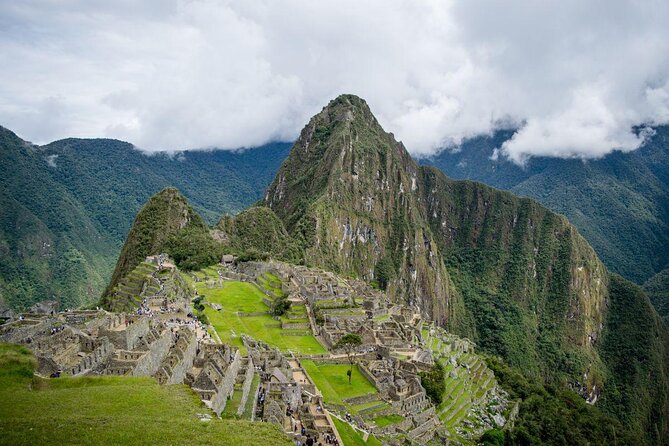
- Sunrise Machu Picchu entry with a private guided tour covering the core areas
- Train + roundtrip buses included, so you skip most of the day-of chaos
- Sacred Valley highlights: Moray terraces, Maras salt pools, and Chinchero weaving demos
- Cusco essentials: Qorikancha and Sacsayhuamán’s famous mortarless stonework
- Small group size (max 15) with a professional English-speaking guide for the full trip
- Value-built inclusions: 5 nights stay, 5 breakfasts, major transfers, and key entrance fees
First Cusco Days: Altitude Settle-In, Qorikancha, and the Inca Museum
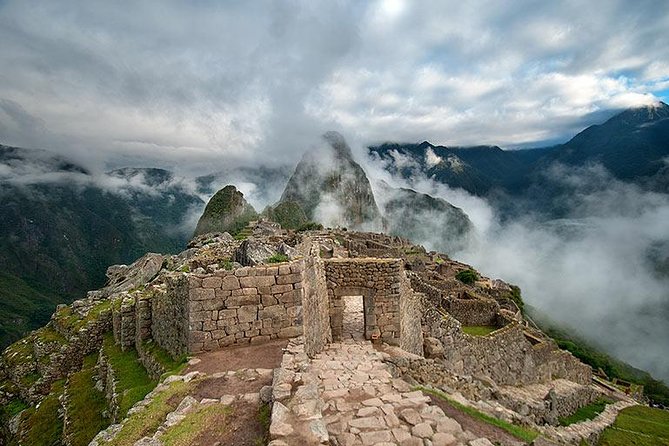
Day 1 is a gentle start by high-Andes standards. You land in Cusco and get a shuttle to your hotel, then you get time to rest and adjust to the altitude of about 3,400m. That pause matters. Cusco isn’t just “high.” It can make you breathless doing normal things, like walking around the block.
In the afternoon, you shift into history mode with two solid anchors: the Inca Museum and Qorikancha (Korikancha), the Sun Temple of Qosqo. The museum is useful because it gives context before you start seeing stone ruins everywhere. Qorikancha is useful because it shows you how the Incas fused power, belief, and engineering in one place. It’s also a reminder that Cusco’s Inca foundations still shape the city you walk today.
Practical note: take it easy this evening. Hydrate, eat something light, and avoid going full speed until your body learns the altitude rhythm.
You can also read our reviews of more historical tours in Cusco
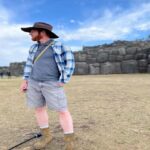


Sacsayhuamán and the Temple of the Moon: Cusco’s Big Stone Engineering
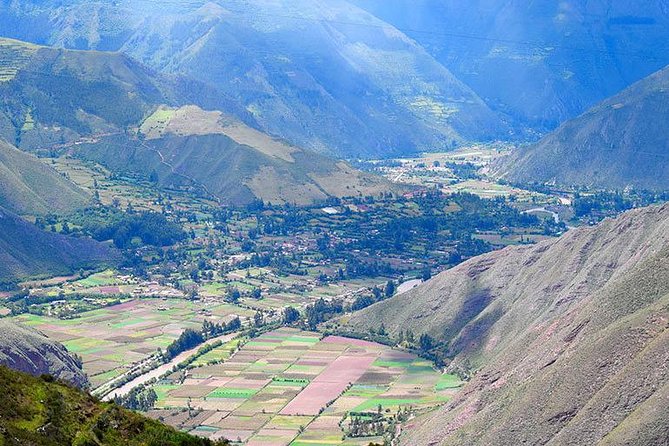
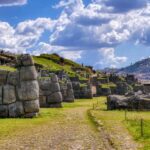
On Day 2, you head to Sacsayhuamán at around 3,700m, one of the strongest photo-and-learning stops near Cusco. The defining feature is the massive stone walls built with precise fitting and no mortar. From the viewpoint, you also get wide views over Cusco, which helps you understand why the Incas cared about both defense and ceremony.
Next comes the Temple of the Moon, carved into natural rock. It’s smaller and more intimate than Sacsayhuamán, and it connects the day to the spiritual side of the Inca world—ritual spaces, altars, and underground chambers that reflect how seriously they treated the heavens.
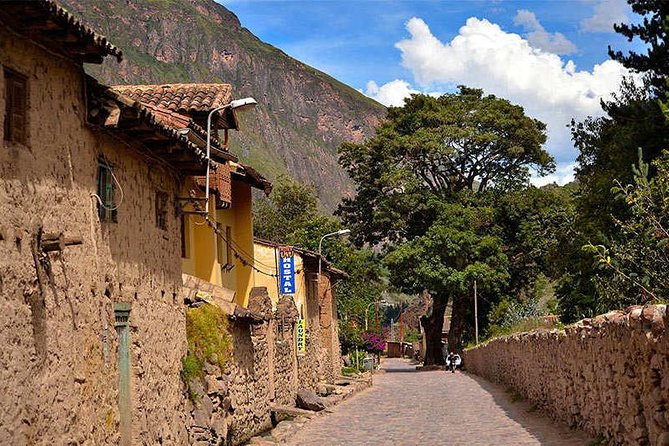
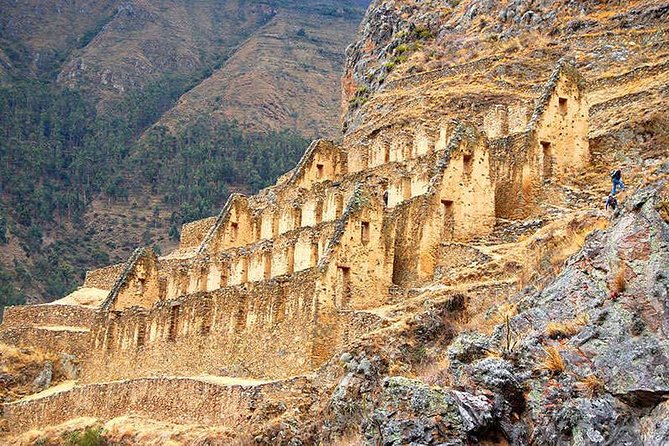
After midday, the plan shifts toward the Sacred Valley region and you continue onward to Ollantaytambo, a living Inca town at about 2,792m. The altitude drops. That helps you feel human again before Machu Picchu day.
Sunrise Machu Picchu: What Your Guided Tour Actually Helps You See
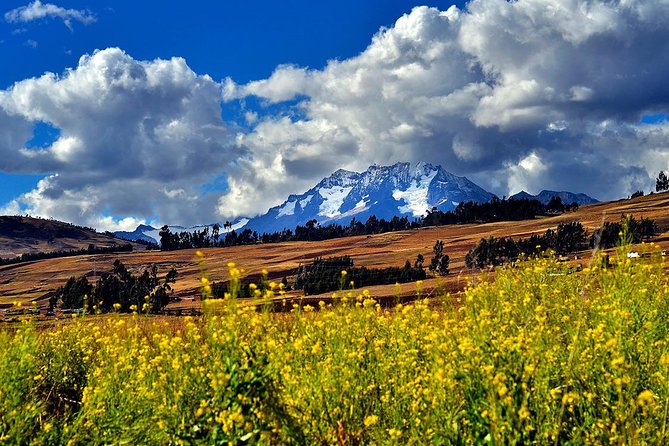
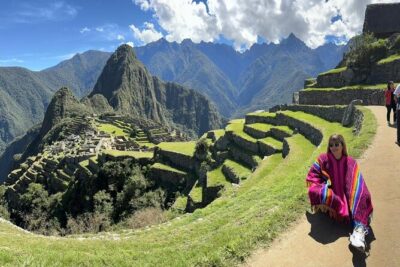
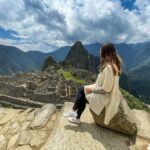
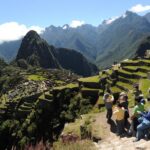
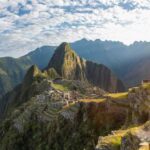
Day 3 is the centerpiece: a very early start, breakfast first, then transport to Machu Picchu by morning bus. The citadel sits at about 2,430m, but the key thing is timing. Sunrise lighting and fewer crowds can make the stone and mist feel like part of one scene rather than separate stops.
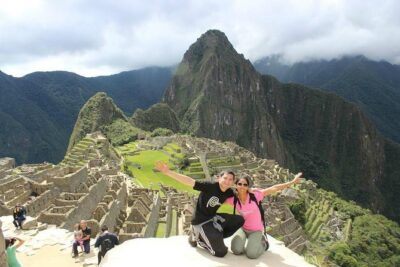
Once you enter, you don’t just wander. You get a guide-led tour that walks you through the main areas: temples, ceremonial spaces, terraces, and storage structures. That matters because Machu Picchu can look like a gorgeous jumble until someone explains what each zone likely did and how the layout worked. The guide helps you read the place.
If you’ve arranged an extra ticket in advance, you can add one of the viewpoints: Huayna Picchu or Machu Picchu Mountain. The tour notes that this depends on securing the additional ticket ahead of time, and it also flags that Huayna Picchu entrance fees aren’t included.
After the guided portion, the group heads back to Aguas Calientes. There’s also an optional dip in the hot springs in the area. It’s a simple way to recover from a long day, especially if you’re feeling the stair-and-standing fatigue that Machu Picchu tends to bring.
Tip: wear grippy shoes. Even with dry weather, paths can be slick.
Sacred Valley by Day 4: Moray, Maras Salt Mines, and Chinchero
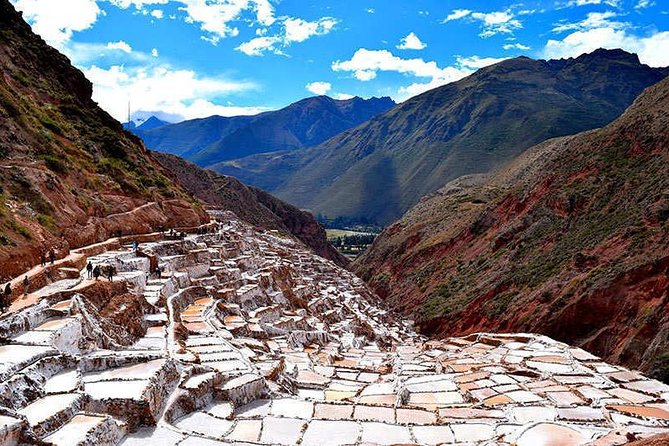
Day 4 is all about the Sacred Valley’s “how did they think like that” sites.
First, you take the morning train to Ollantaytambo. This is one of those time-saving details that makes the whole trip feel easier. Instead of stitching together your own connections, you stay on the route the plan already built.
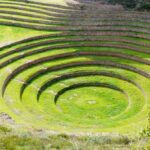
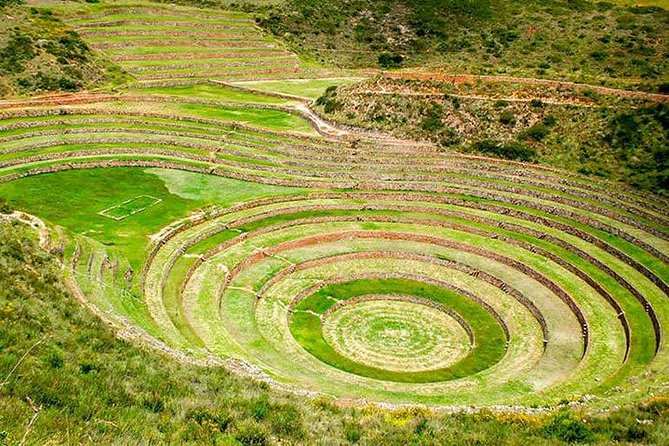
Then you start with Moray (about 3,500m), famous for its concentric terraces. It’s easy to picture how this may have served as an agricultural testing ground. Even if you never learn a single technical word, you get the sense that these terraces were made for controlled conditions, not just decoration.
Next: Maras Salt Mines at around 3,380m. This is where the valley turns visual. Thousands of small white salt pools cascade down a mountainside, used and harvested by local families for generations. You’ll see how the work fits the terrain, and it can feel oddly calming compared with the scale of Machu Picchu.
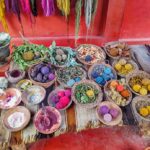
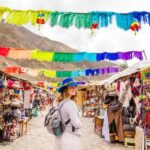
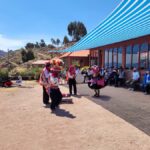
Finally, you end at Chinchero (about 3,762m). A key highlight here is traditional Andean dyeing and weaving demonstrations. It’s a practical stop, because it gives you a way to shop responsibly. If you’re buying textiles or souvenirs, you have more meaning behind what you’re holding.
The Free Cusco Day That Lets You Customize Your Trip
Day 5 is yours. The tour gives you freedom to explore Cusco at your own pace, with time to wander cobblestone streets where Inca foundations and colonial-era facades overlap.
If you want structure, this is also the day when add-ons often make sense. The tour information points to options such as:
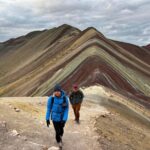
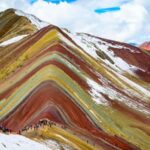
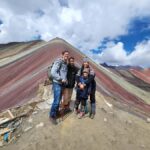
- Rainbow Mountain trek (Vinicunca)
- a Cusco city tour
- horseback riding in the hills near Sacsayhuamán
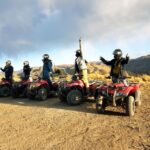
- ATV exploration to Apukunaq Tianan, described as a hidden gem area near Cusco
Even if you don’t do a big extra tour, this is still a good day to do the small stuff well. Slow down in San Blas area vibes, grab a coffee, and spend time in plazas without feeling guilty that you’re skipping a stop.
Practical note: keep an eye on how your body’s doing. Altitude fatigue can build. If you feel lightheaded, it’s okay to go easy and treat the day as recovery with a few easy walks.
You can also read our reviews of more tours and experiences in Cusco
Your Last Morning: Cusco’s Historic Center and a Smooth Airport Exit
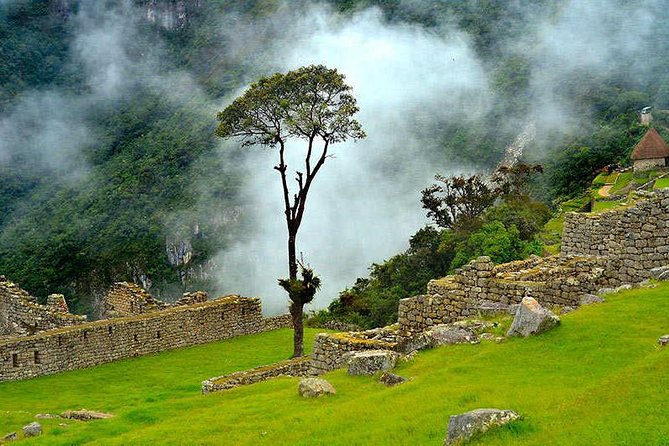
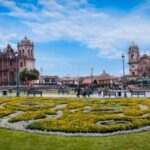
Day 6 wraps things up with a short tour of Cusco’s historic center. You’ll pass through places like San Blas, the cobbled streets around the central core, and San Pedro Market, plus the main square area. There’s also mention of an optional free walking tour.
Then the focus becomes getting you to the airport. Your airport transfer is scheduled according to your flight time, so you’re not stuck guessing how far ahead you need to leave.
This final day is short on purpose. After Machu Picchu and the Sacred Valley, you’ll likely be ready for a quieter rhythm.
Price and Value: Why $999 Can Make Sense Here
At $999 per person, this is positioned as a budget-friendly option, but the real value depends on what’s included.
Here’s what you’re getting without extra surprises:
- 5 nights of accommodations (described as 4 nights in a 3-star hotel, with a note that pricing is based on double occupancy)
- 5 breakfasts
- Professional English-speaking guide for the whole trip
- All transport and transfers
- Expedition or Executive train to Aguas Calientes
- Roundtrip buses to Machu Picchu
- Private guided tour inside Machu Picchu
- Entrance fees called out as included for the plan
Not included items are also clearly flagged:
- Internal flights (Lima–Cusco and Cusco–Lima)
- Meals not stated
- Huayna Picchu entrance fee
The value angle is simple: Cusco-to-Machu Picchu logistics cost time and energy even when you know what you’re doing. Bundling the train, bus rides, and guided time tends to reduce wasted effort. You spend your brainpower on where you want to stand, what you want to ask, and how you want to pace the day—not on ticket timing.
One more reality check: hotel grade can matter. The plan notes both 3-star accommodations for 4 nights and a pricing note tied to double occupancy and a 2-star basis. If you care about room level, confirm what you’re actually getting before you pay.
Guide Team Matters: The Names People Keep Mentioning
A pattern in the feedback is how strongly people connect the experience to the guide. Names that show up repeatedly in the information you provided include Jonathan, Frankly, Eddy Ninan, Guido, Ernesto, and Cusi (plus other team members like Justin, Joel, and Edy mentioned alongside them).
What you should take from that, even without turning this into a marketing contest: a good guide makes Machu Picchu and Sacred Valley feel readable. You’re not just watching stones. You’re learning why the stones and streets were arranged the way they were.
It also helps that this is described as a private guided tour in Machu Picchu plus an English-speaking guide for the entire trip. In practice, that’s the difference between a checklist and an actual story of the place.
Small Group Size: What Max 15 Really Changes
The trip caps at 15 travelers. That sounds like a minor detail until you’re standing with a crowd at a tight viewpoint or trying to hear explanations at a key ruin.
In a smaller group, you usually get:
- quicker attention when you have questions
- better pacing if you want photos without sprinting
- fewer moments where you feel lost at the edges of a big crowd
Also, having your ticket handled as a mobile ticket feature can reduce last-minute paper scrambling, as long as you keep your phone charged.
Who Should Book This Machu Picchu and Sacred Valley Route
This tour fits best if you:
- want Cusco + Sacred Valley + Machu Picchu in a single organized plan
- like cultural stops that connect the dots between Inca sites
- prefer a guide-led Machu Picchu visit rather than total free-form time
- want most major logistics included: train, buses, transfers, entrances, and accommodations
Consider thinking twice if you:
- hate early starts or altitude travel
- want lots of fully free time with no structure (Day 5 is freer, but the rest is guided and scheduled)
- plan to add Huayna Picchu unless you already secured and budgeted for the extra fee
Also, this experience is described as non-refundable and cannot be changed for any reason. If your flight plans are shaky, double-check your dates before you commit.
Should You Book This Tour?
I’d book it if you want a well-connected Cusco itinerary that gets you to Machu Picchu with sunrise timing, then keeps rolling through Sacred Valley highlights like Moray, Maras Salt Mines, and Chinchero. The value comes from bundling train, buses, a private Machu Picchu guide, and major entrance fees under one price.
I’d hesitate if you’re altitude-sensitive, have little flexibility with dates, or strongly prefer a self-guided travel style. In those cases, you might want a more customizable route so you can slow down exactly where you need to.
If your goal is a high-quality cultural week that handles the hard logistics for you, this is a practical way to do Machu Picchu without turning your vacation into a scheduling project.
FAQ
What time does the tour start?
The meeting point start time listed is 10:00 am.
Is pickup included?
Pickup is offered as part of the experience.
How big is the group?
The tour has a maximum of 15 travelers.
What does the tour price include?
It includes 5 nights of accommodations, transportation and transfers, train to Aguas Calientes, roundtrip buses to Machu Picchu, a private guided tour in Machu Picchu, a professional English-speaking guide, and 5 breakfasts, along with entrance fees.
What is not included?
Not included are internal flights (Lima–Cusco and Cusco–Lima), meals not stated, and the entrance fee for Huayna Picchu.
Do I need an extra ticket for Huayna Picchu or Machu Picchu Mountain?
Yes. The plan notes that if you secure an additional ticket in advance, you can explore either Huayna Picchu or Machu Picchu Mountain.
How soon will I get confirmation after booking?
Confirmation is received within 48 hours of booking, subject to availability.