REVIEW · CUSCO
6 day Rainbow Mountain x Ausangate Trek – FlashpackerConnect
Book on Viator →Operated by FlashpackerConnect LLC · Bookable on Viator
Early mornings, big colors, and clear air.
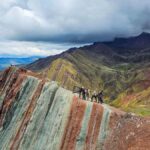
This 6-day trek from Cusco pushes you into the Ausangate region on foot, where you reach Rainbow Mountain and a string of high Andean passes only accessible by trekking. I like that it’s small-group focused (max 8 people) with an English/Spanish-speaking guide, and you’re not juggling logistics because transport, camps, most gear support, and meals are built into the trip. One thing to consider: you need solid fitness for the repeated high passes (up to 5,130m) and long hiking days, plus you’ll start very early almost every morning.
If you’ve ever wanted the Andes without the cram-and-run feel, this route is made for that. The trek also has some smart “recovery beats,” like hot springs in Upis and time to explore near the campsides—so it’s not just grind, grind, grind. Just remember the altitude and cold can be real even when the days look sunny on the walk out.
In This Review
- Key things I’d put on your shortlist
- Six days in Ausangate country: what this trek is really like
- Cusco to Tinqui to Upis hot springs: Day 1 (4200m camp)
- Seven lagoons at 5:00am: Day 2 and the Ninaparayuc camp
- Qampa pass and moraine walking: Day 3 (Qampa Pass 5051m)
- Palomani pass, colored hills, and the 5,130m push: Day 4
- Red Mountain Valley and two passes before Rainbow Mountain Eve: Day 5
- Sunrise at Rainbow Mountain: Day 6 and the Red Valley add-on
- Group size, guide support, and the feel of a “supported” trek
- Price and value: is $1,050 fair for a 6-day supported camping trek?
- Altitude, fitness, and weather: plan like the Andes mean it
- What to pack (since personal gear isn’t included)
- Should you book this Rainbow Mountain x Ausangate trek?
- FAQ
- What time does the trek start from Cusco?
- Where do we sleep during the trek?
- Are meals included?
- Is a vegetarian option available?
- What’s included for health and comfort on the trail?
- Do I need to bring my own hiking gear?
- Is riding a horse included?
- What happens if the booking is canceled?
Key things I’d put on your shortlist
- Max 8 travelers keeps the rhythm more personal on trail
- All food + camping setup included, so you’re not sourcing essentials mid-trip
- Hot springs in Upis break up the climbing early on
- Oxygen tank in the first-aid kit and a portable toilet add real comfort
- Pack horses carry gear (you handle your personal backpack)
- Rainbow Mountain sunrise timing is built in with a pre-dawn wake-up
Six days in Ausangate country: what this trek is really like
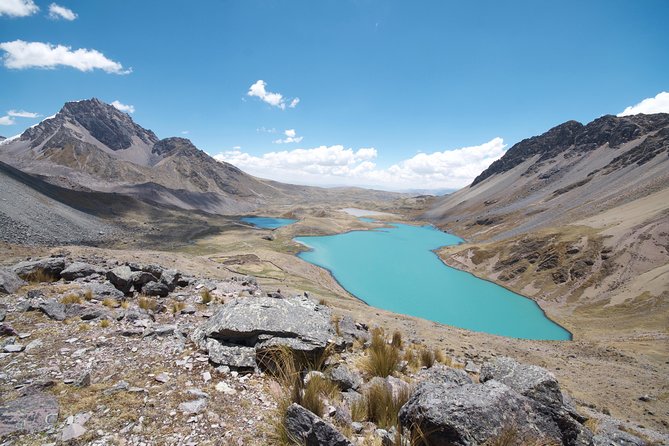
This is a high-altitude camping trek that starts in the Cusco area and works its way deep into the Ausangate surroundings. You’ll be trekking above typical day-trip altitude, with multiple passes and plenty of time on open ridgelines where the weather can shift fast. The payoff is that you see Peru in a way that feels less like sightseeing and more like movement through working Andean landscapes.
What makes this trip a good value is how much is bundled for a one-price experience. You get private transportation to and from your Cusco hotel, a guide, and access fees to private land. Then you also get camping support—tents and sleeping bags—plus a chef and meals for the full trek. For many active travelers, that’s the heart of why paid treks are worth it: someone else handles the hard-to-organize pieces.
Your pacing is also structured. Instead of a long day every day, there are “anchor” stops where you can reset: hot springs on day one, lagoons and rest time on day two and two more camps to break up the climbing. Still, the hike days are consistently serious, with several 6–8 hour days and passes at 5,051m and 5,130m.
You can also read our reviews of more hiking tours in Cusco
Cusco to Tinqui to Upis hot springs: Day 1 (4200m camp)
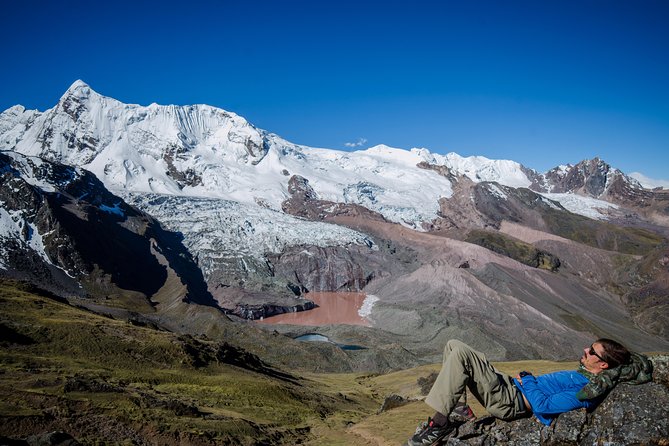
Day one is about setting your rhythm and getting your gear organized for the trek ahead. Your guide meets you early in Cusco, and you ride by private transport to Tinqui, where lunch is served while your kit gets loaded onto pack horses. That matters more than it sounds. When you don’t have to stop and fuss with cargo, you can focus on settling into your hiking pace.
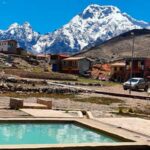
Then the trail begins with a short first day: about 2–3 hours of walking. You’ll reach the village of Upis, and that’s where the day turns from effort to recovery. You can soak in the hot springs and sip coca tea, then relax before dinner. Even if you’ve done trekking before, hot springs after a first day at altitude help your legs feel less destroyed for the next morning.
Practical note: it’s still an acclimation day. You’ll feel the altitude from early on, even if this is the shortest hike day of the whole route.
Seven lagoons at 5:00am: Day 2 and the Ninaparayuc camp
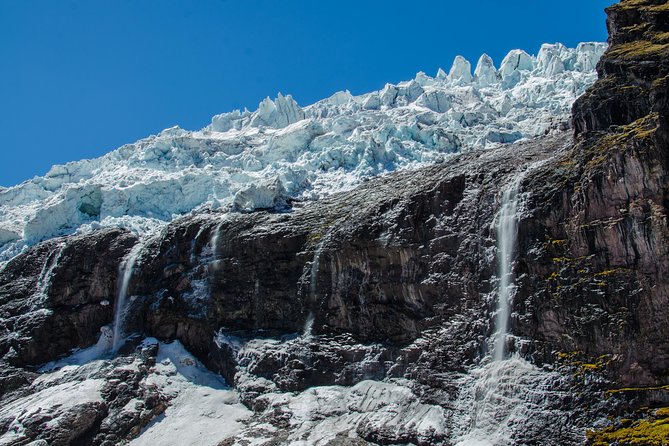
Day two starts early, with wake-up around 5:00am. You get coca tea or coffee delivered to your tent, then breakfast before you set off. This morning hike targets the seven lagoons of Ausangate, and it’s paced around scenery and wildlife sightings rather than constant technical climbing.
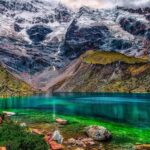
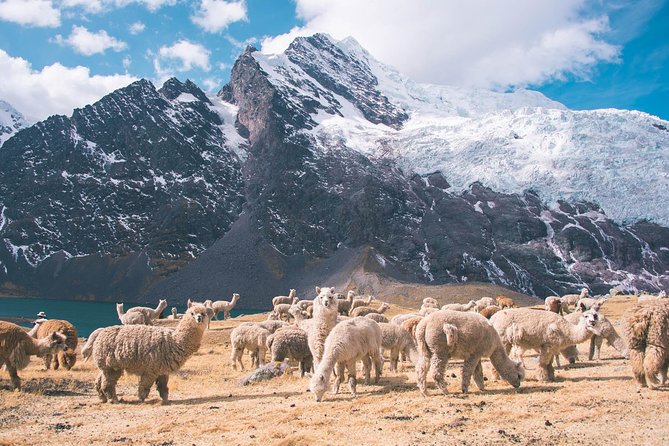
Along the way, you pass through areas with local farmers and alpacas. Your guide explains what makes this region special, and you’re also watching the skies and slopes for condors. There’s even a chance to spot chinchillas and vicuñas if you’re lucky and you move quietly enough to see them.
The terrain brings you to Ninaparayuc campsite, where you’re surrounded by tall mountains. After lunch, there’s time to explore nearby lakes. That open stretch of free-ish time is a big quality-of-life feature. It’s not just “walk, eat, sleep”—you get a window to wander and take photos when your legs finally calm down.
Consideration: day two’s hike time is longer than day one (around 5 hours) and includes a 10km distance. It’s still manageable, but it’s a real trekking day. Plan to keep your pace controlled and steady.
Qampa pass and moraine walking: Day 3 (Qampa Pass 5051m)
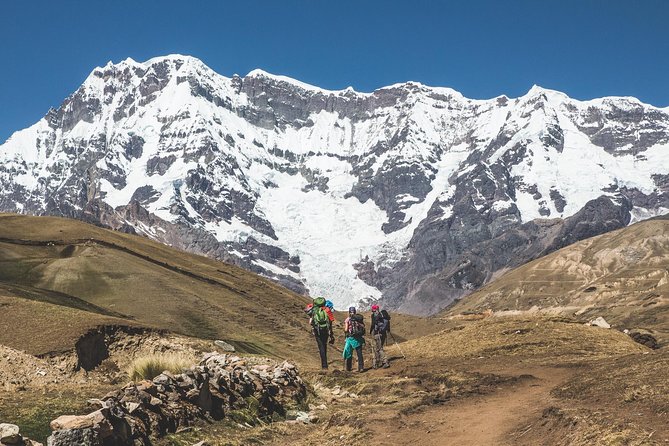
Day three is described as challenging, and the schedule backs that up. You start with Qampa pass at 5,051m, and the work is rewarded with wide views of Mount Ausangate. High passes do two things at once: they ask for effort, and they show you why trekkers keep coming back to the Andes.
After the pass, you descend into the Qampa Valley. You’ll see glaciers in the broader view and grazing llamas closer to the trail. Lunch happens at Surapampa, and then the hike continues through ancient moraine terrain—an area where you can feel the trail changing underfoot.
This is also the day where you’re actively looking for mountain chinchillas (Andean rabbits mentioned on the route). Watching for them is more than just a cute side quest. It encourages you to slow down, scan, and notice how animals use the rocky, high-elevation terrain.
You finish at Huchuy Phinaya campsite, where dinner comes after a long day (7–8 hours and about 14km). By this point, the real win is that you’ve moved through different kinds of terrain, not just one long climb.
Palomani pass, colored hills, and the 5,130m push: Day 4
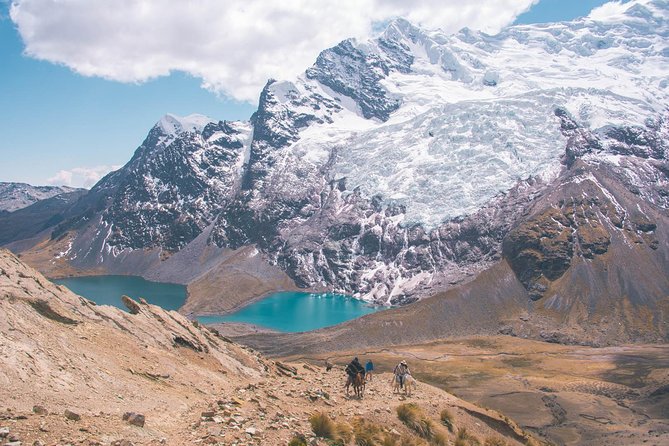
Day four adds another layer: multi-colored hills beside Ausangate and more glacial lagoons. You walk toward Palomani pass, which sits at 5,130m. The route calls it the highest pass on the trek, and even if you don’t measure altitude mentally every minute, the effort is real once you’re that high.
From the pass, you descend into a valley for lunch. Then the afternoon becomes a “walk up” to Puca Cocha camp, around 4,600m. It’s still hiking, but it’s shorter and built as a continuation rather than another full pass push.
You’ll get tea time and another dinner at camp. This is the kind of day that feels like two hikes in one: a strong pass climb, then a gentler but still demanding climb to camp. If you tend to race downhill, watch your footing on uneven ground.
You can also read our reviews of more tours and experiences in Cusco
Red Mountain Valley and two passes before Rainbow Mountain Eve: Day 5
Day five keeps the altitude work going. You start from Puca Cocha camp with another breakfast, then hike toward Puca Cocha pass at about 5,051m. The trail enters the Red Mountain Valley, and you’re treated to views of Mount Ausangate and colorful glacier lakes along the route.
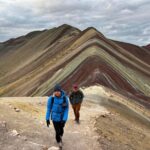
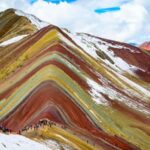
Then comes the second major climb of the day: Warmi Saya pass. While you climb, you get your first clear sight of Rainbow Mountain in the distance. That’s a fun mental setup. Instead of waiting until sunrise to feel the “wow,” you’ll see the shape and color before you ever get close enough to photograph it properly.
You descend after the pass and reach your campsite for the night, with lunch and rest before day six. The hiking day is about 6–7 hours, and you’ll cover roughly 13km. By now, your body is probably learning the pace you need to avoid getting out of breath too early.
Sunrise at Rainbow Mountain: Day 6 and the Red Valley add-on
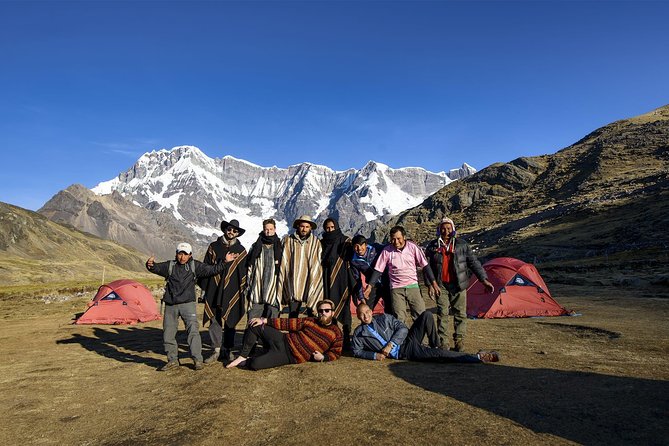
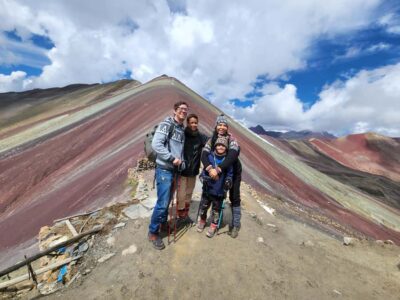
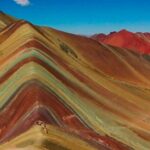
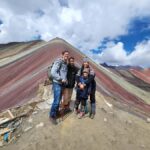
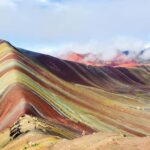
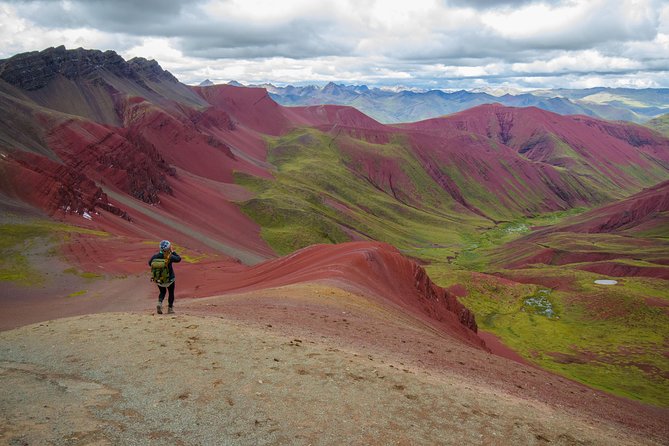
Day six is the one you planned the whole trek for. You wake up around 4:45am with coca tea delivered to your tent. Then it’s about 45 minutes of hiking to reach Rainbow Mountain. Once you’re there, you get time to explore and take pictures, with a visit lasting about 30 minutes to 1 hour depending on trekking speed and weather.
Then the trip adds a bonus: you visit the Red Valley, which takes another 30 minutes. That short side stop matters because it gives you more than one “postcard angle.” After that, you head to the bus station to catch the van back.
There’s also a farewell dinner on the last day, and you’ll say goodbye to the horseman and chef before heading back to Cusco. You’re dropped at your hotel around 3:00pm, which is a big deal after a pre-dawn day. You still get daylight to recover rather than returning late at night.
Key reality check: the whole point of Rainbow Mountain is early timing. Weather can change quickly, so the morning window is what you’re paying for.
Group size, guide support, and the feel of a “supported” trek
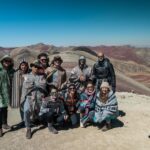
This is not a solo trek. The group size is capped at 8 travelers, and you’ll hike with an English/Spanish-speaking guide. That kind of language coverage matters when you’re deep in remote areas and need clear guidance—especially around pacing and safety at altitude.
Support doesn’t stop at guidance. You travel with horsemen and pack horses to carry all trekking gear, and you get duffel bags for your personal belongings up to 6kg per person (carried by the horses). The route also includes tents and sleeping bags, plus a portable toilet—small things that make the camping experience less stressful.
You also get snacks and coffee and/or tea through the trek, and a first-aid kit that includes an oxygen tank. That doesn’t eliminate altitude risk, but it does mean the trip takes medical readiness seriously.
One more practical touch: transport between your Cusco hotel and the trek start/end point is included as private transportation. That removes uncertainty and saves time—especially when the trek starts early.
Price and value: is $1,050 fair for a 6-day supported camping trek?
At $1,050 per person for about 6 days, this trek is priced like a full-service experience. The real question isn’t the number. It’s what you avoid.
Here’s what you’re getting that usually costs extra or requires extra effort when you book parts yourself:
- Private transport to/from Cusco
- Guide plus fees to access private land
- Camping tent and sleeping bag
- Chef support and included meals (breakfasts, lunches, dinners across all days)
- Pack horses/horseman to carry your gear
- First-aid kit with oxygen tank and a portable toilet
- Snacks, and coffee/tea
What’s not included is your personal trekking gear and backpack, plus riding a horse (the route specifies riding horse isn’t included). So you’re still responsible for bringing what you hike with day to day.
My take: if you want Rainbow Mountain and Ausangate without spending days arranging permits, food, cooking setup, and camp logistics, the price makes sense. You pay for the structure. If you’re a hardcore DIY trekker who already has everything dialed, you could potentially do it cheaper, but most people don’t. They end up paying in time and stress.
Altitude, fitness, and weather: plan like the Andes mean it
This trek sits in high elevation territory repeatedly. You camp around 4,200m on day one and you’re over 5,000m on multiple passes. You’ll also have long hiking days—up to 7–8 hours on day three and four, and 6–7 hours on day five. For a good fitness level, it’s not just about endurance. It’s about moving steadily when your breathing gets taxed.
The route also states it operates in all weather conditions. That’s a reminder to dress appropriately and expect cold, wind, and temperature swings—especially early mornings at 4:45am and 5:00am starts.
One important limitation: due to uneven surfaces, the trek is not recommended if you have walking disabilities. This is remote terrain, and the pace and foot placement matter.
If you’ve never trekked at altitude before, take it seriously. The safest approach is to keep your pace conservative, hydrate, and don’t treat it like a normal hike. When in doubt, go slower than your pride wants.
What to pack (since personal gear isn’t included)
The trek provides a lot, but not your personal hiking kit. Since personal trekking gear and your backpack aren’t included, you’ll want to bring the basics you rely on for high-altitude walking—things like appropriate hiking footwear and layers for cold mornings. The route’s schedule and high passes also mean you’ll want gear that helps you stay warm and stable during uneven terrain.
If you’re unsure what counts as personal trekking gear for your tour operator, ask before you go. It’s easier to confirm early than to scramble in Cusco.
Also, plan how you carry day items. Since pack horses carry gear and you’re given duffel bags for belongings up to 6kg, you’ll likely want only a smaller personal backpack for water, layers, and quick-access items.
Should you book this Rainbow Mountain x Ausangate trek?
Book it if you want a real Andean trekking experience without the “figure-it-out” headache. The mix of Rainbow Mountain, hot springs in Upis, lagoons, and multiple high passes makes it feel like a full multi-day route rather than a one-hit stop. The all-inclusive structure—meals, camping setup, guide support, and included transport—lets you focus on hiking and enjoying the views.
Skip it or reconsider if:
- you struggle with long hikes or high-altitude effort
- you have mobility concerns with uneven ground
- you’re looking for a relaxed day-trip style outing
- you’re not comfortable with very early wake-ups (4:45am and 5:00am)
If you meet the fitness bar and you handle cold mornings, this is a strong way to see the Ausangate region on foot—and to reach Rainbow Mountain at the hour when it matters most.
FAQ
What time does the trek start from Cusco?
The tour lists a start time of 6:00am.
Where do we sleep during the trek?
You sleep in camping tents. The tent and sleeping bag are included.
Are meals included?
Yes. Breakfasts, lunches, and dinners are included throughout the trek.
Is a vegetarian option available?
Yes. Vegetarian options are available if you advise at the time of booking.
What’s included for health and comfort on the trail?
You get a first-aid kit that includes an oxygen tank, plus a portable toilet.
Do I need to bring my own hiking gear?
Yes. Personal trekking gear and your backpack are not included.
Is riding a horse included?
No. Riding a horse is not included, although pack horses carry the group’s gear.
What happens if the booking is canceled?
The experience is non-refundable and cannot be changed for any reason. It also requires a minimum of 2 travelers; if the minimum isn’t met, you’ll be offered a different date/experience or a full refund.